
Nutrition comparison
Chokeberry vs Blueberry: Antioxidant Power vs Taste
Chokeberries pack far more antioxidants and less sugar than blueberries, but which is better for daily health? Compare taste, benefits, and best uses.
Overall winner · Blueberry
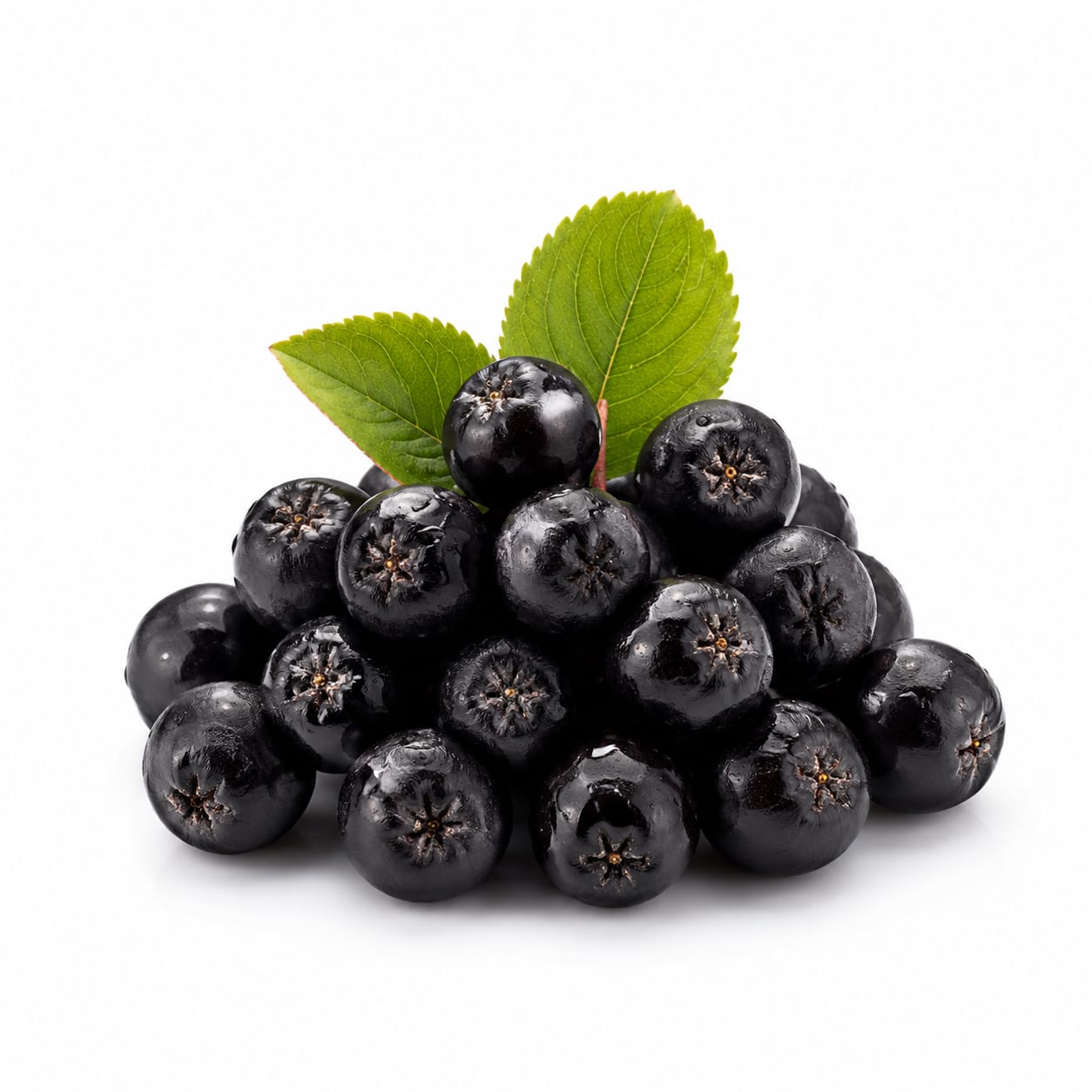
Chokeberry
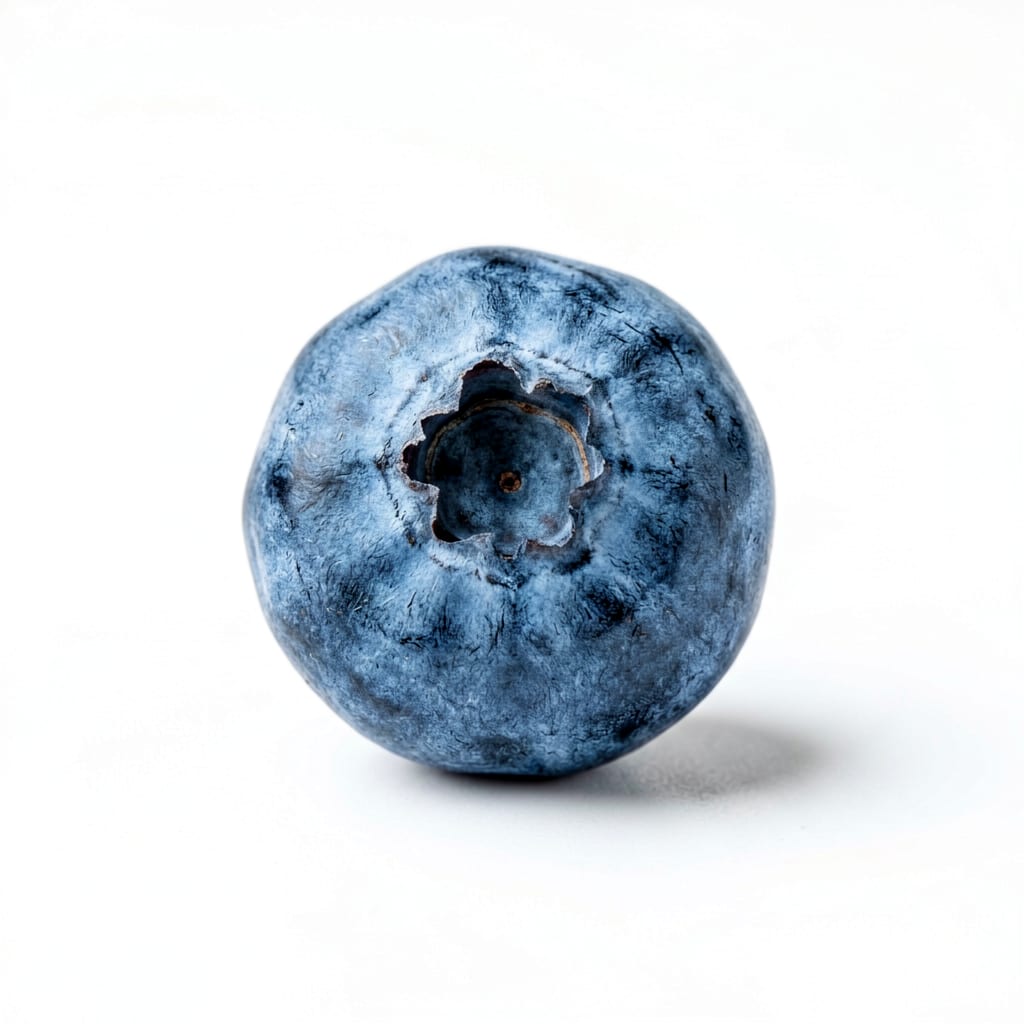
Blueberry
Chokeberries pack a far stronger antioxidant punch, but blueberries win on taste, versatility, and everyday enjoyment.
Blueberries score higher overall because their pleasant taste and versatility make them easy to eat regularly. Chokeberries are nutritionally superior in specific areas but their extreme tartness limits real-world consumption without processing or sweetening.
You trade maximum antioxidant power for palatability and convenience; chokeberries are a potent supplement, blueberries are a delicious staple.
At a glance
Executive summary
Overall
Blueberry
Healthier
Chokeberry
More practical
Blueberry
Daily use
Blueberry
Key comparison lenses
Antioxidant potency comparison
Chokeberries are famously one of the highest antioxidant fruits globally, dwarfing even blueberries, making this the core differentiator.
Taste and palatability tradeoffs
Chokeberries are extremely tart and astringent, making them hard to eat raw, whereas blueberries are sweet and enjoyable fresh.
Blood sugar management
Chokeberries have significantly less sugar and may improve glucose metabolism, while blueberries have a moderate sugar content.
Best choice for
Chokeberry
- Targeted antioxidant supplementation
- Managing blood sugar spikes
- Cardiovascular support protocols
Blueberry
- Enjoyable daily snacking
- Adding to breakfast bowls and smoothies
- Cognitive and eye health maintenance
Least suitable for
Chokeberry
- Eating fresh out of hand
- Children who dislike tart flavors
- Those looking for a sweet treat
Blueberry
- Strict low-sugar diets
- Maximum antioxidant concentration per gram
Deep comparison
Dimension by dimension
Each lens scores both foods and breaks down who each option suits.
- Dimension 1 · Priority 95Chokeberry
Antioxidant Density
Chokeberry · 99Blueberry · 85Chokeberries contain roughly three times the anthocyanins and overall antioxidants compared to blueberries.
Tradeoff
You get unmatched cellular protection from chokeberries, but extracting those benefits usually requires consuming them as a tart juice or powder.
Why it matters
Higher antioxidant intake combats oxidative stress, which is linked to aging and chronic disease.
Real-world impact
Drinking chokeberry juice might offer more noticeable anti-inflammatory effects than a handful of blueberries, but it is a much less relaxing eating experience.
Chokeberry
- Fighting severe oxidative stress
- Intensive cardiovascular support
Better for
- Those who cannot tolerate the astringent taste and give up eating them entirely
Worse for
Blueberry
- Sustained, moderate antioxidant intake without palate fatigue
Better for
- Situations requiring the absolute highest concentration of anthocyanins per serving
Worse for
- Dimension 2 · Priority 90Blueberry
Palatability and Enjoyment
Chokeberry · 30Blueberry · 95Blueberries are sweet and juicy, perfect for fresh snacking. Chokeberries are intensely sour and dry out your mouth.
Tradeoff
Blueberries are a joy to eat raw, while chokeberries usually need to be hidden in smoothies, baked goods, or taken as a supplement.
Why it matters
A food's health benefits only matter if you actually eat it. Poor taste leads to inconsistent consumption.
Real-world impact
You will happily pop blueberries as a snack all day, but eating raw chokeberries feels like a chore.
Chokeberry
- People who prioritize function over flavor and consume it as a shot
Better for
- Picky eaters
- Casual snacking occasions
Worse for
Blueberry
- Families looking for a healthy treat everyone enjoys
- Stress-free healthy snacking
Better for
- No real downside here, unless you dislike sweet fruit
Worse for
- Dimension 3 · Priority 85Chokeberry
Blood Sugar and Diabetes Friendliness
Chokeberry · 92Blueberry · 78Chokeberries have less sugar and contain compounds that may actively improve insulin sensitivity.
Tradeoff
Chokeberries offer better blood sugar control, but if you add sweeteners to make them palatable, you negate the advantage.
Why it matters
Stable blood sugar prevents energy crashes and reduces diabetes risk.
Real-world impact
A chokeberry extract won't spike your blood sugar at all, whereas a large bowl of blueberries has enough sugar to cause a mild rise.
Chokeberry
- Diabetics seeking glucose-lowering functional foods
- Keto dieters
Better for
- Those who process chokeberries into high-sugar jams or juices
Worse for
Blueberry
- Athletes needing natural pre-workout sugar
Better for
- People strictly monitoring carbohydrate grams
Worse for
- Dimension 4 · Priority 80Blueberry
Convenience and Versatility
Chokeberry · 45Blueberry · 90Blueberries are available fresh, frozen, and dried everywhere. Fresh chokeberries are rare and usually processed.
Tradeoff
Blueberries fit effortlessly into any meal, while chokeberries require more effort to source and incorporate tastefully.
Why it matters
Convenience determines whether a healthy food becomes a habit or a one-time purchase.
Real-world impact
You can throw blueberries into yogurt in seconds. Finding and preparing chokeberries takes planning and recipe adjustments.
Chokeberry
- Targeted supplementation routines where a small daily dose is acceptable
Better for
- Quick on-the-go lifestyles
Worse for
Blueberry
- Busy mornings
- Impromptu snacking
- Baking and cooking
Better for
- None significant
Worse for
Timeline
Health impact over time
Short-term
Hours to days
Chokeberry
- Noticeable astringency and mouth-drying effect
- No blood sugar spike
- Possible digestive mildness if consumed in large amounts due to tannins
Blueberry
- Quick, refreshing energy from natural sugars
- Satisfies sweet cravings healthily
- Gentle hydration from high water content
Long-term
Months to years
Chokeberry
- Potent cardiovascular protection and blood pressure support
- Strong anti-inflammatory effects reducing chronic disease risk
- Improved insulin sensitivity over time
Blueberry
- Sustained cognitive and memory support
- Consistent antioxidant intake protecting against aging
- Maintenance of eye health
Risk profile
Safety & processing
Both are whole fruits when fresh, but chokeberries are so tart that they are frequently sold as juices or powders with added sweeteners, raising additive concerns. Blueberries are typically consumed in their natural state.
Chokeberry
Added sugars in processed forms
mediumBecause raw chokeberries are unpalatable, commercial juices and jams often contain high amounts of added sugar to balance the tartness.
Blueberry
Pesticide residue
mediumConventional blueberries are frequently on the EWG's Dirty Dozen list, so organic is recommended to avoid pesticide exposure.
Who wins for whom
Audience fit
Same foods, different winners depending on your goal.
children
BlueberryChildren will almost universally reject the mouth-puckering tartness of chokeberries, whereas blueberries are a kid-friendly, easy-to-eat snack.
daily consumption
BlueberryBlueberries are pleasant and easy to incorporate into daily meals without palate fatigue, ensuring consistent long-term consumption.
diabetes
ChokeberryChokeberries have a minimal sugar load and contain polyphenols that actively improve glucose metabolism, offering a distinct advantage for blood sugar management.
elderly
BlueberryBlueberries offer well-documented cognitive and memory benefits with a soft texture that is easy to chew, making them highly suitable for aging adults.
muscle gain
BlueberryBlueberries provide easily accessible natural carbohydrates that are useful for fueling workouts and recovery, while chokeberries lack the quick energy needed.
weight loss
ChokeberryChokeberries are extremely low in sugar and their intense flavor prevents overeating, making them ideal for strict calorie control if consumed without added sweeteners.
Your move
Decision guide
Choose Chokeberry
- You want the absolute highest antioxidant concentration per serving
- You are specifically managing blood sugar or insulin resistance
- You don't mind taking your fruit as a tart juice shot or powder supplement
Choose Blueberry
- You want a delicious, snackable fruit you will actually look forward to eating
- You need a versatile berry for smoothies, oatmeal, and baking
- You are focused on long-term cognitive and eye health maintenance
Either works if
- You are simply looking to increase your daily fruit and antioxidant intake
- You want natural whole-food sources of anthocyanins
Avoid both if
- You have a severe allergy to berries or salicylates
Final recommendation
Keep blueberries as your daily go-to berry for enjoyment and consistency, but consider adding chokeberry powder or a small pour of its juice a few times a week if you want a targeted antioxidant boost without changing your diet drastically.
Practical
Consumer tips
- 1
If buying chokeberry juice, check the label to ensure it isn't loaded with added apple juice or sugar to mask the tartness.
- 2
Frozen blueberries are just as nutritious as fresh and often more budget-friendly for daily smoothies.
- 3
Mix a small amount of chokeberry powder into a blueberry smoothie to get the best of both worlds: great taste with an antioxidant upgrade.
- 4
If growing chokeberries, note that they are much easier to grow organically than blueberries, which often require acidic soil amendments.