
Nutrition comparison
Chokeberry vs Pomegranate: Antioxidant & Taste Comparison
Chokeberry offers unmatched antioxidant density, but Pomegranate wins on taste and daily versatility. Discover which superfruit fits your health goals.
Overall winner · Pomegranate
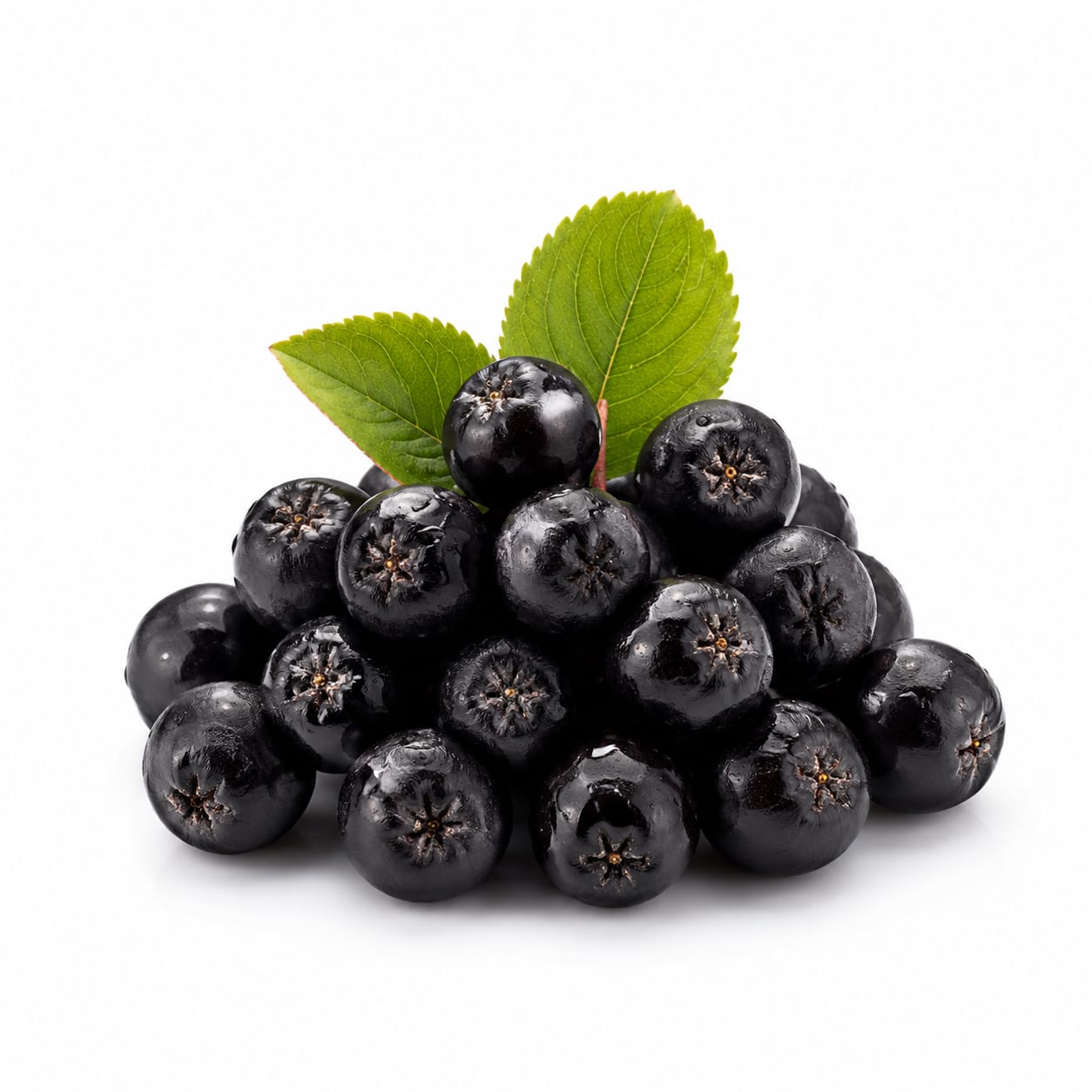
Chokeberry
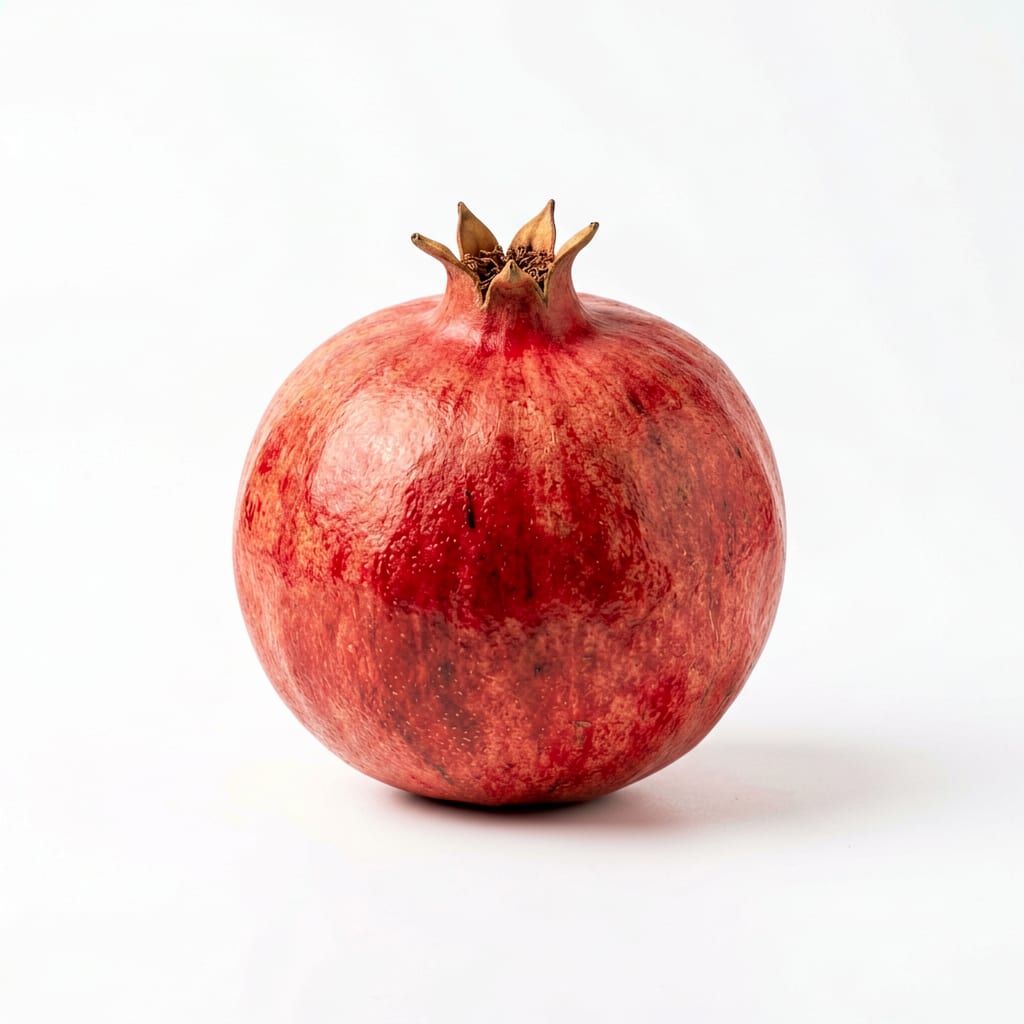
Pomegranate
Chokeberry packs a stronger antioxidant punch, but Pomegranate is far more enjoyable and easier to eat regularly.
Pomegranate scores higher overall due to its superior palatability and versatility, making it a more sustainable healthy habit, even though Chokeberry has a slight edge in pure antioxidant power.
Maximum antioxidant density versus everyday taste and culinary versatility.
At a glance
Executive summary
Overall
Pomegranate
Healthier
Chokeberry
More practical
Pomegranate
Daily use
Pomegranate
Key comparison lenses
Antioxidant power and oxidative stress reduction
Both are renowned superfruits, but Chokeberry has one of the highest antioxidant capacities of any fruit, making direct comparison crucial.
Taste and palatability for daily consumption
Chokeberry is notoriously astringent and tart, while Pomegranate is sweet-tart and widely enjoyed, heavily impacting long-term adherence.
Culinary versatility and ease of use
Pomegranate arils are a versatile garnish, whereas Chokeberry is rarely eaten fresh and usually requires processing or sweetening.
Heart health and anti-inflammatory benefits
Both fruits offer significant cardiovascular protection, but through slightly different phytonutrient profiles.
Best choice for
Chokeberry
- Targeted antioxidant supplementation
- Blending into smoothies to mask tartness
- Managing severe oxidative stress
Pomegranate
- Enjoyable daily fruit intake
- Heart-healthy snacking
- Adding flavor and crunch to salads
Least suitable for
Chokeberry
- Picky eaters sensitive to tartness
- Fresh snacking on the go
- People seeking a sweet treat
Pomegranate
- Those needing the absolute highest antioxidant concentration per gram
- Budget-conscious shoppers looking for cheap superfruits
Deep comparison
Dimension by dimension
Each lens scores both foods and breaks down who each option suits.
- Dimension 1 · Priority 95Chokeberry
Antioxidant Density
Chokeberry · 98Pomegranate · 90Chokeberry is one of the most antioxidant-dense fruits on the planet, outperforming Pomegranate in total anthocyanin content.
Tradeoff
You get more antioxidants per bite with Chokeberry, but the extreme tartness makes it hard to consume large quantities.
Why it matters
Higher antioxidant intake combats cellular damage and chronic inflammation more effectively.
Real-world impact
A small amount of Chokeberry juice or powder delivers a massive antioxidant hit without needing to eat a large volume of fruit.
Chokeberry
- Fighting severe oxidative stress
- Supplementing a low-antioxidant diet
Better for
- Those who cannot tolerate the astringent taste
Worse for
Pomegranate
- Sustained, enjoyable antioxidant intake over a lifetime
Better for
- Situations requiring maximum antioxidant concentration in a small dose
Worse for
- Dimension 2 · Priority 90Pomegranate
Taste and Palatability
Chokeberry · 40Pomegranate · 92Pomegranate offers a sweet-tart, refreshing flavor with juicy arils, while Chokeberry is intensely tart and mouth-drying.
Tradeoff
Pomegranate is a pleasure to eat fresh; Chokeberry usually requires sweetening or hiding in smoothies.
Why it matters
If a food doesn't taste good, you won't eat it consistently, negating its health benefits.
Real-world impact
You will likely look forward to eating Pomegranate, whereas Chokeberry might feel like a chore to consume.
Chokeberry
- People who love extreme sour or tart flavors
Better for
- Children
- Casual snacking
Worse for
Pomegranate
- Enjoyable snacking
- Sharing with family
Better for
- Those who prefer very mild flavors
Worse for
- Dimension 3 · Priority 85Pomegranate
Culinary Versatility
Chokeberry · 50Pomegranate · 90Pomegranate arils are a versatile garnish for salads, yogurts, and savory dishes. Chokeberry is mostly limited to juices, jams, and baked goods.
Tradeoff
Pomegranate adds texture and visual appeal to almost any meal, while Chokeberry is better hidden in recipes.
Why it matters
Versatility determines how easily you can integrate a food into your weekly meal prep.
Real-world impact
Sprinkling Pomegranate on a salad takes seconds; using Chokeberry requires planning to balance its intense flavor.
Chokeberry
- Making antioxidant-rich preserves or juices
Better for
- Quick fresh garnishing
Worse for
Pomegranate
- Salads
- Breakfast bowls
- Savory cooking
Better for
- Concentrated juice shots
Worse for
- Dimension 4 · Priority 80It depends
Heart Health and Circulation
Chokeberry · 90Pomegranate · 89Both are exceptional for heart health, with Chokeberry slightly leading in blood pressure reduction and Pomegranate excelling in arterial protection.
Tradeoff
Chokeberry may lower blood pressure more aggressively, while Pomegranate better prevents arterial plaque buildup.
Why it matters
Cardiovascular protection is one of the most impactful long-term benefits of berries.
Real-world impact
Regular consumption of either fruit supports healthy blood pressure and cholesterol, but through slightly different mechanisms.
Chokeberry
- Managing borderline high blood pressure
Better for
- Those on blood pressure medications needing to avoid sudden drops
Worse for
Pomegranate
- Improving arterial elasticity and reducing plaque
Better for
- Situations requiring the most potent single antioxidant source
Worse for
Timeline
Health impact over time
Short-term
Hours to days
Chokeberry
- Noticeable astringency drying the mouth
- Quick antioxidant boost
- Possible mild digestive adjustment if consumed in large amounts
Pomegranate
- Refreshing hydration from juicy arils
- Satisfying sweet-tart flavor
- Quick energy lift without a crash
Long-term
Months to years
Chokeberry
- Significant reduction in oxidative stress markers
- Improved blood pressure regulation
- Better immune resilience
Pomegranate
- Improved arterial health and blood flow
- Reduced chronic inflammation
- Sustained antioxidant protection
Risk profile
Safety & processing
Pomegranate is more commonly eaten in its whole, unprocessed form. Chokeberry is rarely eaten fresh and is typically processed into juices or powders, which can sometimes include added sugars to balance the extreme tartness.
Chokeberry
Added sugars in commercial products
mediumBecause fresh Chokeberry is so tart, commercial juices and jams often contain high amounts of added sugar to make it palatable.
Pomegranate
Pesticide residue on peels
lowWhile you eat the arils and discard the peel, the thick rind can harbor pesticides, though the edible part is generally safe.
Who wins for whom
Audience fit
Same foods, different winners depending on your goal.
children
PomegranatePomegranate arils are a fun, sweet, and appealing snack for kids, while Chokeberry is far too tart.
daily consumption
PomegranatePomegranate is far easier and more enjoyable to eat every day, making the habit sustainable.
diabetes
ChokeberryChokeberry has a slightly lower sugar content and a very low glycemic load, though both are safe in moderation.
elderly
It dependsPomegranate supports joint and arterial health, while Chokeberry offers potent cognitive and blood pressure support.
muscle gain
It dependsNeither is a primary muscle-building food, but both offer good recovery antioxidants.
weight loss
PomegranatePomegranate is more satisfying and easier to eat without added sweeteners, keeping calorie intake lower.
Your move
Decision guide
Choose Chokeberry
- You want the absolute highest antioxidant concentration per serving.
- You don't mind mixing tart powders or juices into smoothies.
- You are specifically targeting blood pressure reduction.
Choose Pomegranate
- You want a delicious, fresh fruit to snack on.
- You need a versatile garnish for meals and salads.
- You prioritize long-term dietary sustainability over maximum nutrient density.
Either works if
- You want to boost your heart health and reduce inflammation.
- You are looking for natural ways to increase your antioxidant intake.
Avoid both if
- You are on blood-thinning medications without consulting a doctor, as both can interact.
- You have a severe fructose intolerance.
Final recommendation
Choose Pomegranate for an enjoyable, versatile daily fruit, but consider adding Chokeberry powder or juice to your smoothies if you want a serious antioxidant upgrade.
Practical
Consumer tips
- 1
If buying Chokeberry juice, check the label carefully to avoid added sugars.
- 2
Freeze Pomegranate arils for a refreshing, crunchy snack.
- 3
Mix a small amount of Chokeberry juice with apple or grape juice to balance the tartness.
- 4
Use Pomegranate molasses as a tangy marinade for meats.
- 5
If you find Chokeberry too astringent, try freeze-dried powder which can be hidden in oatmeal or yogurt.