
Nutrition comparison
Chokeberry vs Raspberry: Antioxidant Power vs Daily Enjoyment
Chokeberry offers unmatched antioxidant levels for metabolic health, but Raspberry wins on taste, fiber, and daily practicality. Find out which berry is best for your goals.
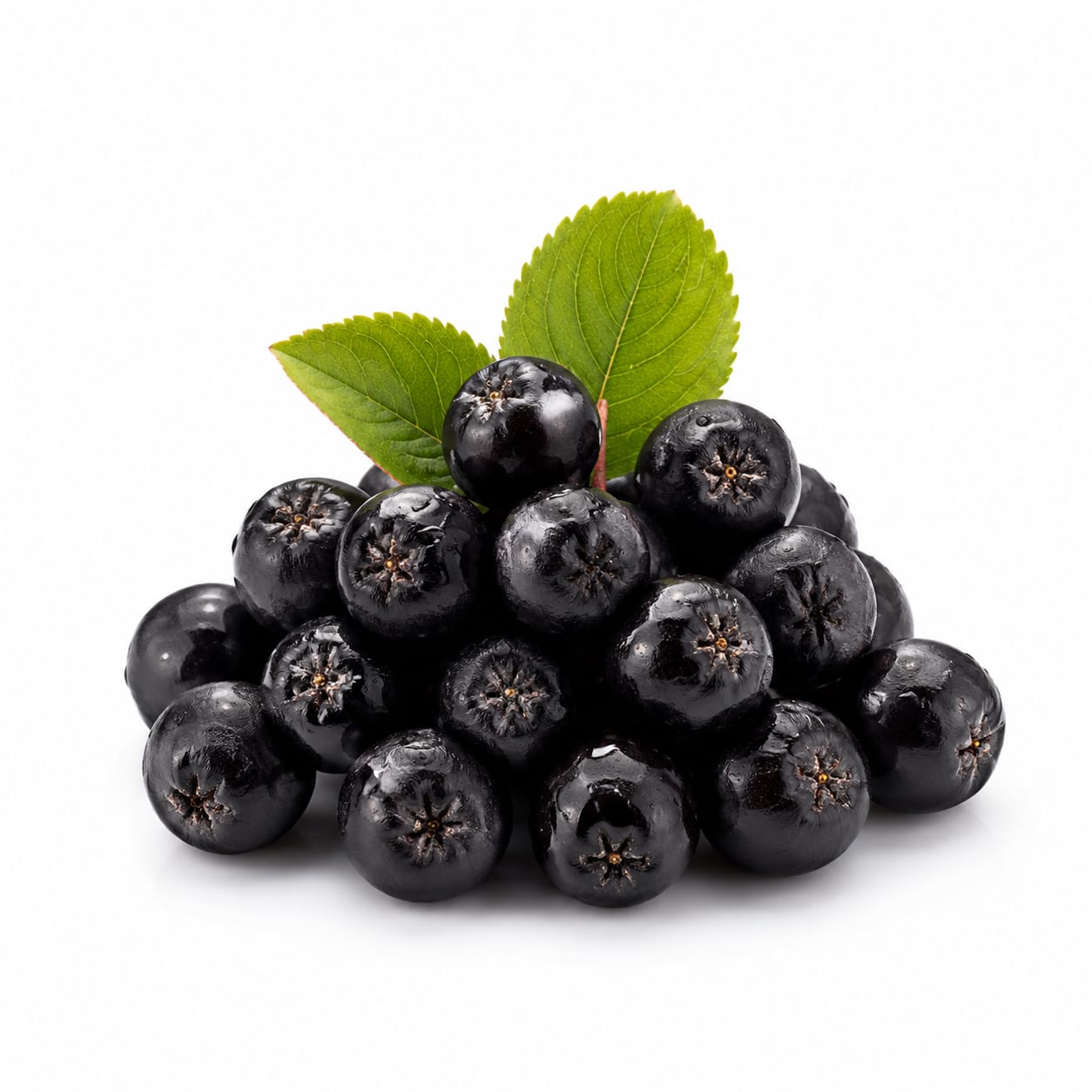
Chokeberry
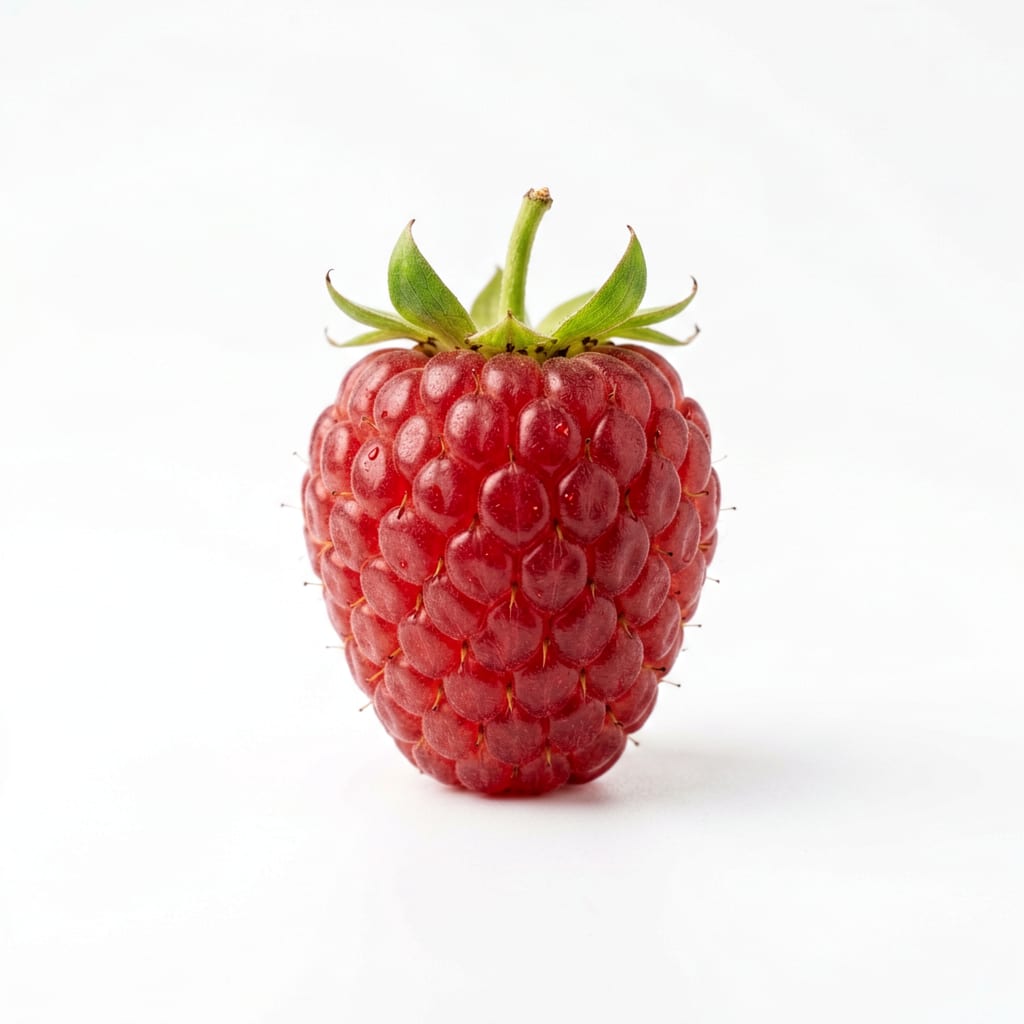
Raspberry
Chokeberry is an antioxidant powerhouse but a tough eating experience, while Raspberries are a perfectly balanced, delicious everyday superfruit.
Raspberries score slightly higher because their pleasant taste and high fiber make them easy to eat consistently. Chokeberries have a denser nutritional profile per gram, but their harsh flavor and lack of fresh eating practicality hold them back for everyday use.
Maximum therapeutic antioxidant potency versus enjoyable, sustainable daily eating.
At a glance
Executive summary
Overall
It depends
Healthier
Chokeberry
More practical
Raspberry
Daily use
Raspberry
Key comparison lenses
Antioxidant potency and therapeutic value
Chokeberry is famously one of the most antioxidant-dense fruits on earth, making this the starkest contrast between the two.
Palatability and daily enjoyment
Chokeberry is extremely astringent and rarely eaten raw, while Raspberries are a beloved, easy-to-eat snack.
Blood sugar and metabolic management
Both are low-sugar, but Chokeberry has clinically demonstrated benefits for glucose regulation.
Practicality and form of consumption
Raspberries are eaten fresh effortlessly; Chokeberries almost always require processing into juices, powders, or jams.
Best choice for
Chokeberry
- Targeted antioxidant and cardiovascular support
- Blood sugar management in metabolic syndrome
- Blending into smoothies where taste can be masked
Raspberry
- Enjoyable daily snacking
- High fiber intake and gut health
- Families and children
Least suitable for
Chokeberry
- Eating fresh out of hand
- People sensitive to extremely tart or astringent flavors
- Casual snacking
Raspberry
- Therapeutic doses of anthocyanins
- Intense cardiovascular supplement protocols
Deep comparison
Dimension by dimension
Each lens scores both foods and breaks down who each option suits.
- Dimension 1 · Priority 95Chokeberry
Antioxidant & Phytonutrient Density
Chokeberry · 98Raspberry · 75Chokeberries contain some of the highest antioxidant levels of any fruit, far surpassing Raspberries.
Tradeoff
You get massive antioxidant power with Chokeberry, but the astringency makes it hard to consume in large amounts raw.
Why it matters
High antioxidant intake combats oxidative stress and supports long-term cardiovascular health.
Real-world impact
A small shot of Chokeberry juice or a teaspoon of powder delivers more anthocyanins than a whole bowl of fresh Raspberries.
Chokeberry
- Cardiovascular protection
- Reducing systemic oxidative stress
- Anti-inflammatory protocols
Better for
- People who struggle to consume it regularly due to taste
Worse for
Raspberry
- Milder, broader antioxidant support
- Vitamin C intake
Better for
- Those needing clinical-level antioxidant dosing
Worse for
- Dimension 2 · Priority 90Raspberry
Taste & Palatability
Chokeberry · 30Raspberry · 90Raspberries are sweet-tart and highly enjoyable, while Chokeberries are intensely sour and mouth-drying.
Tradeoff
Chokeberry's health benefits come at the cost of a harsh taste that requires masking with other ingredients.
Why it matters
If a food tastes bad, you won't eat it consistently, which negates its health benefits.
Real-world impact
You'll happily snack on fresh Raspberries, but raw Chokeberries will likely sit in the fridge untouched.
Chokeberry
- Those who love extreme tartness
Better for
- Casual snacking
- Children
- Sensory-sensitive individuals
Worse for
Raspberry
- Everyday enjoyment
- Desserts
- Fresh snacking
Better for
- None, taste is a strong suit
Worse for
- Dimension 3 · Priority 85Chokeberry
Blood Sugar & Metabolic Health
Chokeberry · 92Raspberry · 82Both are low-sugar, high-fiber fruits, but Chokeberry has demonstrated stronger effects on improving insulin sensitivity.
Tradeoff
Chokeberry offers more targeted metabolic benefits, but Raspberries are easier to incorporate into a daily low-carb routine.
Why it matters
Stable blood sugar prevents energy crashes and reduces diabetes risk.
Real-world impact
Adding Chokeberry extract to a smoothie can help blunt blood sugar spikes from other carb-heavy ingredients.
Chokeberry
- Insulin resistance management
- Blunting glycemic spikes
- Metabolic syndrome support
Better for
- Those who want a quick, easy snack without prep
Worse for
Raspberry
- General low-sugar snacking
- Steady energy without spikes
Better for
- Those needing therapeutic glucose intervention
Worse for
- Dimension 4 · Priority 80Raspberry
Fiber & Digestive Satiety
Chokeberry · 75Raspberry · 90Raspberries are one of the highest fiber fruits available, making them superior for digestion and fullness.
Tradeoff
Raspberries keep you fuller for longer, while Chokeberries provide less fiber per serving, especially if consumed as juice.
Why it matters
Fiber regulates digestion, feeds gut bacteria, and controls appetite naturally.
Real-world impact
A cup of Raspberries makes a satisfying, filling snack; Chokeberry products often strip away the fiber if juiced.
Chokeberry
- Mild digestive support if eaten whole or as powder
Better for
- Reliance on juice forms removes fiber benefit
- Low satiety
Worse for
Raspberry
- Satiety and fullness
- Gut microbiome health
- Constipation prevention
Better for
- None significant
Worse for
Timeline
Health impact over time
Short-term
Hours to days
Chokeberry
- Immediate mouth-drying astringency
- Quick antioxidant infusion if consumed as juice or powder
Raspberry
- Quick feeling of fullness from high fiber
- Refreshing, hydrating snack
Long-term
Months to years
Chokeberry
- Improved vascular health
- Better blood sugar control
- Reduced systemic inflammation
Raspberry
- Healthy, regular digestion
- Sustained weight management
- Consistent antioxidant intake
Risk profile
Safety & processing
Raspberries are typically enjoyed fresh or frozen with no additions. Chokeberries almost always require processing to be palatable, increasing the risk of added sugars or fillers in commercial products.
Chokeberry
Added sugars in commercial products
mediumBecause raw Chokeberries are unpalatable, they are often sold as sweetened juices or jams, which can negate their blood sugar benefits.
Raspberry
Pesticide residue
mediumConventional Raspberries are prone to retaining pesticide residue; choosing organic mitigates this risk.
Who wins for whom
Audience fit
Same foods, different winners depending on your goal.
children
RaspberryChildren will enjoy the sweet-tart taste of Raspberries, whereas Chokeberries are far too astringent for young palates.
daily consumption
RaspberryRaspberries are easy and enjoyable to eat every day, making consistency effortless.
diabetes
ChokeberryChokeberry has clinically demonstrated benefits for improving insulin sensitivity and regulating blood glucose.
elderly
ChokeberryThe potent cardiovascular and blood sugar benefits of Chokeberry are highly protective for aging bodies.
muscle gain
It dependsNeither is a significant protein source, but both offer phytonutrients that aid in workout recovery.
weight loss
RaspberryRaspberries offer high fiber and volume for very few calories, keeping you full. Chokeberry products are often calorie-dense juices with less satiety.
Your move
Decision guide
Choose Chokeberry
- You want maximum antioxidant and cardiovascular protection
- You are managing insulin resistance or metabolic syndrome
- You don't mind blending it into smoothies to mask the harsh taste
Choose Raspberry
- You want a delicious, high-fiber snack for daily eating
- Satiety and weight management are your primary goals
- You prefer eating whole, unprocessed fruits
Either works if
- You want to boost your daily fruit and antioxidant intake
- You are looking for low-sugar berry options
Avoid both if
- You have a severe berry allergy
- You are looking for a significant protein source
Final recommendation
Use Raspberries as your everyday, enjoyable superfruit, and add Chokeberry powder or juice as a targeted supplement when you need an extra antioxidant or metabolic boost.
Practical
Consumer tips
- 1
If buying Chokeberry products, check the label for added sugars, which are commonly used to mask the tartness.
- 2
Frozen Raspberries are just as nutritious as fresh and often more practical for smoothies and oatmeal.
- 3
Mix a small amount of Chokeberry powder into a Raspberry smoothie to get the best of both worlds without the harsh taste.
- 4
If growing Chokeberries, use them in jams, baked goods, or extracts rather than eating them raw.