
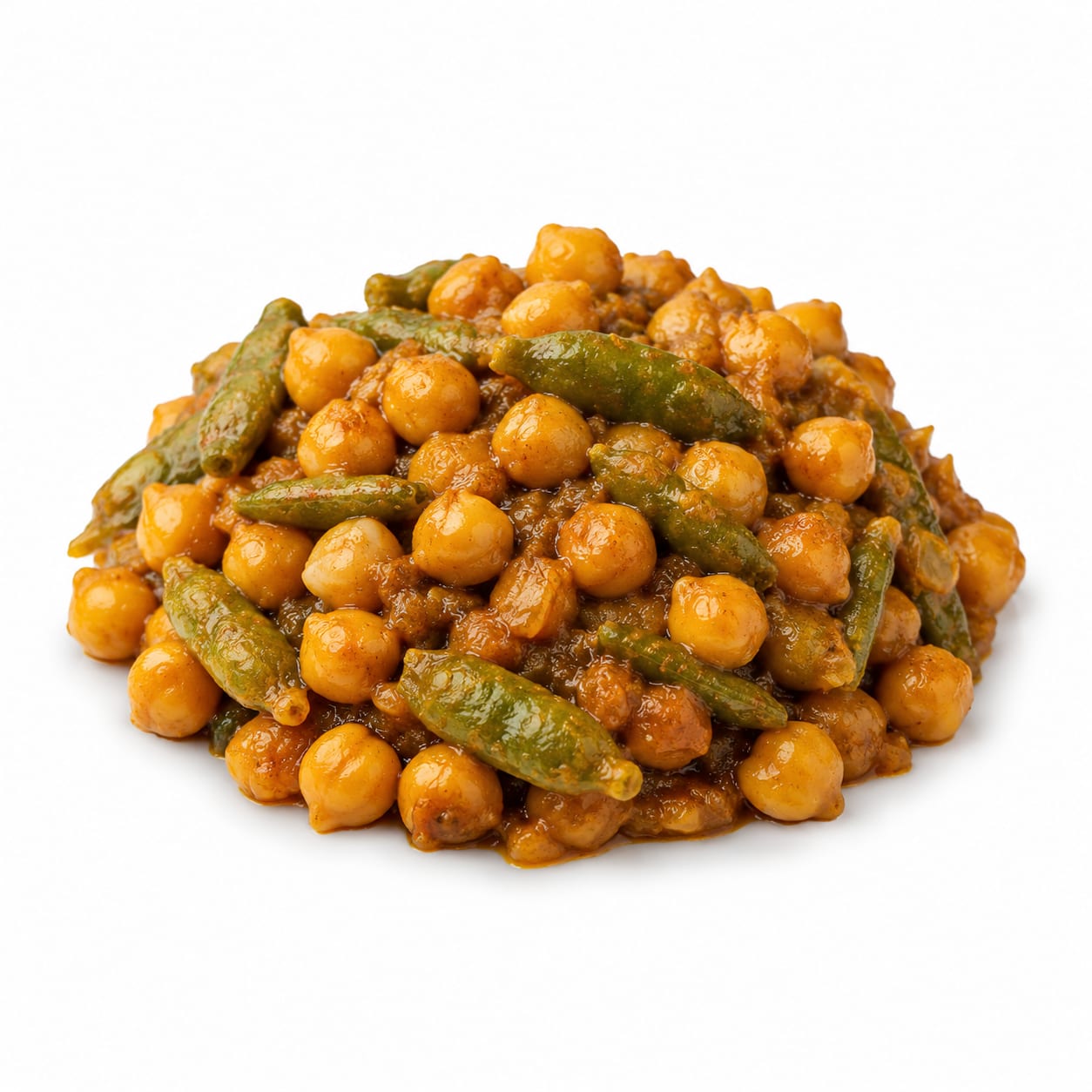
Legume Vegetable
Chickpea Pod
The edible green pod of the chickpea plant, rich in fiber and plant protein.
The green, edible pod of the chickpea plant, harvested immature before the beans dry. Often consumed whole or shelled for the tender green chickpeas inside, popular in South Asian cuisine.
high-fiber fresh legume vegetable
Typical serving · 100g
Common varieties · Green Chickpea, Hara Chana, Cholia, Desi Chickpea Pod, Kabuli Chickpea Pod
Overall context score across nutrition, safety, and diet fit
At a glance
Quick facts
Simple indicators based on nutrition, processing, and diet fit.
The story
What makes it unique
Chickpea pods are a high-fiber, moderate-protein legume with slow digestion speed due to complex carbohydrates and insoluble fiber from the pod wall. Provides strong satiety and a low glycemic response. Minimally processed when fresh.
Varieties: Green Chickpea · Hara Chana · Cholia · Desi Chickpea Pod · Kabuli Chickpea Pod
Per 100g
Nutrition breakdown
Macro balance and key metrics at a glance.
Energy
Density 1.10 kcal/g
Protein
Carbs
Fat
Fiber
Sugar
3 g
Sodium
10 mg
Potassium
350 mg
Glycemic index
30
Glycemic load
5
Water content
70%
Standout compounds
Nutrient highlights
Fiber
highPromotes digestive regularity and gut microbiome health
Folate
moderateSupports cell division and DNA synthesis
Plant Protein
moderateContributes to muscle maintenance and satiety
Vitamin C
moderateActs as an antioxidant and supports immune function
Wellness map
Health scores & processing
NOVA processing scale
Minimally processed · Whole food
Fresh or frozen chickpea pods are unprocessed whole foods. Canned versions may contain added sodium.
Diet compatibility
- Weight loss
- Muscle gain
- Diabetes
- Gut health
- Low carb
- High protein
- Heart health
Relative standing
Food rankings
Qualitative ranks compared to similar whole foods.
- Satietyexcellent
- Blood sugarexcellent
- Nutrient densitygood
- Fitness fuelgood
- Processing qualityexcellent
Eat with confidence
Food safety profile
Generally safe. Fresh pods may carry soil microbes or pesticide residue. Washing thoroughly is recommended before consumption.
Evidence confidence 85%
- Pesticidesmoderate
- Antibioticslow
- Heavy metalslow
- Contaminationlow
Watch for
- Pesticide residues
- Soil bacteria
Safer choices
Organic fresh or frozen green chickpeas to reduce pesticide exposure.
Prep tips
Rinse thoroughly under running water and scrub pods lightly to remove dirt and potential residues before cooking or eating.
Standard agricultural pesticide monitoring applies to fresh pod crops.
Deep dive
Health analysis
How this food may fit different goals and preparation choices.
Weight loss
Low energy density and high fiber content promote fullness, making it easier to maintain a calorie deficit.
Blood sugar
Complex carbs and high fiber result in a low glycemic index, preventing sharp blood sugar spikes.
Fitness & energy
Provides slow-releasing carbohydrates for sustained energy, suitable for endurance activities but not ideal for rapid post-workout glycogen replenishment.
Gut health
Rich in both soluble and insoluble fiber, feeding beneficial gut bacteria and improving digestive transit time.
Processing quality
Fresh green pods are whole, unprocessed foods with maximal nutrient retention.
Food safety
Low risk overall; primary concerns are agricultural pesticide residues which are mitigated by washing.
Common mistakes
Overcooking the pods until mushy, which degrades heat-sensitive vitamins like folate and vitamin C.
Best preparation
Lightly steamed, stir-fried, or boiled briefly to retain crunch and nutrient density.
Practical guide
Best use cases
When and how this food fits real eating patterns.
High-volume low-calorie eating
The high water and fiber content allows you to eat a large portion for few calories.
Plant-based meal prep
Adds texture, fiber, and moderate protein to vegan and vegetarian dishes.
Blood sugar friendly snacking
The low glycemic impact makes it a smart choice for sustained energy between meals.
Balance sheet
Pros & cons
Upsides
- High fiber content keeps you full longer
- Low glycemic index prevents blood sugar crashes
- Good source of plant-based protein
- Rich in essential vitamins and minerals like folate
- Versatile and easy to cook
Trade-offs
- Not ideal for strict low-carb or keto diets
- Fresh pods can be difficult to find outside of specialty markets
- May cause bloating or gas in sensitive individuals due to high fiber
- Requires proper washing to remove potential pesticide residues
Fit check
Who is it for?
Great match
- weight management
- blood sugar control
- plant-based diets
- gut health improvement
Consider alternatives
- strict ketogenic diets
- low-FODMAP diets
- those with severe legume allergies
Side by side
How it compares
Open the full head-to-head analysis for nutrition, safety, and practical tradeoffs.
This food
Chickpea Pod
VS90% alike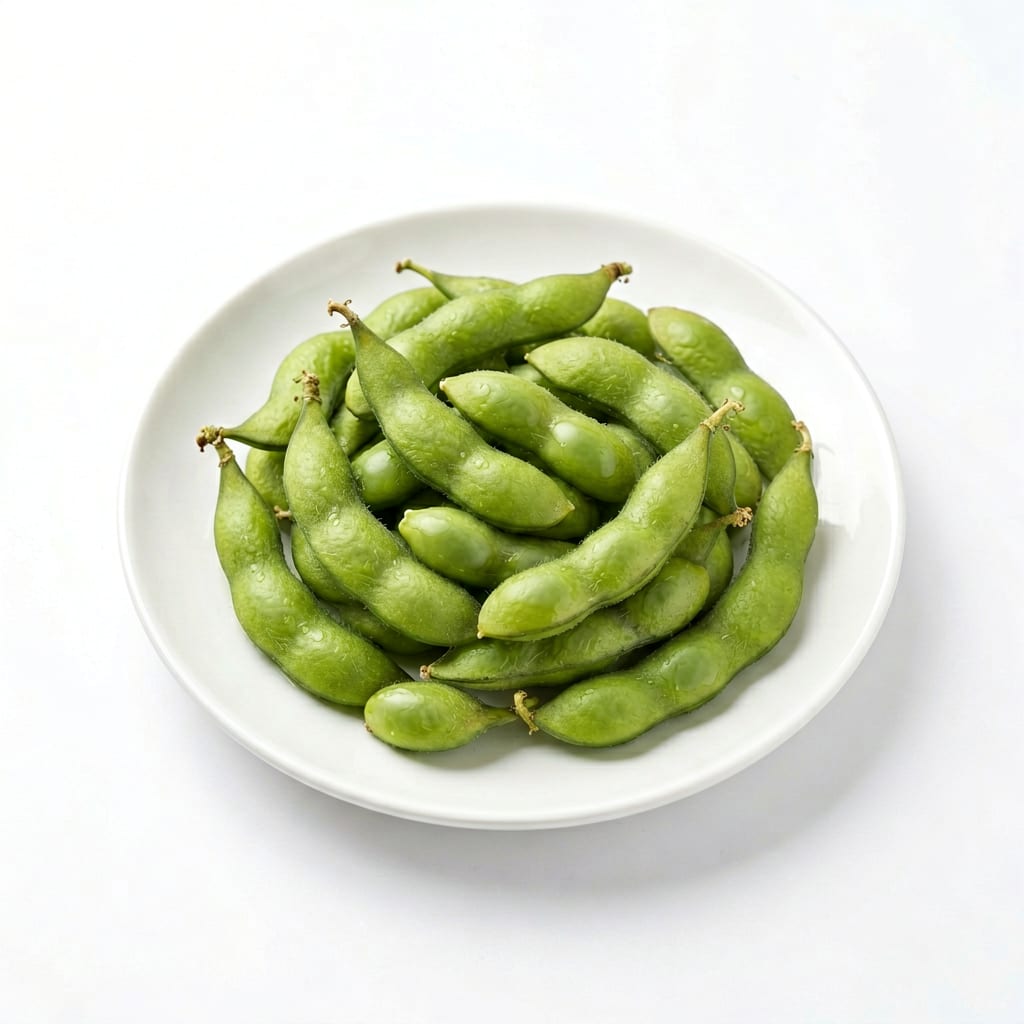
Compare with
Edamame
Edamame is higher in protein and fat, while chickpea pods are higher in carbohydrates and slightly higher in fiber.
Edamame provides more protein and healthy fats for fitness, while chickpea pods are lower in calories and better for strict calorie deficit weight loss.
This food
Chickpea Pod
VS85% alike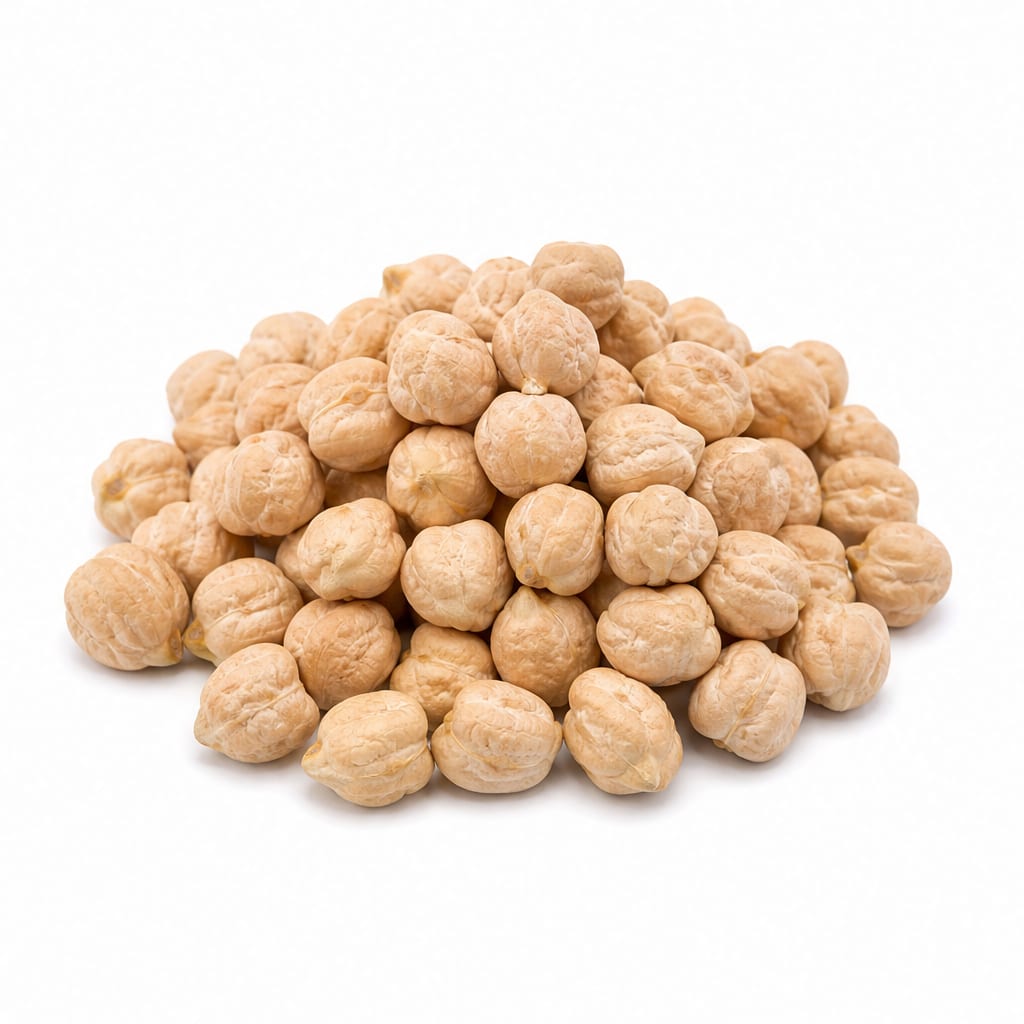
Compare with
Dried Chickpeas
Fresh pods have higher water content and vitamin C, while dried chickpeas are dense in protein, iron, and calories.
Dried chickpeas offer more protein and iron per gram, but fresh chickpea pods are far lower in calories and better for weight loss.
This food
Chickpea Pod
VS80% alike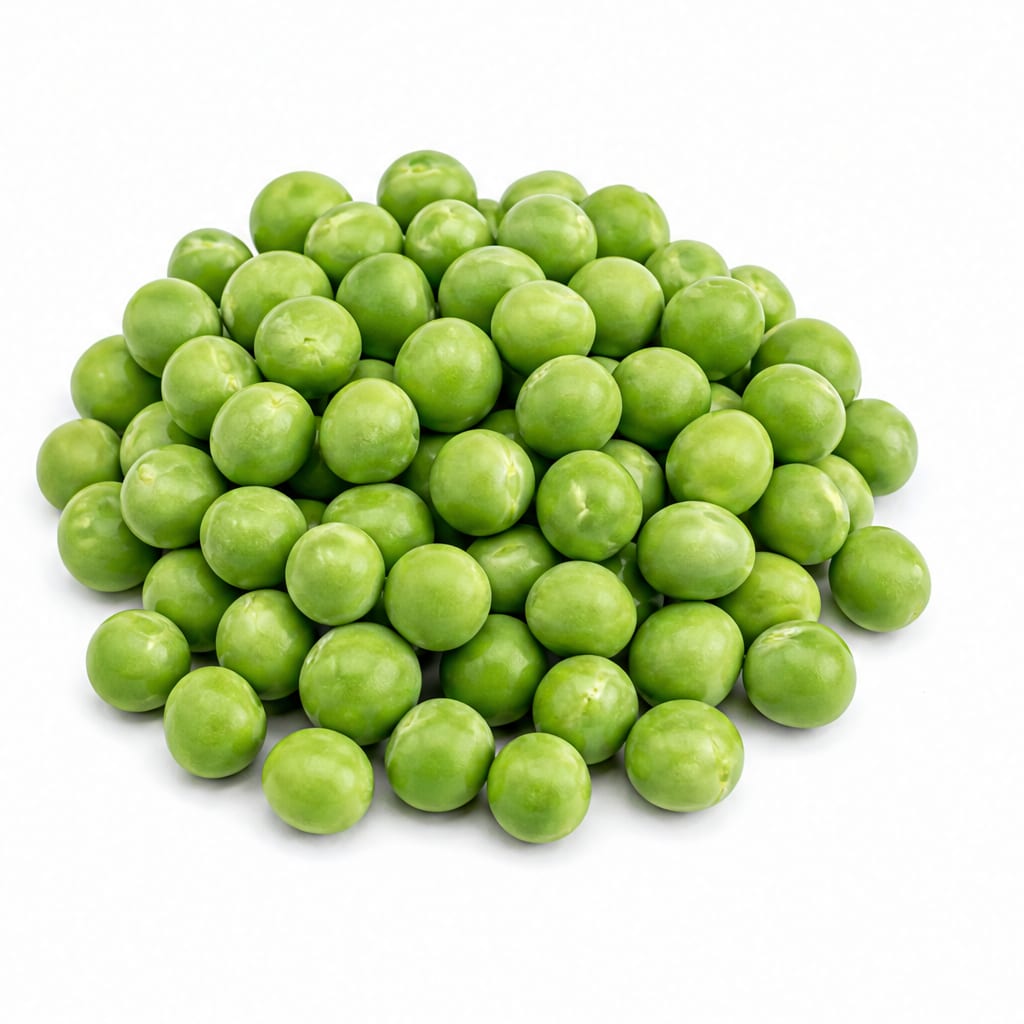
Compare with
Green Peas
Chickpea pods have slightly more protein and fiber, while green peas are sweeter with a higher glycemic load.
Chickpea pods beat green peas for blood sugar control and satiety due to higher fiber, while green peas are sweeter and more readily available.
This food
Chickpea Pod
VS75% alike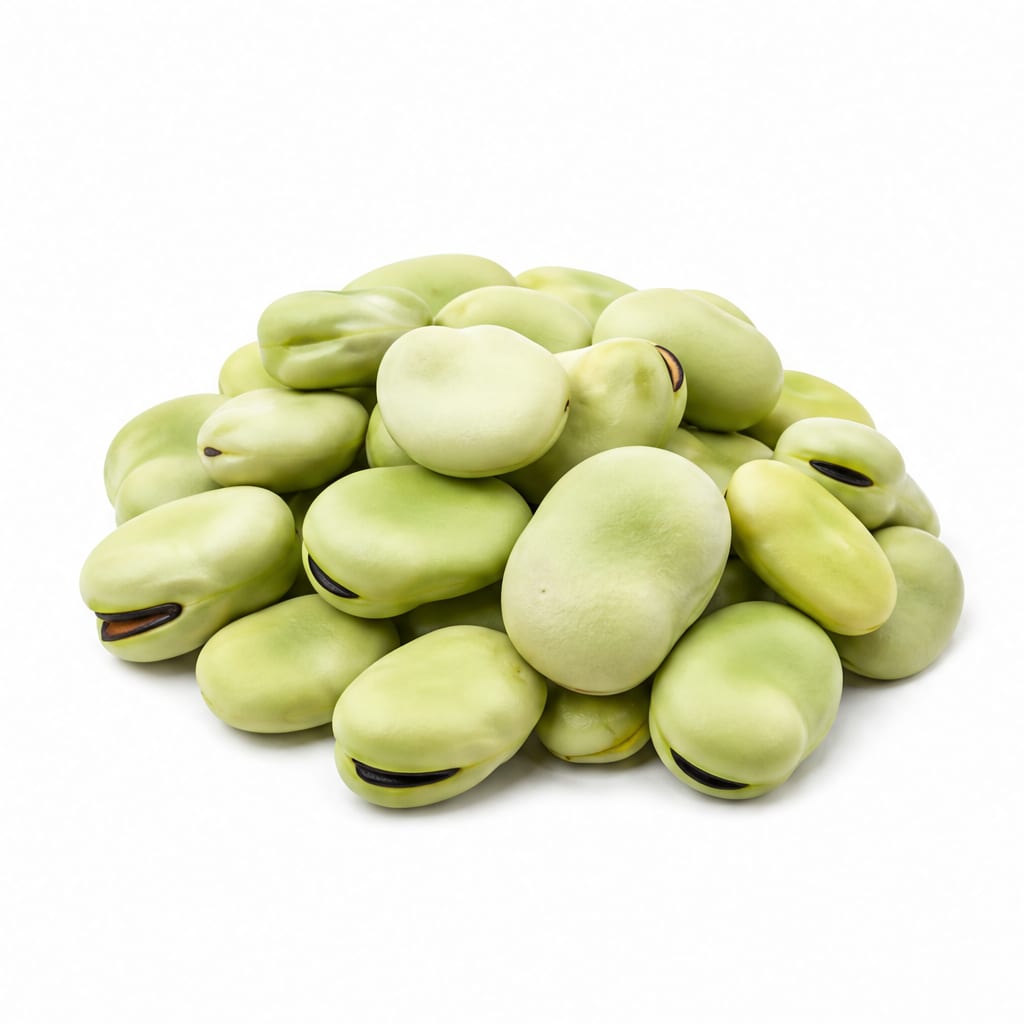
Compare with
Fava Beans
Fava beans are richer in protein and iron, whereas chickpea pods offer a more favorable fiber-to-carb ratio.
Fava beans provide more protein for muscle building, while chickpea pods are lower in calories and better for weight management.
This food
Chickpea Pod
VS70% alike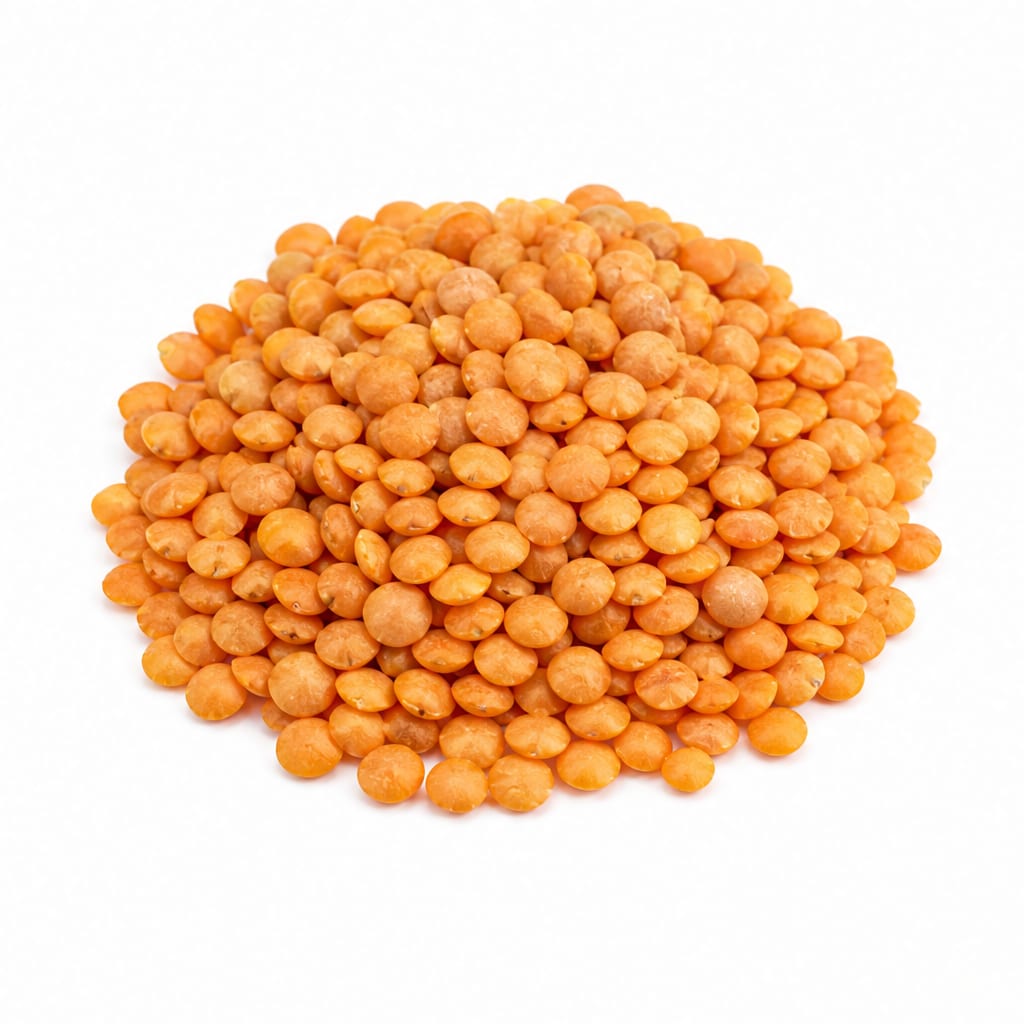
Compare with
Lentils
Lentils are significantly higher in protein and iron, while fresh chickpea pods are much lower in calories.
Lentils are a better protein source for fitness, but fresh chickpea pods provide a low-calorie crunch for weight loss.
This food
Chickpea Pod
VS65% alike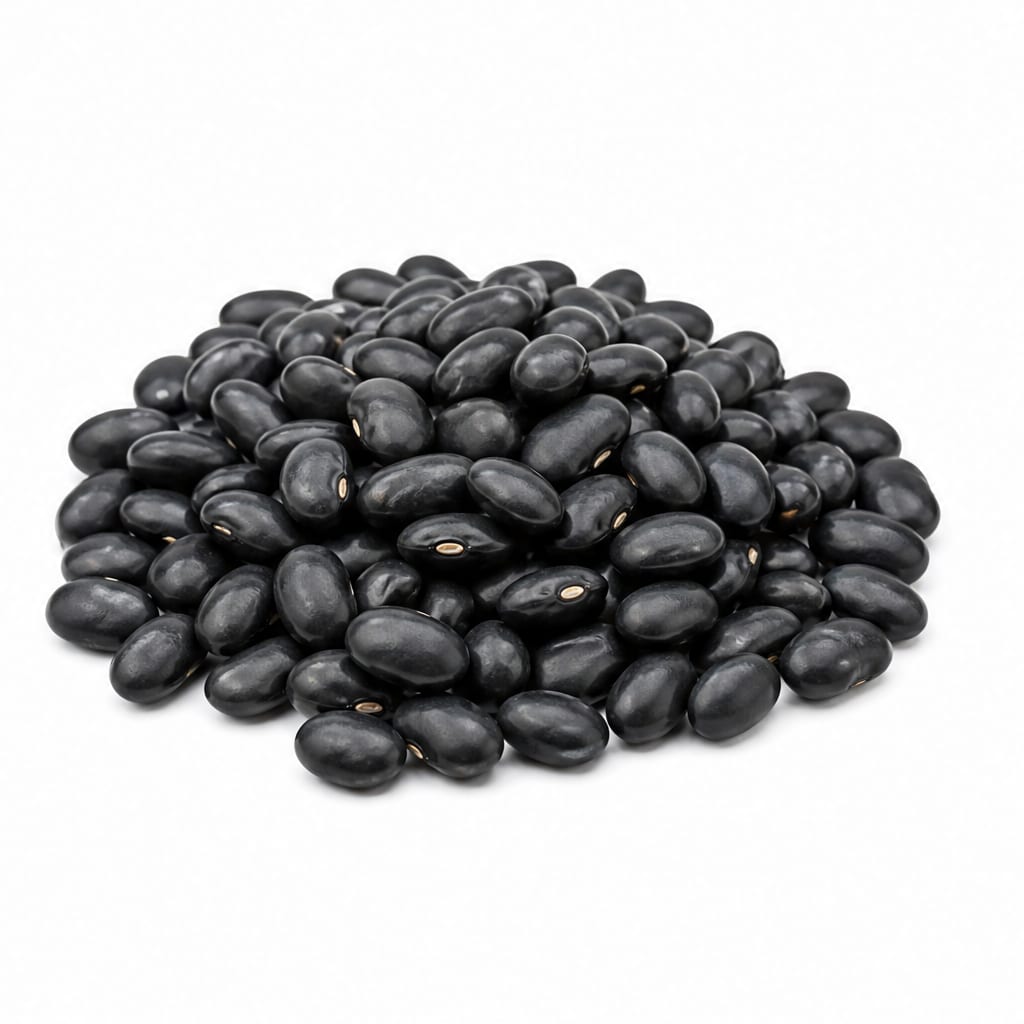
Compare with
Black Beans
Black beans are denser in protein and calories, whereas chickpea pods are a lighter, low-calorie vegetable.
Black beans win for high protein and fitness recovery, while chickpea pods are superior for low-calorie volume eating.
This food
Chickpea Pod
VS60% alike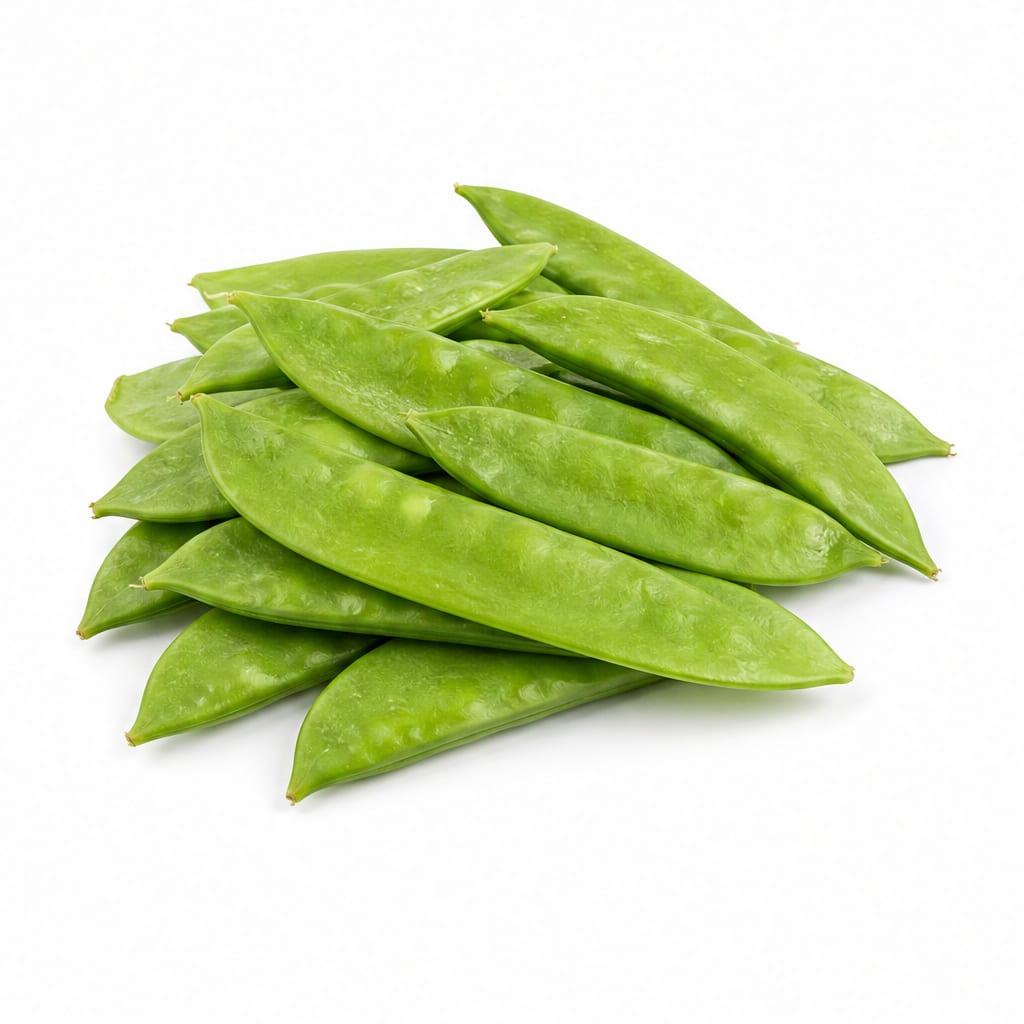
Compare with
Snow Peas
Snow peas are much lower in calories and carbs, but chickpea pods offer significantly more protein and fiber.
Snow peas are lower in calories and carbs, but chickpea pods provide more protein and fiber for lasting satiety.
This food
Chickpea Pod
VS60% alike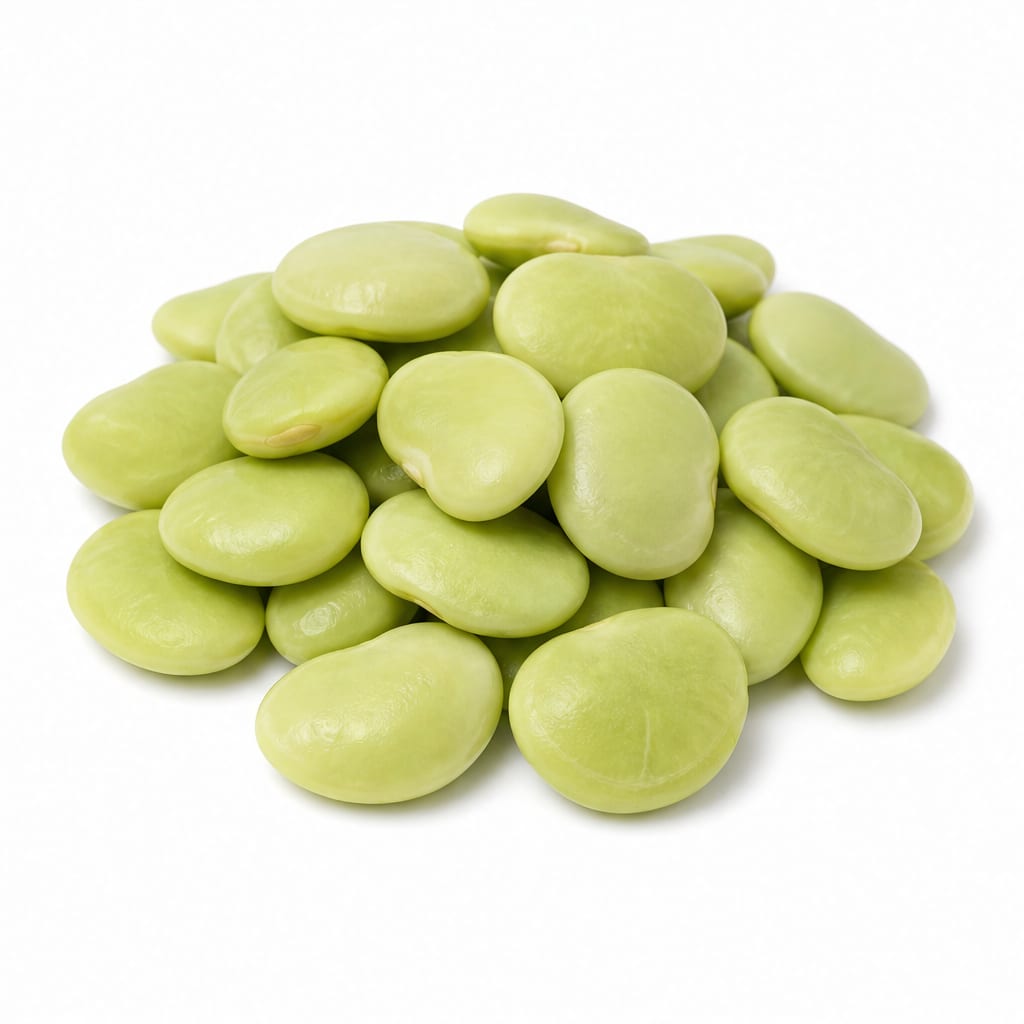
Compare with
Lima Beans
Lima beans are starchier and higher in calories, while chickpea pods are lower in sugar and higher in dietary fiber.
Chickpea pods are better for blood sugar control and weight loss, while lima beans offer more dense carbohydrate fuel for endurance.
This food
Chickpea Pod
VS55% alike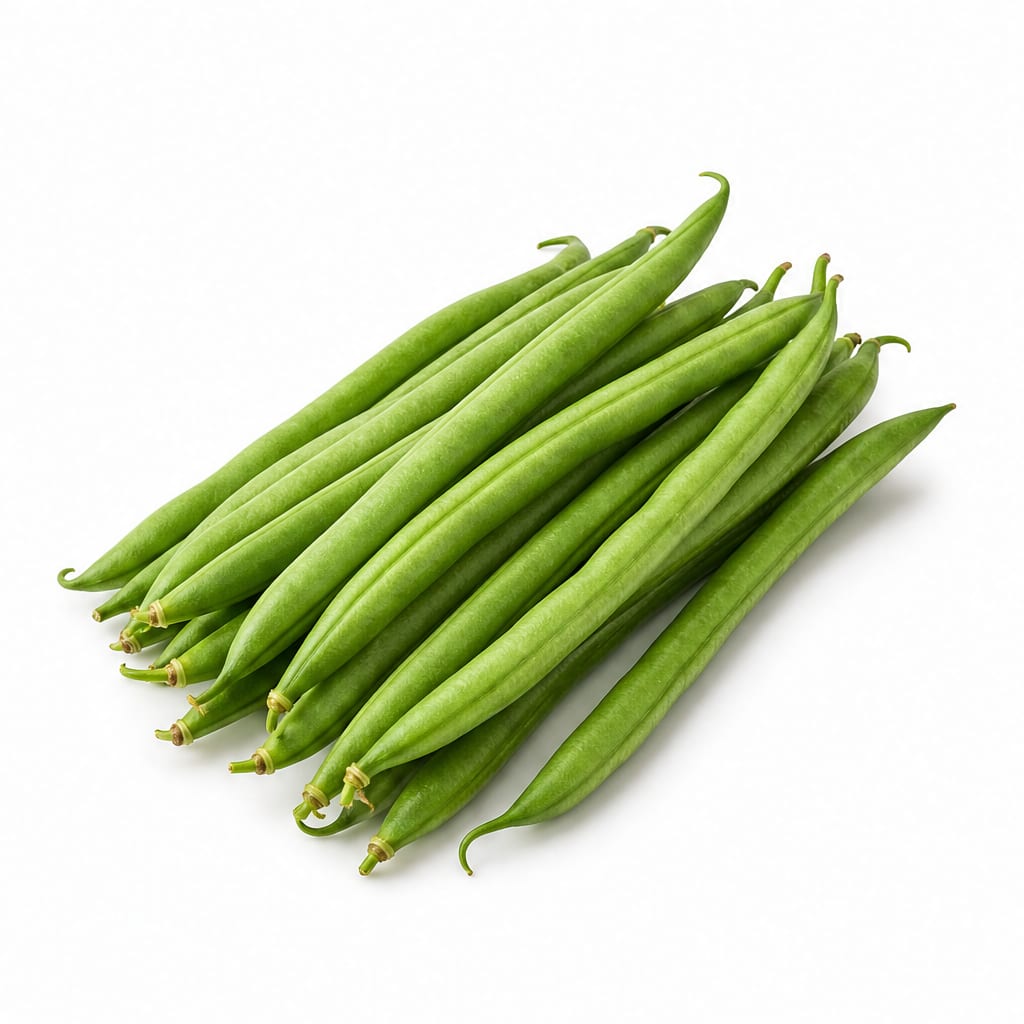
Compare with
Green Beans
Green beans are much lower in calories and carbs, but chickpea pods provide substantially more protein and fiber.
Green beans are lighter and lower in carbs, but chickpea pods deliver more protein and fiber to keep you full longer.
This food
Chickpea Pod
VS50% alike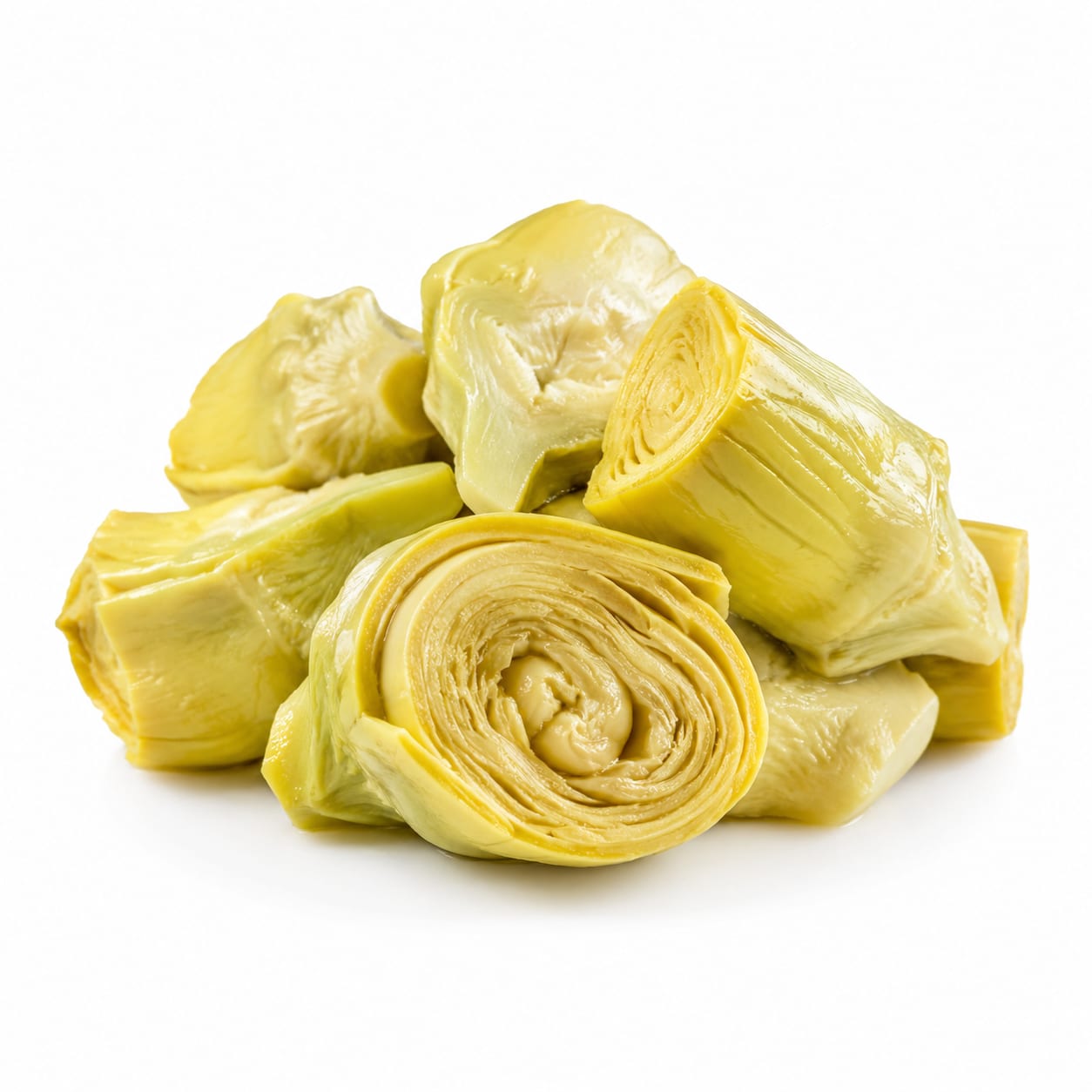
Compare with
Artichoke
Artichokes are extremely high in fiber and very low in calories, while chickpea pods offer more balanced macronutrients with protein.
Artichokes are superior for pure fiber and digestion, while chickpea pods provide a better balance of protein and carbs for active lifestyles.
Common questions
FAQ
Answers aligned with how people search for this food.
Are chickpea pods edible?
Yes, the green pods of the chickpea plant are entirely edible and are commonly eaten in various cuisines, particularly in South Asia.
Is green chickpea good for weight loss?
Yes, green chickpea pods are low in calories and high in fiber, which increases satiety and helps control appetite for weight loss.
Can diabetics eat green chickpeas?
Yes, they have a low glycemic index and high fiber content, which helps stabilize blood sugar levels without causing sharp spikes.
How do you cook fresh chickpea pods?
They can be lightly steamed, stir-fried, or boiled for a few minutes until tender-crisp. Avoid overcooking to retain nutrients.
What is the difference between green chickpeas and dried chickpeas?
Green chickpeas are the immature, fresh version of dried chickpeas. They have higher water content, more vitamin C, and a sweeter, grassier flavor.
Do you eat the shell of a green chickpea?
Yes, when harvested young and tender, the entire pod can be eaten. Tougher, older pods are usually shelled, and only the green beans inside are consumed.
Transparency
Data confidence
Estimated confidence for nutrition data, interpretation, safety notes, and comparisons.
Nutrition data
Health analysis
Food safety
Comparisons