
Nutrition comparison
Chickpea Pods vs Lentils: Which Legume Is Better for You?
Compare chickpea pods and lentils on protein, fiber, calories, and convenience. Find out which legume fits your health goals, snacking habits, and meal planning needs.
Overall winner · Lentils
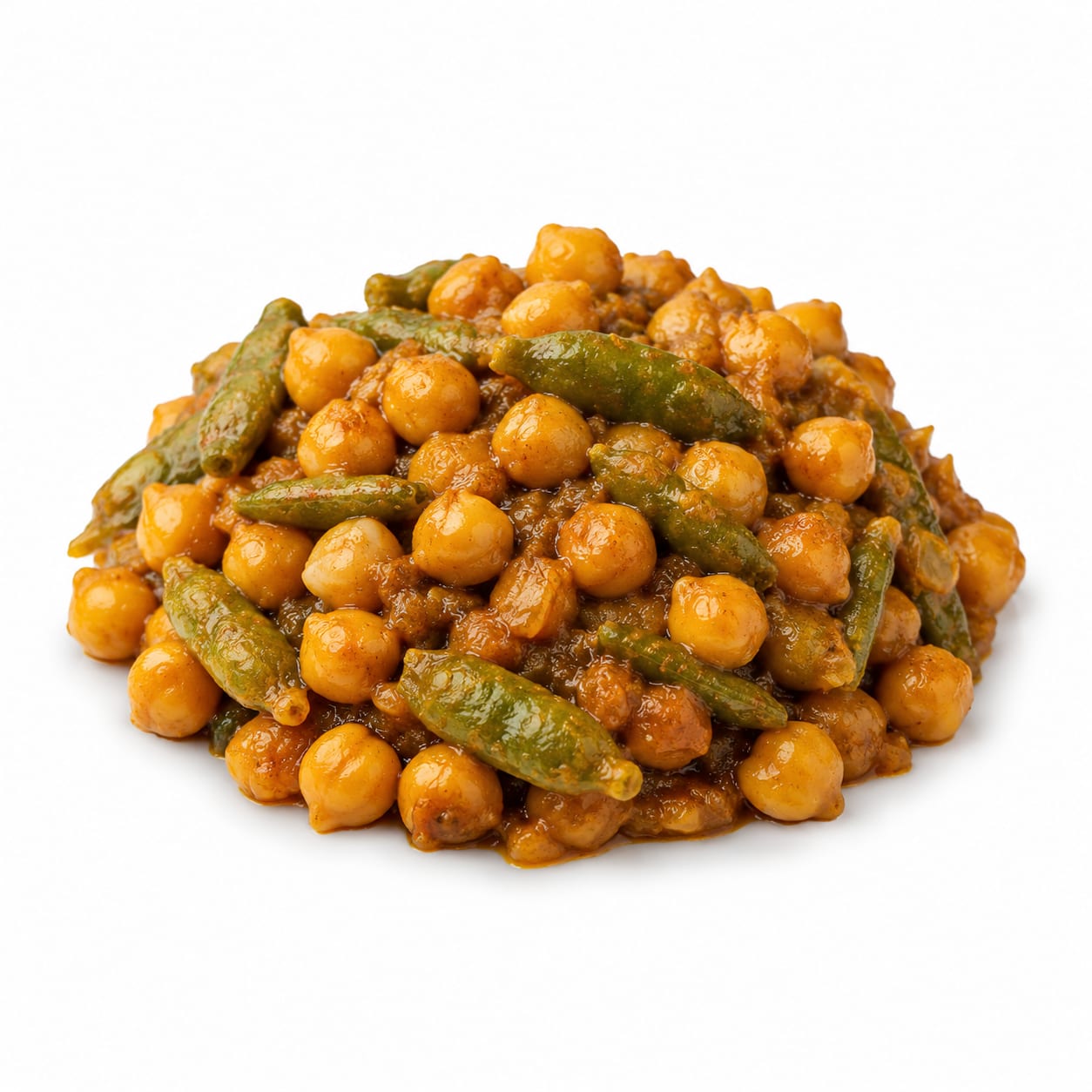
Chickpea Pod
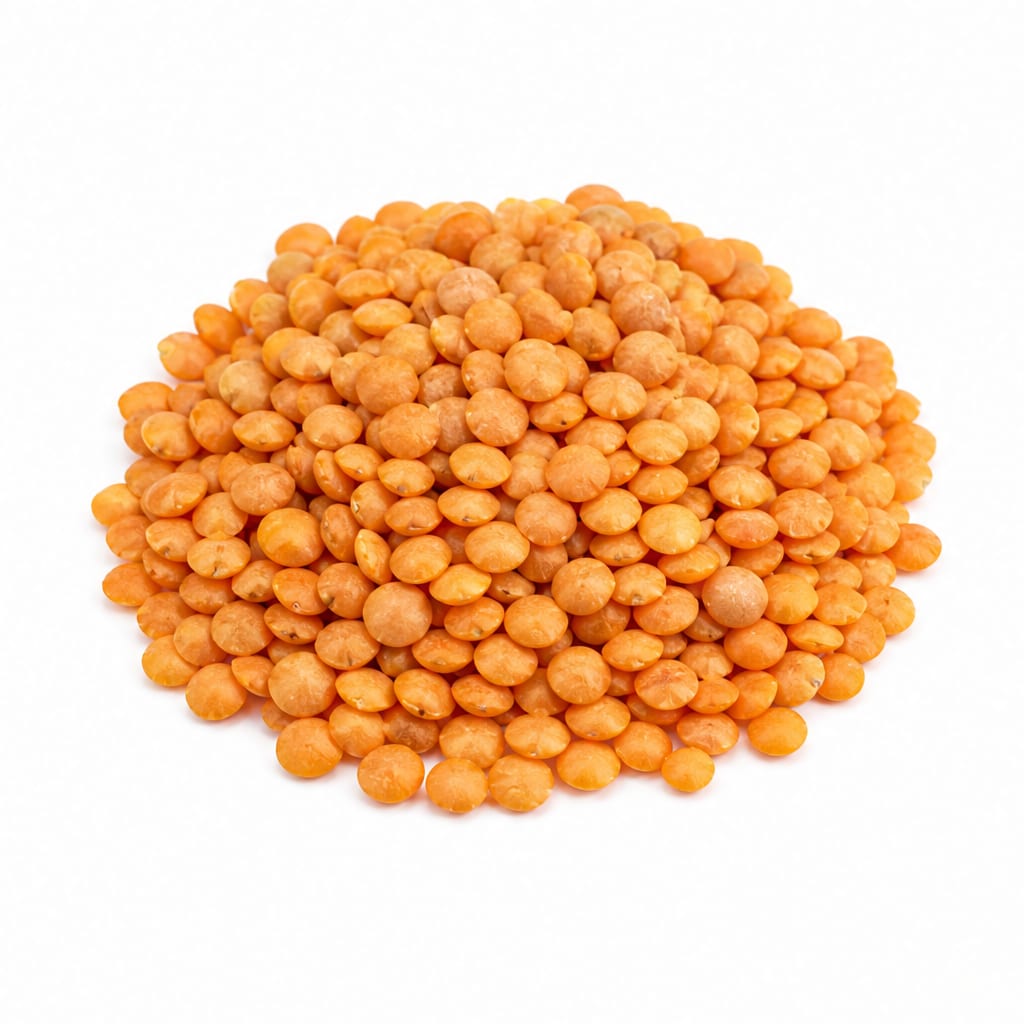
Lentils
Lentils win as a nutritional powerhouse and meal staple, but chickpea pods offer a unique fresh snacking experience with far fewer calories.
Lentils score notably higher due to superior protein, fiber, mineral content, and meal versatility. Chickpea pods earn solid marks for freshness, low calorie density, and snack convenience but cannot match lentils as a nutritional foundation.
Lentils deliver more protein, fiber, and sustained energy as a meal base, while chickpea pods provide a crunchy, low-calorie snack you can eat raw.
At a glance
Executive summary
Overall
Lentils
Healthier
Lentils
More practical
It depends
Daily use
Lentils
Key comparison lenses
protein and satiety comparison
Both are legumes but lentils deliver significantly more protein per serving, making this the top decision factor for most users
snack vs meal staple role
Chickpea pods are eaten fresh as a snack while lentils are a cooked meal foundation, so they serve fundamentally different eating occasions
calorie density and weight management
Fresh chickpea pods are far lower in calories per volume, which matters for anyone managing intake
convenience and preparation
Chickpea pods can be eaten raw on the spot while lentils require cooking, a major practical difference
digestive tolerance
Both are legumes with potential gas and bloating concerns, but preparation and fiber type differ significantly
Best choice for
Chickpea Pod
- People wanting a low-calorie crunchy snack
- Anyone seeking a fresh raw legume option
- Those who need portable no-prep food
- Dieters looking for volume eating with minimal calories
Lentils
- Athletes and active people needing protein
- Anyone building meals around plant-based protein
- People managing blood sugar with complex carbs
- Families wanting an affordable staple food
Least suitable for
Chickpea Pod
- Those needing high protein intake from a single food
- People who cannot find fresh chickpea pods locally
- Anyone wanting a filling meal component
- People sensitive to raw legumes
Lentils
- People who want a grab-and-go no-cook snack
- Those who struggle with gas from cooked legumes
- Anyone wanting very low calorie density
- People without reliable cooking access
Deep comparison
Dimension by dimension
Each lens scores both foods and breaks down who each option suits.
- Dimension 1 · Priority 95Lentils
protein content and quality
Chickpea Pod · 45Lentils · 88Lentils provide roughly 18g of protein per cooked cup versus only about 6g for fresh chickpea pods in the same volume.
Tradeoff
You would need to eat three times the chickpea pods to match lentil protein, which is impractical given their seasonal availability and cost.
Why it matters
Protein is the main reason people choose legumes, and lentils deliver it efficiently for muscle maintenance and satiety.
Real-world impact
A lentil-based lunch keeps you full for hours. A chickpea pod snack takes the edge off but will not replace a real meal.
Chickpea Pod
- Light snacking between meals when protein is not the priority
Better for
- Building muscle
- Staying full until next meal
Worse for
Lentils
- Post-workout recovery meals
- Plant-based protein goals
- Replacing meat at dinner
Better for
- Quick no-prep protein hits
Worse for
- Dimension 2 · Priority 88Lentils
fiber and digestion
Chickpea Pod · 62Lentils · 90Lentils pack about 16g fiber per cooked cup while fresh chickpea pods offer roughly 5g per cup, making lentils far more effective for gut health and fullness.
Tradeoff
The higher fiber in lentils can cause more gas and bloating initially, especially if your body is not used to it.
Why it matters
Fiber drives satiety, blood sugar control, and long-term gut health, and lentils are among the best sources available.
Real-world impact
Lentils at dinner means you are unlikely to snack before bed. Chickpea pods as a snack are lighter and less likely to cause evening bloating.
Chickpea Pod
- Those easing into high-fiber diets
- People who get bloated from heavy legume meals
Better for
- Meeting daily fiber targets efficiently
Worse for
Lentils
- Improving regularity
- Feeling full longer
- Feeding gut bacteria
Better for
- Sensitive digestive systems not adapted to high fiber
Worse for
- Dimension 3 · Priority 85Chickpea Pod
calorie density and weight management
Chickpea Pod · 90Lentils · 65Fresh chickpea pods contain roughly 100 calories per cup compared to 230 calories per cup of cooked lentils, making them far more volume-friendly for weight loss.
Tradeoff
The low calorie density means you need to eat a lot of chickpea pods to feel satisfied, which can be expensive and impractical.
Why it matters
Volume eating helps you feel full without overconsuming calories, and fresh chickpea pods excel here.
Real-world impact
You can munch through a big bowl of chickpea pods for the same calories as a small lentil side, but the lentil side will keep you full much longer.
Chickpea Pod
- Mindless snacking without calorie guilt
- Volume eating strategies
- Replacing chips or crackers
Better for
- Getting enough nutrients without eating large volumes
Worse for
Lentils
- Getting more nutrition per calorie spent
- Sustained energy without needing to eat again soon
Better for
- Controlling portions when calories are tight
Worse for
- Dimension 4 · Priority 80Chickpea Pod
convenience and preparation
Chickpea Pod · 85Lentils · 60Chickpea pods can be eaten raw straight from the bag while lentils require 15-40 minutes of cooking depending on the variety.
Tradeoff
Canned lentils close the convenience gap but add sodium and cost more than dried. Chickpea pods have limited availability and shelf life.
Why it matters
The food you can actually prepare on a busy day always beats the one that sits in your pantry uncooked.
Real-world impact
Chickpea pods are perfect for car snacks and desk drawers. Lentils require meal planning but reward you with a proper dish.
Chickpea Pod
- On-the-go snacking
- No-kitchen situations
- Zero prep eating
Better for
- Availability outside farmers markets and specialty stores
- Short shelf life
Worse for
Lentils
- Batch cooking for the week
- Meal prep routines
- Building complete dishes
Better for
- Spontaneous eating
- Travel and commuting
Worse for
- Dimension 5 · Priority 78Lentils
mineral and micronutrient density
Chickpea Pod · 55Lentils · 88Lentils are rich in iron, folate, magnesium, and zinc per serving, while fresh chickpea pods provide modest amounts due to their high water content.
Tradeoff
Lentils concentrate nutrients through drying, while chickpea pods offer some vitamin C that lentils lack due to being fresh.
Why it matters
Iron and folate are common deficiencies, especially for plant-based eaters, and lentils are one of the best non-meat sources.
Real-world impact
Regular lentil consumption can meaningfully move the needle on iron intake. Chickpea pods are a nice supplement but not a primary mineral source.
Chickpea Pod
- Getting some vitamin C alongside plant iron
- Fresh food micronutrient diversity
Better for
- Relying on them as a primary mineral source
Worse for
Lentils
- Iron deficiency prevention
- Folate for pregnancy
- Zinc for immunity
Better for
- Vitamin C content is negligible
Worse for
- Dimension 6 · Priority 75Lentils
versatility in cooking
Chickpea Pod · 40Lentils · 92Lentils work in soups, stews, salads, curries, burgers, and dips across dozens of cuisines. Chickpea pods are essentially a single-use snack.
Tradeoff
Lentils require cooking knowledge and time, while chickpea pods are simple but limited in how you can use them.
Why it matters
A versatile staple reduces meal boredom and makes healthy eating sustainable long-term.
Real-world impact
You can eat lentils five different ways in a week. Chickpea pods are the same experience every time.
Chickpea Pod
- No cooking skills needed
- Consistent simple enjoyment
Better for
- Meal fatigue if eaten frequently
- Limited recipe integration
Worse for
Lentils
- Culinary variety
- Adapting to different cuisines and moods
- Feeding a household with diverse tastes
Better for
- Requires cooking confidence and time
Worse for
Timeline
Health impact over time
Short-term
Hours to days
Chickpea Pod
- Light satisfying crunch without heaviness
- Moderate blood sugar impact due to lower carb density
- Possible mild bloating if you eat large quantities raw
- Quick hydration from high water content
Lentils
- Strong and lasting fullness after eating
- Steady blood sugar with no crash due to high fiber and protein
- Potential gas and bloating if you are not used to high-fiber foods
- Warming and comforting feeling from a cooked meal
Long-term
Months to years
Chickpea Pod
- Lower overall caloric intake if used to replace processed snacks
- Modest contribution to fiber and protein goals
- Possible improvement in snacking habits due to whole food replacement
- Unlikely to meet nutritional needs as a primary protein source
Lentils
- Improved heart health from regular fiber and plant protein intake
- Better blood sugar management over months and years
- Reduced risk of iron and folate deficiency
- Strong gut microbiome support from diverse fiber types
Risk profile
Safety & processing
Both foods are whole, minimally processed legumes. Chickpea pods are eaten in their natural fresh state while lentils are simply dried seeds. Neither typically contains additives unless canned lentils are used, which may include salt and preservatives.
Chickpea Pod
Raw legume sensitivity
mediumSome people experience digestive discomfort from raw chickpea pods, especially in larger quantities. Cooking reduces this but defeats the purpose of eating them fresh.
Pesticide residue on fresh pods
lowFresh chickpea pods may carry surface pesticide residue. Washing thoroughly or choosing organic reduces this concern.
Spoilage and mold
lowFresh pods have a short shelf life and can develop mold if stored too long. Inspect before eating and refrigerate promptly.
Lentils
Lectin content in undercooked lentils
mediumRaw or undercooked lentils contain lectins that can cause nausea and digestive distress. Proper cooking eliminates this risk entirely.
Canned lentil sodium
lowCanned lentils often contain added sodium. Rinsing helps, but dried lentils cooked at home avoid this entirely.
Cross-contamination with gluten grains
lowLentils are naturally gluten-free but may be processed alongside wheat. Certified gluten-free brands eliminate this for celiac patients.
Who wins for whom
Audience fit
Same foods, different winners depending on your goal.
children
LentilsCooked lentils are soft, easy to chew, and can be blended into familiar foods like soups and pasta sauces. Chickpea pods may be a choking hazard for very young children and are less familiar.
daily consumption
LentilsLentils are affordable, shelf-stable, and versatile enough to eat daily in different forms. Chickpea pods are seasonal, perishable, and limited in how you can use them.
diabetes
LentilsLentils have a very low glycemic index and their high fiber and protein combination stabilizes blood sugar for hours. Chickpea pods are also fine but less impactful for glucose management.
elderly
LentilsLentils provide concentrated iron, folate, and protein that older adults often lack, and they are easy to digest when well-cooked. Chickpea pods may be harder to chew for those with dental issues.
muscle gain
LentilsLentils provide substantially more protein per serving, which is the critical factor for muscle repair and growth. Chickpea pods simply do not deliver enough protein to support this goal.
weight loss
Chickpea PodChickpea pods let you eat a large volume for very few calories, making them ideal for snacking without derailing a calorie deficit. Lentils are more filling per calorie but easier to overeat in cooked dishes.
Your move
Decision guide
Choose Chickpea Pod
- You want a crunchy low-calorie snack to replace chips or crackers
- You have access to fresh chickpea pods at farmers markets or specialty stores
- You are volume eating and need maximum food for minimum calories
- You enjoy raw fresh legumes and want something unique and seasonal
Choose Lentils
- You need a reliable plant-based protein source for meals
- You want affordable, shelf-stable nutrition that lasts for months
- You are meal prepping or batch cooking for the week
- You care about iron, folate, and long-term heart health
- You want one food that can become soups, salads, curries, or burgers
Either works if
- You want more legume variety in your diet overall
- You are trying to reduce meat consumption with plant-based options
- You tolerate legumes well and enjoy both fresh and cooked forms
Avoid both if
- You have a diagnosed legume allergy
- You are in the early stages of a low-FODMAP elimination diet
- You experience severe digestive distress from all legumes even after adaptation
Final recommendation
Keep both in your rotation if possible. Lentils should be your daily nutritional workhorse for meals, while chickpea pods are a seasonal treat that makes healthy snacking feel special. If you must choose one, lentils give you far more nutritional value, versatility, and long-term sustainability.
Practical
Consumer tips
- 1
Start with small lentil portions and increase gradually to let your gut adapt to the fiber without excessive bloating
- 2
Rinse canned lentils thoroughly to remove about 40% of the added sodium
- 3
Look for fresh chickpea pods at farmers markets in late spring and early summer when they are in season
- 4
Red lentils cook in just 15 minutes and break down into a creamy texture perfect for quick weeknight dinners
- 5
If chickpea pods are unavailable, edamame offers a similar fresh snacking experience with more protein
- 6
Soak dried lentils for a few hours before cooking to reduce cooking time and improve digestibility
- 7
Pair lentils with a vitamin C source like lemon juice or tomatoes to boost iron absorption significantly