
Nutrition comparison
Chickpea Pod vs Dried Chickpeas: Nutrition, Convenience, and Which to Choose
Compare fresh chickpea pods and dried chickpeas on protein, fiber, vitamins, prep time, and digestibility. Find out which form fits your diet and lifestyle better.
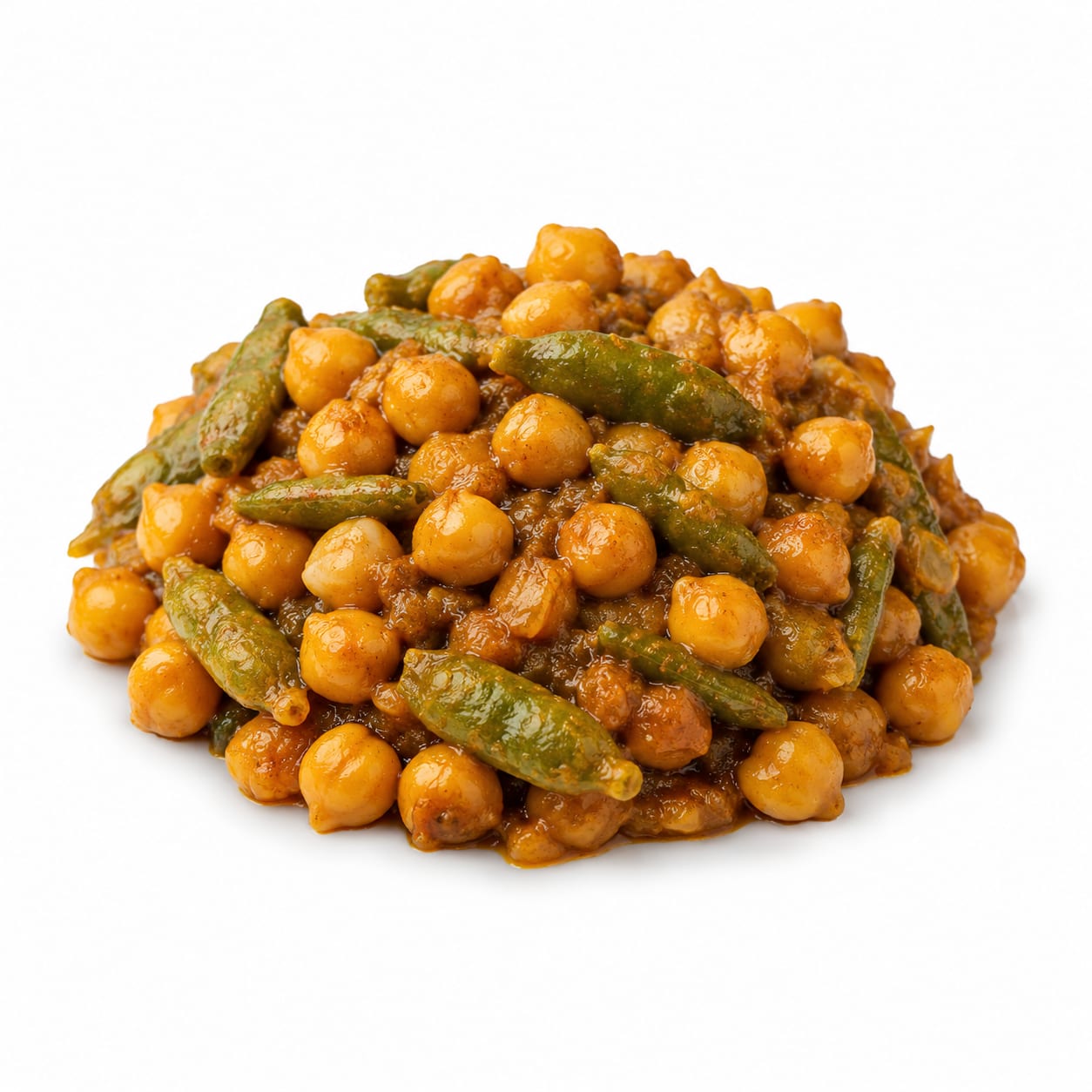
Chickpea Pod
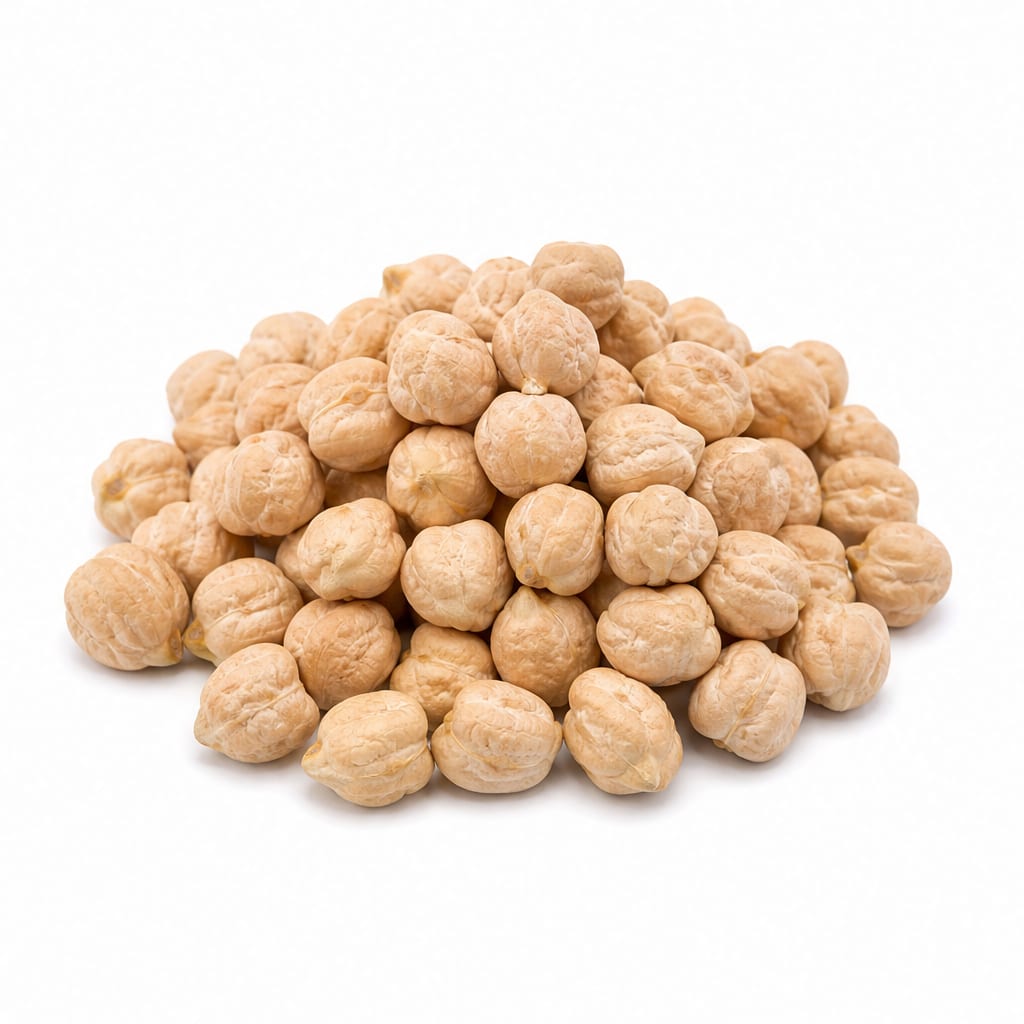
Dried Chickpeas
Dried chickpeas deliver far more protein and fiber per serving and last months in your pantry, but chickpea pods offer a fresher, sweeter bite with better vitamin retention and zero prep time.
Dried chickpeas score higher overall due to superior nutritional density, shelf stability, and versatility. Chickpea pods earn strong marks for freshness and convenience but lose ground on availability, concentration of nutrients, and practicality for regular use.
Nutritional firepower and shelf stability versus freshness, convenience, and gentler digestion.
At a glance
Executive summary
Overall
It depends
Healthier
Dried Chickpeas
More practical
Dried Chickpeas
Daily use
Dried Chickpeas
Key comparison lenses
nutritional density comparison
Dried chickpeas concentrate all macronutrients per gram while fresh chickpea pods carry significant water weight, creating a major calorie and nutrient density gap
preparation convenience
Chickpea pods can be eaten raw or lightly steamed within minutes, whereas dried chickpeas require overnight soaking and long cooking times
shelf stability and practicality
Dried chickpeas last months in a pantry while fresh pods spoil within days, making this a key lifestyle decision factor
vitamin retention freshness
Fresh chickpea pods retain heat-sensitive vitamins like folate and vitamin C that degrade during the drying and long cooking of dried chickpeas
digestive tolerance
Fresh pods are gentler on digestion for some people, while dried chickpeas can cause more bloating despite thorough cooking
Best choice for
Chickpea Pod
- Quick snacking without cooking
- Maximizing heat-sensitive vitamins like folate and vitamin C
- Gentle digestion after stomach issues
- Seasonal eating and farmer's market visits
Dried Chickpeas
- Meal prep and batch cooking
- High-protein plant-based diets
- Long-term pantry staples on a budget
- Recipes requiring creamy texture like hummus or soups
Least suitable for
Chickpea Pod
- Long-term storage or emergency food supplies
- High-protein needs per calorie consumed
- Anyone wanting consistent year-round availability
Dried Chickpeas
- Last-minute meals with no prep time
- People with severe digestive sensitivity to legumes
- Those wanting a raw or fresh-textured food experience
Deep comparison
Dimension by dimension
Each lens scores both foods and breaks down who each option suits.
- Dimension 1 · Priority 95Dried Chickpeas
protein_and_nutrient_density
Chickpea Pod · 45Dried Chickpeas · 92Dried chickpeas pack roughly three times the protein and fiber per gram compared to fresh pods, which are mostly water by weight.
Tradeoff
You get more total nutrition from dried chickpeas per serving, but you must invest time in soaking and cooking to access it.
Why it matters
Anyone tracking protein or trying to stay full on fewer calories will find dried chickpeas far more efficient.
Real-world impact
A cup of cooked dried chickpeas delivers about 15g of protein versus roughly 5g from the same volume of fresh pods.
Chickpea Pod
- Light snacking where lower calorie density is preferred
Better for
- Reaching daily protein targets efficiently
Worse for
Dried Chickpeas
- Plant-based meal builders needing serious protein
- Athletes tracking macronutrients
- Anyone counting calories who wants maximum nutrition per bite
Better for
- Quick grazing without planning ahead
Worse for
- Dimension 2 · Priority 88Chickpea Pod
preparation_convenience
Chickpea Pod · 90Dried Chickpeas · 35Chickpea pods can be eaten raw, steamed in minutes, or tossed into salads immediately. Dried chickpeas demand overnight soaking plus 1-2 hours of cooking.
Tradeoff
Fresh pods save time but limit you to seasonal windows. Dried chickpeas require patience but are always ready in your pantry.
Why it matters
Time is the biggest barrier to cooking legumes at home. Many people skip dried chickpeas entirely because of the prep commitment.
Real-world impact
You can snack on fresh pods straight from the market. Dried chickpeas require planning at least 12 hours ahead.
Chickpea Pod
- Spontaneous meals and snacks
- People who hate meal prep
- Quick side dishes in under 10 minutes
Better for
- Recipes requiring the creamy texture only cooked dried chickpeas provide
Worse for
Dried Chickpeas
- Batch cooking on weekends
- Slow cooker or pressure cooker recipes
Better for
- Weeknight cooking without prior planning
- Anyone without 90+ minutes to cook
Worse for
- Dimension 3 · Priority 78Chickpea Pod
vitamin_retention_and_freshness
Chickpea Pod · 85Dried Chickpeas · 55Fresh chickpea pods retain significantly more folate, vitamin C, and certain B vitamins that degrade during drying and prolonged cooking.
Tradeoff
You gain more heat-sensitive vitamins from fresh pods but lose the mineral density and protein concentration of the dried form.
Why it matters
Folate is critical for pregnant women and cellular repair. Fresh pods offer a meaningful edge here.
Real-world impact
A serving of fresh chickpea pods can provide up to twice the folate of cooked dried chickpeas, though both are decent sources.
Chickpea Pod
- Pregnant women prioritizing folate
- Anyone eating for maximum micronutrient diversity
Better for
- Getting enough minerals like iron per serving
Worse for
Dried Chickpeas
- Iron and zinc intake, which remain stable through drying
Better for
- Preserving vitamin C and heat-sensitive B vitamins
Worse for
- Dimension 4 · Priority 85Dried Chickpeas
shelf_stability_and_availability
Chickpea Pod · 25Dried Chickpeas · 95Dried chickpeas last over a year in a cool, dry pantry. Fresh chickpea pods spoil within 3-5 days and are only available seasonally.
Tradeoff
Dried chickpeas are always there when you need them. Fresh pods are a fleeting seasonal treat.
Why it matters
Reliable access to healthy food matters more than occasional perfect meals. Dried chickpeas win on consistency.
Real-world impact
You can stock dried chickpeas by the pound and never worry about waste. Fresh pods force you to eat them quickly or lose them.
Chickpea Pod
- Experiencing peak-season freshness at farmer's markets
Better for
- Anyone without access to specialty or seasonal markets
Worse for
Dried Chickpeas
- Pantry staples and emergency food supplies
- Consistent year-round meal planning
- Reducing food waste from spoilage
Better for
- Nothing significant — shelf stability is a clear strength
Worse for
- Dimension 5 · Priority 72Chickpea Pod
digestive_tolerance
Chickpea Pod · 75Dried Chickpeas · 55Fresh chickpea pods tend to cause less bloating and gas than dried chickpeas, even when dried chickpeas are thoroughly cooked.
Tradeoff
Easier digestion comes with lower protein and fiber per bite, so you may need to eat more volume to feel satisfied.
Why it matters
Legume intolerance is common. For sensitive stomachs, fresh pods can be a gentler entry point.
Real-world impact
People who avoid chickpeas due to bloating may tolerate fresh pods better, especially when eaten in moderate portions.
Chickpea Pod
- Sensitive digestion or IBS flare-ups
- Reintroducing legumes after a break
Better for
- Getting enough fiber if you eat very small portions
Worse for
Dried Chickpeas
- Those who tolerate legumes well and want maximum fiber
Better for
- Prone to gas, bloating, or digestive discomfort
Worse for
- Dimension 6 · Priority 80Dried Chickpeas
culinary_versatility
Chickpea Pod · 50Dried Chickpeas · 90Dried chickpeas transform into hummus, soups, stews, curries, roasted snacks, and falafel. Fresh pods are limited to light snacking, salads, and quick sides.
Tradeoff
Dried chickpeas unlock an entire world of recipes but require cooking skills and time. Fresh pods are simple but one-dimensional.
Why it matters
Variety keeps healthy eating sustainable. Dried chickpeas give you more ways to stay interested.
Real-world impact
You can make dozens of completely different meals from one bag of dried chickpeas. Fresh pods mostly shine as a snack or garnish.
Chickpea Pod
- Raw food preparations
- Light spring and summer dishes
Better for
- Creating creamy or hearty dishes
Worse for
Dried Chickpeas
- Hummus, falafel, curries, soups, stews, roasted snacks
- Global cuisine exploration from Indian to Middle Eastern
Better for
- Raw or minimally cooked applications
Worse for
Timeline
Health impact over time
Short-term
Hours to days
Chickpea Pod
- Quick energy from easier-to-digest carbohydrates
- Lower bloating risk compared to dried chickpeas
- Hydrating due to high water content
Dried Chickpeas
- Stronger satiety from concentrated protein and fiber
- Possible gas or bloating if not cooked thoroughly or if digestion is sensitive
- Steadier blood sugar response due to high fiber density
Long-term
Months to years
Chickpea Pod
- Good folate intake supporting cellular repair and pregnancy health
- Lower cumulative legume intake due to seasonal scarcity may reduce overall fiber consumption
- Mild contribution to plant-based diet diversity
Dried Chickpeas
- Consistent high fiber intake supporting gut health and cholesterol management
- Strong plant protein contribution for muscle maintenance and metabolic health
- Long-term reduction in cardiovascular risk when regularly replacing refined carbs
Risk profile
Safety & processing
Both foods are essentially whole foods with minimal processing. Chickpea pods are simply harvested and eaten fresh. Dried chickpeas are dehydrated at low temperatures, which preserves most nutrients while removing water. Neither contains additives, preservatives, or artificial ingredients.
Chickpea Pod
Spoilage and mold
mediumFresh pods spoil within 3-5 days. Mold can develop quickly if stored in humid conditions. Inspect carefully before eating.
Pesticide residue on pods
mediumFresh pods may carry surface pesticide residue since the outer pod is exposed. Washing thoroughly reduces risk. Organic options are preferable.
Dried Chickpeas
Undercooking and lectin exposure
mediumDried chickpeas contain lectins that are neutralized by proper cooking. Undercooked chickpeas can cause nausea and digestive distress. Always cook fully.
Storage pests
lowLong-term pantry storage can attract pantry moths or weevils. Use airtight containers and check periodically.
Who wins for whom
Audience fit
Same foods, different winners depending on your goal.
children
Chickpea PodFresh pods are sweeter, easier to chew, and less likely to cause bloating, making them more kid-friendly as a snack.
daily consumption
Dried ChickpeasYear-round availability, shelf stability, and nutritional consistency make dried chickpeas far more practical for daily use.
diabetes
Dried ChickpeasHigher fiber density slows glucose absorption more effectively, leading to steadier blood sugar after meals.
elderly
Chickpea PodGentler digestion and softer texture when lightly steamed make fresh pods more suitable for sensitive digestive systems.
muscle gain
Dried ChickpeasThree times the protein per serving makes dried chickpeas the clear choice for supporting muscle repair and growth.
weight loss
Dried ChickpeasDried chickpeas provide more protein and fiber per calorie, keeping you fuller for longer and reducing overall snacking.
Your move
Decision guide
Choose Chickpea Pod
- You find fresh chickpea pods at a farmer's market and want a unique seasonal snack
- You have digestive sensitivity and need a gentler legume option
- You want maximum folate and vitamin C from your chickpeas
- You are looking for a raw or lightly cooked food experience
Choose Dried Chickpeas
- You meal prep and want a versatile pantry staple
- You are tracking protein or fiber intake seriously
- You cook soups, stews, hummus, or curries regularly
- You want the most cost-effective and shelf-stable option
Either works if
- You simply want more legumes in your diet regardless of form
- You enjoy variety and can use both in different contexts
Avoid both if
- You have a diagnosed chickpea or legume allergy
- You are on a very low-fiber diet for medical reasons
- You experience severe digestive distress from all legumes even after cooking
Final recommendation
Keep dried chickpeas as your everyday staple for their nutritional density, versatility, and reliability. When fresh chickpea pods appear in season, enjoy them as a special treat — they are a delightful snack with unique vitamin benefits. Think of dried chickpeas as your workhorse and fresh pods as a seasonal bonus.
Practical
Consumer tips
- 1
Soak dried chickpeas for at least 8 hours and cook until completely tender to eliminate lectins and reduce bloating
- 2
A pressure cooker can reduce dried chickpea cooking time from 90 minutes to about 20 minutes
- 3
Choose organic fresh chickpea pods when possible to minimize pesticide exposure on the outer pod
- 4
Freeze cooked dried chickpeas in portioned bags to get the convenience of canned without the sodium
- 5
If dried chickpeas cause bloating, try adding a strip of kombu seaweed during cooking to help break down gas-causing oligosaccharides
- 6
Fresh chickpea pods should be bright green and firm — avoid any with brown spots or slimy texture