
Nutrition comparison
Chickpea Pods vs Edamame: Which Legume Snack Is Healthier?
Compare chickpea pods and edamame for protein, carbs, soy concerns, and snack convenience. Find out which plant-based snack fits your health goals better.
Overall winner · Edamame
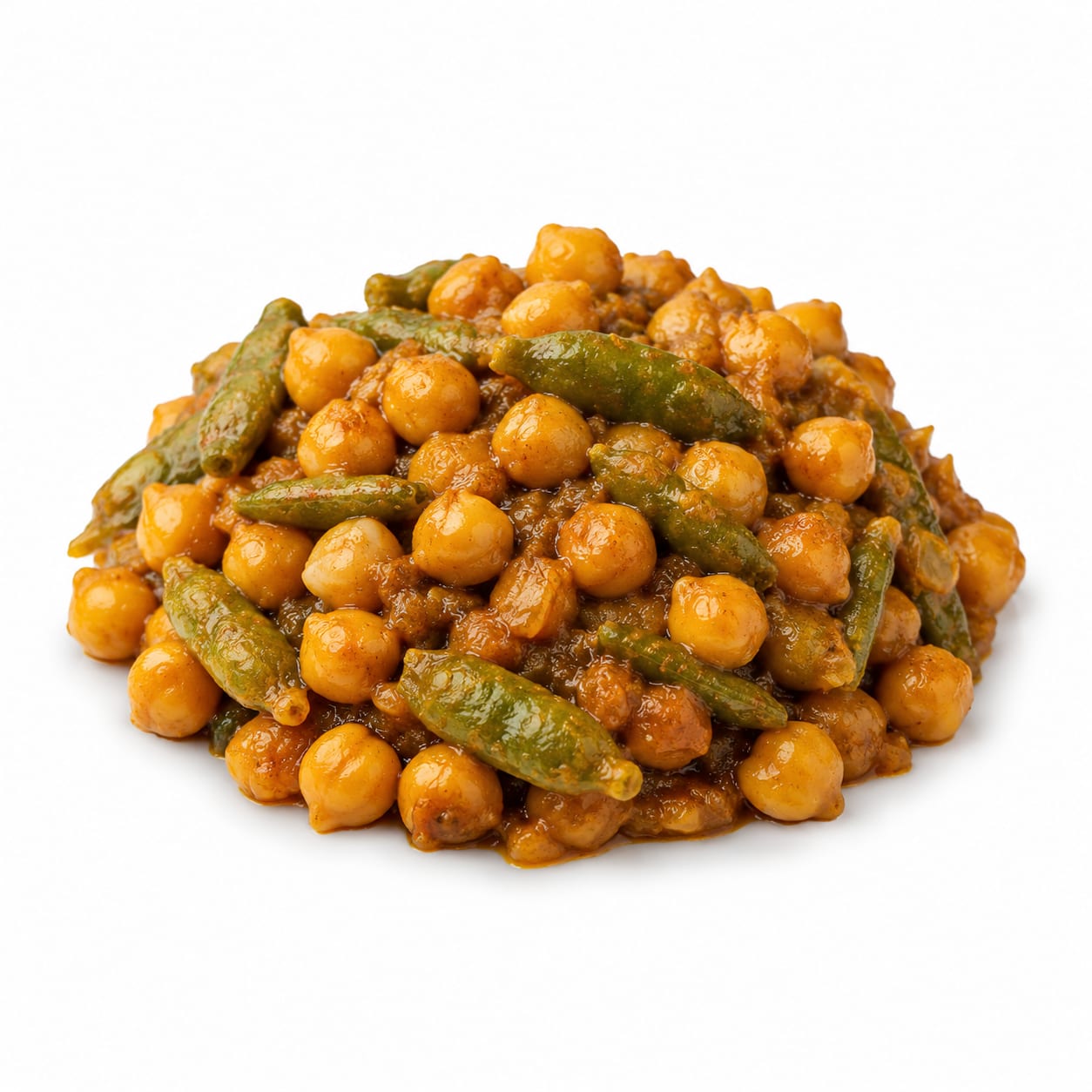
Chickpea Pod
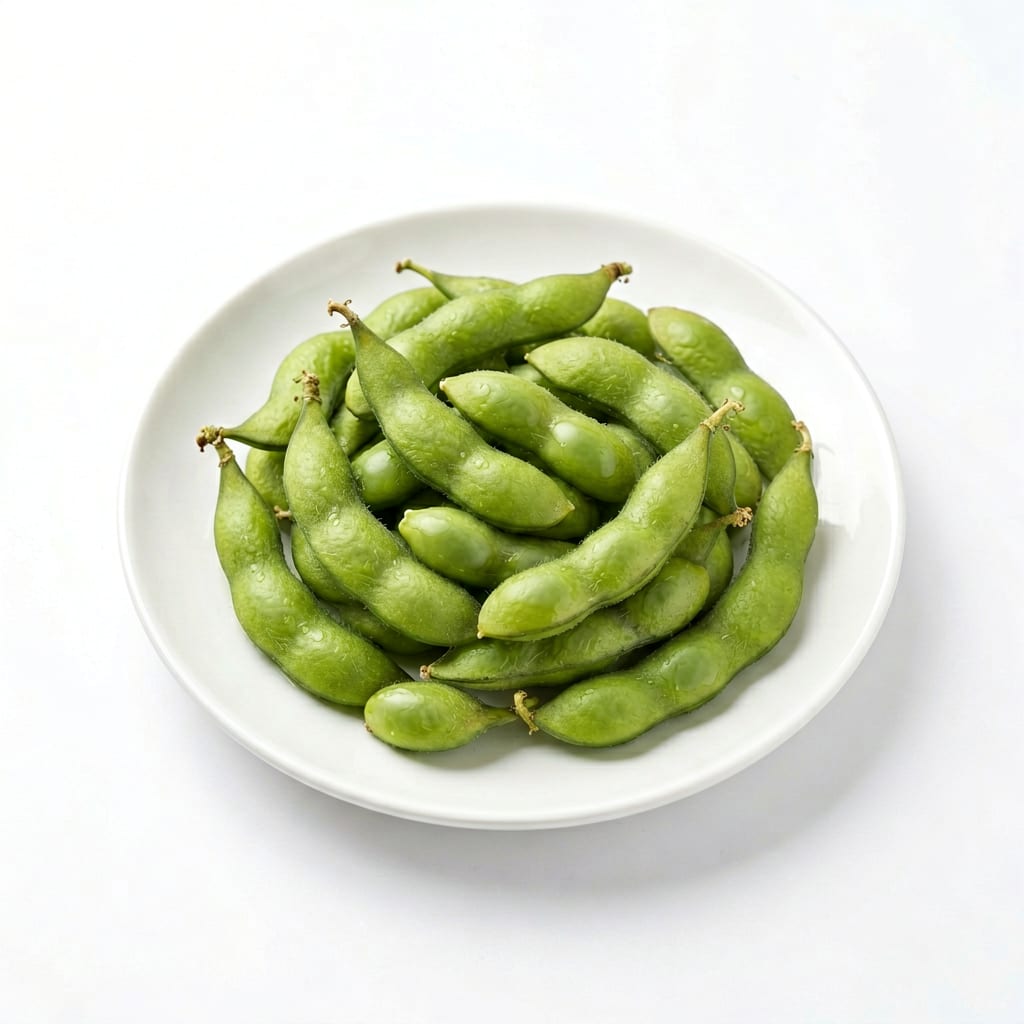
Edamame
Edamame delivers noticeably more protein with a complete amino acid profile and fewer carbs, making it the stronger legume snack for most people — but chickpea pods win if you want to avoid soy entirely.
Edamame scores higher due to its complete protein, lower carbohydrate load, and broader availability. Chickpea pods remain a solid choice but lose ground on protein density and convenience. The 11-point gap reflects meaningful nutritional advantages rather than a blowout.
Edamame gives you superior protein and lower carbs but carries soy-specific risks; chickpea pods offer a soy-free alternative with gentler digestion but less protein punch per bite.
At a glance
Executive summary
Overall
Edamame
Healthier
Edamame
More practical
Edamame
Daily use
It depends
Key comparison lenses
plant protein snack comparison
Both are pod-based legume snacks eaten similarly, so protein quality and quantity is the primary decision driver
soy vs non-soy legume choice
Edamame brings soy-specific concerns like allergens, phytoestrogens, and GMO exposure that chickpeas avoid entirely
blood sugar and carb management
Chickpea pods carry more carbohydrates, making glycemic impact a key differentiator for health-conscious users
snack convenience and availability
Edamame is far more widely available and familiar, while fresh chickpea pods are niche and harder to find
long-term hormonal and safety considerations
Soy isoflavones in edamame raise legitimate questions for some populations that chickpeas sidestep completely
Best choice for
Chickpea Pod
- People with soy allergies or sensitivities
- Those avoiding phytoestrogens due to hormonal conditions
- Anyone concerned about GMO crop exposure
- People who find soy hard to digest
- Those wanting a milder-flavored legume snack
Edamame
- Athletes and gym-goers needing complete protein
- Anyone managing carb intake or blood sugar
- People seeking higher satiety from fewer calories
- Those wanting a widely available, affordable snack
- Anyone prioritizing protein quality over everything else
Least suitable for
Chickpea Pod
- People needing high protein intake per serving
- Those managing carb-heavy diets who need lower-carb options
- Anyone wanting easy grocery store availability
- People seeking a complete amino acid profile from a single food
Edamame
- People with soy allergies
- Those avoiding phytoestrogens for hormonal health reasons
- Anyone strictly avoiding GMO foods who cannot source organic
- People with soy-related digestive discomfort
Deep comparison
Dimension by dimension
Each lens scores both foods and breaks down who each option suits.
- Dimension 1 · Priority 95Edamame
Protein Quality and Quantity
Chickpea Pod · 60Edamame · 90Edamame provides roughly 17g of complete protein per cup compared to chickpea pods at around 12g of incomplete protein, making edamame the clear winner for muscle support and satiety.
Tradeoff
You get more and better protein from edamame, but you also consume soy, which some people prefer to limit.
Why it matters
Complete protein means all nine essential amino acids are present in usable ratios. This matters for muscle repair, immune function, and staying full between meals.
Real-world impact
After a workout, edamame will support recovery more effectively. Chickpea pods still help but you would need to pair them with grains or seeds to fill amino acid gaps.
Chickpea Pod
- Those who combine legumes with grains throughout the day anyway
- Anyone eating varied protein sources so completeness matters less
Better for
- Situations where the snack is your main protein source for a meal window
Worse for
Edamame
- Strength athletes needing efficient post-workout protein
- Vegetarians relying heavily on single plant protein sources
- Anyone wanting maximum satiety from a small snack
Better for
- Anyone with soy allergy or intolerance who cannot consume it at all
Worse for
- Dimension 2 · Priority 82Edamame
Carbohydrate and Blood Sugar Impact
Chickpea Pod · 62Edamame · 80Edamame has roughly half the net carbs of chickpea pods per serving, leading to steadier blood sugar and less crash risk.
Tradeoff
Chickpea pods provide more sustained energy from complex carbs, which can be helpful for endurance but less ideal for strict low-carb approaches.
Why it matters
Lower carb snacks prevent the blood sugar spikes and dips that drive cravings, fatigue, and overeating later in the day.
Real-world impact
Edamame as an afternoon snack keeps energy stable. Chickpea pods may leave you reaching for something else sooner if you are carb-sensitive.
Chickpea Pod
- Endurance athletes needing carb fuel before long efforts
- Active people who tolerate carbs well and want lasting energy
Better for
- Late-night snacking when lower carb is preferable
Worse for
Edamame
- People managing diabetes or insulin resistance
- Anyone following a lower-carb eating pattern
- Those prone to afternoon energy crashes from carb-heavy snacks
Better for
- Pre-workout when you actually want some carbohydrate fuel
Worse for
- Dimension 3 · Priority 78Chickpea Pod
Soy and Hormonal Considerations
Chickpea Pod · 90Edamame · 55Chickpea pods completely avoid soy isoflavones, GMO concerns, and soy allergens, making them the safer choice for anyone worried about hormonal effects or soy sensitivity.
Tradeoff
Isoflavones are not universally harmful and may benefit some people, but the uncertainty and individual variability make chickpea pods the more conservative option here.
Why it matters
Soy phytoestrogens can interact with hormone-sensitive conditions and their effects vary significantly between individuals. For some, this is a non-issue; for others, it is a dealbreaker.
Real-world impact
If you have a thyroid condition, estrogen-sensitive health history, or just prefer to keep soy intake moderate, chickpea pods let you enjoy a legume snack without second-guessing.
Chickpea Pod
- Women with estrogen-receptor-positive breast cancer history
- People with hypothyroidism managing soy intake
- Anyone trying to minimize dietary phytoestrogen exposure
Better for
- Anyone hoping to get isoflavone benefits from their snack choice
Worse for
Edamame
- Postmenopausal women who may benefit from mild phytoestrogen intake
- People with no soy sensitivity who enjoy the potential cardiovascular benefits
Better for
- Those with hormone-sensitive conditions who should limit soy
- People avoiding GMO crops who cannot consistently source organic edamame
Worse for
- Dimension 4 · Priority 72It depends
Fiber and Digestive Health
Chickpea Pod · 78Edamame · 75Both deliver solid fiber, but chickpea pods offer slightly more and their fiber profile is gentler on sensitive digestive systems.
Tradeoff
Edamame's fiber is excellent but the soy component can cause bloating in some people, while chickpea pods tend to be easier to digest for most.
Why it matters
Fiber keeps you regular, feeds gut bacteria, and slows sugar absorption. The source matters when digestion is sensitive.
Real-world impact
If soy makes you gassy or bloated, chickpea pods will feel noticeably more comfortable as a regular snack.
Chickpea Pod
- People with irritable bowel who find soy triggering
- Anyone wanting a gentler fiber source for daily snacking
Better for
- Situations where you want maximum protein alongside your fiber
Worse for
Edamame
- Those who tolerate soy well and want fiber plus protein in one package
Better for
- Anyone who experiences bloating or discomfort from soy products
Worse for
- Dimension 5 · Priority 70Edamame
Availability and Practical Convenience
Chickpea Pod · 40Edamame · 88Edamame is available frozen at nearly every grocery store, while fresh chickpea pods are seasonal, specialty items found mainly at farmers markets or specialty shops.
Tradeoff
Chickpea pods offer a novel eating experience but require effort to source, whereas edamame is a grab-and-go staple you can keep stocked year-round.
Why it matters
The healthiest snack is the one you actually have in your freezer when hunger hits. Availability determines whether a food becomes a habit or a one-time try.
Real-world impact
You can keep a bag of frozen edamame in your freezer for months. Fresh chickpea pods require planning, seasonal timing, and likely a trip to a specialty store.
Chickpea Pod
- People who enjoy seasonal eating and farmers market shopping
- Anyone wanting a conversation-starting unique snack for gatherings
Better for
- Weeknight snacking when you have nothing prepared
Worse for
Edamame
- Busy people who need reliable weekly meal prep ingredients
- Anyone living far from specialty grocery stores
- Those who want a consistent snack they can always count on
Better for
- Rare occasions when you want something more unusual and seasonal
Worse for
- Dimension 6 · Priority 65Edamame
Micronutrient Density
Chickpea Pod · 68Edamame · 82Edamame delivers more folate, vitamin K, and manganese per serving, while chickpea pods offer slightly more iron and zinc. Edamame's overall micronutrient profile is broader.
Tradeoff
Chickpea pods edge out edamame on a few minerals, but edamame covers more micronutrient ground overall, especially B vitamins.
Why it matters
Micronutrient density determines how much nutritional value you get per calorie beyond just macros.
Real-world impact
Regular edamame consumption subtly supports bone health, blood health, and energy metabolism more comprehensively than chickpea pods alone.
Chickpea Pod
- People specifically needing iron and zinc support
- Those eating a varied diet where micronutrient gaps are already covered
Better for
- Situations where the food is a dietary staple and needs to carry more micronutrient weight
Worse for
Edamame
- Pregnant women needing extra folate
- Anyone whose diet could use broader micronutrient coverage
Better for
- Those already taking supplements that cover the same micronutrients
Worse for
Timeline
Health impact over time
Short-term
Hours to days
Chickpea Pod
- Steady energy from complex carbohydrates without sharp blood sugar spikes
- Mild satiety from fiber but less fullness than edamame due to lower protein
- Generally easy on the stomach with low bloating risk
Edamame
- Stronger and longer-lasting fullness from higher protein and fat content
- Stable blood sugar due to low net carb count
- Possible bloating or gas in soy-sensitive individuals
Long-term
Months to years
Chickpea Pod
- Consistent fiber intake supports gut health and regularity
- No soy-related hormonal concerns to monitor over time
- Lower protein intake may require more intentional pairing with other protein sources
Edamame
- Sustained higher protein intake supports muscle maintenance and metabolic health
- Isoflavone exposure may benefit cardiovascular health but requires individual assessment for hormone-sensitive conditions
- Regular soy consumption is associated with lower cholesterol in many studies
Risk profile
Safety & processing
Both foods are whole, minimally processed legumes typically sold fresh or frozen with no additives. The main distinction is that frozen edamame sometimes contains added salt in the steaming broth, while fresh chickpea pods are almost always sold plain.
Chickpea Pod
Pesticide residue on conventional crops
lowChickpeas are not among the highest pesticide crops, but conventional farming still uses some treatment. Washing pods before eating reduces exposure.
Spoilage of fresh pods
mediumFresh chickpea pods have a short shelf life and can mold or ferment quickly if not refrigerated and consumed within days.
Edamame
GMO crop exposure
mediumThe vast majority of soy grown globally is genetically modified. Choosing organic edamame eliminates this concern entirely.
Soy allergen exposure
highSoy is one of the top nine allergens. Reactions can range from mild hives to anaphylaxis in sensitive individuals.
Pesticide residue on conventional crops
mediumConventional soy is heavily treated with pesticides. Organic edamame significantly reduces this exposure.
Who wins for whom
Audience fit
Same foods, different winners depending on your goal.
children
It dependsEdamame is a fun, nutrient-dense snack kids often enjoy, but soy allergy risk in children is higher. Chickpea pods avoid the allergen concern entirely.
daily consumption
It dependsEdamame is more practical and protein-rich for daily use, but anyone avoiding soy for hormonal or allergen reasons should choose chickpea pods as their daily staple instead.
diabetes
EdamameLower net carbs and a gentler glycemic impact give edamame the edge for blood sugar management.
elderly
EdamameOlder adults benefit most from edamame's higher protein for muscle preservation and folate for cognitive support, assuming no soy sensitivity.
muscle gain
EdamameComplete protein with all essential amino acids makes edamame far more useful for muscle repair and growth.
weight loss
EdamameEdamame's higher protein and lower carb count make it more satiating per calorie, helping control overall intake more effectively.
Your move
Decision guide
Choose Chickpea Pod
- You have a soy allergy, intolerance, or sensitivity
- You are managing a hormone-sensitive condition and want to limit phytoestrogen intake
- You prefer to avoid GMO crops and cannot reliably source organic edamame
- You find soy causes bloating or digestive discomfort
- You enjoy seasonal eating and want something more unusual
Choose Edamame
- You want maximum protein from a plant-based snack
- You are managing blood sugar or following a lower-carb approach
- You need a convenient, freezer-stable snack available year-round
- You have no soy concerns and want the broadest micronutrient coverage
- You are an athlete or active person prioritizing muscle support
Either works if
- You tolerate both well and just want a healthy legume snack
- You rotate between different protein sources throughout the week anyway
- You are eating a varied diet where neither food has to carry the full nutritional load
Avoid both if
- You have a legume allergy that spans multiple types
- You are on a strict very-low-fiber diet for a medical procedure
- You experience significant digestive distress from all legumes
Final recommendation
For most people, edamame is the better everyday legume snack thanks to its complete protein, lower carbs, and easy availability. Choose chickpea pods when soy is a concern — whether from allergy, hormonal sensitivity, or GMO avoidance — and you will still get a nutritious, fiber-rich snack without the tradeoffs that soy brings.
Practical
Consumer tips
- 1
If buying edamame, choose organic to avoid GMO soy and reduce pesticide exposure
- 2
Steam or boil both snacks with minimal salt — the natural flavor is satisfying on its own
- 3
If chickpea pods are hard to find fresh, dried roasted chickpeas are a more available alternative with similar nutritional benefits
- 4
Pair chickpea pods with a handful of pumpkin seeds to create a more complete amino acid profile in one sitting
- 5
Keep frozen edamame on hand for quick snacking — it thaws in minutes under running water
- 6
Introduce either snack gradually if you are not used to high-fiber legumes to minimize bloating