
Nutrition comparison
Chickpea Pod vs Green Peas: Which Legume Is Better for You?
Compare chickpea pods and green peas on protein, fiber, calories, and digestion. Find out which legume fits your health goals and daily routine better.
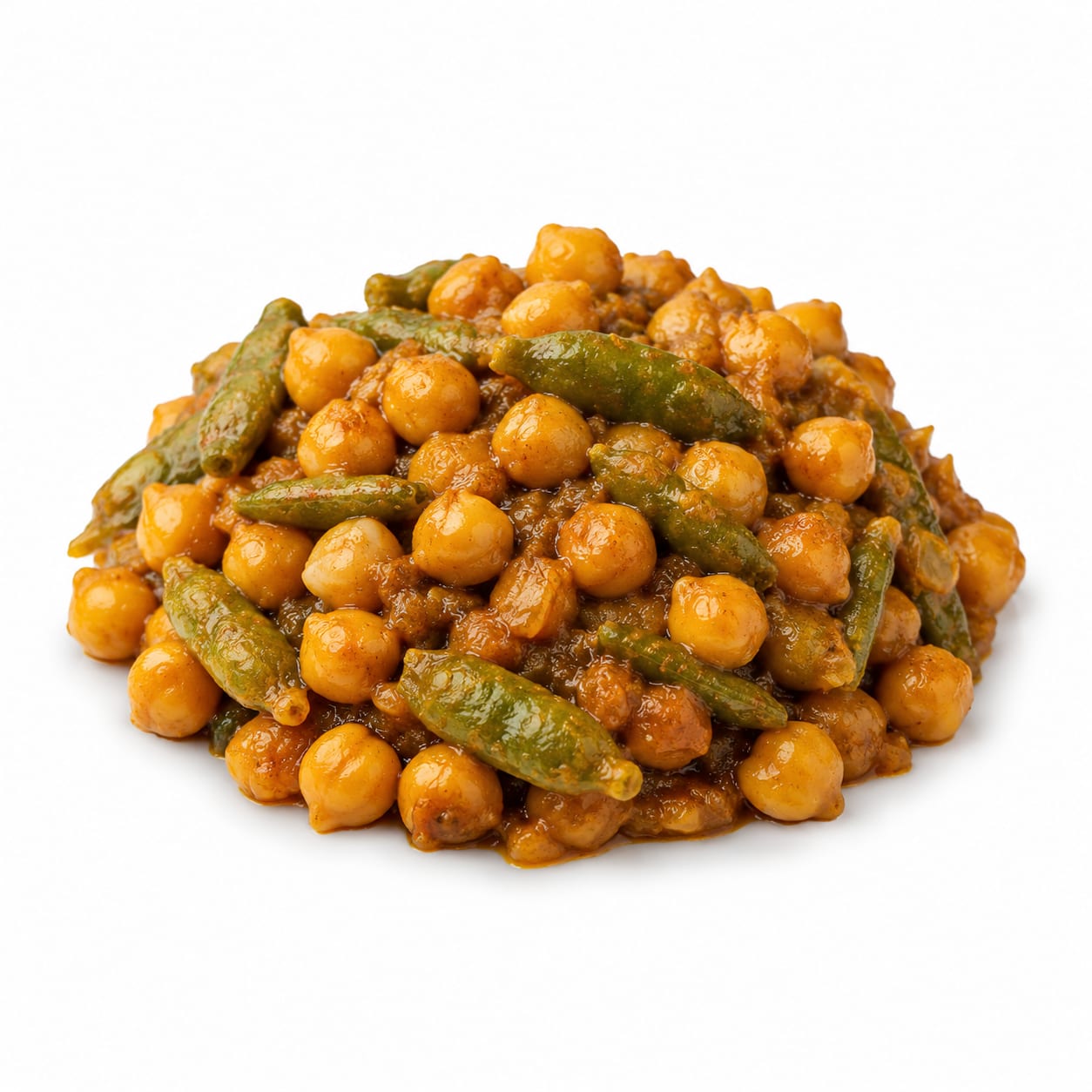
Chickpea Pod
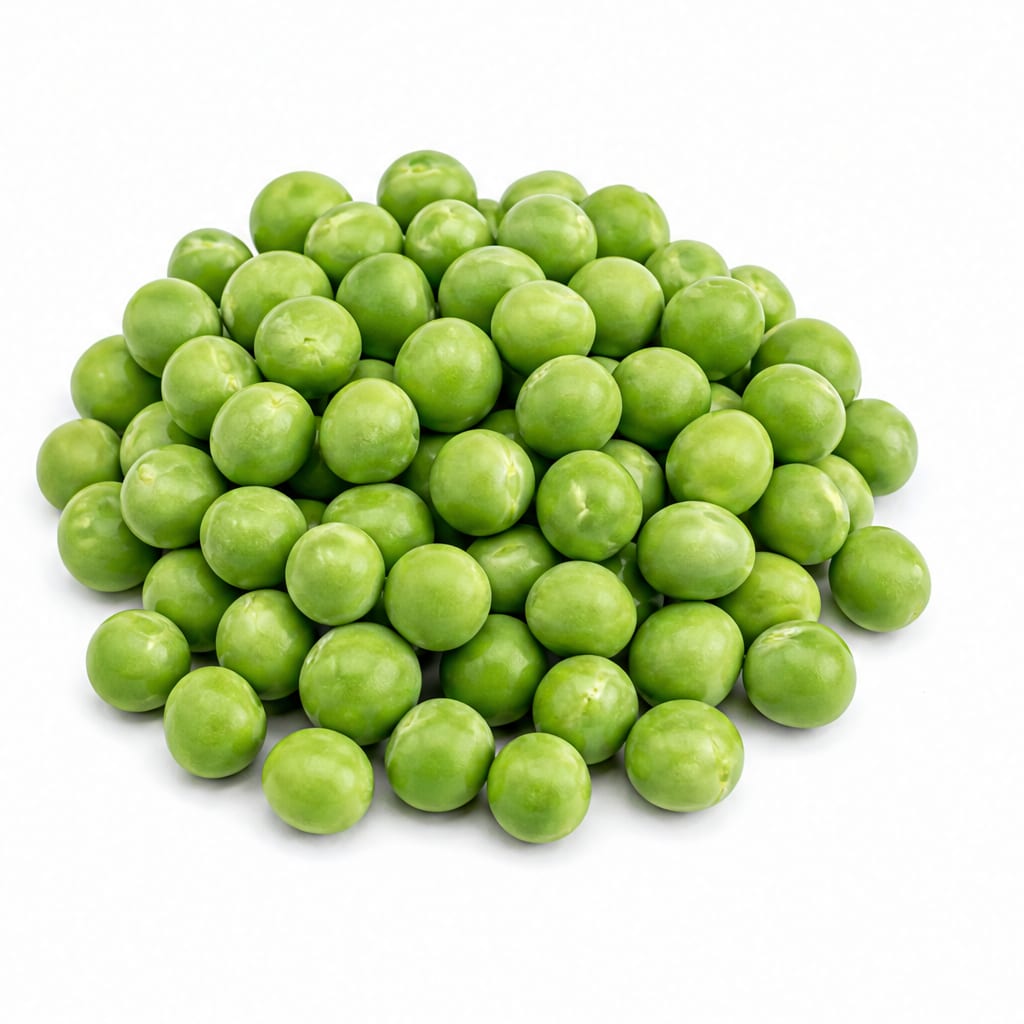
Green Peas
Chickpea pods deliver more protein and sustained energy, while green peas offer lighter calories and easier digestion. Your pick depends on whether you need fuel or lightness.
Chickpea pods score higher for protein, fiber, and satiety, but green peas win on calorie efficiency and digestibility. The close scores reflect that both are genuinely healthy legumes with different strengths.
Hearty satiety and protein from chickpea pods versus low-calorie convenience and gentler digestion from green peas.
At a glance
Executive summary
Overall
It depends
Healthier
It depends
More practical
Green Peas
Daily use
Green Peas
Key comparison lenses
plant protein source comparison
Both are legumes but deliver very different protein densities per serving
fiber and digestion tradeoffs
Chickpea pods offer significantly more fiber but can cause bloating in sensitive individuals
calorie efficiency for weight management
Green peas are much lower in calories per cup, making them attractive for calorie-conscious eaters
blood sugar stability
Both have moderate glycemic impact but chickpeas release energy more slowly
snack versus side dish utility
Chickpea pods are often eaten as a snack while green peas are typically a side dish component
Best choice for
Chickpea Pod
- People needing sustained energy through long workdays
- Plant-based eaters seeking higher protein intake
- Active individuals recovering between meals
- Anyone wanting a filling afternoon snack
Green Peas
- Calorie-counters aiming for volume eating
- People with sensitive digestion who find beans uncomfortable
- Families wanting an easy vegetable side dish
- Anyone meal-prepping light lunches
Least suitable for
Chickpea Pod
- People prone to bloating or IBS symptoms
- Those wanting a light pre-workout meal
- Anyone counting calories strictly
Green Peas
- Athletes needing concentrated protein recovery
- People trying to gain healthy weight
- Those wanting a standalone filling snack
Deep comparison
Dimension by dimension
Each lens scores both foods and breaks down who each option suits.
- Dimension 1 · Priority 92Chickpea Pod
protein power
Chickpea Pod · 82Green Peas · 55Chickpea pods deliver roughly 60% more protein per serving than green peas, making them the clear winner for muscle maintenance and staying full longer.
Tradeoff
That extra protein comes with more calories and a heavier feeling in your stomach.
Why it matters
If you are eating plant-based or skipping meat, chickpea pods help close the protein gap more effectively than green peas alone.
Real-world impact
A cup of chickpea pods keeps you satisfied for 3-4 hours. A cup of green peas might leave you hungry again in 90 minutes.
Chickpea Pod
- Post-workout recovery meals
- Plant-based protein stacking
- Long gaps between meals
Better for
- Light pre-workout snacking
Worse for
Green Peas
- Light protein topping on salads
- Days when you already have a main protein source
Better for
- Standalone protein source for active people
Worse for
- Dimension 2 · Priority 85Green Peas
calorie efficiency
Chickpea Pod · 48Green Peas · 82Green peas give you roughly half the calories per cup compared to chickpea pods, making them far more efficient for volume eating and weight management.
Tradeoff
Fewer calories means less staying power. You may need to eat again sooner.
Why it matters
If you are trying to lose weight or eat larger portions without overconsuming, green peas let you fill your plate generously.
Real-world impact
You can eat two cups of green peas for roughly the same calories as one cup of chickpea pods, which feels more satisfying when you are hungry.
Chickpea Pod
- Active days when you need calorie fuel
Better for
- Strict calorie restriction diets
Worse for
Green Peas
- Weight loss meal plans
- Volume eating strategies
- Large dinner plates with multiple sides
Better for
- High-calorie needs for athletes or underweight individuals
Worse for
- Dimension 3 · Priority 88Chickpea Pod
fiber and fullness
Chickpea Pod · 85Green Peas · 68Chickpea pods pack significantly more fiber per serving, which translates to longer-lasting fullness and steadier digestion throughout the day.
Tradeoff
High fiber can mean gas and bloating if your gut is not used to it or if you have IBS.
Why it matters
Fiber is the single biggest predictor of whether a meal actually keeps you full versus just filling your stomach temporarily.
Real-world impact
Chickpea pods at lunch can prevent the 3pm snack attack. Green peas help but may not carry you as far.
Chickpea Pod
- Preventing between-meal cravings
- Improving long-term gut health
- Stabilizing daily energy levels
Better for
- IBS flare-ups
- First-time legume eaters not used to fiber
Worse for
Green Peas
- Sensitive stomachs that struggle with high-fiber loads
- Gradual fiber introduction after a low-fiber diet
Better for
- Chronic constipation management
Worse for
- Dimension 4 · Priority 80Chickpea Pod
blood sugar stability
Chickpea Pod · 78Green Peas · 65Chickpea pods have a lower glycemic index and more protein-fiber synergy, resulting in slower glucose release and fewer energy spikes.
Tradeoff
Green peas are still moderate on the glycemic index but their natural sugars hit your bloodstream a bit faster.
Why it matters
Steadier blood sugar means fewer energy crashes, better focus, and less cravings an hour after eating.
Real-world impact
After eating chickpea pods, you feel calmly energized. After green peas alone, you might reach for a snack sooner.
Chickpea Pod
- Prediabetes management
- Long work meetings requiring focus
- Preventing afternoon energy crashes
Better for
- Scenarios where quick energy is actually desired
Worse for
Green Peas
- Post-exercise recovery when faster carb uptake is helpful
Better for
- Blood sugar sensitive individuals eating peas alone
Worse for
- Dimension 5 · Priority 78Green Peas
digestive comfort
Chickpea Pod · 45Green Peas · 72Green peas are gentler on the digestive system, causing less bloating and gas than chickpea pods for most people.
Tradeoff
You sacrifice some protein and fiber for that easier digestion.
Why it matters
The healthiest food on paper means nothing if it makes you uncomfortable enough to avoid eating it.
Real-world impact
Green peas work well before a date or meeting. Chickpea pods might leave you feeling puffy and uncomfortable in the same scenario.
Chickpea Pod
- People with well-adapted gut microbiomes used to legumes
Better for
- Fermentable carbohydrate sensitivity
- FODMAP-restricted diets
Worse for
Green Peas
- IBS-prone individuals
- Social situations where bloating is unwelcome
- Introducing legumes to children or beginners
Better for
- Situations where maximum gut stimulation is desired
Worse for
- Dimension 6 · Priority 72It depends
vitamin and mineral density
Chickpea Pod · 74Green Peas · 76Chickpea pods lead in iron, folate, and magnesium while green peas excel in vitamin C, vitamin K, and certain B vitamins. It is a tie with different strengths.
Tradeoff
Neither food covers all micronutrient needs alone. Rotating both gives the broadest coverage.
Why it matters
Micronutrient gaps accumulate over time and affect energy, immunity, and mood in subtle ways.
Real-world impact
Eating chickpea pods supports iron levels and energy. Eating green peas supports immune function and bone health. Both matter.
Chickpea Pod
- Iron-deficiency risk groups including menstruating women
- Pregnancy folate needs
- Magnesium for sleep and muscle recovery
Better for
- Relying on it as a sole vitamin C source
Worse for
Green Peas
- Immune support during cold season
- Bone health and vitamin K needs
- Vitamin C pairing to enhance iron absorption from other foods
Better for
- Relying on it as a primary iron source
Worse for
- Dimension 7 · Priority 70Green Peas
versatility and convenience
Chickpea Pod · 55Green Peas · 80Green peas are easier to find, faster to prepare, and blend into more dishes seamlessly. Chickpea pods require more effort and are less commonly available.
Tradeoff
Convenience sometimes means settling for less protein and fiber per serving.
Why it matters
The food you actually prepare consistently beats the food that sits in your pantry unused.
Real-world impact
Frozen green peas can be added to any meal in two minutes. Chickpea pods need soaking, cooking, or hunting for fresh sources.
Chickpea Pod
- Intentional snack sessions where prep time is acceptable
- Roasted chickpea recipes as meal prep
Better for
- Time-pressed cooking scenarios
Worse for
Green Peas
- Busy weeknight dinners
- Quick lunch assembly
- Stir-fries, soups, and pasta additions
Better for
- Occasions where a substantial snack is needed
Worse for
Timeline
Health impact over time
Short-term
Hours to days
Chickpea Pod
- Strong satiety lasting 3-4 hours after a full serving
- Possible bloating or gas within 30-90 minutes if gut is unaccustomed
- Steady energy without the crash that follows simpler carbs
Green Peas
- Light comfortable fullness that lasts 1-2 hours
- Minimal digestive discomfort for most people
- Mild energy boost that fades faster than chickpea-based meals
Long-term
Months to years
Chickpea Pod
- Improved cholesterol profiles from consistent soluble fiber intake
- Better blood sugar regulation with regular consumption
- Potential for enhanced gut microbiome diversity over months
- Risk of persistent bloating if portion sizes are not managed
Green Peas
- Consistent low-calorie nutrition supporting healthy weight maintenance
- Gradual improvement in immune markers from vitamin C and antioxidant intake
- Gentle fiber support without overwhelming the digestive system
- Possible iron shortfall if relied on as a primary legume source
Risk profile
Safety & processing
Both chickpea pods and green peas are whole foods with minimal processing concerns. Fresh or frozen versions of either are clean choices. Canned chickpeas may contain added sodium, and canned peas can have sugar, so check labels if going that route.
Chickpea Pod
phytic acid mineral interference
lowChickpea pods contain phytic acid which can slightly reduce absorption of iron and zinc. Soaking or cooking minimizes this effect significantly.
solanine sensitivity in rare cases
lowSome individuals with nightshade sensitivity may react to compounds in chickpea pods, though this is uncommon.
Green Peas
purine content
lowGreen peas contain moderate purines. People with gout should monitor portions but generally do not need to eliminate them entirely.
pesticide residue on conventional crops
mediumGreen peas often appear on moderate pesticide residue lists. Choosing organic or washing thoroughly reduces exposure.
Who wins for whom
Audience fit
Same foods, different winners depending on your goal.
children
Green PeasGreen peas are sweeter, smaller, easier to chew, and gentler on developing digestive systems. Most kids accept them more readily.
daily consumption
Green PeasGreen peas are easier to include daily without digestive fatigue, and their convenience makes consistent consumption more realistic.
diabetes
Chickpea PodThe lower glycemic index and higher fiber-protein combination in chickpea pods creates slower, more manageable blood sugar responses.
elderly
Green PeasGreen peas are easier to digest and chew, with lower calorie density matching the typically reduced energy needs of older adults.
muscle gain
Chickpea PodChickpea pods offer substantially more protein per serving, which supports muscle repair and growth more effectively.
weight loss
Green PeasGreen peas provide more food volume per calorie, making it easier to eat satisfying portions while staying in a deficit.
Your move
Decision guide
Choose Chickpea Pod
- You need a protein-rich plant food to anchor a meal
- Long stretches between meals are normal for your schedule
- You are active and want sustained energy without snacking
- Your digestion handles legumes well without discomfort
- You are plant-based and need concentrated nutrition
Choose Green Peas
- You want a light vegetable side that does not dominate the plate
- Calorie awareness is a daily priority for you
- Your stomach is sensitive to heavier legumes
- You need something quick and convenient for busy meals
- You are feeding kids who prefer sweeter milder flavors
Either works if
- You want to rotate legume sources for microbiome diversity
- Both are available and you feel like mixing textures
- You are building a grain bowl and want extra plant goodness
Avoid both if
- You have a diagnosed legume allergy
- You are in an active IBS flare and need low-FODMAP options temporarily
- You are on a strict potassium-restricted diet for kidney issues
Final recommendation
Eat both on different days. Chickpea pods when you need staying power and protein. Green peas when you want something light and easy. Rotating between them gives you the broadest nutrient coverage and keeps meals interesting.
Practical
Consumer tips
- 1
If chickpea pods cause bloating, start with quarter-cup portions and increase gradually over two weeks to let your gut adapt.
- 2
Pair green peas with a squeeze of lemon to boost iron absorption from the rest of your meal.
- 3
Roast chickpea pods with olive oil and spices for a crunchy snack that rivals chips in satisfaction.
- 4
Keep frozen green peas as a pantry staple. They retain nutrients well and are ready in minutes.
- 5
If buying canned chickpeas, rinse thoroughly to remove about 40% of the added sodium.
- 6
Mix both into soups for layered texture and a wider range of vitamins and minerals.
- 7
For the best of both worlds, combine chickpea pods and green peas in a salad with a tahini dressing.