
Nutrition comparison
Chickpea Pod vs Artichoke: Which Is Healthier for You?
Compare chickpea pods and artichokes on protein, fiber, gut health, and convenience. Find out which plant food fits your health goals and lifestyle better.
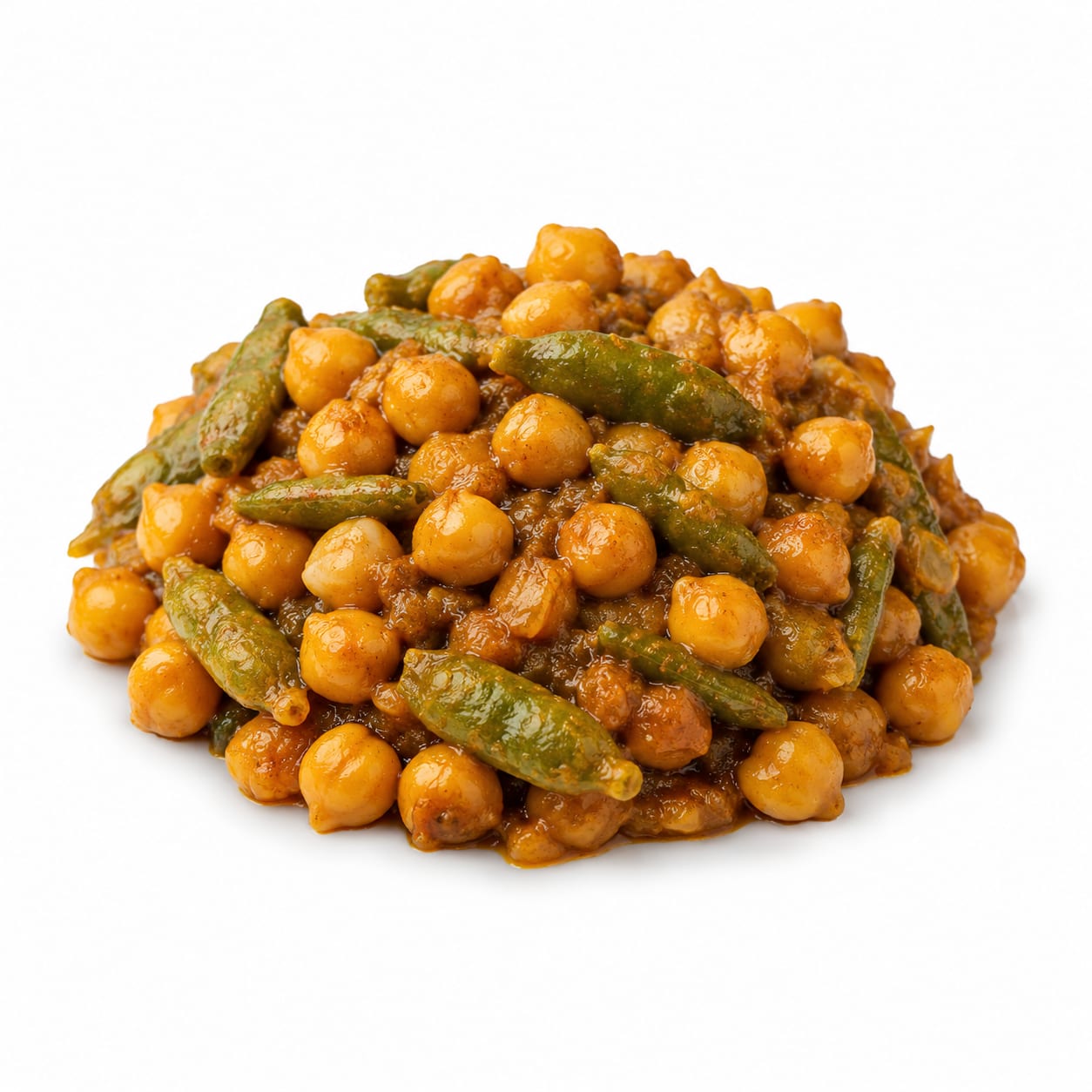
Chickpea Pod
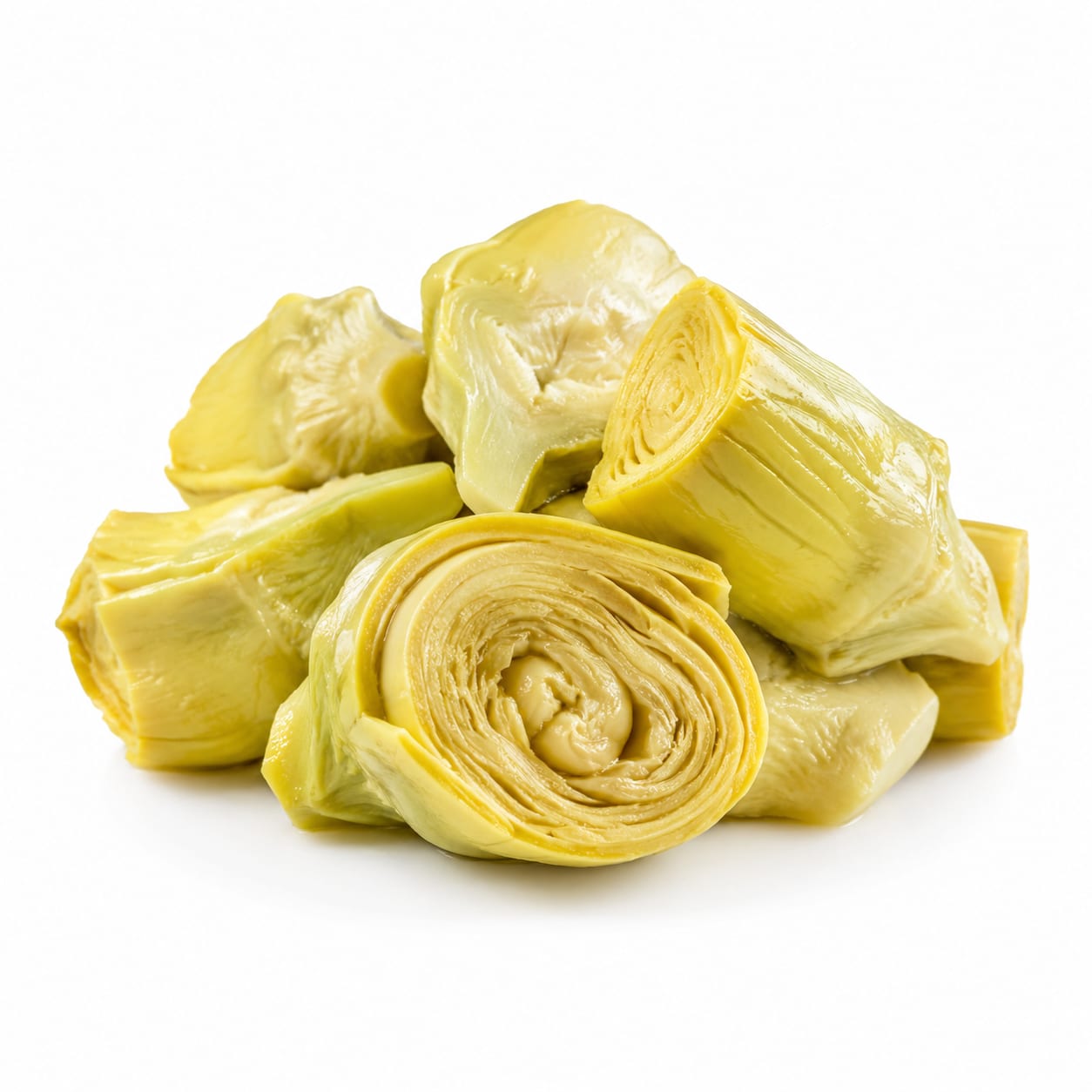
Artichoke
Chickpea pods win on protein and eating convenience; artichokes dominate on fiber density and liver-supporting antioxidants. Your pick depends on whether you need sustenance or deep gut health.
Artichokes edge ahead on nutrient density and health-protective compounds, but chickpea pods stay competitive thanks to superior protein and everyday practicality. The gap is small because both are genuinely excellent whole foods.
Substantial plant protein and easy snacking versus unmatched prebiotic fiber and detox-supporting compounds at a fraction of the calories.
At a glance
Executive summary
Overall
It depends
Healthier
Artichoke
More practical
Chickpea Pod
Daily use
Chickpea Pod
Key comparison lenses
fiber and digestive health
Both foods are fiber powerhouses but deliver it very differently — chickpea pods offer soluble fiber with protein, artichokes deliver prebiotic inulin that feeds gut bacteria
satiety and weight management
Users comparing these foods are often looking for filling, low-calorie options that keep hunger away without heavy calories
convenience and preparation effort
Artichokes require significant prep and cooking time while chickpea pods can be eaten fresh or quickly steamed, making practicality a key differentiator
blood sugar stability
Both are low-glycemic but chickpea pods carry more carbohydrates, making glucose impact a relevant concern
nutrient density per calorie
Artichokes are extremely nutrient-dense per calorie while chickpea pods offer more macronutrient substance
Best choice for
Chickpea Pod
- People needing plant protein with their fiber
- Busy snackers who want something ready in minutes
- Active individuals refueling after exercise
- Anyone transitioning to more plant-based eating
Artichoke
- Gut health optimization and microbiome support
- Low-calorie volume eating for weight loss
- Liver and detox pathway support
- People managing cholesterol or blood sugar
Least suitable for
Chickpea Pod
- People strictly limiting carbohydrate intake
- Those with severe legume sensitivities
- Anyone seeking the lowest possible calorie option
Artichoke
- Impatient eaters who dislike fussy preparation
- People with difficulty digesting high inulin loads
- Those needing significant protein from their vegetables
Deep comparison
Dimension by dimension
Each lens scores both foods and breaks down who each option suits.
- Dimension 1 · Priority 95Artichoke
fiber_and_gut_health
Chickpea Pod · 72Artichoke · 94Artichokes are one of the highest-fiber vegetables available, delivering roughly 7g per medium artichoke, heavily weighted toward inulin — a prebiotic that directly feeds beneficial gut bacteria.
Tradeoff
Chickpea pods provide good soluble fiber but less total volume and less prebiotic specificity. You get fiber that slows digestion, but less of the targeted microbiome nourishment.
Why it matters
Prebiotic fiber from artichokes doesn't just keep you regular — it actively reshapes your gut microbiome over time, which affects immunity, mood, and inflammation.
Real-world impact
Regular artichoke consumption can meaningfully improve bloating and bowel regularity within weeks. Chickpea pods help too, but the effect is gentler and less targeted.
Chickpea Pod
- Steady digestive regularity without fermentation discomfort
Better for
- Less impactful for correcting dysbiosis
Worse for
Artichoke
- Rebuilding a damaged microbiome after antibiotics
- Reducing bloating linked to poor bacterial diversity
- Long-term gut wall integrity
Better for
- Inulin can cause gas and cramping if introduced too quickly
Worse for
- Dimension 2 · Priority 85Chickpea Pod
protein_and_sustenance
Chickpea Pod · 88Artichoke · 38Chickpea pods deliver meaningful plant protein — roughly 6-8g per cup — making them a genuinely satisfying mini-meal component. Artichokes provide minimal protein at around 3-4g per whole artichoke.
Tradeoff
You sacrifice protein density when choosing artichokes, which means they work better as a side or appetizer than a standalone satisfying dish.
Why it matters
Protein at meals and snacks determines how long you stay full. Without it, even high-fiber foods can leave you hunting for food again within two hours.
Real-world impact
A bowl of steamed chickpea pods can hold you over between meals. An artichoke alone will not — you will want to pair it with something protein-rich.
Chickpea Pod
- Post-workout recovery snacking
- Afternoon energy slumps where you need real sustenance
- Plant-based eaters counting protein sources
Better for
- Not a complete protein source — needs pairing with grains
Worse for
Artichoke
- Light appetizer courses before a protein-rich main
Better for
- Virtually useless as a standalone protein contributor
Worse for
- Dimension 3 · Priority 82Artichoke
calorie_efficiency_and_weight_management
Chickpea Pod · 65Artichoke · 90A whole artichoke delivers massive fiber and nutrients for only about 60-70 calories. Chickpea pods run roughly 120-150 calories per cup due to their carbohydrate and protein content.
Tradeoff
Artichokes let you eat a large volume of food with minimal caloric cost. Chickpea pods cost more calories but return more macronutrient value per bite.
Why it matters
For volume eaters who need physical fullness on a calorie budget, artichokes are hard to beat. But if you need those calories for energy, chickpea pods are the better investment.
Real-world impact
Trying to stay under 400 calories at lunch? Artichokes give you room for other foods. Chickpea pods use more of your budget but keep you fuller longer through protein.
Chickpea Pod
- Active people who can afford the calories for sustained energy
- Those who find low-cal meals unsatisfying and end up overeating later
Better for
- Easy to overconsume calories if eating large portions mindlessly
Worse for
Artichoke
- Volume eaters who need physical fullness on tight calories
- Intermittent fasters breaking a fast with minimal caloric impact
Better for
- May leave calorie-counters under-fueled if relied on too heavily
Worse for
- Dimension 4 · Priority 78Artichoke
antioxidant_and_detox_profile
Chickpea Pod · 62Artichoke · 91Artichokes contain cynarin and silymarin — compounds that stimulate bile production and support liver detoxification pathways. They rank among the top vegetables for total antioxidant capacity.
Tradeoff
Chickpea pods offer decent antioxidants including flavonoids and phenolic compounds, but nothing matching the liver-specific bioactivity found in artichokes.
Why it matters
Your liver processes everything from alcohol to medications to environmental toxins. Foods that actively support bile flow and liver function have outsized health value over a lifetime.
Real-world impact
Regular artichoke eaters often notice improved digestion of fatty meals and less sluggishness after heavy eating. Chickpea pods support general antioxidant defenses but without that targeted liver effect.
Chickpea Pod
- General cellular antioxidant defense
Better for
- No targeted organ-support compounds
Worse for
Artichoke
- Supporting liver health during periods of medication use
- Improving fat digestion after gallbladder issues
- Reducing oxidative stress from environmental exposures
Better for
- Benefits are subtle and cumulative — not immediately noticeable
Worse for
- Dimension 5 · Priority 80Chickpea Pod
convenience_and_everyday_practicality
Chickpea Pod · 82Artichoke · 45Chickpea pods can be steamed in 5 minutes or eaten raw, similar to edamame. Artichokes require 25-45 minutes of steaming or boiling, plus careful trimming and the messy leaf-by-leaf eating process.
Tradeoff
Artichokes demand time and attention but reward you with a meditative eating experience. Chickpea pods are grab-and-go but less ceremonially satisfying.
Why it matters
The best healthy food is the one you actually eat regularly. If preparation friction stops you from consuming a food, its nutritional advantages become theoretical.
Real-world impact
You can throw chickpea pods into a lunch container raw or lightly steamed. Artichokes require planning, cooking, and are messy to eat at a desk.
Chickpea Pod
- Weeknight side dishes when time is short
- Office lunches and on-the-go snacking
- Meal prep containers where reheating simplicity matters
Better for
- Less culinary versatility in formal cooking
Worse for
Artichoke
- Leisurely weekend meals where the ritual is part of the pleasure
- Dinner parties as an impressive appetizer course
Better for
- Realistically, most people will not prepare them more than occasionally
Worse for
- Dimension 6 · Priority 75Artichoke
blood_sugar_stability
Chickpea Pod · 68Artichoke · 85Artichokes have minimal impact on blood sugar with roughly 13g of carbohydrate per whole artichoke, heavily offset by fiber. Chickpea pods carry more carbohydrate — around 20-25g per cup — with a moderate glycemic effect.
Tradeoff
Chickpea pods still rank low-glycemic thanks to their fiber and protein, but they will raise glucose more noticeably than artichokes, especially in larger portions.
Why it matters
For people with insulin resistance or diabetes, the difference between a gentle glucose rise and a moderate one can affect energy, cravings, and long-term metabolic health.
Real-world impact
An artichoke with a meal barely moves the glucose needle. A large portion of chickpea pods may require insulin-sensitive individuals to watch their serving size.
Chickpea Pod
- Active people who need moderate carbohydrate fuel for performance
Better for
- Carb content adds up quickly in larger servings
Worse for
Artichoke
- Diabetics managing tight glucose control
- People prone to afternoon energy crashes from blood sugar swings
Better for
- Extremely low carb content means inadequate energy for athletes
Worse for
Timeline
Health impact over time
Short-term
Hours to days
Chickpea Pod
- Steady energy from balanced protein and complex carbs
- Mild satiety within 20-30 minutes of eating
- Possible mild bloating if you are unaccustomed to legume fiber
Artichoke
- Very light feeling in the stomach — low digestive burden
- Potential gas or cramping from inulin if gut bacteria are unadapted
- Noticeable fullness from fiber volume despite minimal calories
Long-term
Months to years
Chickpea Pod
- Improved sustained energy and reduced snacking between meals
- Better plant protein intake supporting muscle maintenance
- Consistent soluble fiber intake supporting cholesterol management
Artichoke
- Measurably improved gut microbiome diversity over months
- Enhanced liver bile production and fat metabolism efficiency
- Significant cholesterol reduction in regular consumers
Risk profile
Safety & processing
Both foods are whole, unprocessed plant foods eaten close to their natural state. Chickpea pods are sometimes sold frozen, which preserves nutrients without additives. Artichokes are typically sold fresh or canned in brine — the canned versions carry sodium concerns, but fresh artichokes are as clean as it gets.
Chickpea Pod
Pesticide residue on pods
mediumChickpea pods can retain pesticide residue on the exterior. Since the pods are sometimes eaten whole or steamed with the pod intact, washing thoroughly matters.
Lectin content in raw form
lowRaw chickpea pods contain lectins that can cause digestive upset in sensitive individuals. Light steaming neutralizes most of this concern.
Artichoke
Choking hazard from choke and thorny leaf tips
mediumThe hairy choke in the center must be completely scraped away before eating the heart. Thorny leaf tips can scratch the throat if not properly trimmed.
Canned versions high in sodium
mediumCanned artichoke hearts often contain 400-600mg sodium per serving. Choose fresh or rinse canned versions thoroughly.
Who wins for whom
Audience fit
Same foods, different winners depending on your goal.
children
Chickpea PodChickpea pods are simpler for kids to eat and provide protein for growth. Artichokes require patience and coordination that most children lack.
daily consumption
Chickpea PodChickpea pods integrate easily into daily meals without special preparation, making consistent consumption realistic.
diabetes
ArtichokeArtichokes have less carbohydrate and more fiber per serving, resulting in a gentler blood sugar response that is easier to manage.
elderly
ArtichokeArtichokes support liver function, cholesterol management, and gut health — all priority concerns for aging bodies. The soft heart is easy to chew.
muscle gain
Chickpea PodChickpea pods provide meaningful protein alongside carbs, supporting muscle recovery and growth better than the near-zero protein in artichokes.
weight loss
ArtichokeArtichokes deliver maximum volume and fiber per calorie, making it easier to stay full while maintaining a caloric deficit.
Your move
Decision guide
Choose Chickpea Pod
- You want a protein-rich plant snack that actually keeps you full
- Convenience matters — you need something quick on busy days
- You are active and need carbohydrate fuel alongside your fiber
- You are building more plant-based meals and need reliable protein sources
- You are feeding kids who need simple, approachable vegetables
Choose Artichoke
- Gut health and microbiome diversity are top priorities for you
- You want maximum nutrition per calorie for weight management
- You enjoy slow, mindful eating and the ritual of preparing food
- Liver support and cholesterol reduction are personal health goals
- You have the time and patience to prepare and eat them properly
Either works if
- You simply want more whole plant foods in your diet and both sound appealing
- You are rotating fiber sources to feed diverse gut bacteria
- You are building a Mediterranean-style eating pattern
Avoid both if
- You have severe digestive conditions like SIBO and cannot tolerate high inulin or legume fiber
- You are on an extremely low-fiber diet for a medical procedure
Final recommendation
Eat both, but at different moments. Reach for chickpea pods when you need quick sustenance and protein — they are the practical daily driver. Save artichokes for when you can slow down and invest in deep gut and liver health. If forced to pick one for daily use, chickpea pods win on sustainability. If optimizing for long-term health outcomes, artichokes have the edge.
Practical
Consumer tips
- 1
If buying canned artichoke hearts, rinse them thoroughly to remove up to 40% of the added sodium
- 2
Steam chickpea pods for just 3-5 minutes — overcooking makes them mushy and diminishes the satisfying texture
- 3
Introduce artichokes gradually if you are not used to high inulin — start with half an artichoke to avoid gas
- 4
Fresh chickpea pods can be eaten raw like edamame, making them one of the easiest legume snacks available
- 5
Pair artichokes with a protein source like fish or beans to create a balanced meal that actually satisfies
- 6
Look for firm, tightly closed artichoke leaves — opening leaves indicate the artichoke is past its prime
- 7
Frozen chickpea pods retain nearly all their nutrients and are often more convenient than fresh