
Nutrition comparison
Chickpea Pods vs Black Beans: Which Legume Is Better for You?
Compare Chickpea Pods and Black Beans on protein, fiber, digestion, and practicality. Find out which legume fits your health goals and everyday life better.
Overall winner · Black Beans
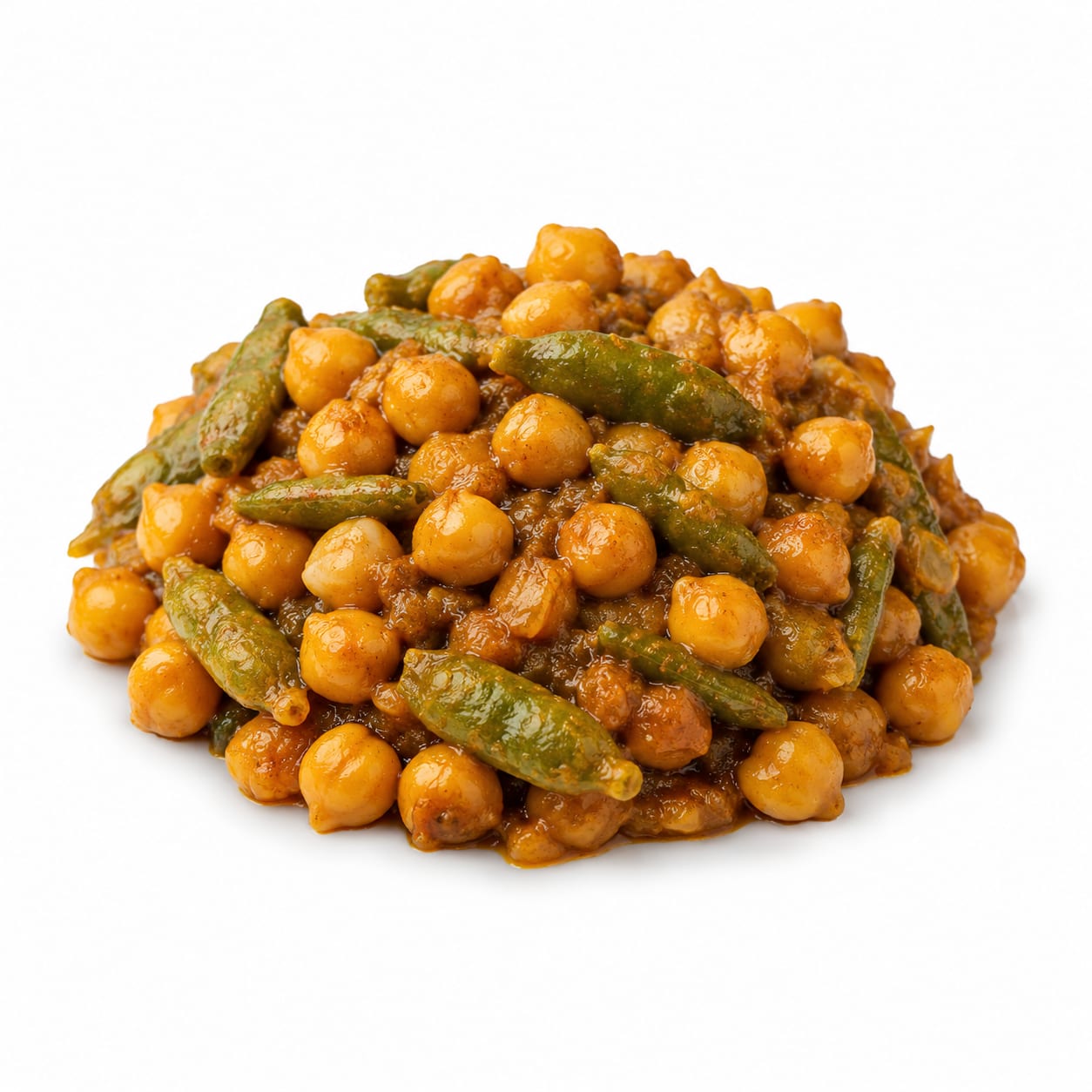
Chickpea Pod
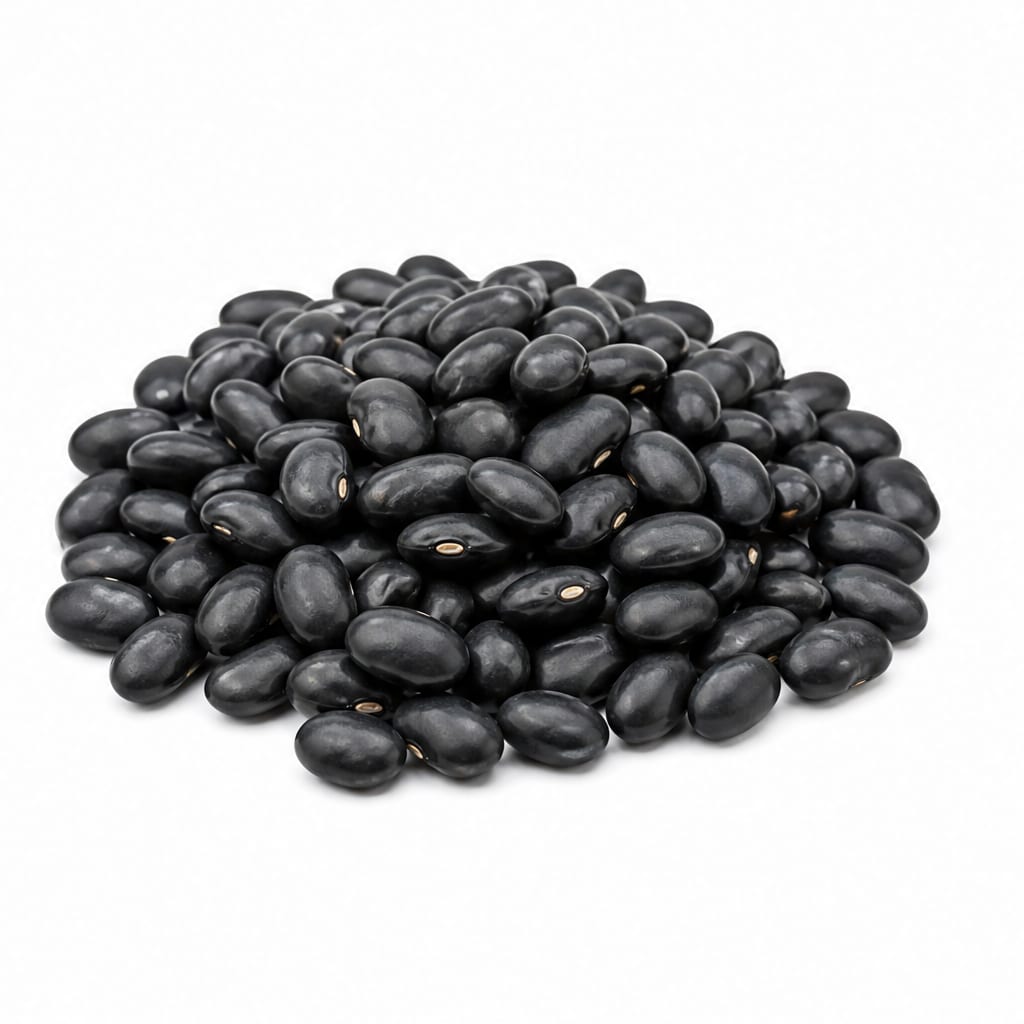
Black Beans
Black Beans win on protein, fiber, antioxidants, and everyday practicality. Chickpea Pods offer a lighter, sweeter eating experience and are easier to digest for sensitive stomachs.
Black Beans score notably higher due to superior protein, fiber, antioxidant content, and unmatched convenience. Chickpea Pods remain a solid choice but their seasonal availability and lower nutrient density keep them behind.
Black Beans deliver nearly double the protein and fiber per serving but can be tougher on digestion. Chickpea Pods sacrifice nutritional density for gentleness and novelty.
At a glance
Executive summary
Overall
Black Beans
Healthier
Black Beans
More practical
Black Beans
Daily use
Black Beans
Key comparison lenses
protein and satiety comparison
Legume comparisons almost always center on which keeps you fuller and delivers more protein per serving
digestive tolerance and gas concerns
Both foods are legumes notorious for causing bloating, but they differ significantly in how easily people tolerate them
everyday practicality and availability
Chickpea pods are seasonal and niche while black beans are pantry staples available everywhere year-round
blood sugar management
Both are low-glycemic but fiber density differences matter for anyone monitoring glucose
antioxidant and micronutrient density
Black beans deliver anthocyanins unavailable in chickpea pods, while chickpeas offer different phytonutrients
Best choice for
Chickpea Pod
- People with sensitive digestion who find most legumes too gassy
- Anyone wanting a lighter, fresher legume experience
- Seasonal food enthusiasts seeking something unique at farmers markets
- Those who prefer a sweeter, milder bean flavor
Black Beans
- Anyone prioritizing protein intake on a plant-based diet
- People managing blood sugar who need maximum fiber per calorie
- Meal preppers who want a reliable pantry staple
- Those seeking the strongest antioxidant protection from legumes
Least suitable for
Chickpea Pod
- Anyone needing high protein from legumes alone
- People who want a year-round consistent ingredient
- Meal preppers looking for long shelf life without special storage
Black Beans
- People with severe IBS or legume intolerance who need the gentlest option
- Anyone who finds dark bean skins irritating to digestion
Deep comparison
Dimension by dimension
Each lens scores both foods and breaks down who each option suits.
- Dimension 1 · Priority 95Black Beans
protein content and quality
Chickpea Pod · 55Black Beans · 85Black Beans deliver roughly 15g protein per cooked cup versus about 8-9g for Chickpea Pods. That difference compounds quickly across a day of eating.
Tradeoff
You get nearly double the muscle-supporting protein from Black Beans, but Chickpea Pods still provide decent protein in a lighter package.
Why it matters
For plant-based eaters, every gram of protein counts. Black Beans make hitting daily targets noticeably easier.
Real-world impact
A lunch bowl with Black Beans keeps you satisfied until dinner. The same bowl with Chickpea Pods may have you snacking by 3pm.
Chickpea Pod
- Lighter meals where you don't want heaviness
- Smaller appetites that find dense beans overwhelming
Better for
- Strength training days when protein needs peak
- Anyone relying on legumes as a primary protein source
Worse for
Black Beans
- Post-workout recovery meals
- Plant-based diets needing reliable protein sources
- Anyone trying to stay full longer between meals
Better for
- Small meals where dense protein feels like too much
Worse for
- Dimension 2 · Priority 90Black Beans
fiber and digestive fullness
Chickpea Pod · 60Black Beans · 90Black Beans pack about 15g fiber per cup compared to roughly 8g in Chickpea Pods. That is nearly a full day's worth of fiber in one serving of Black Beans.
Tradeoff
More fiber means better fullness and blood sugar control but also more potential for bloating if your gut is not used to it.
Why it matters
Fiber is the single most underrated nutrient for weight management and metabolic health. Black Beans are among the best sources available.
Real-world impact
Black Beans in a burrito bowl can keep you full for 5-6 hours. Chickpea Pods might get you 3-4 hours before hunger creeps back.
Chickpea Pod
- Sensitive digesters who need moderate fiber without overload
- Transitioning into higher-fiber eating gradually
Better for
- Days when you need one meal to carry you for hours
Worse for
Black Beans
- Weight loss efforts where maximum satiety per calorie matters
- Blood sugar management requiring slow glucose release
- Constipation relief through high insoluble fiber intake
Better for
- First-time legume eaters whose gut bacteria are not adapted yet
Worse for
- Dimension 3 · Priority 85Chickpea Pod
digestive tolerance
Chickpea Pod · 78Black Beans · 55Chickpea Pods are generally gentler on the stomach. Their lower fiber load and softer texture make them more tolerable for sensitive digestive systems.
Tradeoff
Easier digestion comes at the cost of less fiber and less satiety. You trade long-term metabolic benefits for short-term comfort.
Why it matters
Many people avoid legumes entirely because of gas and bloating. Chickpea Pods can be a gateway legume that builds tolerance.
Real-world impact
If Black Beans leave you bloated for hours, Chickpea Pods let you enjoy legumes without dreading the aftermath.
Chickpea Pod
- IBS-prone individuals who still want legume nutrition
- Legume beginners building gut tolerance gradually
- Light dinners when you don't want to sleep on a heavy stomach
Better for
- Anyone wanting maximum gut-health benefits from fiber fermentation
Worse for
Black Beans
- Adapted digestive systems that handle high fiber without issue
Better for
- Social situations where gas would be embarrassing
- Evening meals before lying down
Worse for
- Dimension 4 · Priority 75Black Beans
antioxidant and micronutrient profile
Chickpea Pod · 62Black Beans · 88Black Beans are antioxidant powerhouses thanks to anthocyanins in their dark seed coat. Chickpea Pods offer folate and manganese but lack the deep pigment compounds.
Tradeoff
Black Beans give you cancer-fighting anthocyanins you simply cannot get from Chickpea Pods. But Chickpea Pods provide slightly more folate per serving.
Why it matters
Anthocyanins reduce inflammation and protect cells from damage. This is one of the clearest nutritional advantages of dark-colored beans.
Real-world impact
Regularly eating Black Beans is like taking a natural anti-inflammatory. Over months and years, that protection adds up meaningfully.
Chickpea Pod
- Pregnancy nutrition where folate is the priority
- Anyone already eating plenty of dark berries and vegetables
Better for
- Anyone relying on legumes as a primary antioxidant source
Worse for
Black Beans
- Long-term disease prevention strategies
- Anti-inflammatory eating patterns
- Older adults needing cellular protection
Better for
- Situations where folate intake is the specific concern
Worse for
- Dimension 5 · Priority 80Black Beans
practicality and availability
Chickpea Pod · 35Black Beans · 92Black Beans are available canned or dried in every grocery store year-round. Chickpea Pods are seasonal, often found only at specialty markets or farmers markets in spring.
Tradeoff
Convenience has real nutritional consequences. A food you can always access will always outperform a food you can rarely find, no matter how good it is.
Why it matters
The healthiest food is the one you actually eat consistently. Black Beans win by simply being there when you need them.
Real-world impact
You can meal prep Black Beans every Sunday without thinking. Chickpea Pods require planning, searching, and often settling for frozen or unavailable.
Chickpea Pod
- Spring farmers market visits as a seasonal treat
- Adventurous home cooks seeking something different
Better for
- Any situation requiring reliable ingredient access
- Last-minute cooking without specialty shopping
Worse for
Black Beans
- Weeknight dinners when you need dinner in 20 minutes
- Meal prepping on a regular schedule
- Budget-conscious shopping at any grocery store
- Pantry stocking for emergencies or busy weeks
Better for
- Occasions where novelty and seasonal eating are the whole point
Worse for
- Dimension 6 · Priority 78Black Beans
blood sugar stability
Chickpea Pod · 68Black Beans · 85Both are low-glycemic, but Black Beans' higher fiber content slows glucose absorption more effectively. The difference is modest but meaningful for diabetics.
Tradeoff
Black Beans provide steadier blood sugar over more hours. Chickpea Pods still beat most non-legume foods but allow slightly faster glucose rise.
Why it matters
For prediabetes or diabetes, every incremental improvement in glucose stability reduces long-term complications.
Real-world impact
A Black Bean lunch keeps afternoon energy smooth and crash-free. Chickpea Pods do well too but may allow a slight dip sooner.
Chickpea Pod
- Smaller meals where you don't need extended glucose control
- Pairing with other high-fiber foods that compensate
Better for
- Stand-alone meals for diabetics without other fiber sources
Worse for
Black Beans
- Diabetes management requiring maximum glucose stability
- Long stretches between meals when steady energy matters
- Preventing the afternoon crash that leads to sugar cravings
Better for
- Small snacks where the fiber load feels excessive
Worse for
Timeline
Health impact over time
Short-term
Hours to days
Chickpea Pod
- Mild, comfortable fullness without heaviness
- Lower likelihood of gas and bloating compared to most legumes
- Gentle energy without digestive distraction
- Possible disappointment at lower satiety if eaten alone as a main protein
Black Beans
- Strong, lasting fullness that reduces snacking urges
- Potential gas and bloating if gut flora is unaccustomed
- Steady energy for hours after eating
- Possible digestive adjustment period lasting 1-2 weeks with regular consumption
Long-term
Months to years
Chickpea Pod
- Moderate fiber intake supporting regular digestion
- Decent folate support for cellular repair
- Lower long-term disease protection compared to darker legumes
- Possible nutrient gaps if relied on as sole legume source
Black Beans
- Substantial reduction in cardiovascular risk from fiber and antioxidants
- Strong anti-inflammatory protection from anthocyanins
- Improved gut microbiome diversity from high fermentable fiber
- Better weight management outcomes from sustained satiety
Risk profile
Safety & processing
Both foods are whole legumes with minimal processing in their natural form. Canned Black Beans may contain added sodium, so rinsing or choosing low-sodium versions is wise. Fresh Chickpea Pods are as natural as it gets, while dried Black Beans require only soaking and cooking.
Chickpea Pod
spoilage of fresh pods
mediumFresh Chickpea Pods spoil within days at room temperature. Refrigerate immediately and use within 3-5 days for best quality.
pesticide residue on conventional pods
lowFresh pod vegetables can carry surface pesticide residue. Washing thoroughly or choosing organic reduces this concern significantly.
Black Beans
BPA from can linings
mediumCanned Black Beans often come in BPA-lined cans. Choose BPA-free brands or cook from dried to eliminate this exposure entirely.
sodium in canned varieties
mediumCanned Black Beans can contain 400-500mg sodium per serving. Rinsing removes about 40% of added sodium, or choose no-salt-added versions.
undercooked toxin exposure
lowDried Black Beans contain lectins that are neutralized by proper cooking. Slow cookers may not reach sufficient temperatures; boil for at least 10 minutes first.
Who wins for whom
Audience fit
Same foods, different winners depending on your goal.
children
Chickpea PodMilder flavor, softer texture, and easier digestion make Chickpea Pods more kid-friendly and less likely to cause tummy aches.
daily consumption
Black BeansYear-round availability, higher nutrient density, and proven long-term health benefits make Black Beans the more reliable daily staple.
diabetes
Black BeansHigher fiber slows glucose absorption more effectively, providing steadier blood sugar over longer periods.
elderly
It dependsBlack Beans offer stronger disease protection but Chickpea Pods are gentler on aging digestive systems. Choose based on individual tolerance.
muscle gain
Black BeansNearly double the protein content per serving makes Black Beans clearly superior for supporting muscle repair and growth.
weight loss
Black BeansHigher fiber and protein per calorie create stronger satiety signals, making it easier to eat less overall without feeling deprived.
Your move
Decision guide
Choose Chickpea Pod
- You love legumes but most varieties cause uncomfortable bloating
- You want a lighter bean for salads or snacking without the heaviness
- You find fresh Chickpea Pods at a market and want a seasonal treat
- You are introducing legumes to kids or sensitive eaters for the first time
- You prefer a sweeter, milder flavor over earthy intensity
Choose Black Beans
- Protein intake is a daily priority, especially on a plant-based diet
- You want maximum fullness per calorie for weight management
- Long-term anti-inflammatory and antioxidant benefits matter to you
- You need a reliable pantry staple available any day of the year
- You are meal prepping and want something that stores and reheats perfectly
Either works if
- You simply want more legumes in your diet regardless of type
- You are rotating bean varieties for gut microbiome diversity
- Both are available and you feel like mixing things up
Avoid both if
- You have a diagnosed legume allergy or severe sensitivity
- You are in an acute IBS flare and need to reduce all fermentable fiber temporarily
- You are on a very low-fiber diet prescribed by a doctor for a specific condition
Final recommendation
Make Black Beans your everyday legume for their unmatched protein, fiber, and antioxidant content. Enjoy Chickpea Pods as a seasonal delight when you find them fresh. Your digestion and your palate will both benefit from using each where it shines.
Practical
Consumer tips
- 1
Rinse canned Black Beans thoroughly to remove about 40% of added sodium and reduce gassy oligosaccharides
- 2
If dried Black Beans cause bloating, soak them overnight with a pinch of baking soda and discard the soaking water before cooking
- 3
Fresh Chickpea Pods should be shelled just before cooking for the sweetest flavor and best texture
- 4
Start with small portions of either legume if you are new to high-fiber eating, and increase gradually over 2-3 weeks
- 5
Pair either legume with vitamin C-rich foods like bell peppers or tomatoes to boost iron absorption by up to 6 times
- 6
Choose BPA-free canned Black Beans or cook from dried to avoid endocrine-disrupting can linings
- 7
Freeze fresh Chickpea Pods within a day of purchase if you cannot use them immediately to preserve quality