
Nutrition comparison
Chickpea Pods vs Lima Beans: Nutrition, Safety, and Which to Choose
Compare chickpea pods and lima beans on fiber, protein, safety, and digestibility. Learn which legume fits your health goals and cooking habits better.
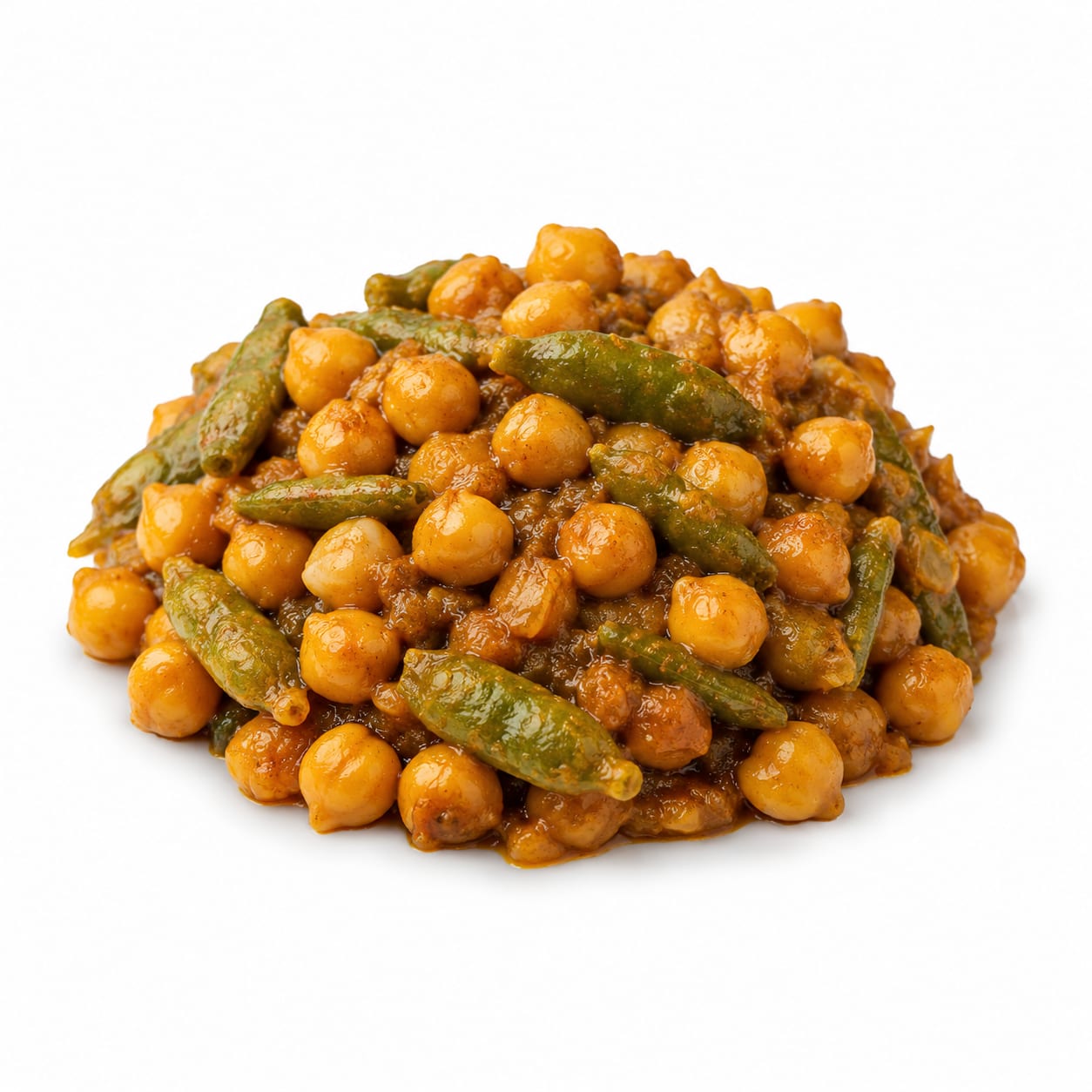
Chickpea Pod
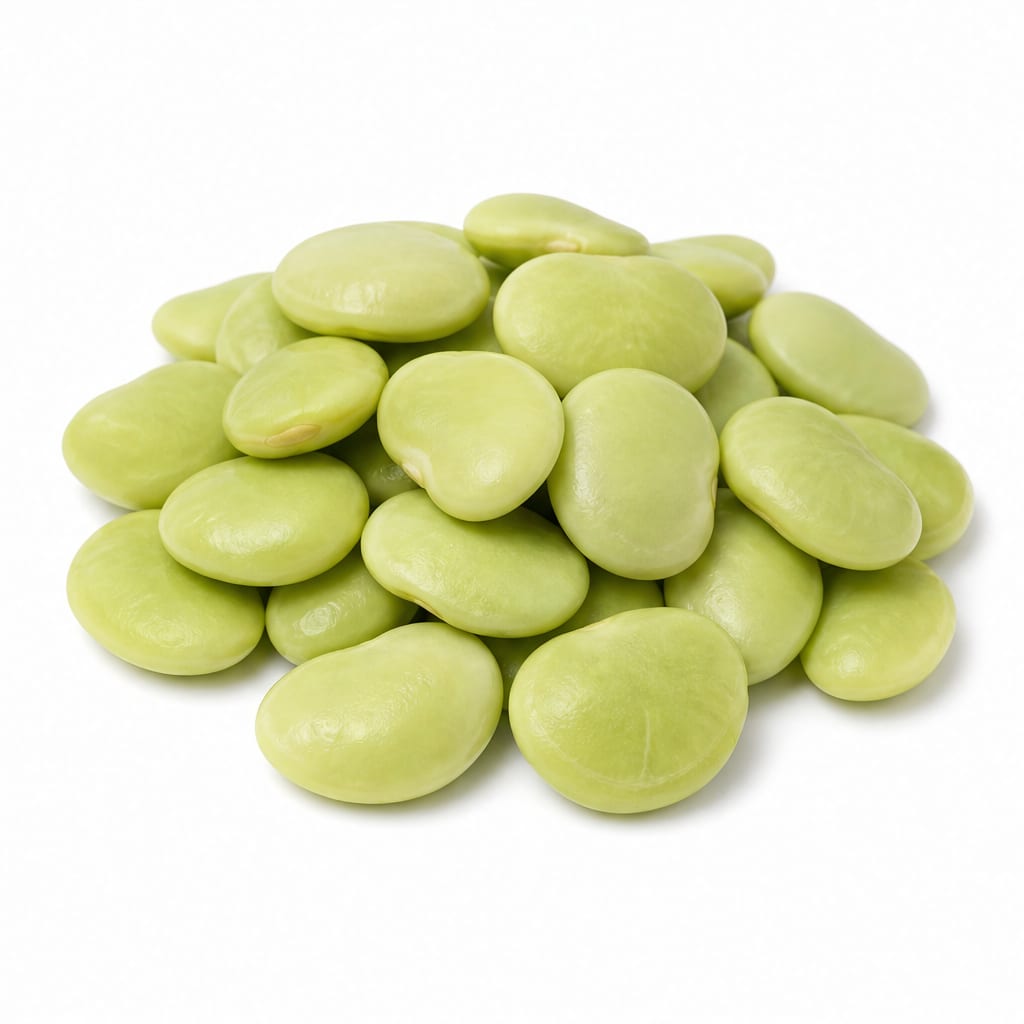
Lima Beans
Chickpea pods offer more fiber and a safer raw-handling profile, while lima beans deliver creamier texture and slightly more protein per serving. The better choice hinges on your cooking comfort and digestive sensitivity.
Chickpea pods edge ahead due to superior fiber content, lower safety risk during preparation, and slightly better calorie-to-nutrient ratio. Lima beans remain competitive with their protein advantage and broader availability, but the cyanogenic glycoside concern and need for thorough cooking pull their score down modestly.
Chickpea pods give you extra fiber and easier safety handling, but lima beans feel more satisfying on the plate with their buttery texture and marginally higher protein density.
At a glance
Executive summary
Overall
It depends
Healthier
Chickpea Pod
More practical
Lima Beans
Daily use
Chickpea Pod
Key comparison lenses
legume nutrition comparison
Both are legumes with distinct nutrient profiles, making direct nutritional comparison the core concern
safety and preparation
Lima beans contain cyanogenic compounds requiring proper cooking, a critical safety differentiator
digestive tolerance
Legumes are commonly associated with digestive discomfort, and tolerance varies significantly between types
weight management satiety
Both foods are popular among people seeking plant-based filling meals
blood sugar management
Both are low-glycemic legume options often recommended for diabetes-friendly diets
Best choice for
Chickpea Pod
- People prioritizing maximum fiber intake
- Those nervous about proper legume cooking techniques
- Anyone wanting lower calorie density per serving
- Digestive systems that tolerate chickpeas well
Lima Beans
- Those seeking creamier, more satisfying textures in meals
- People wanting slightly more protein per calorie
- Home cooks comfortable with thorough boiling methods
- Anyone looking for a more widely available frozen or canned option
Least suitable for
Chickpea Pod
- People unfamiliar with preparing fresh pod-style legumes
- Those who find chickpeas cause significant bloating
- Shoppers without access to specialty or farmers market produce
Lima Beans
- Anyone likely to undercook legumes due to impatience or inexperience
- People highly sensitive to gas and bloating from larger beans
- Those with cyanide metabolism concerns or compromised detox pathways
Deep comparison
Dimension by dimension
Each lens scores both foods and breaks down who each option suits.
- Dimension 1 · Priority 94Chickpea Pod
fiber_and_satiety
Chickpea Pod · 85Lima Beans · 72Chickpea pods deliver notably more fiber, especially when eaten with the edible pod, keeping you fuller for longer.
Tradeoff
You get more digestive bulk and fullness from chickpea pods, but the texture is chewier and less creamy than lima beans.
Why it matters
Higher fiber means steadier blood sugar, less between-meal snacking, and better long-term gut health.
Real-world impact
A chickpea pod lunch keeps the 3pm vending machine urge at bay more effectively than an equivalent lima bean portion.
Chickpea Pod
- Sustained fullness between meals
- Gut microbiome diversity
- Blood sugar stability after eating
Better for
- Can feel too fibrous or chewy for some palates
Worse for
Lima Beans
- Smoother eating experience for texture-sensitive people
- Slightly more protein per bite for satiety
Better for
- Less total fiber means faster return of hunger
Worse for
- Dimension 2 · Priority 88Lima Beans
protein_quality_and_density
Chickpea Pod · 70Lima Beans · 80Lima beans pack slightly more protein per serving and per calorie, making them a marginally better plant protein source.
Tradeoff
You gain a small protein edge with lima beans, but the difference is modest enough that pairing either with grains makes it negligible.
Why it matters
For plant-based eaters, every gram of protein matters, especially when managing hunger or supporting muscle maintenance.
Real-world impact
A cup of lima beans gives you roughly 2-3 more grams of protein than chickpea pods — noticeable over a week, not a single meal.
Chickpea Pod
- Still provides solid plant protein when combined with rice or bread
Better for
- Needs more volume to match lima bean protein intake
Worse for
Lima Beans
- Slightly more efficient protein per calorie eaten
- Better standalone protein source for small appetites
Better for
- Protein advantage is real but small enough to rarely be decisive alone
Worse for
- Dimension 3 · Priority 90Chickpea Pod
safety_and_preparation_requirements
Chickpea Pod · 88Lima Beans · 55Lima beans contain cyanogenic glycosides that can release cyanide if undercooked, demanding careful boiling. Chickpea pods carry no such risk.
Tradeoff
Chickpea pods are safer to handle casually, while lima beans require disciplined cooking habits to eliminate toxin risk entirely.
Why it matters
Undercooked lima beans have caused real poisoning incidents, especially with raw or improperly prepared beans. This is not theoretical.
Real-world impact
If you are the type to quickly steam vegetables and call them done, lima beans are a risky choice. Chickpea pods forgive rushed cooking far better.
Chickpea Pod
- No cyanogenic compound risk
- More forgiving cooking window
- Safer for casual or beginner cooks
Better for
- Fresh pods have shorter shelf life than dried or frozen lima beans
Worse for
Lima Beans
- Thorough boiling eliminates the risk completely for experienced cooks
Better for
- Raw or undercooked consumption is genuinely dangerous
- Requires minimum 10-15 minutes of vigorous boiling
Worse for
- Dimension 4 · Priority 80It depends
digestive_tolerance
Chickpea Pod · 65Lima Beans · 68Both cause gas and bloating for sensitive people, but the specific culprit compounds differ. Individual tolerance varies more than food-inherent differences.
Tradeoff
Chickpea pods may bother those sensitive to certain oligosaccharides, while lima beans can be easier for some but worse for others due to their larger starch load.
Why it matters
Legume tolerance is highly personal. What causes discomfort in one person may be fine for another.
Real-world impact
If chickpeas normally make you bloated, lima beans might be gentler — or vice versa. You only learn by testing small portions.
Chickpea Pod
- Some find the smaller seed size easier to break down
- Pod fiber can support more regular bowel movements
Better for
- Chickpea oligosaccharides are notorious gas producers
- Pod fiber adds bulk that can overwhelm sensitive systems
Worse for
Lima Beans
- Creamier texture suggests easier mechanical digestion for some
- Often tolerated better by people who struggle with chickpea-specific oligosaccharides
Better for
- Larger bean size means more surface starch hitting the gut at once
- Can cause significant bloating if portions are too large
Worse for
- Dimension 5 · Priority 76Lima Beans
micronutrient_profile
Chickpea Pod · 72Lima Beans · 80Lima beans are notably richer in manganese, potassium, and iron, while chickpea pods offer more folate and vitamin K from the green pod.
Tradeoff
Lima beans win on minerals critical for energy and blood health, but chickpea pods contribute more vitamins tied to cell repair and clotting.
Why it matters
If you are borderline on iron or potassium, lima beans are the stronger contributor. For folate needs like pregnancy, chickpea pods have the edge.
Real-world impact
A few weekly servings of lima beans can meaningfully move the needle on iron intake, especially for plant-based eaters not supplementing.
Chickpea Pod
- Higher folate supports pregnancy and cell turnover
- Vitamin K from green pods aids bone and blood health
Better for
- Lower mineral density means less contribution to iron and potassium goals
Worse for
Lima Beans
- More iron per serving helps prevent deficiency
- Higher potassium supports blood pressure regulation
- Richer manganese content aids metabolism and bone formation
Better for
- Less folate and vitamin K than the green pod version
Worse for
- Dimension 6 · Priority 72Lima Beans
availability_and_convenience
Chickpea Pod · 50Lima Beans · 82Lima beans are widely available dried, canned, and frozen year-round. Fresh chickpea pods are seasonal and specialty, often requiring farmers markets or ethnic grocers.
Tradeoff
You gain convenience and access with lima beans but sacrifice the novelty and pod-fiber benefits of fresh chickpea pods.
Why it matters
The healthiest food is the one you can actually find and eat regularly. Availability often trumps marginal nutritional differences.
Real-world impact
Most people can grab frozen lima beans at any grocery store. Finding fresh chickpea pods may require a special trip or online order.
Chickpea Pod
- Dried chickpeas are widely available, though not the fresh pod form
Better for
- Fresh pods are seasonal and hard to find outside specialty stores
- Short shelf life means quick use is required
Worse for
Lima Beans
- Available in canned, frozen, and dried forms everywhere
- Long shelf life in all forms reduces food waste
- No seasonal availability restrictions
Better for
- Canned versions can be high in sodium unless rinsed
Worse for
Timeline
Health impact over time
Short-term
Hours to days
Chickpea Pod
- Provides steady energy without sharp blood sugar spikes
- May cause gas and bloating in the first few hours for unaccustomed digestive systems
- The pod fiber creates a noticeable feeling of fullness quickly
Lima Beans
- Delivers satisfying, comforting texture that feels like a substantial meal
- Can cause significant bloating if eaten in large portions without gradual introduction
- Properly cooked lima beans are gentle on blood sugar within an hour of eating
Long-term
Months to years
Chickpea Pod
- Consistent fiber intake supports healthier cholesterol levels and regular digestion
- Regular consumption may reduce colorectal cancer risk through improved gut transit
- Folate contribution supports sustained cellular repair over years
Lima Beans
- Iron and manganese intake supports long-term energy metabolism and bone density
- Potassium contribution helps maintain healthy blood pressure over decades
- Consistent legume consumption is associated with reduced cardiovascular disease risk
Risk profile
Safety & processing
Both foods are whole, minimally processed legumes when bought fresh or dried. Canned lima beans may contain added sodium, but rinsing eliminates most of it. Fresh chickpea pods are about as natural as food gets — picked and eaten with minimal intervention.
Chickpea Pod
Bacterial contamination on fresh pods
lowLike any fresh produce, pods can carry surface bacteria. Washing before cooking resolves this easily.
Short shelf life leading to spoilage
lowFresh pods wilt and spoil within days. Visual and smell checks are usually sufficient to catch problems.
Lima Beans
Cyanogenic glycoside poisoning from undercooking
highRaw or undercooked lima beans contain linamarin, which releases cyanide. Boiling for at least 10-15 minutes destroys the compound. Slow cookers are NOT sufficient as temperatures may not reach safe thresholds.
Canned sodium overload
mediumCanned lima beans often contain 300-500mg sodium per serving. Rinsing reduces this by roughly 40%, but not entirely.
Phytohemagglutinin exposure
lowLima beans contain much less phytohemagglutinin than red kidney beans, but trace amounts exist. Thorough cooking neutralizes any concern.
Who wins for whom
Audience fit
Same foods, different winners depending on your goal.
children
Lima BeansLima beans have a milder, creamier texture that children often accept more readily, and their softer consistency poses less choking concern than fibrous pods.
daily consumption
Chickpea PodChickpea pods carry no cooking-safety risk, making them more forgiving for daily use without requiring vigilance about preparation thoroughness.
diabetes
Chickpea PodHigher fiber content in chickpea pods slows glucose absorption more effectively, leading to flatter blood sugar curves after meals.
elderly
Lima BeansThe softer texture of cooked lima beans is easier to chew and swallow for aging digestive systems, and their potassium content supports blood pressure management common in older adults.
muscle gain
Lima BeansLima beans provide slightly more protein per serving and per calorie, giving a small but real advantage when protein intake is a priority.
weight loss
Chickpea PodChickpea pods offer more fiber per calorie, creating stronger fullness signals that help control overall intake throughout the day.
Your move
Decision guide
Choose Chickpea Pod
- You want maximum fiber and fullness from every meal
- You are not confident in your legume-cooking diligence
- You have access to fresh pods and enjoy their unique texture
- Blood sugar management is your top dietary priority
Choose Lima Beans
- You want creamier, more comforting bean dishes
- Mineral intake, especially iron and potassium, matters most to you
- You are an experienced cook who always boils legumes thoroughly
- You need something easy to find at any grocery store year-round
Either works if
- You eat a varied legume rotation already and just want variety
- You pair legumes with grains, making protein differences negligible
- Your digestive system handles both without significant discomfort
Avoid both if
- You have a diagnosed legume allergy
- You are in an acute IBS flare and need low-FODMAP foods temporarily
- You cannot ensure thorough cooking for lima beans due to kitchen limitations
Final recommendation
For most people seeking a daily legume, chickpea pods are the safer and more fiber-rich choice — if you can find them. For practical, year-round eating with a creamier bite, properly cooked lima beans are an excellent option. The real decision comes down to whether you value safety margin and fiber over convenience and mineral density. Rotate both when possible for the broadest nutrient coverage.
Practical
Consumer tips
- 1
Always boil lima beans for at least 15 minutes — never use a slow cooker as the sole cooking method
- 2
Rinse canned lima beans under running water to remove roughly 40% of added sodium
- 3
If trying chickpea pods for the first time, start with a small portion to test your digestive tolerance
- 4
Pair either legume with a vitamin C source like lemon juice or tomatoes to boost iron absorption significantly
- 5
Introduce legumes gradually over two weeks to allow your gut microbiome to adapt and reduce gas production
- 6
Fresh chickpea pods should be bright green and firm — avoid any that feel slimy or smell sour
- 7
Freeze fresh chickpea pods within a day of purchase if you cannot use them immediately to preserve nutrients