
Nutrition comparison
Chickpea Pods vs Green Beans: Which Is Better for Your Goals?
Compare chickpea pods and green beans on protein, calories, blood sugar impact, and satiety. Find out which fits your diet best with practical tradeoffs.
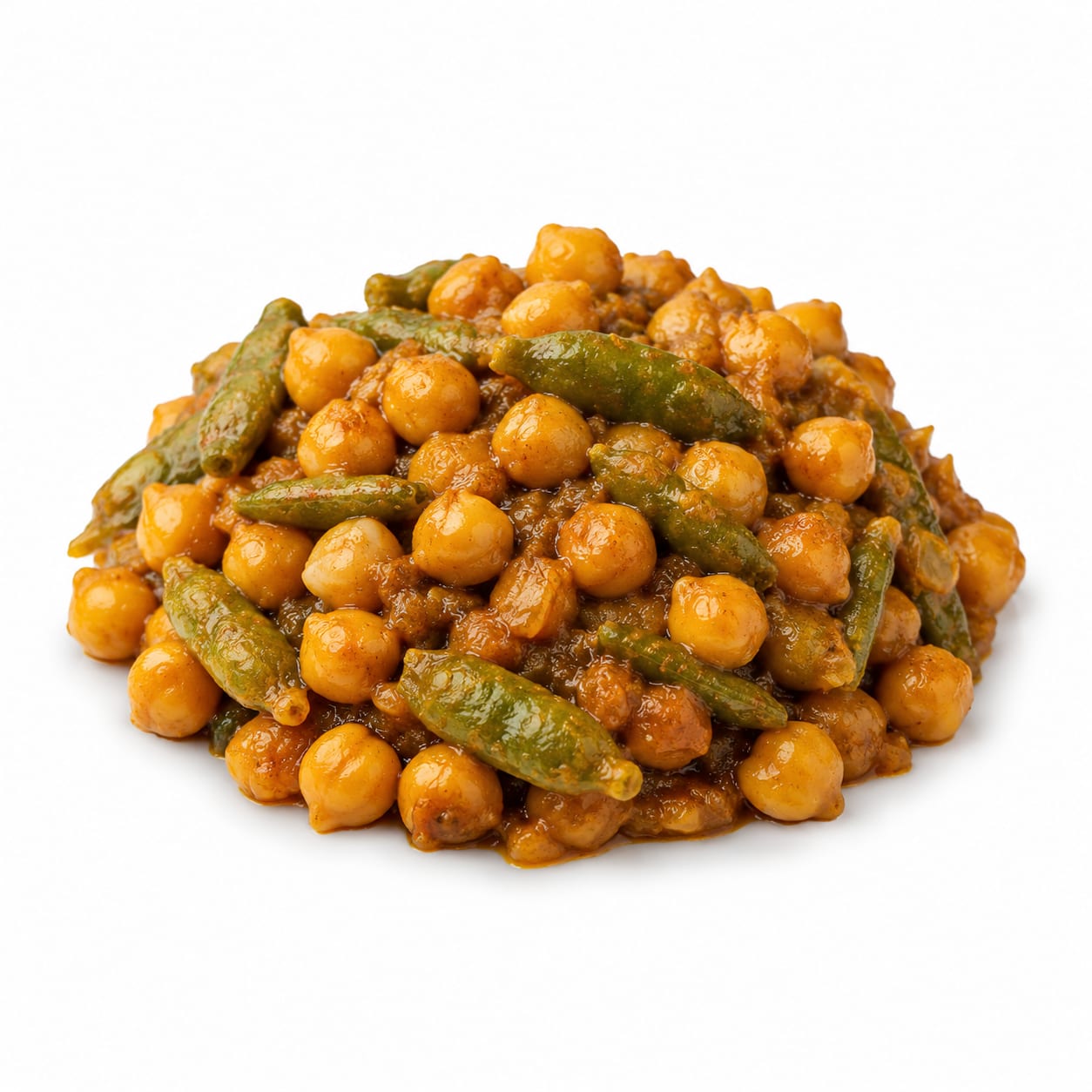
Chickpea Pod
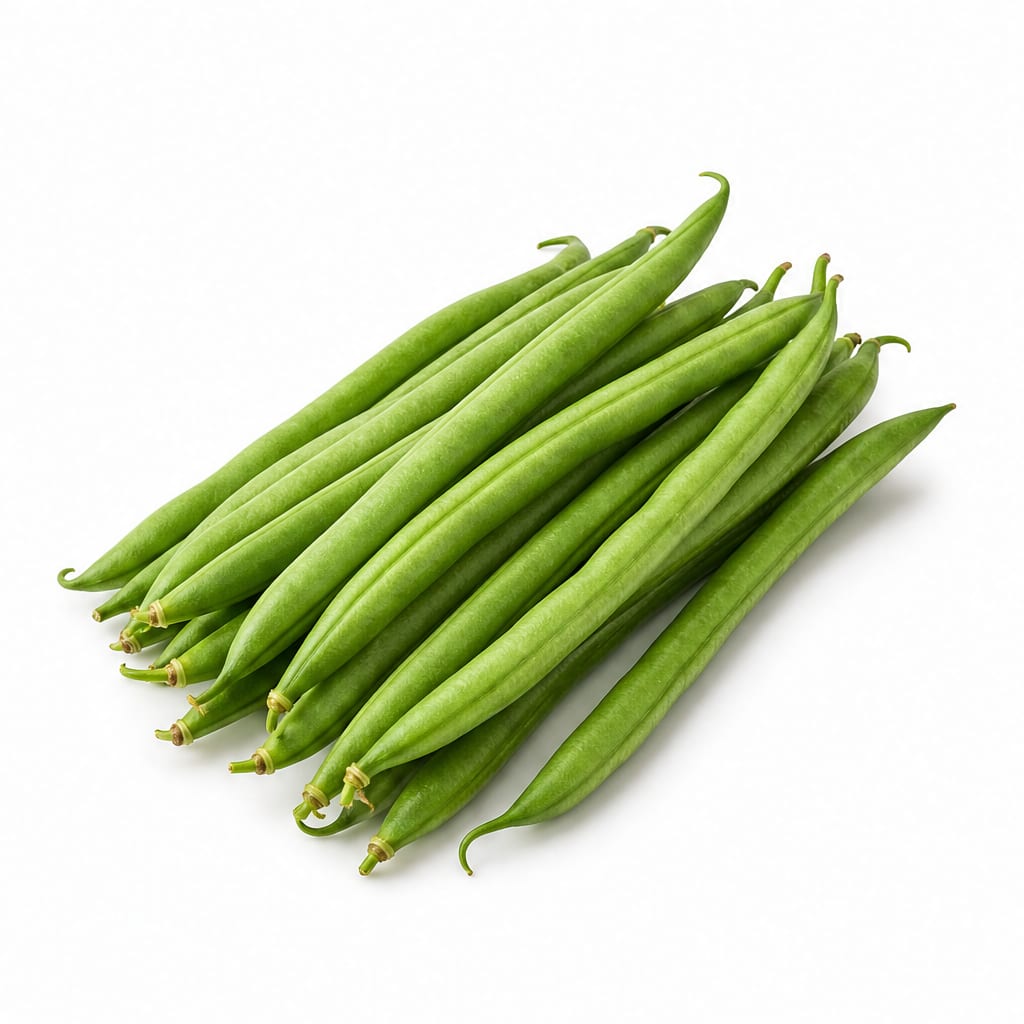
Green Beans
Green beans win for light, low-calorie eating; chickpea pods win for protein, fullness, and sustained energy.
Green beans score slightly higher for everyday versatility and broader dietary compatibility, but chickpea pods excel where protein and satiety matter most. The close scores reflect that each serves a genuinely different purpose.
Calorie and carb lightness versus protein and staying power. You trade plate flexibility for satiety.
At a glance
Executive summary
Overall
It depends
Healthier
It depends
More practical
Green Beans
Daily use
Green Beans
Key comparison lenses
weight management and calorie control
These foods differ dramatically in calorie density, making weight goals the primary decision driver
blood sugar and carb management
Chickpea pods carry significantly more carbohydrates, impacting glucose response differently
plant protein and satiety
Users comparing legume pods likely care about protein and how full they feel afterward
digestive tolerance and fiber type
Both are fibrous but differ in fiber type and gas-producing potential
meal role versatility
Green beans work as a light side; chickpea pods can anchor a meal
Best choice for
Chickpea Pod
- People needing plant-based protein and lasting fullness
- Athletes or active individuals refueling after training
- Anyone trying to reduce meat while staying satisfied
- Those wanting a single dish that feels like a complete meal
Green Beans
- People cutting calories without cutting volume
- Anyone managing blood sugar who needs low-carb sides
- Those wanting a light vegetable that pairs with anything
- People prone to bloating from heavier legumes
Least suitable for
Chickpea Pod
- Strict low-carb dieters
- People sensitive to legume-related bloating
- Anyone wanting a light, low-calorie side dish
Green Beans
- Those relying on vegetables for meaningful protein
- People who find low-calorie meals unsatisfying
- Anyone needing a standalone energy source
Deep comparison
Dimension by dimension
Each lens scores both foods and breaks down who each option suits.
- Dimension 1 · Priority 90Chickpea Pod
satiety_and_fullness
Chickpea Pod · 85Green Beans · 55Chickpea pods keep you full for hours; green beans leave room on the plate and in your stomach.
Tradeoff
That fullness comes with triple the calories and significantly more carbs.
Why it matters
If you snack at 3pm because lunch didn't hold you, chickpea pods solve that. If you prefer eating larger volumes without the weight, green beans are your friend.
Real-world impact
A chickpea pod bowl at noon can skip the afternoon snack. A green bean side at noon means you're hungry again by 3.
Chickpea Pod
- Long workdays without snack breaks
- Replacing meat-based meals without feeling deprived
- Hikers and endurance athletes needing sustained fuel
Better for
- Small appetites or anyone who feels sluggish after heavy meals
- Multiple-course meals where you want to save room
Worse for
Green Beans
- Late dinners where you want something light before bed
- Buffet-style eating where you sample many dishes
- Hot days when heavy food sounds unappealing
Better for
- Situations where the next meal is 6+ hours away
- Post-workout recovery when your body needs real fuel
Worse for
- Dimension 2 · Priority 85Green Beans
blood_sugar_stability
Chickpea Pod · 62Green Beans · 88Green beans barely move the needle on blood sugar. Chickpea pods provide steadier energy than grains but still carry a meaningful carb load.
Tradeoff
Chickpea pods offer longer-lasting energy but require more insulin response to process.
Why it matters
For anyone monitoring glucose, green beans are essentially free calories. Chickpea pods are still solid but require portion awareness.
Real-world impact
A plate of green beans won't cause an afternoon crash. A large chickpea pod serving might, especially if you're insulin resistant.
Chickpea Pod
- Active people who burn through carbs quickly
- Pre-workout fuel when you need sustained energy
Better for
- Sedentary evenings when carb tolerance drops
- People on keto or very low-carb protocols
Worse for
Green Beans
- Type 2 diabetes management
- Prediabetics trying to keep glucose flat
- Anyone doing intermittent fasting who wants low-insulin foods
Better for
- Endurance events where you need carbohydrate fuel
Worse for
- Dimension 3 · Priority 82Chickpea Pod
protein_and_nutrient_density
Chickpea Pod · 83Green Beans · 45Chickpea pods deliver real protein, iron, and folate. Green beans offer vitamins but almost no protein.
Tradeoff
Nutrient density comes packaged with more calories and carbs in chickpea pods.
Why it matters
If vegetables are your main protein source, chickpea pods pull real weight. Green beans cannot do that job.
Real-world impact
A cup of chickpea pods provides roughly 15g of protein. Green beans give you about 2g. That's the difference between a satisfying meal and a garnish.
Chickpea Pod
- Vegans and vegetarians counting protein grams
- Pregnant women needing folate and iron
- Teenagers still growing who need nutrient-dense foods
Better for
- Those already exceeding daily calorie needs
Worse for
Green Beans
- People already hitting protein targets from other sources
- Anyone supplementing with protein shakes who just wants micronutrients
Better for
- Plant-based eaters who need every protein opportunity
- Older adults at risk of muscle loss from low protein
Worse for
- Dimension 4 · Priority 80Green Beans
calorie_efficiency
Chickpea Pod · 48Green Beans · 92Green beans let you eat a mountain for minimal calories. Chickpea pods are calorie-dense by comparison.
Tradeoff
Low calorie means less energy and less staying power. You save calories but may eat again sooner.
Why it matters
For weight loss, volume eating with green beans is a proven strategy. But if you're always hungry, the math shifts.
Real-world impact
You can eat three cups of green beans for under 100 calories. Three cups of chickpea pods could exceed 350 calories.
Chickpea Pod
- Underweight individuals needing to gain healthfully
- Athletes in caloric surplus phases
Better for
- Calorie-restricted diets
- People who eat mindlessly while watching TV
Worse for
Green Beans
- Weight loss diets where volume matters psychologically
- Anyone tracking calories who wants maximum plate coverage
- People who graze throughout the day
Better for
- Recovering from illness when you need caloric intake
- Growing children who need energy-dense foods
Worse for
- Dimension 5 · Priority 72Green Beans
digestive_tolerance
Chickpea Pod · 52Green Beans · 78Green beans are gentle on most digestive systems. Chickpea pods can cause bloating and gas, especially if you're not used to legumes.
Tradeoff
The fiber in chickpea pods feeds gut bacteria long-term but causes short-term discomfort during adjustment.
Why it matters
If you have IBS or a sensitive stomach, green beans are safer. If your gut is hardy, chickpea pods offer more prebiotic benefit.
Real-world impact
A chickpea pod lunch might mean an uncomfortable afternoon meeting. Green beans rarely cause that problem.
Chickpea Pod
- People with well-adapted gut microbiomes from regular legume consumption
- Anyone trying to improve gut bacterial diversity over time
Better for
- FODMAP-sensitive individuals
- Anyone unaccustomed to high-fiber legumes
Worse for
Green Beans
- IBS sufferers
- First dates and important meetings where bloating is unacceptable
- People reintroducing vegetables after illness
Better for
- Those who need aggressive fiber intake for constipation management
Worse for
- Dimension 6 · Priority 68Green Beans
cooking_versatility_and_convenience
Chickpea Pod · 58Green Beans · 80Green beans cook in minutes and pair with virtually anything. Chickpea pods require more prep and have a narrower recipe range.
Tradeoff
Chickpea pods offer more substance but demand more culinary effort to shine.
Why it matters
On a busy Tuesday, green beans are ready fast. Chickpea pods need planning, soaking, or longer cook times.
Real-world impact
Green beans go from fridge to plate in under 10 minutes. Chickpea pods often need 30+ minutes if starting from dried.
Chickpea Pod
- Weekend meal prep sessions
- Stews and curries where long cooking deepens flavor
- Roasted snack preparations
Better for
- Last-minute meal situations
- People without adequate cooking time or equipment
Worse for
Green Beans
- Weeknight dinners in a rush
- Stir-fries and quick sautés
- Blanching for meal prep containers
Better for
- Dishes where you want the vegetable to be the main event
Worse for
Timeline
Health impact over time
Short-term
Hours to days
Chickpea Pod
- Noticeable fullness within 30 minutes of eating
- Possible bloating or gas within 1-3 hours if gut is unaccustomed
- Steady energy for 3-4 hours without a crash
- Mild blood sugar rise that stabilizes due to fiber and protein
Green Beans
- Light feeling in the stomach shortly after eating
- Minimal blood sugar impact
- Hunger returning within 1-2 hours if eaten alone
- Easy digestion with rare bloating
Long-term
Months to years
Chickpea Pod
- Improved gut microbiome diversity from prebiotic fiber
- Better sustained protein intake supporting muscle maintenance
- Potential for gradual weight gain if portions aren't managed
- Reduced cardiovascular risk markers from regular legume consumption
Green Beans
- Consistent low-calorie intake supporting weight maintenance
- Stronger vitamin K status benefiting bone and blood health
- Lower lifetime diabetes risk from minimal glycemic load
- Possible insufficient protein if relied on as a primary food
Risk profile
Safety & processing
Both foods are whole, minimally processed vegetables. Canned versions may add sodium, but fresh or frozen forms of both are about as natural as food gets.
Chickpea Pod
Pesticide residue on conventionally grown chickpeas
lowChickpeas typically have lower pesticide loads than many crops, but washing is still advisable.
Undercooked chickpea pods causing digestive distress
mediumRaw or undercooked chickpeas contain lectins that can cause nausea and GI upset. Always cook thoroughly.
Canned version sodium overload
mediumCanned chickpeas often contain 300-500mg sodium per serving. Rinsing helps but doesn't eliminate it.
Green Beans
Pesticide residue on conventional green beans
mediumGreen beans frequently appear on EWG's Dirty Dozen list. Organic is worth considering here.
Contamination from raw agricultural handling
lowLike all raw produce, green beans can carry surface bacteria. Washing before cooking is sufficient.
Who wins for whom
Audience fit
Same foods, different winners depending on your goal.
children
Green BeansGreen beans are easier for small digestive systems, have milder flavor, and are less likely to cause uncomfortable gas in kids.
daily consumption
Green BeansGreen beans are light enough to eat every day without calorie or digestive concerns. Chickpea pods are healthy but their density makes daily large portions less practical.
diabetes
Green BeansGreen beans have negligible carbohydrate impact, making glucose management straightforward. Chickpea pods are acceptable but require portion tracking.
elderly
Green BeansLower calorie density and easier digestion make green beans more suitable for aging appetites and slower metabolisms.
muscle gain
Chickpea PodChickpea pods deliver meaningful protein and calories needed for muscle recovery and growth, while green beans simply lack the building blocks.
weight loss
Green BeansGreen beans provide maximum food volume for minimal calories, making it easier to maintain a deficit without feeling deprived.
Your move
Decision guide
Choose Chickpea Pod
- You need a filling, protein-rich plant food to replace meat at meals
- You're active and burn through carbohydrates efficiently
- You want something that holds you for 4+ hours between meals
- You're building gut bacteria tolerance and can handle the adjustment period
- You're meal-prepping stews, curries, or roasted snacks for the week
Choose Green Beans
- You want a light side that fits into any meal without calorie stress
- You're managing blood sugar and need low-carb vegetable options
- You get bloated easily from beans and legumes
- You need dinner on the table in under 15 minutes
- You're eating multiple courses and want to save room
Either works if
- You're building a balanced plate and can use both for different roles
- You rotate vegetables weekly for nutrient diversity
- You want fiber from multiple sources across the week
Avoid both if
- You have a confirmed legume allergy (applies to chickpea pods)
- You're on a strict carnivore diet
- You're in an acute IBS flare and need low-fiber foods temporarily
Final recommendation
Keep both in your rotation. Use green beans as your everyday light vegetable and chickpea pods when you need a meal that actually sustains you. The best choice depends on what that specific meal needs to do for you.
Practical
Consumer tips
- 1
If buying canned chickpea pods, rinse thoroughly to remove up to 40% of added sodium
- 2
Choose organic green beans when possible, as they rank high for pesticide residue
- 3
Introduce chickpea pods gradually over two weeks to reduce bloating as your gut adapts
- 4
Freeze fresh green beans within days of purchase to preserve vitamin C content
- 5
Roast chickpea pods with olive oil and spices for a satisfying snack that replaces chips
- 6
Blanch green beans for 3 minutes to retain crunch and nutrients while making them digestible
- 7
Pair green beans with a protein source like chicken or tofu to compensate for their low protein content
- 8
Combine both in a salad: chickpea pods for substance, green beans for crunch and volume