
Nutrition comparison
Chickpea Pod vs Fava Beans: Nutrition, Safety, and Which Legume to Eat Daily
Compare chickpea pods and fava beans on protein, iron, safety, and digestibility. Learn which legume is better for daily use, weight loss, and your specific health needs.
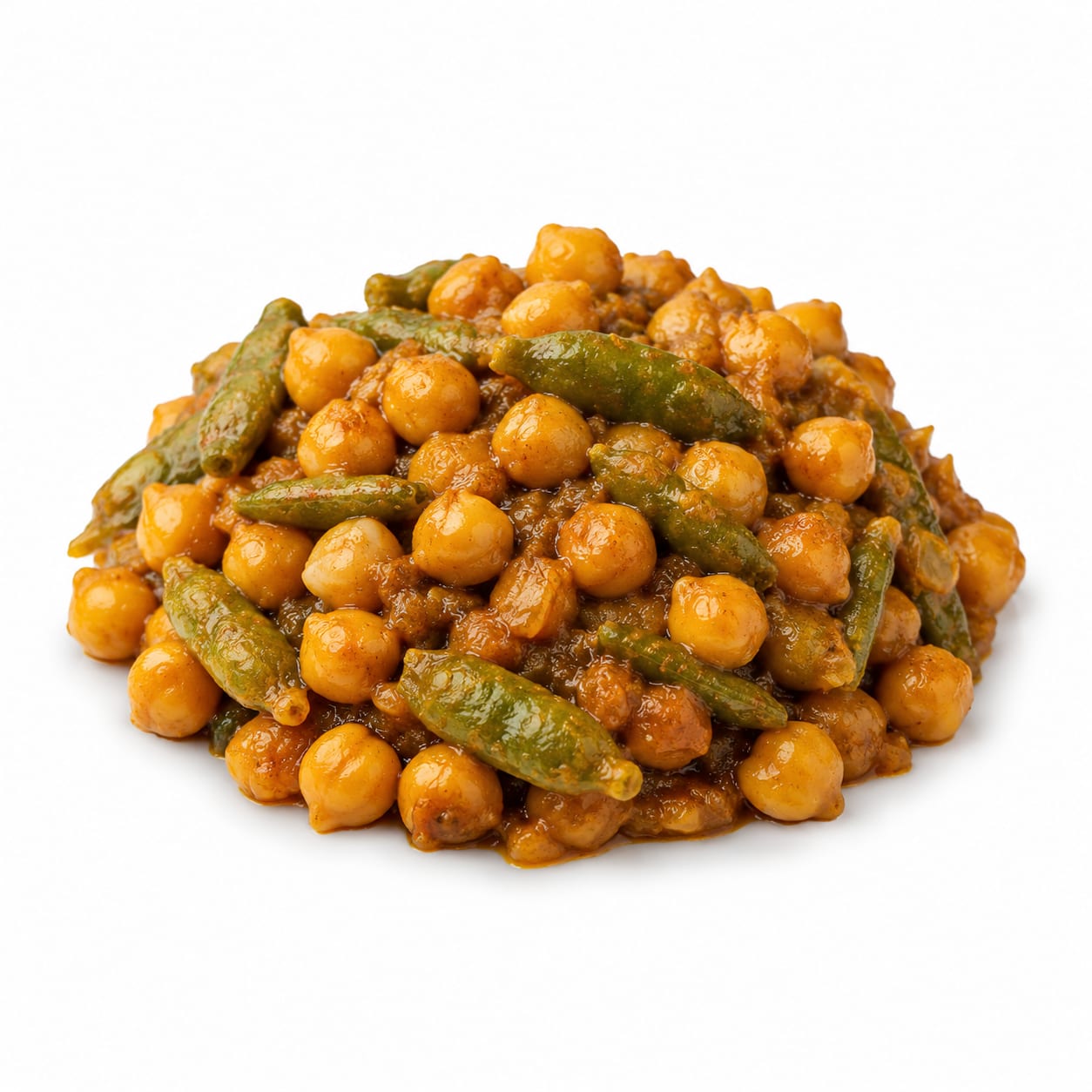
Chickpea Pod
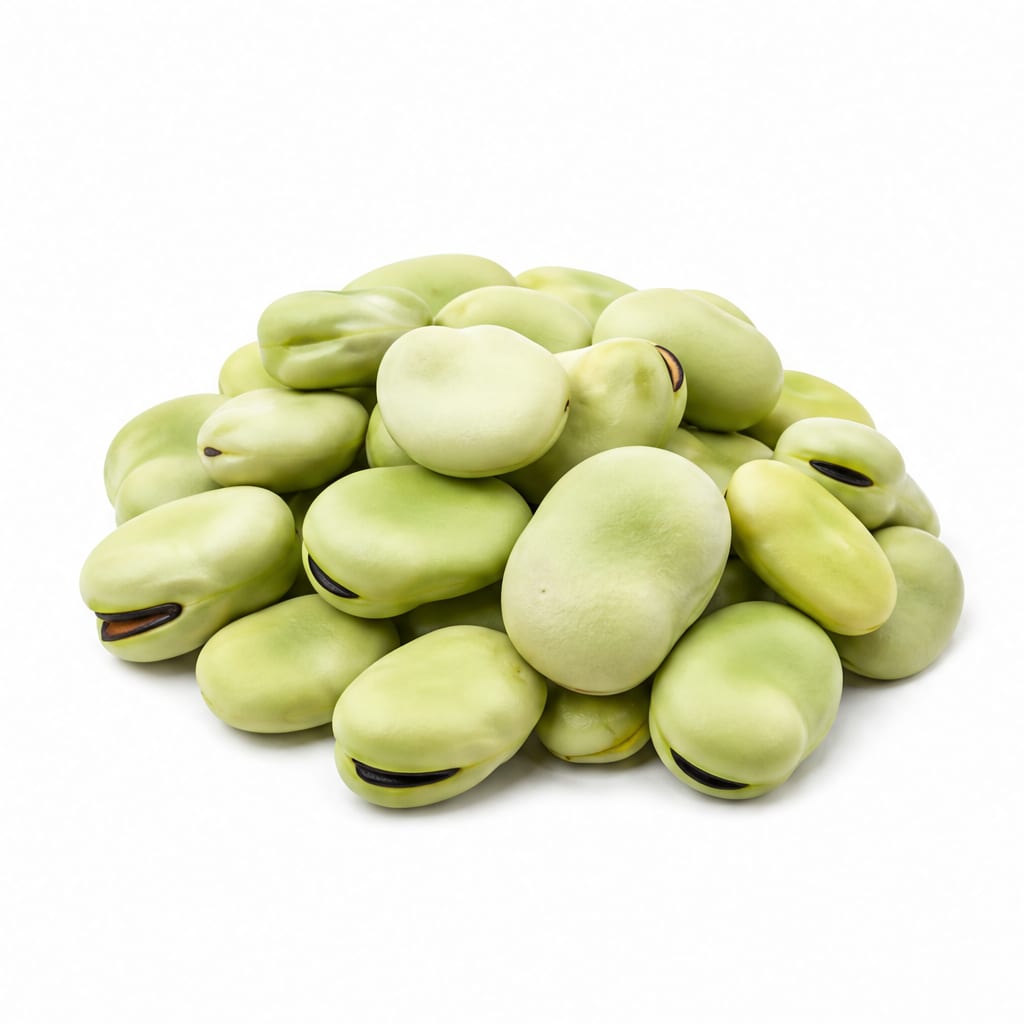
Fava Beans
Fava beans win on protein and mineral density, but chickpea pods are safer, more convenient, and gentler on digestion for most people.
Chickpea pods score slightly higher due to broader safety and convenience, but fava beans are nutritionally superior for those who can tolerate them. The close scores reflect that neither is universally better — it depends heavily on your health profile and lifestyle.
Nutritional firepower versus everyday safety and convenience — fava beans deliver more nutrients per bite, while chickpea pods are the worry-free daily staple.
At a glance
Executive summary
Overall
It depends
Healthier
It depends
More practical
Chickpea Pod
Daily use
Chickpea Pod
Key comparison lenses
safety and genetic condition risk
Fava beans carry a unique medical risk (favism) that chickpea pods do not, making this a critical differentiator
legume protein quality and satiety comparison
Both are protein-rich legumes often chosen as plant-based protein sources, so protein density and how filling they are matters most
digestive tolerance and gas production
Legumes are notorious for causing bloating and digestive discomfort, and tolerance varies significantly between chickpea pods and fava beans
mineral density especially iron and folate
Fava beans are notably richer in iron and folate, which drives many consumers toward them over other legumes
versatility and everyday practicality
Chickpea pods are easier to snack on and find in stores, while fava beans require more prep and have a shorter season
Best choice for
Chickpea Pod
- People with G6PD deficiency or unknown genetic status
- Those prone to bloating and digestive sensitivity
- Busy households wanting an easy legume snack
- Anyone new to eating fresh legumes in pods
Fava Beans
- Iron-deficient individuals needing a natural iron boost
- Pregnant women seeking folate-rich foods (if no G6PD deficiency)
- Athletes wanting higher protein density from plants
- Experienced cooks who enjoy seasonal ingredient preparation
Least suitable for
Chickpea Pod
- Those seeking maximum iron and folate from a single legume
- People wanting the highest protein-to-calorie ratio
Fava Beans
- Anyone with G6PD deficiency — potentially dangerous
- People who struggle with digesting heavier legumes
- Those wanting a quick no-prep snack option
Deep comparison
Dimension by dimension
Each lens scores both foods and breaks down who each option suits.
- Dimension 1 · Priority 92Fava Beans
protein density and quality
Chickpea Pod · 62Fava Beans · 81Fava beans pack more protein per calorie, making them a more efficient plant-based protein source.
Tradeoff
You get more protein from fava beans, but the preparation effort is higher and digestibility can be rougher on sensitive stomachs.
Why it matters
If you rely on legumes as a primary protein source, fava beans get you there faster with fewer calories.
Real-world impact
A cup of fava beans feels more like a proper protein portion for a meal, while chickpea pods feel more like a protein-enhanced snack.
Chickpea Pod
- Light snackers who want moderate protein without heaviness
Better for
- Those counting on legumes as their main protein source
Worse for
Fava Beans
- Plant-based eaters prioritizing protein intake
- Athletes needing efficient protein from whole foods
Better for
- People who find high-protein legumes too filling or slow to digest
Worse for
- Dimension 2 · Priority 88Fava Beans
iron and folate content
Chickpea Pod · 55Fava Beans · 85Fava beans are significantly richer in both iron and folate, two nutrients where many people fall short.
Tradeoff
The mineral advantage is real and meaningful, but only matters if you can actually eat fava beans regularly without issues.
Why it matters
Iron deficiency is the most common nutrient deficiency worldwide, and folate is critical during pregnancy — fava beans are a genuine functional food here.
Real-world impact
Eating fava beans a few times a week can meaningfully move the needle on your iron intake in a way chickpea pods simply cannot match.
Chickpea Pod
- People who get iron and folate easily from other sources
Better for
- Anyone relying on a single legume to cover iron needs
Worse for
Fava Beans
- Menstruating individuals prone to low iron
- Pregnant women or those trying to conceive (without G6PD deficiency)
- Vegetarians and vegans needing plant-based iron sources
Better for
- Those who already supplement iron and folate adequately
Worse for
- Dimension 3 · Priority 86Chickpea Pod
digestive tolerance and comfort
Chickpea Pod · 78Fava Beans · 58Chickpea pods are generally easier to digest and cause less bloating than fava beans for most people.
Tradeoff
You trade some nutritional density for a gentler digestive experience and less post-meal discomfort.
Why it matters
If legumes make you bloated or gassy, the nutritional advantages of fava beans become irrelevant because you will not eat them regularly.
Real-world impact
Chickpea pods are the legume you can actually eat on a workday without worrying about afternoon bloating or social discomfort.
Chickpea Pod
- People with sensitive digestion
- Anyone who has avoided legumes due to gas and bloating
- Office workers who cannot afford midday digestive issues
Better for
- People wanting maximum fiber and roughage intake
Worse for
Fava Beans
- Those with iron stomachs who tolerate all legumes well
Better for
- Anyone with IBS or chronic bloating tendencies
- People new to high-fiber diets
Worse for
- Dimension 4 · Priority 95Chickpea Pod
safety and medical risk
Chickpea Pod · 95Fava Beans · 55Fava beans carry the risk of favism — a serious condition for people with G6PD deficiency — while chickpea pods have no such concern.
Tradeoff
Fava beans are nutrient powerhouses but can trigger a hemolytic crisis in susceptible individuals, making them uniquely dangerous among common legumes.
Why it matters
G6PD deficiency affects roughly 400 million people worldwide, many unaware they have it. This is not a minor caveat — it is a genuine safety issue.
Real-world impact
If you have never been tested for G6PD deficiency, eating fava beans carries a small but real risk of a serious medical event. Chickpea pods have no equivalent risk.
Chickpea Pod
- Anyone untested for G6PD deficiency
- Families feeding children who may not know their status
- People who want a worry-free legume option
Better for
- No meaningful safety downside
Worse for
Fava Beans
- Those confirmed G6PD-normal who want maximum nutrition
Better for
- People with or potentially carrying G6PD deficiency
- Anyone unfamiliar with their genetic health background
Worse for
- Dimension 5 · Priority 80Chickpea Pod
convenience and everyday practicality
Chickpea Pod · 82Fava Beans · 52Chickpea pods are easier to find, prepare, and eat casually, while fava beans require more effort and have limited seasonal availability.
Tradeoff
The convenience gap is significant — fava beans demand double-peeling and careful prep, while chickpea pods can often be enjoyed straight from steaming.
Why it matters
The best healthy food is the one you actually eat regularly. If prep friction stops you from eating fava beans, their nutritional edge vanishes.
Real-world impact
Chickpea pods are a realistic weeknight option. Fava beans are more of a weekend project or special-occasion ingredient for most home cooks.
Chickpea Pod
- Busy professionals with limited cooking time
- Meal preppers wanting reliable staple ingredients
- Snackers who want something easy to grab
Better for
- Culinary enthusiasts who find them too simple or boring
Worse for
Fava Beans
- Passionate home cooks who enjoy ingredient preparation
- Seasonal eaters who plan menus around peak availability
Better for
- Anyone who finds multi-step prep demotivating
- People living in areas with limited fava bean availability
Worse for
- Dimension 6 · Priority 78Fava Beans
satiety and fullness factor
Chickpea Pod · 68Fava Beans · 80Fava beans are denser and more filling per serving, keeping you satisfied longer between meals.
Tradeoff
That heaviness is great for appetite control but can feel sluggish if you eat them before needing to be active.
Why it matters
If you are trying to manage portions or reduce snacking, a food that keeps you full longer has real behavioral value.
Real-world impact
A fava bean lunch keeps the 3 PM snack attack at bay. Chickpea pods take the edge off hunger but may not carry you as far.
Chickpea Pod
- Light eaters who prefer not feeling weighed down
- Pre-workout snackers needing moderate fuel
Better for
- Anyone relying on a single food to stay full for hours
Worse for
Fava Beans
- People trying to reduce between-meal snacking
- Those who skip meals and need one to really last
Better for
- People who dislike feeling heavy or sluggish after eating
Worse for
Timeline
Health impact over time
Short-term
Hours to days
Chickpea Pod
- Moderate blood sugar stabilization with gentle energy release
- Mild bloating possible if you are not used to legumes
- Comforting and light enough to eat before activity
Fava Beans
- Stronger satiety and longer-lasting fullness after eating
- Higher likelihood of gas and digestive heaviness, especially for newcomers
- Noticeable iron boost if eaten regularly over days
Long-term
Months to years
Chickpea Pod
- Consistent fiber intake supporting gut health and regularity
- Steady but modest contribution to daily protein and mineral needs
- Very low risk profile suitable for daily consumption without concern
Fava Beans
- Meaningful improvement in iron stores and folate status over time
- Potential hemolytic risk if undiagnosed G6PD deficiency is present
- Stronger cardiovascular and metabolic benefits due to higher nutrient density
Risk profile
Safety & processing
Both chickpea pods and fava beans are whole, minimally processed foods when purchased fresh or dried. Neither typically contains additives, preservatives, or artificial ingredients. The naturalness is essentially identical — this is not a differentiating factor between the two.
Chickpea Pod
standard legume allergen potential
lowChickpea allergy exists but is uncommon. Most people can eat chickpea pods without any allergic concern.
antinutrient content
lowLike all legumes, chickpea pods contain phytic acid and lectins, but cooking reduces these to negligible levels.
Fava Beans
favism (G6PD deficiency hemolytic crisis)
highFava beans contain vicine and convicine, which can trigger rapid red blood cell destruction in people with G6PD deficiency. This can be life-threatening and affects hundreds of millions globally, many undiagnosed.
higher antinutrient load
mediumFava beans contain more lectins and protease inhibitors than chickpeas, requiring thorough cooking to neutralize.
potential drug interaction with MAO inhibitors
mediumFava beans contain levodopa (L-dopa), which can interact with MAO inhibitor medications and affect blood pressure.
Who wins for whom
Audience fit
Same foods, different winners depending on your goal.
children
Chickpea PodChickpea pods are safer for children who may not know their G6PD status, easier to digest, and milder in flavor. The favism risk makes fava beans a concern for kids until tested.
daily consumption
Chickpea PodThe combination of broad safety, easy digestion, and convenient preparation makes chickpea pods the more sustainable daily staple. Fava beans are better as an occasional nutrient boost.
diabetes
It dependsBoth have low glycemic loads and support blood sugar stability. Chickpea pods may be slightly gentler on blood sugar due to lower carbohydrate density, but the difference is small.
elderly
Chickpea PodOlder adults often have more sensitive digestion and may be on medications that interact with fava bean compounds. Chickpea pods offer a gentler, safer option with fewer potential complications.
muscle gain
Fava BeansHigher protein density per serving makes fava beans a more efficient muscle-supporting legume. The additional iron also supports oxygen transport during training.
weight loss
Fava BeansFava beans provide more satiety per calorie, making it easier to eat less overall. The higher protein and fiber combination keeps hunger at bay longer, which supports calorie control naturally.
Your move
Decision guide
Choose Chickpea Pod
- You have not been tested for G6PD deficiency or are unsure of your status
- You want a gentle, everyday legume that will not disrupt your digestion
- You need something quick and convenient for regular meals and snacks
- You are feeding children or elderly family members who need safe, easy options
- You have experienced bloating or discomfort from heavier legumes in the past
Choose Fava Beans
- You have confirmed you do not have G6PD deficiency
- You are actively trying to boost iron or folate intake through food
- You enjoy cooking and do not mind the extra preparation effort
- You want the most nutrient-dense legume option available
- You are a plant-based athlete seeking maximum protein from whole foods
Either works if
- You tolerate all legumes well and want variety in your diet
- You are looking for plant-based fiber sources and both are available
- You rotate legumes weekly to diversify your nutrient intake
Avoid both if
- You have a diagnosed legume allergy
- You are in an acute flare of severe IBS and need a low-fiber temporary diet
- You are on a very low-carb or ketogenic diet that restricts legume carbohydrates
Final recommendation
Make chickpea pods your daily legume and treat fava beans as your high-performance upgrade. Eat chickpea pods for the 80 percent of days when you want reliable, safe, easy nutrition. Add fava beans on the 20 percent of days when you have time to prep, know your G6PD status, and want that extra iron and protein punch. This way you get the best of both without the worst of either.
Practical
Consumer tips
- 1
If you have never been tested for G6PD deficiency, ask your doctor — it is a simple blood test and knowing your status changes whether fava beans are safe for you.
- 2
Soak and cook both legumes thoroughly to reduce antinutrients and improve digestibility. Never eat either raw.
- 3
If fava beans cause you any unusual symptoms like dark urine, fatigue, or yellowing skin after eating, seek medical attention immediately — this could indicate favism.
- 4
Start with small portions of either legume if you are not used to eating them regularly. Your gut microbiome adapts over a few weeks.
- 5
Chickpea pods steam in about 5 to 8 minutes and make an excellent edamame-style snack with just salt and a squeeze of lemon.
- 6
Fava beans need double-peeling: remove the outer pod, then blanch and slip off the inner skin from each bean. It takes effort but dramatically improves texture and digestibility.
- 7
Pair both with vitamin C-rich foods like tomatoes or bell peppers to boost iron absorption significantly.
- 8
If meal prep time is your bottleneck, chickpea pods will consistently win the real-world compliance test over fava beans.