
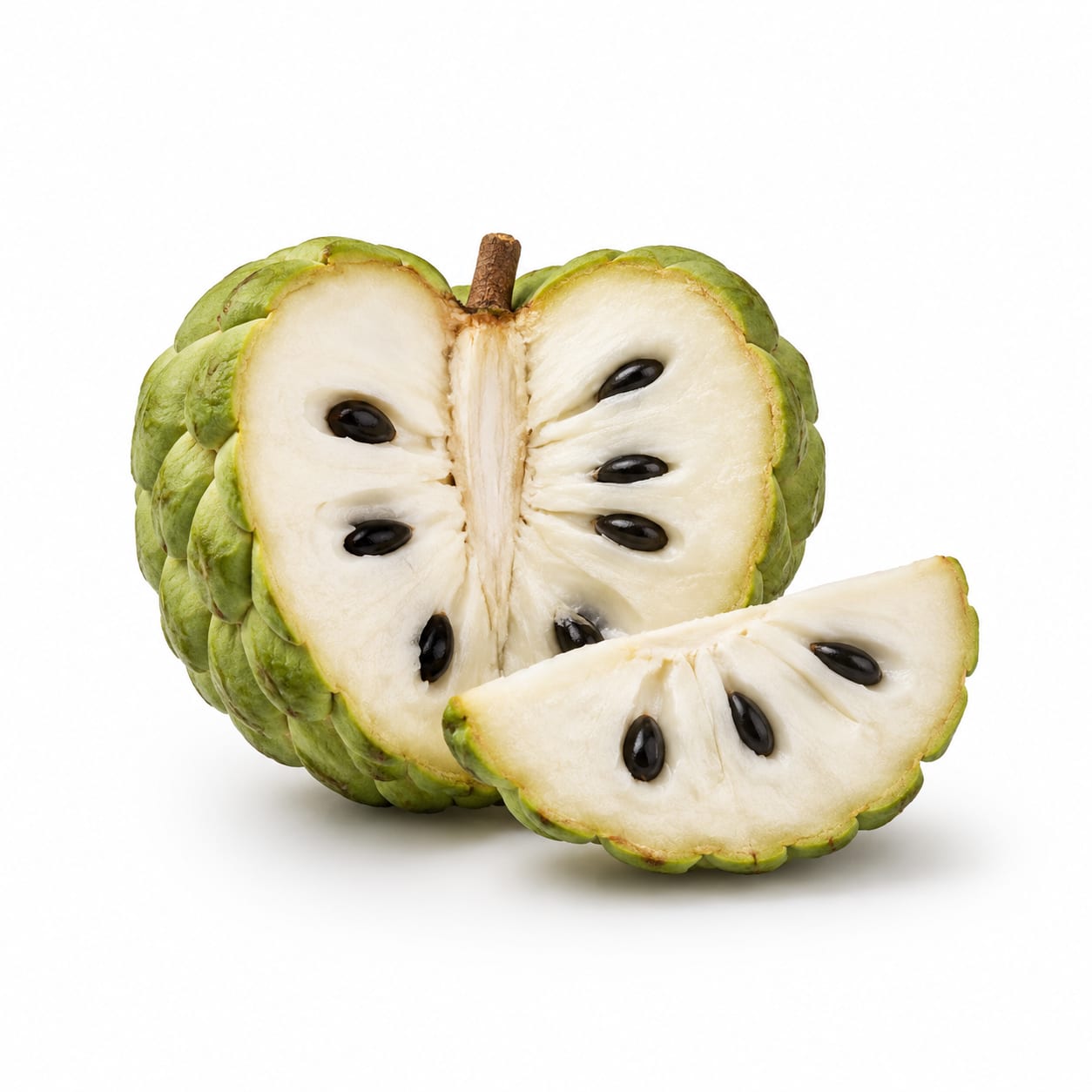
Fruit
Cherimoya
A sweet, creamy tropical fruit known for its custard-like texture and blend of tropical flavors.
A tropical fruit with a creamy, custard-like texture and a flavor profile blending banana, pineapple, and strawberry.
high-carbohydrate tropical fruit
Typical serving · 150g
Common varieties · Fino de Jete, Booth, Pierce, Bays, Lisa
Overall context score across nutrition, safety, and diet fit
At a glance
Quick facts
Simple indicators based on nutrition, processing, and diet fit.
The story
What makes it unique
Cherimoya is a fast-digesting, carbohydrate-dense fruit providing moderate satiety due to its fiber content. Its macronutrient profile is dominated by simple sugars, though its glycemic index remains low. As a minimally processed whole food, it retains high micronutrient density, particularly vitamin B6 and vitamin C.
Varieties: Fino de Jete · Booth · Pierce · Bays · Lisa
Per 100g
Nutrition breakdown
Macro balance and key metrics at a glance.
Energy
Density 0.75 kcal/g
Protein
Carbs
Fat
Fiber
Sugar
13 g
Sodium
5 mg
Potassium
280 mg
Glycemic index
35
Glycemic load
6
Water content
75%
Standout compounds
Nutrient highlights
Vitamin B6
highSupports brain health and serotonin production
Vitamin C
highBoosts immune function and collagen synthesis
Potassium
moderateRegulates blood pressure and fluid balance
Dietary Fiber
moderatePromotes digestive regularity and gut microbiome health
Wellness map
Health scores & processing
NOVA processing scale
Minimally processed · Whole food
Raw cherimoya is an unprocessed whole fruit.
Diet compatibility
- Weight loss
- Muscle gain
- Diabetes
- Gut health
- Low carb
- High protein
- Heart health
Relative standing
Food rankings
Qualitative ranks compared to similar whole foods.
- Satietygood
- Blood sugargood
- Nutrient densitygood
- Fitness fuelmoderate
- Processing qualityexcellent
Eat with confidence
Food safety profile
The flesh is safe to eat, but the skin and seeds contain annonacin, a neurotoxic alkaloid, and must be strictly avoided. Washing the exterior before cutting reduces pesticide exposure.
Evidence confidence 85%
- Pesticidesmoderate
- Antibioticslow
- Heavy metalslow
- Contaminationlow
Watch for
- Pesticide residues
- Annonacin (in seeds and skin)
Safer choices
Organic cherimoya to reduce pesticide exposure
Prep tips
Wash thoroughly before cutting. Scoop out flesh and discard all seeds and skin.
Seeds and skin contain toxic alkaloids that must not be consumed.
Deep dive
Health analysis
How this food may fit different goals and preparation choices.
Weight loss
Low energy density and high water content support volume eating, though natural sugars require portion awareness.
Blood sugar
Low glycemic index prevents rapid blood sugar spikes, making it suitable for diabetics in controlled portions.
Fitness & energy
Provides quick-digesting carbohydrates for pre-workout energy, but lacks protein for muscle recovery.
Gut health
Dietary fiber supports healthy bowel movements and feeds beneficial gut bacteria.
Processing quality
Whole, unprocessed fruit with intact micronutrients and phytochemicals.
Food safety
Seeds and skin are toxic and must be discarded; flesh is completely safe and nutritious.
Common mistakes
Blending cherimoya with seeds or scooping too close to the skin, risking ingestion of toxic compounds.
Best preparation
Halve the fruit, scoop out the flesh, and discard seeds. Chill before eating for a custard-like dessert experience.
Practical guide
Best use cases
When and how this food fits real eating patterns.
Pre-workout energy
Fast-digesting carbs provide quick fuel for exercise.
Healthy dessert alternative
Naturally sweet and creamy texture satisfies sweet cravings without added sugars.
Vitamin B6 boost
Provides a significant amount of B6, supporting brain health and neurotransmitter synthesis.
Balance sheet
Pros & cons
Upsides
- Rich in vitamin B6 and vitamin C
- Low glycemic index prevents blood sugar spikes
- Creamy texture satisfies sweet cravings naturally
- Good source of dietary fiber for gut health
- Contains beneficial antioxidants
Trade-offs
- Seeds and skin are toxic and must be carefully removed
- Relatively high in natural sugars compared to berries
- Short shelf life and bruises easily
- Not suitable for strict low-carb or keto diets
Fit check
Who is it for?
Great match
- healthy dessert alternatives
- pre-workout carbohydrate fueling
- increasing vitamin B6 intake
Consider alternatives
- strict ketogenic diets
- those avoiding tropical fruit sugars
- consumers seeking high-protein snacks
Side by side
How it compares
Open the full head-to-head analysis for nutrition, safety, and practical tradeoffs.
This food
Cherimoya
VS95% alike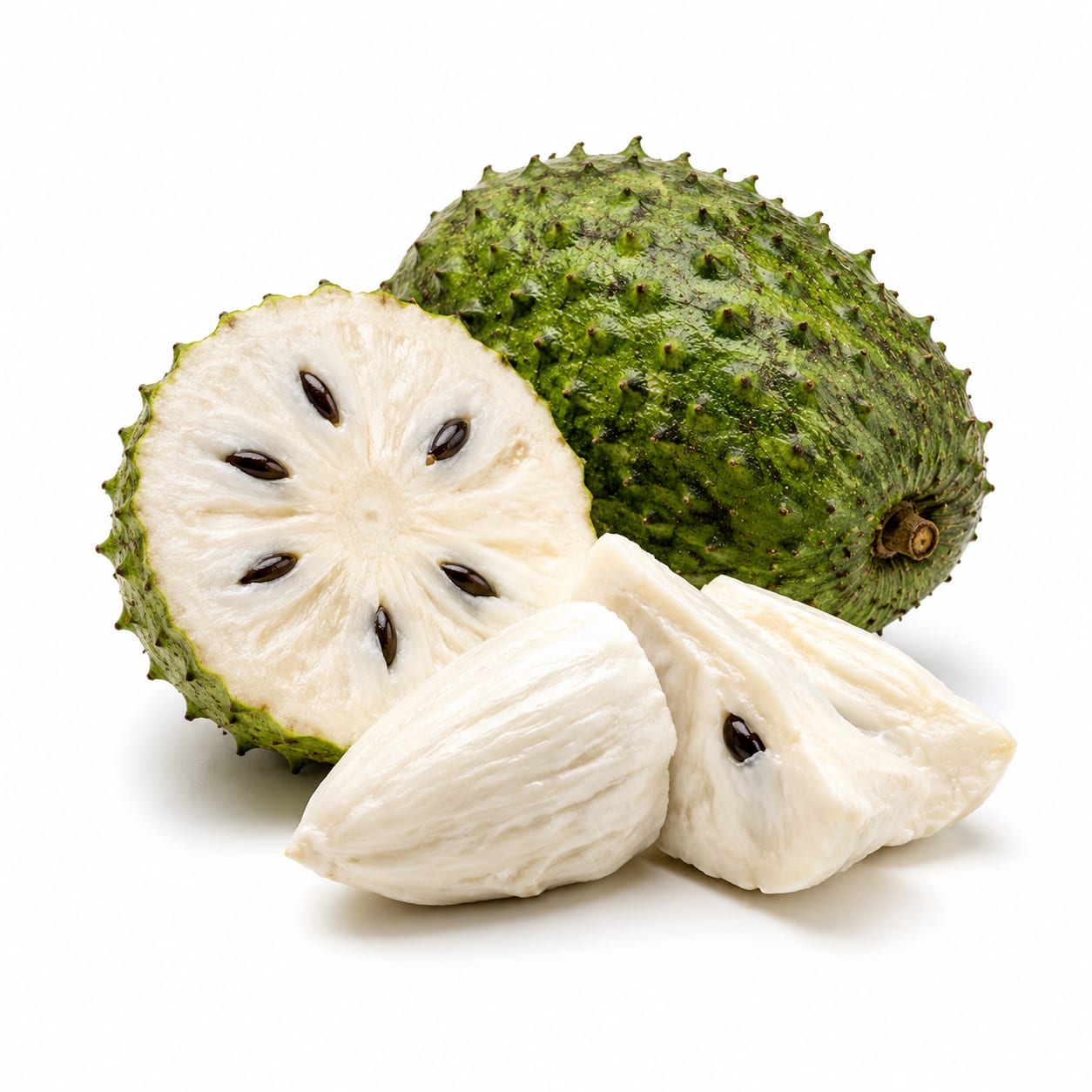
Compare with
Soursop
Both are creamy tropical fruits, but soursop is slightly lower in calories and has a more tart flavor.
Soursop is slightly lower in calories and sugar, while cherimoya is creamier and richer in vitamin B6.
This food
Cherimoya
VS80% alike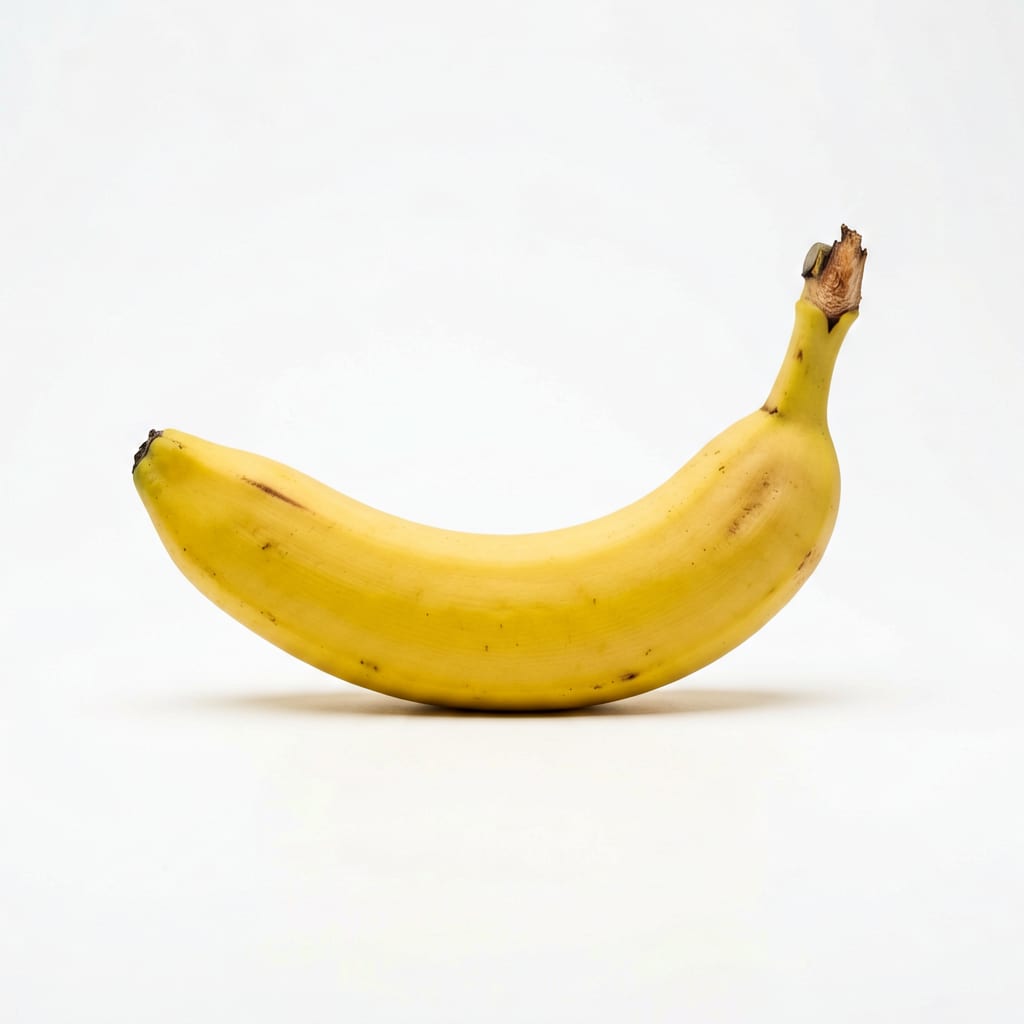
Compare with
Banana
Bananas are denser in carbs and potassium, while cherimoya offers more vitamin B6 and a lower glycemic index.
Cherimoya is lower in calories and sugar than bananas, making it better for weight loss, but bananas offer more quick energy for fitness.
This food
Cherimoya
VS75% alike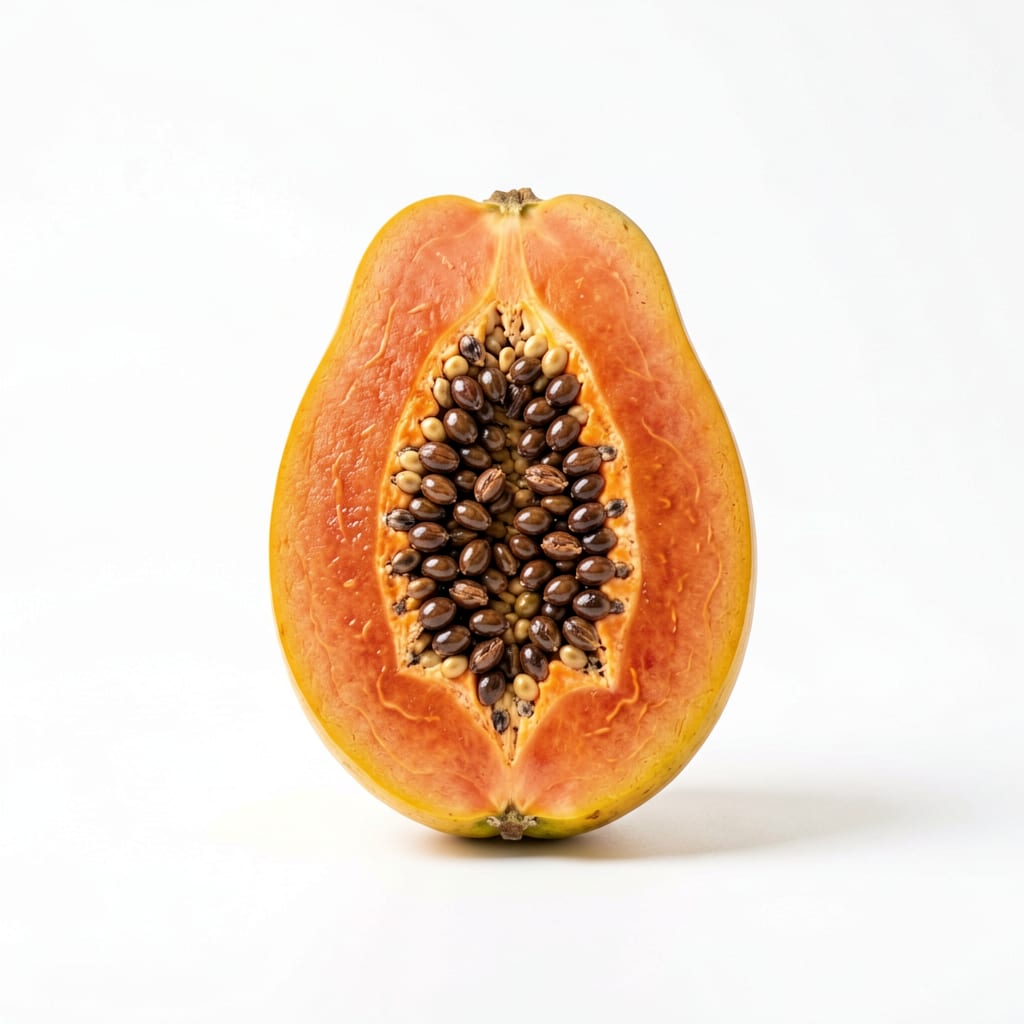
Compare with
Papaya
Papaya is significantly lower in calories and sugar, while cherimoya provides a creamier texture and more B vitamins.
Papaya is much lower in calories and better for weight loss, while cherimoya offers a richer, custard-like texture and more vitamin B6.
This food
Cherimoya
VS75% alike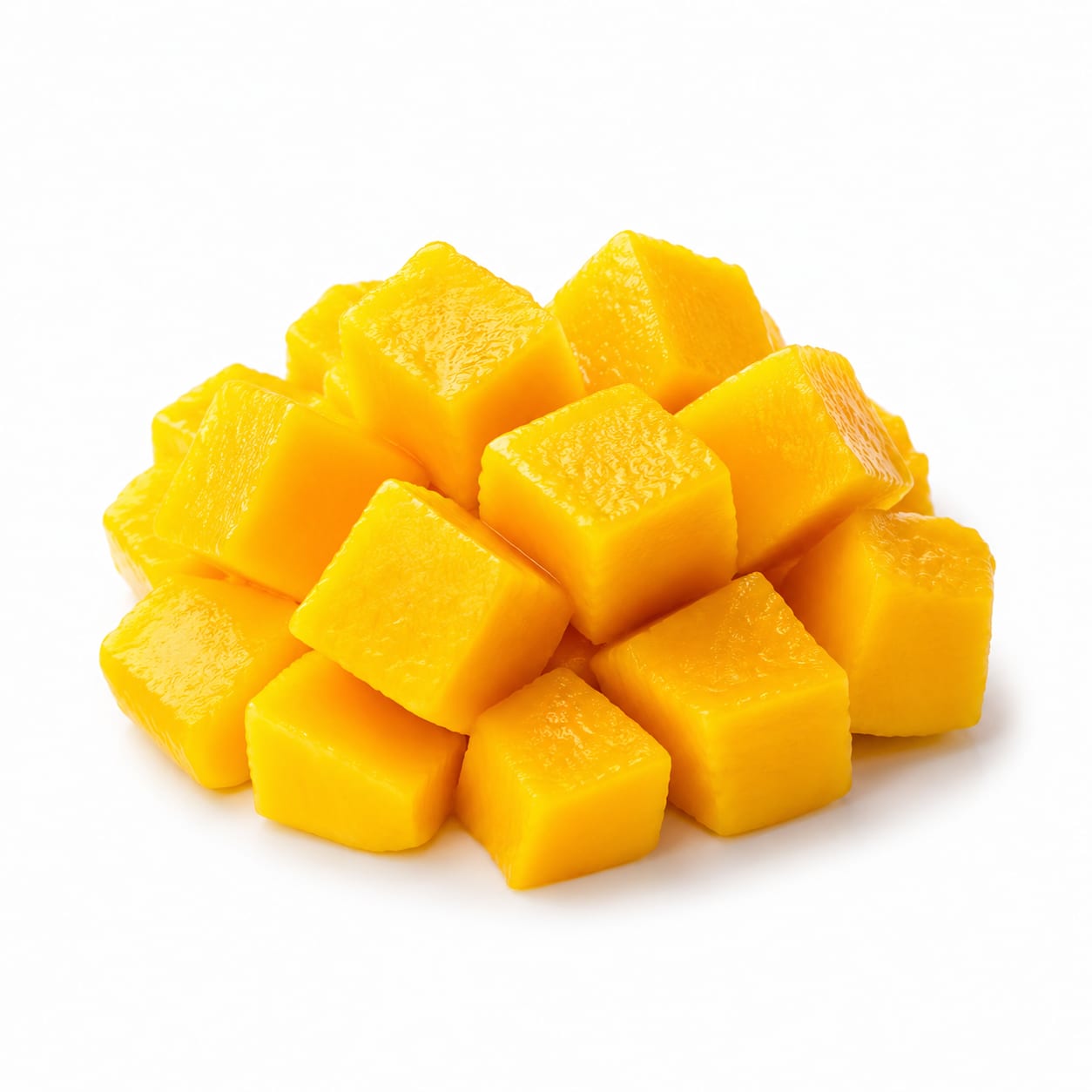
Compare with
Mango
Mangoes are higher in vitamin A and sugar, while cherimoya is creamier and richer in vitamin B6.
Cherimoya is lower in sugar and calories than mango, making it a better choice for blood sugar control.
This food
Cherimoya
VS98% alike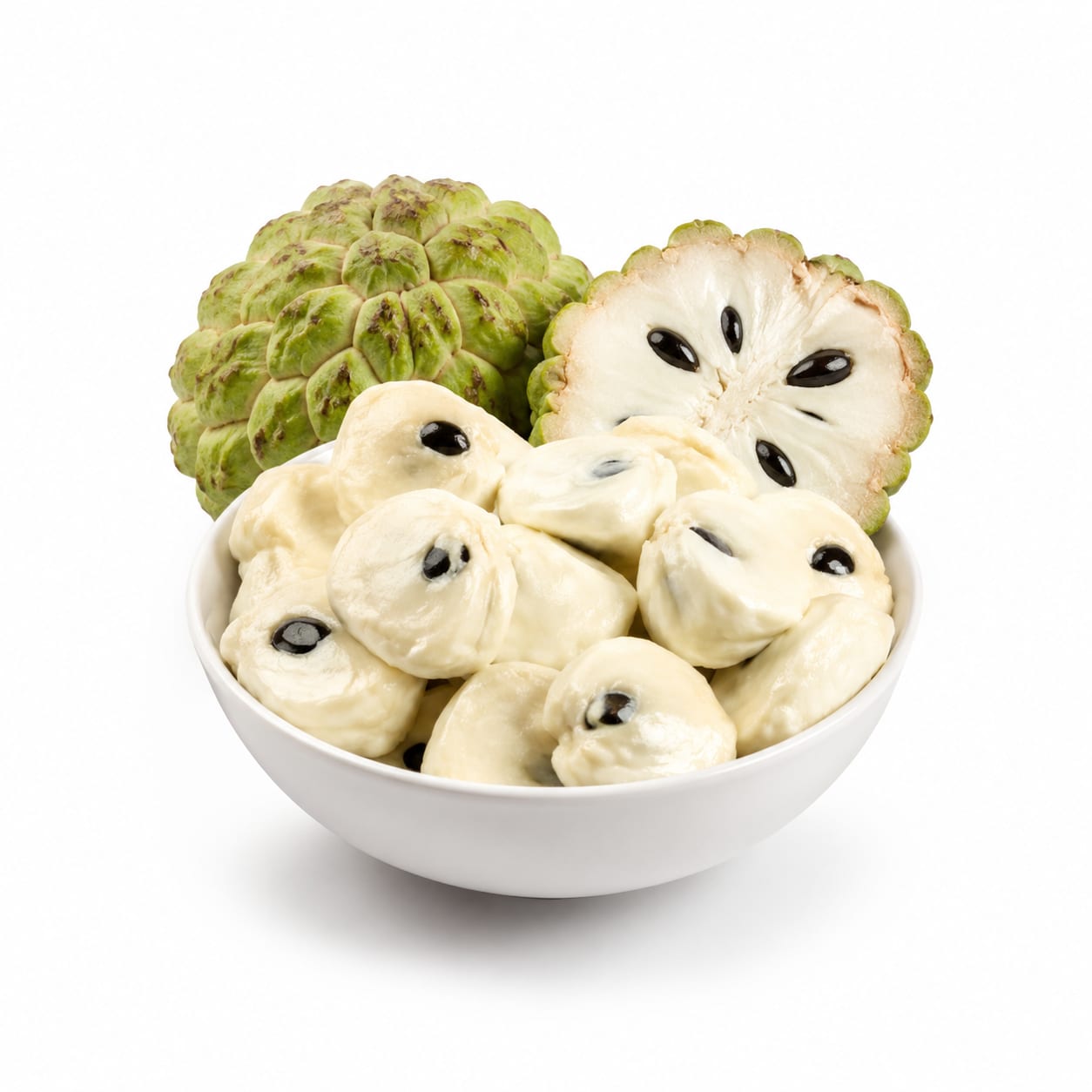
Compare with
Custard Apple
Nutritionally nearly identical, but cherimoya generally has a smoother texture and fewer seeds.
Cherimoya and custard apple are nutritionally almost identical, though cherimoya is often preferred for its smoother, less grainy texture.
This food
Cherimoya
VS65% alike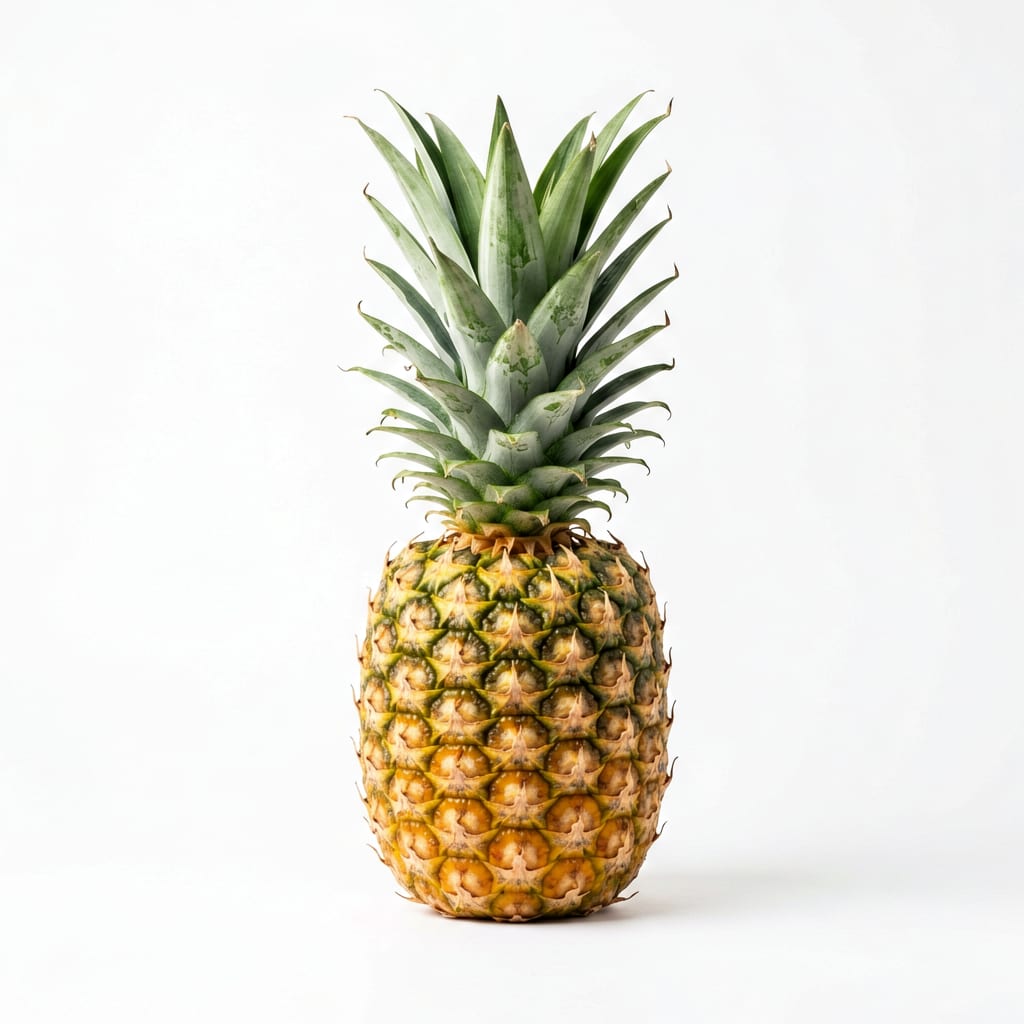
Compare with
Pineapple
Pineapple is lower in calories but higher in sugar and glycemic index, while cherimoya is creamier and lower GI.
Pineapple is lower in calories and better for weight loss, while cherimoya has a lower glycemic index and is safer for blood sugar control.
This food
Cherimoya
VS60% alike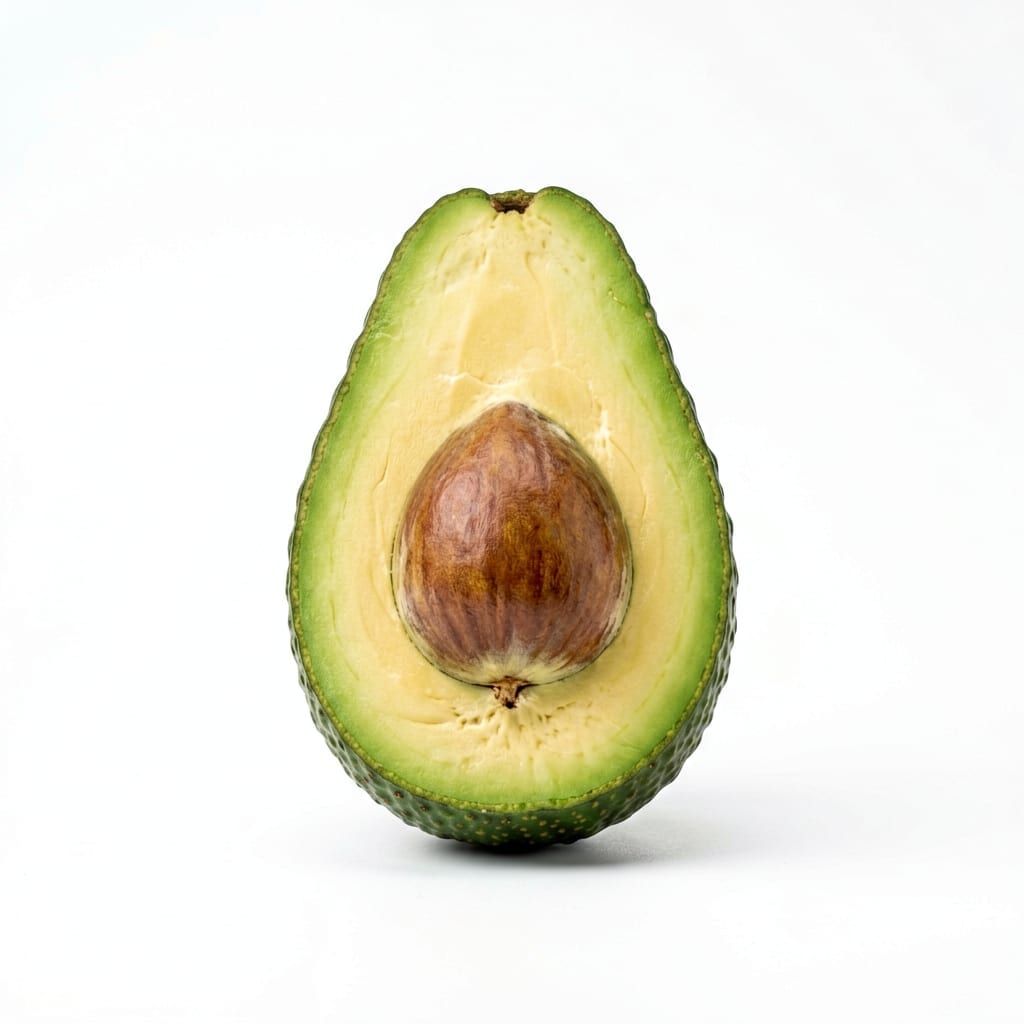
Compare with
Avocado
Avocado is high in healthy fats and low in sugar, while cherimoya is high in carbs and low in fat.
Avocado provides healthy fats and zero sugar, making it far better for low-carb diets, whereas cherimoya is a high-carb energy fruit.
This food
Cherimoya
VS60% alike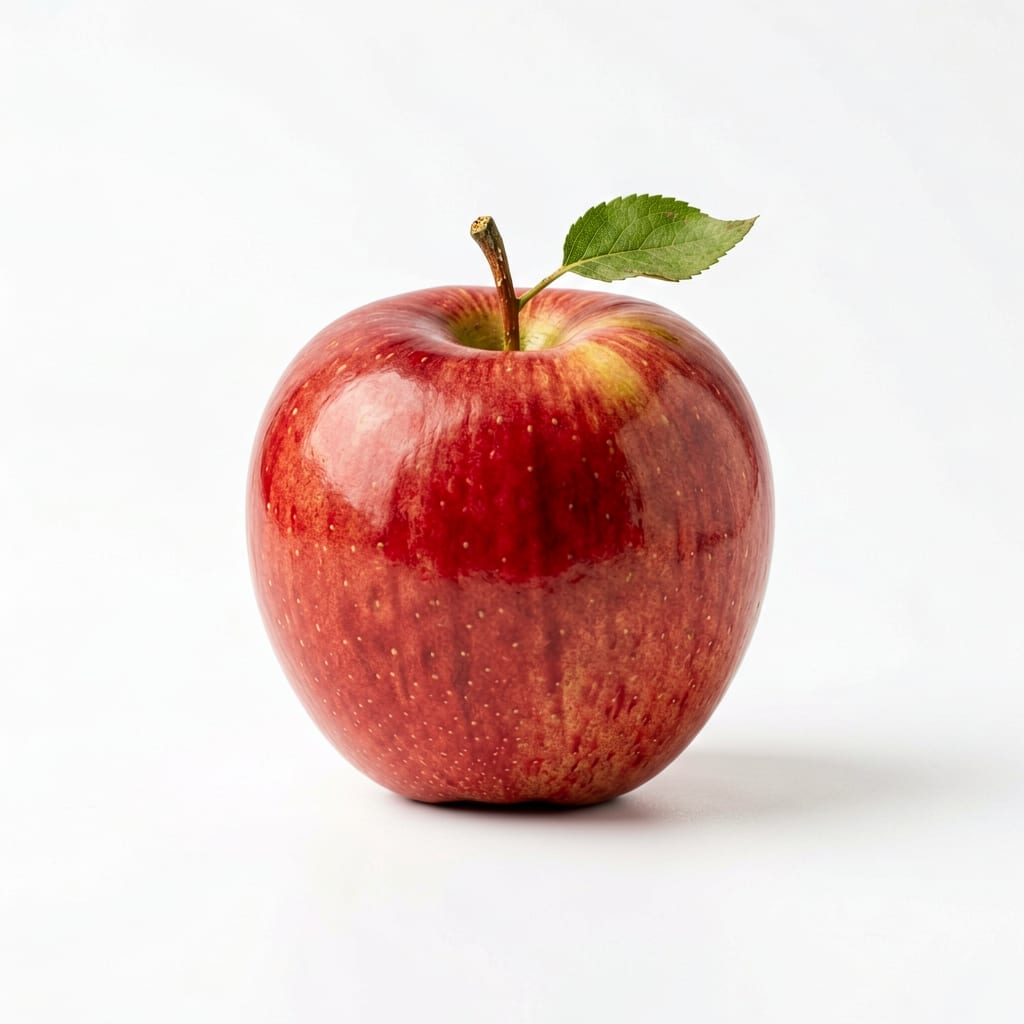
Compare with
Apple
Apples are crisp and lower in calories, while cherimoya is creamy and richer in B vitamins.
Apples are lower in calories and sugar, making them better for weight loss, while cherimoya offers more vitamin B6 and a unique creamy texture.
This food
Cherimoya
VS65% alike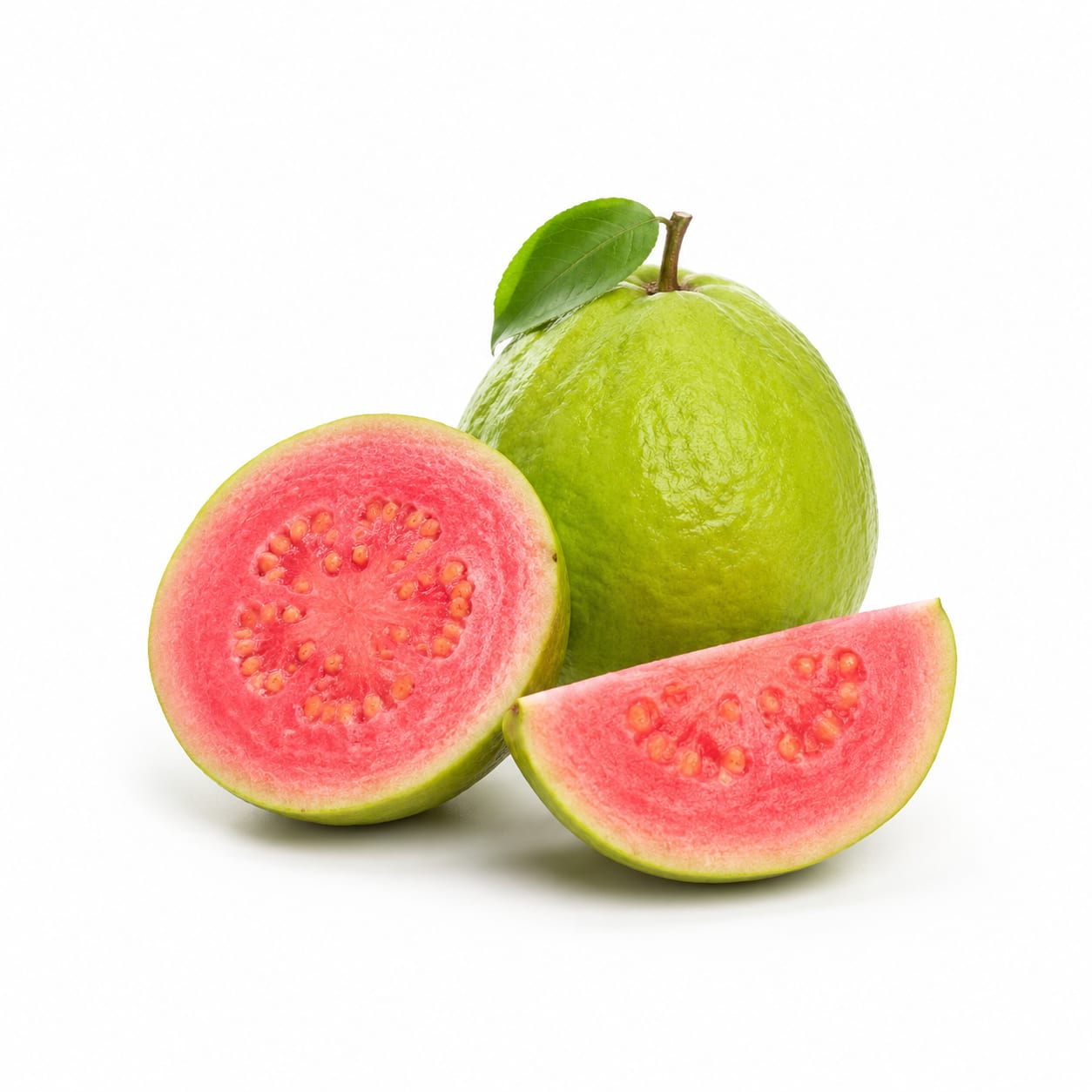
Compare with
Guava
Guava is a fiber and vitamin C powerhouse with far less sugar, while cherimoya is creamier and higher in B6.
Guava is much higher in fiber and lower in sugar, making it superior for satiety and blood sugar, while cherimoya provides a dessert-like texture.
This food
Cherimoya
VS55% alike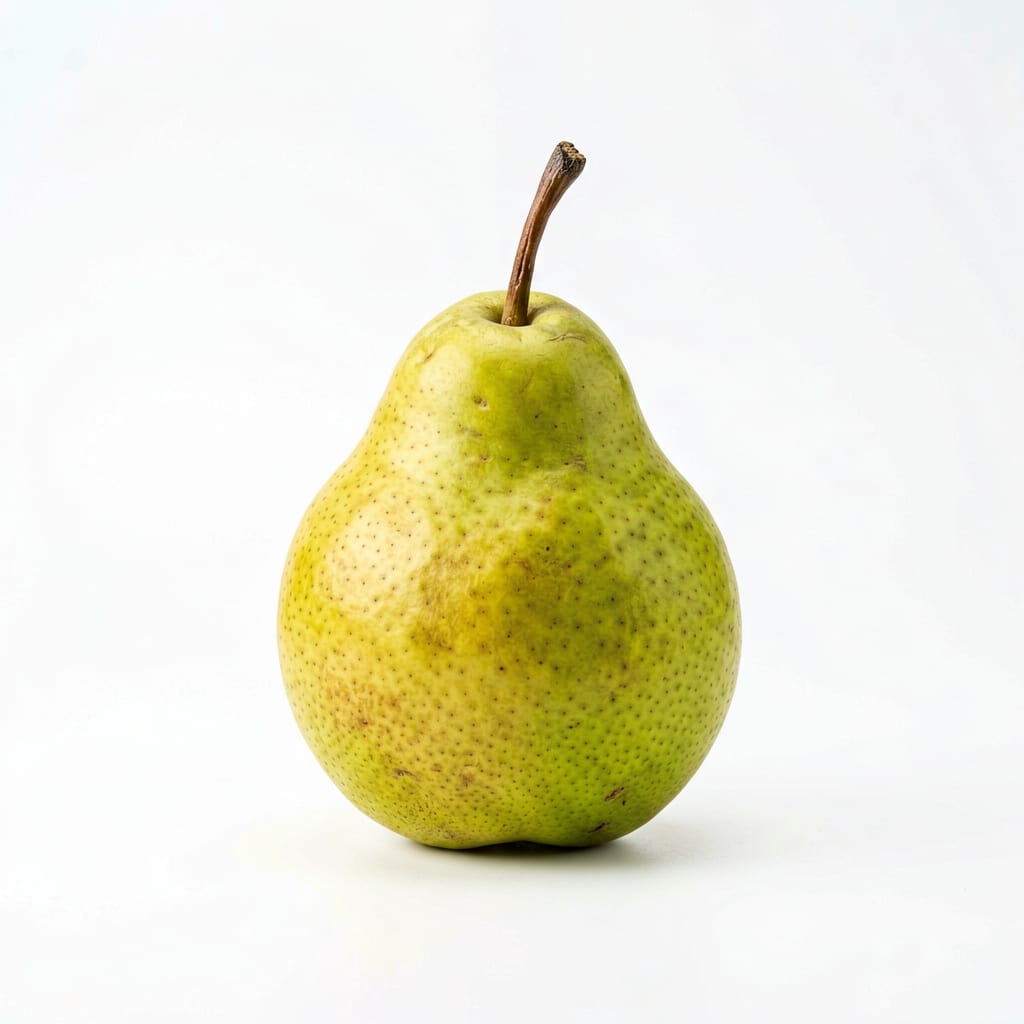
Compare with
Pear
Pears are lower in calories and sugar, while cherimoya provides a richer micronutrient profile in B vitamins.
Pears are lower in calories and sugar, making them a lighter snack, whereas cherimoya is denser in carbs and vitamin B6.
Common questions
FAQ
Answers aligned with how people search for this food.
Is cherimoya good for weight loss?
Yes, cherimoya is relatively low in calories and high in water and fiber, which promotes satiety. However, portion control is needed due to its natural sugar content.
Can diabetics eat cherimoya?
Yes, in moderation. Cherimoya has a low glycemic index, meaning it raises blood sugar slowly, but its carbohydrate content requires it to be factored into meal planning.
Are cherimoya seeds poisonous?
Yes, cherimoya seeds contain annonacin, a toxic compound that can affect the nervous system. They must be completely discarded and never eaten or blended.
What does cherimoya taste like?
Cherimoya tastes like a blend of banana, pineapple, papaya, and strawberry, with a smooth, creamy, custard-like texture.
How do you eat cherimoya?
Cut the fruit in half, scoop out the soft white flesh with a spoon, and spit out or remove the black seeds. Do not eat the skin or seeds.
Is cherimoya high in sugar?
Cherimoya contains moderate amounts of natural sugar (around 13g per 100g), but its fiber content slows absorption, preventing rapid blood sugar spikes.
Is cherimoya a superfood?
While not officially a superfood, cherimoya is highly nutritious, offering excellent amounts of vitamin C, vitamin B6, and potassium.
Can you eat cherimoya skin?
No, the skin contains toxic alkaloids and should not be consumed. Only the inner white flesh is safe to eat.
Transparency
Data confidence
Estimated confidence for nutrition data, interpretation, safety notes, and comparisons.
Nutrition data
Health analysis
Food safety
Comparisons