
Nutrition comparison
Cherimoya vs Pineapple: Nutrition, Safety, and Which Tropical Fruit to Pick
Compare cherimoya and pineapple on nutrition, blood sugar impact, safety, and daily practicality. Learn which tropical fruit fits your health goals and lifestyle.
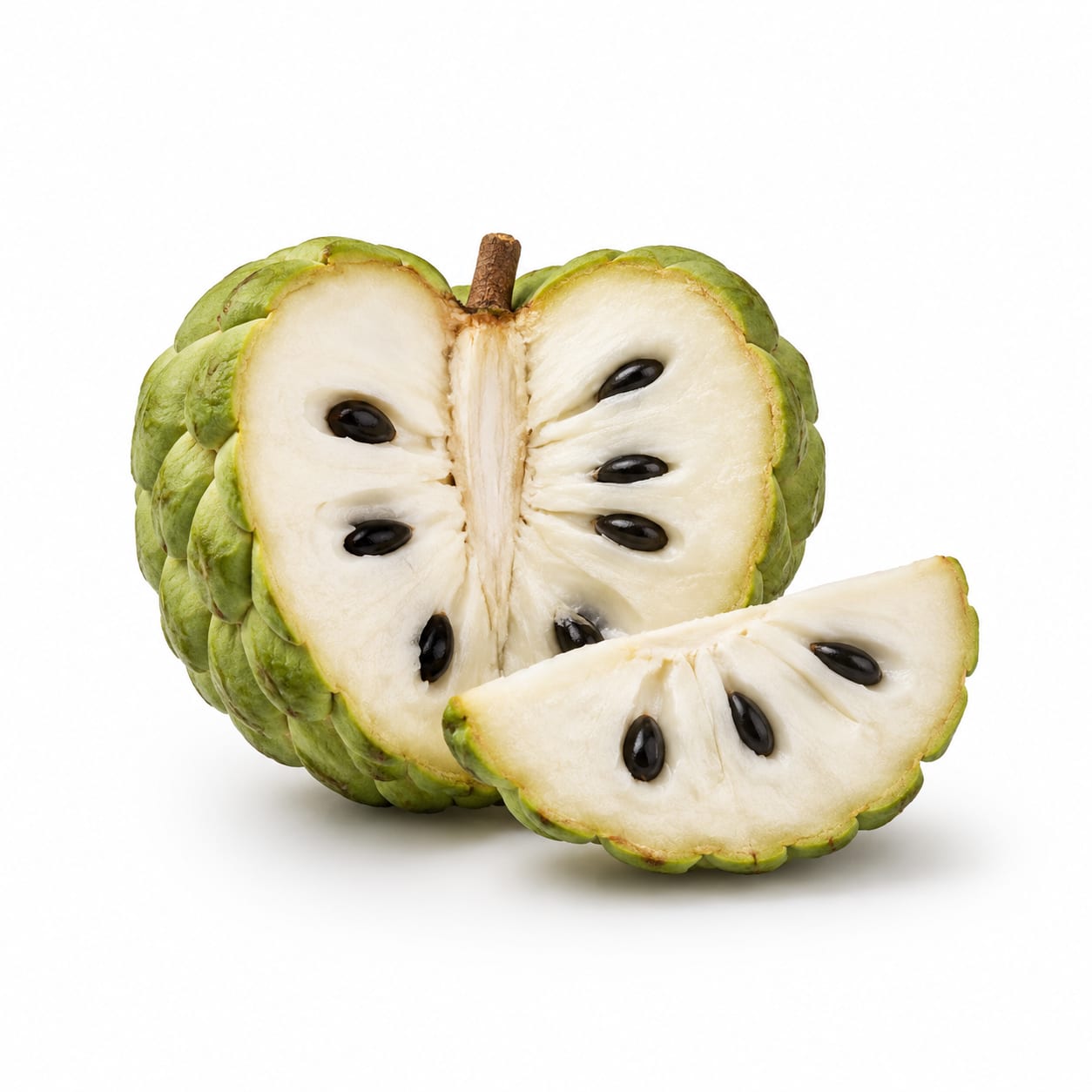
Cherimoya
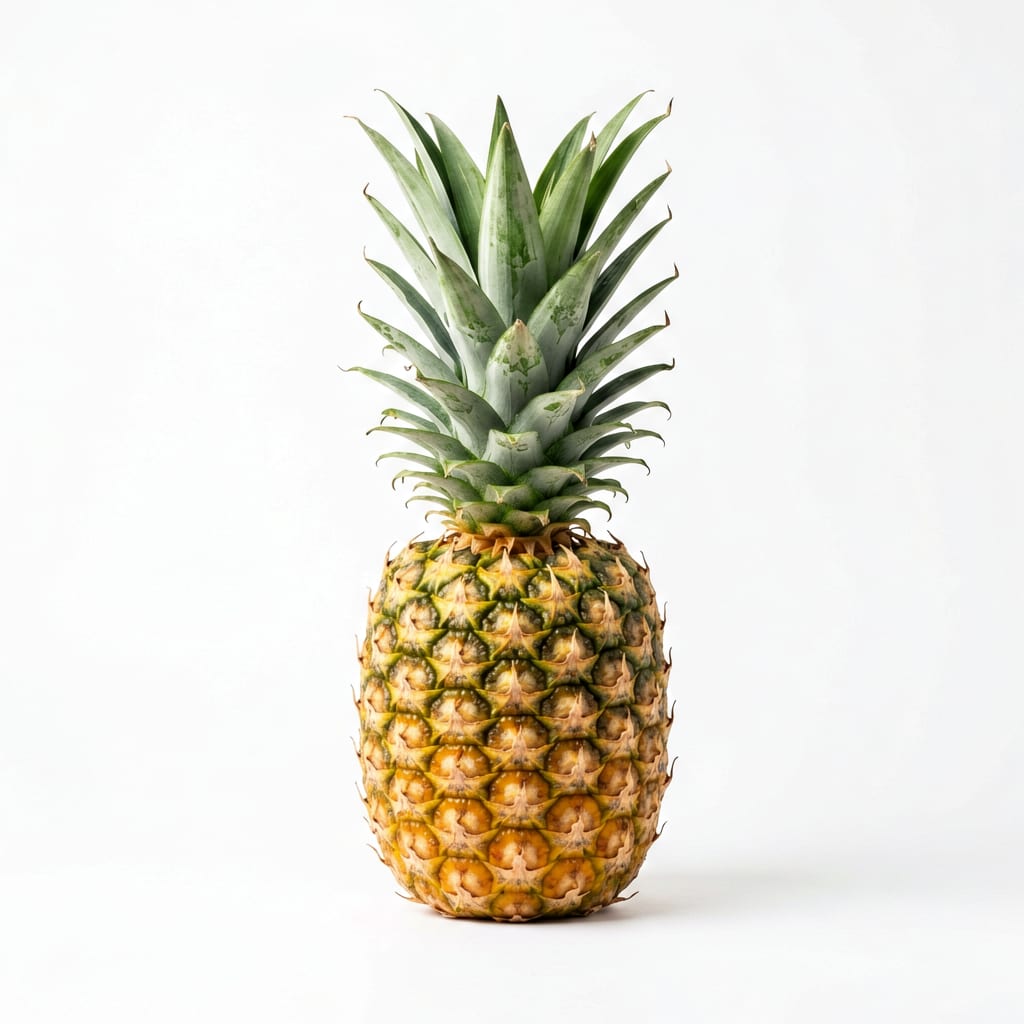
Pineapple
Pineapple wins on practicality, vitamin C, and anti-inflammatory power. Cherimoya wins on creaminess, B-vitamins, and lower glycemic impact. Your pick depends on what matters more day-to-day.
Pineapple scores higher mainly due to broader availability, stronger evidence for anti-inflammatory benefits, and easier safe consumption. Cherimoya is nutritionally impressive but loses points for seed toxicity risk, limited access, and shorter shelf life.
Pineapple offers easier access and potent enzymes versus cherimoya's richer nutrient density and lower blood sugar spike — but cherimoya demands careful seed removal and has limited availability.
At a glance
Executive summary
Overall
It depends
Healthier
Pineapple
More practical
Pineapple
Daily use
Pineapple
Key comparison lenses
tropical fruit nutritional value comparison
Users comparing these two are likely deciding which tropical fruit offers better nutrition
safety and toxicity awareness
Cherimoya contains annonacin in seeds and skin, a unique safety concern users must know about
sugar and blood sugar impact
Both are sweet tropical fruits with notably different sugar profiles and glycemic effects
digestive health benefits
Pineapple's bromelain enzyme and cherimoya's fiber content offer different digestive advantages
practical availability and convenience
Cherimoya is seasonal and fragile while pineapple is widely available year-round
Best choice for
Cherimoya
- People managing blood sugar who want a sweet treat with less spike
- Anyone seeking B6 and potassium from whole food sources
- Those wanting a creamy dessert-like fruit without dairy
- Smoothie enthusiasts looking for natural thickness and richness
Pineapple
- People prioritizing vitamin C and immune support
- Anyone dealing with inflammation or joint stiffness
- Those who want a readily available fruit year-round
- Digestive support after heavy protein meals
Least suitable for
Cherimoya
- Anyone unfamiliar with safe preparation (seed toxicity risk)
- People in regions where cherimoya is rarely stocked
- Those wanting a grab-and-go fruit for busy schedules
- Budget-conscious shoppers needing affordable regular fruit
Pineapple
- People with oral allergy syndrome or mouth sensitivity
- Those on strict low-sugar diets who react to higher glycemic fruits
- Anyone taking blood-thinning medications (bromelain interaction)
- People with GERD who find acidic fruits trigger reflux
Deep comparison
Dimension by dimension
Each lens scores both foods and breaks down who each option suits.
- Dimension 1 · Priority 88Cherimoya
Vitamin and Mineral Density
Cherimoya · 82Pineapple · 75Cherimoya delivers more B6, potassium, and riboflavin per serving. Pineapple counters with far more manganese and vitamin C.
Tradeoff
Cherimoya offers broader micronutrient coverage while pineapple concentrates heavily on vitamin C and manganese.
Why it matters
B6 supports mood and brain function; potassium helps blood pressure. Vitamin C and manganese support immunity and bone health respectively.
Real-world impact
Eating cherimoya regularly gives you a wider nutrient safety net. Pineapple gives you a strong daily vitamin C boost most people actually need.
Cherimoya
- People low in B6 or potassium
- Those wanting broader micronutrient coverage from one fruit
Better for
- Those specifically seeking high vitamin C intake
Worse for
Pineapple
- Anyone prioritizing immune support
- People needing manganese for bone and connective tissue health
Better for
- People needing B-vitamin support from fruit sources
Worse for
- Dimension 2 · Priority 85Cherimoya
Blood Sugar Impact
Cherimoya · 74Pineapple · 62Cherimoya has a lower glycemic index despite similar sugar content, likely due to its fiber and fat content slowing absorption.
Tradeoff
Cherimoya causes a gentler blood sugar rise. Pineapple hits faster and harder, which can be good post-workout but problematic for sedentary snacking.
Why it matters
Steadier blood sugar means fewer energy crashes and less craving cycles throughout the day.
Real-world impact
A cherimoya afternoon snack is less likely to leave you tired an hour later. Pineapple after a workout can replenish glycogen fast.
Cherimoya
- People with insulin resistance or prediabetes
- Anyone prone to afternoon energy crashes from sweet snacks
Better for
- Those wanting a rapid energy spike before exercise
Worse for
Pineapple
- Athletes needing quick glycogen replenishment
- Active people who burn through sugar rapidly
Better for
- Sedentary snackers sensitive to sugar crashes
- People monitoring glycemic load closely
Worse for
- Dimension 3 · Priority 82Pineapple
Anti-Inflammatory and Enzyme Benefits
Cherimoya · 55Pineapple · 88Pineapple contains bromelain, a well-studied anti-inflammatory enzyme that aids digestion and reduces swelling. Cherimoya has antioxidants but lacks comparable enzyme activity.
Tradeoff
Pineapple offers proven anti-inflammatory action. Cherimoya provides general antioxidant support without the targeted enzyme benefits.
Why it matters
Chronic inflammation drives joint pain, cardiovascular disease, and aging. Bromelain is one of the few food-derived enzymes with clinical evidence.
Real-world impact
Regular pineapple consumption can meaningfully help with post-exercise soreness, sinus congestion, and digestive comfort. Cherimoya's benefits are more subtle and cumulative.
Cherimoya
- Those seeking general antioxidant variety
Better for
- People specifically seeking anti-inflammatory food therapy
Worse for
Pineapple
- People with joint stiffness or arthritis symptoms
- Anyone recovering from surgery or injury
- Those wanting digestive help with protein-heavy meals
Better for
- Those with mouth sensitivity who cannot tolerate bromelain
Worse for
- Dimension 4 · Priority 90Pineapple
Safety and Toxicity
Cherimoya · 52Pineapple · 85Cherimoya seeds and skin contain annonacin, a neurotoxin linked to atypical Parkinson's risk with chronic exposure. Pineapple's main risk is mouth irritation from bromelain, which is minor and temporary.
Tradeoff
Cherimoya requires careful preparation to avoid seed toxicity. Pineapple is essentially safe to eat as-is with only mild, temporary mouth discomfort possible.
Why it matters
Annonacin is a legitimate concern — studies connect it to Parkinson-like brain changes. This is not a theoretical risk; it has real epidemiological backing.
Real-world impact
You must never blend or chew cherimoya seeds. Even small amounts of crushed seed are concerning. Pineapple you just cut and eat safely.
Cherimoya
- Careful preparers who always remove seeds meticulously
Better for
- Distracted eaters or those unfamiliar with the fruit
- Children who might swallow seeds
Worse for
Pineapple
- Families with children who might accidentally eat seeds
- Anyone wanting worry-free fruit consumption
- Elderly users more vulnerable to neurotoxin effects
Better for
- People with oral sensitivity conditions
Worse for
- Dimension 5 · Priority 78Pineapple
Availability and Practical Convenience
Cherimoya · 40Pineapple · 88Pineapple is available in nearly every grocery store year-round. Cherimoya is seasonal, fragile, expensive, and often found only in specialty markets.
Tradeoff
Pineapple is easy to find and affordable. Cherimoya is a rare treat that requires effort to source and careful handling.
Why it matters
The healthiest food is the one you actually eat regularly. Accessibility determines consistency more than nutrient density.
Real-world impact
You can buy pineapple any day of the week anywhere. Cherimoya might require a farmers market trip, online ordering, or simply going without.
Cherimoya
- People living in cherimoya-growing regions with easy access
- Adventurous eaters who enjoy seeking out specialty produce
Better for
- Anyone outside tropical or specialty produce regions
- Meal preppers needing reliable ingredient sourcing
Worse for
Pineapple
- Busy people who shop at regular grocery stores
- Anyone on a budget needing affordable fruit options
- Those who want consistent year-round availability
Better for
- Those specifically seeking exotic fruit experiences
Worse for
- Dimension 6 · Priority 72It depends
Digestive Tolerance and Comfort
Cherimoya · 72Pineapple · 68Cherimoya is gentle and creamy, easy on most stomachs. Pineapple's acidity and enzymes can irritate sensitive digestive systems but help break down protein for others.
Tradeoff
Cherimoya is the safer bet for sensitive stomachs. Pineapple helps digestion when tolerated but hurts when it is not.
Why it matters
Fruit should feel good to eat. If your stomach hurts after, the nutritional benefits become irrelevant.
Real-world impact
Cherimoya feels like a gentle custard in your stomach. Pineapple can feel refreshing or burning depending on your sensitivity.
Cherimoya
- People with GERD or acid reflux
- Those with sensitive stomachs who react to acidic fruits
- Anyone recovering from gastrointestinal illness
Better for
- Those wanting active digestive enzyme support
Worse for
Pineapple
- People with sluggish digestion who need enzymatic help
- Those who tolerate acidity well and enjoy the zing
Better for
- People with heartburn or acid sensitivity
- Those with irritable bowel syndrome triggered by acidic foods
Worse for
Timeline
Health impact over time
Short-term
Hours to days
Cherimoya
- Provides steady energy without sharp blood sugar spikes
- Feels filling and satisfying due to creamy texture and fiber
- May cause nausea if seeds are accidentally crushed or ingested
Pineapple
- Quick energy boost from readily available natural sugars
- Tingling or burning sensation in mouth from bromelain
- Aids digestion if eaten with protein-rich meals
Long-term
Months to years
Cherimoya
- B6 and potassium support cardiovascular and nervous system health over time
- Chronic accidental seed consumption could pose neurological risk
- Antioxidant compounds contribute to cellular protection with regular intake
Pineapple
- Bromelain may reduce chronic inflammation and joint deterioration
- Consistent vitamin C intake supports immune resilience and collagen production
- High regular consumption could contribute to dental enamel erosion from acidity
Risk profile
Safety & processing
Both fruits are eaten whole and raw with no processing required. Neither typically contains added ingredients when purchased fresh. Both are about as natural as fruit gets.
Cherimoya
Annonacin neurotoxin exposure from seeds and skin
highSeeds and skin contain annonacin, linked to Parkinson-like neurodegeneration. Never blend, chew, or crush seeds. Always remove them completely before eating.
Rapid spoilage and bruising
mediumCherimoya bruises easily and spoils quickly once ripe. Damaged fruit can harbor mold and bacteria. Eat within 1-2 days of ripening.
Pineapple
Oral mucosal irritation from bromelain
lowBromelain enzymes break down proteins on the tongue and cheeks, causing temporary tingling or soreness. This is harmless and resolves quickly.
Pesticide residue on non-organic pineapple
mediumConventional pineapple often shows pesticide residues. Washing and peeling significantly reduces exposure. Choose organic when possible.
Who wins for whom
Audience fit
Same foods, different winners depending on your goal.
children
PineapplePineapple is safer for kids — no toxic seeds to worry about, widely available, and familiar. Cherimoya's seed risk makes it inappropriate for young children without careful adult preparation.
daily consumption
PineapplePineapple's availability, affordability, and safety profile make it realistic for daily eating. Cherimoya is better as an occasional treat due to access limitations and seed handling requirements.
diabetes
CherimoyaCherimoya's lower glycemic index and higher fiber ratio create gentler blood sugar responses. Both require portion control, but cherimoya is the safer sweet option.
elderly
PineapplePineapple's anti-inflammatory benefits support joint health and its soft texture when cut small is easy to eat. Cherimoya's neurotoxin risk is more concerning for older adults.
muscle gain
PineapplePineapple's bromelain aids protein digestion and its quick sugars help post-workout glycogen replenishment. Cherimoya offers more B6 for protein metabolism but lacks the enzyme advantage.
weight loss
PineapplePineapple is lower in calories per serving and more hydrating, making it easier to fit into calorie-controlled eating. Cherimoya's calorie density can add up quickly.
Your move
Decision guide
Choose Cherimoya
- You have reliable access to fresh cherimoya and know how to prepare it safely
- You are managing blood sugar and want a sweet fruit with gentler impact
- You crave a creamy, dessert-like fruit experience without dairy
- You want broader B-vitamin and potassium intake from fruit
Choose Pineapple
- You want anti-inflammatory benefits from bromelain
- You need a vitamin C-rich fruit available any day of the year
- You are feeding a family and need safe, accessible fruit
- You want digestive support with protein-heavy meals
Either works if
- You simply want delicious tropical fruit variety in your diet
- You tolerate both well and want to rotate for nutrient diversity
- You are healthy and not managing specific blood sugar or inflammation concerns
Avoid both if
- You are on a strict very-low-carb or ketogenic diet
- You have fructose intolerance or malabsorption issues
- You are eliminating all tropical fruits due to oral allergy syndrome
Final recommendation
Make pineapple your everyday tropical fruit — it is accessible, safe, and packed with vitamin C and bromelain. Enjoy cherimoya as a special treat when you can find it fresh and prepare it carefully. Never compromise on seed removal. Both fruits deserve a place in a varied diet, but pineapple earns the daily slot while cherimoya earns the occasional indulgence.
Practical
Consumer tips
- 1
Never blend cherimoya whole — always remove every seed first, as blending crushed seeds releases annonacin into the flesh
- 2
Choose cherimoya that yields slightly to pressure like a ripe avocado; eat within a day or two of ripening
- 3
Cut pineapple cores into small pieces and chew slowly — they contain concentrated bromelain and are edible
- 4
If pineapple makes your mouth burn, soak pieces in salt water for a minute before eating to reduce enzyme activity
- 5
Freeze pineapple chunks for a refreshing anti-inflammatory snack that also dulls the bromelain tingling
- 6
Store unripe cherimoya at room temperature; move to the fridge once soft to buy one extra day
- 7
Buy organic pineapple when possible to reduce pesticide exposure, especially if you eat it frequently