
Nutrition comparison
Soursop vs Cherimoya: Safety, Nutrition, and Which Tropical Fruit to Choose
Compare soursop and cherimoya on neurotoxin risk, sugar content, nutrition, and taste. Learn which Annona fruit is safer and better for your health goals.
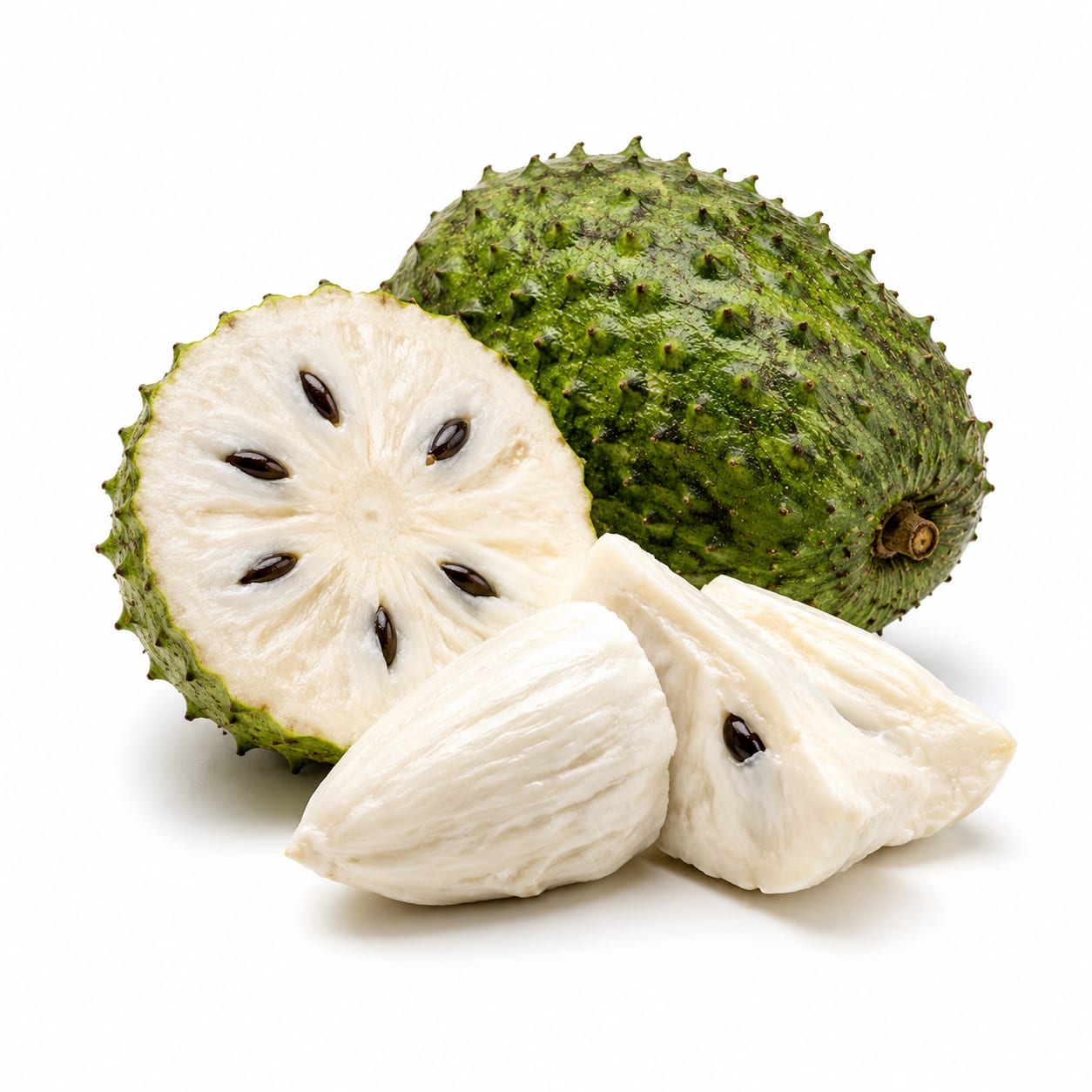
Soursop
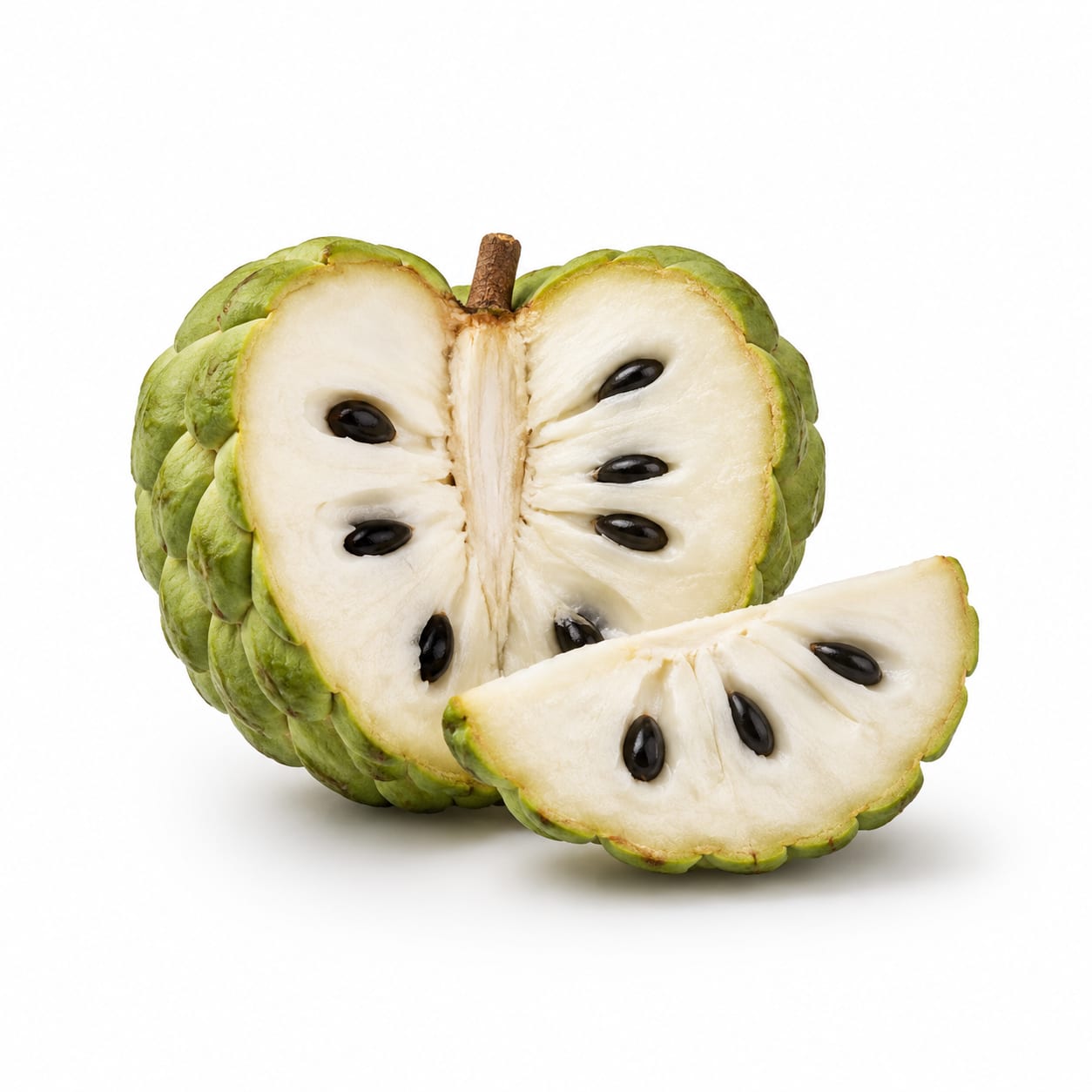
Cherimoya
Cherimoya is sweeter and slightly safer regarding neurotoxin exposure, while soursop offers better nutritional density with less sugar but carries higher annonacin risk.
Scores are close because both fruits carry annonacin risk and are occasional treats rather than staples. Cherimoya edges ahead slightly due to lower neurotoxin concentration and broader culinary appeal, though soursop wins on nutrient density and lower sugar.
Soursop gives you more nutrients per calorie and less sugar, but Cherimoya exposes you to less annonacin and tastes more like a dessert you'll actually crave.
At a glance
Executive summary
Overall
It depends
Healthier
It depends
More practical
Cherimoya
Daily use
Cherimoya
Key comparison lenses
neurotoxin safety comparison
Both fruits contain annonacin, a compound linked to Parkinson-like symptoms. Soursop has notably higher concentrations, making this the dominant health concern.
sugar and glycemic impact
Cherimoya is significantly sweeter and higher in sugar, which matters for blood sugar management and daily consumption decisions.
tropical fruit nutritional density
Users comparing these two are often seeking nutrient-rich tropical options and want to know which delivers more vitamins and minerals per calorie.
cancer claim fact-checking
Soursop is heavily marketed online as a cancer cure. Users need evidence-based clarity on this claim versus actual risk.
culinary versatility and enjoyment
Cherimoya's custard-like texture makes it more versatile for desserts, while soursop's tartness suits beverages and savory applications differently.
Best choice for
Soursop
- Low-sugar tropical fruit seekers
- Vitamin C optimization
- Fiber-focused diets
- Anti-inflammatory prioritization
Cherimoya
- Lower neurotoxin exposure preference
- Sweeter fruit cravings without refined sugar
- Elderly needing easy-to-eat textures
- Custard-like dessert replacements
Least suitable for
Soursop
- Anyone with Parkinson's disease or family history
- Frequent daily consumers of tropical fruits
- People on blood pressure medications (interactions)
Cherimoya
- Strict low-sugar or keto dieters
- Diabetes management without portion control
- People avoiding high-calorie fruits
Deep comparison
Dimension by dimension
Each lens scores both foods and breaks down who each option suits.
- Dimension 1 · Priority 95Cherimoya
neurotoxin safety
Soursop · 35Cherimoya · 50Both contain annonacin, but soursop has measurably higher concentrations linked to atypical Parkinson's risk in populations consuming them frequently.
Tradeoff
Cherimoya is safer but not safe — both should be occasional treats, not daily staples.
Why it matters
Annonacin crosses the blood-brain barrier and damages neurons. Chronic consumption is the concern, not a single serving.
Real-world impact
Eating either fruit weekly is unlikely harmful. Eating soursop daily for months could pose real neurological risk.
Soursop
- Anyone with Parkinson's family history
- Habitual daily consumers
- People on neurologically active medications
Worse for
Cherimoya
- Long-term brain health
- Reduced cumulative neurotoxin load
- Peace of mind with occasional consumption
Better for
- Dimension 2 · Priority 78Soursop
sugar and glycemic impact
Soursop · 72Cherimoya · 48Soursop contains roughly half the sugar of cherimoya per serving, making it significantly more blood-sugar friendly.
Tradeoff
Soursop's tartness means less sugar but also less natural sweetness satisfaction. Cherimoya feels like a treat; soursop feels like a health food.
Why it matters
For anyone monitoring blood sugar — diabetics, pre-diabetics, or low-carb eaters — this difference is substantial.
Real-world impact
A cherimoya can spike blood sugar noticeably. Soursop provides tropical flavor with a gentler glycemic curve.
Soursop
- Steadier energy after eating
- Diabetes-friendly occasional treat
- Low-sugar tropical flavor cravings
Better for
Cherimoya
- Blood sugar spikes if eaten in large portions
- Less suitable for keto or very-low-carb diets
- Can trigger sugar cravings in sensitive people
Worse for
- Dimension 3 · Priority 70Soursop
nutritional density
Soursop · 74Cherimoya · 62Soursop delivers more vitamin C, more fiber, and more B vitamins per calorie than cherimoya, making it the more nutrient-dense option.
Tradeoff
You get more nutrients from soursop but with higher annonacin exposure. The nutritional advantage is real but comes with a safety tradeoff.
Why it matters
If you're choosing tropical fruit specifically for vitamin and mineral intake, soursop gives you more per bite.
Real-world impact
Soursop covers about 35% of daily vitamin C per cup versus roughly 20% from cherimoya. Meaningful but not dramatic.
Soursop
- Immune support from higher vitamin C
- Better fiber for digestion
- More B vitamins for energy metabolism
Better for
Cherimoya
- Higher potassium for electrolyte balance
- More vitamin B6 per serving
Better for
- Fewer overall micronutrients per calorie
- Less fiber to slow sugar absorption
Worse for
- Dimension 4 · Priority 60Cherimoya
taste and culinary experience
Soursop · 55Cherimoya · 82Cherimoya's creamy, custard-like texture and sweet vanilla-banana flavor make it one of the most enjoyable tropical fruits. Soursop is tart and refreshing but less universally loved.
Tradeoff
Cherimoya is the fruit you'll actually look forward to eating. Soursop is refreshing but requires acquired taste or sweetening.
Why it matters
A healthy food you enjoy eating always beats one you force yourself to consume. Enjoyment drives consistency.
Real-world impact
Cherimoya can replace ice cream or custard desserts. Soursop works best in smoothies or juices with added sweetener.
Soursop
- Refreshing in hot weather
- Works well in savory and beverage applications
- Less likely to overeat due to tartness
Better for
- Tartness puts some people off
- Usually needs sweetening for broad appeal
- Fibrous texture less pleasant raw
Worse for
Cherimoya
- Natural dessert replacement
- Crowd-pleasing for fruit skeptics
- Versatile in puddings and smoothies without added sugar
Better for
- Easy to overeat due to sweetness
- Higher calorie density per serving
Worse for
- Dimension 5 · Priority 65It depends
cancer claim evidence
Soursop · 30Cherimoya · 30Soursop is heavily marketed as a cancer cure online. No human clinical trials support this. Lab studies show annonacin kills cancer cells — but it also kills healthy neurons.
Tradeoff
The same compound that shows anti-cancer activity in petri dishes causes the neurotoxicity risk. There is no safe therapeutic window established.
Why it matters
Cancer patients are vulnerable to false hope. Using soursop as alternative medicine instead of evidence-based treatment is dangerous.
Real-world impact
If someone chooses soursop juice over chemotherapy because of internet claims, the outcome can be fatal. The risk is not theoretical.
Soursop
- Cancer patients may delay real treatment
- Supplement industry exploits these claims aggressively
- Higher annonacin means higher risk if consumed medicinally in large amounts
Worse for
Cherimoya
Timeline
Health impact over time
Short-term
Hours to days
Soursop
- Mild digestive comfort from fiber content
- Tart, refreshing sensation that can feel energizing
- Possible stomach upset if consumed with seeds or unripe flesh
Cherimoya
- Quick energy from natural sugars
- Satisfying creamy texture that feels indulgent
- Blood sugar rise noticeable in sensitive individuals
Long-term
Months to years
Soursop
- Annonacin accumulation with frequent consumption poses neurological risk
- Better micronutrient profile supports immune function if consumed moderately
- Anti-inflammatory compounds may benefit chronic disease markers
Cherimoya
- Lower but still present annonacin exposure requires moderation
- Higher sugar intake could contribute to metabolic issues if eaten frequently
- Potassium content supports cardiovascular health over time
Risk profile
Safety & processing
Both fruits are whole, unprocessed foods when eaten fresh. The main concern isn't additives — it's the naturally occurring annonacin. Processed forms like soursop juice or cherimoya pulp may concentrate this compound.
Soursop
Annonacin neurotoxicity
highSoursop contains the highest annonacin levels among Annona fruits. Regular consumption is associated with atypical Parkinson's disease in Caribbean and Pacific populations. Occasional consumption is low risk.
Seed toxicity
mediumSeeds contain toxic compounds and must never be eaten. They can cause severe gastrointestinal distress and eye irritation if crushed.
Medication interactions
mediumSoursop may interact with blood pressure medications and antidepressants. Consult a doctor if on these medications.
Cherimoya
Annonacin neurotoxicity
mediumCherimoya contains annonacin but at lower concentrations than soursop. Same long-term caution applies — avoid daily consumption.
Seed toxicity
mediumLike soursop, cherimoya seeds are toxic and must be removed before eating. Accidental ingestion causes nausea and vomiting.
Allergic reactions
lowSome people experience oral allergy syndrome with cherimoya, especially those allergic to latex or birch pollen.
Who wins for whom
Audience fit
Same foods, different winners depending on your goal.
children
CherimoyaCherimoya's sweet, creamy texture appeals more to kids, and its lower annonacin content makes it marginally safer. Remove all seeds for either fruit.
daily consumption
It dependsNeither should be consumed daily due to annonacin. If forced to choose, cherimoya's lower concentration makes it slightly less risky for regular but still infrequent use.
diabetes
SoursopSoursop's lower sugar content and higher fiber create a gentler blood sugar response. Both require portion control, but soursop is the safer bet.
elderly
CherimoyaCherimoya's soft texture is easier to eat, and lower annonacin exposure matters more for aging nervous systems. Keep portions small.
muscle gain
It dependsNeither fruit is relevant for muscle gain. Both lack significant protein. Choose based on taste preference as a post-workout carb source.
weight loss
SoursopLower sugar and calorie content per serving makes soursop the better choice for weight management, though both should be occasional treats.
Your move
Decision guide
Choose Soursop
- You prioritize low sugar and high nutrient density
- You want a tart, refreshing tropical flavor
- You're comfortable limiting intake to once or twice a week
- You don't have Parkinson's disease in your family history
Choose Cherimoya
- You want a naturally sweet, dessert-like fruit experience
- You're concerned about minimizing neurotoxin exposure
- You're serving fruit to children or elderly family members
- You prefer creamy textures over fibrous ones
Either works if
- You're eating tropical fruit occasionally as a treat
- You have no neurological risk factors
- You can find fresh, ripe specimens of either
- You remove all seeds before eating
Avoid both if
- You have Parkinson's disease or a strong family history
- You're pregnant or breastfeeding (annonacin risk to fetus)
- You eat tropical fruits daily and would add these to rotation
- You believe internet claims about soursop curing cancer
Final recommendation
Enjoy cherimoya when you want a sweet tropical treat — its lower annonacin and dessert-like texture make it the more practical choice. Choose soursop when you want tart refreshment with better nutrient density, but respect its higher neurotoxin content by eating it less often. Both are occasional pleasures, not daily staples. Never eat the seeds of either fruit.
Practical
Consumer tips
- 1
Limit both fruits to once or twice per week to keep annonacin exposure low
- 2
Always remove and discard every seed — they are toxic in both fruits
- 3
Avoid soursop supplements and extracts, which concentrate annonacin at dangerous levels
- 4
If either fruit is unripe, let it ripen at room temperature until slightly soft
- 5
Cherimoya pairs well with a handful of nuts to blunt its blood sugar impact
- 6
Soursop makes excellent juice but strain out all fiber and seed fragments
- 7
Freeze cherimoya chunks for a natural ice cream alternative
- 8
Do not use either fruit as alternative cancer treatment — no human evidence supports this
- 9
If you have latex allergy, test a small amount of cherimoya first due to cross-reactivity