
Nutrition comparison
Cherimoya vs Apple: Nutrition, Sugar, and Safety Compared
Discover the nutritional differences between Cherimoya and Apple. Compare sugar content, health benefits, and safety risks to find out which fruit is better for your diet.
Overall winner · Apple
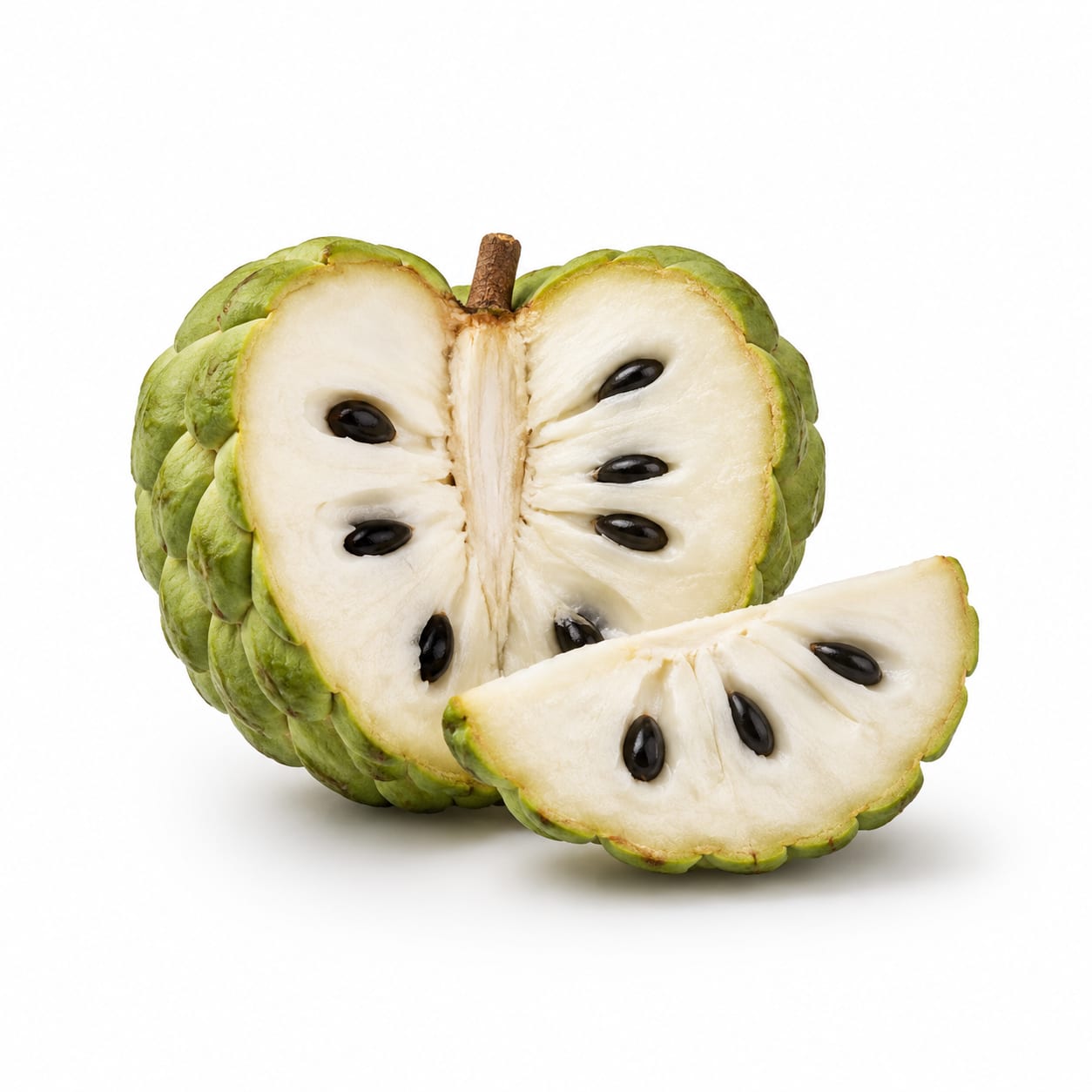
Cherimoya
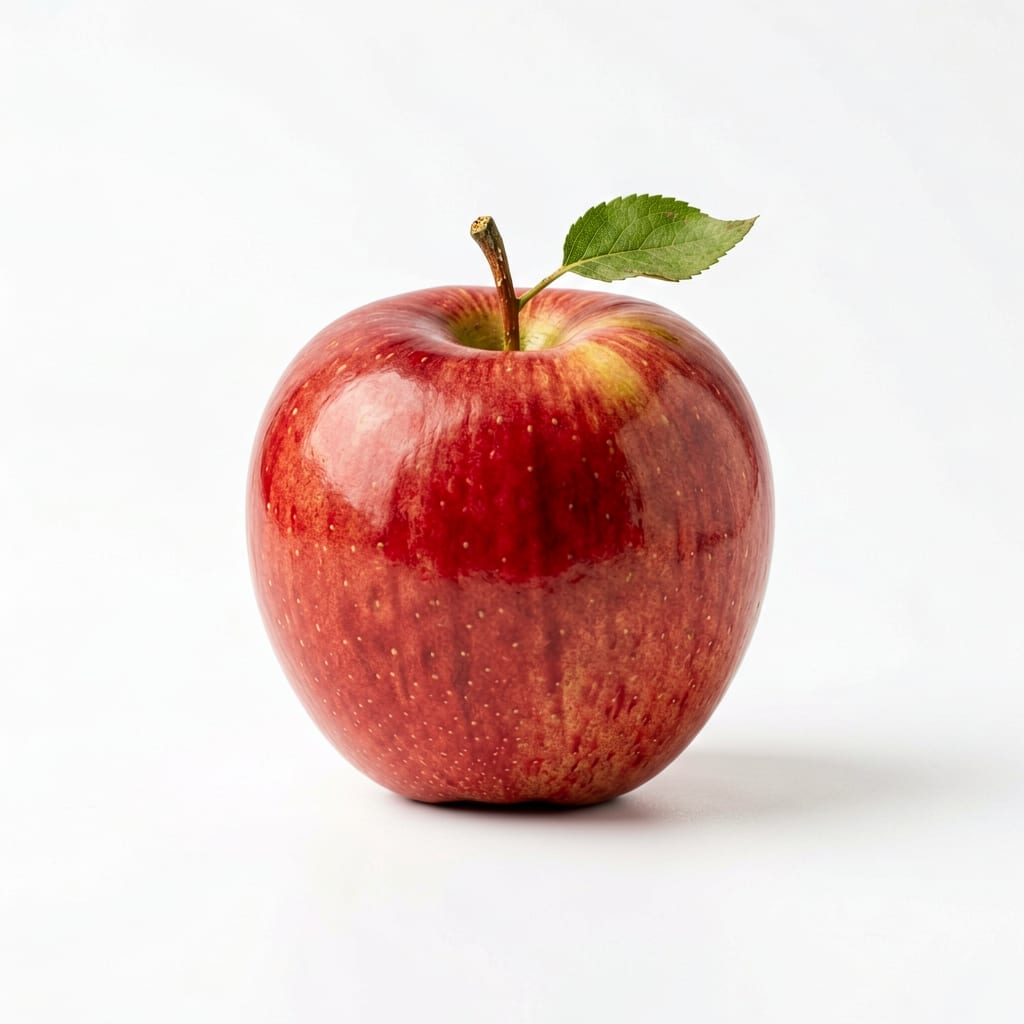
Apple
Cherimoya offers a tropical burst of nutrients and flavor, but Apple wins for everyday safety, convenience, and blood sugar control.
Apple scores higher due to everyday safety, lower sugar, and unmatched convenience, while Cherimoya's toxicity risks and high sugar hold it back slightly for routine use.
Exotic nutrient density and creamy sweetness versus reliable satiety, lower sugar, and zero toxicity risk.
At a glance
Executive summary
Overall
Apple
Healthier
Apple
More practical
Apple
Daily use
Apple
Key comparison lenses
Sugar content and blood sugar impact
Cherimoya is significantly sweeter and higher in carbohydrates than an Apple, making glycemic load a primary concern.
Everyday practicality and cost
Apples are ubiquitous, cheap, and durable, whereas Cherimoya is seasonal, fragile, and expensive.
Safety and toxicity risks
Cherimoya contains natural neurotoxins in its seeds and skin, requiring careful preparation that Apples do not.
Satiety and snacking behavior
The crunch and fiber profile of an Apple makes it a filling snack, while Cherimoya is creamy and easier to overconsume.
Micronutrient density
Cherimoya offers a richer profile of certain vitamins and minerals, trading off against its higher sugar content.
Best choice for
Cherimoya
- Exotic fruit lovers seeking a dessert-like whole food
- Those needing a potassium and vitamin B6 boost
- Smoothie and bowl recipes requiring creamy texture
Apple
- Daily snackers needing steady energy
- Weight management and blood sugar control
- Budget-conscious consumers
Least suitable for
Cherimoya
- Small children due to seed toxicity risk
- People strictly managing carbohydrate intake
- Those wanting a grab-and-go office snack
Apple
- People bored with standard fruit options
- Those wanting a rich, creamy texture
Deep comparison
Dimension by dimension
Each lens scores both foods and breaks down who each option suits.
- Dimension 1 · Priority 90Apple
Sugar and Blood Sugar Stability
Cherimoya · 55Apple · 80Cherimoya is significantly sweeter and higher in sugar, making it more likely to spike blood sugar.
Tradeoff
You get a rich, dessert-like experience with Cherimoya, but at the cost of steadier energy.
Why it matters
Preventing energy crashes is key for sustained focus and mood throughout the day.
Real-world impact
An Apple makes a safe afternoon snack; Cherimoya might leave you craving more sweets an hour later.
Cherimoya
- Quick energy before a workout
- Satisfying a sweet tooth naturally
Better for
- Fasting periods
- Diabetic diets
Worse for
Apple
- Steady afternoon energy
- Managing insulin resistance
Better for
- Recovering from hypoglycemia
Worse for
- Dimension 2 · Priority 85Apple
Everyday Convenience and Cost
Cherimoya · 40Apple · 95Apples are cheap, portable, and available year-round. Cherimoyas are fragile, seasonal, and expensive.
Tradeoff
Cherimoya is a rare treat; Apple is a reliable staple.
Why it matters
You can only eat what you can easily buy, store, and carry.
Real-world impact
Toss an Apple in your bag on Monday; Cherimoya will bruise and rot if you try the same.
Cherimoya
- Special occasion desserts
- Farmer's market trips
Better for
- Meal prep
- Backpacking
Worse for
Apple
- Commuting
- Office snacking
- Budget grocery runs
Better for
- Gourmet dinner parties
Worse for
- Dimension 3 · Priority 80Apple
Safety and Toxicity
Cherimoya · 50Apple · 85Cherimoya seeds and skin contain annonacin, a neurotoxin. Apples have minor pesticide concerns but are generally very safe.
Tradeoff
Cherimoya requires careful preparation to avoid toxicity, while Apples just need a quick wash.
Why it matters
Accidental ingestion of Cherimoya seeds can cause serious neurological issues over time.
Real-world impact
Blending a Cherimoya requires meticulous seed removal; blending an Apple is mostly worry-free.
Cherimoya
- Adults careful with prep
Better for
- Children
- Distracted snacking
Worse for
Apple
- Families with kids
- Quick, carefree eating
Better for
- Those avoiding conventional farming if not organic
Worse for
- Dimension 4 · Priority 75Apple
Satiety and Snacking Behavior
Cherimoya · 60Apple · 85Apples are crunchy and high in pectin, promoting fullness. Cherimoya is creamy and easy to overeat.
Tradeoff
Creamy indulgence versus crunchy satisfaction that stops you from reaching for more.
Why it matters
Satiety prevents overconsumption later in the day.
Real-world impact
An Apple at 3 PM keeps you full until dinner; Cherimoya might feel more like an appetizer.
Cherimoya
- Those who struggle to eat enough
- Smoothie bowls
Better for
- Binge-prone eaters
Worse for
Apple
- Weight management
- Mindless snacking replacement
Better for
- People with jaw or dental issues
Worse for
- Dimension 5 · Priority 70Cherimoya
Micronutrient Density
Cherimoya · 88Apple · 70Cherimoya packs more vitamin C, B6, and potassium per serving than an Apple.
Tradeoff
A nutrient powerhouse that comes with higher sugar versus a modest but reliable nutrient source.
Why it matters
B6 and potassium support nerve function and hydration.
Real-world impact
Cherimoya can help replenish electrolytes after a hot day better than an Apple.
Cherimoya
- Electrolyte replenishment
- Immune support
Better for
- Those watching caloric intake closely
Worse for
Apple
- Maintaining baseline fiber intake
Better for
- Acute recovery from illness
Worse for
Timeline
Health impact over time
Short-term
Hours to days
Cherimoya
- Quick energy boost from high natural sugar
- Satisfaction of sweet cravings
Apple
- Steady, sustained energy
- Feeling physically full from crunch and fiber
Long-term
Months to years
Cherimoya
- Risk of neurotoxicity if seeds are regularly ingested
- Potential weight gain if eaten frequently due to high sugar
Apple
- Improved gut health from pectin
- Stable blood sugar management
Risk profile
Safety & processing
Both are whole, raw fruits. The main concern isn't additives, but rather agricultural chemicals on Apples and natural toxins in Cherimoya seeds.
Cherimoya
Annonacin toxicity
highSeeds and skin contain annonacin, a neurotoxin linked to Parkinson-like symptoms. Must be carefully removed before eating.
Rapid spoilage
mediumFerments quickly when ripe, potentially causing mild stomach upset if overripe.
Apple
Pesticide residue
mediumConventionally grown Apples consistently rank high on the Dirty Dozen list for pesticide residue. Washing or peeling helps.
Cyanide in seeds
lowApple seeds contain amygdalin, which releases cyanide, but you would need to chew large quantities for it to be dangerous.
Who wins for whom
Audience fit
Same foods, different winners depending on your goal.
children
AppleCherimoya seeds are a serious choking and toxicity hazard for kids, whereas Apples are a classic, safe kid snack when cut up.
daily consumption
AppleApples are affordable, available year-round, and have a safety profile suited for daily eating.
diabetes
AppleApples have a lower glycemic load and more stable fiber, making them safer for blood sugar management.
elderly
AppleCherimoya's neurotoxin risk is especially concerning for older adults, while Apples support healthy digestion.
muscle gain
It dependsNeither is a primary muscle-building food, but Cherimoya offers slightly more potassium for recovery, while Apples offer easier pre-workout carbs.
weight loss
AppleApples are lower in calories and sugar, with more crunch-factor satiety to prevent overeating.
Your move
Decision guide
Choose Cherimoya
- You want a nutrient-dense, dessert-like treat
- You are careful about removing all seeds and skin
- You find them fresh and in season
Choose Apple
- You need a reliable, everyday snack
- You want to manage your weight or blood sugar
- You are packing food for work or school
Either works if
- You just want a whole-food sweet treat
- You need natural carbs for energy
Avoid both if
- You are on a strict very-low-carb or keto diet
Final recommendation
Keep Apples as your daily fruit staple for their safety, fiber, and convenience. Enjoy Cherimoya occasionally as a special treat, treating its seeds and skin with strict caution.
Practical
Consumer tips
- 1
When preparing Cherimoya, cut it open and scoop out the flesh, discarding every single seed to avoid neurotoxin exposure.
- 2
Buy organic Apples when possible to avoid high pesticide residues, or peel them if conventional.
- 3
If your Cherimoya is hard, let it ripen at room temperature until it yields to gentle pressure like a ripe avocado.
- 4
Pair Apple slices with peanut butter to blunt the sugar response and add staying power.