
Nutrition comparison
Cherimoya vs Banana: Which Fruit Is Healthier for You?
Compare cherimoya and banana on blood sugar impact, nutrition, safety, and daily practicality. Find out which fruit fits your health goals and lifestyle better.
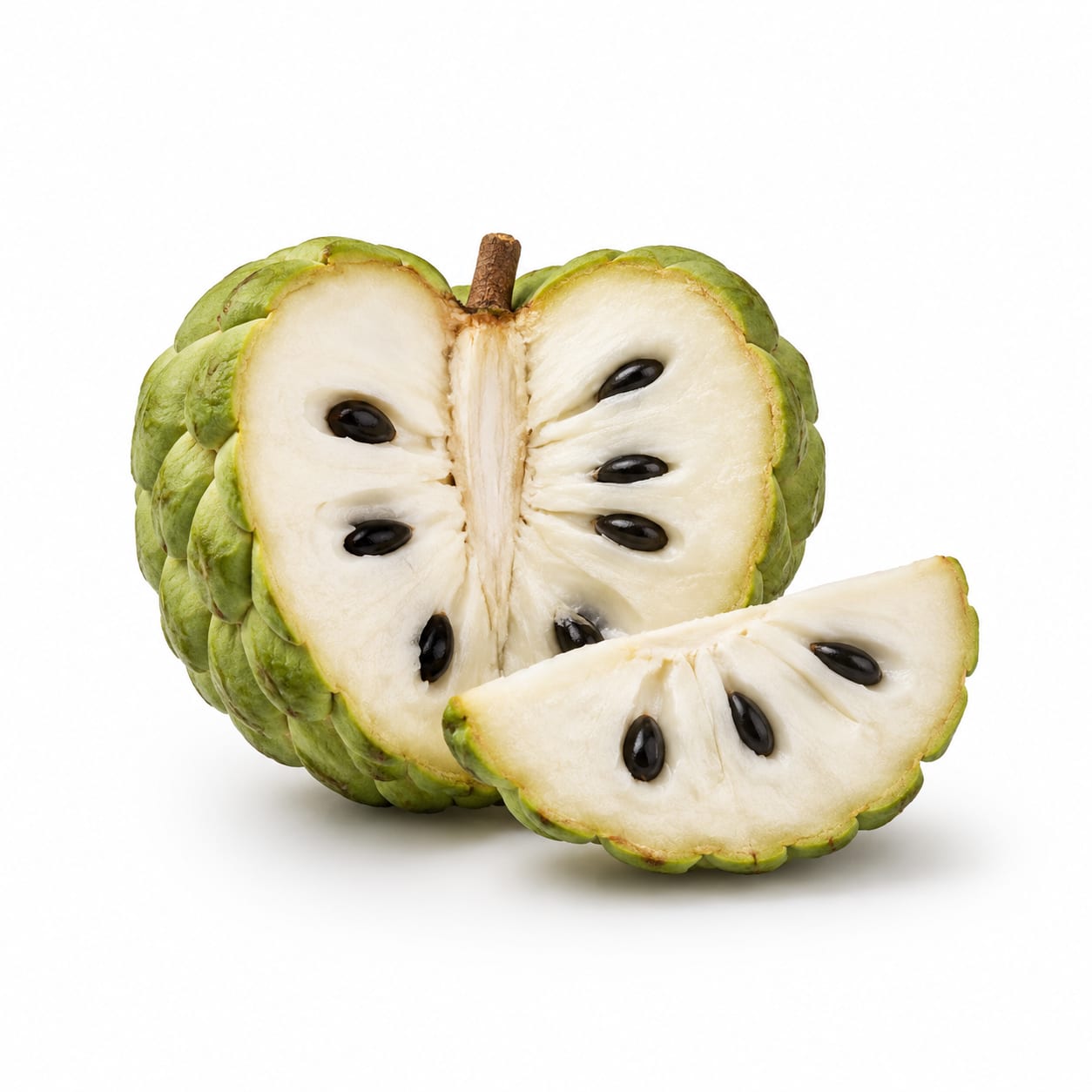
Cherimoya
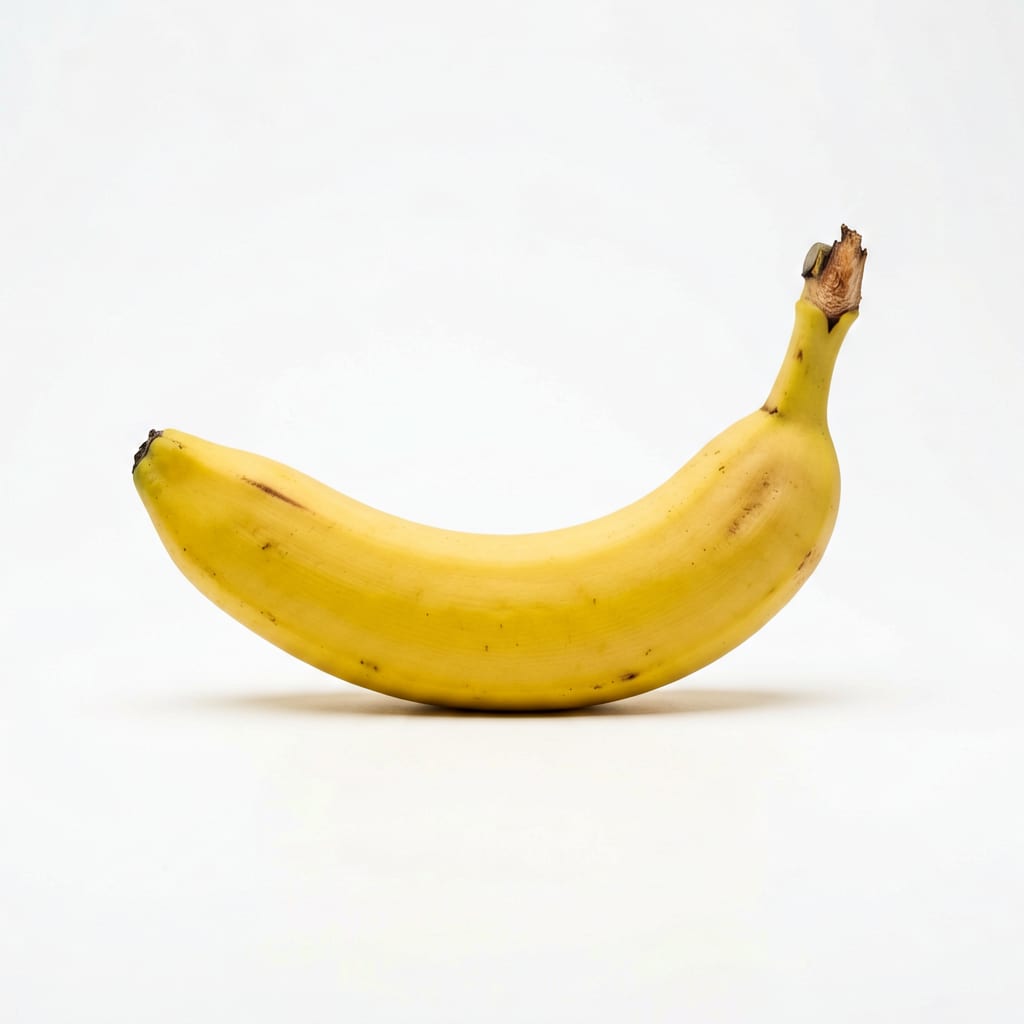
Banana
Cherimoya delivers richer micronutrients and steadier blood sugar, but banana wins on convenience, cost, and everyday reliability.
Cherimoya edges ahead on nutritional merit and metabolic profile, but banana's unmatched practicality narrows the gap significantly for everyday decision-making.
Nutritional depth and glycemic control versus accessibility and simplicity — cherimoya is the smarter metabolic choice, banana is the smarter lifestyle choice.
At a glance
Executive summary
Overall
It depends
Healthier
Cherimoya
More practical
Banana
Daily use
Banana
Key comparison lenses
blood sugar management
Both are sweet fruits with significantly different glycemic impacts, making this the top concern for most users
nutrient density comparison
Cherimoya offers a broader micronutrient profile while banana provides more concentrated energy
everyday practicality
Banana is universally available and cheap; cherimoya is seasonal and specialty, which heavily influences real-world choices
safety and toxicity awareness
Cherimoya contains annonacin in its seeds and skin, a neurotoxic compound that requires careful handling
weight management suitability
Different sugar loads and fiber content affect satiety and calorie control differently
Best choice for
Cherimoya
- People managing blood sugar or insulin resistance
- Anyone seeking broader micronutrient coverage from fruit
- Those who eat mindfully and can source specialty produce
Banana
- Athletes needing quick pre-workout fuel
- Busy people who need affordable, portable nutrition
- Households wanting a reliable year-round fruit staple
Least suitable for
Cherimoya
- People unfamiliar with proper preparation who might ingest seeds or skin
- Those on tight grocery budgets
- Anyone needing shelf-stable fruit for travel or commuting
Banana
- People with severe blood sugar concerns wanting low-GI options
- Those avoiding high-sugar fruits during weight loss phases
- People tired of banana who want more flavor variety
Deep comparison
Dimension by dimension
Each lens scores both foods and breaks down who each option suits.
- Dimension 1 · Priority 92Cherimoya
Blood Sugar Stability
Cherimoya · 78Banana · 55Cherimoya has a lower glycemic load and more fiber, leading to gentler blood sugar curves.
Tradeoff
Banana provides faster energy when you need it, but spikes glucose harder — especially when fully ripe.
Why it matters
Ripe bananas can cause noticeable sugar crashes in sensitive people, while cherimoya offers a steadier ride.
Real-world impact
After a banana you might feel hungry again within an hour; cherimoya tends to keep you satisfied longer.
Cherimoya
- Insulin-resistant individuals
- Mid-afternoon snacking without energy crashes
- Low-carb dieters wanting occasional fruit
Better for
- Situations requiring rapid carbohydrate replenishment
Worse for
Banana
- Pre-workout quick fuel
- Morning energy when fasting blood sugar is low
- Endurance athletes mid-ride
Better for
- Late-night snacking prone to blood sugar spikes
- Sedentary evenings on the couch
Worse for
- Dimension 2 · Priority 88Cherimoya
Micronutrient Density
Cherimoya · 85Banana · 62Cherimoya delivers more vitamin C, B vitamins, and mineral diversity per calorie than banana.
Tradeoff
Banana concentrates heavily on potassium and B6 but lacks the breadth cherimoya offers.
Why it matters
Broader micronutrient intake supports immune function, energy metabolism, and cellular repair more completely.
Real-world impact
Eating cherimoya is like taking a mild multivitamin with your fruit; banana is more like a targeted potassium supplement.
Cherimoya
- Immune support during cold season
- Anyone eating limited fruit variety
- Recovery from illness needing broad nutrient replenishment
Better for
- Scenarios where you specifically need high potassium quickly
Worse for
Banana
- Cramp prevention for athletes
- Potassium supplementation without supplements
- Muscle recovery after intense exercise
Better for
- General micronutrient gaps in restrictive diets
Worse for
- Dimension 3 · Priority 85Banana
Convenience and Availability
Cherimoya · 30Banana · 95Banana is arguably the most convenient fruit on earth; cherimoya is seasonal, fragile, and hard to find.
Tradeoff
You gain superior nutrition with cherimoya but sacrifice the grab-and-go ease that makes banana a daily staple.
Why it matters
The best fruit nutritionally is useless if you cannot find or afford it regularly.
Real-world impact
Banana goes from store to gym bag to mouth in seconds. Cherimoya requires sourcing, ripening patience, and careful prep.
Cherimoya
- Farmer's market shoppers who plan meals around seasonal finds
- Home cooks who enjoy preparing exotic fruit
Better for
- Any scenario requiring shelf-stable portable fruit
Worse for
Banana
- Commuters needing breakfast on the train
- Office snack drawers
- Travel and hiking fuel
- Kids' lunchboxes
Better for
- Culinary experiences where flavor complexity matters
Worse for
- Dimension 4 · Priority 80Cherimoya
Satiety and Fullness
Cherimoya · 76Banana · 60Cherimoya's higher fiber and fat content keep you fuller for longer than banana's quicker-digesting carbs.
Tradeoff
Banana feels lighter in the stomach, which can be preferable before exercise or in hot weather.
Why it matters
Better satiety means less snacking between meals and easier portion control overall.
Real-world impact
A cherimoya at 3pm can carry you to dinner. A banana at 3pm often invites another snack by 4:30.
Cherimoya
- Weight management through natural appetite suppression
- Replacing a light meal when too busy to eat properly
Better for
- Right before intense exercise
Worse for
Banana
- Pre-workout when you want energy without stomach heaviness
- Hot days when heavy fruit feels unappealing
Better for
- Controlling late-afternoon grazing
Worse for
- Dimension 5 · Priority 78Banana
Safety and Toxicity
Cherimoya · 50Banana · 88Cherimoya seeds and skin contain annonacin, a neurotoxin linked to Parkinson-like symptoms with chronic exposure.
Tradeoff
Properly prepared cherimoya flesh is safe, but the risk of accidental seed ingestion or poor handling is real.
Why it matters
Even small amounts of crushed seeds can introduce toxins, and not all consumers know to discard them carefully.
Real-world impact
Banana is foolproof. Cherimoya requires education — especially if children are involved in eating or preparing it.
Cherimoya
- Adults confident in fruit preparation and seed avoidance
Better for
- Unsupervised snacking by kids
- Blending whole fruit without checking for seeds
Worse for
Banana
- Households with children
- Elderly who might accidentally swallow seeds
- Anyone sharing fruit casually without prep supervision
Better for
- No significant safety concerns for typical consumption
Worse for
- Dimension 6 · Priority 72Banana
Cost and Value
Cherimoya · 35Banana · 90Banana is one of the cheapest fruits per calorie globally; cherimoya is a luxury specialty item.
Tradeoff
Cherimoya's nutritional advantages come at 3-5 times the price per serving in most markets.
Why it matters
For families or individuals on budgets, cost determines what actually gets eaten daily, not theoretical nutrition.
Real-world impact
A week of bananas costs less than a single cherimoya in many places. That reality shapes long-term habits.
Cherimoya
- Occasional indulgence for nutritional variety
- Special meals where experience matters more than cost
Better for
- Budget-conscious weekly grocery planning
Worse for
Banana
- Daily fruit consumption on any budget
- Feeding families affordably
- Bulk meal prep and smoothies
Better for
- Experiences where unique flavor justifies spending more
Worse for
Timeline
Health impact over time
Short-term
Hours to days
Cherimoya
- Steadier energy without sharp sugar spikes
- Moderate digestive fullness from fiber and natural fats
- Possible stomach upset if seeds are accidentally consumed
Banana
- Quick energy boost within 15-20 minutes of eating
- Possible blood sugar crash in sensitive individuals
- Easy digestion with minimal gastrointestinal effort
Long-term
Months to years
Cherimoya
- Broader micronutrient intake supporting immune and cellular health
- Better glycemic patterns if replacing higher-GI fruits regularly
- Theoretical risk of neurotoxic effects if seeds are chronically ingested in small amounts
Banana
- Consistent potassium intake supporting cardiovascular function
- Possible contribution to higher overall sugar intake if eaten excessively
- Well-established safety profile with no toxicity concerns at normal consumption levels
Risk profile
Safety & processing
Both fruits are whole, unprocessed foods eaten in their natural state. Neither carries additive concerns. The key difference is that cherimoya demands careful hand-preparation to remove toxic seeds, while banana is simply peeled and eaten.
Cherimoya
Annonacin neurotoxicity from seeds and skin
highCherimoya seeds contain annonacin, linked to atypical Parkinsonism. Never blend or chew seeds. Only eat the flesh, and discard seeds without crushing.
Spoilage and mold due to fragile skin
mediumCherimoya bruises and spoils quickly once ripe. Inspect flesh carefully before eating and consume within 1-2 days of ripening.
Banana
Pesticide residue on conventionally grown bananas
lowWhile peel absorbs most pesticides, some residue remains. Washing or choosing organic reduces exposure, though risk is low since the peel is discarded.
Latex-fruit allergy cross-reaction
lowPeople with latex allergies may react to banana proteins. Symptoms are usually mild but worth monitoring if latex sensitivity is known.
Who wins for whom
Audience fit
Same foods, different winners depending on your goal.
children
BananaBanana is safe, easy to eat, and has no toxicity risk. Cherimoya's seeds pose a genuine hazard for unsupervised kids.
daily consumption
BananaAffordability, availability, safety, and convenience make banana the more sustainable daily habit for most people.
diabetes
CherimoyaLower glycemic impact and more fiber help stabilize blood sugar, though both should be portion-controlled.
elderly
BananaSofter texture, no seed risk, and strong potassium support for blood pressure. Cherimoya's neurotoxin risk is especially concerning for older adults.
muscle gain
BananaBanana provides faster-digesting carbs ideal for pre- or post-workout glycogen replenishment, plus more potassium for cramp prevention.
weight loss
CherimoyaHigher fiber and lower glycemic load make cherimoya more satiating per calorie, reducing the urge to overeat.
Your move
Decision guide
Choose Cherimoya
- You want broader micronutrients and can source it fresh
- Blood sugar management is a priority and you enjoy preparing exotic fruit
- You treat fruit as a mindful eating experience, not just fuel
Choose Banana
- You need reliable, affordable, daily fruit without hassle
- You exercise regularly and want quick natural energy
- You have kids or elderly family members who eat fruit unsupervised
Either works if
- You simply want whole fruit instead of processed snacks
- Both are available and you feel like variety today
Avoid both if
- You are on a strict very-low-carb or ketogenic diet
- You have fructose intolerance or severe blood sugar instability requiring fruit restriction
Final recommendation
Eat banana daily for practical, safe, affordable fruit energy. Enjoy cherimoya occasionally when you find it fresh — it offers a nutritional upgrade and a remarkable flavor experience — but always prepare it carefully and never consume the seeds.
Practical
Consumer tips
- 1
Never blend cherimoya whole — always remove seeds first, as crushing releases annonacin into the flesh
- 2
Choose slightly firm cherimoya and let it ripen at room temperature; eat within two days of softening
- 3
Freeze overripe banana slices for smoothies instead of discarding them — same nutrition, zero waste
- 4
If managing blood sugar, pair banana with a protein or fat source like nut butter to blunt the glucose spike
- 5
Wash banana peels before peeling if you are concerned about pesticide transfer to your hands
- 6
Cherimoya pairs beautifully with lime juice, which enhances flavor and adds vitamin C