
Nutrition comparison
Cherimoya vs Papaya: Which Tropical Fruit Is Healthier for You?
Compare cherimoya and papaya nutrition, digestion benefits, sugar content, and safety. Find out which tropical fruit fits your health goals and daily routine better.
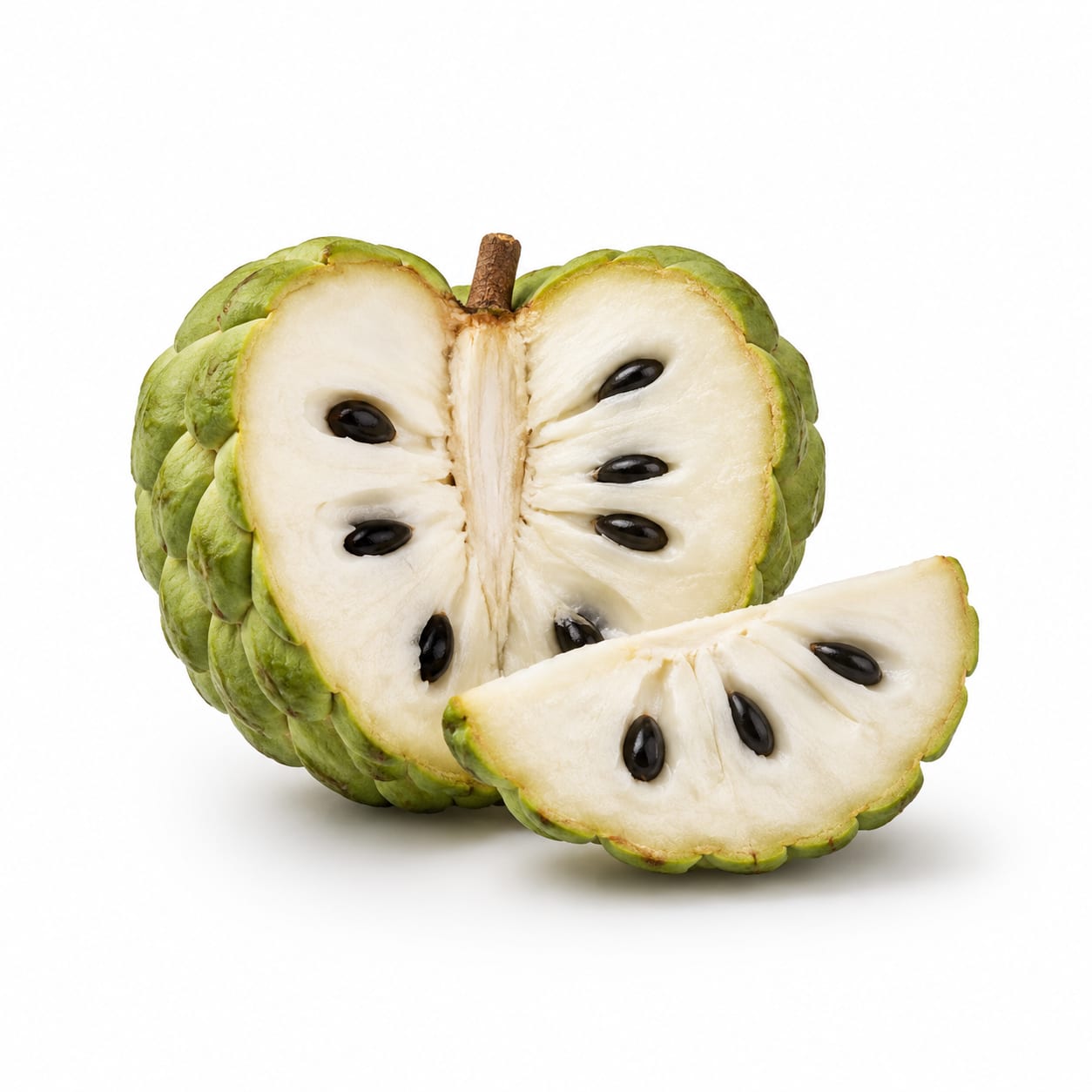
Cherimoya
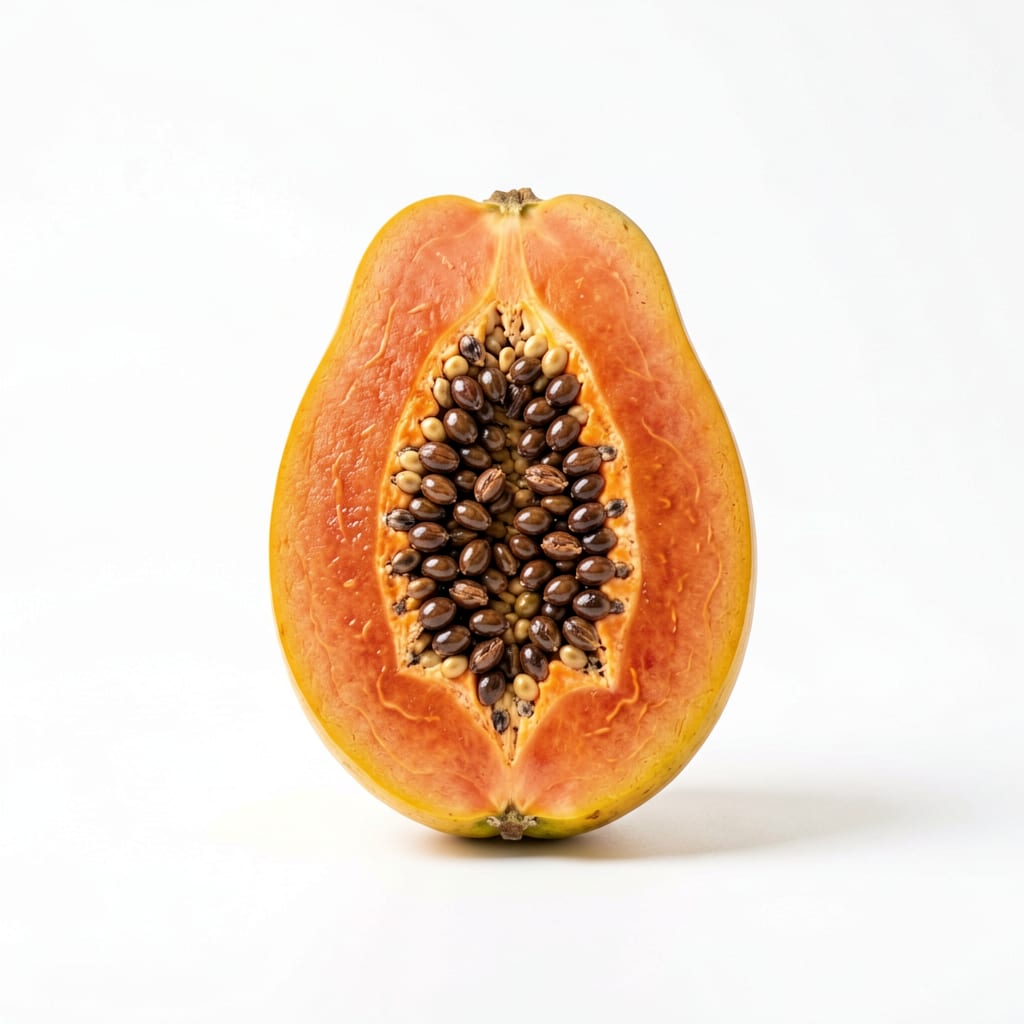
Papaya
Papaya wins for daily eating, digestion, and vitamin A. Cherimoya wins for B-vitamins, potassium, and indulgent satisfaction. They serve different purposes.
Papaya scores higher due to broader availability, lower sugar load, superior vitamin A content, and digestive enzyme benefits. Cherimoya is nutritionally impressive but heavier in calories and carbs, with safety concerns around its seeds that slightly reduce its score.
Papaya is the practical digestive ally you can eat every day. Cherimoya is the nutrient-dense treat that feels like dessert but demands caution with seeds and portion control.
At a glance
Executive summary
Overall
It depends
Healthier
Papaya
More practical
Papaya
Daily use
Papaya
Key comparison lenses
digestive health
Papaya's papain enzyme is legendary for digestion, while cherimoya offers strong fiber support — a clear tradeoff in how each fruit aids gut health
nutrient density comparison
These fruits shine in completely different vitamin lanes: papaya dominates vitamin A and C, cherimoya leads in B6 and potassium
blood sugar management
Cherimoya is sweeter and higher in carbs, making glycemic impact a real concern for many users comparing these two
safety and allergies
Cherimoya seeds contain toxic alkaloids, and papaya carries latex-fruit syndrome risk — both have non-trivial safety considerations
everyday practicality
Papaya is widely available year-round; cherimoya is seasonal, fragile, and expensive — accessibility matters for daily use
Best choice for
Cherimoya
- B-vitamin support and energy metabolism
- Potassium replenishment after exercise
- Satisfying a sweet craving with whole food instead of dessert
- Antioxidant variety through acetogenins
Papaya
- Digestive issues and enzyme support
- Vitamin A and C immune boosting
- Low-calorie snacking and weight management
- Anti-inflammatory daily eating patterns
Least suitable for
Cherimoya
- Blood sugar management and diabetes
- Strict calorie-controlled diets
- Latex allergy sufferers (cross-reactivity possible)
- Budget-conscious regular consumption
Papaya
- Those seeking calorie-dense fruit for weight gain
- People with latex-fruit syndrome
- Anyone wanting a rich, filling snack experience
Deep comparison
Dimension by dimension
Each lens scores both foods and breaks down who each option suits.
- Dimension 1 · Priority 92Papaya
digestive_health
Cherimoya · 70Papaya · 91Papaya's papain enzyme actively breaks down protein and soothes digestion. Cherimoya relies on fiber alone, which is helpful but less targeted.
Tradeoff
Cherimoya provides more fiber for gut motility, but papaya's enzymes offer direct digestive relief that fiber cannot replicate.
Why it matters
If you struggle with bloating, heavy meals, or protein digestion, papaya feels like a natural remedy. Cherimoya is more of a gentle fiber contributor.
Real-world impact
Eating papaya after a heavy dinner can reduce that stuffed feeling within 30 minutes. Cherimoya supports regularity over days, not minutes.
Cherimoya
- Promoting regular bowel movements through higher fiber
- Supporting gut microbiome diversity with prebiotic fiber
Better for
- Immediate relief from bloating or indigestion
Worse for
Papaya
- Acute digestive discomfort after protein-heavy meals
- Reducing bloating and gas quickly
- People with low stomach acid who need enzymatic help
Better for
- Long-term gut regularity from substantial fiber intake
Worse for
- Dimension 2 · Priority 88It depends
vitamin_and_mineral_profile
Cherimoya · 78Papaya · 82Papaya dominates vitamins A and C. Cherimoya leads in vitamin B6 and potassium. They complement rather than compete.
Tradeoff
You get immune and skin support from papaya's vitamin A, but cherimoya delivers more energy-metabolism support through B6 and electrolyte balance through potassium.
Why it matters
Your choice should reflect what your diet currently lacks. Most people get enough B6 but fall short on vitamin A, giving papaya a slight edge for common deficiencies.
Real-world impact
Papaya helps with night vision, skin clarity, and immune resilience. Cherimoya helps with energy dips, muscle cramps, and nerve function.
Cherimoya
- Active individuals needing potassium for muscle recovery
- People with low B6 intake from limited animal protein
Better for
- Vitamin A deficiency concerns
Worse for
Papaya
- Immune support during cold season
- Skin health and wound healing
- Eye health and night vision
Better for
- Potassium replenishment after heavy sweating
Worse for
- Dimension 3 · Priority 85Papaya
blood_sugar_impact
Cherimoya · 55Papaya · 78Papaya has roughly half the carbohydrates per serving and a gentler glycemic effect. Cherimoya's sweetness comes with a real sugar load.
Tradeoff
Cherimoya tastes richer and more satisfying but can spike blood sugar more noticeably. Papaya is safer for steady energy but less indulgent.
Why it matters
For prediabetics, diabetics, or anyone avoiding afternoon energy crashes, papaya is clearly the safer daily choice.
Real-world impact
A cherimoya can deliver 20+ grams of sugar in one sitting — comparable to a candy bar's impact on blood sugar. Papaya keeps you steadier.
Cherimoya
- Athletes needing quick carbohydrate fuel before or after training
Better for
- Afternoon energy crashes from sugar spikes
- Blood sugar management for diabetics
Worse for
Papaya
- Stable energy without sugar crashes
- Diabetes-friendly fruit choice
- Weight management through lower calorie density
Better for
- Situations demanding quick, dense caloric fuel
Worse for
- Dimension 4 · Priority 80Papaya
antioxidant_and_anti_inflammatory_value
Cherimoya · 72Papaya · 84Papaya delivers lycopene, beta-carotene, and vitamin C — a triple-threat against inflammation. Cherimoya offers acetogenins but with less research backing.
Tradeoff
Papaya's antioxidants are well-studied and proven. Cherimoya's acetogenins are promising but emerging science, not yet confirmed in human trials.
Why it matters
If you are eating for long-term disease prevention, papaya's lycopene and beta-carotene have stronger evidence for reducing cancer and heart disease risk.
Real-world impact
Regular papaya consumption correlates with lower inflammatory markers in studies. Cherimoya likely helps too, but the evidence is thinner.
Cherimoya
- Unique acetogenin compounds with potential anti-cancer properties
- Antioxidant diversity beyond the usual carotenoids
Better for
- Limited human clinical evidence for its unique compounds
Worse for
Papaya
- Proven lycopene benefits for prostate and heart health
- Beta-carotene for immune and skin protection
- Well-established anti-inflammatory evidence
Better for
- Less variety in rare or novel antioxidant compounds
Worse for
- Dimension 5 · Priority 75Cherimoya
satiety_and_eating_experience
Cherimoya · 82Papaya · 65Cherimoya's creamy, custard-like texture makes it deeply satisfying — it feels like eating dessert. Papaya is lighter and more refreshing but less filling.
Tradeoff
Cherimoya satisfies cravings more effectively but is easier to overeat. Papaya is lighter and harder to overconsume but may leave you wanting more.
Why it matters
If emotional eating or dessert replacement is your goal, cherimoya is unmatched among fruits. For controlled portions, papaya is safer.
Real-world impact
One cherimoya can replace ice cream cravings entirely. Papaya is better when you want something light after a meal without feeling heavy.
Cherimoya
- Replacing high-calorie desserts with a whole-food alternative
- Feeling satisfied and full from a single serving of fruit
- Emotional eaters seeking indulgence without junk food
Better for
- Risk of overeating due to high palatability and calorie density
Worse for
Papaya
- Light snacking without feeling heavy afterward
- Controlling portions naturally through lower calorie density
Better for
- May not satisfy sweet cravings adequately
Worse for
- Dimension 6 · Priority 75Papaya
availability_and_practicality
Cherimoya · 45Papaya · 85Papaya is available year-round in most grocery stores at reasonable prices. Cherimoya is seasonal, fragile, expensive, and hard to find outside specialty markets.
Tradeoff
Cherimoya is a rare treat worth seeking out. Papaya is a reliable staple you can count on any week of the year.
Why it matters
The best fruit for you is the one you can actually buy and eat consistently. Papaya wins on sustainability of habit.
Real-world impact
You can build a daily papaya habit for under $3. Cherimoya might cost $6-10 per fruit and be unavailable for months.
Cherimoya
- Special occasion fruit experiences
- Farmers market and specialty shopping enthusiasts
Better for
- Frustration from limited availability and high cost
Worse for
Papaya
- Consistent weekly grocery shopping
- Budget-friendly fruit consumption
- Building long-term healthy eating habits
Better for
- Lack of novelty and excitement in fruit choices
Worse for
Timeline
Health impact over time
Short-term
Hours to days
Cherimoya
- Quick energy boost from natural sugars and carbohydrates
- Immediate satisfaction of sweet cravings without processed food
- Mild digestive support from fiber content
Papaya
- Noticeable reduction in bloating after protein-rich meals
- Gentle, light feeling in the stomach without heaviness
- Quick hydration from high water content
Long-term
Months to years
Cherimoya
- Sustained B6 intake supports nervous system health and mood regulation
- Potassium contribution helps maintain healthy blood pressure over time
- Risk of excess calorie intake if consumed frequently without portion awareness
Papaya
- Consistent lycopene and beta-carotene intake reduces chronic disease risk
- Regular digestive enzyme support may improve protein absorption long-term
- Lower calorie load supports sustainable weight management
Risk profile
Safety & processing
Both cherimoya and papaya are whole, unprocessed fruits eaten in their natural state. Neither carries additive concerns when consumed fresh. The only processing consideration is that papaya is more commonly available dried or canned in syrup, which would change its nutritional profile significantly.
Cherimoya
Toxic seed alkaloids
highCherimoya seeds contain annonacin and other alkaloids that are neurotoxic. Seeds must never be eaten or blended. Skin should also be avoided.
Overconsumption calorie load
mediumA single cherimoya can exceed 200 calories with significant sugar. Daily consumption without portion control may contribute to weight gain.
Papaya
Latex-fruit syndrome cross-reactivity
mediumPeople with latex allergies may react to papaya due to similar proteins. Symptoms range from mouth itching to anaphylaxis in severe cases.
Unripe papaya latex concerns
mediumUnripe papaya contains high levels of papaya latex which can stimulate uterine contractions. Pregnant women should avoid unripe papaya.
Who wins for whom
Audience fit
Same foods, different winners depending on your goal.
children
PapayaPapaya is easier to portion, gentler on blood sugar, and has no toxic seeds that could accidentally be consumed. Cherimoya's seed risk requires vigilant adult supervision.
daily consumption
PapayaPapaya's lower calorie density, broader availability, digestive benefits, and safety profile make it sustainable as a daily fruit. Cherimoya is better as an occasional treat.
diabetes
PapayaPapaya's lower carbohydrate content and gentler blood sugar impact make it the safer choice. Cherimoya's sugar load requires careful portion control that most diabetics should avoid managing.
elderly
PapayaPapaya's digestive enzymes help with the common age-related decline in stomach acid and protein digestion. Its soft texture is also easy to eat. Cherimoya's neurotoxic seed risk is more concerning for those with cognitive decline.
muscle gain
CherimoyaCherimoya provides more carbohydrates for glycogen replenishment and more potassium for muscle recovery, making it a better post-workout fruit choice.
weight loss
PapayaPapaya has roughly half the calories per serving, lower sugar, and higher water content, making it far easier to fit into a calorie-controlled eating plan.
Your move
Decision guide
Choose Cherimoya
- You want a dessert-like fruit experience without eating actual dessert
- You need potassium and B6 more than vitamin A and C
- You are an active person who burns through carbohydrates easily
- You can find fresh cherimoya and are careful about removing all seeds
Choose Papaya
- You want a daily fruit that supports digestion and immunity consistently
- You are watching your weight, blood sugar, or calorie intake
- You eat protein-heavy meals and need digestive support
- You want reliable availability at regular grocery stores year-round
Either works if
- You want tropical fruit variety and can rotate both seasonally
- You have no blood sugar concerns, latex allergies, or pregnancy considerations
- You are simply looking to eat more whole fruit and both sound appealing
Avoid both if
- You have a latex allergy, as both fruits carry cross-reactivity risk
- You are on a very low-carb or ketogenic diet, as neither fits carb restrictions
- You have fructose intolerance or malabsorption issues
Final recommendation
Make papaya your everyday tropical fruit for its digestive benefits, lower sugar, and reliable availability. Save cherimoya for when you want something special — it is an extraordinary eating experience and a nutrient powerhouse, but its calorie density, sugar content, and seed toxicity make it better as a weekly or occasional choice rather than a daily habit.
Practical
Consumer tips
- 1
Never blend or eat cherimoya seeds — they contain neurotoxic compounds that are not destroyed by blending or cooking
- 2
Choose papaya with orange-red skin that yields slightly to pressure for the sweetest flavor and best enzyme activity
- 3
Cherimoya ripens quickly at room temperature; refrigerate once soft and eat within 1-2 days for best quality
- 4
If you have a latex allergy, test papaya with a small bite first and monitor for mouth itching or swelling
- 5
Half a cherimoya is usually the right portion — a whole one delivers more sugar and calories than most people expect from fruit
- 6
Papaya seeds are edible and have a peppery flavor — some people use them as a parasite cleanse, though evidence is limited
- 7
Frozen cherimoya pulp can be a more affordable and available alternative to fresh, though texture changes