
Nutrition comparison
Cherimoya vs Avocado: Nutrition, Sugar, and Health Compared
Cherimoya vs Avocado: Discover which fruit is better for weight loss, blood sugar, and daily health. Compare healthy fats, sugar content, and safety risks.
Overall winner · Avocado
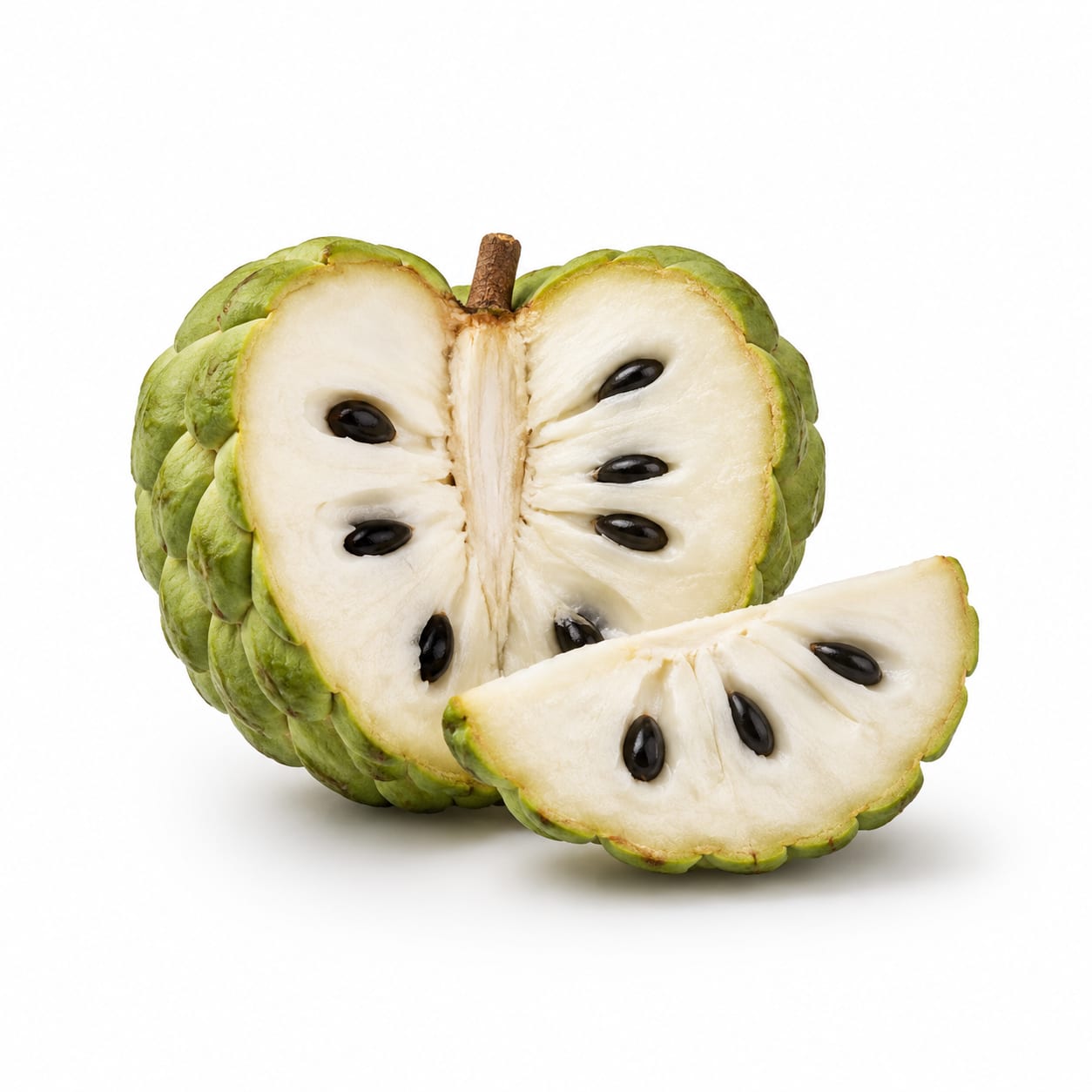
Cherimoya
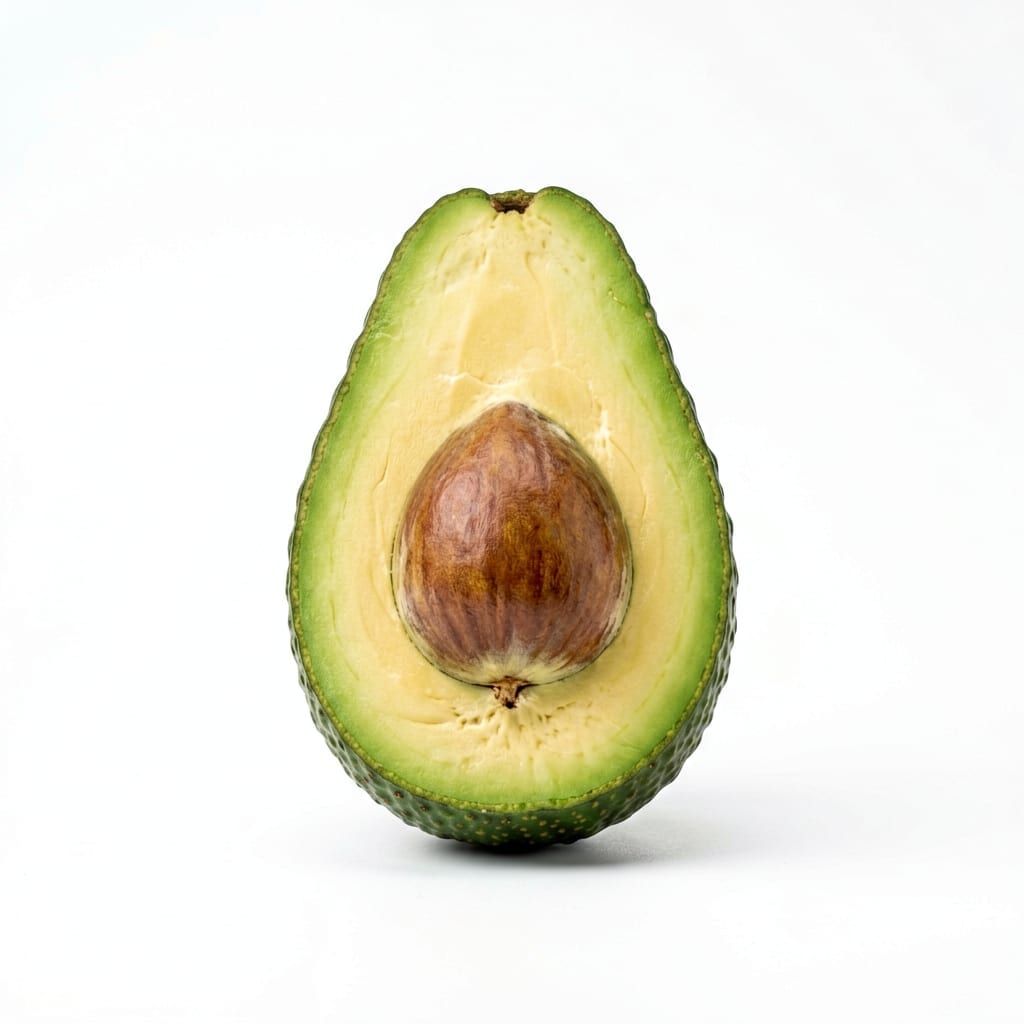
Avocado
Avocado is a daily nutritional powerhouse with healthy fats and steady energy, while Cherimoya is a sweet tropical treat best enjoyed in moderation.
Avocado scores significantly higher due to its superior fat profile, blood sugar stability, and daily versatility. Cherimoya is nutritious but its high sugar content and trace toxin concerns limit its everyday practicality.
Sweet, carb-heavy energy versus filling, fat-fueled sustenance.
At a glance
Executive summary
Overall
Avocado
Healthier
Avocado
More practical
Avocado
Daily use
Avocado
Key comparison lenses
Sugar vs Fat energy sources
Cherimoya is a high-sugar fruit while Avocado is a high-fat fruit, making their energy profiles complete opposites.
Satiety and weight management
Avocado's fat and fiber provide long-lasting fullness, whereas Cherimoya digests quickly like most sweet fruits.
Neurotoxin safety
Cherimoya contains annonacin in its seeds and skin, requiring careful preparation, while Avocado is relatively foolproof.
Daily dietary versatility
Avocado fits seamlessly into savory meals and daily diets, while Cherimoya is mostly a sweet standalone treat.
Best choice for
Cherimoya
- Satisfying a sweet tooth naturally
- Pre-workout quick energy
- Vitamin C boost
Avocado
- Steady all-day energy
- Heart-healthy fat intake
- Low-carb and keto diets
Least suitable for
Cherimoya
- Strict low-carb diets
- People managing blood sugar spikes
- Those concerned about annonacin exposure
Avocado
- Quick energy needs during endurance sports
- Very low-fat diets
Deep comparison
Dimension by dimension
Each lens scores both foods and breaks down who each option suits.
- Dimension 1 · Priority 95Avocado
Satiety & Fullness
Cherimoya · 40Avocado · 95Avocado keeps you full for hours thanks to its high fat and fiber content, whereas Cherimoya digests quickly like most sweet fruits.
Tradeoff
You trade long-lasting fullness for a quick, sweet energy boost.
Why it matters
Staying full helps control overall calorie intake and prevents snacking.
Real-world impact
An avocado at lunch prevents the 3 PM crash; a cherimoya might leave you hungry an hour later.
Cherimoya
- Quick digestion before intense exercise
Better for
- Controlling appetite
- Avoiding blood sugar dips
Worse for
Avocado
- Weight management
- Reducing between-meal snacking
Better for
- Eating when you need something light
Worse for
- Dimension 2 · Priority 90Avocado
Blood Sugar & Energy Stability
Cherimoya · 35Avocado · 92Cherimoya is sugar-dense and can spike blood glucose, while Avocado provides near-zero sugar and stabilizes blood sugar with fat and fiber.
Tradeoff
Immediate fruit sugar energy versus slow-burning, crash-free fuel.
Why it matters
Blood sugar spikes lead to energy crashes and increased cravings.
Real-world impact
Cherimoya can give you a quick lift but a subsequent slump; Avocado delivers steady energy without the rollercoaster.
Cherimoya
- Quick carb replenishment after a workout
Better for
- Diabetes management
- Sustained focus
Worse for
Avocado
- Managing insulin resistance
- Avoiding afternoon fatigue
Better for
- Rapid glycogen restoration
Worse for
- Dimension 3 · Priority 85Avocado
Heart Health & Fats
Cherimoya · 45Avocado · 95Avocado is loaded with heart-protective monounsaturated fats, while Cherimoya offers almost no fat.
Tradeoff
Heart-healthy fats versus fat-free sweetness.
Why it matters
Monounsaturated fats actively lower bad cholesterol and reduce cardiovascular risk.
Real-world impact
Regular avocado consumption supports long-term heart health in a way Cherimoya cannot match.
Cherimoya
- Low-fat diet requirements
Better for
- Meeting healthy fat needs
Worse for
Avocado
- Cardiovascular protection
- Lowering LDL cholesterol
Better for
- Strict low-fat medical protocols
Worse for
- Dimension 4 · Priority 75It depends
Micronutrient Profile
Cherimoya · 78Avocado · 80Cherimoya shines with Vitamin C and B6, while Avocado dominates in Potassium, Folate, and Vitamin E.
Tradeoff
Immune-boosting water-soluble vitamins versus electrolytes and fat-soluble vitamins.
Why it matters
Different vitamins serve different critical functions in the body.
Real-world impact
Cherimoya helps ward off colds and supports energy metabolism; Avocado aids in hydration, cell repair, and nutrient absorption.
Cherimoya
- Immune support
- Vitamin C intake
Better for
- Potassium intake
- Vitamin E
Worse for
Avocado
- Electrolyte balance
- Absorbing fat-soluble vitamins
Better for
- Vitamin C needs
Worse for
- Dimension 5 · Priority 80Avocado
Safety & Toxin Exposure
Cherimoya · 55Avocado · 90Cherimoya contains annonacin in its skin and seeds, a neurotoxin that requires careful preparation, while Avocado is highly safe with only a pit and skin to avoid.
Tradeoff
A fruit requiring careful toxin avoidance versus a relatively foolproof one.
Why it matters
Accidental ingestion of Cherimoya seeds or skin can pose neurological risks over time.
Real-world impact
You must meticulously avoid Cherimoya seeds and skin, whereas Avocado prep is straightforward and low-risk.
Cherimoya
- Variety in fruit intake when properly prepared
Better for
- Careless prep habits
- Children preparing their own snacks
Worse for
Avocado
- Worry-free food preparation
- Long-term neurological safety
Better for
- Very rare latex allergy cross-reactivity
Worse for
Timeline
Health impact over time
Short-term
Hours to days
Cherimoya
- Quick energy surge from natural sugars
- Immediate satiation of sweet cravings
Avocado
- Prolonged feeling of fullness
- Stable energy without a sugar rush
Long-term
Months to years
Cherimoya
- Potential blood sugar dysregulation if overconsumed
- Trace annonacin exposure if flesh is not kept strictly away from seeds/skin
Avocado
- Improved cardiovascular markers
- Better weight management due to high satiety
Risk profile
Safety & processing
Both Cherimoya and Avocado are whole, unprocessed foods eaten in their natural state, making them both excellent choices for avoiding artificial additives.
Cherimoya
Annonacin neurotoxin exposure
mediumSeeds and skin contain annonacin, which is linked to neurodegenerative issues. Flesh is generally safe but can be contaminated if cut improperly.
Rapid spoilage
lowCherimoya bruises and spoils quickly once ripe, requiring prompt consumption.
Avocado
Latex-fruit syndrome allergy
lowSome individuals with latex allergies may react to avocados.
Choking hazard from pit
lowThe large pit can be a choking hazard for small children if not removed promptly.
Who wins for whom
Audience fit
Same foods, different winners depending on your goal.
children
AvocadoAvocado is a safe, mild, and brain-healthy food for kids; Cherimoya's toxic seeds require strict adult supervision during preparation.
daily consumption
AvocadoAvocado is a staple that supports daily heart and metabolic health, while Cherimoya is better as an occasional treat due to sugar content and prep risks.
diabetes
AvocadoAvocado has negligible sugar and prevents glucose spikes, whereas Cherimoya's high carbohydrate content can destabilize blood sugar.
elderly
AvocadoAvocado supports heart health and is easy to digest, while Cherimoya's annonacin risk is particularly concerning for aging nervous systems.
muscle gain
It dependsCherimoya offers quick carbs for glycogen replenishment post-workout, while Avocado provides calories and healthy fats for hormone production; both fit different phases of muscle gain.
weight loss
AvocadoAvocado's high fat and fiber content dramatically increases satiety, making it easier to eat less overall compared to Cherimoya's sugar-driven appetite.
Your move
Decision guide
Choose Cherimoya
- You need quick, natural carbs for athletic performance
- You are craving a sweet, dessert-like whole fruit
- You want a boost in Vitamin C and B6
Choose Avocado
- You want lasting energy without a sugar crash
- Heart health and healthy fat intake are priorities
- You need a filling food to manage your appetite
Either works if
- You want a whole-food snack free of artificial ingredients
- You are looking to increase your potassium intake
Avoid both if
- You are on a strict calorie-restricted diet and cannot afford calorie-dense foods
- You have specific allergies to either fruit
Final recommendation
Make Avocado your daily staple for fats, fiber, and steady energy. Enjoy Cherimoya occasionally as a sweet treat, but always prepare it carefully to avoid the toxic seeds and skin.
Practical
Consumer tips
- 1
When preparing Cherimoya, never blend or cut through the seeds; scoop the flesh out carefully and discard the skin and seeds immediately.
- 2
Squeeze lemon juice on cut Cherimoya to prevent browning if not eating immediately.
- 3
If your Avocado isn't ripe, store it in a paper bag with a banana to speed up the process.
- 4
Mash Avocado with a little salt and lime as a quick, filling snack on whole-grain toast.