
Nutrition comparison
Cherimoya vs Guava: Which Tropical Fruit Is Healthier?
Compare cherimoya and guava on nutrition, sugar, fiber, and safety. Guava wins for daily health with more vitamin C and fiber, while cherimoya offers a creamy dessert-like experience.
Overall winner · Guava
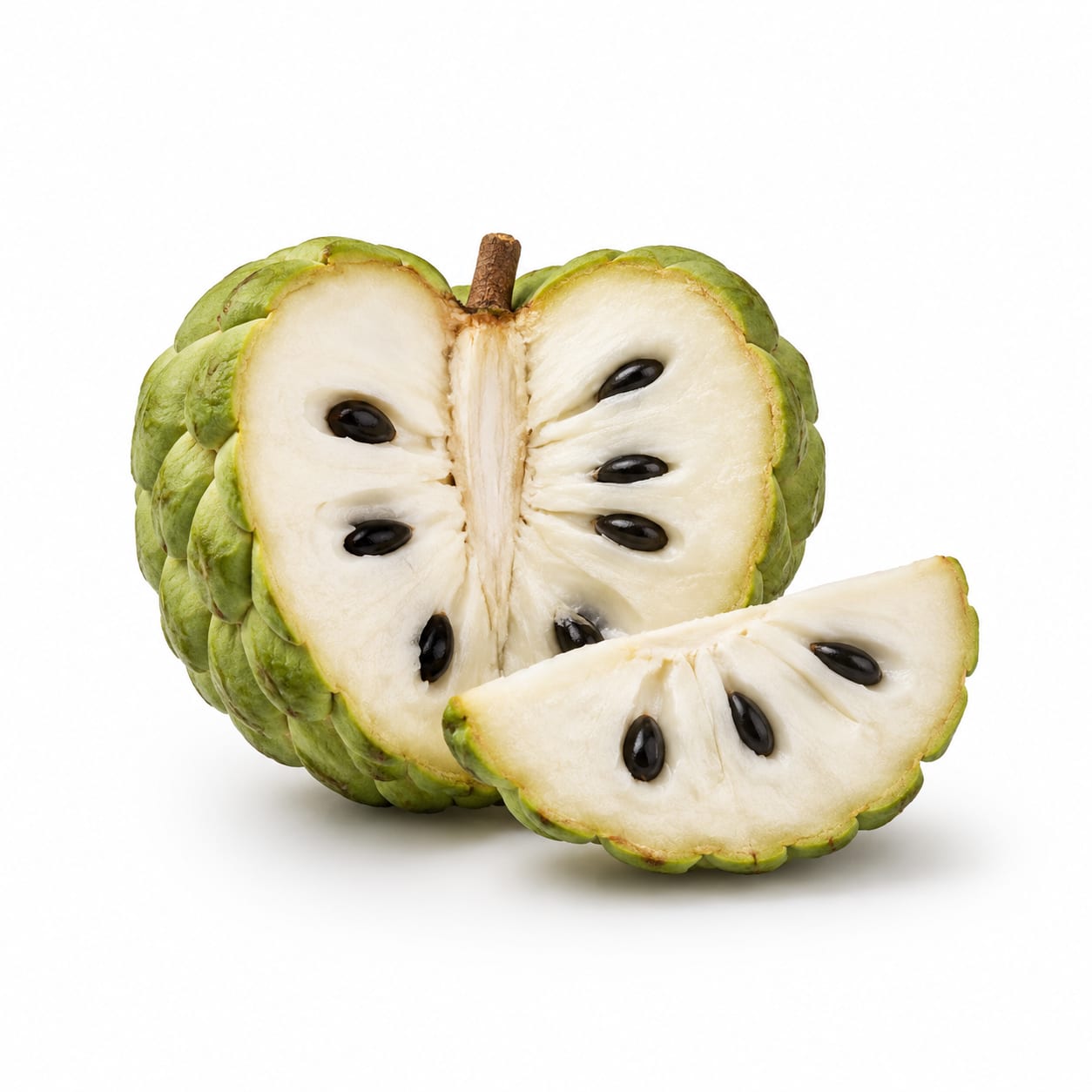
Cherimoya
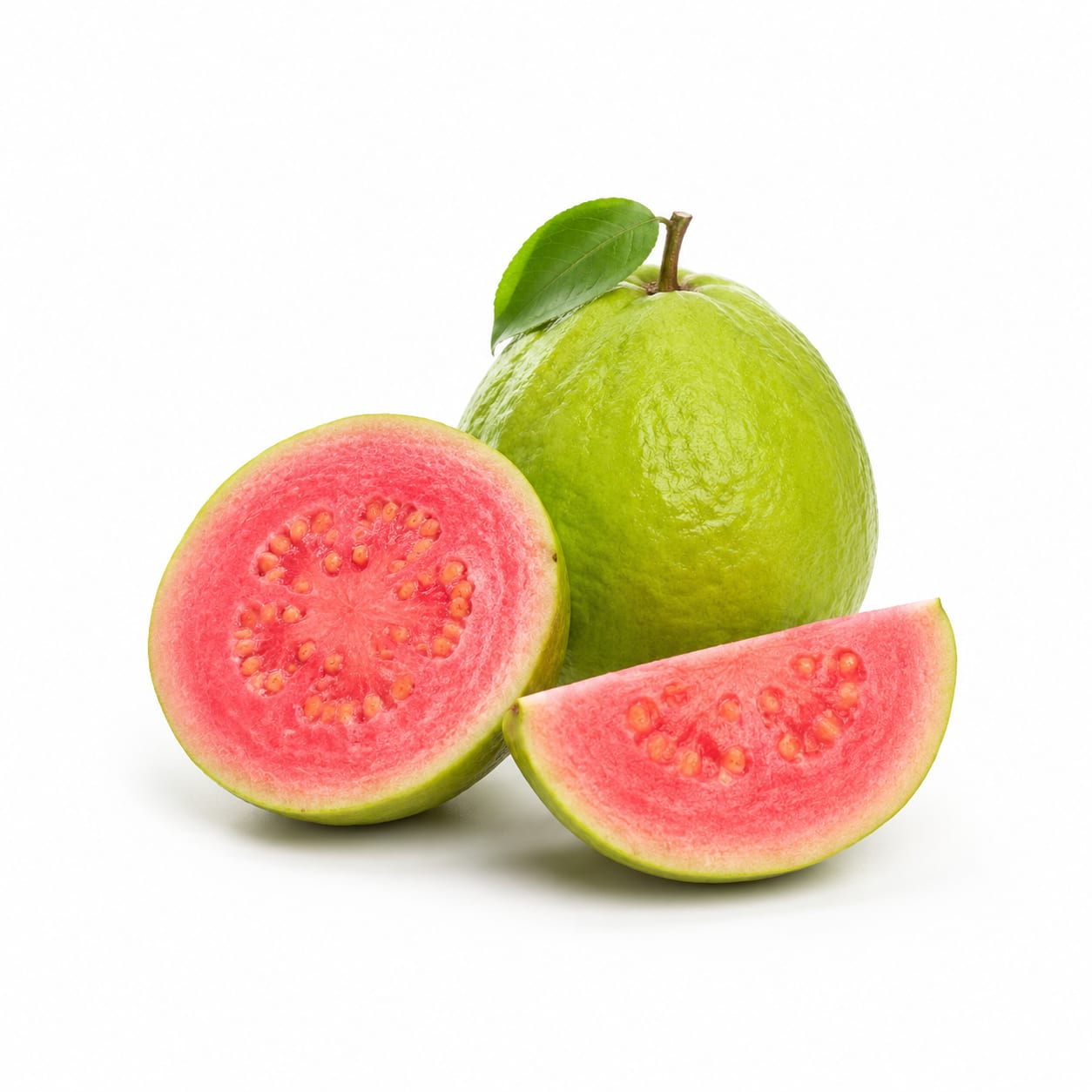
Guava
Guava wins on nutrient density, fiber, and blood sugar friendliness, while Cherimoya offers a creamier, more indulgent eating experience with higher calories and sugar.
Guava scores significantly higher due to its exceptional nutrient density, fiber content, and blood sugar profile. Cherimoya is enjoyable and offers real nutritional value, but its higher sugar, lower fiber, and seed toxicity concern pull its score down for regular use.
Cherimoya delivers a dessert-like tropical experience but with more sugar and a rare safety caveat; Guava is the everyday nutritional powerhouse with far more vitamin C and fiber per calorie.
At a glance
Executive summary
Overall
Guava
Healthier
Guava
More practical
Guava
Daily use
Guava
Key comparison lenses
nutrient density comparison
Guava is one of the most nutrient-dense fruits available, while Cherimoya offers different nutritional strengths, making density a key differentiator
sugar and blood sugar impact
Cherimoya is significantly sweeter and higher in sugar, which matters for diabetes risk and energy stability
safety and toxicity concerns
Cherimoya seeds and skin contain annonacin, a neurotoxic compound, which is a rare but important safety distinction
weight management suitability
Large calorie and fiber differences make these two fruits very different for satiety and weight goals
practical availability and convenience
Guava is more widely available and easier to store, while Cherimoya is fragile and seasonal
Best choice for
Cherimoya
- People wanting a creamy, satisfying tropical treat
- Those seeking calorie-dense fruit for weight gain or high energy needs
- Anyone looking for vitamin B6 and potassium in fruit form
- Adventurous eaters exploring exotic flavors
Guava
- People prioritizing immune support and vitamin C intake
- Anyone managing blood sugar or watching their weight
- Those wanting maximum fiber and satiety from fruit
- Daily fruit eaters who want consistent nutrition per calorie
Least suitable for
Cherimoya
- People with diabetes or insulin resistance
- Anyone strictly managing calorie intake
- Those concerned about neurotoxic compound exposure from seeds
- People who need easily available, store-and-go fruit
Guava
- People who dislike tart or astringent flavors
- Those wanting a rich, creamy dessert-like fruit experience
- Anyone needing high-calorie fruit for energy surplus
Deep comparison
Dimension by dimension
Each lens scores both foods and breaks down who each option suits.
- Dimension 1 · Priority 95Guava
Vitamin C and Immune Support
Cherimoya · 32Guava · 98Guava is one of the richest vitamin C sources on the planet, delivering roughly 4-5 times more than Cherimoya per serving.
Tradeoff
Cherimoya provides modest vitamin C, but you would need to eat multiple servings to match even a small guava.
Why it matters
Vitamin C is critical for immune function, skin health, and iron absorption. Guava covers your daily needs in a single fruit.
Real-world impact
One guava at breakfast essentially covers your entire daily vitamin C requirement. Cherimoya would leave you needing other sources.
Cherimoya
- Anyone relying on fruit as their primary vitamin C source
Worse for
Guava
- Immune support during cold season
- Skin health and collagen production
- Iron absorption when eaten with iron-rich meals
Better for
- Dimension 2 · Priority 90Guava
Fiber and Digestive Health
Cherimoya · 40Guava · 92Guava delivers roughly 3 times more fiber than Cherimoya, especially if you eat the seeds, making it far superior for digestion and fullness.
Tradeoff
Cherimoya's creamy texture comes from lower fiber content, which makes it easier to eat but less filling and less gut-friendly.
Why it matters
Fiber controls hunger, stabilizes blood sugar, feeds gut bacteria, and supports regular digestion.
Real-world impact
A guava with seeds keeps you full for hours. Cherimoya digests quickly and may leave you hungry sooner.
Cherimoya
- People needing high-fiber diets for cholesterol or gut health
Worse for
Guava
- Managing hunger between meals
- Supporting healthy gut bacteria
- Preventing blood sugar spikes
- Improving digestive regularity
Better for
- Dimension 3 · Priority 88Guava
Sugar Content and Blood Sugar Impact
Cherimoya · 35Guava · 82Cherimoya contains roughly twice the sugar of guava with less fiber to slow absorption, making it a tougher fit for blood sugar management.
Tradeoff
The sugar is what makes Cherimoya taste like custard, but it comes at a metabolic cost that guava largely avoids.
Why it matters
High-sugar, low-fiber fruit combinations spike blood sugar and can trigger cravings, energy crashes, and insulin resistance over time.
Real-world impact
Cherimoya can feel like eating a natural dessert. Guava feels more like a light, energizing snack that will not crash your afternoon.
Cherimoya
- Endurance athletes needing quick sugar fuel
Better for
- Anyone monitoring blood sugar closely
Worse for
Guava
- Prediabetes or diabetes management
- Steady energy without afternoon crashes
- Reducing sugar cravings overall
- Keto-adjacent or low-sugar eating styles
Better for
- Dimension 4 · Priority 82Guava
Calorie Density and Weight Management
Cherimoya · 38Guava · 85Guava provides far more nutrition per calorie, making it a better choice for weight management. Cherimoya is roughly twice as calorie-dense.
Tradeoff
Cherimoya's calories come with a satisfying creaminess that feels more like a meal, but you get less nutritional return per bite.
Why it matters
When managing weight, foods that deliver high nutrients with low calories help you eat well without overconsuming.
Real-world impact
You can eat two guavas for fewer calories than one cherimoya, and walk away more full and better nourished.
Cherimoya
- Underweight individuals needing calorie surplus
- Active people wanting calorie-dense natural food
Better for
- Calorie-restricted diets
Worse for
Guava
- Weight loss or maintenance goals
- Volume eating strategies
- Controlling calorie intake without feeling deprived
Better for
- Those who genuinely need more calories from fruit
Worse for
- Dimension 5 · Priority 85Guava
Safety and Toxicity
Cherimoya · 55Guava · 90Cherimoya seeds and skin contain annonacin, a neurotoxic compound linked to brain health concerns with repeated exposure. Guava has no such risk.
Tradeoff
The flesh of Cherimoya is safe when seeds and skin are avoided, but the risk requires conscious handling that guava does not demand.
Why it matters
Annonacin has been associated with Parkinson-like symptoms in populations consuming it regularly. Even small, accidental seed consumption matters over time.
Real-world impact
Eating Cherimoya means carefully avoiding seeds every time. Guava seeds are not only safe but nutritionally beneficial.
Cherimoya
- Careless eaters or children who might swallow seeds
- People with family history of Parkinson's disease
Worse for
Guava
- Families with children who might not separate seeds carefully
- Daily fruit consumers wanting zero toxicity concerns
- Anyone with neurological conditions being cautious
Better for
- Dimension 6 · Priority 70Cherimoya
Eating Experience and Satisfaction
Cherimoya · 88Guava · 62Cherimoya offers a uniquely creamy, custard-like texture that feels indulgent and dessert-like. Guava is more straightforward and can be tart or astringent.
Tradeoff
Cherimoya is the fruit you serve to impress. Guava is the fruit you eat daily for health. Different roles entirely.
Why it matters
Enjoyment drives long-term dietary habits. A fruit that feels like a treat can replace less healthy desserts.
Real-world impact
Cherimoya can replace ice cream cravings. Guava replaces a vending machine snack. Both are wins, but different wins.
Cherimoya
- Replacing high-calorie desserts with something natural
- Special occasion fruit experiences
- Anyone who finds most fruit unsatisfying
Better for
Guava
- Quick, no-prep snacking
- Refreshing light eating on hot days
Better for
- People who find tart fruit unpleasant
Worse for
- Dimension 7 · Priority 75Guava
Antioxidant Diversity
Cherimoya · 58Guava · 86Guava provides a broader antioxidant profile including lycopene in pink varieties, while Cherimoya offers some antioxidants but less variety and total impact.
Tradeoff
Both fruits contribute antioxidants, but guava's lycopene content gives it a unique protective edge for heart and prostate health.
Why it matters
Diverse antioxidant intake protects against cellular damage, inflammation, and chronic disease over decades.
Real-world impact
Regular guava consumption adds a meaningful lycopene source typically only found in tomatoes and watermelon.
Cherimoya
Guava
- Heart health protection
- Anti-inflammatory diets
- Prostate health in men
- Long-term cellular protection
Better for
Timeline
Health impact over time
Short-term
Hours to days
Cherimoya
- Quick energy from natural sugars but possible blood sugar spike
- Moderate fullness that fades faster than fiber-rich fruit
- Soothing creamy texture that feels comforting to eat
Guava
- Sustained energy without the sugar crash
- Noticeable fullness from high fiber content, especially with seeds
- Immediate vitamin C boost supporting immune function
Long-term
Months to years
Cherimoya
- Potential concern if seeds are regularly ingested due to annonacin exposure
- Higher cumulative sugar intake if eaten frequently
- Decent potassium and B6 contribution to cardiovascular health
Guava
- Stronger immune resilience from consistent vitamin C intake
- Better digestive health and gut microbiome support from fiber
- Lycopene-driven protection against heart disease and certain cancers
- Improved blood sugar regulation with regular consumption
Risk profile
Safety & processing
Both fruits are whole, unprocessed foods eaten in their natural state. Neither carries additive concerns when consumed fresh.
Cherimoya
Annonacin neurotoxicity from seeds and skin
mediumCherimoya seeds and skin contain annonacin, a compound linked to neurodegenerative effects with chronic exposure. The flesh is safe, but accidental seed ingestion adds up over time. Always remove seeds and skin carefully.
Rapid spoilage and food waste
lowCherimoya ripens and spoils quickly, sometimes within a day of peak ripeness. Eating overripe fruit can cause mild digestive upset.
Guava
Pesticide residue on conventional guava
lowGuava can carry pesticide residues when conventionally grown. Washing thoroughly or choosing organic reduces this concern significantly.
Seed-related digestive discomfort in sensitive individuals
lowGuava seeds are safe and nutritious for most people, but those with diverticulitis or severe IBS may find them irritating.
Who wins for whom
Audience fit
Same foods, different winners depending on your goal.
children
GuavaGuava is safer for children since there is no seed toxicity risk. Cherimoya seeds must be meticulously removed, and children may accidentally swallow them.
daily consumption
GuavaGuava's nutrient density, safety profile, and blood sugar stability make it a reliable daily fruit. Cherimoya is better enjoyed as an occasional treat.
diabetes
GuavaGuava's low sugar and high fiber create a much gentler blood sugar response. Cherimoya's sugar content makes it a riskier choice for glucose management.
elderly
GuavaGuava's fiber supports digestive regularity in older adults, and its vitamin C aids immune function. Cherimoya's annonacin risk is more concerning for aging nervous systems.
muscle gain
It dependsNeither fruit is a protein source. Cherimoya offers slightly more calories for energy surplus, but guava's vitamin C supports collagen and tissue repair. Neither moves the needle significantly.
weight loss
GuavaGuava's high fiber and low calorie density make it far more supportive of weight loss. You get more food volume and satiety per calorie.
Your move
Decision guide
Choose Cherimoya
- You want a luxurious, dessert-like fruit experience
- You are at a healthy weight and not concerned about sugar intake
- You can reliably remove all seeds and skin before eating
- You need calorie-dense natural food for energy or weight gain
Choose Guava
- You want maximum nutrition per calorie from your fruit
- You are managing blood sugar, weight, or both
- You eat fruit daily and want something sustainable long-term
- You want immune support, fiber, and antioxidants in one package
Either works if
- You simply want a whole-food tropical fruit snack
- You are eating fruit occasionally and both fit your calorie budget
- You enjoy variety and want to rotate different fruits weekly
Avoid both if
- You have a tropical fruit allergy or sensitivity
- You are on a strict very-low-carb or ketogenic diet
- You cannot access fresh tropical fruit and only find highly processed versions
Final recommendation
Make guava your everyday tropical fruit for its unmatched nutrient density, fiber, and blood sugar stability. Save cherimoya for special occasions when you want that incredible custard-like experience, but always remove seeds and skin carefully. If you can only pick one for regular eating, guava is the clear winner for health and practicality.
Practical
Consumer tips
- 1
Choose pink or red guava varieties for maximum lycopene content
- 2
When eating cherimoya, cut it open and scoop out flesh with a spoon, discarding all seeds immediately
- 3
Guava can be eaten whole including the skin and seeds for maximum fiber, but peel if you prefer milder flavor
- 4
Refrigerate ripe cherimoya immediately and consume within one to two days to avoid spoilage
- 5
Guava makes an excellent travel snack since it holds up well and requires no preparation
- 6
If cherimoya is hard when purchased, let it ripen at room temperature until it yields slightly to pressure, like an avocado
- 7
Freeze guava chunks for a refreshing hot-weather snack that requires no prep