
Nutrition comparison
Cherimoya vs Mango: Which Tropical Fruit Is Healthier?
Compare cherimoya and mango on nutrition, sugar, safety, and daily practicality. Learn which fruit fits your health goals and why cherimoya's seeds require caution.
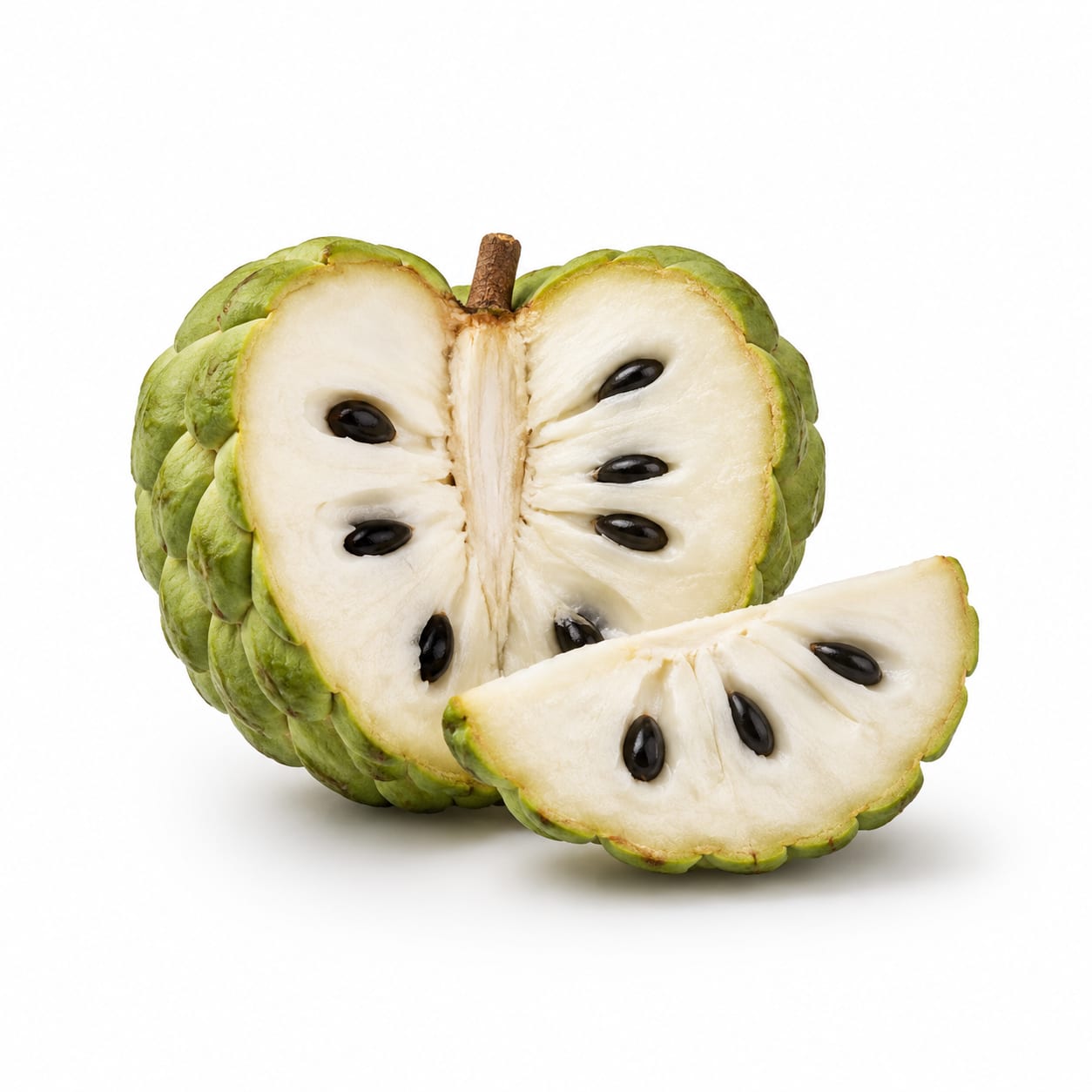
Cherimoya
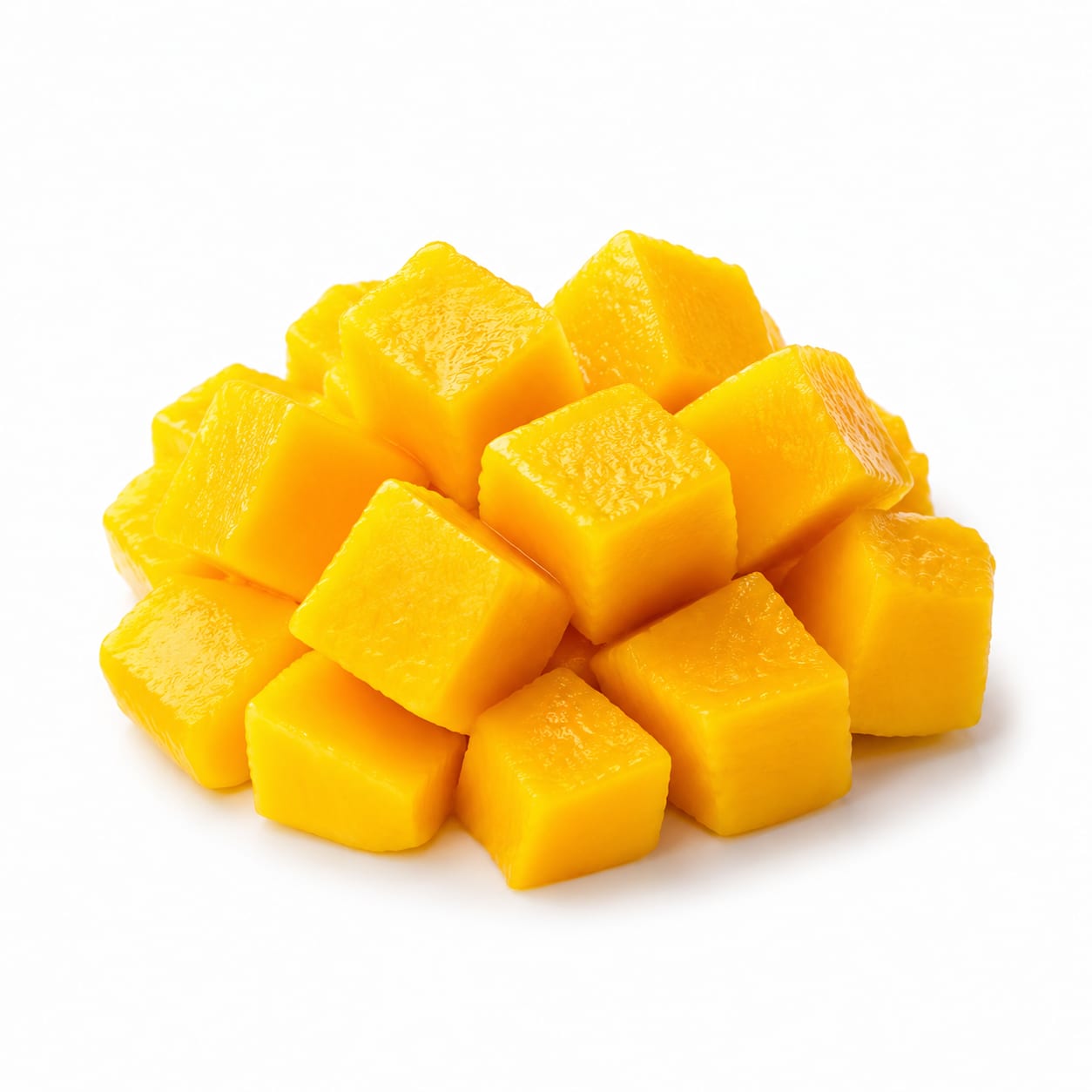
Mango
Mango is the safer, more practical daily choice with outstanding vitamin A. Cherimoya offers a richer, more filling experience with superior B-vitamins but carries a real toxicity risk if seeds are consumed.
Mango scores higher mainly on safety, availability, and daily practicality. Cherimoya earns strong marks for nutrition density and satiety but loses ground on toxicity risk and limited accessibility. The gap reflects real-world usability, not nutritional inferiority.
Cherimoya rewards you with creamier satisfaction and better B6, but demands careful seed removal and carries a small but meaningful neurotoxicity concern. Mango is simpler, sweeter, and safer for everyday eating.
At a glance
Executive summary
Overall
It depends
Healthier
It depends
More practical
Mango
Daily use
Mango
Key comparison lenses
Tropical fruit nutritional value comparison
Both are nutrient-dense tropical fruits but with very different vitamin profiles and sugar loads
Sugar content and blood sugar management
Mango is significantly sweeter and higher in sugar, making glycemic impact a key decision factor
Safety and toxicity concerns
Cherimoya contains annonacin in its seeds and skin, a compound linked to neurotoxicity risk with chronic exposure
Everyday practicality and availability
Mango is widely available year-round while cherimoya is seasonal, fragile, and harder to find
Satiety and snack satisfaction
Cherimoya's creamy custard-like texture makes it more filling per calorie than mango
Best choice for
Cherimoya
- People seeking a filling, dessert-like fruit with lower sugar
- Anyone needing more vitamin B6 for mood or energy support
- Those who enjoy rare, specialty fruits and eat mindfully
- Smoothie enthusiasts wanting creamy texture without dairy
Mango
- Families wanting a safe, kid-friendly tropical fruit
- People prioritizing vitamin A for eye and immune health
- Anyone managing blood sugar who still wants a sweet treat
- Busy people needing something portable and easy to prep
Least suitable for
Cherimoya
- Children who might accidentally eat the toxic seeds
- People with Parkinson's risk factors concerned about annonacin
- Anyone needing a grab-and-go fruit option
- Budget-conscious shoppers seeking weekly staples
Mango
- People strictly limiting sugar intake
- Those sensitive to urushiol or with mango skin allergies
- Anyone seeking a high-satiety, filling fruit snack
Deep comparison
Dimension by dimension
Each lens scores both foods and breaks down who each option suits.
- Dimension 1 · Priority 90It depends
Vitamin and Mineral Profile
Cherimoya · 82Mango · 85Mango dominates vitamin A by a huge margin. Cherimoya wins on vitamin B6 and potassium. Both deliver solid vitamin C.
Tradeoff
Choose mango for eye and immune health via beta-carotene. Choose cherimoya for brain and nerve support via B6.
Why it matters
Vitamin A deficiency is common globally, making mango a powerful corrective food. B6 supports mood and energy in ways many people lack.
Real-world impact
Eating mango regularly can visibly support night vision and skin health. Cherimoya may help with energy stability and reducing that afternoon drag.
Cherimoya
- Nerve and brain health via B6
- Blood pressure support via potassium
- Energy metabolism
Better for
- Very low vitamin A content
- Less total antioxidant diversity
Worse for
Mango
- Eye health and night vision via vitamin A
- Immune defense via beta-carotene
- Skin repair and glow
Better for
- Lower B6 for mood and energy
- Less potassium per serving
Worse for
- Dimension 2 · Priority 88Cherimoya
Sugar Content and Blood Sugar Impact
Cherimoya · 74Mango · 58Cherimoya has notably less sugar per serving than mango, making it gentler on blood sugar despite both being sweet fruits.
Tradeoff
Mango tastes sweeter and more rewarding but hits your bloodstream harder. Cherimoya satisfies with creaminess rather than sheer sweetness.
Why it matters
For anyone watching blood sugar, the difference between 17g and 28g of sugar per cup matters for energy crashes and cravings.
Real-world impact
A mango afternoon snack might leave you hungry again in an hour. Cherimoya's creaminess and lower sugar keep you steadier longer.
Cherimoya
- Steadier energy after eating
- Less likely to trigger sugar cravings
- More diabetes-friendly portion control
Better for
- Less rewarding for people craving intense sweetness
Worse for
Mango
- Quick energy before or after exercise
- Satisfies sweet tooth more intensely
Better for
- Bigger blood sugar spike risk
- Easier to overeat due to high palatability
- Less suitable for low-sugar diets
Worse for
- Dimension 3 · Priority 85Mango
Safety and Toxicity
Cherimoya · 55Mango · 82Cherimoya seeds and skin contain annonacin, a neurotoxin linked to atypical Parkinson's risk in regions where the fruit is heavily consumed. Mango skin contains urushiol but is easily avoided.
Tradeoff
Cherimoya demands careful preparation to avoid seed consumption. Mango requires only peeling to eliminate its main risk.
Why it matters
Annonacin is a cumulative neurotoxin. Even small, repeated exposures from accidentally crushed seeds could matter over years. This is not theoretical — it mirrors real epidemiological findings in Guadeloupe.
Real-world impact
If you eat cherimoya, you must be meticulous about removing every seed. With mango, just peel it and you are safe.
Cherimoya
- Flesh alone is safe and nutritious when seeds are fully removed
Better for
- Annonacin exposure risk from seeds
- Unsuitable for unsupervised children
- Requires careful prep every single time
Worse for
Mango
- No cumulative neurotoxin risk
- Safer for children who might not spit out seeds
- Skin risk is easily avoided by peeling
Better for
- Urushiol in skin can cause contact dermatitis in sensitive people
Worse for
- Dimension 4 · Priority 78Cherimoya
Satiety and Fullness
Cherimoya · 82Mango · 65Cherimoya's dense, custard-like flesh feels more like a meal than a snack. Mango is lighter and easier to keep eating.
Tradeoff
Cherimoya fills you up faster with fewer calories from sugar. Mango is more moreish — tasty but less satiating.
Why it matters
If you snack to control hunger between meals, cherimoya does the job better. Mango might leave you reaching for something else.
Real-world impact
Half a cherimoya can hold you for two hours. A whole mango might satisfy for 45 minutes before you want more.
Cherimoya
- More filling per calorie
- Creamy texture signals meal-like satisfaction
- Less likely to trigger overeating
Better for
- Heavier feel may not suit hot weather or light snacking
Worse for
Mango
- Lighter option after heavy meals
- Easier to eat in smaller portions
Better for
- Easy to overeat due to high palatability
- Less satiating per serving
Worse for
- Dimension 5 · Priority 80Mango
Availability and Practicality
Cherimoya · 40Mango · 88Mango is available in nearly every grocery store year-round. Cherimoya is seasonal, fragile, expensive, and often requires specialty shops.
Tradeoff
Mango fits seamlessly into weekly shopping. Cherimoya is more of an occasional discovery that requires effort to source and timing to catch ripe.
Why it matters
The healthiest food is the one you can actually access and eat regularly. Availability directly impacts real-world nutritional benefit.
Real-world impact
You can grab mangoes any day of the year. Cherimoya might require a farmers market trip, online order, or waiting weeks for the right season.
Cherimoya
- Specialty appeal for food enthusiasts
- Seasonal eating alignment for those who value it
Better for
- Very limited seasonal window
- Bruises easily during transport
- Often expensive per pound
- Hard to find outside specialty stores
Worse for
Mango
- Year-round grocery availability
- Affordable and consistent pricing
- Easy to find organic options
- Longer shelf life when unripe
Better for
- Less exciting or novel for adventurous eaters
Worse for
- Dimension 6 · Priority 72Mango
Digestive Health and Fiber
Cherimoya · 70Mango · 76Both fruits support digestion well. Mango edges ahead with slightly more fiber and notable digestive enzyme content.
Tradeoff
Mango offers amylase enzymes that help break down carbs, plus more fiber. Cherimoya is still solid but lacks the enzymatic boost.
Why it matters
If you struggle with bloating or heavy meals, mango's enzymes can genuinely help. Cherimoya's fiber is good but less functionally diverse.
Real-world impact
Eating mango after a heavy meal can ease that stuffed feeling. Cherimoya supports regularity but without the same digestive aid.
Cherimoya
- Good soluble fiber for gut health
- Gentle on sensitive stomachs when ripe
Better for
- No notable digestive enzyme content
Worse for
Mango
- Digestive enzymes that help break down starches
- Higher total fiber per serving
- Traditionally used for constipation relief
Better for
- Higher sugar can ferment in sensitive guts
Worse for
Timeline
Health impact over time
Short-term
Hours to days
Cherimoya
- Provides steady, creamy satisfaction without a sharp sugar rush
- B6 content may mildly support alertness and mood
- Can cause nausea if any seed content is accidentally ingested
Mango
- Delivers a quick energy boost from natural sugars
- Beta-carotene gives an immediate antioxidant infusion
- Skin contact may cause itching or rash in urushiol-sensitive people
Long-term
Months to years
Cherimoya
- Consistent B6 intake supports nervous system health over time
- Potassium contributes to long-term blood pressure management
- Chronic accidental seed exposure could pose cumulative neurotoxicity risk
Mango
- Regular vitamin A intake protects vision and immune resilience with age
- Fiber and enzymes support long-term digestive regularity
- High regular sugar intake from large portions may challenge insulin sensitivity
Risk profile
Safety & processing
Both cherimoya and mango are whole, unprocessed fruits you eat as nature intended. Neither typically contains additives when fresh. The only processing concern is frozen or dried mango products, which often add sugar or sulfites.
Cherimoya
Annonacin neurotoxicity from seeds
highCherimoya seeds contain annonacin, a neurotoxin linked to atypical Parkinsonism in populations with high consumption. Even small amounts from crushed seeds should be avoided. Never blend seeds into smoothies.
Rapid spoilage and fermentation
mediumCherimoya ferments quickly once ripe. Eating overripe fruit can cause stomach upset and alcohol-like effects from natural fermentation.
Mango
Urushiol contact dermatitis from skin
mediumMango skin contains urushiol, the same compound as poison ivy. Sensitive individuals can develop rashes from handling or eating near the skin. Peeling eliminates this risk.
Pesticide residue on conventionally grown
lowMango consistently appears on moderate pesticide residue lists. Washing and peeling significantly reduces exposure. Organic options are widely available.
Who wins for whom
Audience fit
Same foods, different winners depending on your goal.
children
MangoMango has no dangerous seeds and is far safer for kids. Cherimoya's toxic seeds pose a real risk if a child swallows them.
daily consumption
MangoMango's availability, safety, and ease of preparation make it realistic as a daily fruit. Cherimoya works better as an occasional treat.
diabetes
CherimoyaLower sugar content and steadier blood sugar impact make cherimoya the safer choice, though both require portion control.
elderly
MangoMango's soft texture, vitamin A for vision, and zero neurotoxin risk make it more appropriate for older adults, especially those with neurological concerns.
muscle gain
MangoMango's higher carbohydrate content provides quicker post-workout glycogen replenishment.
weight loss
CherimoyaCherimoya's lower sugar and higher satiety per calorie make it easier to control portions and avoid cravings.
Your move
Decision guide
Choose Cherimoya
- You want a creamy, dessert-like fruit with less sugar
- B6 intake is a priority for mood or nerve health
- You are comfortable carefully removing every seed
- You enjoy seeking out specialty seasonal produce
Choose Mango
- You want a safe, family-friendly fruit for regular eating
- Vitamin A and eye health matter to you
- You need something available any day of the year
- You want a pre- or post-workout carb source
Either works if
- You simply want a vitamin C boost from whole fruit
- You are looking for a natural sweet treat instead of processed dessert
- You want tropical flavor variety in your diet
Avoid both if
- You are on a strict very-low-carb or ketogenic diet
- You have fructose intolerance or severe IBS triggered by fruit
Final recommendation
Make mango your everyday tropical fruit. It is safer, easier to find, and packs outstanding vitamin A. Save cherimoya for special occasions when you can prepare it carefully and savor its unique custard texture. Never compromise on seed removal — the neurotoxicity risk is real and cumulative.
Practical
Consumer tips
- 1
When buying cherimoya, choose fruits that yield slightly to pressure like a ripe avocado. Eat within 1-2 days.
- 2
Never blend cherimoya whole. Always cut it open, scoop the flesh, and meticulously remove every seed before eating or blending.
- 3
For mango, peel with a knife rather than eating near the skin to avoid urushiol exposure if you have sensitive skin.
- 4
Freeze diced mango for smoothies — it retains nutrients well and eliminates waste from overripe fruit.
- 5
If you have a Parkinson's family history, treat cherimoya as an occasional food rather than a regular one.
- 6
Choose organic mango if you eat the flesh close to the skin, as pesticide residues concentrate near the peel.