
Seafood
Caviar
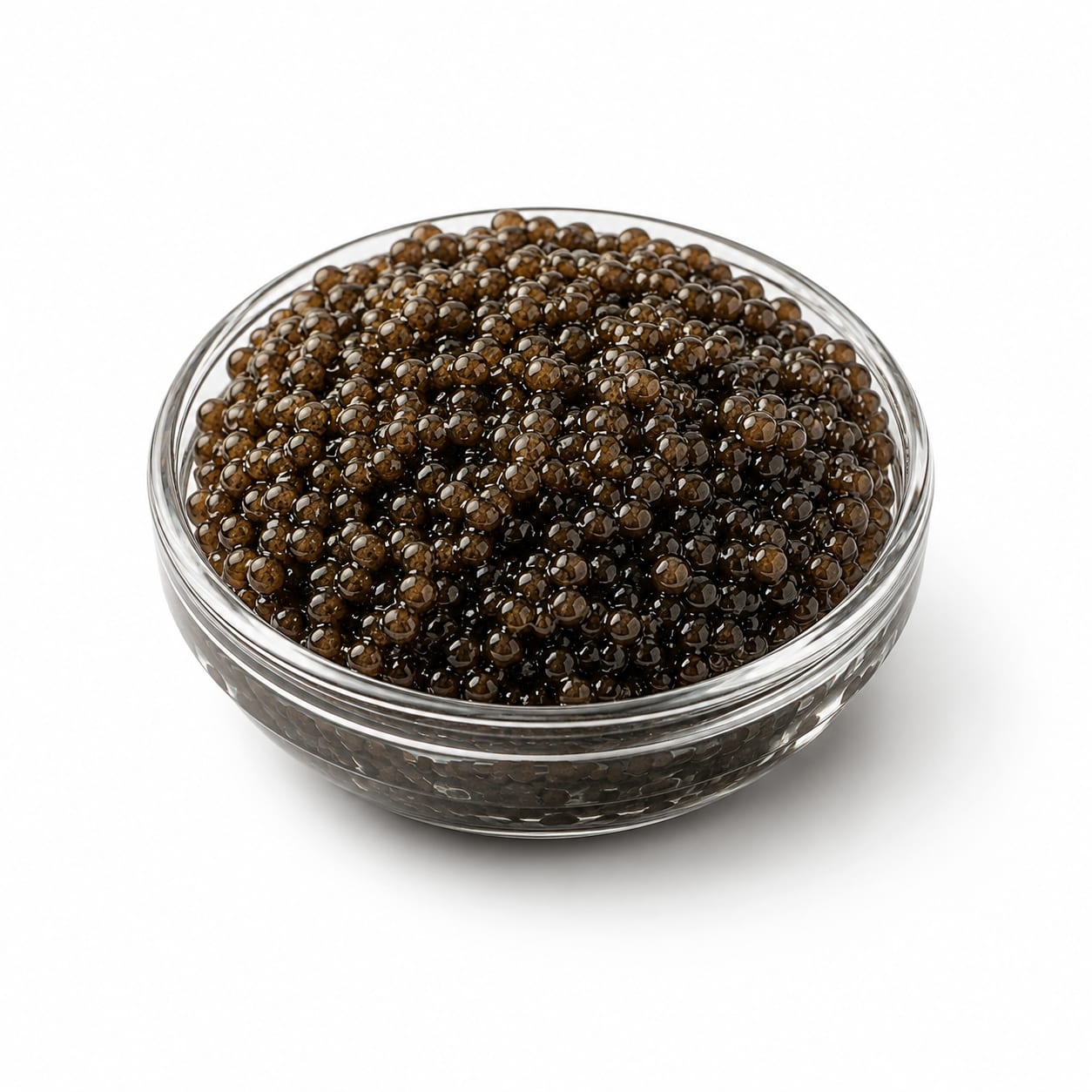
Caviar is the salt-cured roe of sturgeon fish, known as a nutrient-dense luxury food.
Caviar consists of salt-cured roe harvested from sturgeon fish, traditionally served as a luxury garnish or spread. It is prized for its delicate flavor and high nutrient density.
nutrient-dense salt-cured fish roe
Typical serving · 16g
Common varieties · beluga, ossetra, sevruga, kaluga, hackleback +1 more
Overall context score across nutrition, safety, and diet fit
At a glance
Quick facts
Simple indicators based on nutrition, processing, and diet fit.
The story
What makes it unique
Caviar is a rapidly digesting animal protein and fat source with zero dietary fiber. Its macronutrient profile is dominated by high-quality protein and omega-3 fatty acids, while its micronutrient density is exceptional, particularly in vitamin B12 and selenium. The heavy salting required for curing significantly increases sodium content, which impacts hydration and blood pressure. Satiety is moderate due to the high fat and protein content, though typical serving sizes are very small.
Varieties: beluga · ossetra · sevruga · kaluga · hackleback · paddlefish
Per 100g
Nutrition breakdown
Macro balance and key metrics at a glance.
Energy
Density 2.64 kcal/g
Protein
Carbs
Fat
Fiber
Sugar
0 g
Sodium
1500 mg
Potassium
150 mg
Glycemic index
0
Glycemic load
0
Water content
50%
Standout compounds
Nutrient highlights
Vitamin B12
highEssential for nerve function and red blood cell formation
Omega-3 Fatty Acids
highReduces inflammation and supports cardiovascular health
Selenium
highActs as a powerful antioxidant to protect cells from damage
Sodium
highRegulates fluid balance but poses hypertension risk in excess
Wellness map
Health scores & processing
NOVA processing scale
moderate · Whole food
Caviar is a processed culinary ingredient. The roe is extracted, salt-cured, and sometimes pasteurized, which preserves it but adds significant sodium.
Diet compatibility
- Weight loss
- Muscle gain
- Diabetes
- Gut health
- Low carb
- High protein
- Heart health
Relative standing
Food rankings
Qualitative ranks compared to similar whole foods.
- Satietygood
- Blood sugarexcellent
- Nutrient densityexcellent
- Fitness fuelmoderate
- Processing qualitymoderate
Eat with confidence
Food safety profile
Caviar is generally safe in moderate amounts. Unpasteurized varieties pose a listeria risk for immunocompromised individuals. Heavy metal accumulation is a moderate concern depending on water quality.
Evidence confidence 85%
- Pesticideslow
- Antibioticsmoderate
- Heavy metalsmoderate
- Contaminationmoderate
Watch for
- listeria
- mercury
- pcbs
Safer choices
Pasteurized caviar, farmed sturgeon roe from regulated facilities
Prep tips
Keep refrigerated until serving. Consume within 2-3 days of opening. Avoid if unpasteurized and pregnant.
Sturgeon are bottom-feeders prone to heavy metal accumulation; farmed sturgeon may be treated with antibiotics. Unpasteurized caviar carries a listeria risk.
Deep dive
Health analysis
How this food may fit different goals and preparation choices.
Weight loss
Not ideal for weight loss due to high energy density and sodium, though typical portion sizes are very small, limiting caloric impact.
Blood sugar
Excellent for blood sugar control. It contains virtually zero carbohydrates and will not spike insulin or glucose levels.
Fitness & energy
Provides high-quality protein for muscle repair and omega-3s for joint health, but lacks the fast carbohydrates needed for intense glycogen replenishment.
Gut health
Lacks dietary fiber, offering no prebiotic benefits. The high sodium content can also negatively impact gut microbiome diversity in high doses.
Processing quality
Traditional salt-curing is a moderate processing method that extends shelf life without synthetic preservatives, but it drastically increases sodium content.
Food safety
Risk of listeria in unpasteurized varieties and heavy metals from wild sturgeon. Farmed and pasteurized options mitigate these risks.
Common mistakes
Consuming it as a health food in large quantities without accounting for the massive sodium intake, or eating it with high-carb blinis which negate its low-glycemic benefits.
Best preparation
Served chilled on cucumber slices or boiled eggs instead of traditional flour-based blinis to maintain low-carb profile.
Practical guide
Best use cases
When and how this food fits real eating patterns.
keto-friendly appetizer
Served on cucumber slices or boiled egg whites as a zero-carb, high-fat starter.
vitamin b12 boost
Consumed in small amounts to provide a massive dose of B12 for nerve function and red blood cell formation.
omega-3 supplementation
Used as a whole-food source of EPA and DHA omega-3 fatty acids for anti-inflammatory benefits.
Balance sheet
Pros & cons
Upsides
- exceptional source of vitamin B12
- rich in anti-inflammatory omega-3 fatty acids
- virtually zero carbohydrates
- high bioavailable protein
- contains beneficial antioxidants like selenium
Trade-offs
- very high in sodium from salt curing
- extremely expensive and not accessible
- risk of heavy metal accumulation from sturgeon
- high in dietary cholesterol
- unpasteurized versions pose listeria risks
Fit check
Who is it for?
Great match
- keto and low-carb diets
- vitamin B12 supplementation
- luxury dining experiences
- zero-carb snacking
Consider alternatives
- low-sodium diets
- budget-conscious eating
- pregnant women (if unpasteurized)
- large volume eating
Side by side
How it compares
Open the full head-to-head analysis for nutrition, safety, and practical tradeoffs.
This food
Caviar
VS90% alike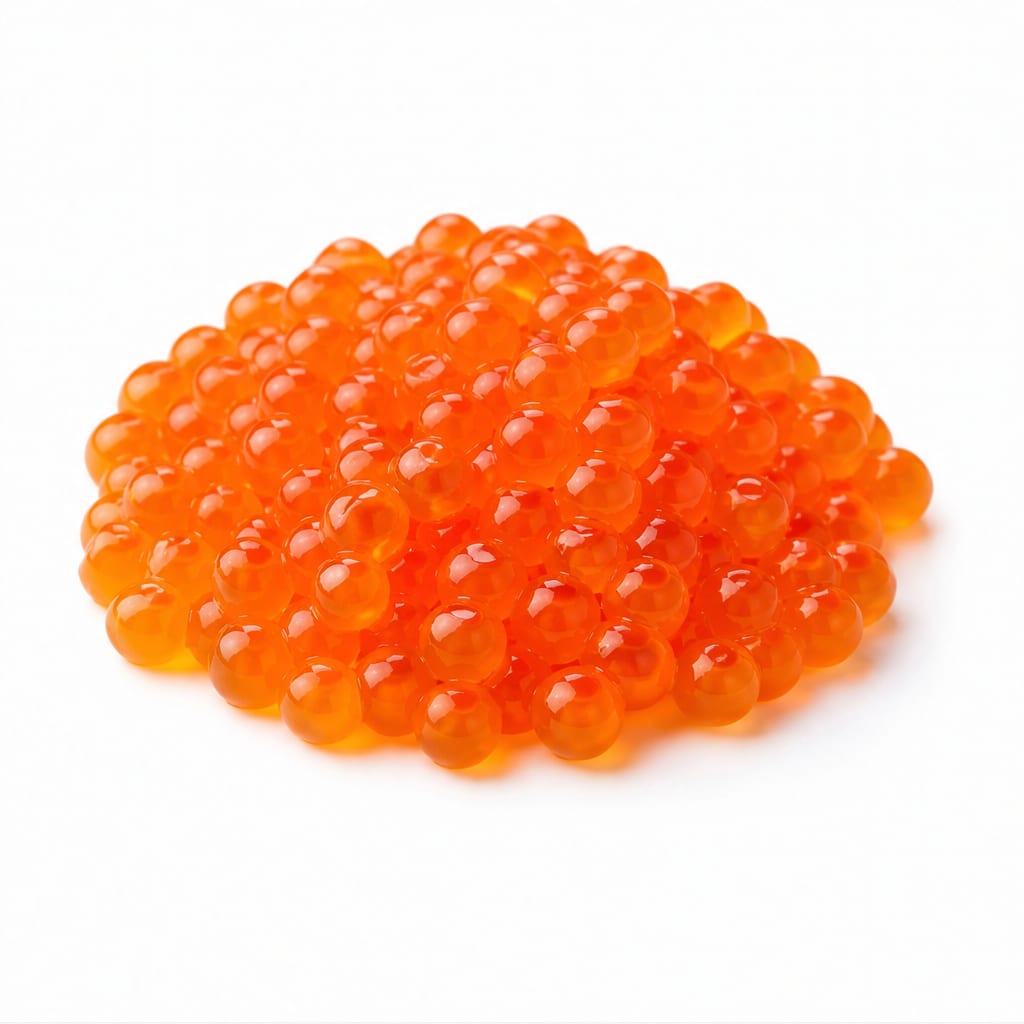
Compare with
Salmon Roe
Salmon roe is larger, sweeter, and lower in sodium than caviar, while offering similar omega-3 benefits.
Salmon roe is lower in sodium and more affordable, while caviar offers a richer fat profile and zero carbs for strict keto.
This food
Caviar
VS80% alike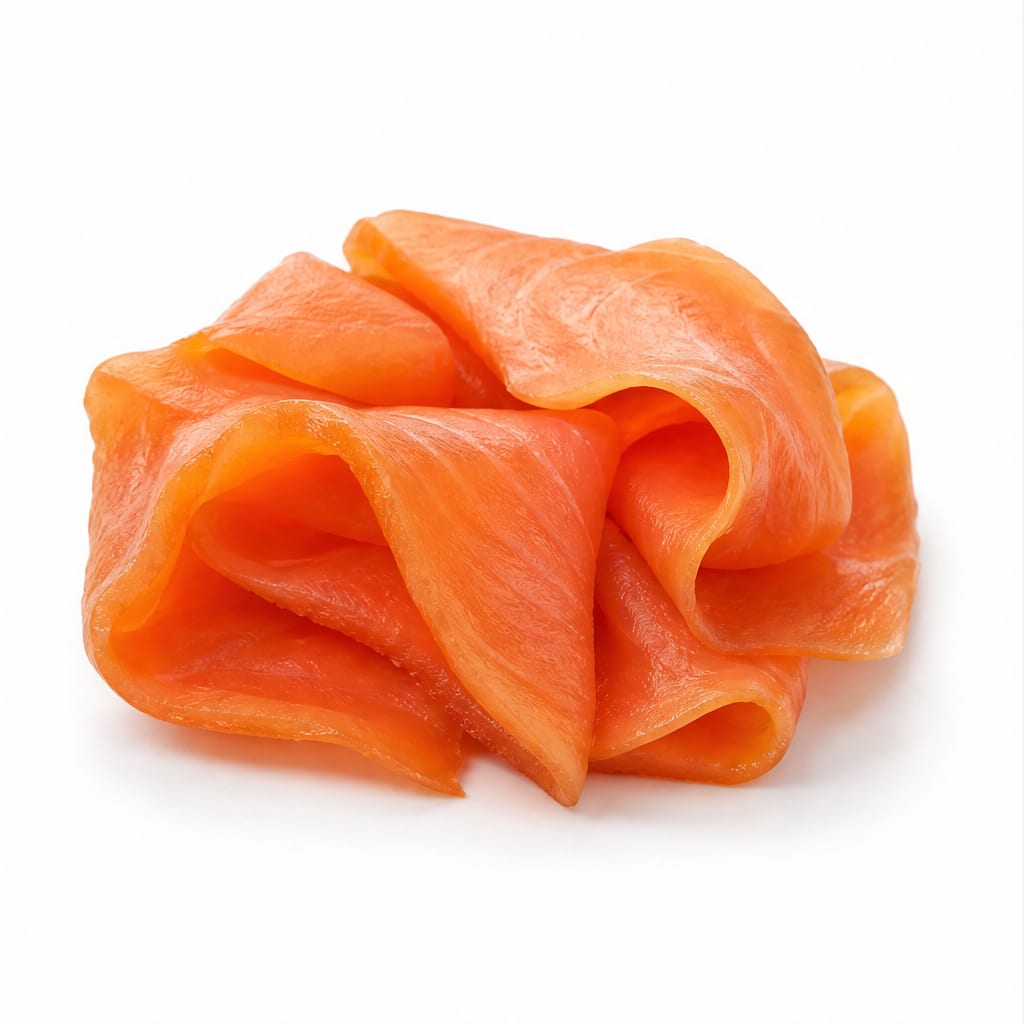
Compare with
Smoked Salmon
Smoked salmon provides more protein per calorie and is more versatile, while caviar is denser in micronutrients like B12.
Smoked salmon is leaner and better for protein intake, while caviar provides a more concentrated dose of vitamin B12.
This food
Caviar
VS70% alike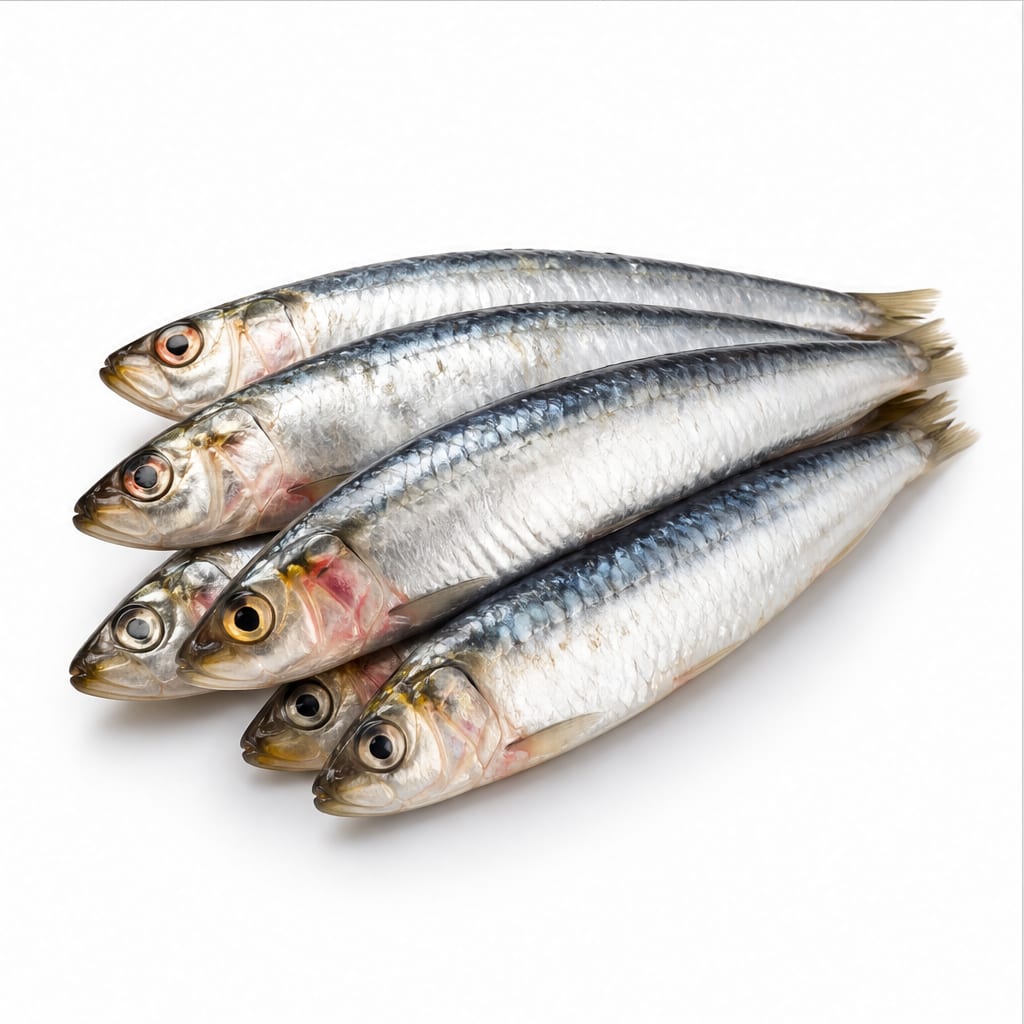
Compare with
Sardines
Sardines are cheaper, lower in sodium, and offer more calcium, while caviar is a luxury with more B12.
Sardines are a budget-friendly, lower-sodium omega-3 source, whereas caviar is an expensive, sodium-dense delicacy.
This food
Caviar
VS70% alike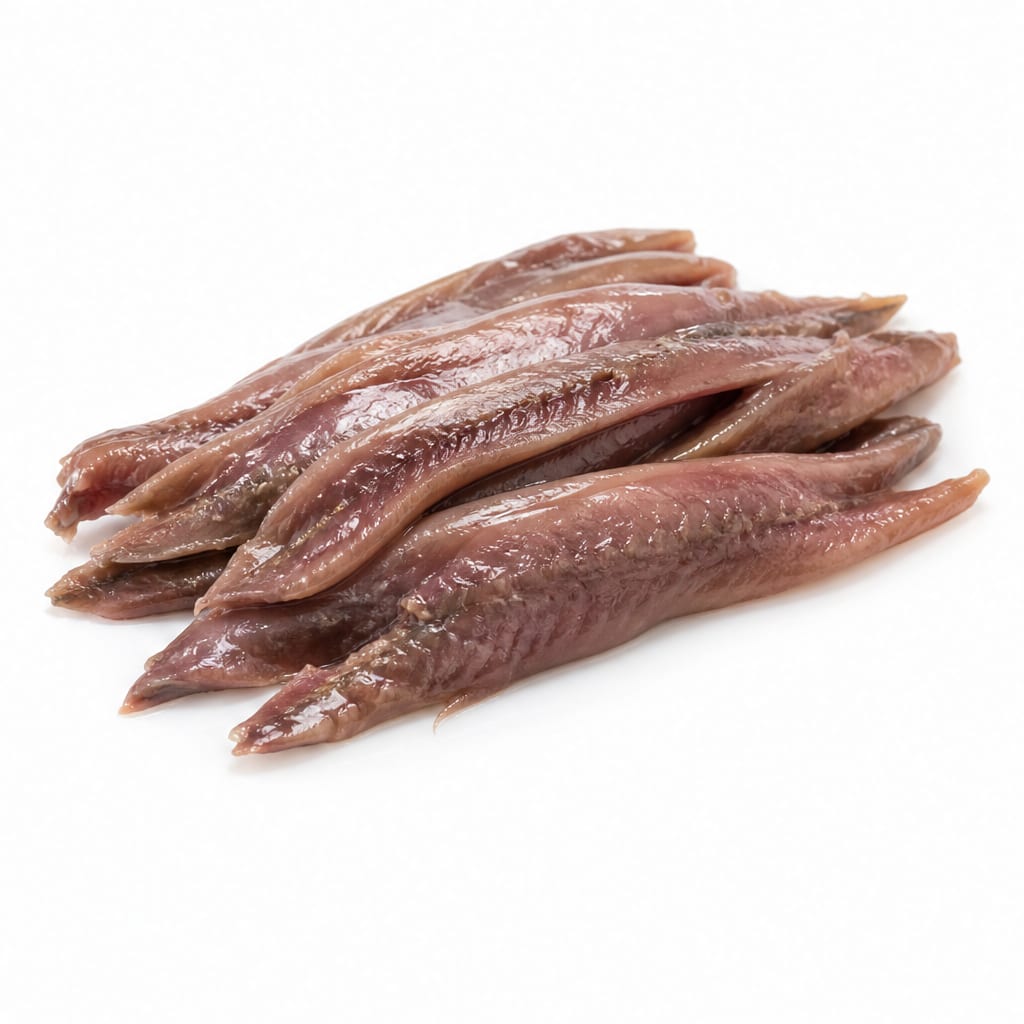
Compare with
Anchovies
Anchovies are much higher in sodium and used as flavoring, while caviar is eaten standalone and is richer in healthy fats.
Anchovies are saltier and used mainly for flavoring, while caviar is milder, richer in omega-3 fats, and eaten as a delicacy.
This food
Caviar
VS60% alike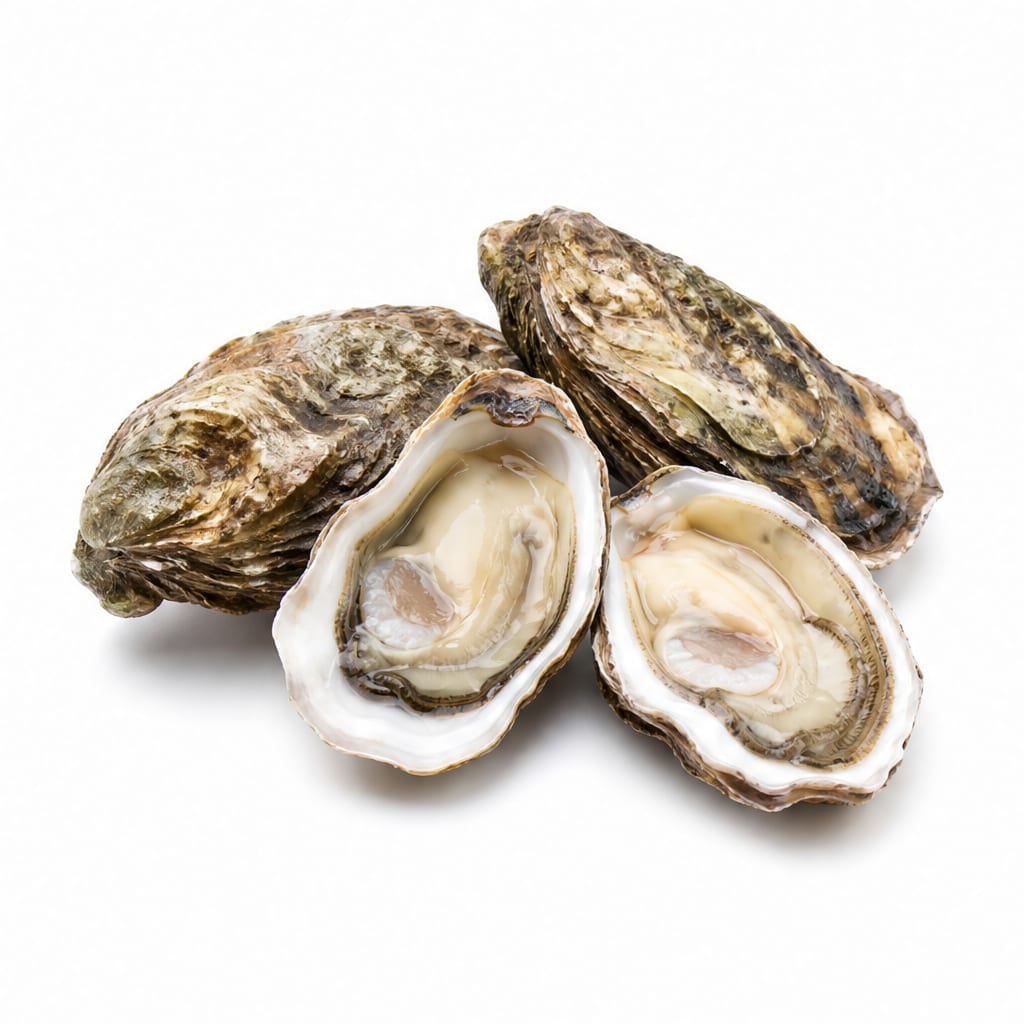
Compare with
Oysters
Oysters are much lower in calories and sodium, offering a better weight-loss profile, while caviar provides more fat and B12.
Oysters are lower in calories and sodium, making them better for weight loss, while caviar is higher in fat and vitamin B12.
This food
Caviar
VS50% alike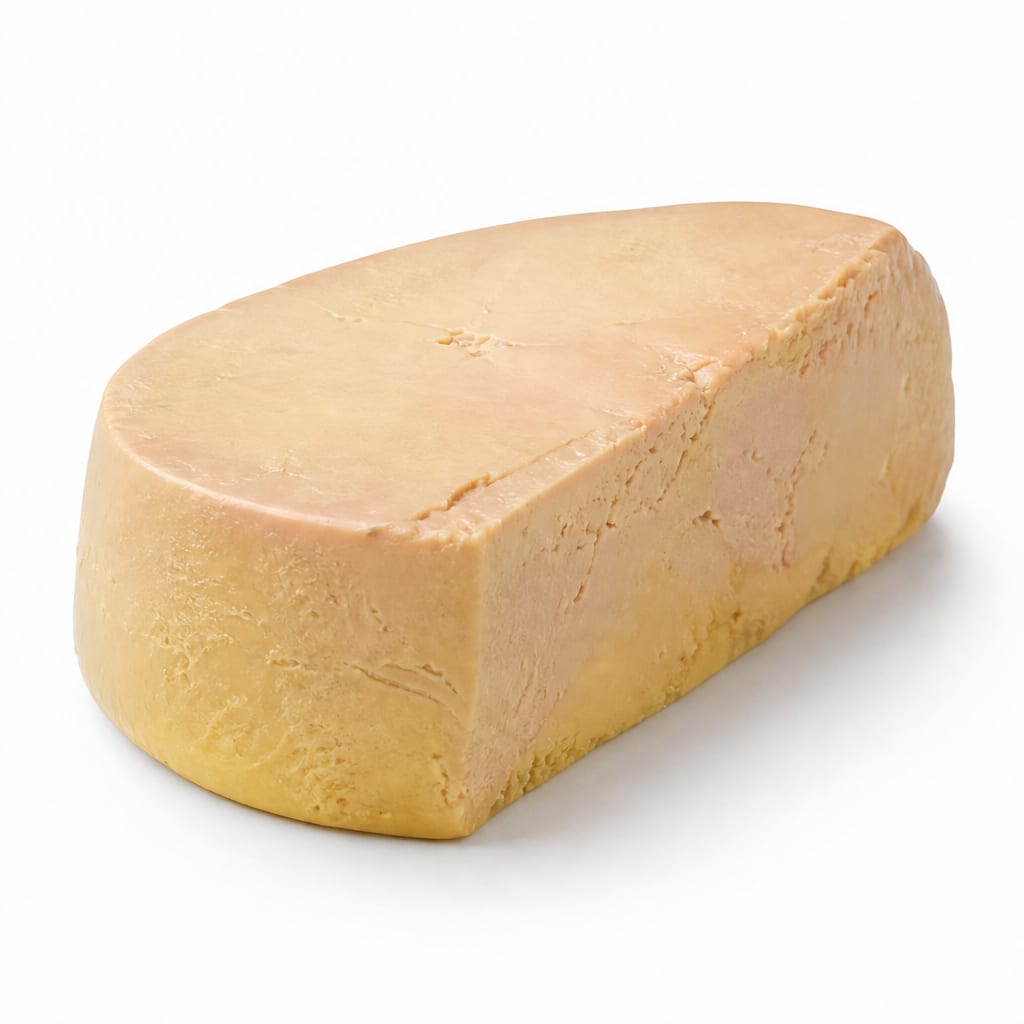
Compare with
Foie Gras
Foie gras is much higher in fat and calories, while caviar offers more protein and omega-3s with fewer calories per gram.
Caviar is lower in calories and higher in protein than foie gras, making it the leaner luxury choice.
This food
Caviar
VS50% alike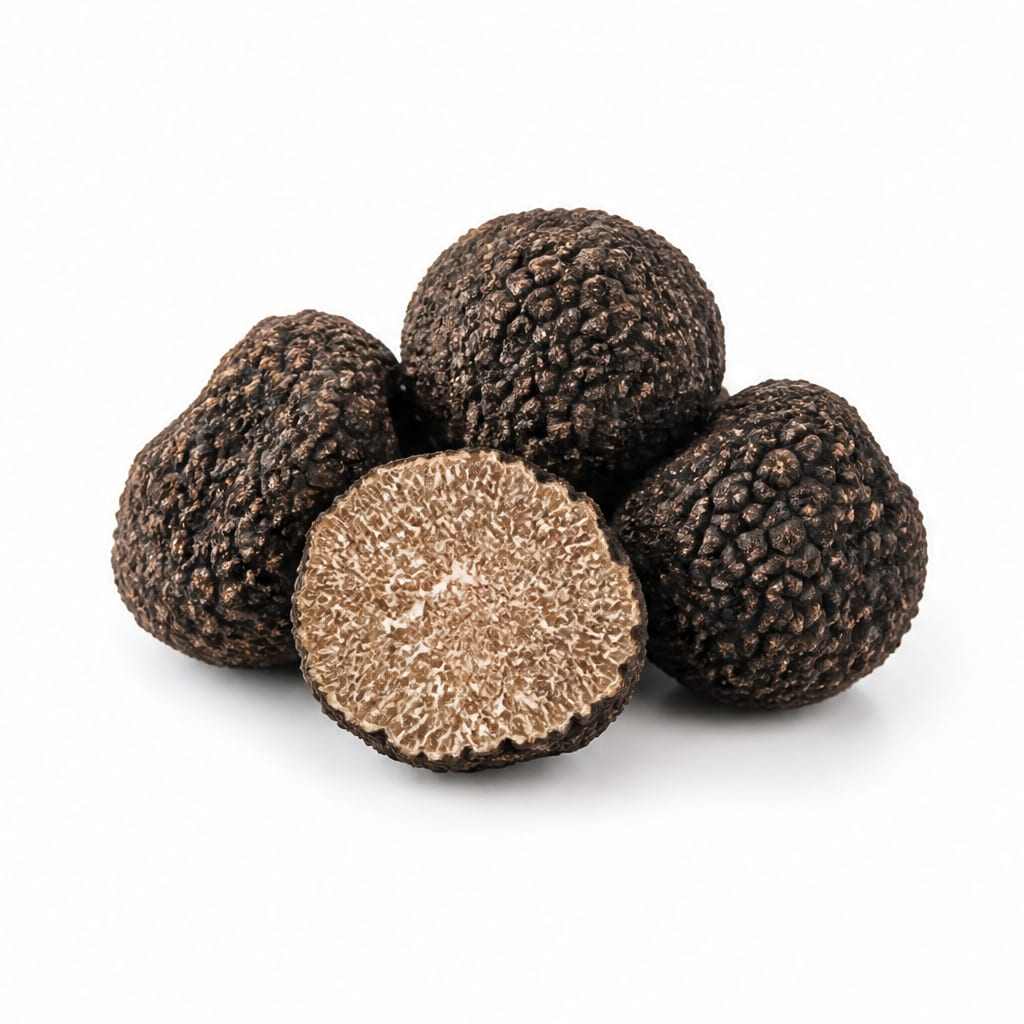
Compare with
Truffles
Truffles are virtually calorie-free flavor enhancers, while caviar is a calorie-dense nutritional powerhouse.
Truffles are used for zero-calorie flavor, while caviar adds significant calories, fats, and nutrients to a dish.
This food
Caviar
VS50% alike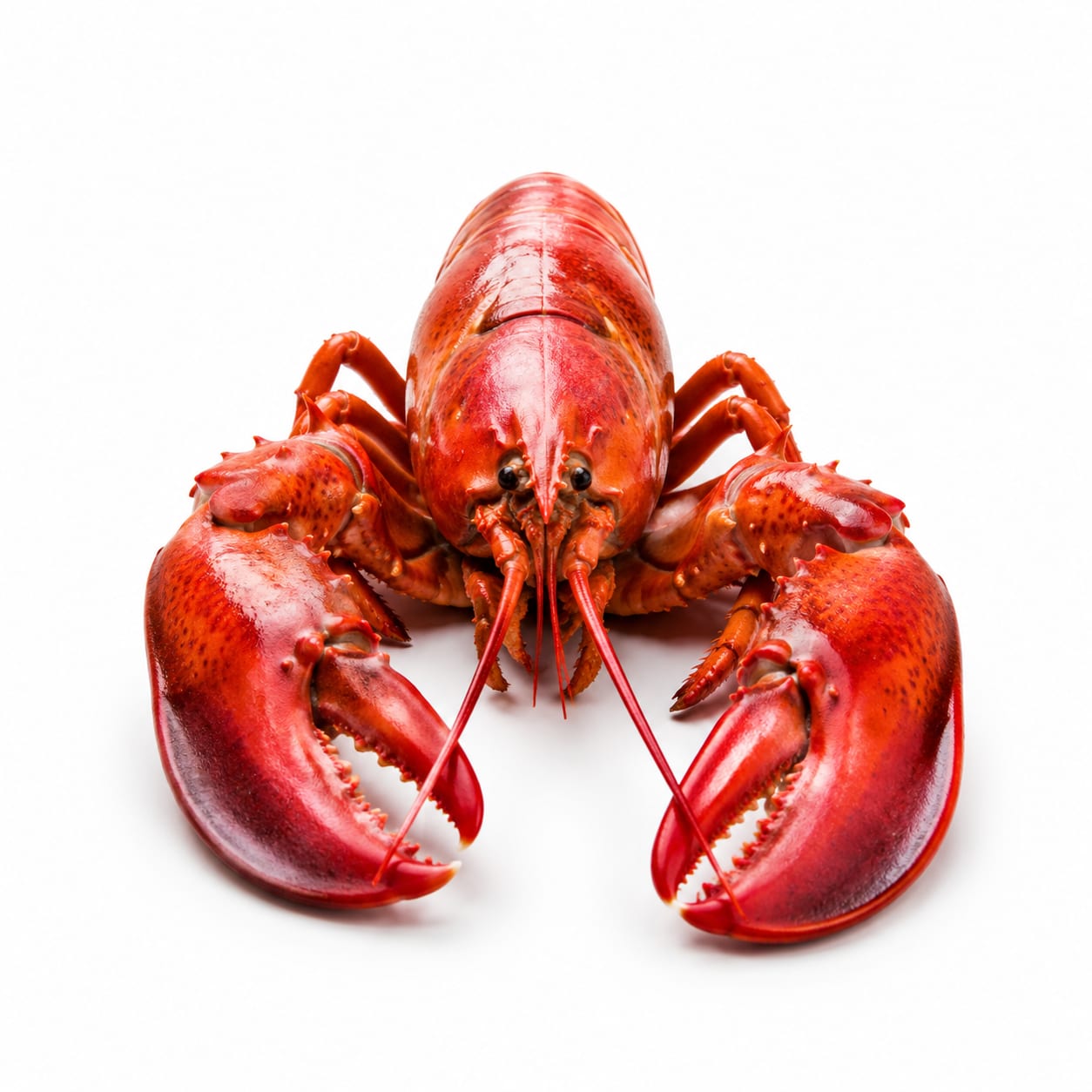
Compare with
Lobster
Lobster is a lean protein source, whereas caviar is a high-fat, high-sodium garnish.
Lobster provides lean protein for muscle building, while caviar delivers concentrated fats and vitamins in smaller portions.
This food
Caviar
VS60% alike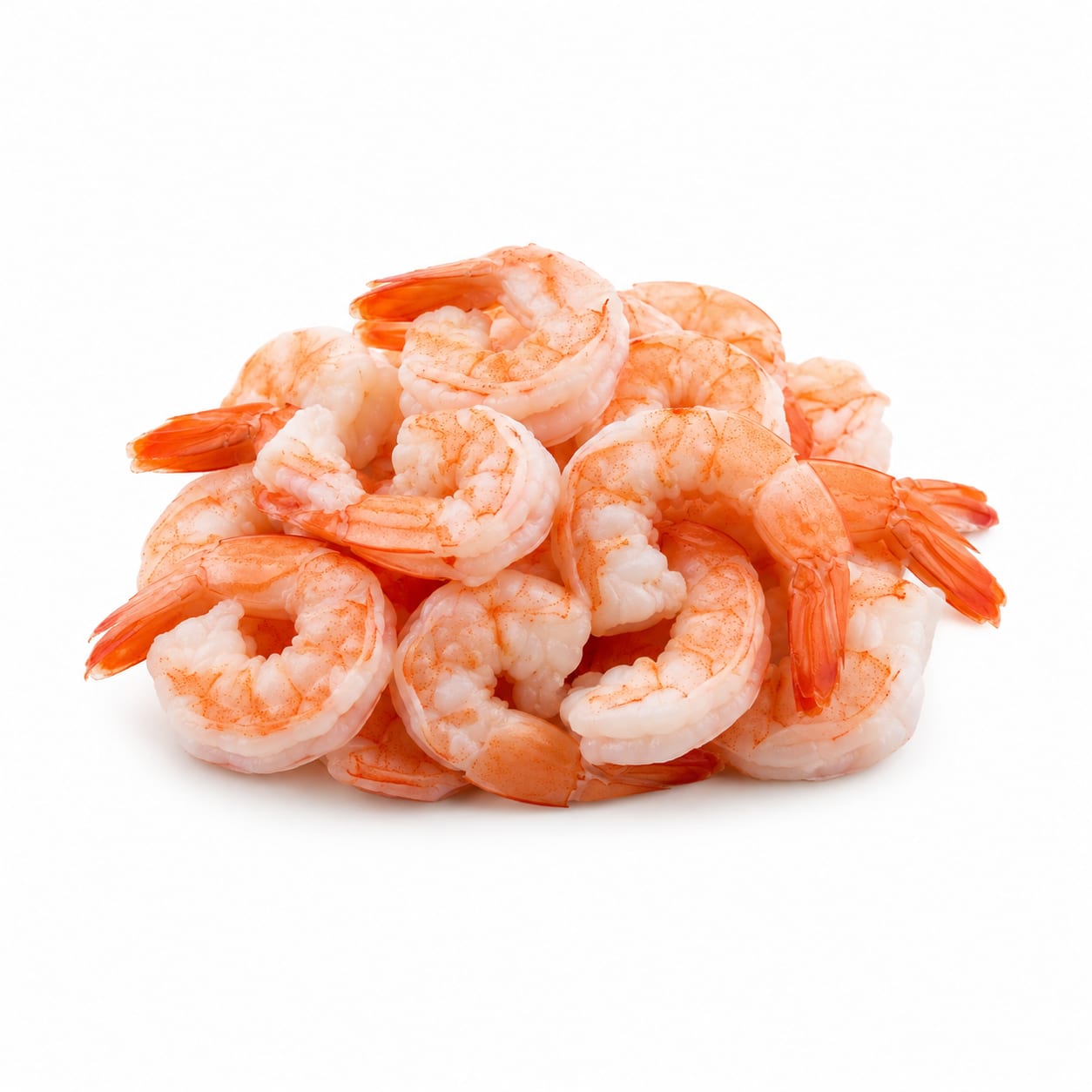
Compare with
Shrimp
Shrimp is a low-calorie, high-protein staple, while caviar is a high-fat, nutrient-dense garnish.
Shrimp is a lean, low-calorie protein source, while caviar is a high-fat, high-sodium delicacy best used in small amounts.
This food
Caviar
VS60% alike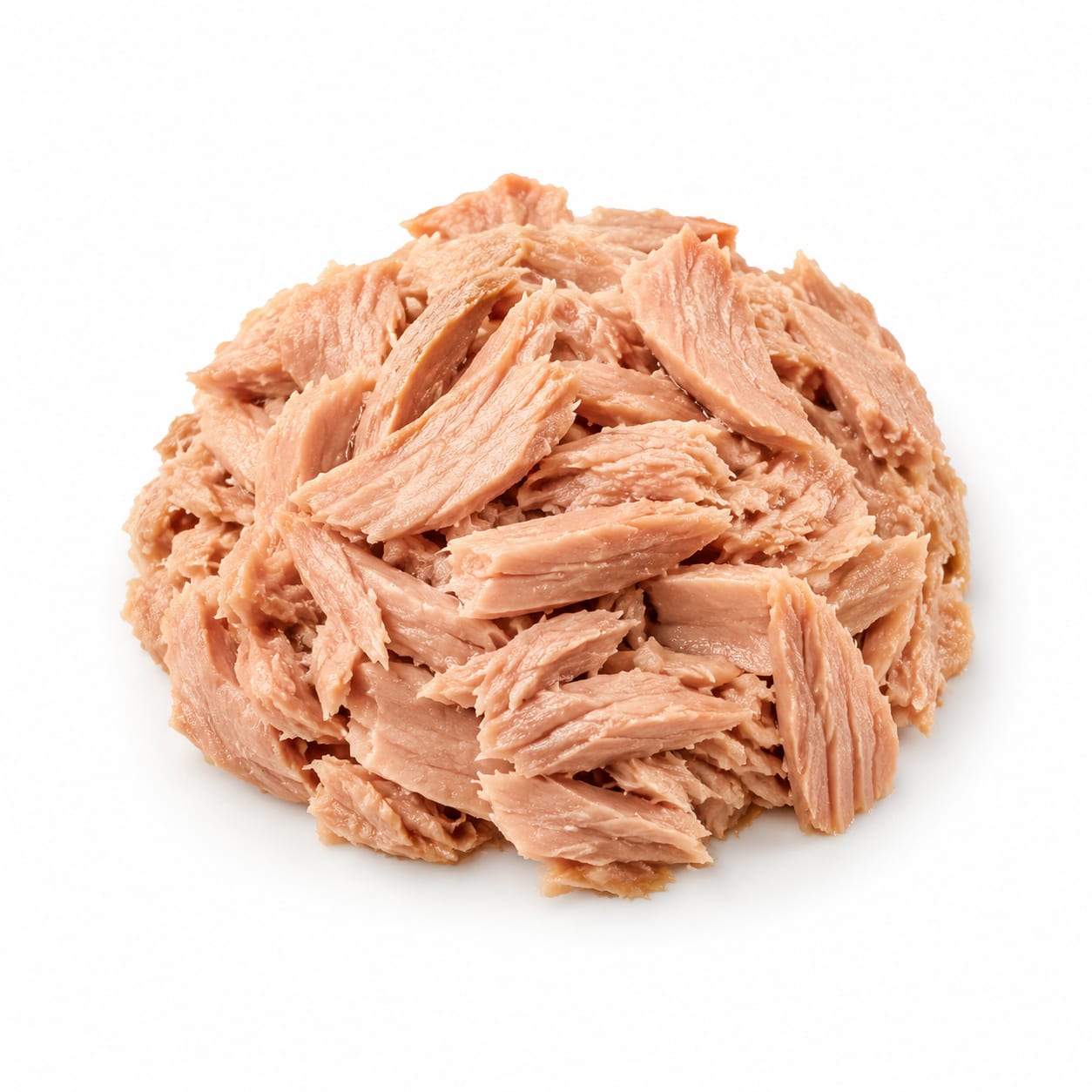
Compare with
Tuna
Tuna offers lean protein for everyday fitness, while caviar provides omega-3s and B12 as a luxury garnish.
Tuna is a lean, high-protein staple for muscle gain, while caviar is a fatty, sodium-rich delicacy with concentrated micronutrients.
Common questions
FAQ
Answers aligned with how people search for this food.
Is caviar good for weight loss?
Caviar is not ideal for weight loss due to its high calorie and fat density per gram, as well as its high sodium content which can cause water retention. However, it is typically eaten in very small quantities, so the caloric impact in a single serving is minimal.
Can you eat caviar on a keto diet?
Yes, caviar is excellent for a keto diet. It contains virtually zero carbohydrates and is high in healthy fats and protein, making it a perfect low-carb garnish or snack.
Is caviar safe during pregnancy?
Pregnant women should only eat pasteurized caviar. Unpasteurized caviar carries a risk of listeria and other foodborne illnesses, which can be dangerous during pregnancy.
Does caviar have a lot of omega-3?
Yes, caviar is an excellent source of omega-3 fatty acids, specifically EPA and DHA, which are crucial for brain health and reducing inflammation.
Is caviar high in sodium?
Yes, caviar is very high in sodium because salt is used as a primary curing and preserving agent. A single tablespoon can contain over 200mg of sodium.
Is caviar high in cholesterol?
Caviar is high in dietary cholesterol, but for most people, dietary cholesterol has a minimal impact on blood cholesterol compared to saturated fats. Its omega-3 content may actually support healthy lipid profiles.
What is the difference between caviar and fish roe?
Technically, true caviar comes only from sturgeon fish. Roe from other fish like salmon or trout is technically just fish roe, not caviar, though the terms are often used interchangeably in casual contexts.
Can diabetics eat caviar?
Yes, diabetics can safely eat caviar. It contains almost zero carbohydrates and will not spike blood sugar levels, though the high sodium content should be monitored.
Transparency
Data confidence
Estimated confidence for nutrition data, interpretation, safety notes, and comparisons.
Nutrition data
Health analysis
Food safety
Comparisons