
Nutrition comparison
Caviar vs Truffles: Nutrition, Safety, and Which Luxury Food Is Worth It
Compare caviar and truffles on omega-3 content, sodium, heavy metals, sustainability, and real health impact. Find out which luxury food delivers more value for your body and wallet.
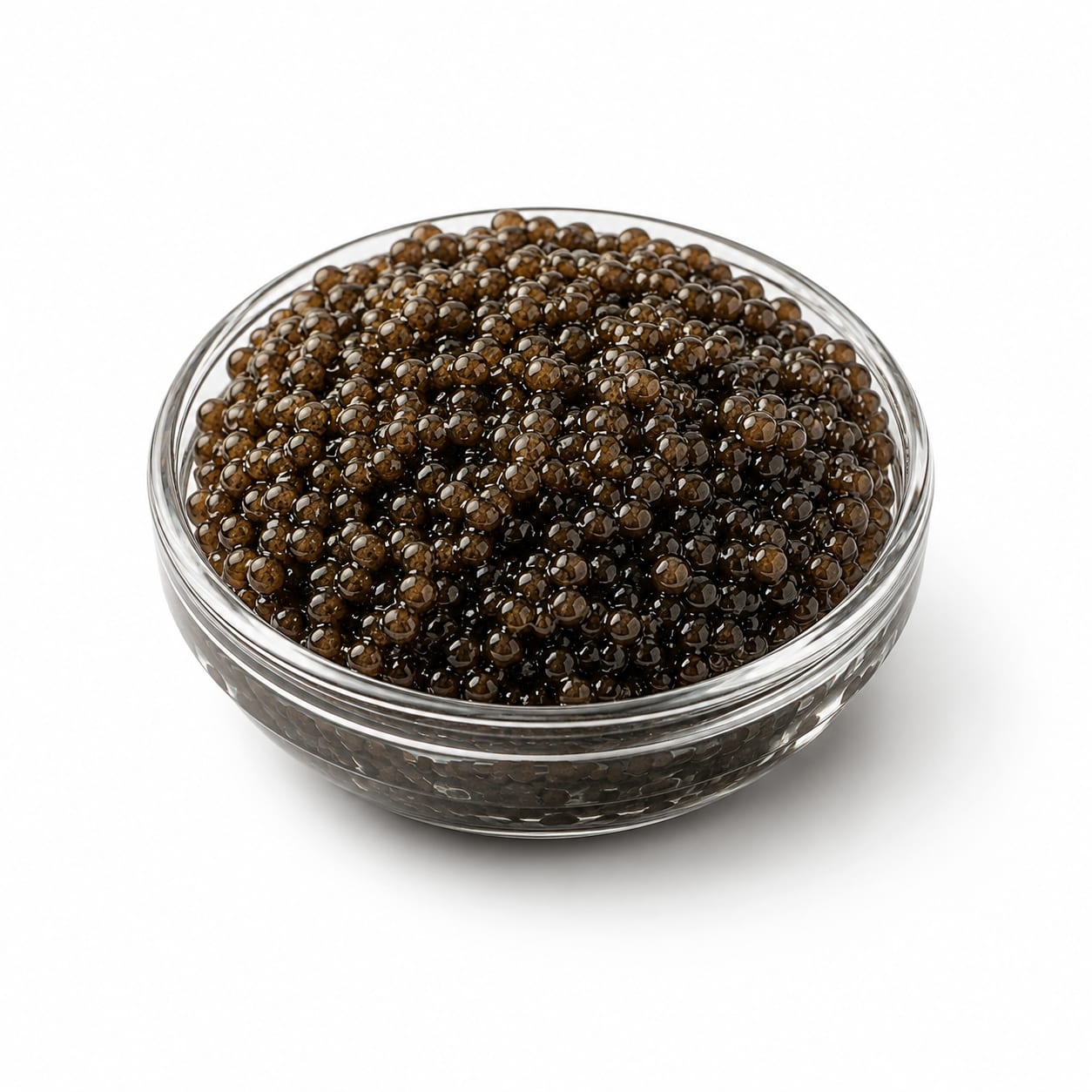
Caviar
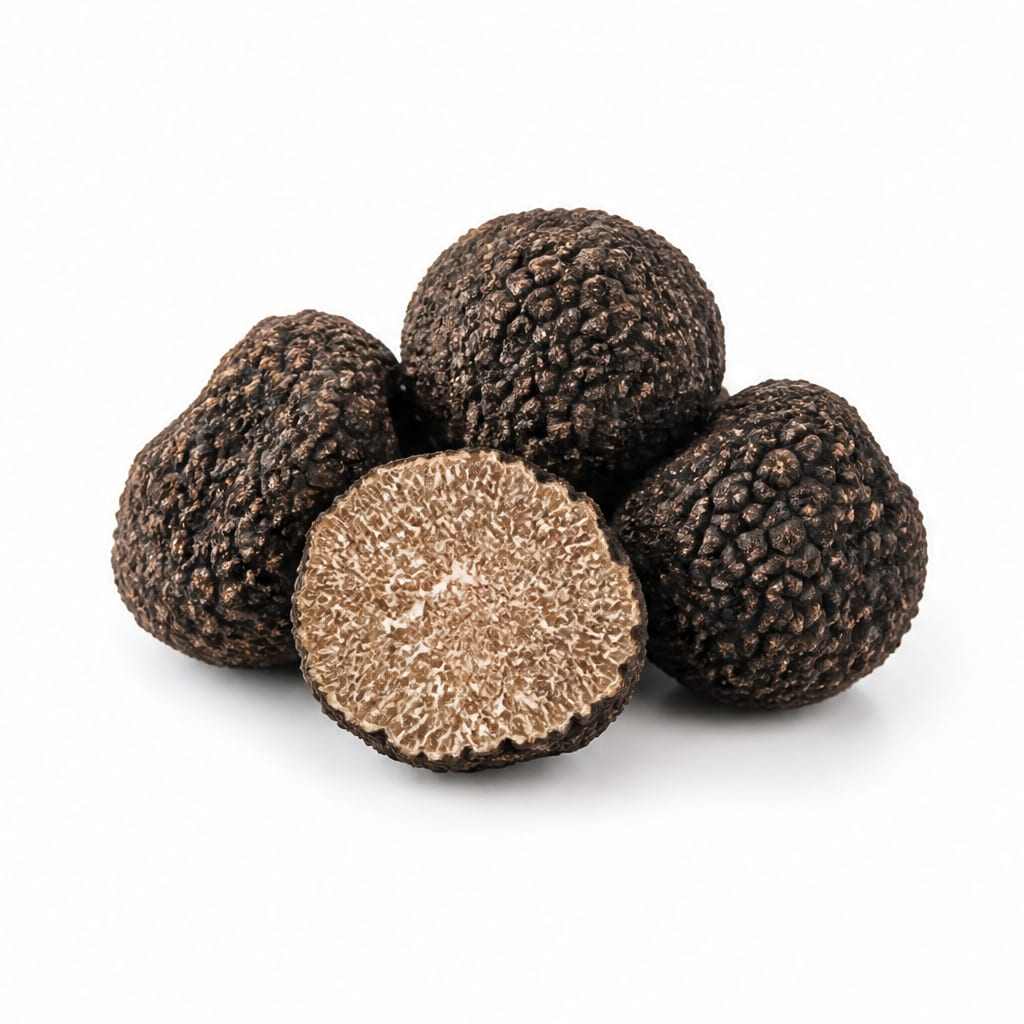
Truffles
Caviar is a nutritional powerhouse with real omega-3 and B12 content, but its extreme sodium load limits portions. Truffles are a pure flavor luxury with almost no nutritional footprint — good or bad.
Caviar scores higher for nutritional substance but pays heavily for sodium and contamination risks. Truffles score lower because they contribute almost nothing nutritionally, but their safety profile is cleaner. Neither is a health food — both are occasional luxuries judged on their tradeoffs.
Substantial nutrition with substantial sodium risk versus negligible nutrition with negligible health risk — choosing between substance and restraint.
At a glance
Executive summary
Overall
It depends
Healthier
Truffles
More practical
Truffles
Daily use
Truffles
Key comparison lenses
nutritional value per serving
Caviar delivers substantial omega-3s, B12, and protein while truffles are used in amounts too small to provide meaningful nutrition
sodium and heart health impact
Caviar is extremely high in sodium which limits how much anyone should eat, while truffles are essentially sodium-free
sustainability and ethical concerns
Both are luxury foods with serious ecological footprints but through different mechanisms — overfishing vs habitat disruption
contamination and food safety
Caviar carries heavy metal and parasite risks from marine environments; truffles absorb soil contaminants and require careful sourcing
practical everyday usability
Neither food is practical for daily consumption but understanding how each fits into real meals matters for occasional indulgence
Best choice for
Caviar
- People needing omega-3 supplementation who enjoy fish
- Those with B12 deficiency looking for food-based sources
- Anyone wanting protein-dense luxury accompaniment
- Occasional celebratory meals where nutritional density matters
Truffles
- Salt-sensitive individuals watching sodium strictly
- People who want luxury flavor without nutritional baggage
- Those on calorie-restricted diets wanting indulgence without cost
- Anyone avoiding seafood or fish products
Least suitable for
Caviar
- People with hypertension or sodium-restricted diets
- Anyone with fish or shellfish allergies
- Those concerned about marine heavy metal exposure
- Budget-conscious consumers seeking regular luxury
Truffles
- Anyone expecting meaningful nutritional contribution
- People who dislike earthy fungal flavors
- Those wanting protein or healthy fats from their indulgence
- Diners seeking a satisfying portion rather than a garnish
Deep comparison
Dimension by dimension
Each lens scores both foods and breaks down who each option suits.
- Dimension 1 · Priority 95Caviar
Omega-3 and Healthy Fat Content
Caviar · 92Truffles · 8Caviar is one of the richest omega-3 sources available, delivering EPA and DHA in significant amounts per serving. Truffles contain negligible fat.
Tradeoff
You get real anti-inflammatory fats from caviar but must accept the sodium that comes with it. Truffles offer no fat benefit but no sodium cost either.
Why it matters
Omega-3s support heart health, brain function, and mood regulation. Most people don't get enough, and caviar is an efficient delivery system — if you can manage the salt.
Real-world impact
A single serving of caviar can deliver a meaningful portion of your weekly omega-3 needs. Truffles would require impossible quantities to achieve the same.
Caviar
- Heart health support through DHA and EPA
- Brain function and cognitive maintenance
- Inflammatory condition management
Better for
- Portion must stay tiny due to sodium, limiting total omega-3 intake
Worse for
Truffles
- Avoiding calorie-dense fat consumption
- Maintaining strict low-fat dietary protocols
Better for
- Essentially zero contribution to essential fatty acid needs
Worse for
- Dimension 2 · Priority 90Truffles
Sodium Load and Blood Pressure Impact
Caviar · 15Truffles · 95Caviar is extremely sodium-dense, with a single serving delivering 400-700mg of salt. Truffles are virtually sodium-free.
Tradeoff
The same serving that gives you omega-3s also pushes your blood pressure risk upward significantly. Truffles add flavor without any sodium penalty.
Why it matters
Most people already exceed daily sodium recommendations. Adding a high-salt luxury food on top of regular meals can meaningfully raise blood pressure risk.
Real-world impact
Even a small caviar serving can represent a third of your ideal daily sodium intake. Truffles let you indulge luxuriously without any salt concern.
Caviar
- Blood pressure spikes after consumption
- Compounds sodium load from the rest of the meal
- Difficult to fit into heart-healthy eating patterns
Worse for
Truffles
- Hypertension management and prevention
- Easier adherence to low-sodium medical protocols
- Less bloating and water retention after indulgent meals
Better for
- Dimension 3 · Priority 85Caviar
Vitamin and Mineral Density
Caviar · 88Truffles · 25Caviar delivers exceptional B12, selenium, iron, and vitamin D in small portions. Truffles offer trace minerals but in amounts too small to matter nutritionally.
Tradeoff
Caviar functions as a genuine micronutrient supplement in food form. Truffles are nutritionally decorative — pleasant but inconsequential.
Why it matters
B12 deficiency is common, especially in older adults and vegetarians. Selenium supports thyroid and immune function. Getting these from food is preferable to supplements when possible.
Real-world impact
A single tablespoon of caviar can exceed your daily B12 needs. You would need to eat an unaffordable amount of truffles for any comparable mineral benefit.
Caviar
- B12 repletion for deficient individuals
- Selenium support for thyroid health
- Iron contribution for mild anemia cases
Better for
- Selenium can accumulate if caviar is eaten frequently
Worse for
Truffles
- No risk of mineral overconsumption
Better for
- Cannot be relied on for any micronutrient target
Worse for
- Dimension 4 · Priority 82Truffles
Contamination and Heavy Metal Risk
Caviar · 40Truffles · 72Caviar from wild sturgeon can contain mercury and other marine pollutants. Truffles absorb whatever is in their soil but generally carry lower heavy metal burdens.
Tradeoff
Marine luxury comes with ocean contamination reality. Terrestrial luxury has soil contamination risk but typically at lower concentrations.
Why it matters
Heavy metals accumulate over time and affect neurological health. Frequent consumption of contaminated caviar could meaningfully increase body burden.
Real-world impact
Farmed caviar reduces but doesn't eliminate contamination risk. Sustainably farmed truffles from clean soil regions are generally safer for regular occasional consumption.
Caviar
- Mercury and PCB exposure from marine sources
- Parasite risk in some preparations
- Concern increases with frequency of consumption
Worse for
Truffles
- Lower cumulative heavy metal exposure
- Less concern about frequent indulgence
- Safer for pregnant women when sourced carefully
Better for
- Soil contaminants like cadmium in polluted regions
- Radioactive contamination in certain foraging areas
Worse for
- Dimension 5 · Priority 78It depends
Sustainability and Ecological Impact
Caviar · 45Truffles · 50Wild sturgeon are critically endangered and wild caviar is heavily restricted. Truffle foraging disrupts forest ecosystems and some species are declining from overharvesting.
Tradeoff
Both foods carry real ecological guilt. Farmed caviar reduces pressure on wild stocks but has aquaculture impacts. Cultivated truffles reduce foraging damage but require land and water resources.
Why it matters
Luxury foods that destroy their source ecosystems cannot be justified long-term. Consumer choices directly drive whether these foods survive sustainably.
Real-world impact
Choosing farmed caviar from reputable operations and cultivated truffles rather than wild-foraged ones makes both options more ethically defensible.
Caviar
- Farmed caviar operations can be vertically integrated and monitored
- Aquaculture technology improving rapidly
Better for
- Wild sturgeon populations devastated by historical overfishing
- Aquaculture requires significant feed and water resources
Worse for
Truffles
- Truffle cultivation has lower water usage than aquaculture
- Forest-based farming can coexist with ecosystem health
Better for
- Over-foraging damages sensitive forest ecosystems
- Climate change reducing natural truffle habitat
Worse for
- Dimension 6 · Priority 70Truffles
Culinary Versatility and Portion Flexibility
Caviar · 45Truffles · 78Truffles can flavor oils, butters, pastas, and risottos in tiny amounts across many dishes. Caviar is eaten as-is and doesn't spread its impact across meals as easily.
Tradeoff
Truffles extend their luxury experience across multiple servings and dishes. Caviar delivers a concentrated single experience that's over quickly.
Why it matters
A small amount of truffle can elevate an entire meal for several people. The same monetary value of caviar serves fewer people for less time.
Real-world impact
Shaving truffle over pasta feels luxurious for the whole table. A tin of caviar might serve two people as a starter and then it's gone.
Caviar
- Standalone experience doesn't require other ingredients
- Clear defined portion makes overconsumption unlikely
Better for
- Limited to cold preparations typically
- Doesn't integrate well into cooking
Worse for
Truffles
- One purchase flavors multiple meals
- Works in both hot and cold preparations
- A little goes a long way across many dishes
Better for
- Flavor degrades quickly after cutting
- Requires other ingredients to carry the experience
Worse for
Timeline
Health impact over time
Short-term
Hours to days
Caviar
- Noticeable blood pressure increase within hours due to sodium load
- Satiating protein and fat content prevents hunger shortly after eating
- Possible mild digestive discomfort if unaccustomed to rich fish roe
Truffles
- Virtually no measurable physiological effect due to tiny consumption amounts
- No blood pressure impact from sodium
- No digestive burden from the truffle itself
Long-term
Months to years
Caviar
- Regular consumption could contribute meaningful omega-3 intake for cardiovascular benefit
- Sodium accumulation increases hypertension risk if eaten frequently
- Heavy metal body burden could rise with repeated exposure to wild-sourced products
- B12 and selenium status would be well-supported
Truffles
- Negligible positive or negative nutritional impact from the truffles themselves
- Possible psychological benefit from pleasure and satisfaction without health cost
- No cumulative sodium or heavy metal concern with regular moderate use
Risk profile
Safety & processing
Caviar requires salting and curing to be shelf-stable, which is traditional processing but adds significant sodium. Some producers add borax as a preservative. Truffles are typically sold fresh and unprocessed, though truffle oils and products often contain synthetic flavorings — always check labels.
Caviar
Mercury and heavy metal contamination
mediumSturgeon are long-lived fish that accumulate mercury and PCBs. Farmed caviar reduces but doesn't eliminate this risk. Pregnant women should limit intake.
Parasitic contamination
lowRaw fish roe can carry parasites. Reputable producers freeze product to kill parasites, but improperly handled caviar poses risk.
Borax preservative exposure
mediumSome caviar producers use borax (sodium borate) as a preservative alongside salt. Borax is banned as a food additive in many countries but appears in some imported products.
Truffles
Soil contaminant absorption
lowTruffles grow underground and absorb whatever exists in their soil environment, including heavy metals from polluted areas. Source from clean regions.
Mislabeling and fraud
mediumCheaper truffle species are frequently sold as premium varieties. Synthetic truffle flavor is sometimes added to real truffles to boost aroma. Buy from trusted sources.
Allergic reactions to fungal compounds
lowRare but possible allergic responses to truffle proteins, especially in people with mold sensitivities.
Who wins for whom
Audience fit
Same foods, different winners depending on your goal.
children
TrufflesTruffles carry minimal safety concerns for children. Caviar's sodium content is excessive for kids, and heavy metal exposure is more concerning for developing nervous systems.
daily consumption
TrufflesNeither should be eaten daily, but truffle-infused ingredients in small amounts are harmless. Daily caviar would deliver dangerous sodium levels and heavy metal accumulation.
diabetes
TrufflesTruffles have zero glycemic impact and no sugar. Caviar is also low-carb but the high sodium worsens the cardiovascular risk that diabetics already face.
elderly
TrufflesOlder adults often need to restrict sodium for blood pressure management, making truffles the safer choice. Caviar's B12 benefit is real but doesn't outweigh sodium risk for most seniors.
muscle gain
CaviarCaviar provides complete protein with all essential amino acids plus B12 for energy metabolism. Truffles contribute nothing meaningful to muscle building.
weight loss
TrufflesTruffles add intense flavor to meals with virtually zero calories, making them a guilt-free luxury. Caviar is calorie-dense and the sodium causes water retention.
Your move
Decision guide
Choose Caviar
- You want real nutritional return on your luxury spending — omega-3s, B12, and protein
- You don't have blood pressure concerns and can accommodate the sodium
- You're looking for a standalone experience rather than a cooking ingredient
- You eat fish regularly and want variety in your marine food sources
Choose Truffles
- You want indulgence without health compromises or sodium loading
- You cook at home and want to extend luxury across multiple meals
- You're salt-sensitive, pregnant, or managing cardiovascular risk
- You prefer earthy aromatic flavors over briny fish flavors
Either works if
- You're celebrating a special occasion and either fits the menu
- Budget is not a constraint and you want to experience both
- You're curious about luxury ingredients and want to explore
Avoid both if
- You're looking for everyday nutritional value — both are poor value per dollar for health
- You have ethical concerns about luxury consumption and ecological impact
- You need practical, accessible foods for regular meal planning
- Budget is a primary concern and the cost creates financial stress
Final recommendation
Choose caviar when you want your indulgence to double as genuine nutrition — the omega-3s and B12 are real benefits if your blood pressure can handle the salt. Choose truffles when you want pure pleasure without health baggage, especially if sodium is a concern. For most people, truffles are the safer and more versatile luxury, while caviar is the more nutritionally substantial one. Neither should be a regular habit — save both for moments that matter, and source carefully from sustainable producers.
Practical
Consumer tips
- 1
Look for farmed caviar from reputable operations to reduce overfishing pressure and heavy metal risk
- 2
Check that caviar ingredients list only roe and salt — avoid products containing borax or other preservatives
- 3
Buy whole fresh truffles rather than truffle oil, which is often synthetic and contains no real truffle
- 4
Store caviar at 28-32°F and consume within 2-3 days of opening for safety and quality
- 5
Use truffle within a week of purchase — its aroma degrades rapidly and most of the value is in the scent
- 6
If sodium is a concern, rinse caviar briefly before serving to remove surface salt — you'll lose some flavor but reduce sodium noticeably
- 7
Truffle products labeled 'truffle aroma' or 'truffle flavoring' often contain synthetic compounds — read labels carefully
- 8
Pregnant women should avoid caviar due to mercury risk and potential listeria contamination in raw preparations