
Nutrition comparison
Caviar vs Anchovies: Nutrition, Omega-3, and Cost Compared
Comparing Caviar and Anchovies for omega-3s, sodium, and health benefits. Find out which fish is better for your budget and heart health.
Overall winner · Anchovies
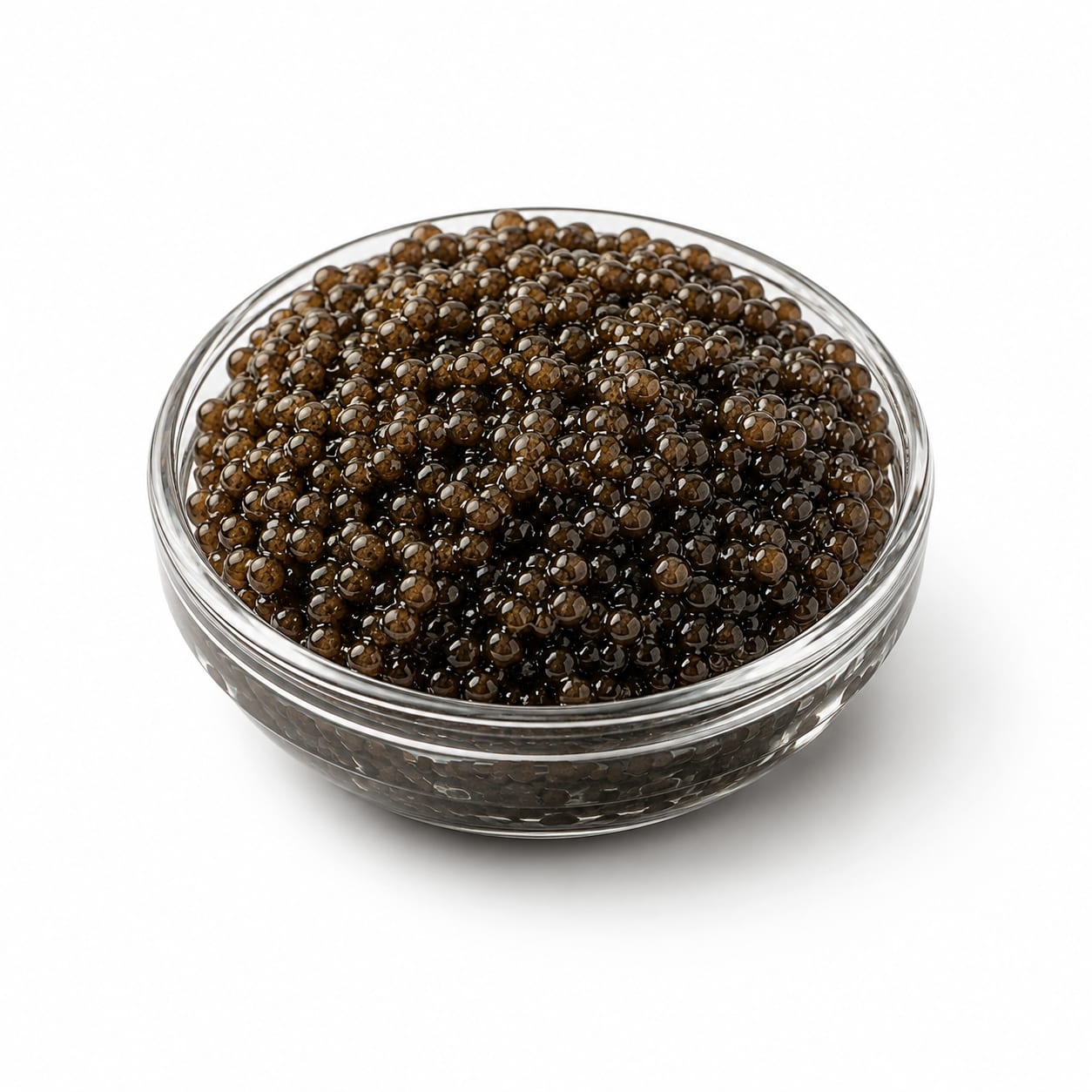
Caviar
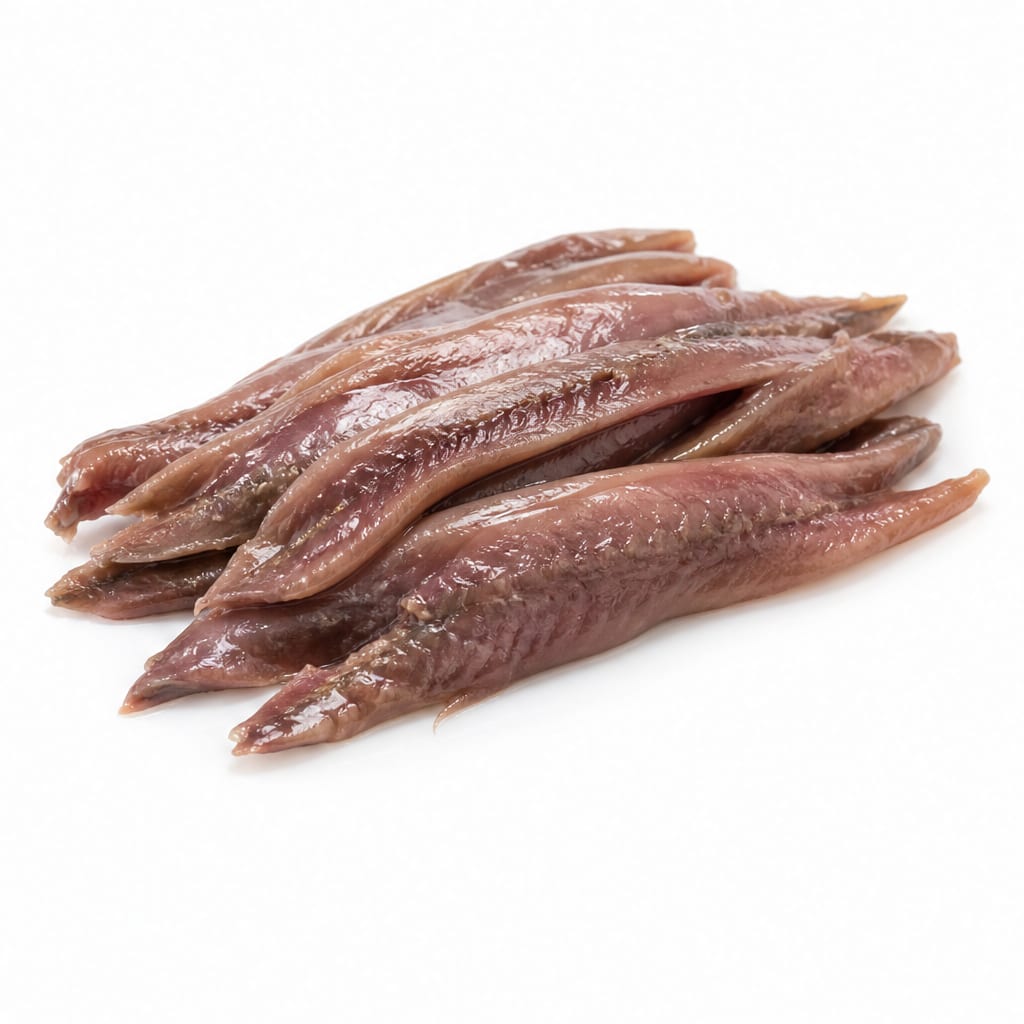
Anchovies
Anchovies deliver similar omega-3 benefits at a fraction of the cost with lower heavy metal risk, while Caviar offers a luxurious B12 boost but at a steep price.
Anchovies score higher due to much better practicality, lower cost, and safer contaminant profile, though both are nutritional powerhouses with high sodium.
Luxury and prestige versus everyday affordability and lower contaminant risk.
At a glance
Executive summary
Overall
Anchovies
Healthier
Anchovies
More practical
Anchovies
Daily use
Anchovies
Key comparison lenses
Omega-3 and nutrient density comparison
Both are renowned marine sources of essential fatty acids and B-vitamins, making their nutritional potency the primary interest.
Sodium and blood pressure impact
Curing and preserving methods make both foods exceptionally high in salt, a critical factor for daily health decisions.
Heavy metal and contamination risk
Comparing a large, long-living fish's roe against a small, short-lived forage fish highlights significant differences in toxin accumulation.
Everyday practicality and cost
The massive price gap between luxury Caviar and budget-friendly Anchovies determines how realistic it is to eat them regularly.
Best choice for
Caviar
- Special occasions
- Luxury dining experiences
- Quick B12 replenishment
Anchovies
- Weekly omega-3 intake
- Budget-conscious diets
- Adding savory umami to everyday meals
Least suitable for
Caviar
- Daily consumption
- Strict low-sodium diets
- Tight grocery budgets
Anchovies
- Formal fine dining
- Those averse to strong fish flavors
Deep comparison
Dimension by dimension
Each lens scores both foods and breaks down who each option suits.
- Dimension 1 · Priority 95Anchovies
Omega-3 & Brain Health
Caviar · 88Anchovies · 92Both are omega-3 powerhouses, but Anchovies provide a safer source for regular brain and heart support.
Tradeoff
Caviar offers a concentrated dose of B12, but Anchovies provide similar fatty acids without the heavy metal accumulation risk of sturgeon.
Why it matters
Consistent, safe omega-3 intake protects your heart and brain over decades.
Real-world impact
Eating Anchovies weekly is an affordable habit you can maintain for life; Caviar is usually a rare treat.
Caviar
- Quick B12 replenishment
- Luxury nutrient density
Better for
- Heavy metal accumulation with frequent use
Worse for
Anchovies
- Safe weekly omega-3 intake
- Lower mercury per serving
Better for
- Lower prestige vitamin profile per bite
Worse for
- Dimension 2 · Priority 90It depends
Sodium & Blood Pressure
Caviar · 35Anchovies · 30Both are extremely high in sodium, making them tricky for anyone watching their blood pressure.
Tradeoff
Caviar is salted to preserve freshness, while Anchovies are often cured in heavy salt or packed in oil with salt.
Why it matters
High sodium intake can quickly spike blood pressure and cause bloating.
Real-world impact
A small serving of either can put you over half your daily sodium limit, so portion control is essential.
Caviar
- Slightly easier to eat tiny portions due to strong flavor
Better for
- Sneaky sodium in small volume
Worse for
Anchovies
- Can be rinsed to remove some surface salt
Better for
- Salt-packed versions are among the saltiest foods available
Worse for
- Dimension 3 · Priority 85Anchovies
Contaminant & Heavy Metal Safety
Caviar · 60Anchovies · 88Anchovies are lower on the food chain, meaning they accumulate far fewer heavy metals than sturgeon.
Tradeoff
You get a cleaner protein source with Anchovies, while Caviar carries a higher risk of environmental pollutants.
Why it matters
Mercury and heavy metals build up over time, affecting neurological health.
Real-world impact
Choosing Anchovies means you can safely eat them multiple times a month without worrying about toxin buildup.
Caviar
- Often farm-raised with controlled water quality
Better for
- Sturgeon accumulate toxins over decades
Worse for
Anchovies
- Naturally low mercury due to small size and short lifespan
Better for
- Risk of scombroid poisoning if improperly stored
Worse for
- Dimension 4 · Priority 80Anchovies
Cost & Everyday Practicality
Caviar · 15Anchovies · 90Anchovies are one of the most affordable sources of omega-3s, while Caviar is a luxury item.
Tradeoff
Caviar brings prestige and a unique experience, but Anchovies deliver the same health benefits for pennies on the dollar.
Why it matters
A healthy food only works if you can afford to eat it regularly.
Real-world impact
You can add Anchovies to your weekly grocery list without thinking twice; Caviar is a special occasion splurge.
Caviar
- High-end entertaining
- Gifting
Better for
- Completely impractical for daily nutrition
Worse for
Anchovies
- Budget meal prep
- Weekly grocery staples
Better for
- Lacks luxury appeal for celebrations
Worse for
- Dimension 5 · Priority 70Anchovies
Bone Health & Minerals
Caviar · 55Anchovies · 85Anchovies provide a surprising amount of calcium because you eat their soft bones, while Caviar offers less.
Tradeoff
Eating whole small fish gives you a bone-building bonus that fish eggs cannot match.
Why it matters
Calcium from real food is often better absorbed than from supplements.
Real-world impact
Mashing Anchovies into a sauce secretly boosts your bone-supporting minerals without needing a supplement.
Caviar
- Good selenium and iron content
Better for
- Minimal calcium contribution
Worse for
Anchovies
- Highly bioavailable calcium from edible bones
Better for
- None significant for this dimension
Worse for
Timeline
Health impact over time
Short-term
Hours to days
Caviar
- Quick B12 energy boost
- Salty bloating if overeaten
- Immediate feeling of indulgence
Anchovies
- Savory umami satisfaction
- Salty bloating if overeaten
- Sustained energy from protein and fat
Long-term
Months to years
Caviar
- Potential heavy metal accumulation if eaten too often
- Heart health benefits if sodium is managed
- Risk of gout flares due to purines
Anchovies
- Strong heart and brain support from consistent omega-3s
- Improved bone density from calcium
- Risk of elevated blood pressure if sodium is not managed
Risk profile
Safety & processing
Caviar is simply roe and salt, though some producers use borax as a preservative. Anchovies are cleaned, salt-cured, and often oil-packed, making them slightly more processed but generally free of controversial additives.
Caviar
Heavy metal exposure
mediumSturgeon can live for decades, accumulating mercury and other pollutants from their environment.
Listeria contamination
lowAs a ready-to-eat seafood, improper refrigeration can lead to bacterial growth.
Anchovies
Scombroid poisoning
lowIf improperly chilled, histamine can build up, causing flushing and digestive upset.
Excessive sodium intake
highThe curing process loads Anchovies with salt, which can dangerously spike blood pressure if eaten in large amounts.
Who wins for whom
Audience fit
Same foods, different winners depending on your goal.
children
AnchoviesMashed Anchovies hidden in pasta sauce provide calcium and omega-3s without the overwhelming salt hit of Caviar or the luxury price tag.
daily consumption
AnchoviesAnchovies are affordable and lower in heavy metals, making them a realistic daily or weekly staple.
diabetes
AnchoviesBoth have zero carbs, but Anchovies are easier to incorporate into a consistent low-glycemic diet without breaking the bank.
elderly
AnchoviesThe calcium in Anchovy bones supports aging skeletons, and their low mercury profile is safer for older bodies.
muscle gain
AnchoviesAnchovies provide a more sustainable and affordable source of protein and omega-3s to support regular training.
weight loss
AnchoviesAnchovies are lower in calories per serving and easier to use as a light flavor enhancer rather than a calorie-dense delicacy.
Your move
Decision guide
Choose Caviar
- You are celebrating a special milestone
- Budget is absolutely no concern
- You want a dense B12 boost in a tiny serving
Choose Anchovies
- You want affordable, regular omega-3s
- You need to boost your calcium intake
- You want to add deep umami flavor to everyday cooking
Either works if
- You are looking for a zero-carb savory snack
- You want to increase your healthy fat intake
Avoid both if
- You are on a strict low-sodium diet
- You suffer from gout and must limit purines
Final recommendation
Save Caviar for the celebrations and keep Anchovies in your pantry for everyday health. Anchovies give you the same heart-healthy fats with better bone support, lower mercury, and a price tag that actually lets you eat them regularly.
Practical
Consumer tips
- 1
Rinse salt-packed Anchovies under cold water before using to remove excess sodium.
- 2
Look for Caviar labeled without borax if you want to avoid additive concerns.
- 3
Mash Anchovies into salad dressings or pasta sauces; they melt away and add savory depth without tasting fishy.
- 4
If watching sodium, limit either option to a small garnish rather than a main course.