
Nutrition comparison
Caviar vs Foie Gras: Nutrition, Health Benefits & Tradeoffs
Compare Caviar and Foie Gras to see which luxury food is healthier. Discover the nutritional differences, fat profiles, and safety risks.
Overall winner · Caviar
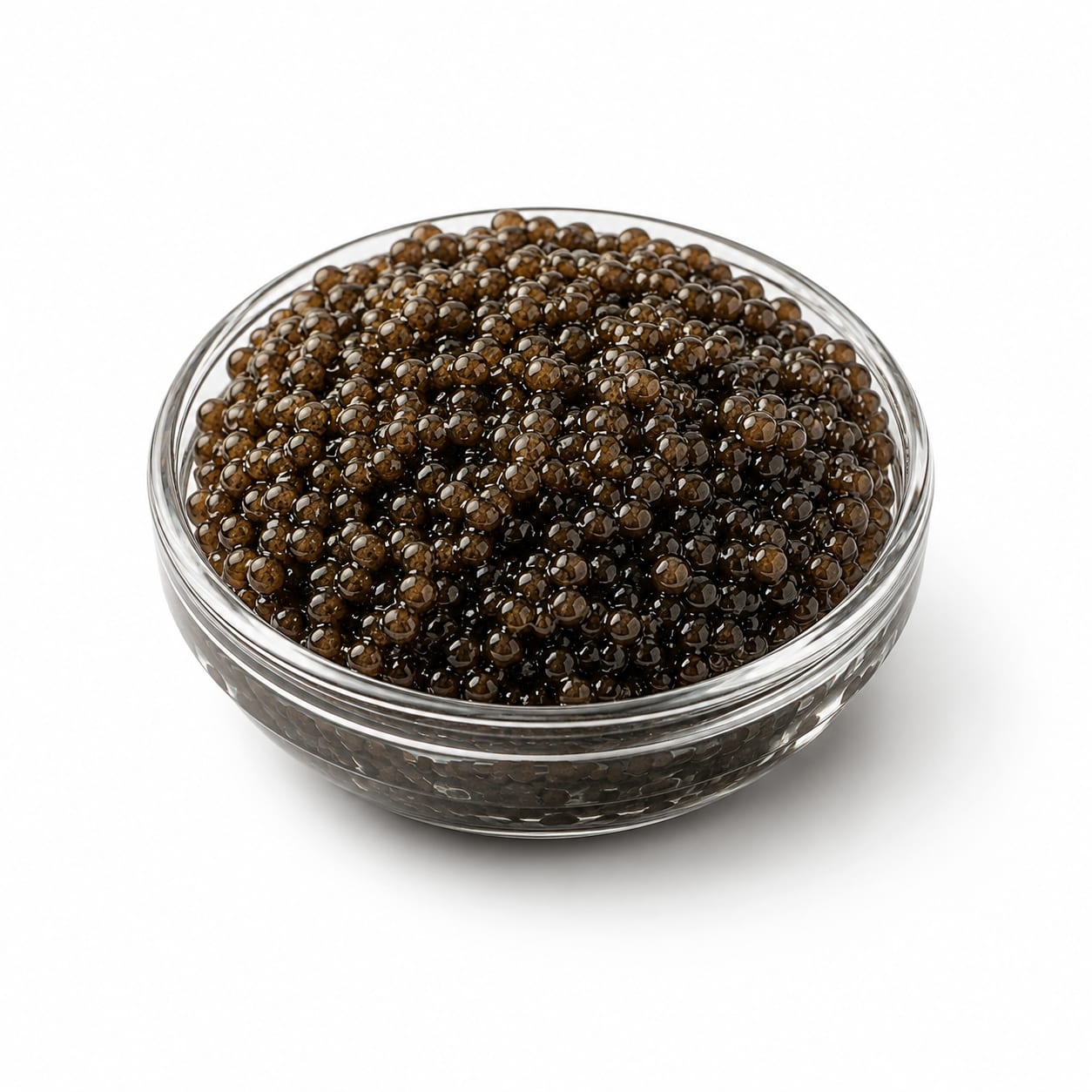
Caviar
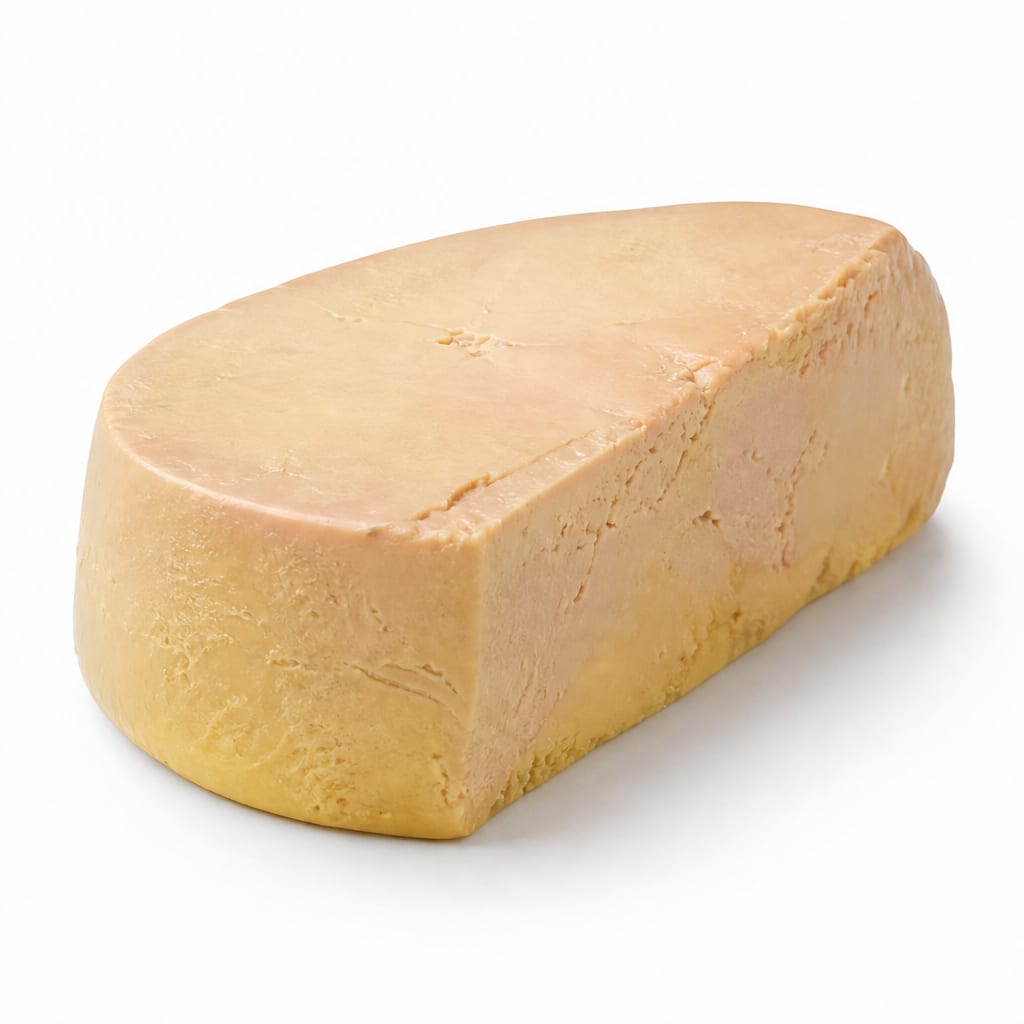
Foie Gras
Caviar offers a healthier fat profile and brain-boosting omega-3s, while Foie Gras delivers unmatched vitamin density but with a heavy saturated fat load.
Caviar scores higher due to its beneficial omega-3 content and lower saturated fat, but its high sodium keeps the score moderate. Foie Gras loses points for cardiovascular burden and Listeria risk, despite its exceptional vitamin density.
Heart-friendly fats and high sodium in Caviar versus nutrient density and high saturated fat in Foie Gras.
At a glance
Executive summary
Overall
Caviar
Healthier
Caviar
More practical
It depends
Daily use
It depends
Key comparison lenses
Cardiovascular impact of luxury fats
Both foods are high-fat luxury items, but Caviar provides heart-healthy omega-3s while Foie Gras is dominated by saturated fat.
Nutrient density versus fat quality tradeoff
Foie Gras offers massive amounts of Vitamin A and iron, but Caviar provides a cleaner fat profile with essential omega-3s.
Contamination and food safety risks
Caviar carries heavy metal risks from ocean waters, while Foie Gras has significant bacterial contamination and purine concerns.
Sodium load and blood pressure effects
Caviar is heavily salted during curing, making it a hidden sodium bomb, whereas Foie Gras is comparatively lower in salt.
Gout and inflammation triggers
Both foods are high in purines, making them potential triggers for gout sufferers, but Foie Gras is especially concentrated.
Best choice for
Caviar
- Brain health and omega-3 intake
- Lighter luxury dining experiences
Foie Gras
- Boosting iron and Vitamin A levels
- Rich, comforting cold-weather meals
Least suitable for
Caviar
- Low-sodium diets
- Those watching their salt intake
Foie Gras
- Cardiovascular patients
- Those avoiding saturated fat
Deep comparison
Dimension by dimension
Each lens scores both foods and breaks down who each option suits.
- Dimension 1 · Priority 95Caviar
Fat Quality and Heart Health
Caviar · 85Foie Gras · 35Caviar is rich in omega-3 fatty acids which support heart and brain health, while Foie Gras is dominated by saturated fat, making it a heavier burden on cardiovascular health.
Tradeoff
You trade the heart-friendly fats in Caviar for the rich, buttery mouthfeel of Foie Gras.
Why it matters
Saturated fat raises LDL cholesterol, whereas omega-3s lower inflammation and protect the heart.
Real-world impact
Eating Caviar feels lighter and leaves you with steadier energy, while Foie Gras can feel heavy and sluggishness-inducing after a rich meal.
Caviar
- Heart health
- Brain function
- Inflammation reduction
Better for
- High sodium can temporarily raise blood pressure
Worse for
Foie Gras
- Satiety
- Rich flavor experience
Better for
- Elevated LDL cholesterol
- Feeling overly full
Worse for
- Dimension 2 · Priority 90Foie Gras
Vitamin and Mineral Density
Caviar · 70Foie Gras · 90Foie Gras is an absolute powerhouse of Vitamin A, B12, and iron, far outpacing Caviar in these essential nutrients.
Tradeoff
You get vastly more fat-soluble vitamins and iron from Foie Gras, but it comes packaged with high saturated fat.
Why it matters
Vitamin A is crucial for vision and immunity, and B12 supports nerve function and energy.
Real-world impact
A small portion of Foie Gras can easily meet your daily Vitamin A and B12 needs, making it a dense nutrient bomb.
Caviar
- Selenium
- Omega-3s
Better for
- Lower overall vitamin density compared to liver
Worse for
Foie Gras
- Iron
- Vitamin A
- Vitamin B12
Better for
- Risk of Vitamin A toxicity if consumed in large amounts
Worse for
- Dimension 3 · Priority 85Caviar
Contamination and Safety Risks
Caviar · 60Foie Gras · 45Caviar's main risk is heavy metal accumulation from ocean waters, while Foie Gras carries a higher risk of bacterial contamination like Listeria and elevated purines.
Tradeoff
Choosing Caviar avoids the severe foodborne illness risks of undercooked liver, but you accept trace heavy metal exposure.
Why it matters
Listeria is especially dangerous for pregnant women and the elderly, while heavy metals accumulate over time.
Real-world impact
Foie Gras requires strict cold chain management to eat safely, whereas Caviar is more shelf-stable once properly jarred.
Caviar
- Lower foodborne illness risk
- Safer for careful storage
Better for
- Potential mercury and microplastic exposure
Worse for
Foie Gras
- No heavy metal accumulation concerns
Better for
- Listeria risk
- High purine load triggering gout
Worse for
- Dimension 4 · Priority 80Foie Gras
Sodium Load and Blood Pressure
Caviar · 30Foie Gras · 65Caviar is cured with significant amounts of salt, making it a high-sodium food, whereas Foie Gras is comparatively lower in sodium unless heavily seasoned.
Tradeoff
You avoid the salt spike with Foie Gras, but you still consume a massive amount of fat.
Why it matters
High sodium intake directly raises blood pressure and causes water retention.
Real-world impact
Eating Caviar can leave you thirsty and bloated, while Foie Gras will not have the same dehydrating effect.
Caviar
- Water retention
- Blood pressure spikes
Worse for
Foie Gras
- Blood pressure management
- Less bloating
Better for
Timeline
Health impact over time
Short-term
Hours to days
Caviar
- Quick salty energy boost
- Potential thirst and bloating from sodium
Foie Gras
- Deep satiety and comfort
- Feeling heavy or sluggish due to fat content
Long-term
Months to years
Caviar
- Improved heart and brain health from omega-3s
- Blood pressure concerns if eaten frequently
Foie Gras
- Excellent red blood cell support from iron and B12
- Increased cardiovascular risk from saturated fat
Risk profile
Safety & processing
Both Caviar and Foie Gras undergo processing—Caviar is salted and cured, while Foie Gras is cleaned, seasoned, and often cooked or canned. Neither contains significant artificial additives, relying instead on traditional preservation methods like salt and heat.
Caviar
Heavy Metal Accumulation
mediumCaviar from wild sturgeon can contain trace amounts of mercury and other heavy metals from ocean pollution.
High Sodium Load
mediumThe curing process requires heavy salting, which can spike blood pressure and cause bloating.
Foie Gras
Listeria Contamination
highFoie Gras, especially when served as a mousse or partially cooked, carries a notable risk of Listeria monocytogenes, making it unsafe for pregnant women.
Gout Flare-ups
highLiver is extremely high in purines, which break down into uric acid and can trigger severe gout attacks.
Who wins for whom
Audience fit
Same foods, different winners depending on your goal.
children
It dependsNeither is ideal for kids, but Foie Gras offers Vitamin A for development, while Caviar's sodium is too harsh for young kidneys.
daily consumption
It dependsNeither should be eaten daily due to sodium, saturated fat, and toxin accumulation, but Caviar in micro-doses is slightly more forgiving.
diabetes
CaviarCaviar's omega-3 fatty acids help improve insulin sensitivity, whereas the saturated fat in Foie Gras can worsen it.
elderly
CaviarCaviar provides omega-3s for cognitive health without the severe Listeria risk found in Foie Gras, which is dangerous for older immune systems.
muscle gain
Foie GrasFoie Gras provides more total protein and calories, which are essential for building muscle mass.
weight loss
CaviarCaviar is lower in calories and saturated fat per serving, making it a lighter indulgence.
Your move
Decision guide
Choose Caviar
- You want brain-boosting omega-3s
- You prefer a lighter, saltier delicacy
- Heart health is a priority
Choose Foie Gras
- You need an iron and Vitamin A boost
- You want a rich, filling, comforting dish
- You are preparing a heavy winter meal
Either works if
- You are celebrating a special occasion
- You want a luxurious source of B12
Avoid both if
- You suffer from gout
- You have severe cholesterol issues
- You are on a strict budget
Final recommendation
Choose Caviar for a lighter, heart-friendlier luxury, and Foie Gras for a rich, nutrient-dense indulgence—just keep both to small, occasional portions to avoid sodium overload and saturated fat buildup.
Practical
Consumer tips
- 1
Treat both as garnishes rather than main courses to keep portions in check.
- 2
Pair Caviar with unsalted bases like cucumber slices to manage sodium intake.
- 3
Balance the richness of Foie Gras with acidic sides like fruit compote to aid digestion.
- 4
Pregnant women should strictly avoid Foie Gras due to Listeria risks and limit Caviar due to heavy metals.