
Nutrition comparison
Caviar vs Tuna: Nutrition, Mercury, Omega-3, and Which Is Healthier
Compare caviar and tuna on omega-3s, mercury, protein, sodium, and cost. Find out which seafood is better for daily health, weight loss, and brain nutrition.
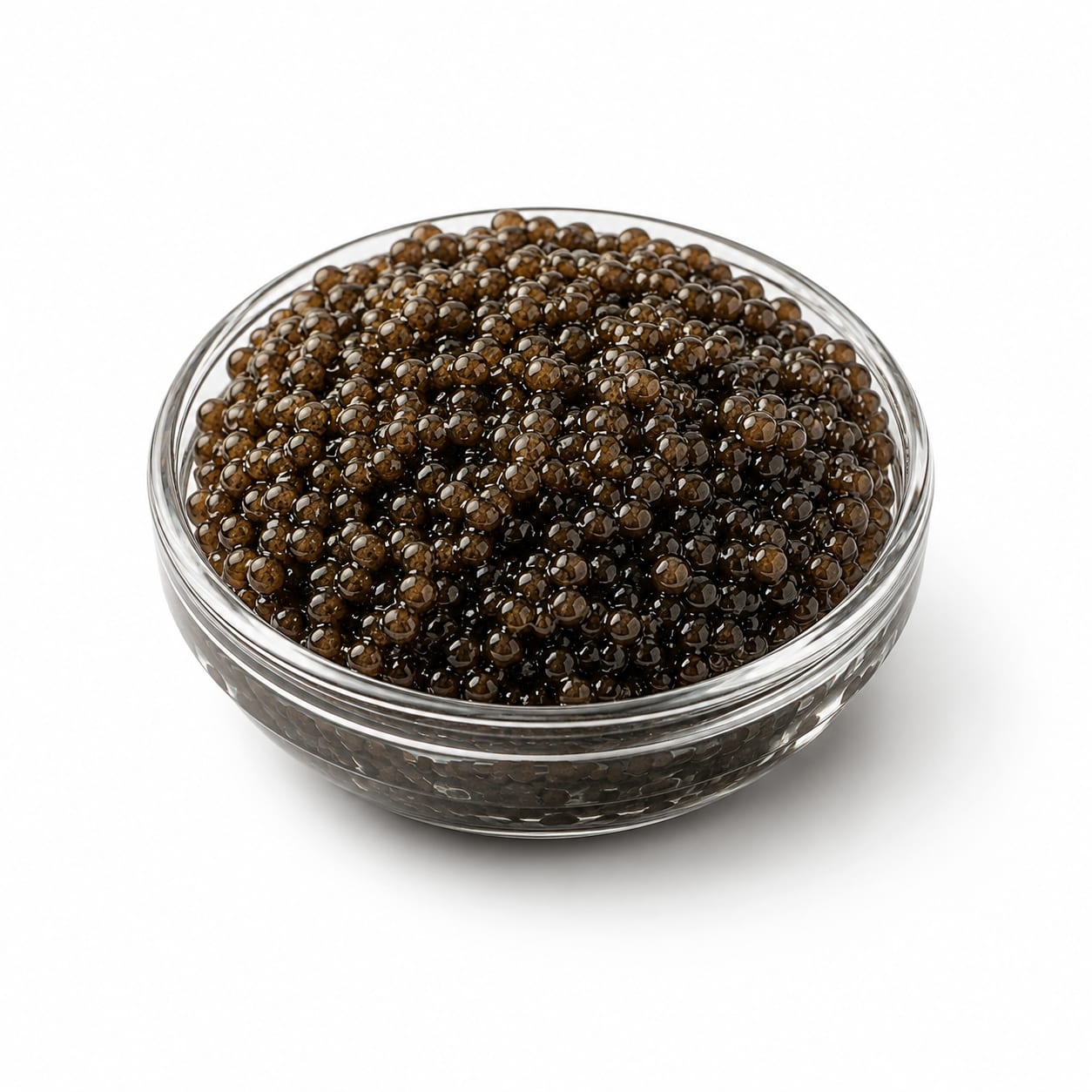
Caviar
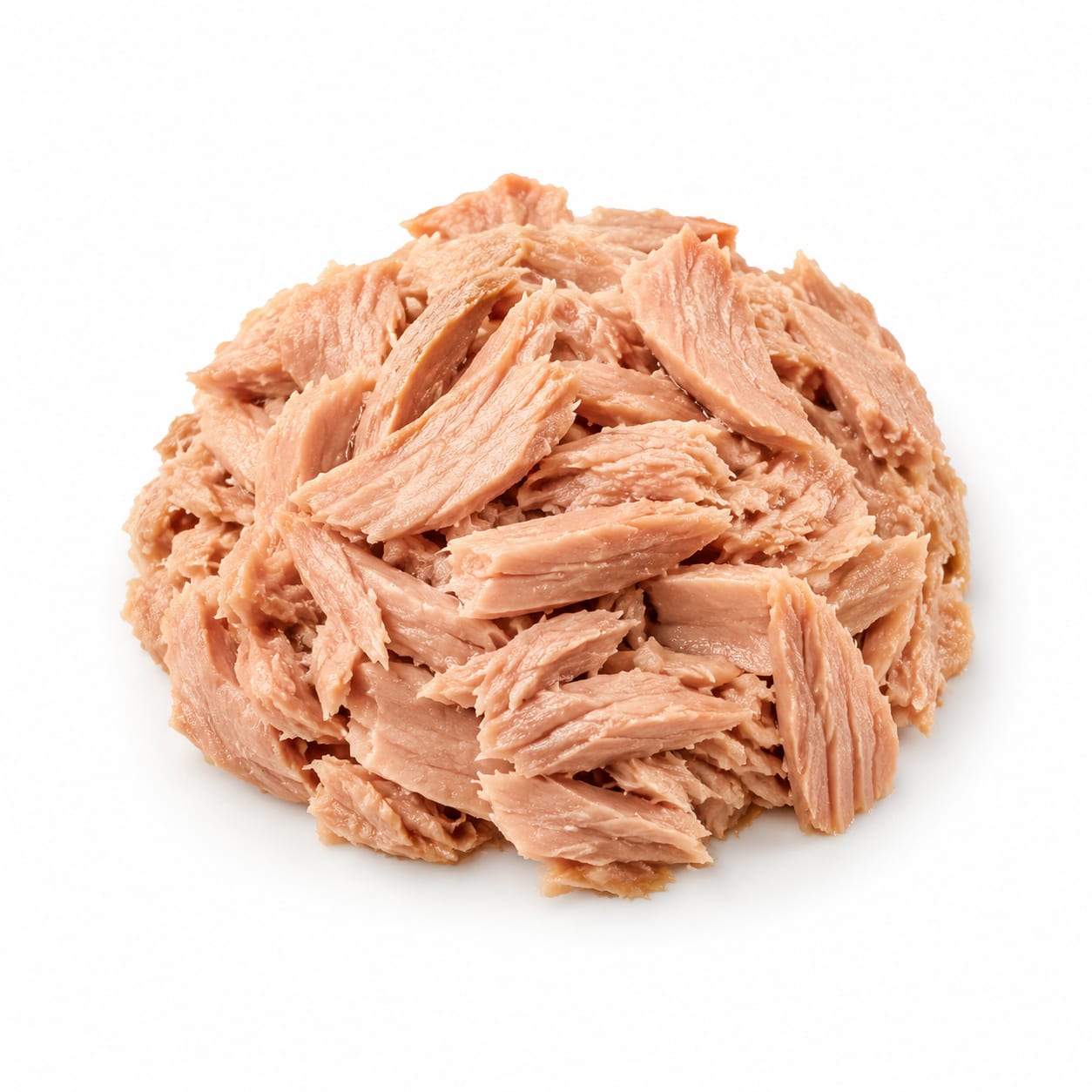
Tuna
Tuna wins for daily nutrition and practicality; caviar delivers unmatched omega-3 density in tiny portions but carries a sodium and price penalty.
Tuna scores higher due to practicality, protein content, and daily usability. Caviar earns strong nutrient density marks but loses ground on sodium, cost, and unrealistic portion sizes for regular consumption.
Caviar offers superior omega-3 concentration and rare nutrients like B12 per gram, but its extreme sodium and cost make it a luxury garnish. Tuna provides affordable, versatile protein you can actually eat regularly.
At a glance
Executive summary
Overall
It depends
Healthier
Tuna
More practical
Tuna
Daily use
Tuna
Key comparison lenses
omega-3 and brain health comparison
Both are marine sources of omega-3s but differ dramatically in concentration and type
mercury and contamination safety
Tuna carries well-documented mercury risks while caviar has different contamination concerns
everyday practicality and affordability
Caviar is a luxury item while tuna is a staple protein—this shapes real-world decisions
sodium and blood pressure impact
Caviar is salt-cured and extremely high in sodium, tuna varies by preparation
protein and satiety for meals
Tuna delivers substantial protein in realistic portions, caviar is eaten in tiny amounts
Best choice for
Caviar
- Occasional omega-3 and B12 boost in small amounts
- Special occasion nutrient-dense garnish
- Those wanting DHA-rich food with minimal calories per serving
Tuna
- Affordable daily lean protein
- Post-workout muscle recovery meals
- Meal-prep friendly lunch and dinner protein
Least suitable for
Caviar
- Sodium-sensitive individuals with hypertension
- Budget-conscious daily meal planning
- Anyone needing large protein portions
Tuna
- Pregnant women concerned about mercury (especially albacore)
- Those seeking peak omega-3 density per calorie
- People avoiding heavy metal exposure
Deep comparison
Dimension by dimension
Each lens scores both foods and breaks down who each option suits.
- Dimension 1 · Priority 95Caviar
omega-3 and brain health
Caviar · 93Tuna · 68Caviar delivers dramatically more omega-3s per gram, especially DHA, which directly supports brain function and mood stability.
Tradeoff
You get more omega-3s from caviar per bite, but realistic serving sizes are so small that total omega-3 intake may still be modest compared to a full tuna steak.
Why it matters
DHA is the dominant omega-3 in brain tissue. Getting enough supports memory, focus, and emotional resilience over time.
Real-world impact
A spoonful of caviar gives you a concentrated DHA hit, but a tuna steak provides more total omega-3s because you simply eat more of it.
Caviar
- Maximum DHA per calorie consumed
- Targeted brain-health supplementation in tiny portions
Better for
- Tiny serving sizes limit total omega-3 delivery despite concentration
Worse for
Tuna
- Higher total omega-3 intake from realistic meal portions
- Combining protein with omega-3s in one sitting
Better for
- Lower concentration means you need larger portions for equivalent DHA
Worse for
- Dimension 2 · Priority 88Tuna
protein and satiety
Caviar · 35Tuna · 89Tuna is a protein powerhouse you can build a meal around. Caviar provides minimal protein because portions are so small.
Tradeoff
Caviar has decent protein per 100g on paper, but nobody eats 100g of caviar. A typical serving delivers under 2g protein. A tuna steak easily delivers 30g+.
Why it matters
Protein drives fullness, muscle maintenance, and metabolic health. Food that actually fills you up prevents overeating later.
Real-world impact
Tuna keeps you satisfied for hours after a meal. Caviar is a garnish that disappears without making a dent in hunger.
Caviar
- Not applicable—caviar cannot serve as a meaningful protein source
Better for
- Negligible protein in realistic serving sizes
Worse for
Tuna
- Full-meal protein that stabilizes appetite
- Post-workout recovery with substantial amino acid delivery
- Lean protein for weight management
Better for
- Canned tuna can feel dry and less satisfying than richer proteins
Worse for
- Dimension 3 · Priority 85Tuna
sodium and blood pressure
Caviar · 18Tuna · 72Caviar is extremely high in sodium due to salt-curing. Fresh tuna is naturally low in sodium, though canned versions add salt.
Tradeoff
Even a small spoonful of caviar can deliver 200-400mg sodium. A fresh tuna fillet has under 50mg. Canned tuna sits in the middle at 200-300mg per serving.
Why it matters
High sodium intake raises blood pressure and strains cardiovascular health over time. Most people already exceed daily limits.
Real-world impact
Caviar as a garnish at one meal is fine, but regular consumption would push sodium intake into risky territory for most people.
Caviar
- Not applicable—caviar is one of the highest-sodium luxury foods
Better for
- Salt-curing makes caviar a hidden sodium bomb
- Risky for anyone monitoring blood pressure
Worse for
Tuna
- Fresh tuna is naturally low sodium
- Easy to control sodium by choosing fresh over canned
Better for
- Canned tuna sodium can add up if eaten daily
Worse for
- Dimension 4 · Priority 92Caviar
mercury and contamination safety
Caviar · 75Tuna · 45Caviar generally carries lower mercury than tuna, especially large species like albacore and bigeye which accumulate significant mercury over their lifespans.
Tradeoff
Caviar has lower mercury but comes from sturgeon that face sustainability concerns and potential pollutant exposure in some farming operations. Tuna's mercury risk is well-documented and dose-dependent.
Why it matters
Mercury damages the nervous system and is especially dangerous for pregnant women and developing children. Cumulative exposure matters.
Real-world impact
Eating tuna several times a week can push mercury intake past safe limits. Caviar eaten occasionally presents minimal mercury risk.
Caviar
- Lower mercury levels than most tuna species
- Safer for occasional consumption during pregnancy (with doctor guidance)
Better for
- Farmed caviar may carry antibiotic and pollutant residues depending on source
Worse for
Tuna
- Skipjack tuna (canned light) has moderate mercury and is safer than albacore
Better for
- Albacore and bigeye tuna have mercury levels that limit safe weekly intake
- Mercury accumulates with regular consumption
Worse for
- Dimension 5 · Priority 82Caviar
nutrient density per calorie
Caviar · 88Tuna · 76Caviar packs extraordinary B12, selenium, iron, and vitamin D into very few calories. Tuna is also nutrient-dense but less concentrated.
Tradeoff
Caviar's nutrient density is phenomenal on paper, but the sodium cost and tiny serving sizes mean you cannot rely on it as a primary nutrient source.
Why it matters
Getting more vitamins and minerals per calorie helps you stay nourished without overeating, especially on restricted diets.
Real-world impact
A small serving of caviar can cover your B12 needs for days. Tuna covers B12 too, but requires a full portion to do so.
Caviar
- Exceptional B12 and selenium density per calorie
- Vitamin D content rare in most foods
Better for
- Sodium offsets much of the micronutrient benefit
- Cannot eat enough to serve as a primary nutrient source
Worse for
Tuna
- Broader nutrient intake from larger realistic portions
- Potassium and B6 from substantial serving sizes
Better for
- Lower concentration of certain micronutrients like vitamin D
Worse for
- Dimension 6 · Priority 88Tuna
affordability and daily practicality
Caviar · 8Tuna · 85Tuna is one of the most affordable protein sources available. Caviar is among the most expensive foods on earth.
Tradeoff
Caviar's cost makes it inaccessible for regular consumption. Canned tuna costs pennies per serving and requires no preparation.
Why it matters
Nutrition only works if you can sustain it. Food that costs $100+ per ounce cannot be part of a daily diet for most people.
Real-world impact
You can eat tuna every day for weeks for the cost of one small tin of caviar. This makes tuna a real dietary staple and caviar a rare indulgence.
Caviar
- Luxury experience for special occasions
Better for
- Prohibitively expensive for regular consumption
- Requires specialty sourcing and refrigeration
Worse for
Tuna
- Budget-friendly daily protein
- Widely available in any grocery store
- Shelf-stable canned options for convenience
Better for
- Canned tuna quality and taste can feel monotonous
Worse for
Timeline
Health impact over time
Short-term
Hours to days
Caviar
- Immediate sodium hit that can cause thirst and mild bloating
- Quick B12 and iron boost in a small serving
- Rich taste may satisfy cravings with very small quantities
Tuna
- Strong protein satiety that curbs hunger for hours
- Steady energy without blood sugar spikes
- Canned versions may cause mild water retention from sodium
Long-term
Months to years
Caviar
- Regular consumption would likely elevate blood pressure from sodium load
- Occasional use provides meaningful B12 and omega-3 supplementation
- Purine content may trigger gout flares in susceptible individuals
Tuna
- Consistent lean protein intake supports muscle maintenance and healthy aging
- Mercury accumulation risk if eating high-mercury species too frequently
- Omega-3 contribution supports cardiovascular health when balanced with low-mercury choices
Risk profile
Safety & processing
Caviar requires salt-curing and sometimes pasteurization, making it more processed than fresh tuna. Canned tuna undergoes thermal processing but typically contains just tuna and salt. Fresh or frozen tuna steaks are the least processed option between both foods.
Caviar
High sodium from salt-curing
highA single tablespoon can contain 300-500mg sodium, making regular consumption risky for blood pressure management.
Purine content and gout trigger
mediumCaviar is rich in purines that can precipitate gout attacks in susceptible individuals.
Farmed sturgeon antibiotic and pollutant exposure
mediumFarmed caviar quality varies widely by source. Some operations use antibiotics or expose fish to waterway pollutants.
Tuna
Mercury accumulation
highAlbacore and bigeye tuna accumulate significant mercury. Regular consumption can exceed safe weekly limits, especially for pregnant women and children.
Scombroid poisoning from improper handling
mediumFresh tuna that is not kept cold enough can develop histamine, causing allergic-like reactions including flushing and headache.
Canned tuna BPA exposure from can linings
lowSome canned tuna uses BPA-lined cans, though many brands have transitioned to BPA-free alternatives.
Who wins for whom
Audience fit
Same foods, different winners depending on your goal.
children
TunaSkipjack tuna in moderation provides growing bodies with protein and omega-3s. Caviar's sodium is excessive for children, and most kids reject the taste anyway.
daily consumption
TunaTuna can be eaten several times weekly with smart species choices. Caviar is too sodium-dense and expensive for daily use.
diabetes
TunaTuna has zero carbs and provides steady protein that stabilizes blood sugar. Caviar also has no carbs but its sodium load worsens cardiovascular risk that diabetics already face.
elderly
TunaOlder adults need protein to prevent muscle loss and B12 for nerve health. Tuna delivers both in accessible, affordable forms. Caviar's sodium is counterproductive for age-related blood pressure concerns.
muscle gain
TunaTuna provides complete protein in amounts that actually support muscle synthesis. Caviar cannot deliver meaningful protein volume.
weight loss
TunaTuna delivers high protein with low calories in satisfying portions, making it far more effective for managing hunger and calorie intake.
Your move
Decision guide
Choose Caviar
- You want a nutrient-dense luxury garnish for special occasions
- You need a concentrated B12 and omega-3 boost in minimal calories
- You are looking for a gourmet experience rather than daily nutrition
Choose Tuna
- You need affordable, high-quality protein for regular meals
- You want omega-3s with actual satiety and meal satisfaction
- You are meal-prepping or building a sustainable weekly diet
Either works if
- You want marine-sourced omega-3s and B12 without supplements
- You are avoiding land-based protein for environmental or ethical reasons
Avoid both if
- You have gout and need to limit purine intake
- You are pregnant and trying to minimize all mercury and contamination risk simultaneously
- You have severe seafood allergies
Final recommendation
Eat tuna as your everyday marine protein, choosing skipjack over albacore to manage mercury. Save caviar for rare occasions where its nutrient density and luxury experience shine. If you want caviar's omega-3 benefits without the sodium, consider purified fish oil or sardines instead.
Practical
Consumer tips
- 1
Choose skipjack (light) canned tuna over albacore to cut mercury exposure by roughly 60%
- 2
Limit albacore tuna to one serving per week if you eat it regularly
- 3
If buying caviar, look for farmed varieties from reputable sources with third-party testing
- 4
Rinse canned tuna briefly to reduce surface sodium by up to 25%
- 5
Fresh tuna steaks should smell clean and oceanic—avoid any with a strong fishy odor
- 6
Freeze fresh tuna for at least 24 hours before making sushi at home to kill parasites
- 7
Pair tuna with vitamin C-rich foods like lemon to enhance iron absorption