
Nutrition comparison
Caviar vs Shrimp: Nutrition, Health Benefits & Tradeoffs
Comparing Caviar and Shrimp? Discover the nutritional differences, sodium levels, and which seafood is better for your health, budget, and daily meals.
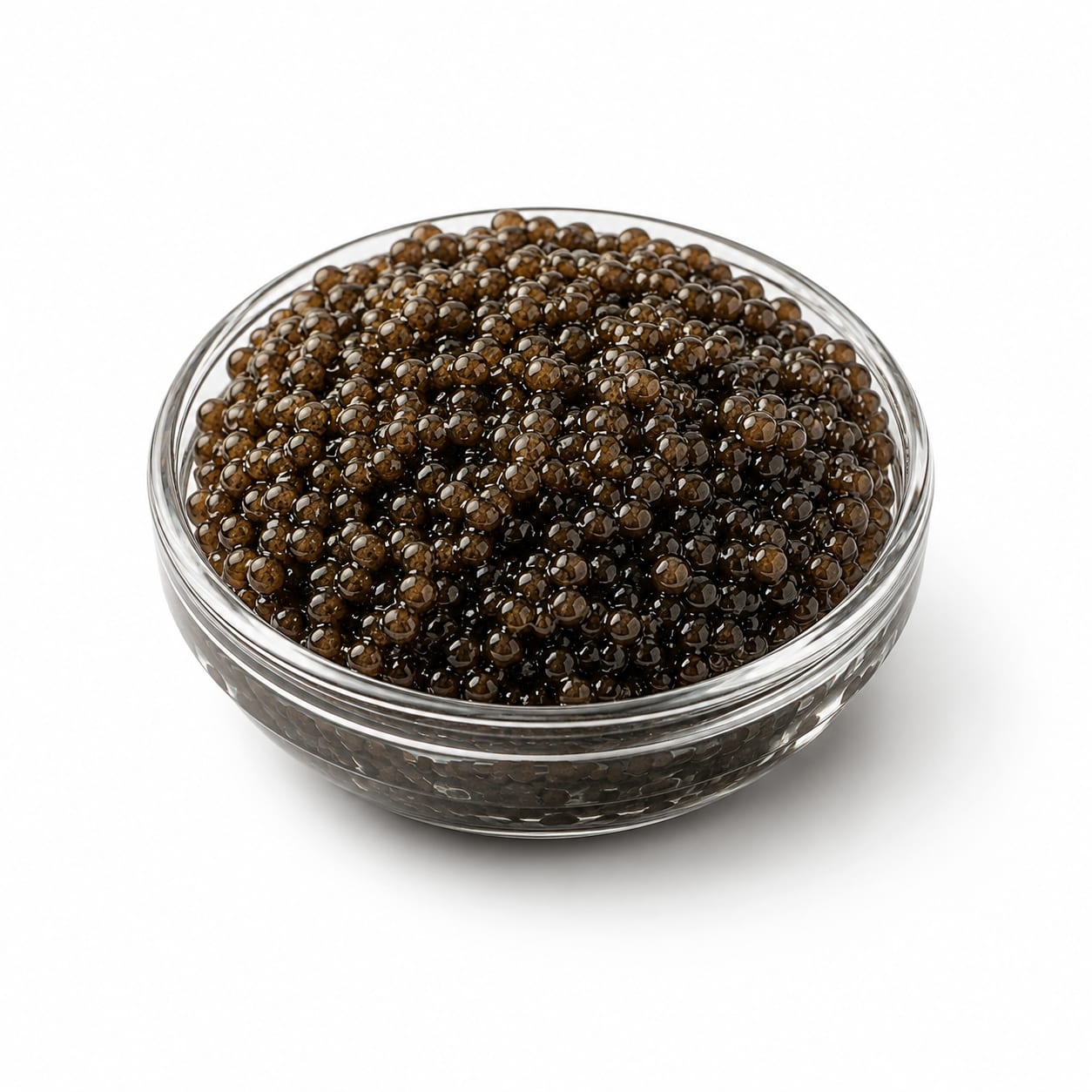
Caviar
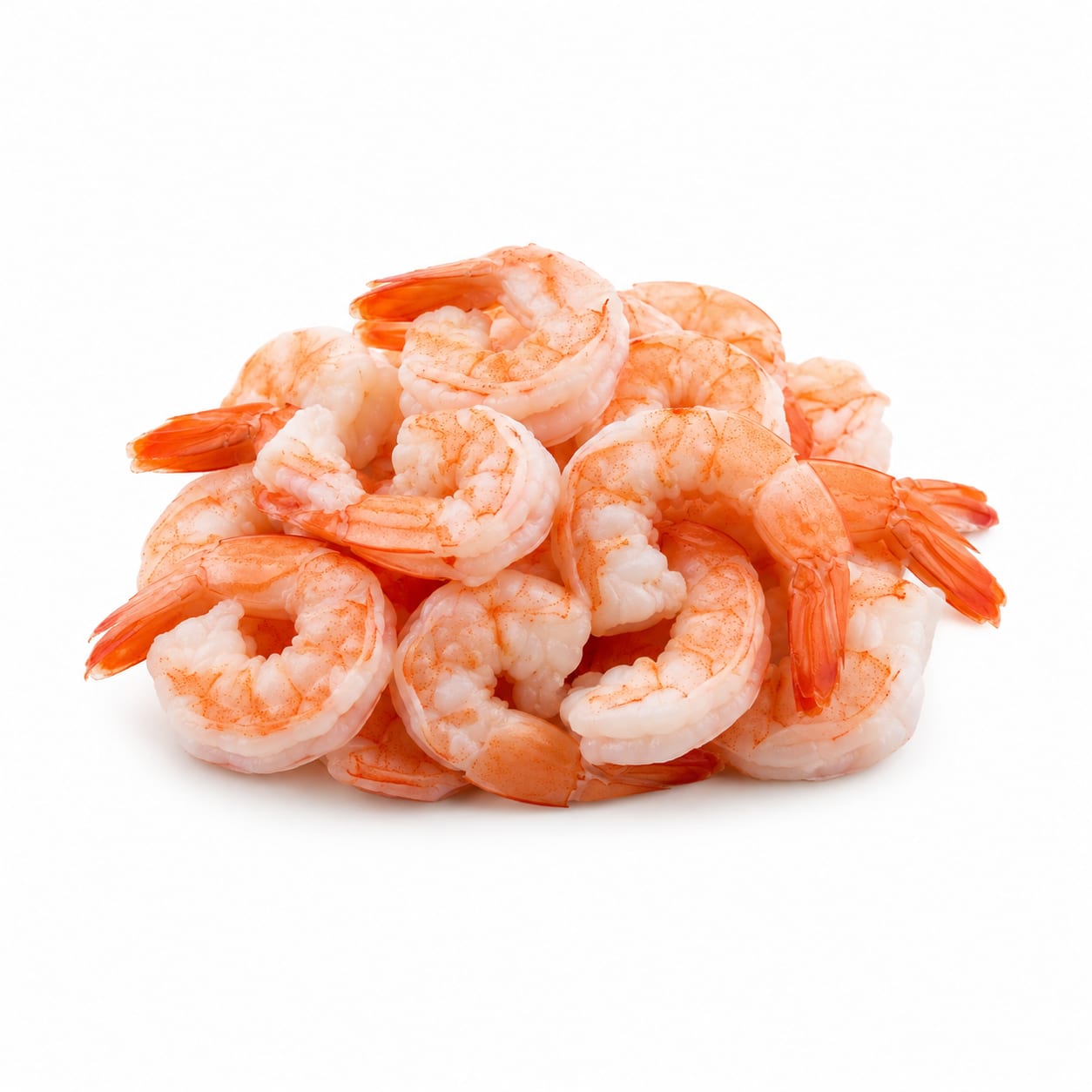
Shrimp
Caviar is a nutrient-dense luxury garnish, while shrimp is a versatile, lean protein staple.
Shrimp scores significantly higher due to its practicality, lower sodium, and versatility as an everyday protein. Caviar is nutritionally potent but impractical and too sodium-dense for regular consumption.
Caviar delivers unmatched omega-3s and B12 per gram but comes with a massive sodium load and price tag. Shrimp offers practical, low-calorie protein you can actually eat as a meal.
At a glance
Executive summary
Overall
It depends
Healthier
Shrimp
More practical
Shrimp
Daily use
Shrimp
Key comparison lenses
Practicality and everyday affordability
A luxury condiment versus a staple protein creates a massive gap in daily usability and cost.
Nutrient density and omega-3 comparison
Caviar is famously rich in omega-3s and B12, while shrimp offers solid nutrition in a leaner package.
Sodium and heart health impact
Caviar is heavily salted for preservation, making sodium a major differentiator versus naturally low-sodium shrimp.
Contamination and heavy metal exposure
Both are seafood, but farmed caviar and wild/farmed shrimp carry different contaminant profiles.
Best choice for
Caviar
- Special occasion celebrations
- Boosting B12 and omega-3s in tiny amounts
- Gourmet culinary experiences
Shrimp
- Weekly lean protein meals
- Weight management diets
- Budget-friendly seafood options
Least suitable for
Caviar
- Sodium-sensitive individuals
- Daily consumption
- Budget-conscious households
Shrimp
- People with shellfish allergies
- Those strictly limiting dietary cholesterol
Deep comparison
Dimension by dimension
Each lens scores both foods and breaks down who each option suits.
- Dimension 1 · Priority 92Caviar
Nutrient Density & Omega-3s
Caviar · 96Shrimp · 68Caviar is an absolute powerhouse of omega-3s, B12, and iron in a tiny serving. Shrimp is nutritious but cannot compete gram-for-gram.
Tradeoff
You get more vitamins and anti-inflammatory fats per bite with Caviar, but the serving size is minuscule compared to a filling portion of Shrimp.
Why it matters
If you need a concentrated B12 or omega-3 boost, Caviar delivers fast. For sustained daily intake, Shrimp is easier to eat in meaningful quantities.
Real-world impact
A single spoonful of Caviar covers your B12 needs for the day, while Shrimp requires a full portion to hit similar marks.
Caviar
- Quick B12 and omega-3 top-ups
- Anti-inflammatory boosts in small doses
Better for
- Getting adequate total nutrition without overconsuming sodium
Worse for
Shrimp
- Sustained protein and nutrient intake
- Meals where volume and satisfaction matter
Better for
- Maximizing omega-3 density per calorie
Worse for
- Dimension 2 · Priority 88Shrimp
Sodium & Heart Health
Caviar · 25Shrimp · 85Caviar is cured with heavy salt, making it a sodium bomb. Fresh Shrimp is naturally very low in sodium.
Tradeoff
Eating Caviar regularly can easily push you past daily sodium limits, while Shrimp supports heart-healthy, low-sodium diets.
Why it matters
High sodium intake directly raises blood pressure and cardiovascular risk. Caviar's salt content makes it a rare treat, not a daily food.
Real-world impact
A few spoonfuls of Caviar can contain half your daily sodium allowance, whereas a full plate of Shrimp stays comfortably low.
Caviar
- Flavoring dishes in tiny amounts instead of adding table salt
Better for
- People with hypertension
- Anyone watching their heart health
Worse for
Shrimp
- Managing blood pressure
- Keeping daily sodium intake low
Better for
- Situations where intense savory flavor is desired without adding extra salt
Worse for
- Dimension 3 · Priority 85Shrimp
Protein & Satiety
Caviar · 30Shrimp · 92Shrimp is a lean, high-protein food that fills you up. Caviar is eaten in such small amounts it provides negligible protein.
Tradeoff
You can eat a satisfying 4-ounce portion of Shrimp for lunch, but Caviar is a garnish that will not satisfy hunger.
Why it matters
Protein is essential for muscle maintenance and staying full. Shrimp acts as a main course; Caviar acts as an accent.
Real-world impact
A Shrimp dinner keeps you full for hours. A Caviar appetizer leaves you looking for the next course.
Caviar
- Adding savory depth to a meal without adding heavy calories
Better for
- Using as a primary protein source
Worse for
Shrimp
- Post-workout recovery
- Staying full between meals
Better for
- Very low-calorie or low-volume diets where every bite must be nutrient-dense
Worse for
- Dimension 4 · Priority 95Shrimp
Practicality & Versatility
Caviar · 15Shrimp · 90Shrimp is affordable, easy to cook, and works in countless global recipes. Caviar is fragile, expensive, and limited to garnishes.
Tradeoff
Shrimp adapts to stir-fries, grills, and pastas on a Tuesday night. Caviar requires careful chilling and a special occasion.
Why it matters
Healthy eating depends on consistency. Shrimp is easy to keep frozen and cook weekly; Caviar is a logistical and financial hurdle.
Real-world impact
You can throw frozen Shrimp in a skillet for a 10-minute dinner. Caviar requires delicate handling and immediate consumption.
Caviar
- Creating a luxurious dining experience
Better for
- Casual everyday cooking
- Cost-effective meal planning
Worse for
Shrimp
- Busy weeknight dinners
- Meal prepping lean proteins
Better for
- Raw bar or fine-dining presentations
Worse for
- Dimension 5 · Priority 75It depends
Contaminants & Safety
Caviar · 70Shrimp · 65Farmed Caviar avoids ocean heavy metals but carries antibiotic risks. Shrimp varies wildly by source, with farmed versions often exposed to chemicals.
Tradeoff
Caviar's farmed environment limits mercury but introduces other farming concerns. Wild Shrimp is cleaner but can have microplastics.
Why it matters
Sourcing matters immensely for both. Poorly farmed Shrimp is one of the most chemically contaminated seafoods you can buy.
Real-world impact
Choosing wild or responsibly farmed Shrimp, or high-quality Caviar, minimizes your exposure to antibiotics and heavy metals.
Caviar
- Avoiding mercury and heavy metals common in large wild fish
Better for
- Potential exposure to aquaculture antibiotics and preservatives like borax
Worse for
Shrimp
- Wild-caught options that avoid aquaculture chemicals
Better for
- Farmed varieties with high antibiotic and chemical residues
Worse for
Timeline
Health impact over time
Short-term
Hours to days
Caviar
- Quick B12 and omega-3 absorption
- Potential blood pressure spike from high sodium
- Intense umami satisfaction
Shrimp
- Steady, satisfying protein energy
- Light feeling post-meal due to low fat and carbs
- Possible mild allergic reactions if sensitive
Long-term
Months to years
Caviar
- Cardiovascular strain if eaten frequently due to salt
- Excellent neural health support from DHA and B12 when consumed moderately
- Gout flare-ups due to high purine content
Shrimp
- Improved muscle maintenance and satiety
- Support for thyroid function from iodine and selenium
- Joint health support from astaxanthin
Risk profile
Safety & processing
Caviar requires heavy salting and sometimes pasteurization or borax to preserve it, moving it into the processed category. Fresh or frozen Shrimp is typically just the animal, though some packaged Shrimp is treated with sodium tripolyphosphate to retain moisture.
Caviar
Extreme sodium load
highThe curing process packs massive amounts of salt into a tiny serving, posing immediate risks for blood pressure management.
Listeria in unpasteurized varieties
mediumUnpasteurized Caviar can harbor Listeria, making it unsafe for pregnant women and immunocompromised individuals.
Shrimp
Shellfish allergy
highShrimp is a top allergen that can cause severe anaphylactic reactions in sensitive individuals.
Antibiotic and chemical residues in farmed varieties
mediumImported farmed Shrimp often tests positive for banned antibiotics and chemical washes.
Who wins for whom
Audience fit
Same foods, different winners depending on your goal.
children
ShrimpShrimp is an easy, kid-friendly protein. Caviar's intense saltiness and risk of Listeria make it inappropriate for kids.
daily consumption
ShrimpShrimp can easily be eaten a few times a week. Caviar's sodium content and cost make daily consumption both unhealthy and impractical.
diabetes
ShrimpBoth are carb-free, but Shrimp's lack of sodium and higher protein content makes it better for overall metabolic and cardiovascular health.
elderly
ShrimpOlder adults need lean protein to prevent muscle loss and must watch their sodium. Shrimp supports both goals better than salty Caviar.
muscle gain
ShrimpYou need volume and total protein to build muscle. Shrimp delivers a substantial protein punch per meal, whereas Caviar is just a garnish.
weight loss
ShrimpShrimp is incredibly low in calories while being highly filling, making it a weight loss superstar. Caviar's serving size is too small to satisfy hunger.
Your move
Decision guide
Choose Caviar
- You are celebrating a special occasion
- You need a concentrated B12 or omega-3 boost
- You want a luxurious garnish for a dish
Choose Shrimp
- You need a lean, satisfying protein for dinner
- You are watching your sodium or calorie intake
- You want an affordable, cook-friendly seafood
Either works if
- You are looking for high-quality, zero-carb seafood options
- You want to increase your intake of marine nutrients
Avoid both if
- You have severe shellfish or fish allergies
- You are highly sensitive to dietary purines due to gout
Final recommendation
Keep Shrimp as your go-to seafood for everyday meals, and treat Caviar as exactly that—a treat. Shrimp gives you the protein, satiety, and low sodium you need for a healthy week. Save Caviar for the rare moments you want a nutrient-dense, luxurious bite.
Practical
Consumer tips
- 1
Look for 'malossol' on Caviar labels; it means 'little salt' and indicates a lower sodium product.
- 2
Buy wild-caught Shrimp or check for reputable aquaculture certifications to avoid antibiotic residues.
- 3
Rinse frozen Shrimp under cold water to remove excess sodium or ice glaze before cooking.
- 4
Keep Caviar refrigerated at near-freezing temperatures and consume within a few days of opening.
- 5
If you have high blood pressure, limit Caviar to a teaspoon and pair it with unsalted foods.