
Nutrition comparison
Caviar vs Oysters: Which Luxury Seafood Is Actually Healthier?
Compare caviar and oysters on omega-3s, zinc, sodium, protein, and safety. Find out which delivers better nutrition for your health goals and budget.
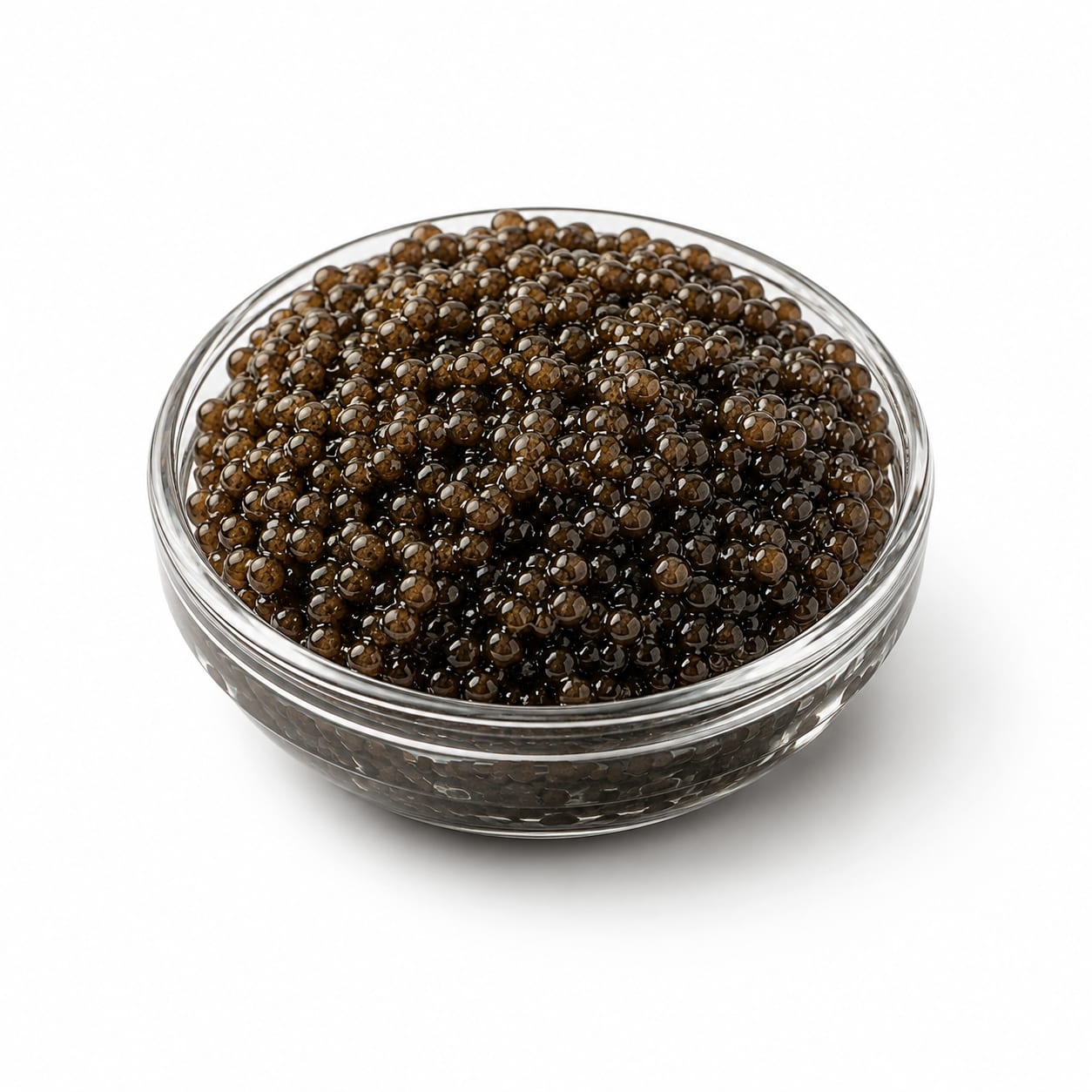
Caviar
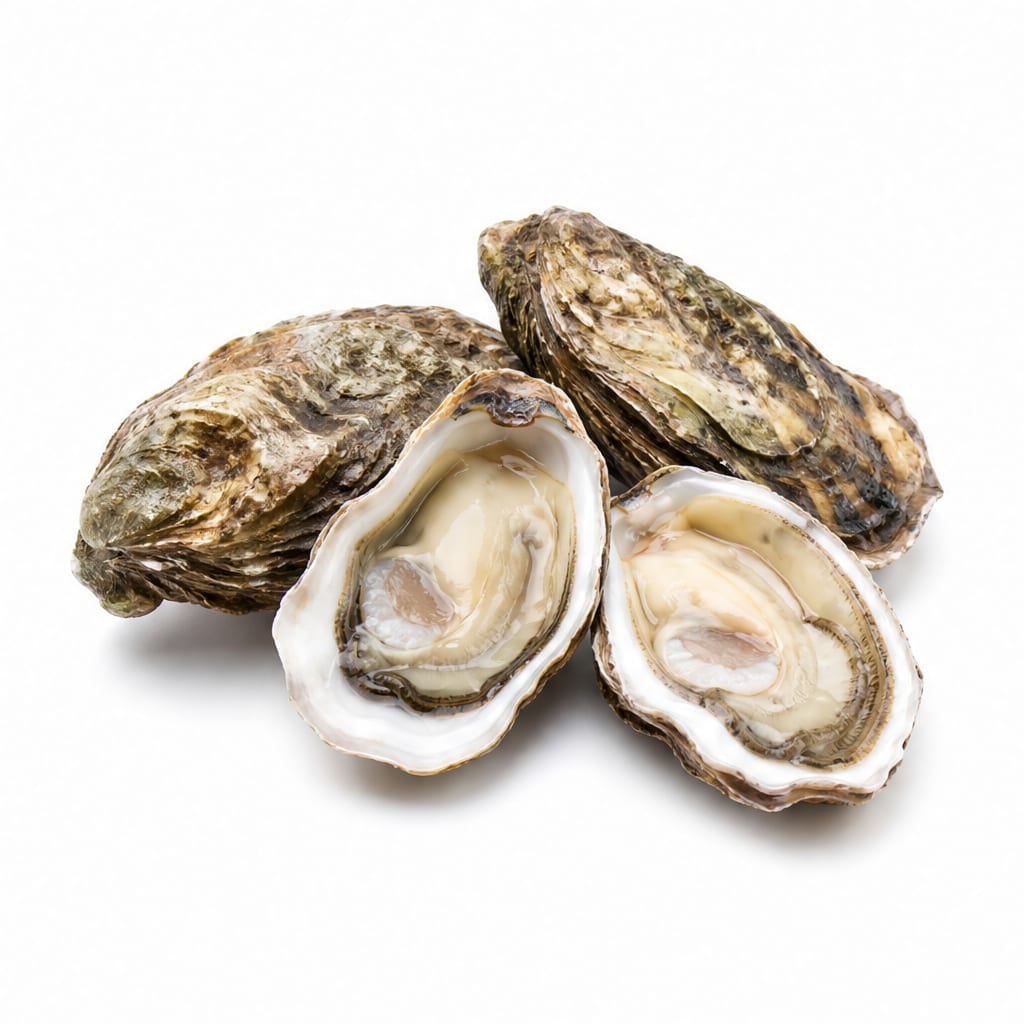
Oysters
Oysters win for everyday nutrition and mineral density, while caviar delivers a more concentrated omega-3 punch at the cost of extreme sodium load
Oysters score significantly higher due to better mineral density, lower sodium, more protein, and greater practicality. Caviar remains nutritionally impressive but its extreme sodium content and cost make it harder to recommend for regular consumption.
Caviar offers richer omega-3s and B12 per bite but comes with punishing sodium levels; oysters provide superior zinc, iron, and protein with far less salt
At a glance
Executive summary
Overall
It depends
Healthier
Oysters
More practical
Oysters
Daily use
Oysters
Key comparison lenses
omega-3 and brain health comparison
Both are prized for omega-3s but deliver them very differently — caviar is concentrated fat, oysters offer leaner nutrition
sodium and blood pressure tradeoff
Caviar is salt-cured and extremely high in sodium, making it risky for daily use despite its nutritional prestige
zinc and immune support
Oysters are one of the richest zinc sources available, far surpassing caviar for immune and reproductive health
luxury vs practical nutrition
Users comparing these foods often weigh whether the premium price delivers meaningful health advantages
raw seafood safety concerns
Both carry contamination risks but oysters are more commonly consumed raw in larger quantities, increasing exposure
Best choice for
Caviar
- People wanting maximum omega-3 density in small portions
- Special occasion luxury with genuine nutritional upside
- Those who need concentrated B12 in tiny servings
- Anyone already monitoring sodium who can budget for it
Oysters
- People seeking zinc for immune or reproductive health
- Regular seafood eaters wanting affordable nutrition
- Those watching sodium intake carefully
- Anyone wanting lean protein from shellfish
Least suitable for
Caviar
- People with hypertension or sodium-sensitive conditions
- Anyone on a tight grocery budget
- Those who eat large portions and would exceed sodium limits fast
- People avoiding high-cholesterol foods
Oysters
- People with compromised immune systems who cannot risk raw seafood
- Anyone with shellfish allergies
- Those in areas with poor water quality advisories
Deep comparison
Dimension by dimension
Each lens scores both foods and breaks down who each option suits.
- Dimension 1 · Priority 95Caviar
Omega-3 Fatty Acid Density
Caviar · 92Oysters · 70Caviar delivers more omega-3s per gram than nearly any other food, making it exceptionally efficient for brain and heart health in tiny portions
Tradeoff
That concentration comes alongside very high sodium, which can undermine the cardiovascular benefits if you eat enough to get meaningful omega-3 amounts
Why it matters
Omega-3s reduce inflammation, support brain function, and protect heart health — but the delivery vehicle matters as much as the nutrient
Real-world impact
A small spoonful of caviar gives you a potent omega-3 dose, but eating enough to match a salmon fillet's omega-3 content would deliver dangerous sodium levels
Caviar
- Getting maximum omega-3s in minimal volume
- Supplementing an already low-sodium diet
Better for
- Anyone whose sodium budget is already tight from other foods
- Portion control challenges — the salt adds up fast
Worse for
Oysters
- Sustained omega-3 intake without sodium overload
- Pairing omega-3s with protein and minerals in a balanced meal
Better for
- Matching caviar's omega-3 concentration per gram
Worse for
- Dimension 2 · Priority 92Oysters
Sodium Load
Caviar · 15Oysters · 82Caviar is salt-cured and packs a massive sodium hit per serving, while fresh oysters contain only naturally occurring sodium at moderate levels
Tradeoff
Caviar's curing process preserves it and creates its flavor, but turns it into a sodium bomb that limits how much you can safely eat
Why it matters
High sodium intake directly raises blood pressure and cardiovascular risk — the very thing omega-3s are supposed to protect against
Real-world impact
A single serving of caviar can deliver 400-800mg of sodium, while the same amount of oysters stays under 100mg — that difference matters daily
Caviar
- Flavor intensity and preservation without refrigeration
Better for
- Hypertension risk with regular consumption
- Hard to fit into low-sodium meal plans
- Contradicts the heart-health story of its omega-3s
Worse for
Oysters
- Blood pressure management
- Eating more volume without sodium guilt
- Pairing freely with other seasoned foods
Better for
- Less intense umami flavor without added seasoning
Worse for
- Dimension 3 · Priority 88Oysters
Zinc and Mineral Density
Caviar · 55Oysters · 96Oysters are one of the most zinc-rich foods on the planet, far outpacing caviar for this critical immune and reproductive mineral
Tradeoff
Caviar offers more B12 and selenium per gram, but oysters deliver a broader and more impactful mineral profile overall
Why it matters
Zinc supports immune function, wound healing, testosterone production, and fertility — deficiencies are common and consequential
Real-world impact
A half-dozen oysters can provide over 300% of your daily zinc needs, while caviar would require an impractical and expensive amount to match that
Caviar
- Concentrated B12 in small doses
- Selenium for thyroid and antioxidant support
Better for
- Cannot practically serve as a primary zinc source
- Mineral benefits are overshadowed by sodium cost
Worse for
Oysters
- Zinc for immune resilience and reproductive health
- Iron for energy and oxygen transport
- Copper for connective tissue and iron metabolism
Better for
- Less B12 per gram compared to caviar
Worse for
- Dimension 4 · Priority 78Oysters
Protein and Satiety
Caviar · 40Oysters · 80Oysters provide meaningful protein per serving that contributes to fullness, while caviar's tiny typical portions deliver negligible protein
Tradeoff
Caviar is eaten in such small amounts that its protein content is functionally irrelevant, even though it is protein-dense per gram
Why it matters
Protein drives satiety, muscle maintenance, and metabolic health — a food that cannot deliver protein in real portions is nutritionally incomplete
Real-world impact
A half-dozen oysters give you roughly 10g of protein as part of a satisfying meal; caviar typically adds less than 2g per serving
Caviar
- Theoretical protein density if eaten in large amounts
Better for
- Never eaten in quantities that provide meaningful protein
- Leaves you hungry despite caloric density
Worse for
Oysters
- Actual protein contribution in realistic portions
- More filling as part of a meal
- Supports muscle maintenance alongside micronutrients
Better for
- Still not a high-protein food compared to fish or meat
Worse for
- Dimension 5 · Priority 75Oysters
Cost and Accessibility
Caviar · 20Oysters · 65Both are luxury items, but oysters are far more accessible and can be enjoyed regularly without financial strain for most consumers
Tradeoff
Caviar's exclusivity is part of its appeal, but it prevents the consistent consumption that would actually deliver health benefits
Why it matters
Nutrition only works if you can sustain it — a food you eat once a year cannot meaningfully impact your health regardless of its nutrient profile
Real-world impact
Oysters can be a weekly indulgence at a restaurant or even cooked at home; caviar remains a special-occasion splurge for most people
Caviar
- Maximum prestige and gifting impact
- Concentrated nutrition if budget is unlimited
Better for
- Prohibitive cost for regular intake
- Limited availability outside specialty shops
Worse for
Oysters
- Regular consumption that builds cumulative health benefits
- Available fresh in most coastal regions
- Multiple preparation options beyond raw
Better for
- Still expensive compared to everyday protein sources
Worse for
- Dimension 6 · Priority 80It depends
Food Safety and Contamination Risk
Caviar · 60Oysters · 55Both carry raw seafood risks, but oysters are filter feeders that concentrate pathogens and toxins from their environment more aggressively
Tradeoff
Caviar's curing process reduces some microbial risk through salt, while oysters are often consumed completely raw and alive with no protective processing
Why it matters
Vibrio bacteria, norovirus, and heavy metal contamination are real risks with raw shellfish that can cause serious illness
Real-world impact
Oyster-related foodborne illness outbreaks are well-documented, especially in warm months; caviar's salt curing adds a partial safety buffer
Caviar
- Salt curing reduces some bacterial survival
- Typically sourced from controlled aquaculture environments
Better for
- Still a raw animal product with contamination potential
- Preservatives in some commercial caviars add chemical concerns
Worse for
Oysters
- Can be cooked to eliminate most pathogen risk
- Easier to verify freshness through smell and appearance
Better for
- Filter feeding concentrates ocean toxins and heavy metals
- Raw consumption carries documented Vibrio risk in warm months
Worse for
Timeline
Health impact over time
Short-term
Hours to days
Caviar
- Quick B12 and omega-3 boost in a small serving
- Potential blood pressure spike from sodium if eating a full portion
- Rich umami flavor triggers satisfaction and reward signals
Oysters
- Rapid zinc replenishment noticeable in immune resilience over days
- Light, energizing meal that does not cause heaviness or sluggishness
- Raw oysters can cause immediate digestive upset if contaminated
Long-term
Months to years
Caviar
- Consistent omega-3 intake supports brain and heart health — but sodium works against cardiovascular benefits if consumed frequently
- High cholesterol content may concern those with lipid disorders
- Occasional consumption poses minimal risk; regular consumption is impractical for most
Oysters
- Sustained zinc and iron intake supports immune strength, wound healing, and energy levels
- Regular omega-3 consumption from oysters contributes to anti-inflammatory benefits without sodium drawbacks
- Long-term raw consumption requires trusted sourcing to avoid cumulative heavy metal exposure
Risk profile
Safety & processing
Caviar requires salt curing and sometimes borax or other preservatives, moving it away from a whole food. Fresh oysters are sold alive and unprocessed, making them closer to their natural state.
Caviar
High sodium from curing
highSalt-cured caviar delivers 400-800mg sodium per serving, which can push daily intake well above recommended limits even in small portions
Preservative additives
mediumSome commercial caviars use borax (E285) or other preservatives that are banned in certain countries due to health concerns
Heavy metal accumulation
lowSturgeon can accumulate mercury and other heavy metals over their long lifespan, though farmed caviar generally tests within safe limits
Oysters
Vibrio bacterial infection
highRaw oysters are the leading vector for Vibrio vulnificus infections, which can be life-threatening for immunocompromised individuals
Norovirus from contaminated waters
mediumOysters filter large volumes of water and can concentrate norovirus from sewage-contaminated harvesting areas
Heavy metals and microplastics
mediumAs filter feeders, oysters accumulate whatever is in their water, including lead, cadmium, and microplastics in polluted areas
Who wins for whom
Audience fit
Same foods, different winners depending on your goal.
children
OystersCooked oysters can provide zinc and iron for growing kids, while caviar's sodium and potential preservatives make it inappropriate for children
daily consumption
OystersOysters can realistically be eaten several times per week with proper sourcing; caviar's sodium and cost make daily consumption inadvisable
diabetes
OystersBoth are low-carb, but oysters provide more balanced nutrition without the sodium that worsens cardiovascular risk in diabetic patients
elderly
OystersOysters offer zinc for immune support and B12 for cognitive health with manageable sodium; caviar's salt content is particularly risky for older adults with blood pressure concerns
muscle gain
OystersOysters deliver usable protein per serving along with zinc for testosterone support; caviar portions are too small to contribute meaningfully
weight loss
OystersOysters are low in calories and provide protein that supports fullness, while caviar's sodium causes water retention and its tiny portions do not satisfy hunger
Your move
Decision guide
Choose Caviar
- You want a concentrated omega-3 and B12 boost for a special occasion
- Your sodium budget has plenty of room from an otherwise low-salt diet
- Budget is not a constraint and you value nutrient density per gram
- You are looking for a luxurious garnish rather than a dietary staple
Choose Oysters
- You want zinc for immune support, fertility, or testosterone production
- You need a lean protein source that also delivers minerals
- You are watching your sodium intake carefully
- You want a seafood you can eat regularly without financial strain
Either works if
- You want B12 from whole food sources rather than supplements
- You are looking for omega-3 alternatives to fish oil capsules
- You enjoy raw seafood and have access to high-quality sourcing
Avoid both if
- You have a compromised immune system and cannot risk raw seafood
- You have a shellfish or fish allergy
- You are on a strict low-cholesterol diet and concerned about both options
- You live in an area with known water contamination and cannot verify sourcing
Final recommendation
For most people seeking real health benefits they can sustain, oysters are the clear winner — they deliver more usable nutrition per dollar with far less sodium. Reserve caviar for celebrations where its luxury matters more than its nutritional profile. If you choose oysters regularly, cook them occasionally to reduce pathogen risk, and always source from reputable suppliers with clean water certifications.
Practical
Consumer tips
- 1
Look for pasteurized caviar if you want to reduce raw seafood risk, though flavor and texture may suffer
- 2
Choose oysters from certified clean waters and avoid raw oysters entirely during warm months when Vibrio risk peaks
- 3
If sodium is a concern, rinse caviar gently before serving — it removes some surface salt without destroying the texture
- 4
Cooked oysters retain most of their zinc and iron while eliminating nearly all pathogen risk
- 5
Freezing oysters at home for 24 hours can kill some parasites, though it does not eliminate Vibrio or norovirus
- 6
Check caviar labels for borax or E285 — some countries ban this preservative due to reproductive health concerns
- 7
Farmed oysters are often cleaner than wild-harvested ones because they grow in monitored water conditions