
Nutrition comparison
Caviar vs Lobster: Nutrition, Sodium, and Health Tradeoffs
Compare caviar and lobster to see which luxury seafood is healthier. Learn about the omega-3 benefits of caviar versus the lean protein of lobster, and why sodium makes all the difference.
Overall winner · Lobster
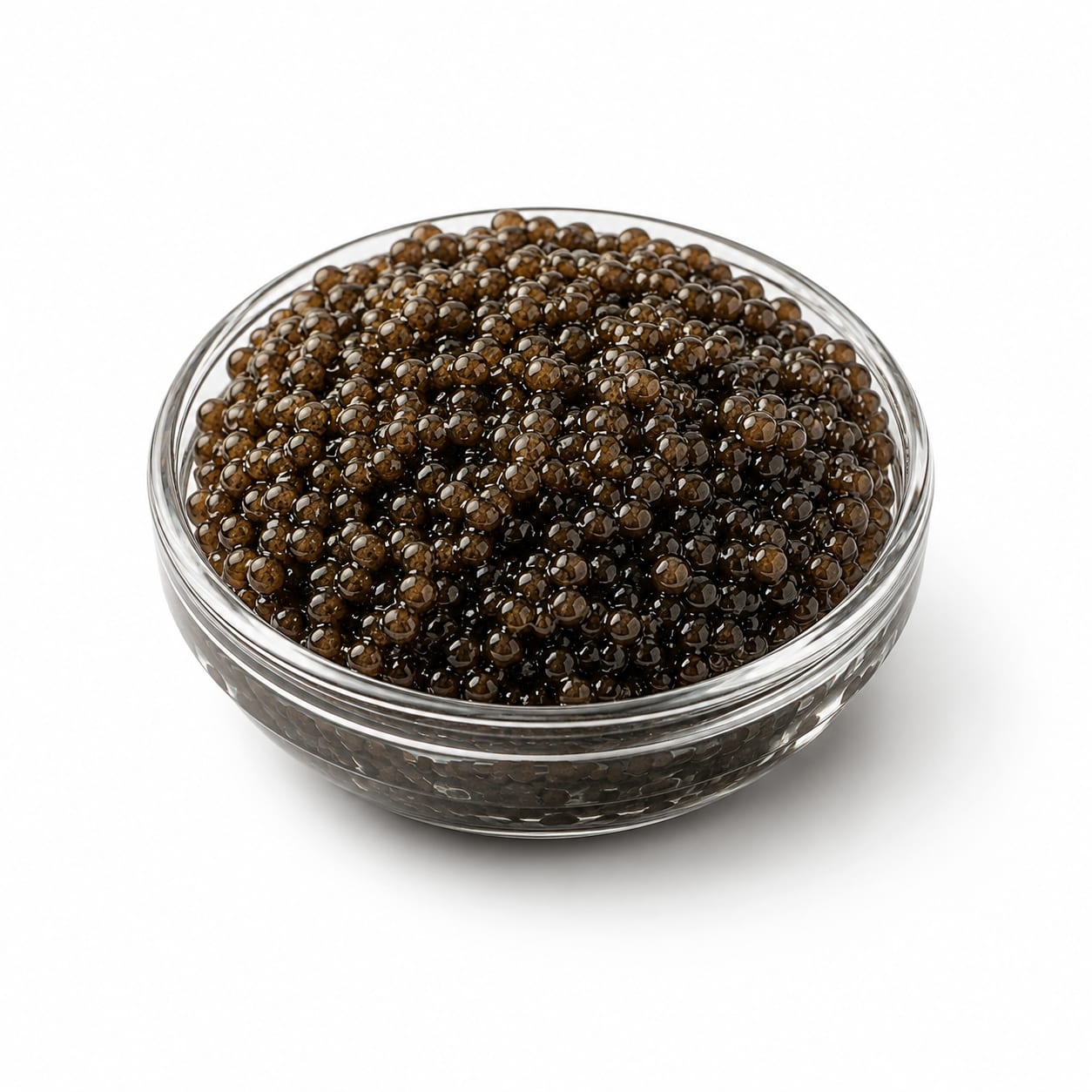
Caviar
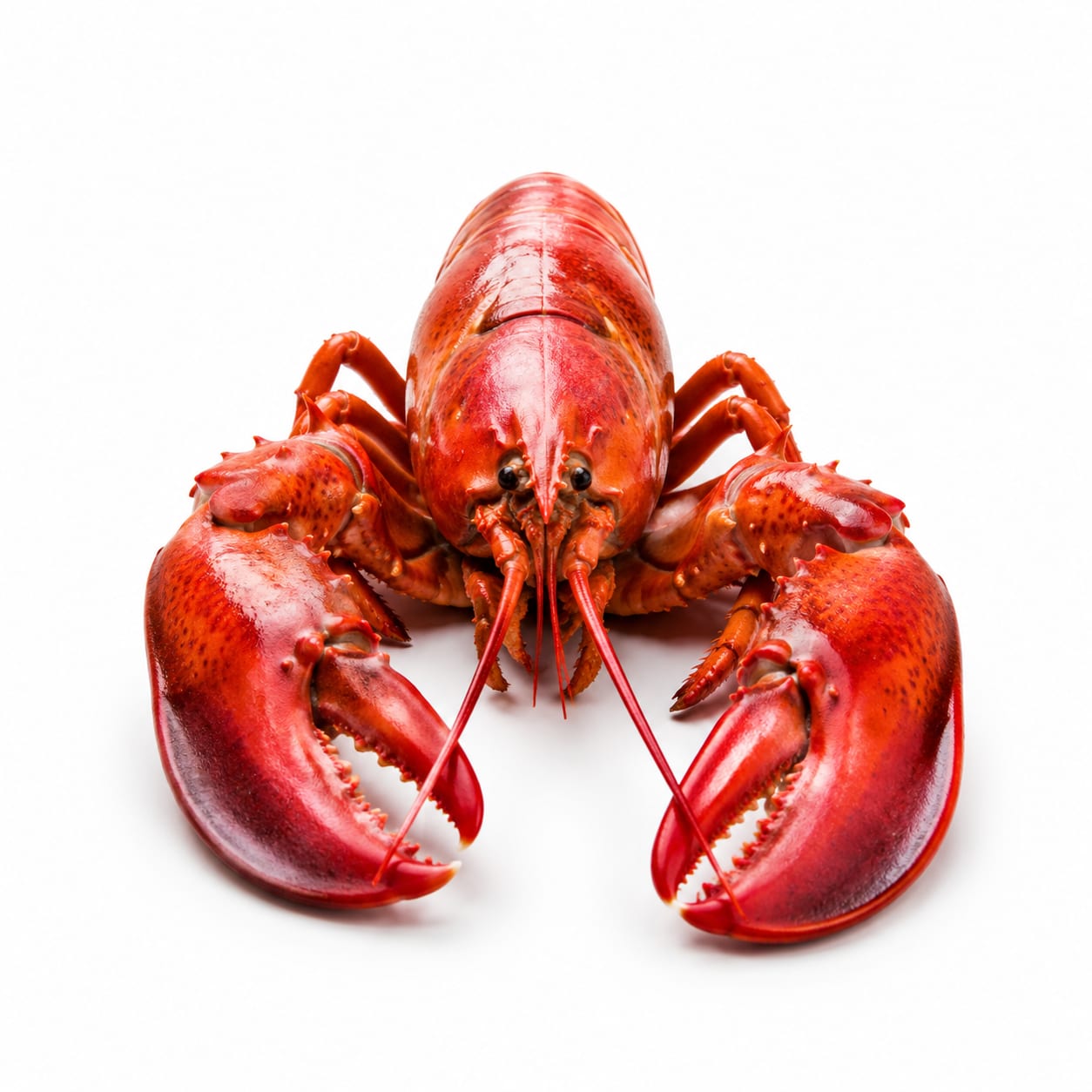
Lobster
Lobster wins for everyday health and meal utility thanks to its lean protein and low sodium, while caviar serves as an occasional omega-3 boost that comes with a heavy salt penalty.
Lobster scores higher due to its versatility as a lean meal and low sodium content. Caviar loses significant ground because its extreme sodium density restricts portion sizes, making it a garnish rather than a dietary staple.
You trade caviar's massive omega-3 density and unique flavor for a significant sodium hit, whereas lobster offers filling, fat-free protein but lacks those concentrated brain-healthy fats.
At a glance
Executive summary
Overall
Lobster
Healthier
Lobster
More practical
Lobster
Daily use
Lobster
Key comparison lenses
Sodium and Blood Pressure Impact
Caviar is heavily salted during curing, making sodium the most critical differentiator for health outcomes compared to naturally low-sodium lobster.
Macronutrient Profile: Fat vs. Protein
Caviar is a dense source of omega-3 fats, while lobster is virtually fat-free and packed with lean protein, defining how each is used in a diet.
Luxury Dining vs. Satiety
Both are premium foods, but caviar is a garnish or appetizer, whereas lobster is a filling main course.
Cholesterol and Heart Health
Both foods are high in cholesterol, but their different fat and sodium profiles change their overall impact on cardiovascular health.
Best choice for
Caviar
- Boosting omega-3 intake in tiny doses
- Brain health and mood support via DHA
- Luxury celebrations and garnishes
Lobster
- High-protein, low-calorie meals
- Muscle maintenance and recovery
- Heart-healthy diets requiring low sodium
Least suitable for
Caviar
- People with high blood pressure
- Sodium-sensitive individuals
- Budget-conscious everyday meals
Lobster
- People with severe shellfish allergies
- Those prone to gout flares
- Diners seeking dietary fat for ketosis
Deep comparison
Dimension by dimension
Each lens scores both foods and breaks down who each option suits.
- Dimension 1 · Priority 95Lobster
Sodium & Blood Pressure
Caviar · 15Lobster · 90Caviar is cured with heavy salt, delivering a massive sodium load per ounce, while lobster is naturally very low in sodium.
Tradeoff
You get oceanic flavor and preservation in caviar, but at the cost of blood pressure spikes if you eat more than a spoonful.
Why it matters
High sodium intake is a leading driver of hypertension and bloating, making caviar a risky choice for heart health beyond tiny garnishes.
Real-world impact
Eating a standard serving of caviar can easily put you over half your daily sodium limit, leaving you thirsty and bloated, whereas a whole lobster keeps you comfortably under your limit.
Caviar
- Flavor intensity in micro-doses
Better for
- Sodium-sensitive individuals
- Those with hypertension
Worse for
Lobster
- Keeping blood pressure stable
- Avoiding post-meal water retention
Better for
- Those who salt their cooking water heavily
Worse for
- Dimension 2 · Priority 90Lobster
Protein & Satiety
Caviar · 35Lobster · 92Lobster is a protein powerhouse that fills you up, while caviar provides minimal protein because portion sizes are so small.
Tradeoff
Caviar offers nutrient density in a tiny package, but you cannot eat enough of it to feel full without overdosing on salt.
Why it matters
Protein is essential for muscle retention, recovery, and keeping hunger at bay—areas where a lobster dinner excels.
Real-world impact
A lobster tail satisfies hunger for hours after a workout; a spoonful of caviar is gone in seconds and leaves you reaching for more food.
Caviar
- Light garnishing without filling up
Better for
- Athletes needing muscle-building blocks
- Main course dining
Worse for
Lobster
- Post-workout recovery
- Staying full longer on fewer calories
Better for
- Appetizer-only dining
Worse for
- Dimension 3 · Priority 85Caviar
Omega-3 & Brain Health
Caviar · 98Lobster · 40Caviar is one of the most concentrated sources of DHA and EPA omega-3s available, while lobster has very little fat.
Tradeoff
Caviar delivers brain-boosting fats efficiently, but you pay for it with salt; lobster requires you to get your healthy fats elsewhere.
Why it matters
DHA is critical for cognitive function and mood regulation, making caviar a potent functional food in micro-doses.
Real-world impact
A small serving of caviar gives you a week's worth of omega-3s in one bite, while lobster requires a side of olive oil or avocado to get those benefits.
Caviar
- Cognitive support
- Anti-inflammatory benefits
Better for
- Those strictly limiting dietary fat
Worse for
Lobster
- Low-fat diet compliance
Better for
- Those relying on food alone for omega-3s
Worse for
- Dimension 4 · Priority 75Caviar
Micronutrient Density
Caviar · 88Lobster · 78Caviar packs massive amounts of B12, selenium, and iron into a tiny serving, whereas lobster offers strong B12 and zinc but over a larger volume.
Tradeoff
Caviar acts like a multivitamin shot, but lobster provides a more balanced mineral profile without the sodium overdose.
Why it matters
B12 is crucial for energy and nerve function, and both deliver it exceptionally well, just in different eating contexts.
Real-world impact
A single spoonful of caviar covers your B12 needs for days, while a lobster dinner covers it for the day plus a solid zinc boost for immunity.
Caviar
- Quick nutrient top-ups
- Addressing iron deficiency in small doses
Better for
- Those needing volume-based nutrition
Worse for
Lobster
- Immune support via zinc
- Sustained nutrient intake from whole meals
Better for
- Those needing extreme nutrient density per bite
Worse for
Timeline
Health impact over time
Short-term
Hours to days
Caviar
- Quick energy boost from B12
- Immediate thirst and water retention from high sodium
- Rapid satisfaction of rich flavor cravings
Lobster
- Deep satiety and fullness from lean protein
- Steady energy without a crash
- Risk of indigestion if drowned in melted butter
Long-term
Months to years
Caviar
- Excellent brain and heart support from omega-3s if eaten regularly in tiny amounts
- Risk of hypertension and cardiovascular strain if portions are not strictly controlled
- Potential heavy metal exposure depending on sourcing
Lobster
- Sustainable lean muscle maintenance from high-quality protein
- Low cardiovascular risk when prepared without butter
- Possible gout flares due to purine content if consumed excessively
Risk profile
Safety & processing
Caviar requires salting and curing to be shelf-stable and safe, classifying it as processed. Lobster is typically sold live or frozen whole, making it one of the most natural proteins you can buy.
Caviar
Heavy Metal Contamination
mediumSturgeon are long-lived fish that can accumulate mercury and other pollutants, making frequent consumption risky.
Sodium Overload
highThe curing process uses heavy salt, which can immediately spike blood pressure and strain the kidneys if overconsumed.
Lobster
Shellfish Allergy
highCrustacean allergies are common and can cause severe, life-threatening anaphylactic reactions.
Gout Attacks
mediumLobster is high in purines, which break down into uric acid and can trigger painful joint flares in susceptible individuals.
Who wins for whom
Audience fit
Same foods, different winners depending on your goal.
children
LobsterLobster offers safe, lean protein for growing bodies, while caviar's extreme sodium and heavy metal risk make it unsuitable for kids.
daily consumption
LobsterLobster can theoretically be eaten regularly as a lean protein source, whereas daily caviar would lead to dangerous sodium levels.
diabetes
LobsterBoth are zero-carb, but lobster's lack of sodium makes it safer for the cardiovascular risks commonly associated with diabetes.
elderly
LobsterOlder adults need easily digestible protein and must watch their blood pressure, making lobster a much safer and more effective choice.
muscle gain
LobsterYou need volume and protein to build muscle, and lobster delivers both without the fat and sodium that restrict caviar portions.
weight loss
LobsterLobster is incredibly low in calories and high in filling protein, making it a dream food for weight loss, provided you skip the butter dip.
Your move
Decision guide
Choose Caviar
- You want a potent, occasional omega-3 and B12 boost
- You are celebrating a special occasion and want a luxurious garnish
- You have strict portion control and can stop at a tablespoon
Choose Lobster
- You need a filling, high-protein main course
- You are watching your blood pressure or sodium intake
- You want a lean, low-calorie meal that satisfies hunger
Either works if
- You are on a strict zero-carb or keto diet
- You want high-quality seafood protein and have no shellfish allergies
Avoid both if
- You have severe seafood allergies
- You are on a strict low-cholesterol diet as advised by a cardiologist
- You are managing a tight grocery budget
Final recommendation
Keep caviar as a rare, flavorful garnish to get its omega-3 benefits without the sodium backlash. Choose lobster when you want a satisfying, lean meal that supports muscle and heart health without the salt overload.
Practical
Consumer tips
- 1
Rinse caviar gently before eating if you are sensitive to sodium; it removes surface salt without ruining the texture.
- 2
Skip the butter dip for lobster; use lemon juice and herbs to keep the meal truly low-calorie and heart-healthy.
- 3
Check the sourcing for caviar; farmed sturgeon tends to have lower heavy metal levels than wild-caught.
- 4
If you love the taste of caviar but hate the salt, look for low-sodium 'malossol' varieties, though they are still quite salty.
- 5
Do not boil lobster in heavily salted water; the meat absorbs the salt, negating its natural low-sodium advantage.