
Nutrition comparison
Caviar vs Sardines: Which Omega-3 Powerhouse Is Better?
Caviar vs sardines nutrition comparison. Discover which fish delivers better omega-3s, lower sodium, and more value for your health and wallet.
Overall winner · Sardines
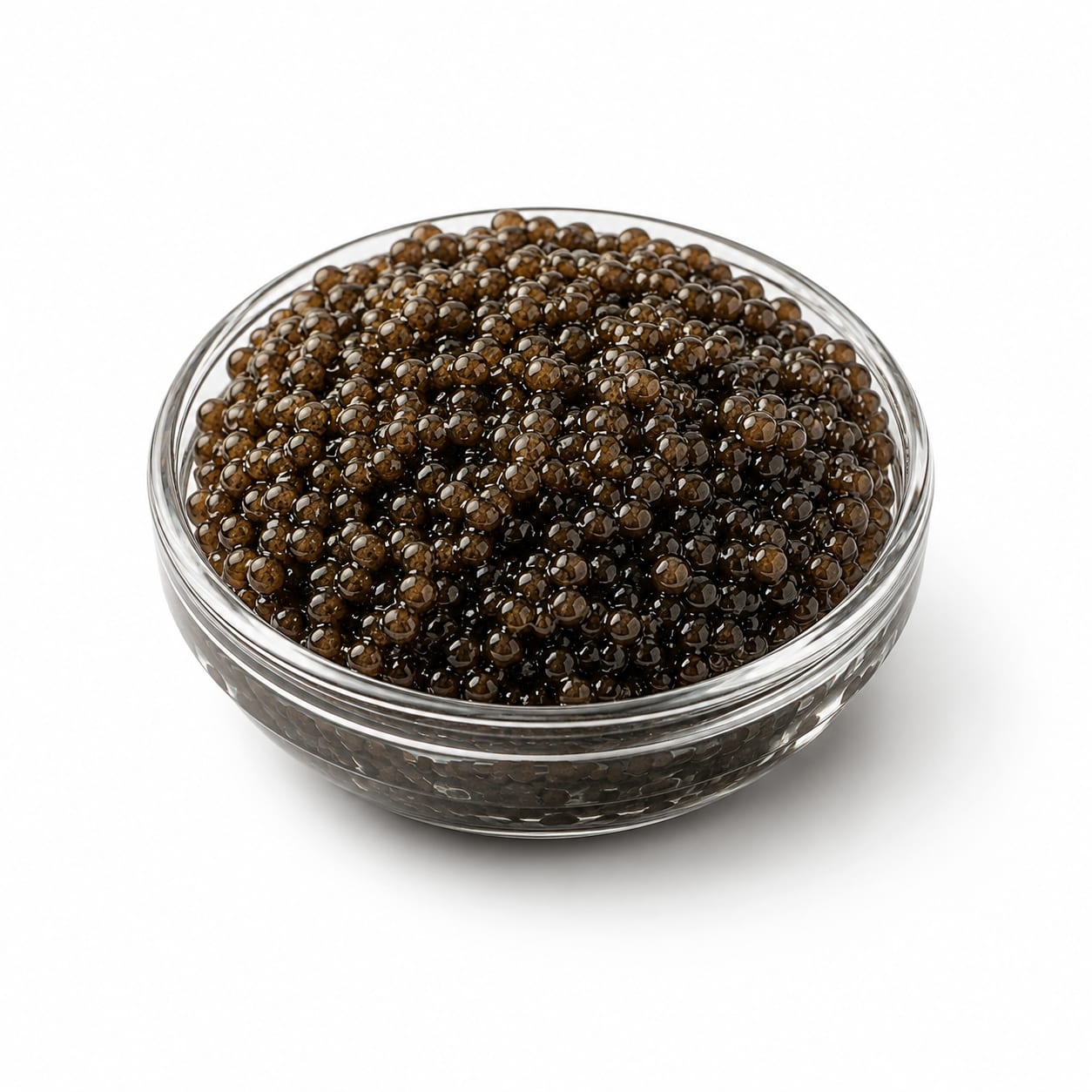
Caviar
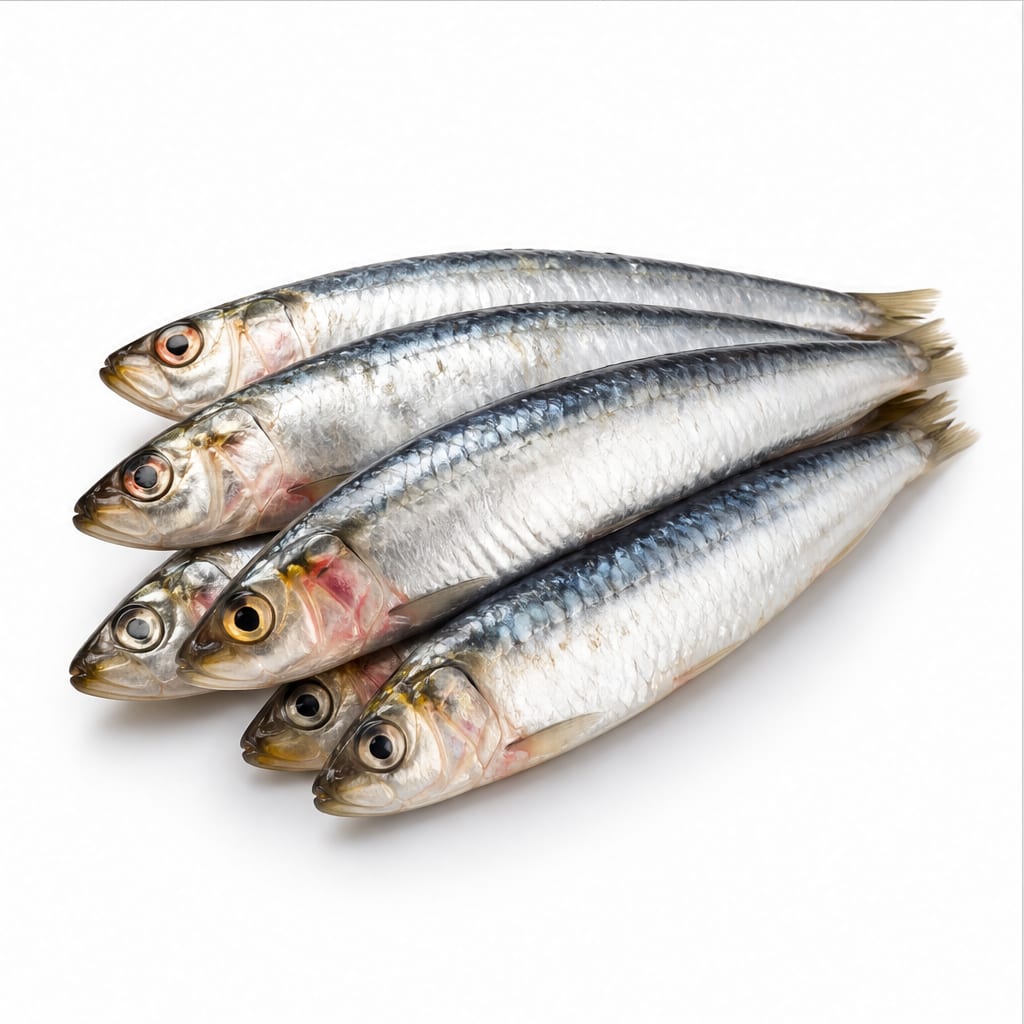
Sardines
Sardines deliver the same vital omega-3s as caviar at a fraction of the cost and sodium, making them the clear everyday champion.
Sardines score significantly higher due to vastly better affordability, lower sodium, and everyday practicality, despite both being omega-3 powerhouses.
Caviar offers a luxurious experience and dense nutrients but brings a massive sodium hit and price tag, whereas sardines are the humble, practical powerhouse you can actually eat every day.
At a glance
Executive summary
Overall
Sardines
Healthier
Sardines
More practical
Sardines
Daily use
Sardines
Key comparison lenses
Omega-3 source comparison
Both are famous for omega-3s, but people wonder if the luxury price tag of caviar buys a healthier fat profile than everyday sardines.
Sodium and blood pressure impact
Caviar is heavily salted, making sodium a major differentiator compared to the lower salt options available with sardines.
Everyday affordability and practicality
Caviar is a rare indulgence while sardines are a budget staple, making daily sustainability a core decision factor.
Heavy metal and contaminant exposure
Both are seafood, but their different positions in the food chain and preservation methods raise distinct safety questions.
Best choice for
Caviar
- Special occasions and celebrations
- Luxury dining experiences
- Impressing guests at a dinner party
Sardines
- Daily omega-3 intake
- Budget-friendly heart health
- Bone support and filling meals
Least suitable for
Caviar
- People managing high blood pressure
- Anyone on a tight grocery budget
- Frequent everyday snacking
Sardines
- Formal luxury dining events
- People who strongly dislike fishy flavors
Deep comparison
Dimension by dimension
Each lens scores both foods and breaks down who each option suits.
- Dimension 1 · Priority 95It depends
Heart-Healthy Fats and Omega-3s
Caviar · 88Sardines · 90Both are elite sources of EPA and DHA omega-3s, but sardines offer slightly more total fat and omega-3s per standard serving without the extreme sodium.
Tradeoff
Caviar provides a highly concentrated dose of omega-3s in a tiny serving, but you get much more total omega-3s per dollar with sardines.
Why it matters
Consistent omega-3 intake lowers inflammation and protects your heart, and the food you can afford to eat regularly always wins.
Real-world impact
Eating sardines twice a week is realistically achievable and keeps a steady flow of anti-inflammatory fats in your system.
Caviar
- Getting a quick omega-3 spike in a single bite
Better for
- Cost makes frequent consumption unrealistic
Worse for
Sardines
- Sustained weekly omega-3 intake
- Getting more healthy fats per dollar
Better for
- Requires eating a larger portion to get the same omega-3 density
Worse for
- Dimension 2 · Priority 90Sardines
Sodium Load and Blood Pressure
Caviar · 20Sardines · 75Caviar is heavily salt-cured, delivering a massive sodium load, while sardines can be found with low or no added salt.
Tradeoff
That salty brine is what makes caviar taste so luxurious, but it makes it a dangerous choice for blood pressure if you eat very much.
Why it matters
High sodium intake directly raises blood pressure and risks straining your heart and kidneys over time.
Real-world impact
A small spoonful of caviar can contain nearly half your daily sodium limit, leaving you bloated and thirsty.
Caviar
- Satisfying intense salt cravings in tiny amounts
Better for
- Risking blood pressure spikes
- Triggering uncomfortable fluid retention
Worse for
Sardines
- Keeping blood pressure in check
- Avoiding post-meal bloating and water retention
Better for
- Canned versions can still be moderately high in sodium if you do not check the label
Worse for
- Dimension 3 · Priority 80Sardines
Bone Health and Calcium
Caviar · 15Sardines · 95Sardines with edible bones are one of the best dietary sources of calcium, while caviar offers negligible bone support.
Tradeoff
You have to embrace the soft texture of sardine bones to unlock a massive calcium advantage that caviar completely lacks.
Why it matters
Getting calcium from whole food sources improves bone density without needing supplements.
Real-world impact
Eating bone-in sardines a few times a week noticeably boosts your calcium intake, protecting against fractures as you age.
Caviar
- Providing a soft, bone-free eating experience
Better for
- Missing out on a natural calcium source
Worse for
Sardines
- Delivering highly absorbable calcium
- Supporting long-term bone strength
Better for
- The texture of soft bones might be off-putting to some
Worse for
- Dimension 4 · Priority 88Sardines
Affordability and Daily Sustainability
Caviar · 5Sardines · 95Sardines are one of the cheapest sources of high-quality protein on the planet, while caviar is one of the most expensive foods by weight.
Tradeoff
Caviar is an exclusive indulgence, but sardines are an inclusive everyday staple that actually fits into a weekly grocery budget.
Why it matters
The healthiest food in the world is useless if you cannot afford to eat it consistently.
Real-world impact
You can eat sardines three times a week for months for the same price as a single small tin of caviar.
Caviar
- Creating a sense of occasion and luxury
Better for
- Completely impractical as a regular dietary staple
Worse for
Sardines
- Feeding a family on a budget
- Building a sustainable daily habit
Better for
- Lacks the prestige and emotional thrill of a luxury item
Worse for
- Dimension 5 · Priority 75Sardines
Toxin and Heavy Metal Exposure
Caviar · 60Sardines · 85Sardines are very low on the food chain, meaning they accumulate far less mercury and heavy metals than the larger fish often used for caviar.
Tradeoff
While sardines are naturally cleaner, you have to watch out for BPA in can linings, whereas caviar's risk is more about the source waters.
Why it matters
Accumulating heavy metals over time damages your nervous system and undermines the very heart health you are trying to build.
Real-world impact
Choosing sardines means you can eat them frequently without worrying about mercury building up in your system.
Caviar
- Premium sourcing often involves strict water quality testing
Better for
- Sturgeon and other caviar sources live longer and accumulate more toxins
Worse for
Sardines
- Naturally low mercury levels
- Safe for frequent weekly consumption
Better for
- Canned variants may expose you to trace BPA from the lining
Worse for
Timeline
Health impact over time
Short-term
Hours to days
Caviar
- Quick sodium spike that leaves you thirsty
- A rich, satisfying bite that feels indulgent
Sardines
- Sustained energy from protein and healthy fats
- A very filling meal that keeps you full for hours
Long-term
Months to years
Caviar
- Risk of elevated blood pressure if eaten too often
- Excellent B12 and omega-3 support in tiny portions
Sardines
- Strong cardiovascular protection from regular omega-3s
- Improved bone density from natural calcium
Risk profile
Safety & processing
Caviar requires heavy salting and sometimes pasteurization to remain shelf-stable, while sardines are simply cleaned and canned in water or oil.
Caviar
Listeria contamination
mediumUnpasteurized caviar carries a real risk of listeria, making it unsafe for pregnant women and the immunocompromised.
Excessive sodium intake
highThe salt-curing process loads caviar with sodium, which can quickly push you over safe daily limits.
Sardines
BPA exposure from cans
lowSome canned sardines use linings containing BPA, though many brands now offer BPA-free options.
Purine load
mediumSardines are high in purines, which can trigger gout flare-ups in susceptible individuals.
Who wins for whom
Audience fit
Same foods, different winners depending on your goal.
children
SardinesThe calcium in soft sardine bones supports growing bodies, while the extreme sodium in caviar is inappropriate for kids.
daily consumption
SardinesLow cost and low sodium make sardines a safe, sustainable daily habit, unlike the salty, expensive caviar.
diabetes
SardinesBoth have zero carbs, but sardines have much lower sodium, which is critical for protecting kidney health in diabetes.
elderly
SardinesSardines provide easily absorbed calcium to prevent osteoporosis and are affordable on a fixed income.
muscle gain
SardinesSardines provide far more total protein per serving and per dollar, which is essential for building and repairing muscle.
weight loss
SardinesSardines are high in protein and very filling, making it easier to stay in a calorie deficit without feeling deprived.
Your move
Decision guide
Choose Caviar
- You are celebrating a special milestone
- Budget is absolutely no concern
- You crave a salty, luxurious treat in tiny amounts
Choose Sardines
- You want reliable daily heart-healthy omega-3s
- You are watching your blood pressure or sodium intake
- You need affordable, filling protein that lasts
Either works if
- You need a zero-carb source of vitamin B12
- You want anti-inflammatory fats to soothe joint pain
Avoid both if
- You have severe gout and must strictly limit purines
- You have a fish or shellfish allergy
Final recommendation
Keep caviar for rare celebrations and let sardines be your daily omega-3 workhorse. Your heart, your bones, and your wallet will all thank you.
Practical
Consumer tips
- 1
Rinse canned sardines under water before eating to remove up to 20% of the surface sodium.
- 2
Look for sardines packed in water or extra virgin olive oil to avoid inflammatory seed oils.
- 3
If you buy caviar, choose pasteurized versions if you are pregnant or have a weakened immune system to avoid listeria.
- 4
Mash sardines with avocado and a squeeze of lemon for a creamy, nutrient-dense spread that masks the fishy flavor.