
Nutrition comparison
Caviar vs Smoked Salmon: Nutrition, Omega-3, and Which Is Healthier
Compare caviar and smoked salmon on omega-3 content, protein, sodium, safety, and value. Find out which luxury seafood is actually better for your health goals.
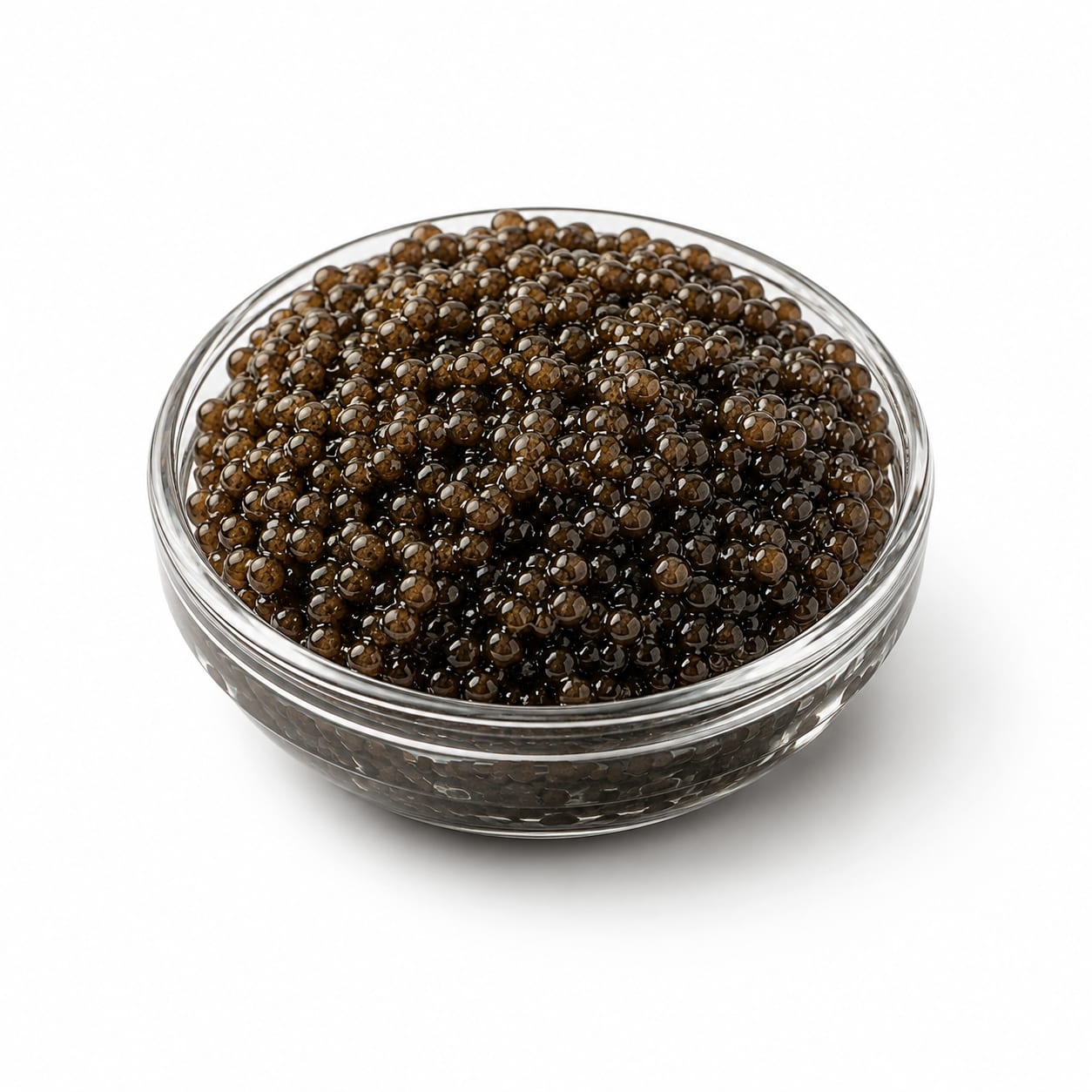
Caviar
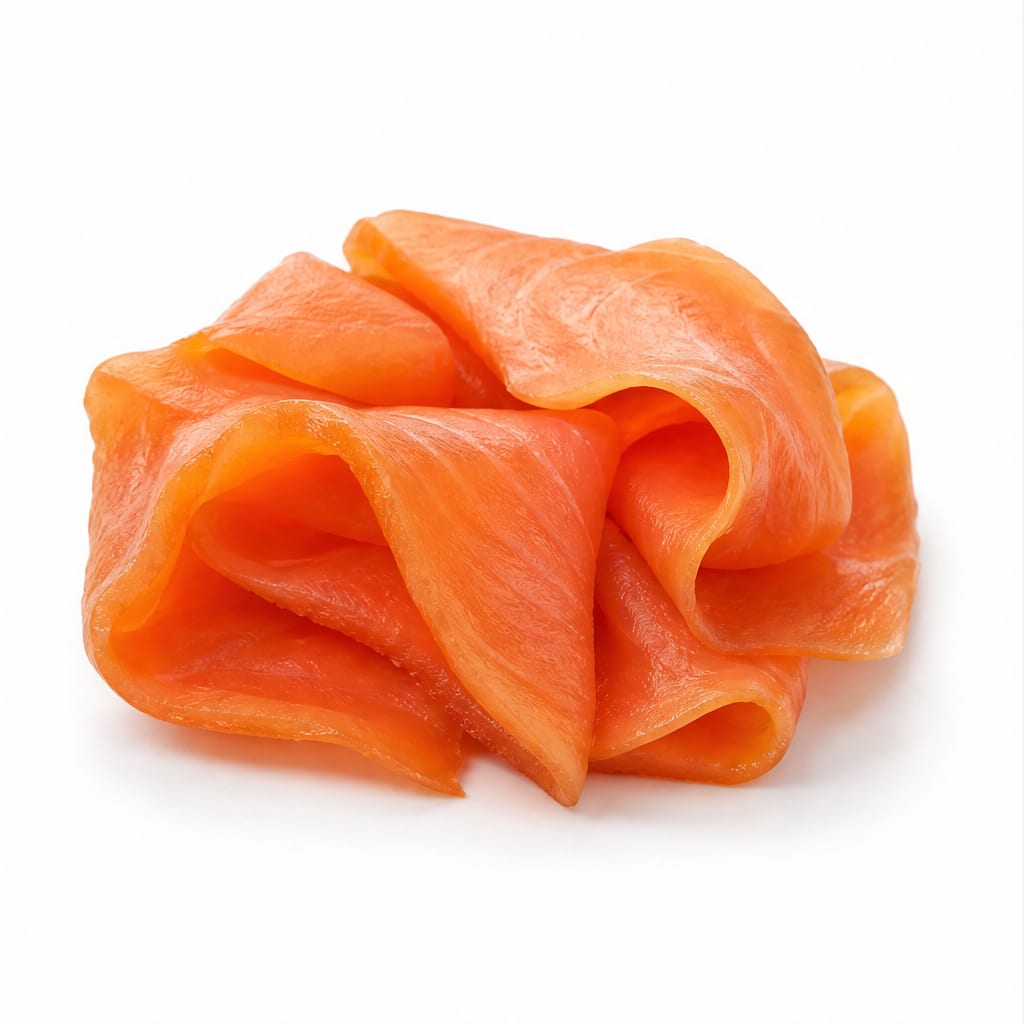
Smoked Salmon
Caviar delivers unmatched nutrient density in tiny portions, but smoked salmon wins on protein, practicality, and everyday usability.
Smoked salmon scores higher due to better protein content, meal versatility, and realistic portion sizes. Caviar excels in nutrient density per gram but its extreme cost, tiny servings, and high sodium per bite limit its practical health value.
Concentrated luxury nutrition versus satisfying, versatile, protein-rich meals you can actually eat regularly.
At a glance
Executive summary
Overall
It depends
Healthier
Smoked Salmon
More practical
Smoked Salmon
Daily use
Smoked Salmon
Key comparison lenses
omega-3 and nutrient density comparison
Both are prized for omega-3s and marine nutrients, but concentration and bioavailability differ significantly
sodium and processing concerns
Both are cured with salt, making sodium a critical health differentiator
everyday practicality and value
Caviar is a luxury delicacy while smoked salmon is an accessible everyday food
food safety and contamination risk
Both carry listeria risk and have distinct contamination profiles worth understanding
sustainability and environmental impact
Sturgeon populations and aquaculture practices differ significantly from salmon farming
Best choice for
Caviar
- Special occasion nutrient boost
- Vitamin B12 replenishment in tiny portions
- Those wanting maximal omega-3 per bite
- Decorative garnish with real nutritional value
Smoked Salmon
- High-protein breakfast or brunch
- Post-workout recovery meals
- Heart-healthy weekly meal prep
- Affordable regular omega-3 intake
Least suitable for
Caviar
- Sodium-sensitive individuals
- Budget-conscious daily eaters
- Those needing satisfying portion sizes
- Children due to intense salt and flavor
Smoked Salmon
- Those avoiding all cured or smoked foods
- People strictly limiting sodium
- Pregnant women due to listeria risk
Deep comparison
Dimension by dimension
Each lens scores both foods and breaks down who each option suits.
- Dimension 1 · Priority 95Caviar
Omega-3 Concentration & Healthy Fats
Caviar · 93Smoked Salmon · 80Caviar packs more omega-3s per gram than nearly any food, but smoked salmon delivers meaningful amounts in realistic serving sizes.
Tradeoff
Caviar wins on concentration, but you would need an impractical amount to match the total omega-3s from a normal smoked salmon portion.
Why it matters
Omega-3s support heart health, brain function, and inflammation control. Consistent intake matters more than peak density.
Real-world impact
A bagel with smoked salmon gives you more total omega-3s than a teaspoon of caviar, even though caviar is denser per gram.
Caviar
- Maximizing omega-3 in the smallest possible portion
- Nutrient-dense garnish on special occasions
Better for
- Unrealistic as a daily omega-3 source due to cost and serving size
Worse for
Smoked Salmon
- Getting substantial total omega-3 intake at every meal
- Sustained anti-inflammatory benefits from regular consumption
Better for
- Lower concentration means you need meaningful portions to hit targets
Worse for
- Dimension 2 · Priority 90Smoked Salmon
Protein & Satiety
Caviar · 35Smoked Salmon · 88Smoked salmon provides real, satisfying protein in normal portions. Caviar delivers minimal protein due to tiny serving sizes.
Tradeoff
Caviar is a fat-and-micronutrient bomb; smoked salmon is an actual protein food that fills you up.
Why it matters
Protein drives fullness, muscle maintenance, and metabolic health. A food that cannot deliver protein in a realistic portion is nutritionally incomplete as a meal component.
Real-world impact
Three ounces of smoked salmon gives you about 18g of protein. A typical caviar serving gives you roughly 4g. One is a meal, the other is a garnish.
Caviar
- Adding a nutrient accent to an already protein-rich dish
Better for
- Will not satisfy hunger on its own
- Cannot serve as a protein source in any practical meal
Worse for
Smoked Salmon
- Breakfast that keeps you full until lunch
- Post-workout protein with anti-inflammatory fats
- Replacing less healthy deli meats
Better for
- Still not as protein-dense as chicken breast or Greek yogurt per calorie
Worse for
- Dimension 3 · Priority 88It depends
Sodium Load
Caviar · 40Smoked Salmon · 45Both are high-sodium foods due to curing. Caviar is slightly saltier per bite, but smoked salmon delivers more total sodium in a normal serving.
Tradeoff
Caviar concentrates more salt into less food, while smoked salmon spreads moderate salt across a larger, more satisfying portion.
Why it matters
Excess sodium raises blood pressure and strains cardiovascular health over time. Neither food is low-sodium.
Real-world impact
A typical caviar serving can pack 400-500mg sodium in just a tablespoon. A smoked salmon portion runs 600-800mg but comes with real protein and fullness.
Caviar
- Smaller absolute sodium intake if you stick to garnish-sized portions
Better for
- Extremely high sodium density makes overconsumption easy if you eat more than a taste
Worse for
Smoked Salmon
- Better sodium-to-protein ratio, meaning you get more nutritional value per milligram of salt
Better for
- Total sodium per serving is significant and can push daily limits if combined with other salty foods
Worse for
- Dimension 4 · Priority 82Caviar
Vitamin & Mineral Density
Caviar · 92Smoked Salmon · 75Caviar is one of the most micronutrient-dense foods on earth, rich in B12, selenium, iron, and vitamin D. Smoked salmon is strong but less concentrated.
Tradeoff
Caviar delivers a micronutrient punch in micro-portions. Smoked salmon provides solid nutrition across a normal meal.
Why it matters
B12 supports nerve health and energy. Selenium protects against oxidative stress. Iron supports oxygen transport. These matter especially for older adults and those with deficiencies.
Real-world impact
A single spoonful of caviar can cover over 200% of your B12 needs. Smoked salmon covers about 100% per serving but requires eating a real portion.
Caviar
- Rapid B12 replenishment in deficiency scenarios
- Maximum selenium and iron per calorie consumed
Better for
- Impact is limited by the tiny amount people actually consume
Worse for
Smoked Salmon
- Consistent daily micronutrient support without requiring luxury purchases
Better for
- Lower concentration of certain trace minerals like iron compared to caviar
Worse for
- Dimension 5 · Priority 85Smoked Salmon
Practicality & Value
Caviar · 20Smoked Salmon · 82Smoked salmon is available at any grocery store and costs a fraction of caviar. Caviar is a rare luxury most people cannot justify regularly.
Tradeoff
You pay an enormous premium for caviar's density and prestige. Smoked salmon delivers 80% of the health benefits at 10% of the cost.
Why it matters
Health choices only work if you can sustain them. The best nutritional profile means nothing if you cannot afford to eat it consistently.
Real-world impact
Smoked salmon costs roughly $15-30 per pound. Caviar ranges from $50 for entry-level to over $300 per ounce for premium varieties.
Caviar
- Creating a memorable dining experience with genuine nutritional upside
Better for
- Completely impractical as a regular dietary component
- Cost creates an unhealthy all-or-nothing dynamic with nutrition
Worse for
Smoked Salmon
- Weekly meal prep without financial stress
- Accessible luxury that fits a health-conscious grocery budget
Better for
- Still more expensive than canned salmon or sardines for everyday omega-3s
Worse for
- Dimension 6 · Priority 75It depends
Sustainability & Environmental Impact
Caviar · 45Smoked Salmon · 55Wild sturgeon populations have been devastated by overfishing. Farmed salmon has its own environmental issues but is generally more sustainable than wild caviar.
Tradeoff
Authentic wild caviar carries heavy ecological baggage. Farmed alternatives exist for both but vary widely in quality and impact.
Why it matters
Choosing foods that do not destroy ecosystems matters for long-term health of the planet and future food security.
Real-world impact
Wild beluga caviar is heavily regulated or banned in many countries. Farmed sturgeon caviar is more sustainable but still resource-intensive. Responsibly farmed smoked salmon has a lighter footprint.
Caviar
- Farmed sturgeon caviar avoids wild population depletion
Better for
- Wild-harvested caviar drives endangered species closer to extinction
Worse for
Smoked Salmon
- Alaska wild-caught smoked salmon is one of the most sustainable seafood choices available
Better for
- Conventional farmed salmon can involve antibiotic use and ocean pollution
Worse for
Timeline
Health impact over time
Short-term
Hours to days
Caviar
- Rapid sodium hit may cause thirst and mild bloating
- B12 boost can provide a subtle energy lift
- Rich fats create a lingering mouthfeel that satisfies quickly
Smoked Salmon
- Protein and fat combination provides steady satiety for hours
- Sodium may trigger thirst similar to caviar
- Omega-3s can reduce post-meal inflammatory markers
Long-term
Months to years
Caviar
- Occasional consumption poses minimal risk and adds micronutrient variety
- Regular consumption would likely push sodium intake too high
- Cholesterol content is elevated but dietary cholesterol impact is nuanced and individual
Smoked Salmon
- Consistent intake supports cardiovascular health and triglyceride reduction
- Regular consumption of smoked foods may slightly elevate certain cancer risks
- Protein intake supports muscle preservation, especially important with aging
Risk profile
Safety & processing
Caviar is salted and aged but rarely contains artificial additives beyond salt. Smoked salmon may include nitrates, smoke flavoring, or preservatives depending on the brand. Both are cured foods, not raw or fresh.
Caviar
Listeria contamination
mediumUnpasteurized caviar carries listeria risk, especially dangerous for pregnant women and immunocompromised individuals. Pasteurized versions are safer but less flavorful.
Heavy metal accumulation
lowSturgeon are long-lived bottom feeders that can accumulate mercury and other contaminants, though farmed varieties typically test lower.
Bacterial spoilage
mediumCaviar is highly perishable once opened and must be consumed within a few days. Improper storage creates real food safety risk.
Smoked Salmon
Listeria contamination
highSmoked salmon is a well-documented listeria vehicle. Cold-smoked varieties are not cooked, making them riskier than hot-smoked versions. Pregnant women should avoid it entirely.
PAH exposure from smoking
mediumPolycyclic aromatic hydrocarbons form during the smoking process and are potential carcinogens. Traditional smoking produces more than modern methods.
Nitrates and nitrites
mediumSome producers add nitrates or nitrites for color and preservation. These can form nitrosamines, which are carcinogenic. Look for nitrate-free brands.
Who wins for whom
Audience fit
Same foods, different winners depending on your goal.
children
Smoked SalmonSmoked salmon can be introduced in small amounts to children who enjoy fish. Caviar's intense salt and flavor profile is unsuitable for young palates.
daily consumption
Smoked SalmonSmoked salmon can realistically be eaten several times per week. Caviar is too expensive and sodium-dense for daily use.
diabetes
Smoked SalmonBoth are low-carb, but smoked salmon's protein helps stabilize blood sugar across a meal. Caviar's fat-only profile is less helpful for glycemic balance.
elderly
Smoked SalmonSmoked salmon provides protein for muscle preservation and omega-3s for brain health in portions that actually make a difference. Caviar's B12 is beneficial but insufficient alone.
muscle gain
Smoked SalmonSmoked salmon delivers meaningful protein per serving. Caviar cannot contribute meaningfully to muscle protein synthesis due to portion limitations.
weight loss
Smoked SalmonSmoked salmon provides protein that keeps you full, making it easier to control overall calorie intake. Caviar's tiny portions offer no satiety benefit.
Your move
Decision guide
Choose Caviar
- You want a show-stopping garnish with genuine nutritional value
- You are addressing a B12 deficiency and want a concentrated source
- You are celebrating a special occasion and want luxury with health benefits
- You already eat protein-rich meals and want a micronutrient accent
Choose Smoked Salmon
- You want a practical, protein-rich food for regular meals
- You are building heart-healthy eating patterns you can sustain
- You need omega-3s without breaking your grocery budget
- You want a satisfying breakfast or lunch component that keeps you full
Either works if
- You want marine-sourced omega-3s and enjoy fish flavors
- You are comfortable with the sodium content of cured foods
- You are not pregnant or immunocompromised
Avoid both if
- You are on a strict low-sodium diet for blood pressure management
- You are pregnant and concerned about listeria exposure
- You have gout and are sensitive to purine-rich foods
- You are avoiding all cured, smoked, or preserved foods
Final recommendation
Eat smoked salmon as your regular omega-3 and protein source. Save caviar for celebrations where its nutrient density becomes a bonus rather than your nutritional strategy. The food you can eat consistently always beats the food you can only afford occasionally.
Practical
Consumer tips
- 1
Look for nitrate-free smoked salmon to reduce carcinogenic compound exposure
- 2
Choose hot-smoked salmon over cold-smoked if listeria risk concerns you
- 3
Refrigerate caviar immediately and consume within 2-3 days of opening
- 4
Alaska wild-caught smoked salmon is the most sustainable choice available
- 5
Pasteurized caviar is safer for at-risk groups but loses some flavor complexity
- 6
Pair either food with avocado or cream cheese to buffer the sodium impact and add potassium
- 7
Freeze smoked salmon in portions to avoid waste and extend shelf life
- 8
Check for MSC or ASC certification on smoked salmon for sustainability assurance