
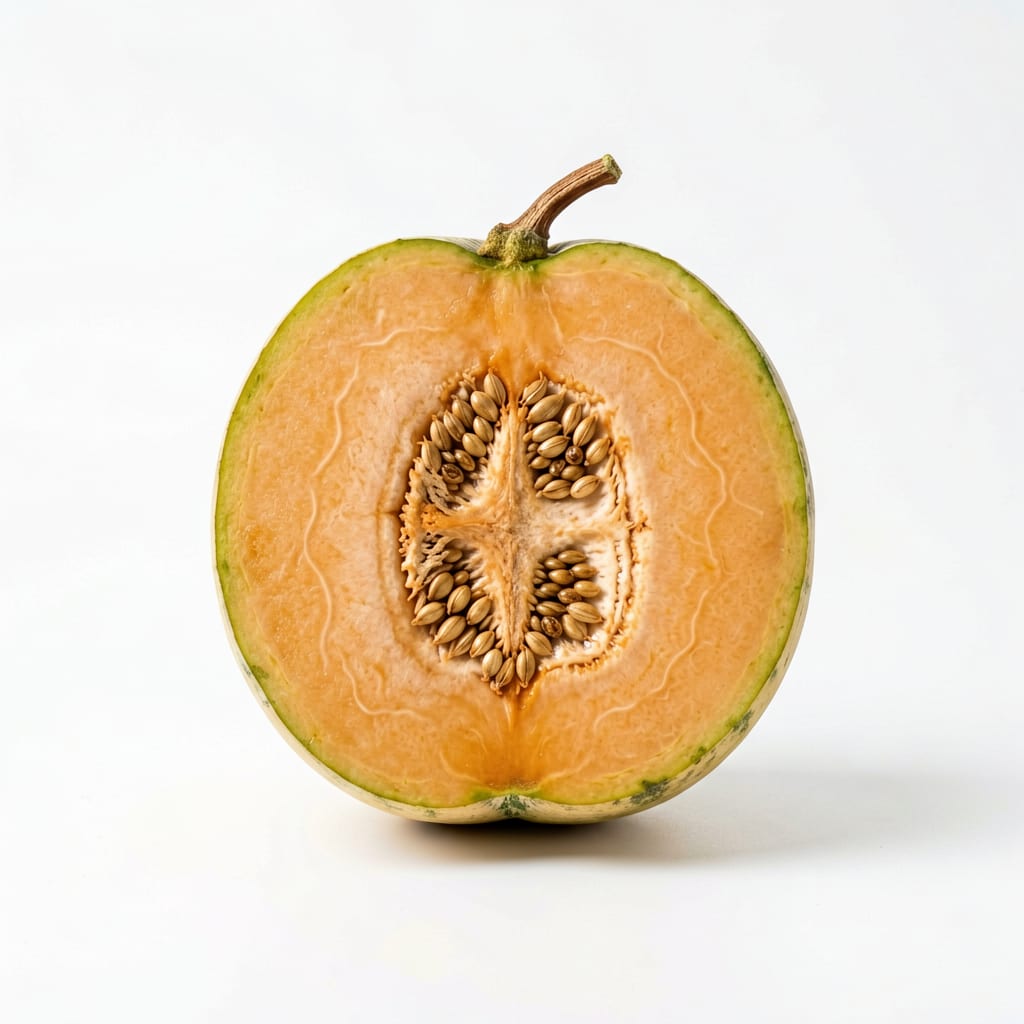
Fruit
Cantaloupe
A hydrating, low-calorie melon prized for its sweet orange flesh and high vitamin A content.
A sweet, orange-fleshed melon with high water content and a distinctively fragrant rind, commonly consumed fresh during summer months.
high-volume hydrating fruit
Typical serving · 160g
Common varieties · traditional netted cantaloupe, charentais, galia, canary melon, persian melon
Overall context score across nutrition, safety, and diet fit
At a glance
Quick facts
Simple indicators based on nutrition, processing, and diet fit.
The story
What makes it unique
Cantaloupe is a high-water, low-fat fruit with rapidly digesting simple sugars. Its low fiber content leads to quick gastric emptying, providing short-term satiety. The macronutrient profile is carbohydrate-dominant, with minimal protein or fat. As a raw, unprocessed food, it retains its natural vitamin and antioxidant content.
Varieties: traditional netted cantaloupe · charentais · galia · canary melon · persian melon
Per 100g
Nutrition breakdown
Macro balance and key metrics at a glance.
Energy
Density 0.34 kcal/g
Protein
Carbs
Fat
Fiber
Sugar
7.9 g
Sodium
16 mg
Potassium
267 mg
Glycemic index
65
Glycemic load
5
Water content
90%
Standout compounds
Nutrient highlights
Vitamin A
highSupports eye health, immune function, and skin integrity.
Vitamin C
highActs as an antioxidant and supports collagen synthesis and immune defense.
Potassium
moderateHelps regulate blood pressure and fluid balance.
Water
highMaintains hydration and supports metabolic processes.
Wellness map
Health scores & processing
NOVA processing scale
minimally processed · Whole food
Raw, unmodified whole fruit consumed in its natural state.
Diet compatibility
- Weight loss
- Muscle gain
- Diabetes
- Gut health
- Low carb
- High protein
- Heart health
Relative standing
Food rankings
Qualitative ranks compared to similar whole foods.
- Satietymoderate
- Blood sugargood
- Nutrient densitygood
- Fitness fuelgood
- Processing qualityexcellent
Eat with confidence
Food safety profile
The textured rind can trap bacteria and pesticides. While the flesh is generally safe, cutting through an unwashed rind can transfer pathogens to the edible portion.
Evidence confidence 90%
- Pesticidesmoderate
- Antibioticslow
- Heavy metalslow
- Contaminationmoderate
Watch for
- salmonella
- listeria
Safer choices
Whole uncut melons from reputable sources. Avoid pre-cut melons left at room temperature.
Prep tips
Scrub the rind thoroughly under running water with a produce brush before slicing. Refrigerate cut melon promptly.
Outbreaks occasionally linked to melons grown in unsanitary conditions or washed with contaminated water.
Deep dive
Health analysis
How this food may fit different goals and preparation choices.
Weight loss
High water and volume create short-term fullness with very few calories, making it ideal for large portions.
Blood sugar
Despite a medium GI, the low carbohydrate density per serving results in a low glycemic load, keeping blood sugar stable in moderate portions.
Fitness & energy
Provides quick-digesting carbohydrates and hydration, useful for light pre-workout fuel or post-workout rehydration.
Gut health
Hydration supports bowel regularity, but low fiber content means it is less effective for microbiome support than other fruits.
Processing quality
Whole, unprocessed raw fruit with intact vitamins and antioxidants.
Food safety
Rind can harbor harmful bacteria; always wash the exterior thoroughly before cutting to prevent contaminating the flesh.
Common mistakes
Assuming it is a high-fiber food, or eating excessively large portions which can add up in sugar intake.
Best preparation
Raw and chilled, cubed or balled, often paired with a protein or fat source like cottage cheese to extend satiety.
Practical guide
Best use cases
When and how this food fits real eating patterns.
High-volume low-calorie eating
Consume a large bowl of cubes for under 100 calories to satisfy sweet cravings and physical fullness.
Pre-workout hydration
Eat 30-60 minutes before exercise for fast-digesting carbs and water to fuel activity.
Post-workout recovery
Provides quick sugars to replenish glycogen and water to rehydrate after sweating.
Vitamin A boost
Excellent source of beta-carotene, supporting eye health and immune function.
Balance sheet
Pros & cons
Upsides
- Very low in calories and energy density
- Highly hydrating with 90% water content
- Excellent source of Vitamin A and beta-carotene
- Good source of Vitamin C
- Provides quick-digesting carbohydrates for energy
- Convenient and portable whole food snack
Trade-offs
- Low in protein and dietary fiber
- Short-lived satiety due to rapid digestion
- Medium glycemic index may require portion control for some diabetics
- Textured rind can harbor dangerous foodborne pathogens if not washed
Fit check
Who is it for?
Great match
- weight loss volume eating
- pre-workout quick energy
- hydration in hot weather
- vitamin A deficiency prevention
Consider alternatives
- strict ketogenic diets
- high-protein diets
- those seeking long-lasting satiety without pairing
- people with severe fructose malabsorption
Side by side
How it compares
Open the full head-to-head analysis for nutrition, safety, and practical tradeoffs.
This food
Cantaloupe
VS95% alike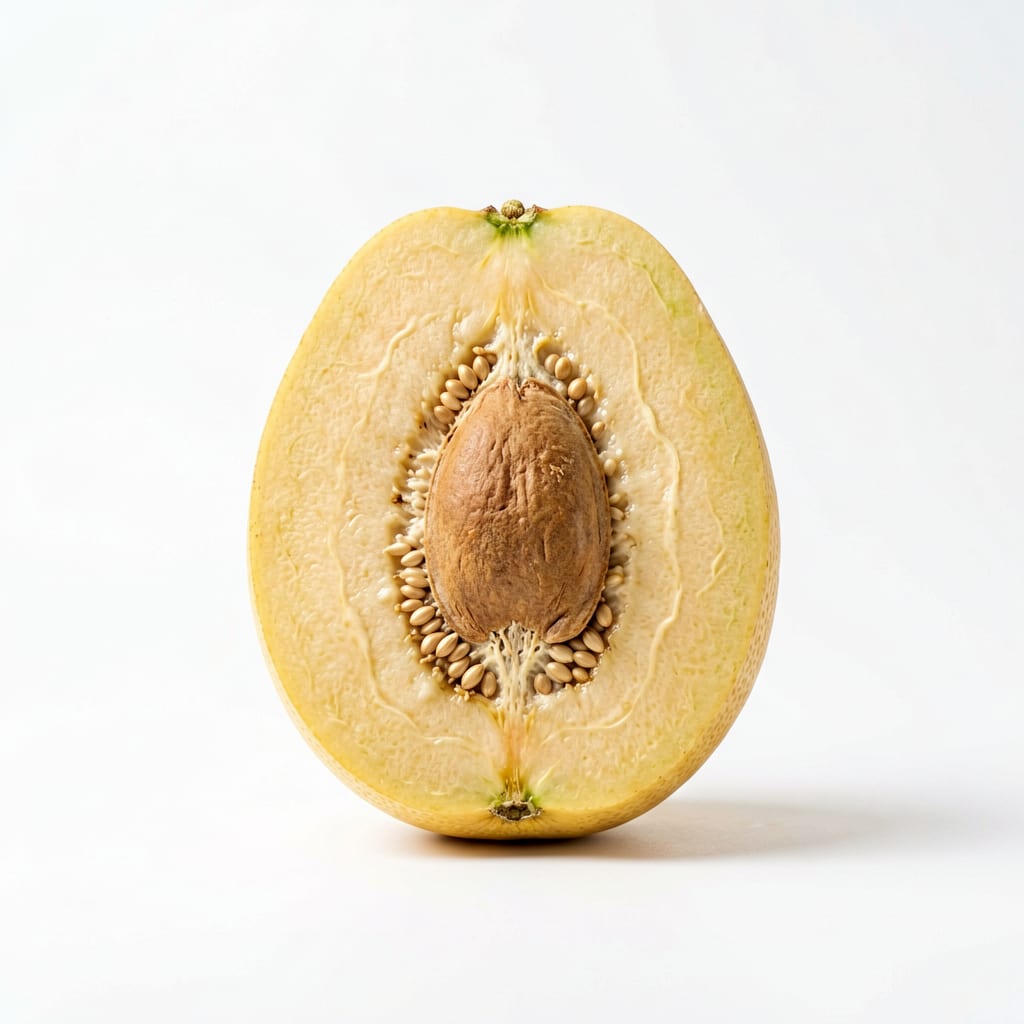
Compare with
Honeydew
Cantaloupe is richer in Vitamin A and slightly higher in sugar, while honeydew offers slightly more Vitamin C and potassium.
Cantaloupe provides much more Vitamin A, while honeydew is slightly lower in sugar and higher in potassium, but both are highly hydrating low-calorie melons.
This food
Cantaloupe
VS90% alike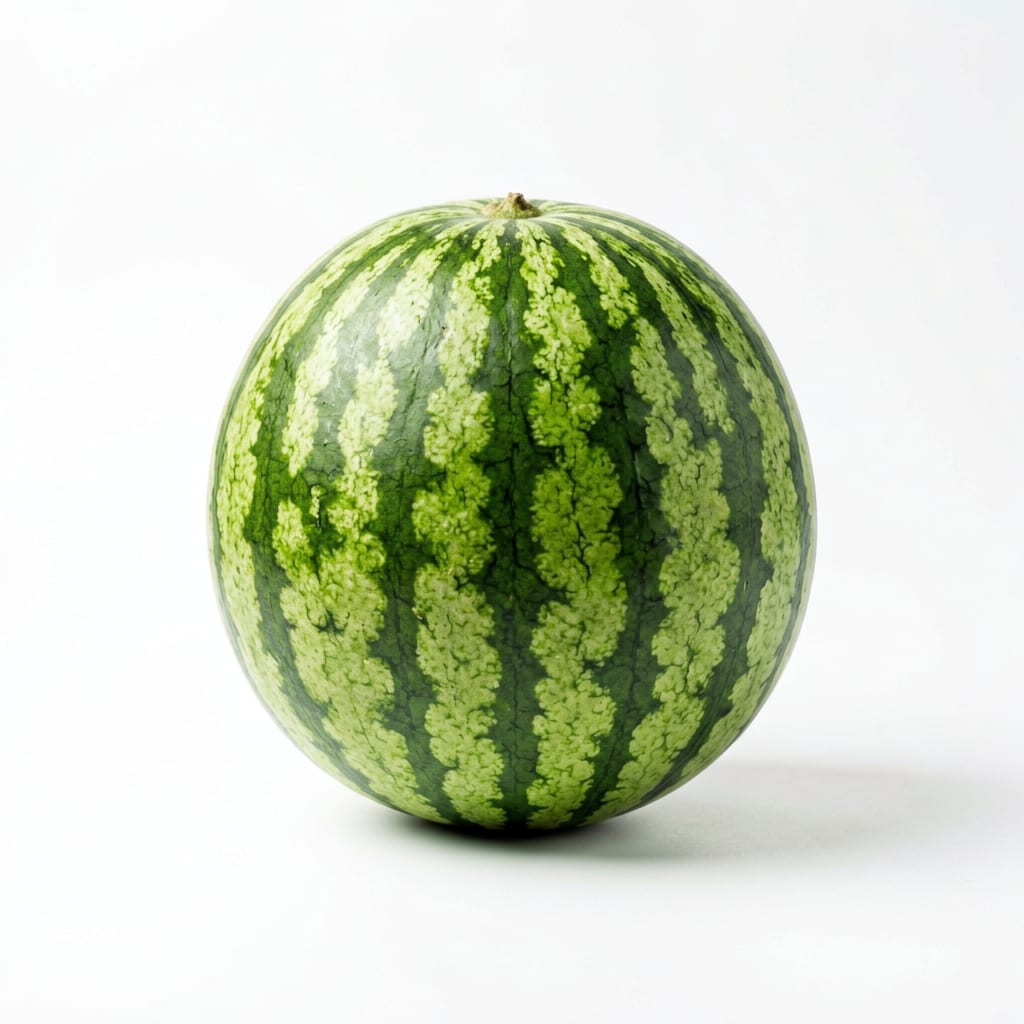
Compare with
Watermelon
Watermelon is lower in calories and higher in lycopene, while cantaloupe is significantly higher in Vitamin A and Vitamin C.
Watermelon is lower in calories and sugar, but cantaloupe is a far better source of Vitamins A and C.
This food
Cantaloupe
VS80% alike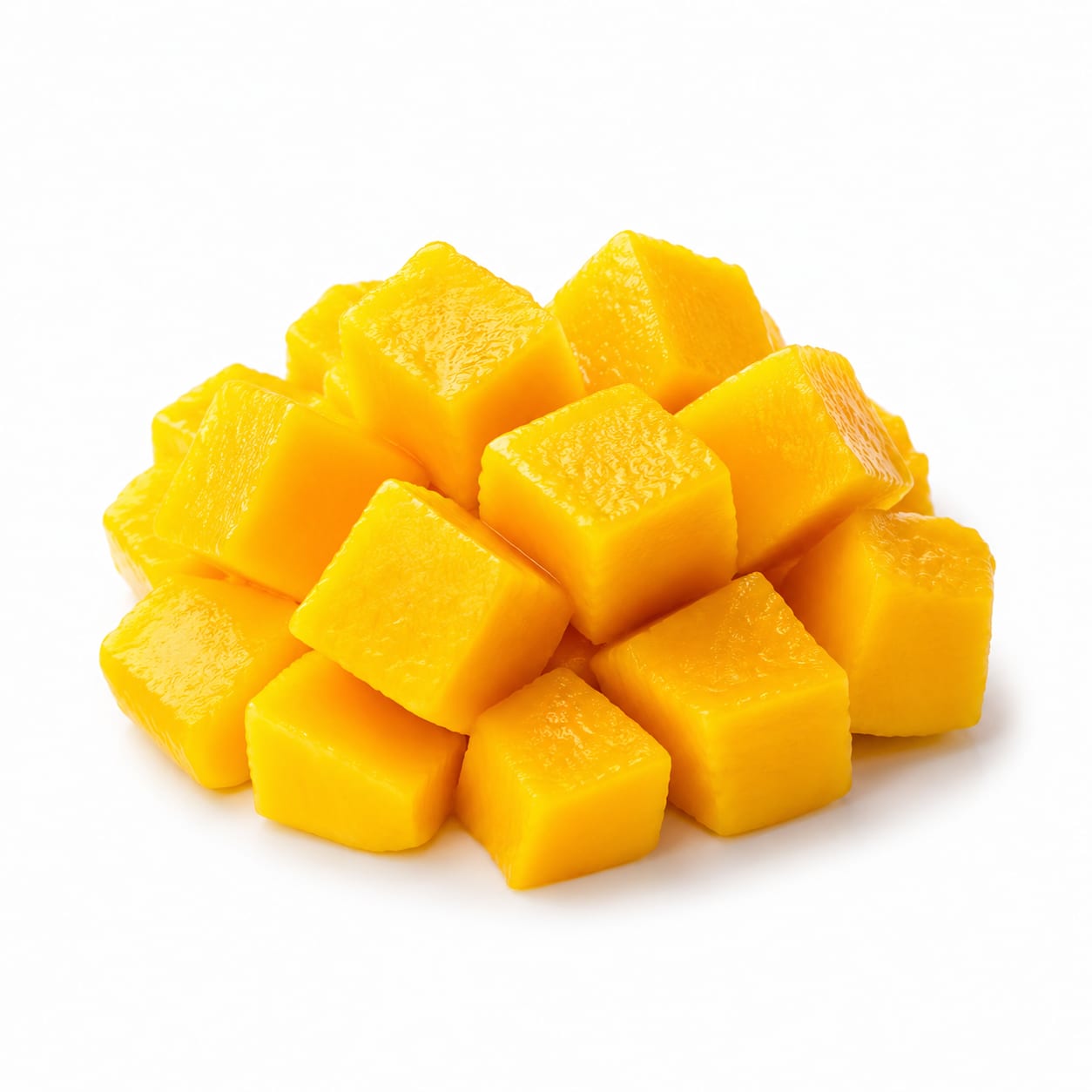
Compare with
Mango
Mango is denser in calories and sugar, offering more fiber, while cantaloupe is much lower in calories and higher in water.
Cantaloupe is lighter and lower in sugar than mango, making it better for weight loss, while mango provides more fiber and a richer flavor.
This food
Cantaloupe
VS80% alike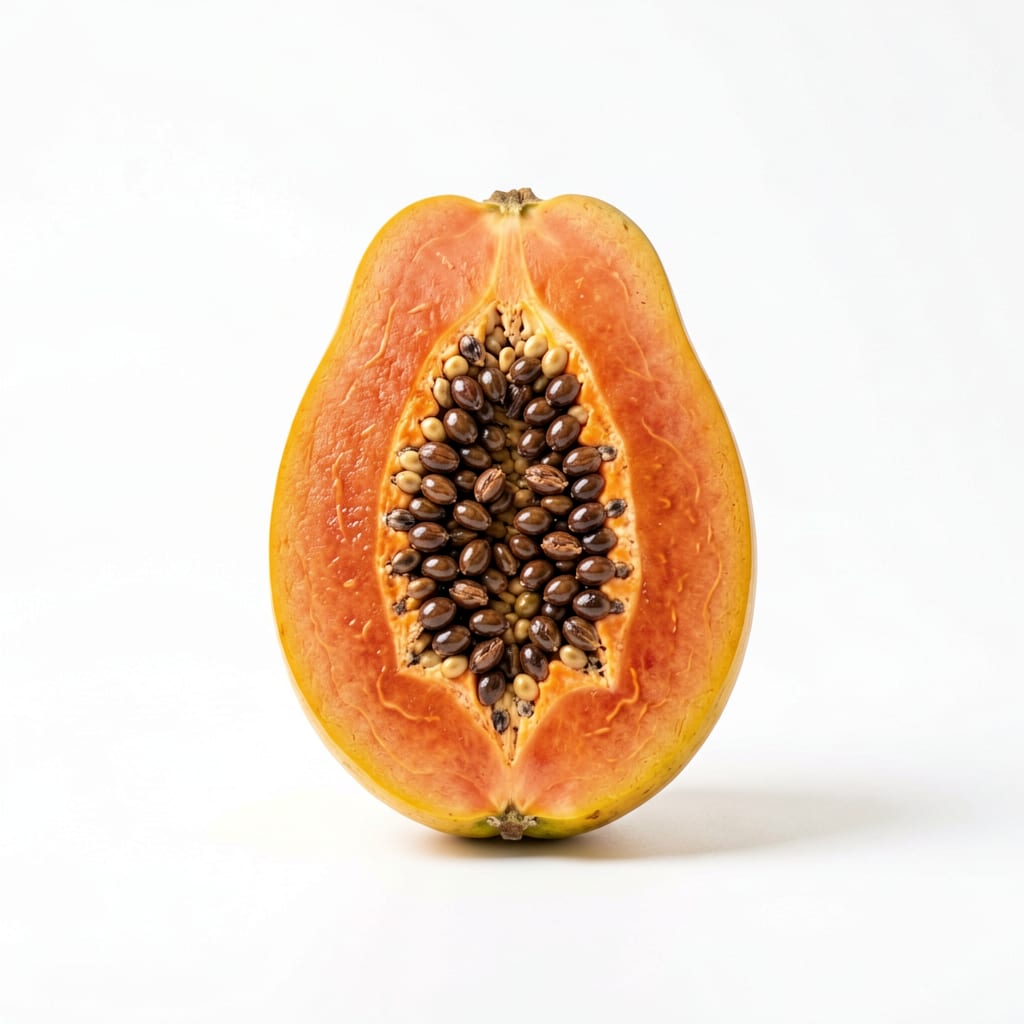
Compare with
Papaya
Papaya contains digestive enzymes like papain and slightly more fiber, while cantaloupe is lower in sugar and calories.
Cantaloupe is lower in calories and sugar, whereas papaya offers more fiber and digestive enzymes that aid gut health.
This food
Cantaloupe
VS75% alike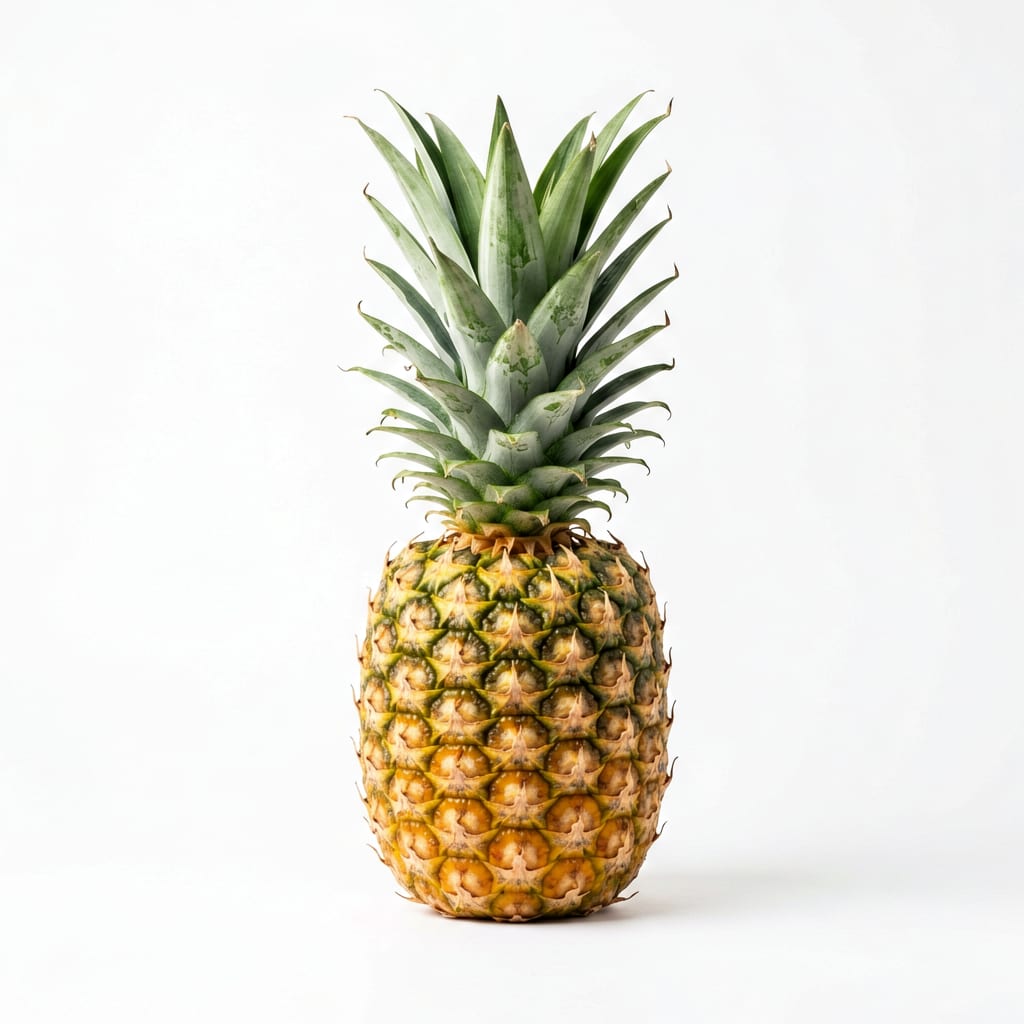
Compare with
Pineapple
Pineapple is higher in manganese and bromelain, but also higher in sugar and calories than cantaloupe.
Cantaloupe is lower in sugar and calories, making it better for weight management, while pineapple is richer in manganese and anti-inflammatory bromelain.
This food
Cantaloupe
VS70% alike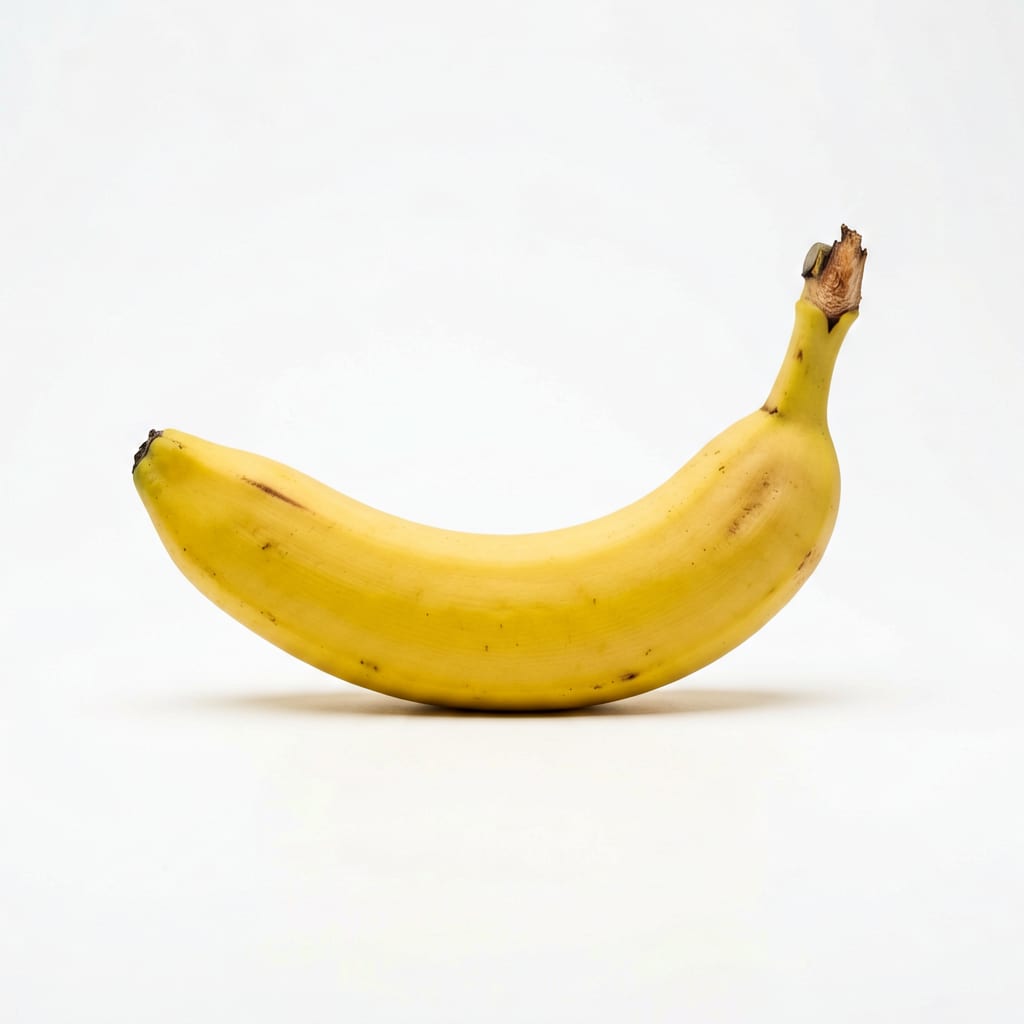
Compare with
Banana
Bananas are much denser in calories, carbs, and potassium, while cantaloupe provides volume and hydration for far fewer calories.
Bananas offer more potassium and sustained energy for workouts, while cantaloupe provides a lower-calorie, hydrating alternative.
This food
Cantaloupe
VS65% alike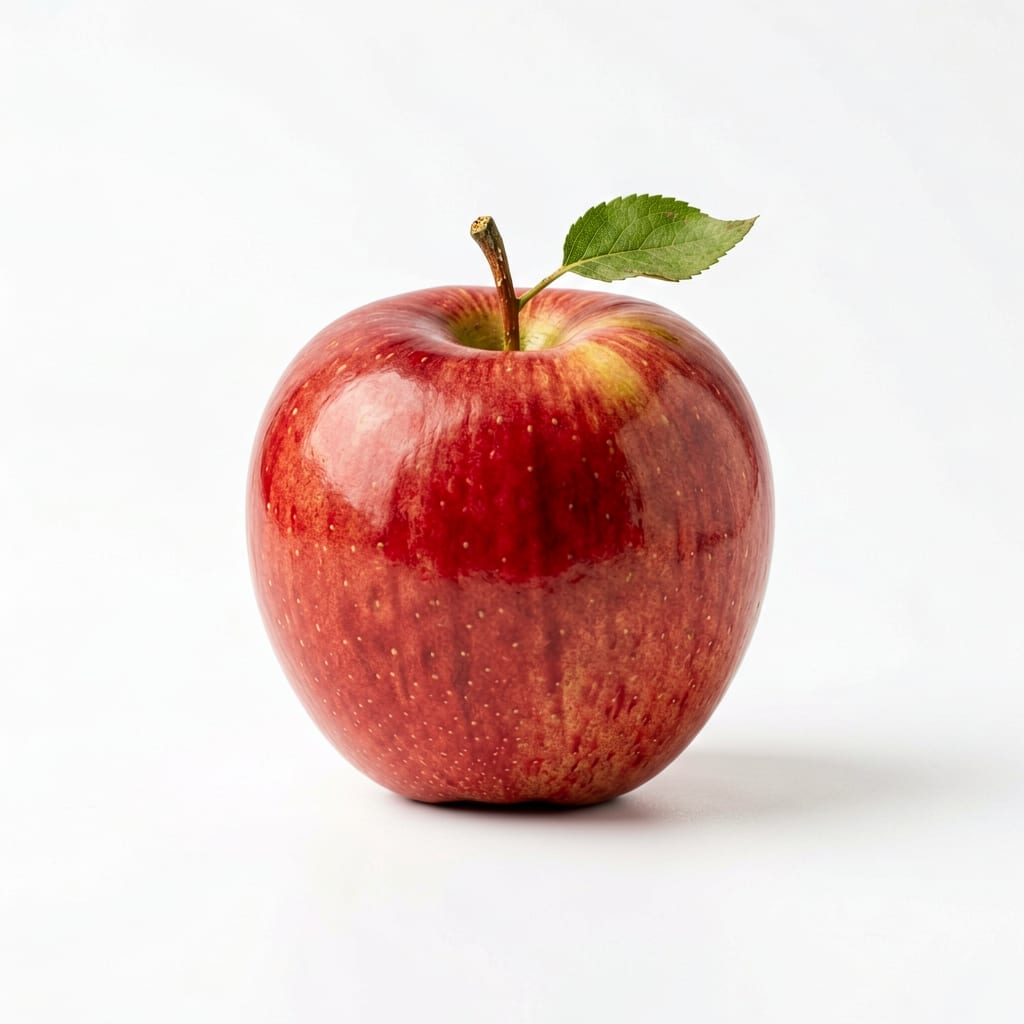
Compare with
Apple
Apples are significantly higher in fiber, providing longer satiety, while cantaloupe is lower in calories and higher in Vitamin A.
Apples are better for sustained energy and digestion due to high fiber, while cantaloupe is better for low-calorie volume eating and hydration.
This food
Cantaloupe
VS60% alike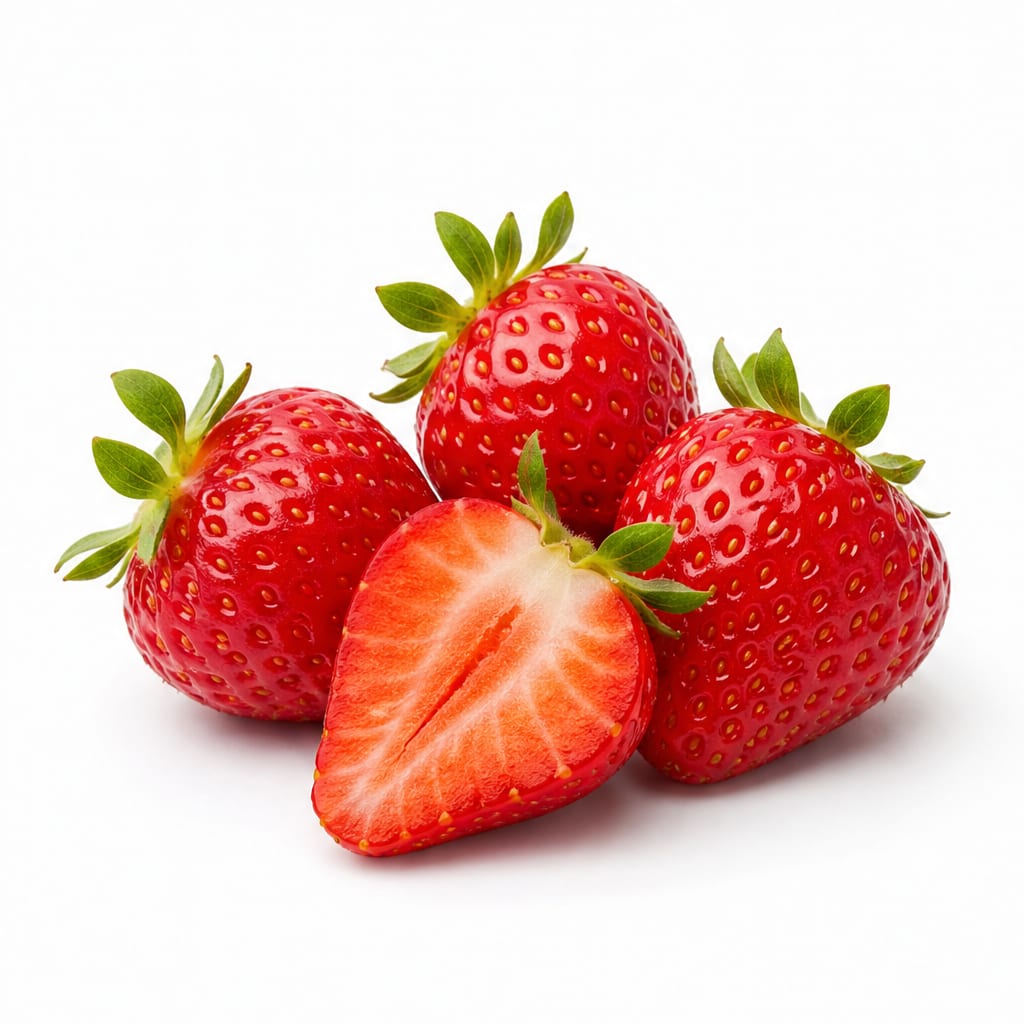
Compare with
Strawberries
Strawberries are lower in sugar and higher in fiber and Vitamin C, while cantaloupe offers more Vitamin A and higher water volume.
Strawberries are lower in sugar and higher in fiber, making them better for blood sugar control, while cantaloupe offers more hydration and Vitamin A.
This food
Cantaloupe
VS65% alike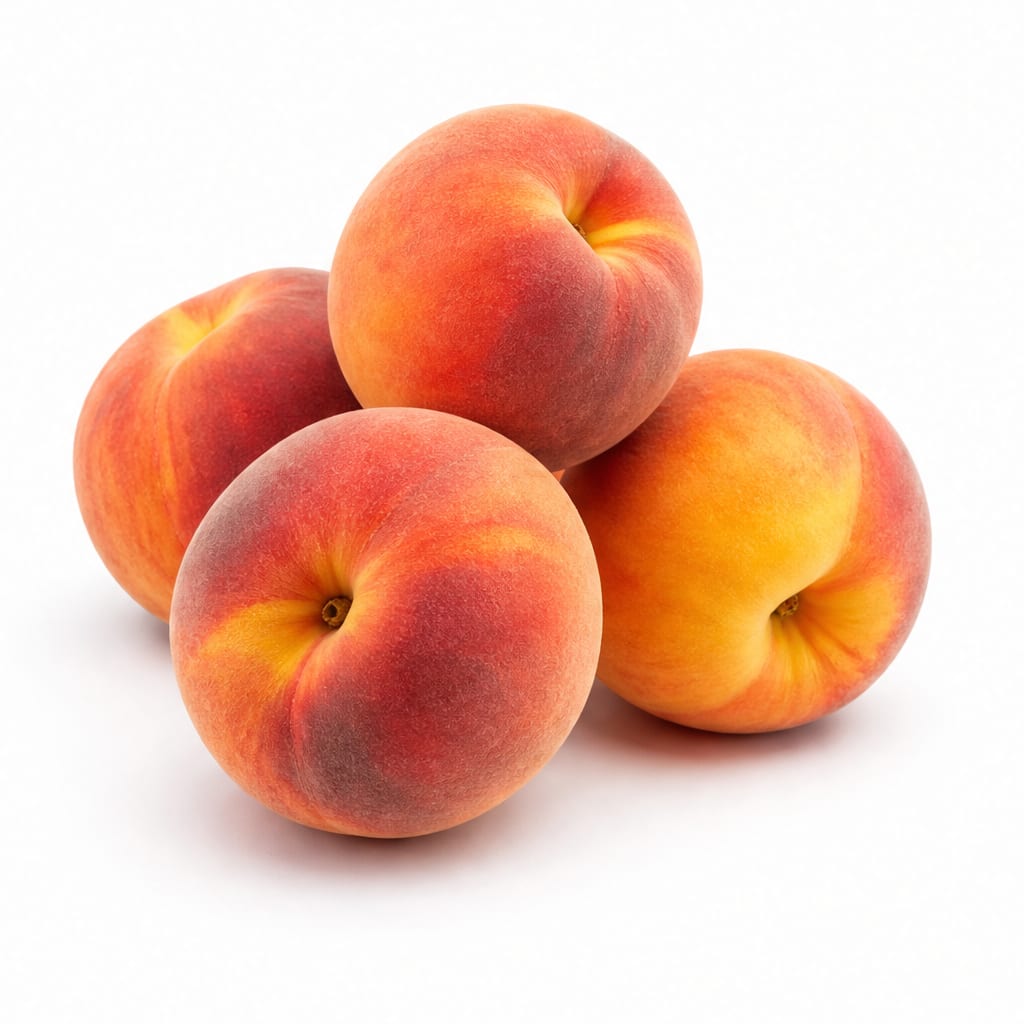
Compare with
Peaches
Peaches have slightly more fiber, while cantaloupe is richer in Vitamin A and slightly lower in calories.
Cantaloupe is slightly lower in calories and much higher in Vitamin A, while peaches offer a bit more fiber to help with digestion.
This food
Cantaloupe
VS60% alike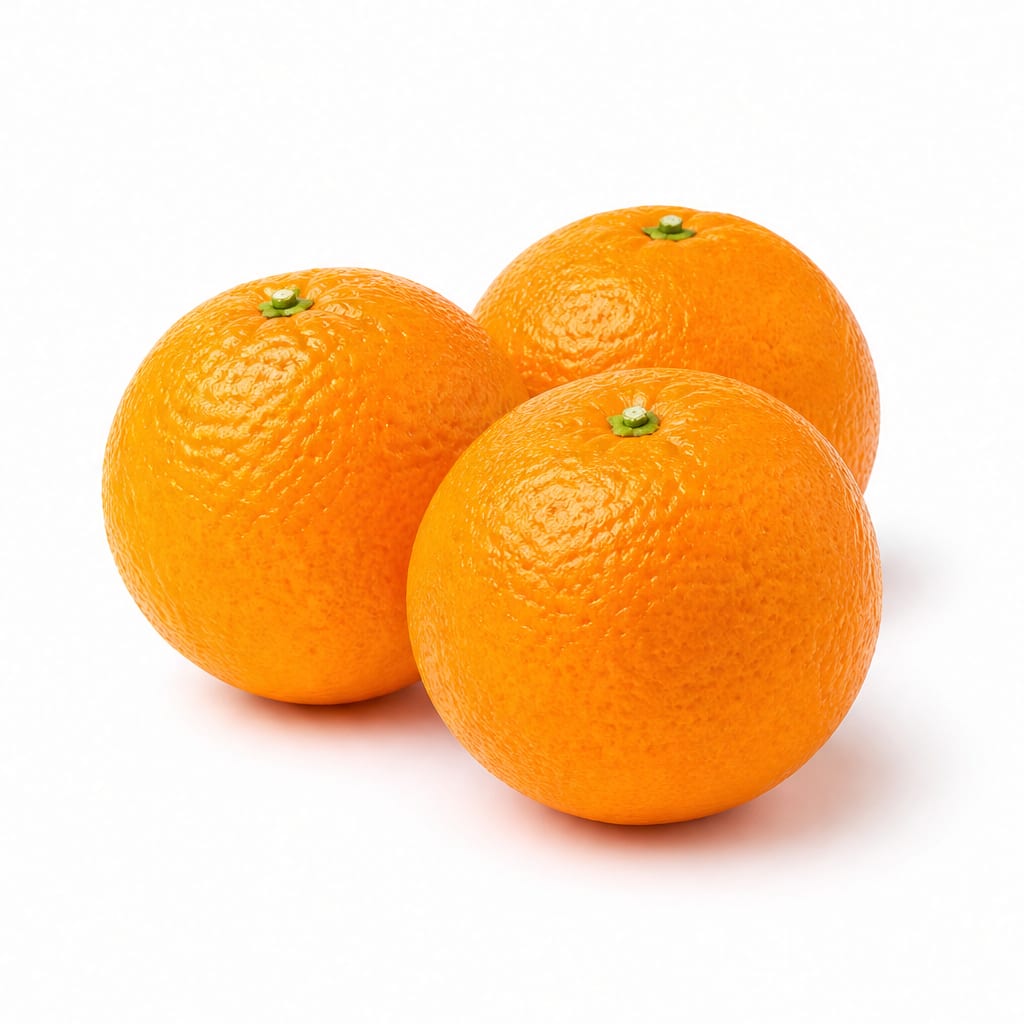
Compare with
Oranges
Oranges are higher in Vitamin C and fiber, while cantaloupe is higher in Vitamin A and slightly lower in calories.
Oranges provide more Vitamin C and fiber, while cantaloupe is slightly lower in calories and a superior source of Vitamin A.
Common questions
FAQ
Answers aligned with how people search for this food.
Is cantaloupe good for weight loss?
Yes, cantaloupe is excellent for weight loss due to its high water content and low calorie density, allowing you to eat a large volume of food for very few calories.
Can diabetics eat cantaloupe?
Yes, diabetics can eat cantaloupe in moderation. While it has a medium glycemic index, its glycemic load per typical serving is very low, meaning it has a minimal impact on blood sugar when eaten in reasonable portions.
Is cantaloupe high in sugar?
Cantaloupe contains natural sugars, but because it is 90% water, the sugar concentration per serving is relatively low compared to denser fruits like bananas or grapes.
Does cantaloupe make you poop?
Cantaloupe can help with bowel movements primarily due to its high water content, which softens stool. However, it is not a high-fiber food, so it is less effective for this purpose than fruits like apples or berries.
Is cantaloupe a good pre-workout snack?
Yes, cantaloupe is a good pre-workout snack because it provides easily digestible carbohydrates for quick energy and high water content for pre-hydration.
How much cantaloupe should I eat a day?
A standard serving is about 1 cup of cubed melon or a quarter of a medium melon. Eating 1-2 servings a day fits well within a healthy diet without overconsuming sugar.
Is cantaloupe healthier than watermelon?
Cantaloupe is significantly higher in Vitamin A and Vitamin C than watermelon, while watermelon is slightly higher in lycopene. Both are highly hydrating and low in calories.
Why does cantaloupe give me stomach pain?
Stomach pain from cantaloupe could be due to fructose malabsorption, or it could be a sign of a foodborne illness if the rind was not washed before cutting, transferring bacteria to the flesh.
Transparency
Data confidence
Estimated confidence for nutrition data, interpretation, safety notes, and comparisons.
Nutrition data
Health analysis
Food safety
Comparisons