
Nutrition comparison
Cantaloupe vs Peaches: Nutrition, Blood Sugar & Which Is Healthier
Compare Cantaloupe vs Peaches for weight loss, diabetes, and daily nutrition. Learn which fruit is better for hydration, blood sugar, and vitamin intake.
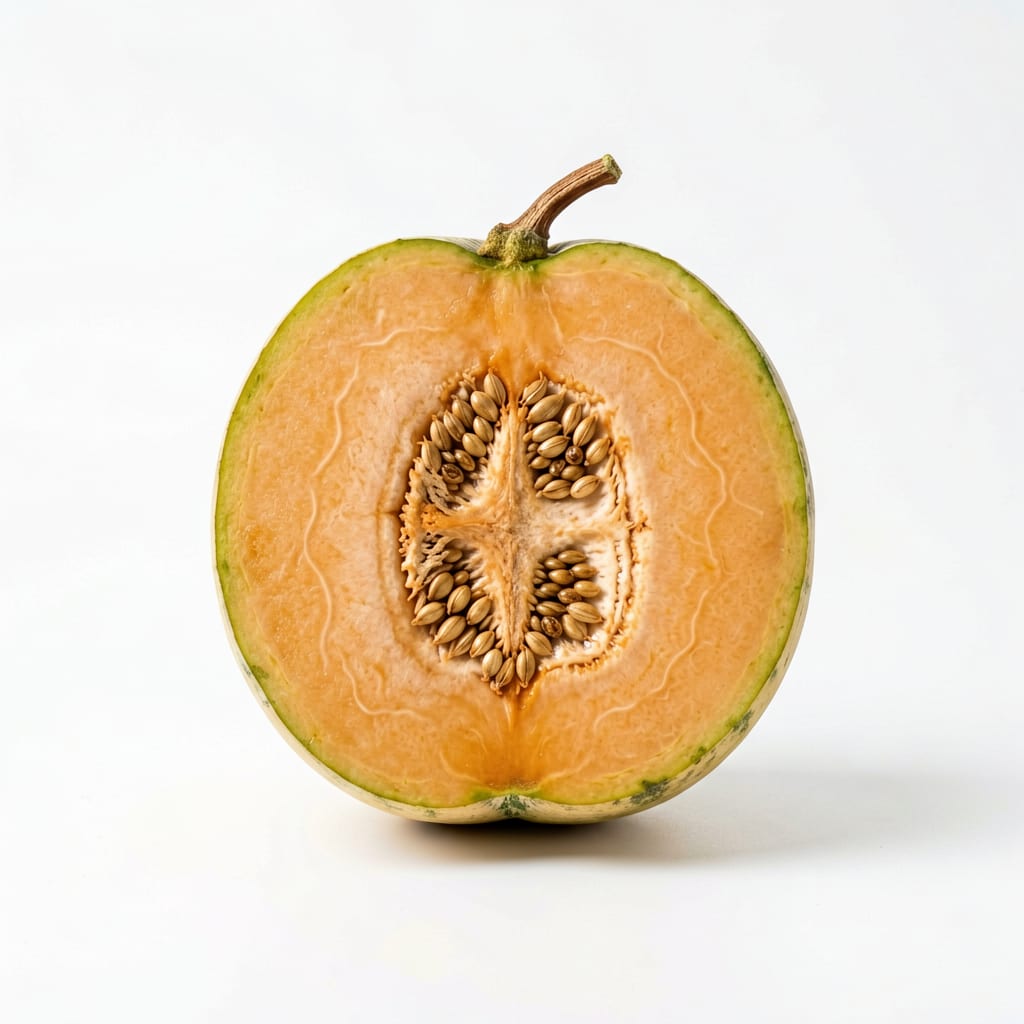
Cantaloupe
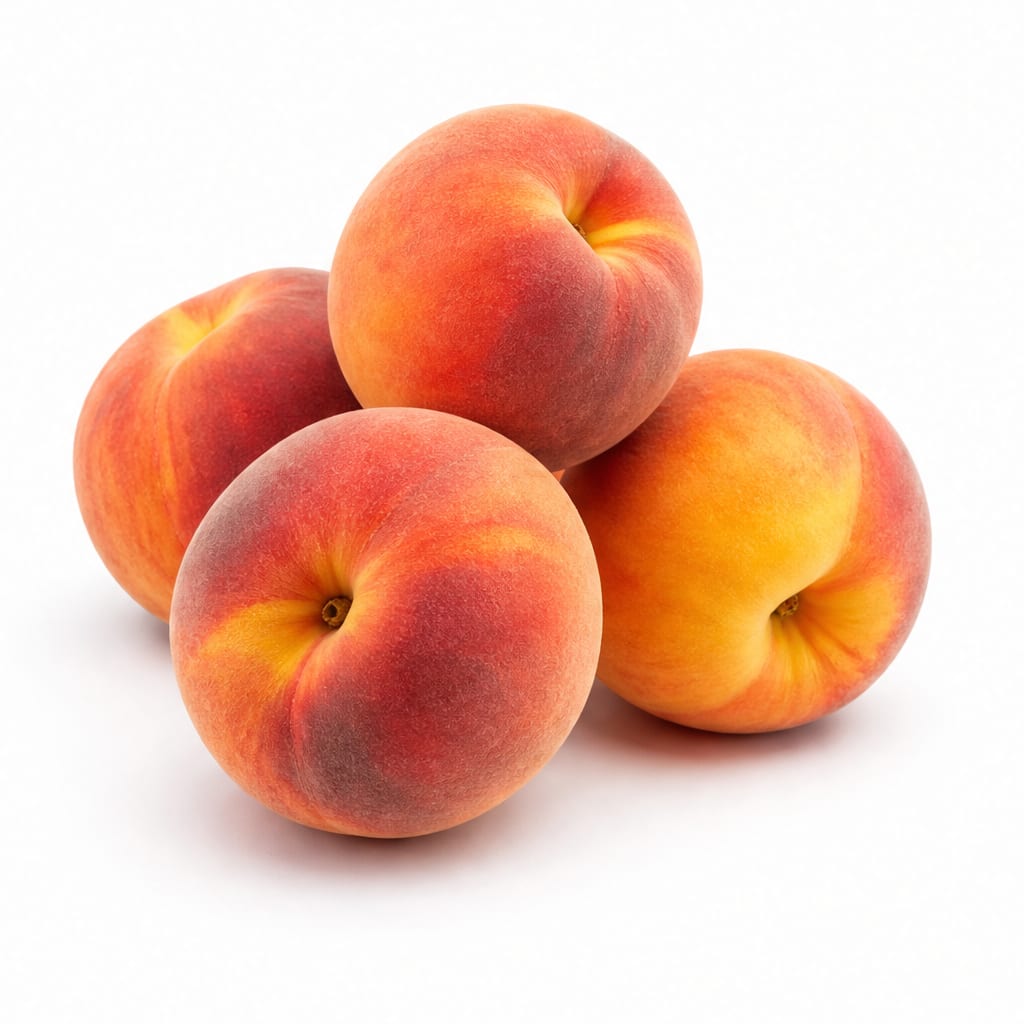
Peaches
Cantaloupe is a hydration powerhouse loaded with Vitamin A, while Peaches offer better blood sugar stability and more fiber.
Peaches edge out Cantaloupe slightly due to better fiber content and blood sugar stability, making them easier to incorporate daily without energy crashes. Cantaloupe remains excellent for specific goals like hydration and Vitamin A.
Maximum hydration and Vitamin A versus steadier energy and better digestive fullness.
At a glance
Executive summary
Overall
It depends
Healthier
It depends
More practical
Peaches
Daily use
Peaches
Key comparison lenses
Hydration and volume eating for weight loss
Cantaloupe is extremely water-dense, allowing for larger portions with fewer calories compared to Peaches.
Blood sugar management and fiber intake
Peaches offer more fiber and a lower glycemic index, making them steadier on blood sugar.
Vitamin A and eye health
Cantaloupe is a massive source of beta-carotene, whereas Peaches provide very little.
Pesticide exposure and food safety
Cantaloupe carries a higher bacterial contamination risk on its rind, while Peaches consistently rank high for pesticide residues.
Best choice for
Cantaloupe
- People wanting to eat a large volume of food without many calories
- Anyone needing a Vitamin A boost for skin or eye health
- Hot summer days where hydration is the priority
- Older adults needing soft, easy-to-chew hydration
Peaches
- People managing blood sugar spikes or insulin resistance
- Anyone needing more fiber to stay regular
- Those who want a portable, no-mess snack on the go
- Individuals prioritizing steady, lasting energy over volume
Least suitable for
Cantaloupe
- People strictly monitoring glycemic load in a single sitting
- Anyone wanting a quick, one-handed snack while commuting
Peaches
- Those needing massive portion sizes to feel satisfied
- People looking for significant Vitamin A intake
Deep comparison
Dimension by dimension
Each lens scores both foods and breaks down who each option suits.
- Dimension 1 · Priority 95Cantaloupe
Nutrient Density (Vitamins & Minerals)
Cantaloupe · 88Peaches · 72Cantaloupe dominates the micronutrient game, especially with Vitamin A and folate.
Tradeoff
You get far more Vitamin A with Cantaloupe, but Peaches offer slightly more vitamin E and unique antioxidants.
Why it matters
Vitamin A is critical for immune function and vision, and Cantaloupe delivers over 100% of your daily needs in a single cup.
Real-world impact
Eating Cantaloupe regularly can visibly support skin health and night vision much more effectively than Peaches.
Cantaloupe
- Eye health and vision support
- Immune system reinforcement
- Skin cell turnover and repair
Better for
- Getting a broad spectrum of antioxidant types
Worse for
Peaches
- Protecting cells from oxidative stress
- Reducing inflammation markers
Better for
- Meeting daily Vitamin A requirements efficiently
Worse for
- Dimension 2 · Priority 85Cantaloupe
Hydration and Satiety
Cantaloupe · 92Peaches · 75Cantaloupe is basically flavored water, making it incredibly filling per calorie.
Tradeoff
Cantaloupe fills your stomach with water volume, while Peaches fill it with fiber density.
Why it matters
If you want to eat a massive bowl of food without ruining your calorie budget, Cantaloupe is the clear winner.
Real-world impact
A massive bowl of Cantaloupe feels like a feast for under 100 calories, whereas the same calorie amount of Peaches looks like a tiny snack.
Cantaloupe
- Volume eating and feeling physically stuffed
- Rehydrating after exercise or heat exposure
- Curbing appetite with sheer physical fullness
Better for
- Satiety that actually lasts between meals
Worse for
Peaches
- Sustained fullness that lasts hours after eating
- Avoiding the quick bathroom trip that high water content causes
Better for
- Eating large portions on a strict calorie deficit
Worse for
- Dimension 3 · Priority 90Peaches
Blood Sugar Stability
Cantaloupe · 65Peaches · 82Peaches digest slower and cause less of a blood sugar rollercoaster.
Tradeoff
Cantaloupe has a higher glycemic index, meaning its natural sugars hit your bloodstream faster.
Why it matters
Faster sugar absorption can lead to a quicker energy spike and subsequent crash, especially if eaten alone.
Real-world impact
Eating Peaches as an afternoon snack keeps energy steadier, while Cantaloupe might leave you hungry again an hour later.
Cantaloupe
- Quick energy before a short workout
Better for
- Blood sugar management when eaten solo
Worse for
Peaches
- Managing insulin resistance or prediabetes
- Preventing the afternoon energy crash
- Sustained energy during long work sessions
Better for
- Needing immediate carbohydrate fuel
Worse for
- Dimension 4 · Priority 80Peaches
Fiber and Digestive Health
Cantaloupe · 60Peaches · 82Peaches provide significantly more fiber, especially if you eat the skin.
Tradeoff
You have to eat the Peach skin to get the fiber benefit, whereas Cantaloupe's flesh is naturally low in fiber regardless.
Why it matters
Fiber slows digestion, feeds gut bacteria, and prevents constipation.
Real-world impact
A couple of Peaches help keep you regular, while Cantaloupe mostly just passes water through your system.
Cantaloupe
- Gentle digestion for sensitive stomachs
Better for
- Contributing meaningfully to daily fiber goals
Worse for
Peaches
- Improving daily bowel regularity
- Feeding beneficial gut bacteria
- Slowing down sugar absorption naturally
Better for
- Those with irritated digestive tracts who need low-fiber options
Worse for
- Dimension 5 · Priority 70Peaches
Convenience and Portability
Cantaloupe · 55Peaches · 85Peaches are a grab-and-go fruit; Cantaloupe requires cutting and containers.
Tradeoff
Cantaloupe requires prep and refrigeration, while a Peach can be thrown in a bag and eaten like an apple.
Why it matters
Inconvenient fruits get eaten less often, regardless of how healthy they are.
Real-world impact
You can easily pack a Peach for a commute, but Cantaloupe demands prep time and Tupperware.
Cantaloupe
- Serving a crowd at a brunch or picnic
Better for
- Spontaneous on-the-go snacking
Worse for
Peaches
- Busy mornings with zero prep time
- Taking to the office or gym
- Quick snacking while working
Better for
- Catering to large groups efficiently
Worse for
Timeline
Health impact over time
Short-term
Hours to days
Cantaloupe
- Rapid hydration after sweating or heat exposure
- Quick energy spike from easily absorbed natural sugars
- Immediate physical fullness from water volume
Peaches
- Steady, crash-free energy for a few hours
- Relief from mild constipation due to fiber content
- Gentle satiety without feeling bloated
Long-term
Months to years
Cantaloupe
- Improved vision and eye health from massive Vitamin A intake
- Better skin elasticity and immune defense
- Potential for higher blood sugar variability if overconsumed
Peaches
- Improved gut microbiome diversity from fiber
- Better long-term blood sugar regulation
- Lower systemic inflammation from unique polyphenols
Risk profile
Safety & processing
Both Cantaloupe and Peaches are whole, raw fruits with no artificial additives when purchased fresh. The only processing concern is if they are canned in heavy syrup, which drastically alters their health profiles.
Cantaloupe
Surface Bacterial Contamination
highThe rough, netted rind of Cantaloupe easily traps bacteria like Salmonella and Listeria. Always scrub the rind under running water before cutting, otherwise the knife drags bacteria into the flesh.
Peaches
Pesticide Residue
mediumPeaches consistently appear on the EWG's Dirty Dozen list due to high pesticide residues on their delicate skin. Buying organic is strongly recommended if you eat the skin.
Who wins for whom
Audience fit
Same foods, different winners depending on your goal.
children
CantaloupeCantaloupe is softer, poses less of a choking hazard, and provides essential Vitamin A for developing eyes and immune systems.
daily consumption
PeachesPeaches offer more fiber and steadier energy, making them a more balanced daily staple that will not spike blood sugar.
diabetes
PeachesPeaches have a lower glycemic index and more fiber, resulting in a gentler blood sugar response.
elderly
CantaloupeThe high water content helps prevent dehydration, and the soft texture is gentle on aging teeth, while Vitamin A supports aging eyes.
muscle gain
It dependsNeither is a significant protein source, but Cantaloupe offers slightly more potassium for muscle cramp prevention.
weight loss
CantaloupeCantaloupe allows for massive portion sizes with very few calories, making it easier to stick to a deficit without feeling deprived.
Your move
Decision guide
Choose Cantaloupe
- You want to eat a huge bowl of food without consuming many calories
- You need quick hydration after a workout or a hot day
- You want to dramatically boost your Vitamin A intake
- You are meal prepping fruit for the week and can store cut containers
Choose Peaches
- You want a portable, no-prep snack for busy days
- You need steady energy without a sugar crash
- You are focused on getting more daily fiber
- You want a lower glycemic fruit to pair with a protein
Either works if
- You just want a refreshing, whole-food alternative to processed desserts
- You are trying to increase your daily fruit intake generally
- You want a natural source of potassium
Avoid both if
- You have a severe fructose intolerance
- You are on a strict very-low-carb or ketogenic diet
- You are only looking for fruits canned in heavy syrup
Final recommendation
Let your daily rhythm decide. Keep Cantaloupe in the fridge for post-workout hydration and massive low-calorie bowls, but grab a Peach when you need portable, crash-free energy on a busy afternoon.
Practical
Consumer tips
- 1
Always wash Cantaloupe rind vigorously with a brush before slicing to avoid dragging bacteria into the fruit.
- 2
Buy organic Peaches if you plan to eat the skin, as conventional skins carry high pesticide loads.
- 3
Pair either fruit with a handful of nuts or a scoop of Greek yogurt to blunt the blood sugar response.
- 4
Choose firm but slightly yielding Peaches; rock-hard Peaches may never ripen properly.
- 5
Store cut Cantaloupe in an airtight container as it absorbs odors easily from the fridge.