
Nutrition comparison
Cantaloupe vs Honeydew: Which Melon Is Healthier?
Cantaloupe delivers far more vitamin A and C than Honeydew, but Honeydew is slightly lower in sugar and calories. Compare nutrition, taste, and best uses for each melon.
Overall winner · Cantaloupe
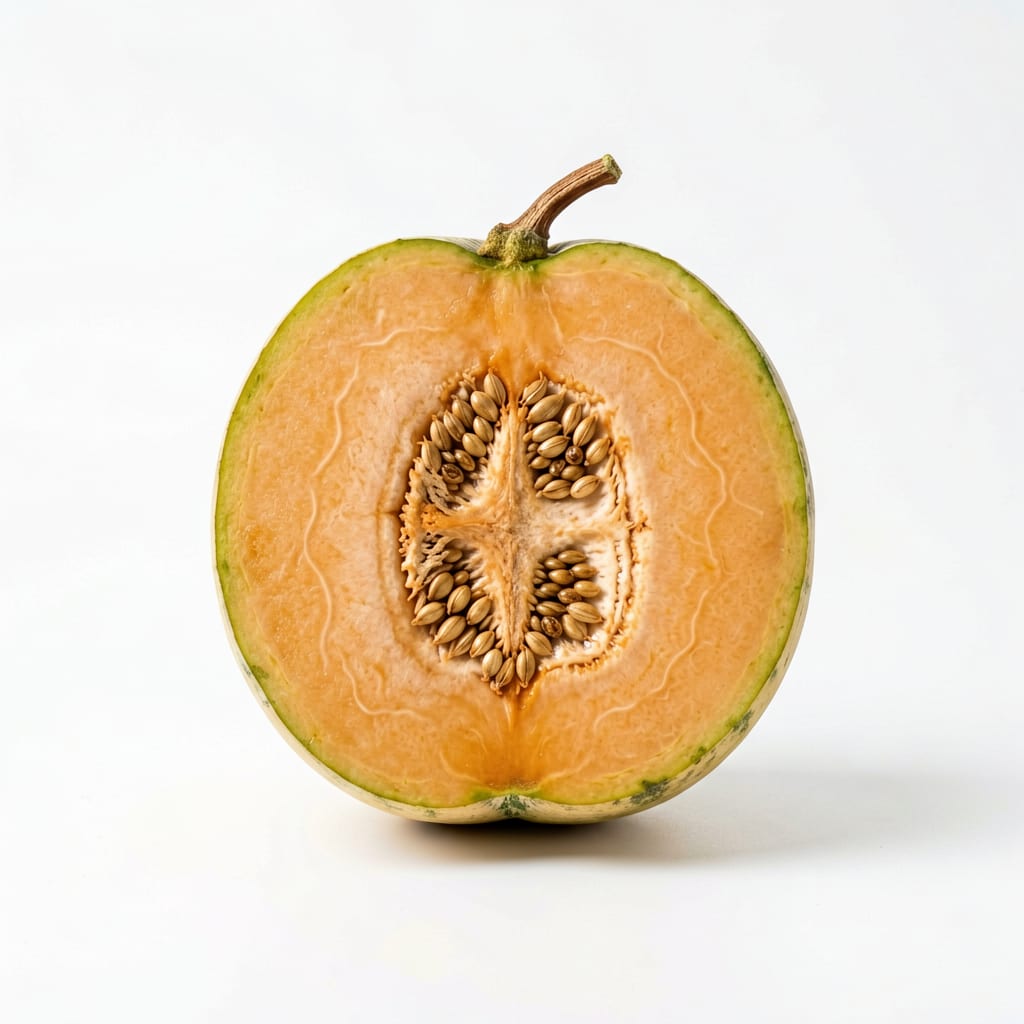
Cantaloupe
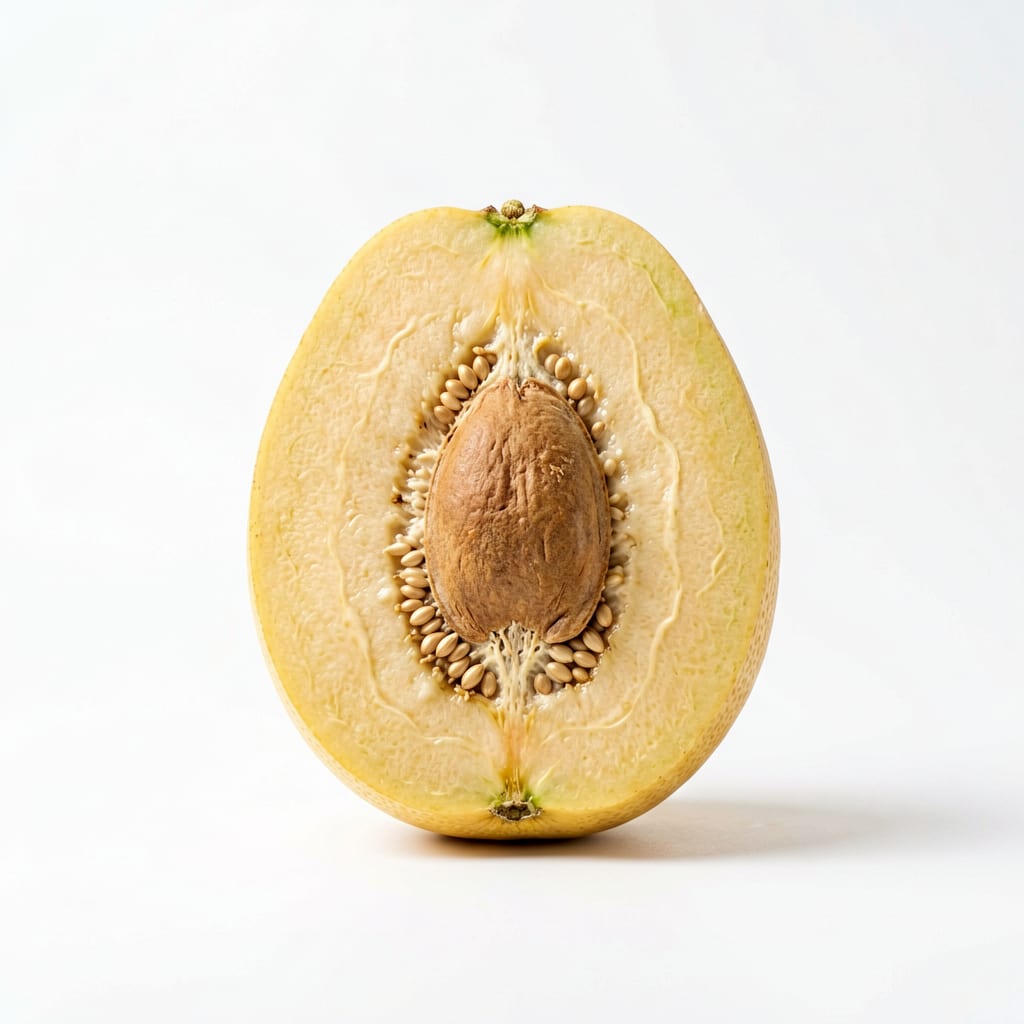
Honeydew
Cantaloupe wins on nutritional value thanks to far more vitamin A and vitamin C, while Honeydew is slightly lighter in calories and sugar but offers less overall nutrition.
Cantaloupe scores notably higher because its vitamin A content is roughly 50 times that of Honeydew, and it also delivers more vitamin C. Honeydew remains a perfectly healthy choice but offers less nutritional punch per calorie.
You get significantly more vitamins and antioxidants with Cantaloupe, but Honeydew is marginally lower in sugar and calories if you prefer a milder, lighter-tasting melon.
At a glance
Executive summary
Overall
Cantaloupe
Healthier
Cantaloupe
More practical
It depends
Daily use
Cantaloupe
Key comparison lenses
vitamin and antioxidant density
Cantaloupe dramatically outperforms Honeydew in vitamin A due to its orange flesh, making this the most nutritionally significant difference
hydration and low-calorie snacking
Both melons are water-rich, low-calorie fruits often chosen for refreshing snacks, so subtle differences in calorie density and sugar matter
blood sugar and diabetes-friendly choices
Users comparing melons often want to know which is gentler on blood sugar, and the slight sugar and glycemic differences are relevant
food safety and contamination risk
Both melons grow on the ground and have been linked to foodborne illness outbreaks, making safety a practical concern
Best choice for
Cantaloupe
- People wanting maximum vitamin A for eye and immune health
- Anyone seeking more vitamin C from fruit
- Those who prefer sweeter, more flavorful melon
- Smoothie and fruit salad makers wanting richer taste and color
Honeydew
- People watching sugar intake closely
- Those who prefer mild, less sweet fruit flavors
- Anyone wanting the lightest possible calorie load per serving
- People who find Cantaloupe too intensely flavored
Least suitable for
Cantaloupe
- People strictly limiting sugar who find it too easy to overeat
- Those who dislike strong melon flavor
Honeydew
- People relying on fruit for vitamin A intake
- Anyone wanting significant antioxidant benefits from their melon
- Those who find Honeydew too bland to enjoy
Deep comparison
Dimension by dimension
Each lens scores both foods and breaks down who each option suits.
- Dimension 1 · Priority 95Cantaloupe
vitamin and antioxidant density
Cantaloupe · 92Honeydew · 28Cantaloupe is dramatically richer in vitamin A and also provides more vitamin C, making it the clear winner for micronutrient density.
Tradeoff
Honeydew still provides some vitamin C and a small amount of vitamin K that Cantaloupe lacks, but the overall antioxidant gap is large.
Why it matters
Vitamin A supports vision, immune function, and skin health. The orange flesh of Cantaloupe signals high beta-carotene content that Honeydew simply does not match.
Real-world impact
Eating a cup of Cantaloupe covers over 100% of your daily vitamin A needs, while the same amount of Honeydew covers less than 2%.
Cantaloupe
- Eye health and vision support
- Immune system strengthening
- Skin health and anti-aging benefits
Better for
- Not a significant source of vitamin K
Worse for
Honeydew
- Vitamin K intake, which supports bone metabolism and blood clotting
Better for
- Very poor source of vitamin A and beta-carotene
- Lower overall antioxidant capacity
Worse for
- Dimension 2 · Priority 76Honeydew
calorie and sugar load
Cantaloupe · 62Honeydew · 72Honeydew is slightly lower in both calories and sugar per cup, making it the marginally lighter option.
Tradeoff
The difference is small enough that most people would not notice it in practice, but it can matter for strict calorie or carb counting.
Why it matters
For people managing weight or blood sugar, even small reductions in sugar and calories per serving can add up over time.
Real-world impact
A cup of Honeydew saves you roughly 10-15 calories and 2-3 grams of sugar compared to Cantaloupe — noticeable if you eat melon daily, negligible otherwise.
Cantaloupe
- More satisfying sweetness may reduce the urge to add extra sweeteners
Better for
- Higher natural sugar content per serving
Worse for
Honeydew
- Slightly fewer calories per serving
- Marginally less sugar per cup
- Easier to fit into strict low-carb or low-sugar plans
Better for
- Less sweetness may lead people to pair it with higher-calorie additions
Worse for
- Dimension 3 · Priority 70It depends
hydration and refreshment
Cantaloupe · 78Honeydew · 80Both melons are roughly 90% water and equally excellent for hydration. Honeydew has a negligible edge in water content.
Tradeoff
The hydration difference is too small to matter. Choice here comes down to flavor preference and texture.
Why it matters
Staying hydrated matters for energy, digestion, and skin, and both melons serve this purpose well.
Real-world impact
On a hot day, either melon will hydrate you effectively. Pick the one you enjoy more, because you will eat more of it.
Cantaloupe
- Stronger flavor makes it feel more satisfying as a standalone snack
Better for
- Intense sweetness can feel heavy in very hot weather
Worse for
Honeydew
- Slightly higher water content per gram
- Milder flavor can be more refreshing when you want something light
Better for
- Blandness may leave you reaching for additional snacks
Worse for
- Dimension 4 · Priority 62It depends
digestive tolerance
Cantaloupe · 68Honeydew · 70Both melons are gentle on digestion for most people. Honeydew is slightly less likely to cause bloating due to marginally lower fiber and sugar.
Tradeoff
Neither melon is a common digestive trigger, but sensitive individuals may notice Honeydew is a touch easier on the stomach.
Why it matters
People with IBS or fructose sensitivity need to consider sugar load and fiber type when choosing fruit.
Real-world impact
If you get bloated from fruit, Honeydew may feel slightly lighter, but both are generally well tolerated in moderate portions.
Cantaloupe
- More fiber supports regular bowel movements
Better for
- Higher sugar can trigger bloating in sensitive people
Worse for
Honeydew
- Slightly less sugar may be gentler for fructose-sensitive individuals
- Lower fiber load can be easier during digestive flare-ups
Better for
- Less fiber means slightly less digestive regularity support
Worse for
- Dimension 5 · Priority 58It depends
taste satisfaction and eating enjoyment
Cantaloupe · 80Honeydew · 65Cantaloupe is generally preferred for its richer, sweeter flavor, while Honeydew appeals to those who like subtler, cleaner-tasting fruit.
Tradeoff
Cantaloupe's bold flavor makes it more satisfying on its own, but Honeydew's mildness makes it more versatile as a neutral base in recipes.
Why it matters
People eat more of what they enjoy, so taste preference directly impacts how much fruit you actually consume.
Real-world impact
If you find Honeydew bland, you may eat less fruit overall. If you find Cantaloupe too sweet, you may avoid it after a few bites.
Cantaloupe
- Richer, sweeter flavor is more satisfying as a standalone snack
- More aromatic, which enhances the eating experience
Better for
- Can dominate mixed fruit dishes with its strong flavor
Worse for
Honeydew
- Milder flavor works well in fruit salads without overpowering other ingredients
- Cleaner taste pairs easily with savory foods like prosciutto
Better for
- Often described as bland, which reduces eating enjoyment for many
Worse for
Timeline
Health impact over time
Short-term
Hours to days
Cantaloupe
- Quick hydration from high water content
- Natural sugar provides a mild energy boost
- Vitamin C supports immediate immune activity
Honeydew
- Light hydration with slightly less sugar impact
- Gentle on the stomach for most people
- Vitamin K contributes to normal blood clotting
Long-term
Months to years
Cantaloupe
- Consistent vitamin A intake supports long-term eye health and may reduce age-related vision decline
- Beta-carotene and vitamin C contribute to lower oxidative stress over time
- Regular consumption supports immune resilience
Honeydew
- Vitamin K intake supports bone density maintenance over the years
- Lower sugar load may be slightly more favorable for metabolic health if consumed in large quantities
- Hydration habits contribute to kidney and skin health long-term
Risk profile
Safety & processing
Both Cantaloupe and Honeydew are whole, unprocessed fruits with no artificial additives. Any version you buy in the produce section is as natural as fruit gets.
Cantaloupe
Salmonella contamination from rind
mediumCantaloupe's rough, netted rind can harbor bacteria more easily than smooth-rinded fruits. Always wash the exterior before cutting.
Listeria risk in pre-cut packages
mediumPre-cut Cantaloupe has been linked to listeria outbreaks. Refrigerate promptly and consume within a few days of opening.
Honeydew
Salmonella contamination from rind
lowHoneydew's smoother rind is somewhat less hospitable to bacteria than Cantaloupe's netted surface, but washing is still essential.
Listeria risk in pre-cut packages
mediumSimilar to Cantaloupe, pre-cut Honeydew carries listeria risk if not kept cold and consumed promptly.
Who wins for whom
Audience fit
Same foods, different winners depending on your goal.
children
CantaloupeCantaloupe's sweeter taste and higher vitamin A content make it more appealing and more beneficial for growing kids.
daily consumption
CantaloupeCantaloupe delivers substantially more vitamins per serving, making it the more rewarding daily habit if you only pick one.
diabetes
HoneydewHoneydew's marginally lower sugar content and glycemic load make it the slightly safer option, though both can fit in a diabetes-friendly diet in moderate portions.
elderly
CantaloupeThe high vitamin A and C content in Cantaloupe supports immune function and vision, both of which are critical concerns for older adults.
muscle gain
It dependsNeither melon is a meaningful protein source. Both can serve as hydrating post-workout carbs, but neither directly supports muscle building.
weight loss
HoneydewHoneydew's slightly lower calorie and sugar content per cup gives it a small edge, though both are excellent low-calorie choices.
Your move
Decision guide
Choose Cantaloupe
- You want maximum nutritional value from your fruit
- Eye health and immune support are priorities
- You enjoy bold, sweet melon flavor
- You are making smoothies or fruit salads where rich flavor is welcome
Choose Honeydew
- You are closely monitoring sugar or calorie intake
- You prefer mild, subtle fruit flavors
- You want a light, refreshing snack that does not feel heavy
- You are pairing melon with savory foods where a neutral flavor works better
Either works if
- You simply want a hydrating, low-calorie snack
- You are making a mixed melon fruit bowl
- You have no specific vitamin priorities and just want to eat more fruit
Avoid both if
- You have a severe fructose intolerance or malabsorption issue
- You are on a very strict ketogenic diet and cannot afford the carbs
- You have a known melon allergy or oral allergy syndrome triggered by melons
Final recommendation
Cantaloupe is the stronger nutritional choice overall, especially for vitamin A and C. But if you genuinely prefer the taste of Honeydew, it is still a healthy, hydrating fruit — just not as nutrient-dense. The best melon is the one you will actually eat regularly.
Practical
Consumer tips
- 1
Always wash the rind before cutting, even if you do not eat it — your knife drags bacteria through the flesh as it slices
- 2
Choose melons that feel heavy for their size, which indicates juiciness
- 3
Avoid pre-cut melon that has been sitting at room temperature
- 4
Store whole melons at room temperature, but refrigerate once cut and consume within 3-4 days
- 5
Cantaloupe that has a slight sweetness at the stem end is likely riper and sweeter inside
- 6
Honeydew should have a creamy yellow spot where it rested on the ground — a sign of ripeness, not a flaw