
Nutrition comparison
Cantaloupe vs Apple: Which Fruit is Better for You?
Compare cantaloupe and apples on hydration, fiber, blood sugar impact, and vitamins. Find out which fruit is best for weight loss, snacking, and daily health.
Overall winner · Apple
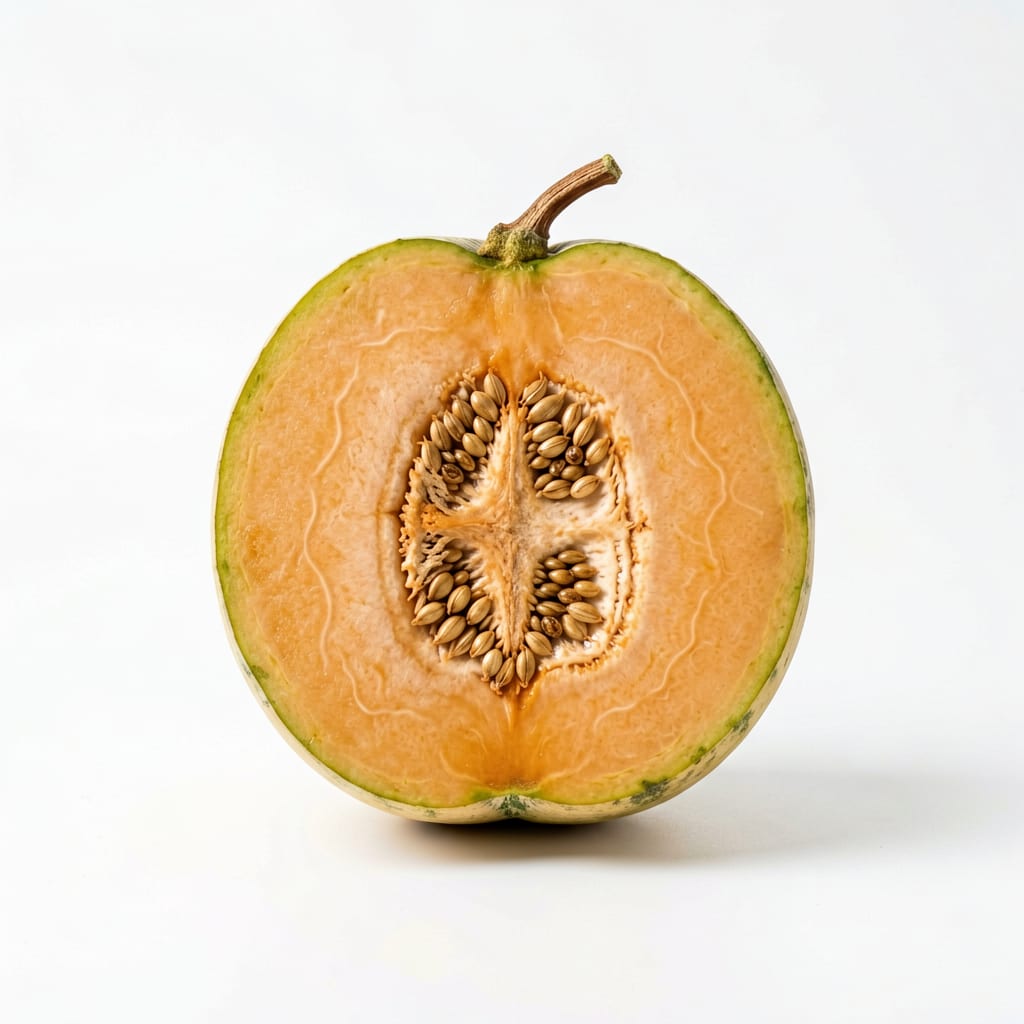
Cantaloupe
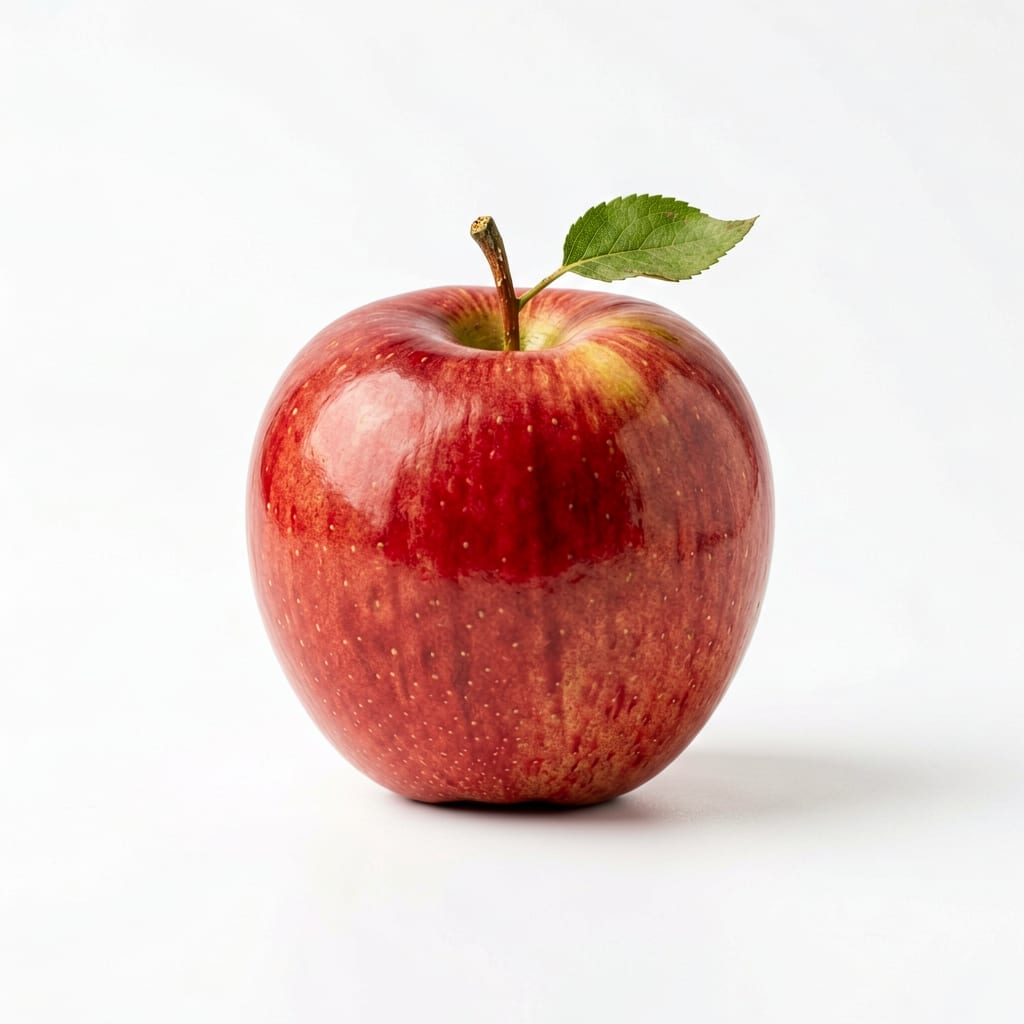
Apple
Apples win on satiety and blood sugar stability, while cantaloupe excels at hydration and vitamin A.
Apples score slightly higher due to better satiety and blood sugar control, making them a more versatile daily staple. Cantaloupe remains an excellent choice for specific needs like hydration and micronutrients.
Cantaloupe offers superior hydration and a massive vitamin A boost, but apples provide steadier energy and keep you full longer thanks to their fiber.
At a glance
Executive summary
Overall
Apple
Healthier
It depends
More practical
Apple
Daily use
Apple
Key comparison lenses
Hydration vs Satiety
Cantaloupe provides exceptional water content while apples deliver superior fullness through fiber.
Blood Sugar Impact
Users often wonder how the sweetness of melon compares to the dense carbs of an apple.
Vitamin A vs Fiber
Cantaloupe is a vitamin A powerhouse, whereas apples are prized for their pectin fiber.
Snack Portability
Apples are grab-and-go; cantaloupe requires prep and refrigeration.
Best choice for
Cantaloupe
- Hot summer days
- Post-workout hydration
- Boosting eye health
- Adding volume to meals without calories
Apple
- On-the-go snacking
- Managing afternoon cravings
- Steady energy between meals
- Improving digestion
Least suitable for
Cantaloupe
- Strict low-carb diets
- People needing high-fiber snacks
- Backpacking or travel without cooling
Apple
- Severe oral allergy syndrome
- People wanting high water intake from food
Deep comparison
Dimension by dimension
Each lens scores both foods and breaks down who each option suits.
- Dimension 1 · Priority 90Cantaloupe
Hydration & Refreshment
Cantaloupe · 95Apple · 65Cantaloupe is nearly 90% water and incredibly refreshing, while apples are denser and less hydrating.
Tradeoff
You get more water and a lighter feel from cantaloupe, but less staying power.
Why it matters
Staying hydrated affects energy levels and appetite regulation.
Real-world impact
Cantaloupe on a hot day feels like a drink; an apple feels like a small meal.
Cantaloupe
- Hot weather snacking
- Post-workout rehydration
Better for
- Situations needing a dense, filling snack
Worse for
Apple
- Times when you want a snack that actually feels substantial
Better for
- Replacing lost fluids after sweating
Worse for
- Dimension 2 · Priority 88Apple
Satiety & Fullness
Cantaloupe · 55Apple · 85Apples are significantly more filling due to their dense fiber content, while cantaloupe digests quickly.
Tradeoff
Cantaloupe is light and easy to eat a lot of, but apples actually curb your hunger.
Why it matters
Feeling full prevents overeating and helps maintain a healthy weight.
Real-world impact
An apple can bridge the gap between lunch and dinner; cantaloupe might leave you hungry again in 30 minutes.
Cantaloupe
- When you want a light palate cleanser after a meal
Better for
- Using as a standalone hunger-buster
Worse for
Apple
- Bridging long gaps between meals
- Preventing late-afternoon vending machine trips
Better for
- Right after a heavy meal when you feel stuffed
Worse for
- Dimension 3 · Priority 85Apple
Blood Sugar Stability
Cantaloupe · 60Apple · 80Apples have a lower glycemic index and more fiber, leading to slower sugar absorption than cantaloupe.
Tradeoff
Cantaloupe's natural sugars hit your bloodstream faster, which can be great for quick energy but risky for sustained focus.
Why it matters
Stable blood sugar means fewer energy crashes and cravings.
Real-world impact
Cantaloupe can give a quick morning boost, but an apple provides steadier energy for a long meeting.
Cantaloupe
- Quick pre-workout fuel
- Morning energy boost
Better for
- Diabetics watching for blood sugar spikes
Worse for
Apple
- Sustained focus at work
- Managing insulin resistance
Better for
- When you need immediate carbohydrate energy
Worse for
- Dimension 4 · Priority 80Cantaloupe
Micronutrient Density
Cantaloupe · 90Apple · 70Cantaloupe is a powerhouse of vitamin A and vitamin C, easily outperforming apples in these key nutrients.
Tradeoff
You get far more immune and vision-supporting vitamins from cantaloupe, but apples offer unique antioxidants like quercetin.
Why it matters
Vitamin A is crucial for skin, eye health, and immune function.
Real-world impact
Eating cantaloupe regularly can literally help you see better at night and fight off colds faster.
Cantaloupe
- Supporting eye health
- Boosting skin radiance
- Fighting off colds
Better for
- Getting diverse antioxidant profiles
Worse for
Apple
- Reducing inflammation via quercetin
- Supporting gut health
Better for
- Meeting daily vitamin A needs
Worse for
- Dimension 5 · Priority 75Apple
Convenience & Portability
Cantaloupe · 50Apple · 95Apples are the ultimate grab-and-go fruit; cantaloupe requires cutting, seeding, and ideally refrigeration.
Tradeoff
Cantaloupe requires prep and is messy to transport, while an apple can live in your bag all day.
Why it matters
Convenience dictates what you actually reach for when hungry.
Real-world impact
You can toss an apple in your car console; cantaloupe needs a container and a spoon.
Cantaloupe
- Home snacking
- Pre-planned fruit salads
Better for
- Impromptu on-the-go snacking
Worse for
Apple
- Commuting
- Hiking
- Desk snacks
Better for
- Large gatherings where you want to serve a sharing fruit platter
Worse for
Timeline
Health impact over time
Short-term
Hours to days
Cantaloupe
- Quick hydration
- Rapid but short-lasting energy boost
- Light feeling in the stomach
Apple
- Sustained energy
- Noticeable fullness
- Slower digestion
Long-term
Months to years
Cantaloupe
- Improved eye health from beta-carotene
- Better skin elasticity from vitamin C
- Potential for higher sugar intake if overeaten
Apple
- Improved digestion and regularity from fiber
- Better blood sugar management
- Reduced inflammation from quercetin
Risk profile
Safety & processing
Both cantaloupe and apples are whole, unprocessed foods. The main concern is pesticide residue on apple skins and potential surface bacteria on cantaloupe rinds.
Cantaloupe
Surface contamination (Salmonella)
mediumCantaloupe rinds can harbor bacteria from soil. Always wash the outside before cutting, otherwise your knife drags bacteria into the flesh.
Apple
Pesticide residue
mediumApples consistently rank high on the EWG's Dirty Dozen list for pesticide residue. Washing thoroughly or choosing organic mitigates this.
Who wins for whom
Audience fit
Same foods, different winners depending on your goal.
children
It dependsKids often love the sweetness and soft texture of cantaloupe, but apples are classic, portable lunchbox staples.
daily consumption
AppleApples are easier to incorporate into daily routines due to portability and longer shelf life.
diabetes
AppleApples have a lower glycemic index and more fiber, resulting in gentler blood sugar rises.
elderly
CantaloupeCantaloupe is softer to chew and provides dense vitamin A, which supports aging eyes and immune systems.
muscle gain
It dependsNeither is a significant protein source, but cantaloupe offers quicker carbs post-workout, while apples offer better pre-workout sustained energy.
weight loss
AppleApples provide more fiber and satiety for fewer calories per bite, making it easier to eat less overall.
Your move
Decision guide
Choose Cantaloupe
- You need serious hydration after a workout or a hot day
- You want a massive boost of vitamin A for eye and skin health
- You prefer soft, easy-to-chew fruits
- You are eating at home and have time for prep
Choose Apple
- You need a filling snack to bridge meals
- You want steady energy without a sugar crash
- You need a portable, durable fruit for your bag
- You want to improve your daily fiber intake
Either works if
- You just want a healthy, whole-food sweet treat
- You are trying to increase your daily fruit intake
Avoid both if
- You are on a strict very-low-carb or ketogenic diet
- You have severe fructose intolerance
Final recommendation
Keep both in your rotation. Prep cantaloupe for home hydration and vitamin A, and stock apples for on-the-go satiety and fiber. If you must pick one for daily snacking, apples edge out cantaloupe for convenience and blood sugar stability.
Practical
Consumer tips
- 1
Always wash cantaloupe rind with water and a brush before slicing to avoid spreading bacteria.
- 2
Leave apple skins on—that is where most of the fiber and antioxidants live.
- 3
Buy organic apples if possible, as they are heavily sprayed with pesticides.
- 4
Cut cantaloupe lasts 3-4 days in the fridge; apples can sit on the counter for weeks.