
Nutrition comparison
Cantaloupe vs Oranges: Nutrition, Health Benefits & Which is Better
Compare cantaloupe vs oranges for vitamins, sugar, and health benefits. Find out which fruit is better for weight loss, hydration, and daily snacking.
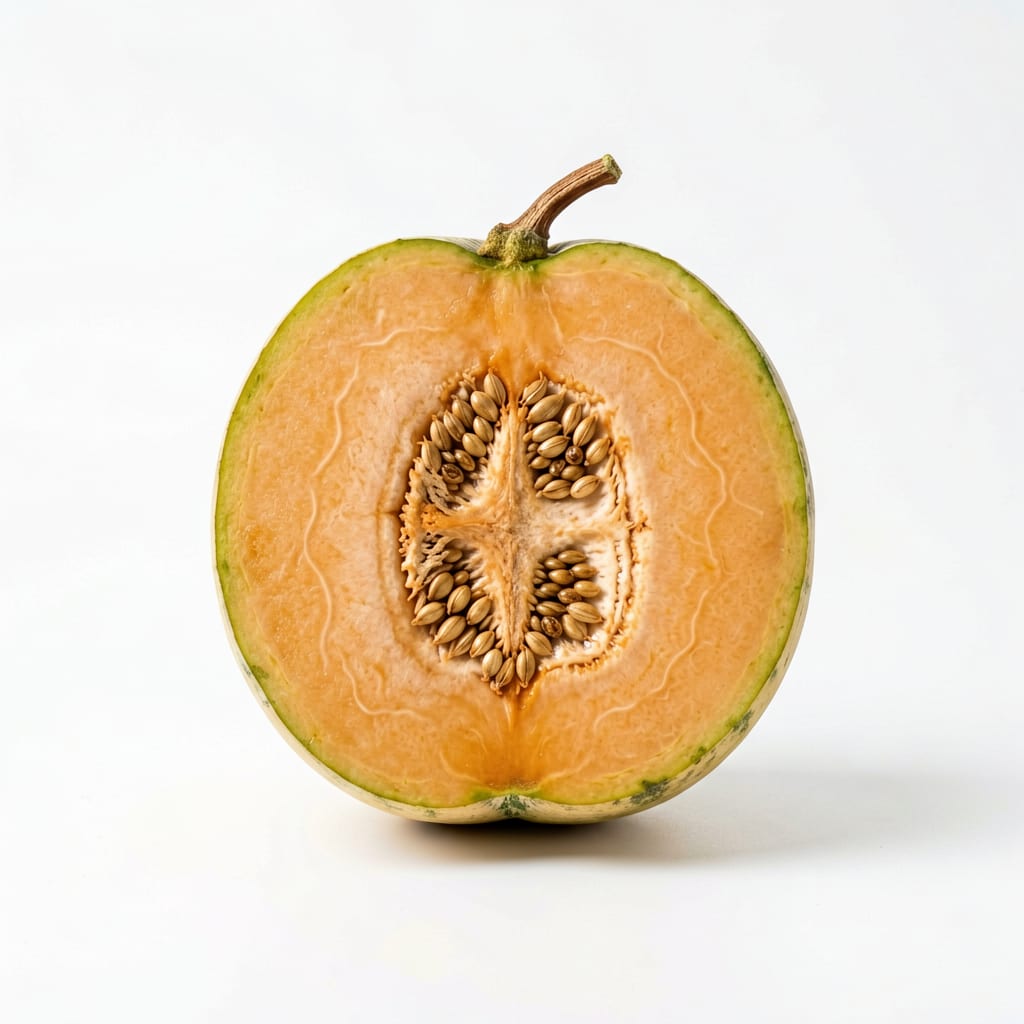
Cantaloupe
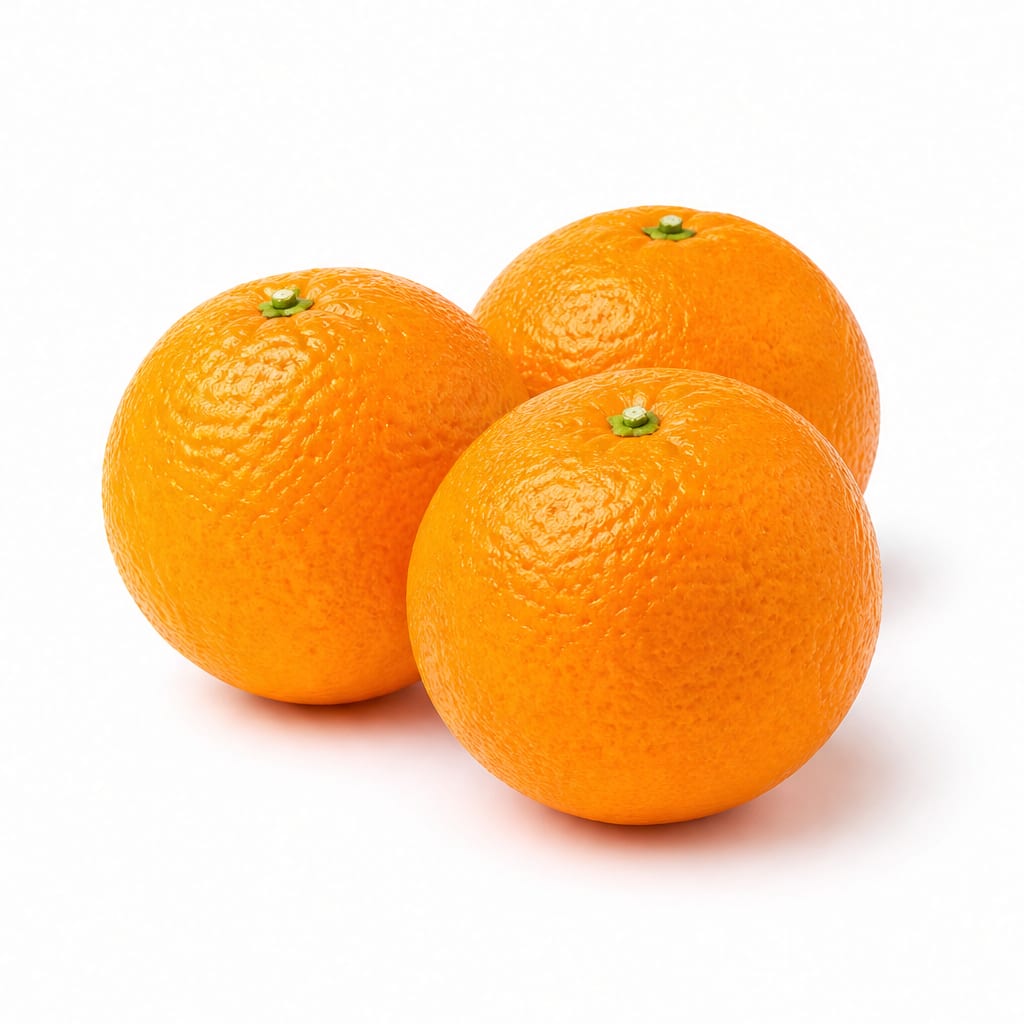
Oranges
Cantaloupe wins for hydration and vitamin A, while oranges take the lead for vitamin C, fiber, and on-the-go convenience.
Oranges edge out slightly due to higher fiber, better blood sugar stability, and superior convenience, but both are excellent nutrient-dense choices.
Beta-carotene and high water volume (cantaloupe) versus more fiber, lower sugar impact, and grab-and-go practicality (oranges).
At a glance
Executive summary
Overall
It depends
Healthier
It depends
More practical
Oranges
Daily use
Oranges
Key comparison lenses
Vitamin Profile Tradeoffs
Cantaloupe is a vitamin A powerhouse while oranges dominate in vitamin C, making the choice dependent on specific nutritional goals.
Blood Sugar and Diabetes Risk
Cantaloupe has a higher glycemic index which concerns some users, whereas oranges offer more fiber to stabilize blood sugar.
Hydration vs Satiety
Cantaloupe provides superior water content for hydration, but oranges deliver more fiber for feeling full.
Everyday Convenience
Oranges are naturally portable and mess-free, while cantaloupe requires cutting and refrigeration.
Best choice for
Cantaloupe
- Hot summer hydration
- Eye health and vision support
- Soft-texture fruit needs for seniors or toddlers
- Post-workout potassium replenishment
Oranges
- Immune system support during cold season
- Grab-and-go lunchbox snacking
- Steadier energy without blood sugar spikes
- Improving digestive regularity
Least suitable for
Cantaloupe
- Strict low-carb or keto diets
- Mess-free desk snacking at work
- People highly sensitive to blood sugar spikes
Oranges
- People with severe acid reflux or GERD
- Those with citrus allergies
- Situations requiring sticky-finger cleanup without a sink
Deep comparison
Dimension by dimension
Each lens scores both foods and breaks down who each option suits.
- Dimension 1 · Priority 90It depends
Vitamin & Antioxidant Profile
Cantaloupe · 88Oranges · 90Cantaloupe provides massive vitamin A levels for vision, while oranges deliver a stronger hit of immune-supporting vitamin C.
Tradeoff
You choose between exceptional eye health support (cantaloupe) or robust immune defense and collagen synthesis (oranges).
Why it matters
Vitamin A and vitamin C play entirely different roles in the body, so your current health priorities dictate the winner.
Real-world impact
Eating cantaloupe regularly helps with night vision and skin cell turnover, whereas oranges help you fend off seasonal colds and heal bruises faster.
Cantaloupe
- Protecting vision as you age
- Supporting skin cell repair
Better for
- Meeting daily vitamin C needs efficiently
Worse for
Oranges
- Fending off colds and infections
- Wound healing and iron absorption
Better for
- Reaching daily vitamin A targets
Worse for
- Dimension 2 · Priority 80Cantaloupe
Hydration & Satiety
Cantaloupe · 88Oranges · 78Cantaloupe is over 90% water, making it incredibly hydrating per calorie, but oranges offer more fiber to keep you full.
Tradeoff
You get a larger volume of food for fewer calories with cantaloupe, but oranges keep hunger at bay for longer.
Why it matters
If you want to feel physically full on fewer calories, cantaloupe is great. If you want that fullness to last until your next meal, oranges are better.
Real-world impact
A big bowl of cantaloupe is a refreshing afternoon cool-down that disappears from your stomach quickly, while an orange provides steadier energy that carries you to dinner.
Cantaloupe
- Post-workout rehydration
- Low-calorie volume eating
Better for
- Sustained fullness over hours
Worse for
Oranges
- Bridging the gap between meals
- Avoiding afternoon energy crashes
Better for
- Maximizing food volume per calorie
Worse for
- Dimension 3 · Priority 85Oranges
Blood Sugar Impact
Cantaloupe · 68Oranges · 82Cantaloupe has a higher glycemic index, meaning it can raise blood sugar faster than the fiber-rich orange.
Tradeoff
Cantaloupe delivers quick energy but less stability, while oranges release their sugars more slowly thanks to higher fiber.
Why it matters
For anyone monitoring blood sugar, the fiber in oranges acts as a natural brake on glucose absorption.
Real-world impact
Eating cantaloupe alone might give you a quick spike and dip in energy, whereas an orange provides a steadier, more predictable fuel source.
Cantaloupe
- Quick pre-workout carb fuel
Better for
- Preventing blood sugar spikes
Worse for
Oranges
- Managing diabetes or insulin resistance
- Sustained energy without jitters
Better for
- Rapid carb replenishment during endurance sports
Worse for
- Dimension 4 · Priority 75Oranges
Convenience & Portability
Cantaloupe · 55Oranges · 92Oranges come in a natural protective peel and are easily tossed into a bag, while cantaloupe requires cutting and containers.
Tradeoff
Oranges are ready to travel anywhere, whereas cantaloupe confines you to kitchen prep and refrigeration.
Why it matters
The best healthy food is the one you actually eat, and oranges are far easier to integrate into a busy, on-the-go lifestyle.
Real-world impact
You can peel an orange at your desk or in the car without mess, but cantaloupe demands a knife, cutting board, and Tupperware.
Cantaloupe
- Serving a crowd at a brunch
Better for
- Grab-and-go mornings
- Mess-free office snacking
Worse for
Oranges
- Commuting or travel snacking
- Kids school lunchboxes
Better for
- Elegant fruit platter presentations
Worse for
Timeline
Health impact over time
Short-term
Hours to days
Cantaloupe
- Quick hydration after sweating or sun exposure
- Fast-acting carbohydrate energy
- Mild blood sugar rise if eaten in large amounts
Oranges
- Immediate immune system support from vitamin C
- Steadier energy release due to fiber
- Possible heartburn in sensitive individuals
Long-term
Months to years
Cantaloupe
- Better eye health and vision preservation from beta-carotene
- Healthy blood pressure maintenance from potassium
- Improved skin texture from vitamin A
Oranges
- Stronger immune resilience over cold and flu season
- Better digestive regularity and gut health from fiber
- Reduced systemic inflammation from citrus flavonoids
Risk profile
Safety & processing
Both cantaloupe and oranges are whole, raw fruits with zero added ingredients, making them equally excellent choices for clean eating.
Cantaloupe
Surface Bacteria (Salmonella)
highCantaloupe rinds harbor bacteria from soil. If you cut without washing the rind first, the knife drags pathogens straight into the flesh.
Oranges
Pesticide Residue on Peel
mediumConventional oranges often have pesticide spray on the peel. While you discard the peel, it matters if you zest the fruit or handle it extensively.
Who wins for whom
Audience fit
Same foods, different winners depending on your goal.
children
OrangesOranges are sweet, easy to pack, and fun to peel, making them a lunchbox staple without the mess of cantaloupe.
daily consumption
OrangesOranges are easier to incorporate into a daily routine without prep mess, and their fiber supports consistent digestive health.
diabetes
OrangesThe higher fiber content and lower glycemic index of oranges make them a safer, more stable choice for blood sugar management.
elderly
CantaloupeCantaloupe is much softer to chew for sensitive teeth or dentures, and its high water content helps combat common elderly dehydration.
muscle gain
It dependsNeither is a protein source, but cantaloupe offers slightly more potassium for muscle cramp prevention, while oranges offer quick vitamin C for exercise recovery.
weight loss
OrangesOranges have more fiber to keep you full longer and a lower glycemic impact, making it easier to avoid overeating later.
Your move
Decision guide
Choose Cantaloupe
- You need serious hydration after a hot day or tough workout
- Eye health and vision support are top priorities
- You prefer a soft, refreshing fruit for morning breakfast bowls
- You are preparing fruit for someone with chewing difficulties
Choose Oranges
- You want an easy, mess-free snack for work or travel
- You are fighting off a cold or need an immune boost
- You want steady energy without a blood sugar crash
- You need more fiber to stay regular
Either works if
- You just want a healthy, whole-food sweet treat instead of processed junk
- You are looking for natural potassium to support heart health
- You want a hydrating, low-calorie afternoon snack
Avoid both if
- You are on a strict ketogenic or very-low-carb diet
- You have severe fructose intolerance
Final recommendation
Keep both in rotation to get the best of both worlds—vitamin A from cantaloupe and vitamin C plus fiber from oranges. For everyday grab-and-go snacking, oranges are the more practical and blood-sugar-friendly staple.
Practical
Consumer tips
- 1
Always scrub cantaloupe rind under running water before slicing to prevent dragging bacteria into the fruit.
- 2
Choose heavier oranges for their size—they yield more juice and are typically sweeter.
- 3
Pair cantaloupe with a protein like cottage cheese or Greek yogurt to blunt its blood sugar impact.
- 4
Don't peel the white pith off the orange completely; it contains half the fruit's fiber and potent flavonoids.
- 5
Store cut cantaloupe in an airtight container in the fridge and consume within three days for best safety and flavor.