
Nutrition comparison
Mango vs Cantaloupe: Which Fruit Is Healthier for You?
Compare Mango and Cantaloupe side by side on sugar, calories, vitamins, and blood sugar impact. Find out which fruit fits your health goals better.
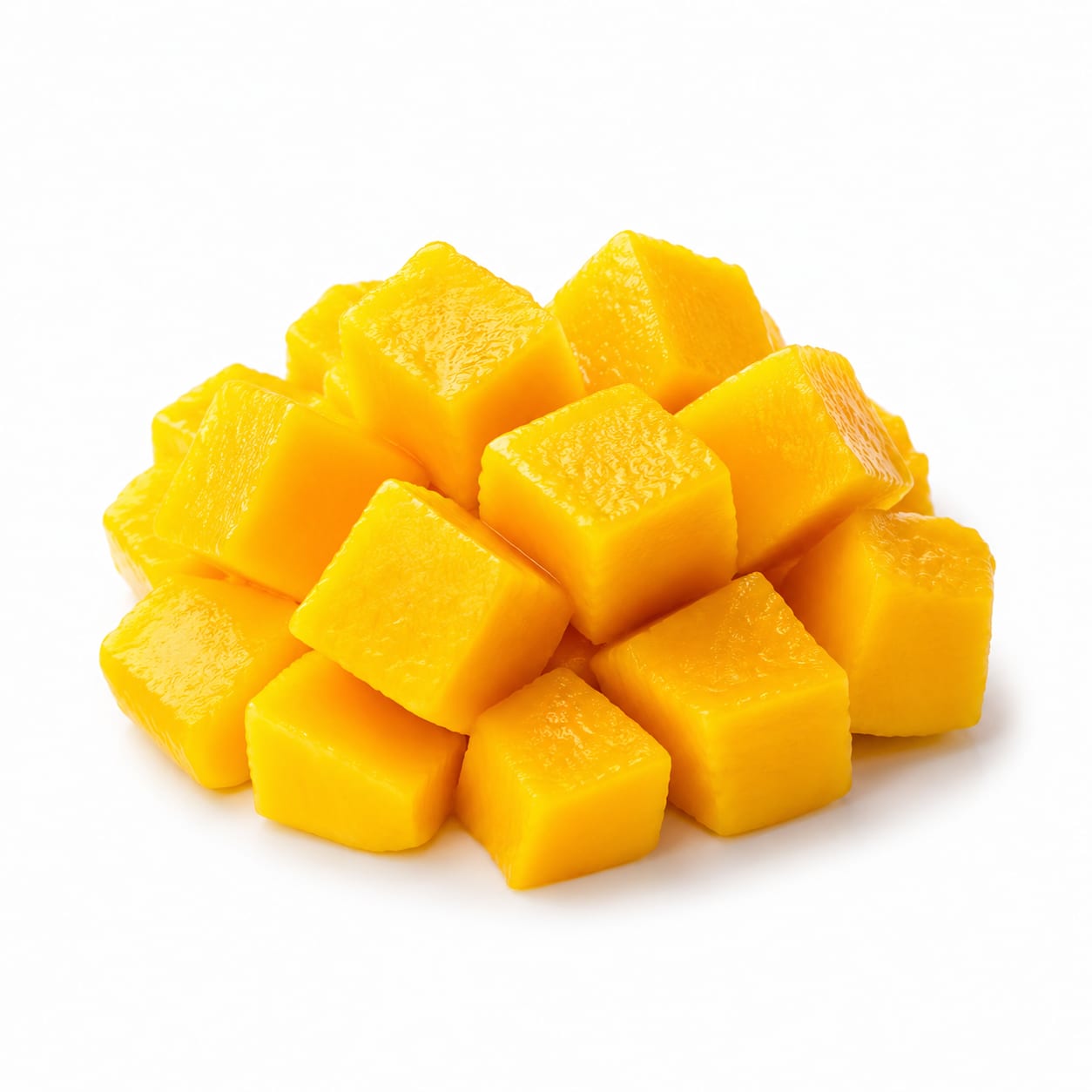
Mango
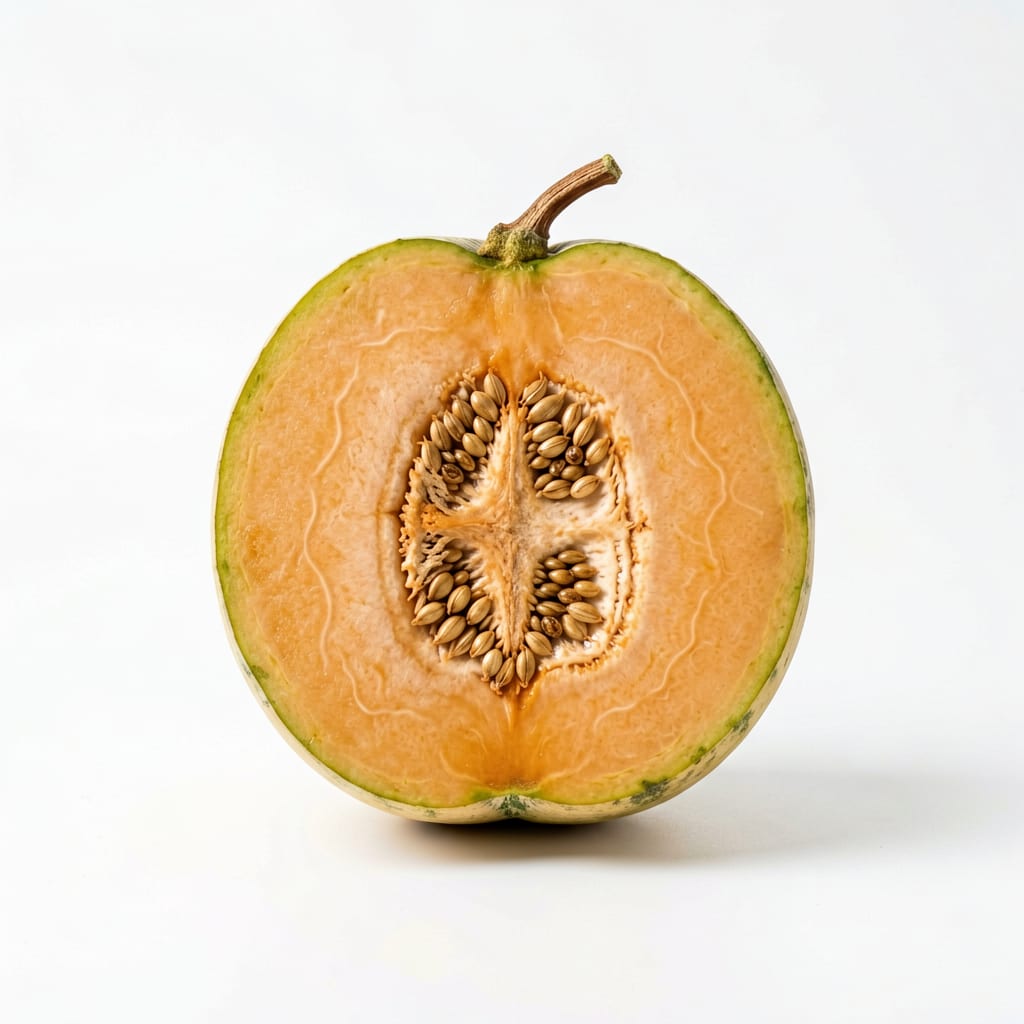
Cantaloupe
Cantaloupe wins for low-calorie hydration and vitamin A; Mango wins for fiber, satiety, and richer flavor satisfaction.
Cantaloupe scores slightly higher due to its superior calorie-to-nutrient ratio and lower sugar burden, making it the safer default for daily use. Mango remains excellent but its higher sugar and calorie content narrow its ideal use cases.
Cantaloupe gives you more volume and nutrients per calorie, while Mango gives you more fullness and flavor intensity but at nearly double the sugar.
At a glance
Executive summary
Overall
It depends
Healthier
It depends
More practical
Cantaloupe
Daily use
Cantaloupe
Key comparison lenses
sugar and blood sugar management
Both are sweet fruits with meaningfully different sugar loads, making glycemic impact a top concern for many users
vitamin A and eye health
Cantaloupe delivers dramatically more vitamin A than Mango, a standout nutritional difference
calorie conscious snacking
Cantaloupe is roughly half the calories per cup, a practical daily decision factor
hydration and refreshment
Cantaloupe has higher water content and is often preferred as a cooling, hydrating fruit
fiber and digestive health
Mango provides nearly double the fiber, supporting digestion and satiety
Best choice for
Mango
- People wanting more fiber and digestive support
- Those seeking a more satisfying, filling fruit snack
- Anyone needing more folate in their diet
- Active individuals who can afford the extra carbs
Cantaloupe
- People watching their calorie or sugar intake
- Anyone wanting maximum vitamin A for eye and skin health
- Those who prefer a light, hydrating fruit
- People eating fruit multiple times per day
Least suitable for
Mango
- People strictly managing blood sugar or diabetes
- Those on very low-carb eating plans
- Anyone prone to overeating sweet foods
Cantaloupe
- People needing calorie-dense fruit for weight gain
- Those wanting a fruit that keeps them full for hours
- Anyone seeking significant folate intake from fruit
Deep comparison
Dimension by dimension
Each lens scores both foods and breaks down who each option suits.
- Dimension 1 · Priority 92Cantaloupe
sugar_and_blood_sugar_impact
Mango · 55Cantaloupe · 78Cantaloupe has roughly half the sugar per serving, making it gentler on blood sugar.
Tradeoff
Mango's richer sweetness is more satisfying but comes with a bigger glycemic load that can spike energy then drop it.
Why it matters
If you eat fruit as a standalone snack, the sugar difference directly affects your energy stability and hunger an hour later.
Real-world impact
A cup of Mango can hit you like a mini dessert—delicious but potentially triggering cravings. Cantaloupe feels lighter and less likely to start a sugar rollercoaster.
Mango
- Post-workout carb replenishment
- Active days when you need quick energy
Better for
- Late-night snacking
- Managing sugar cravings
Worse for
Cantaloupe
- Steady afternoon snacking
- Diabetes-friendly fruit choices
- Breaking a fast gently
Better for
- Recovering from intense exercise
- When you need sustained energy
Worse for
- Dimension 2 · Priority 88Cantaloupe
vitamin_A_and_eye_health
Mango · 45Cantaloupe · 95Cantaloupe is a vitamin A powerhouse, delivering over three times more beta-carotene than Mango.
Tradeoff
Mango still has decent vitamin A but cannot compete with Cantaloupe's exceptional levels.
Why it matters
Vitamin A supports vision, skin health, and immune function—areas where small daily differences compound over time.
Real-world impact
Eating Cantaloupe regularly is like taking a gentle, food-based skin and eye supplement. Mango helps, but you would need much more to match Cantaloupe's impact.
Mango
- General antioxidant support
Better for
- Meeting daily vitamin A needs efficiently
Worse for
Cantaloupe
- Eye health maintenance
- Skin health from within
- Immune support during cold season
Better for
- Dimension 3 · Priority 85Cantaloupe
calorie_efficiency
Mango · 58Cantaloupe · 88Cantaloupe delivers more food volume and key nutrients per calorie than Mango.
Tradeoff
Mango is more calorie-dense, which helps if you need energy but works against you if you are cutting.
Why it matters
When you want a generous portion without the calorie cost, Cantaloupe lets you eat more while staying within budget.
Real-world impact
You can eat nearly two cups of Cantaloupe for the calories in one cup of Mango. That visual and stomach difference matters for satisfaction on a deficit.
Mango
- Healthy weight gain
- Calorie-dense trail mix additions
Better for
- Calorie-restricted eating
- Portion control challenges
Worse for
Cantaloupe
- Weight loss or maintenance
- Large-volume snacking without guilt
- Multiple fruit servings per day
Better for
- When you need compact energy on the go
Worse for
- Dimension 4 · Priority 80Mango
fiber_and_satiety
Mango · 75Cantaloupe · 50Mango has nearly double the fiber, making it noticeably more filling.
Tradeoff
More fiber means better digestion and longer-lasting fullness, but it comes packaged with more sugar.
Why it matters
If you rely on fruit to hold you over between meals, fiber content determines whether you are hungry again in 30 minutes.
Real-world impact
Mango as a mid-morning snack is more likely to keep you satisfied until lunch. Cantaloupe may leave you reaching for something else sooner.
Mango
- Bridging long gaps between meals
- Improving digestive regularity
- Reducing overall snacking frequency
Better for
- Right before a heavy meal
Worse for
Cantaloupe
- Light pre-meal appetizer
- When you want fruit without feeling full
Better for
- As a standalone hunger-buster
- For digestive regularity support
Worse for
- Dimension 5 · Priority 75Cantaloupe
hydration_and_refreshment
Mango · 60Cantaloupe · 85Cantaloupe's higher water content makes it more hydrating and refreshing, especially in hot weather.
Tradeoff
Mango feels more like a rich treat while Cantaloupe feels like eating flavored water—both have their place.
Why it matters
In summer or after exercise, a fruit that hydrates while nourishing is more useful than one that is denser and drier.
Real-world impact
Cantaloupe straight from the fridge on a hot day is genuinely thirst-quenching. Mango is satisfying in a different, more indulgent way.
Mango
- Rich smoothie bases
- Dessert-style fruit preparations
Better for
- Replacing fluid losses
Worse for
Cantaloupe
- Hot weather hydration
- Post-exercise refreshing snack
- Morning fruit when you feel dehydrated
Better for
- Rich, decadent dessert recipes
Worse for
- Dimension 6 · Priority 70Mango
folate_and_nutrient_breadth
Mango · 80Cantaloupe · 55Mango provides meaningfully more folate and vitamin E, nutrients many people under-consume.
Tradeoff
Cantaloupe dominates vitamin A and potassium, but Mango covers more micronutrient bases overall.
Why it matters
Folate is critical for cell repair, pregnancy, and heart health—getting it from fruit is a bonus on top of greens and legumes.
Real-world impact
If you are pregnant or planning to be, Mango is the better fruit choice for folate. For most others, the difference is a nice-to-have rather than decisive.
Mango
- Prenatal nutrition
- Broader micronutrient coverage from fruit
- Vitamin E intake
Better for
- Potassium-focused needs
Worse for
Cantaloupe
- Potassium replenishment
- Sodium-sensitive diets
Better for
- Pregnancy fruit choices
- Getting diverse micronutrients from one fruit
Worse for
Timeline
Health impact over time
Short-term
Hours to days
Mango
- Quick energy boost from natural sugars
- Noticeable fullness from fiber content
- Possible blood sugar spike if eaten alone in large portions
Cantaloupe
- Immediate hydration and refreshment
- Gentle blood sugar response
- Less satiating—hunger may return sooner
Long-term
Months to years
Mango
- Better digestive regularity from consistent fiber intake
- Higher cumulative sugar exposure if eaten daily in large amounts
- Improved folate status supporting cellular health
Cantaloupe
- Superior vitamin A status benefiting skin and vision over years
- Lower long-term sugar burden supporting metabolic health
- Better potassium intake supporting blood pressure management
Risk profile
Safety & processing
Both Mango and Cantaloupe are whole, unprocessed fruits with no additive concerns when purchased fresh. The only processing consideration is frozen or dried versions, which can add sugars or lose water-soluble nutrients.
Mango
Pesticide residue on conventionally grown mangoes
mediumMango peel can retain pesticide residues. Peeling significantly reduces exposure, but some people eat the skin. Choosing organic reduces this concern.
Cross-reaction allergy potential
lowMango skin contains urushiol, the same compound as poison ivy. People with sensitivity may get contact dermatitis from handling unpeeled mangoes.
Cantaloupe
Salmonella and bacterial contamination on rind
mediumCantaloupe rinds are a known vector for foodborne illness. Always wash the exterior thoroughly before cutting, and refrigerate cut portions promptly.
Pesticide residue on conventionally grown cantaloupe
lowCantaloupe is generally lower on pesticide concern lists since the thick rind is discarded, but washing before cutting remains important.
Who wins for whom
Audience fit
Same foods, different winners depending on your goal.
children
MangoKids tend to love Mango's sweet, rich flavor, and the fiber supports healthy digestion. Cantaloupe is also great but its milder taste is sometimes rejected by picky eaters.
daily consumption
CantaloupeLower sugar and calorie burden make Cantaloupe easier to eat every day without accumulating excess sugar intake over time.
diabetes
CantaloupeLower sugar and lower glycemic load make Cantaloupe the safer choice, though both should be paired with protein or fat for best results.
elderly
CantaloupeCantaloupe's exceptional vitamin A supports aging eyes, its soft texture is easy to eat, and its high water content helps with common dehydration issues in older adults.
muscle gain
MangoMango's higher carb content provides more readily available energy for training, and its folate supports cell turnover during recovery.
weight loss
CantaloupeHalf the calories per cup and less sugar make Cantaloupe the easier fruit to fit into a calorie deficit without feeling restricted.
Your move
Decision guide
Choose Mango
- You want a fruit that actually keeps you full between meals
- You are active and need carb energy from whole food sources
- You are pregnant or trying to conceive and want more folate
- You crave something rich and sweet that feels like a treat
- You struggle with constipation and need more fruit fiber
Choose Cantaloupe
- You are watching calories or sugar intake closely
- You want maximum vitamin A for skin and eye health
- You eat fruit multiple times a day and need a low-impact option
- You live in a hot climate and want hydrating, refreshing food
- You have blood sugar concerns and want the gentler fruit
Either works if
- You just want a nutritious whole fruit snack
- You are mixing fruit into a balanced meal with protein and fat
- You are rotating fruits for dietary variety
- You have no specific health restrictions
Avoid both if
- You are on a strict very-low-carb or ketogenic diet
- You have a diagnosed fructose intolerance
- You are managing severe diabetes and need to limit all fruit temporarily
Final recommendation
Default to Cantaloupe for daily eating—its lower sugar and higher vitamin A make it the smarter habitual choice. Save Mango for when you want something more satisfying and indulgent, or when you need the extra fiber and energy. Both are excellent fruits; the key is matching the right one to the right moment.
Practical
Consumer tips
- 1
Always wash Cantaloupe rind before cutting—even a clean-looking melon can harbor bacteria on the surface that transfer to the flesh via the knife
- 2
Peel Mangoes to reduce pesticide exposure, and avoid touching the skin if you have poison ivy sensitivity
- 3
Freeze cubed Mango for smoothies—it blends into a creamy, ice-cream-like texture without needing added sugar
- 4
Cantaloupe tastes best at room temperature for flavor, but refrigerate immediately after cutting for safety
- 5
Pair either fruit with a handful of nuts or Greek yogurt to blunt the blood sugar response and stay full longer
- 6
Choose organic Mangoes if you eat the skin, but conventional is fine if you peel—Cantaloupe is generally safe either way due to the thick rind
- 7
A ripe Cantaloupe should smell sweet at the stem end and feel slightly soft—no smell means it was picked too early