
Nutrition comparison
Cantaloupe vs Banana: Which Fruit Is Better for Your Goals?
Compare cantaloupe and banana on calories, sugar, potassium, vitamin A, satiety, and convenience. Find out which fruit fits your weight loss, athletic, or daily nutrition needs.
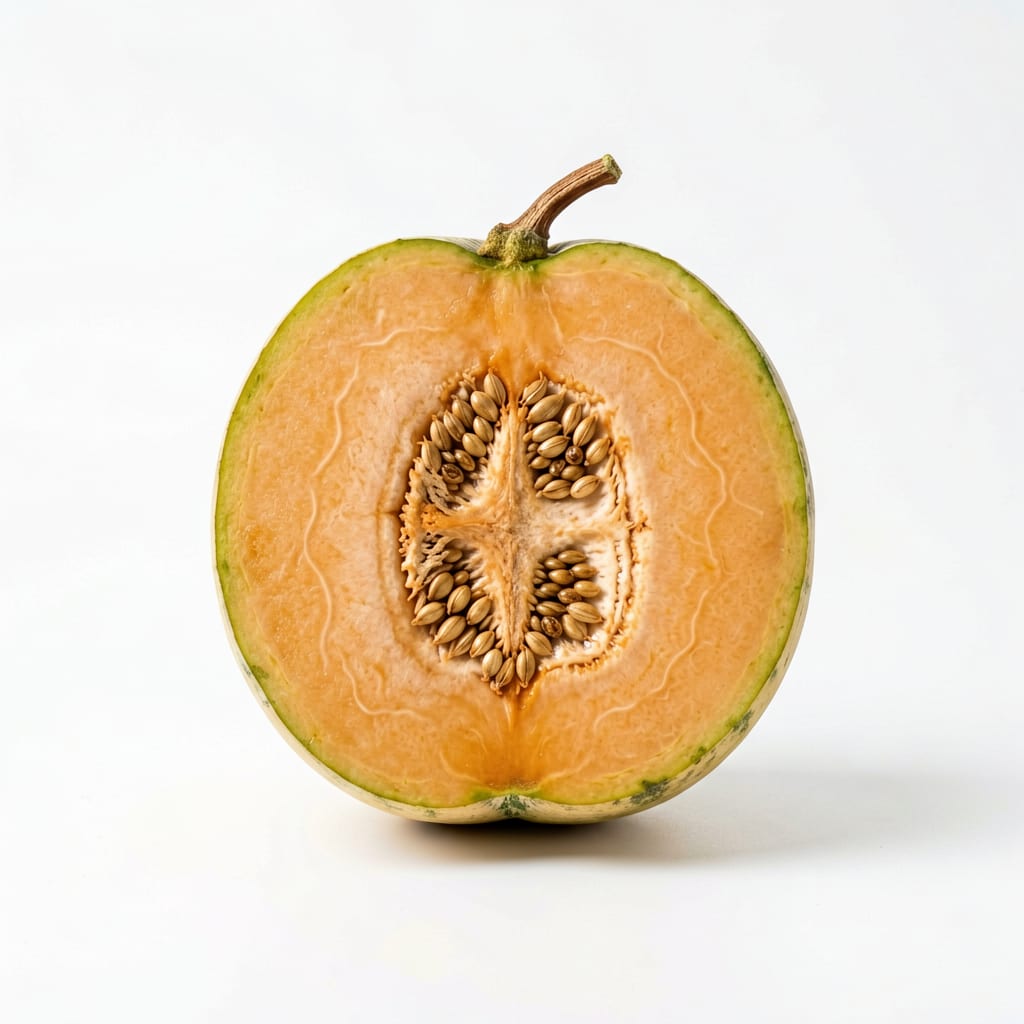
Cantaloupe
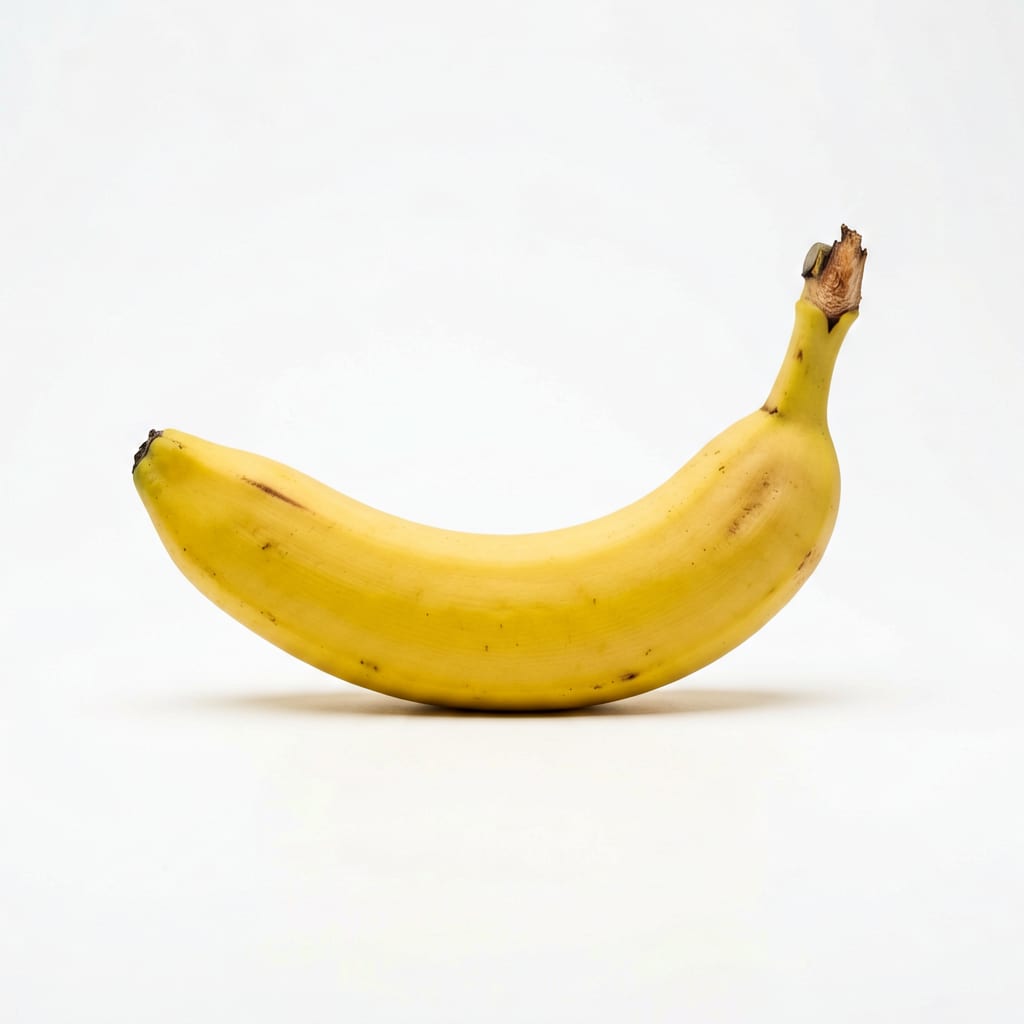
Banana
Cantaloupe is the lighter, more hydrating choice with far more vitamin A. Banana is more filling, more portable, and better for energy needs.
Banana edges ahead slightly due to superior satiety, potassium content, and everyday practicality. Cantaloupe wins on hydration, vitamin A, and calorie efficiency. The gap is small because both are nutritious whole fruits with different strengths.
Cantaloupe gives you more volume and hydration for fewer calories, while banana delivers steadier energy and more potassium in a convenient package.
At a glance
Executive summary
Overall
It depends
Healthier
It depends
More practical
Banana
Daily use
Banana
Key comparison lenses
blood sugar management
Both are sweet fruits with different sugar loads and fiber profiles, making glycemic impact a top concern for many users
weight loss snacking
Calorie density differs significantly between these two popular snack fruits
hydration and nutrient density
Cantaloupe offers exceptional hydration and vitamin A, while banana provides potassium and energy
pre-workout vs light snacking
Users commonly choose between these for different activity levels and energy needs
portability and convenience
Banana is famously grab-and-go; cantaloupe requires cutting and refrigeration
Best choice for
Cantaloupe
- People cutting calories who want large portions
- Anyone needing hydration in hot weather
- Those seeking vitamin A for skin and eye health
- Light snackers who prefer refreshing over filling
Banana
- Athletes needing quick pre-workout fuel
- Busy people who need grab-and-go fruit
- Anyone needing potassium for muscle cramps
- People wanting something satisfying that curbs hunger longer
Least suitable for
Cantaloupe
- People needing portable, no-prep snacks
- Anyone watching sugar who eats large portions mindlessly
- Those in settings without refrigeration
Banana
- People on strict low-calorie diets
- Those managing diabetes who are sensitive to higher sugar loads
- Anyone tired of the same daily fruit routine
Deep comparison
Dimension by dimension
Each lens scores both foods and breaks down who each option suits.
- Dimension 1 · Priority 90Banana
blood sugar stability
Cantaloupe · 55Banana · 68Banana has more sugar but also more fiber, which slows absorption. Cantaloupe has less sugar per serving but very little fiber to buffer it.
Tradeoff
Cantaloupe delivers less total sugar per cup, but its sugar hits faster. Banana has more sugar overall but releases it more gradually thanks to fiber and resistant starch.
Why it matters
If you are diabetic or insulin-resistant, the fiber-to-sugar ratio matters more than total sugar alone.
Real-world impact
A banana with peanut butter gives steadier energy for hours. A big bowl of cantaloupe alone may leave you hungry again within 45 minutes.
Cantaloupe
- Smaller total sugar load per standard serving
- Lower glycemic load when portions are controlled
Better for
- Very low fiber means sugar enters bloodstream quickly
- Easy to overeat because it is not very filling
Worse for
Banana
- More fiber slows sugar absorption
- Resistant starch in less-ripe bananas further reduces glycemic impact
- More satiating, reducing the urge to eat more carbs shortly after
Better for
- Higher total sugar per serving
- Very ripe bananas have less resistant starch and faster sugar release
Worse for
- Dimension 2 · Priority 85Banana
satiety and fullness
Cantaloupe · 45Banana · 75Banana is significantly more filling due to higher fiber, denser calories, and a creamier texture that slows eating speed.
Tradeoff
Cantaloupe is refreshing and light, which feels great on a hot day but leaves you reaching for more food sooner. Banana sticks with you longer.
Why it matters
Satiety determines whether a snack actually holds you over or just opens the door to more snacking.
Real-world impact
A banana at 3pm can bridge you to dinner. A cup of cantaloupe at 3pm often leads to another snack by 4pm.
Cantaloupe
- High water content can feel immediately filling in the stomach
- Lower calorie density allows larger portions for the same calories
Better for
- Water passes through quickly, so fullness fades fast
- Minimal fiber means no prolonged satiety signal
Worse for
Banana
- Three times more fiber per serving
- Denser texture promotes slower eating and better satiety signals
- More protein and resistant starch contribute to lasting fullness
Better for
- Higher calorie density means you get less volume per calorie
Worse for
- Dimension 3 · Priority 80Cantaloupe
hydration and nutrient density
Cantaloupe · 88Banana · 62Cantaloupe is a hydration powerhouse with massive vitamin A content. Banana offers potassium and B6 but cannot match cantaloupe's micronutrient breadth per calorie.
Tradeoff
Cantaloupe delivers far more vitamins A and C per calorie. Banana wins on potassium and B6, which matter more for active people and muscle function.
Why it matters
If you eat fruit partly for vitamin intake, cantaloupe gives dramatically more vitamin A per bite. If you need electrolytes after exercise, banana is more targeted.
Real-world impact
One cup of cantaloupe provides over 100% of your daily vitamin A needs. You would need to eat 4 bananas to match that, which nobody does.
Cantaloupe
- Exceptional vitamin A content supports eye and skin health
- High vitamin C boosts immune function and iron absorption
- 90% water content supports hydration in hot weather or after illness
Better for
- Low potassium compared to banana
- Minimal B6 content
Worse for
Banana
- More potassium per serving supports muscle function and blood pressure
- Vitamin B6 aids energy metabolism and brain health
- More practical electrolyte replenishment after sweating
Better for
- Almost no vitamin A
- Lower water content means less hydrating effect
Worse for
- Dimension 4 · Priority 82Cantaloupe
weight loss compatibility
Cantaloupe · 82Banana · 65Cantaloupe lets you eat a large volume for very few calories, making it easier to stay in a deficit without feeling deprived.
Tradeoff
Cantaloupe is lower in calories per cup but less satiating, so you may eat more overall. Banana is more filling but packs more calories per serving.
Why it matters
Volume eating helps with adherence. If a snack does not feel like enough food, you are more likely to break your diet later.
Real-world impact
Two cups of cantaloupe cost about 110 calories and look like a generous bowl. One banana costs 105 calories and looks like a small snack.
Cantaloupe
- About 34 calories per 100g versus 89 for banana
- High water content creates visual and physical fullness
- Easy to substitute for higher-calorie desserts
Better for
- Low satiety may lead to compensatory eating later
- Sweet taste can trigger cravings for more sweets in some people
Worse for
Banana
- More filling per serving, potentially reducing total daily intake
- Convenient enough to replace vending machine options
Better for
- Higher calorie density makes portion control more important
- Less volume per calorie means smaller visual portions
Worse for
- Dimension 5 · Priority 70Banana
convenience and portability
Cantaloupe · 35Banana · 92Banana is the ultimate grab-and-go fruit with its own biodegradable packaging. Cantaloupe requires cutting, seeding, and refrigeration.
Tradeoff
Banana is always ready and travels well. Cantaloupe demands prep time and spoils quickly once cut, but offers a more refreshing eating experience.
Why it matters
The best fruit for you is the one you actually eat consistently. Convenience often determines what reaches your mouth.
Real-world impact
You can toss a banana in your bag on the way out the door. Cantaloupe requires a cutting board, knife, and container, then needs to stay cold.
Cantaloupe
- Pre-cut cantaloupe is available at many grocery stores
- Refreshing quality makes it worth the effort for some people
Better for
- Must be cut before eating
- Perishable once cut, requires refrigeration
- Juicy and messy to eat on the go
Worse for
Banana
- Natural peel protects the fruit without packaging
- Shelf-stable at room temperature for days
- No cutting or utensils required
- Easy to eat one-handed while commuting or walking
Better for
- Bruises easily in bags
- Peel attracts fruit flies when discarded
Worse for
- Dimension 6 · Priority 75Banana
athletic and energy support
Cantaloupe · 50Banana · 82Banana is the classic athlete's fruit for good reason: easily digestible carbs, potassium for cramp prevention, and convenient pre-workout timing.
Tradeoff
Banana provides faster available energy and electrolytes that active bodies need. Cantaloupe is better for post-workout hydration but lacks the carb density for fueling exercise.
Why it matters
Eating the right fruit at the right time around exercise can meaningfully affect performance and recovery.
Real-world impact
Runners reach for bananas before races, not cantaloupe. The carb density and potassium make a real difference in the last miles.
Cantaloupe
- High water content aids rehydration after exercise
- Vitamin C supports recovery and reduces oxidative stress
Better for
- Too watery and low in carbs to fuel sustained exercise
- Difficult to bring to most workout settings
Worse for
Banana
- Denser carbohydrate source fuels workouts effectively
- Potassium helps prevent muscle cramps during activity
- Easy to digest 30-60 minutes before exercise
- Portable enough to bring to the gym or trail
Better for
- Less hydrating after sweaty workouts
Worse for
Timeline
Health impact over time
Short-term
Hours to days
Cantaloupe
- Quick hydration boost due to high water content
- Rapid but short-lived energy from natural sugars
- May trigger hunger soon after eating due to low fiber
- Refreshing and cooling sensation, especially when chilled
Banana
- Steadier energy release over 1-2 hours
- Noticeable fullness that reduces urge to snack
- Potassium can ease muscle tension or cramps quickly
- Mild blood sugar rise, especially with very ripe bananas
Long-term
Months to years
Cantaloupe
- Consistent vitamin A intake supports eye health and immune function over time
- High water content from fruit contributes to overall hydration habits
- Low calorie density supports sustainable weight management when used strategically
- Antioxidant content from beta-carotene may reduce oxidative stress with regular consumption
Banana
- Regular potassium intake supports healthy blood pressure long-term
- Fiber contributes to gut health and regular digestion over time
- Consistent pre-workout fuel can improve exercise adherence and performance
- Daily banana consumption is associated with lower stroke risk in some studies
Risk profile
Safety & processing
Both cantaloupe and banana are whole, unprocessed fruits as typically consumed. Neither contains added sugars, preservatives, or artificial ingredients. This is a tie in the best possible way.
Cantaloupe
Salmonella and bacterial surface contamination
mediumCantaloupe rinds can harbor bacteria from soil and handling. Always wash the exterior before cutting, and refrigerate cut portions within 2 hours.
Pesticide residue on rind
mediumCantaloupe appears on the EWG's Clean Fifteen list, meaning low pesticide concern for the edible flesh. Still, wash the rind thoroughly before slicing to avoid transferring residue to the fruit inside.
Banana
Pesticide residue
lowBanana also appears on the Clean Fifteen list. The thick peel provides excellent protection, and residue on the edible portion is minimal.
Allergic reaction in latex-fruit syndrome
lowPeople with latex allergies may react to proteins in banana. This is uncommon but worth knowing if you have latex sensitivity.
Who wins for whom
Audience fit
Same foods, different winners depending on your goal.
children
BananaBanana is easier for kids to hold, eat, and digest. Its mild sweet flavor and soft texture make it one of the most kid-friendly fruits available.
daily consumption
BananaBanana's convenience, satiety, and potassium make it easier to eat consistently day after day without fatigue or hassle.
diabetes
It dependsIt depends on portion control and ripeness. Cantaloupe has less sugar per serving but almost no fiber. Less-ripe banana has resistant starch that lowers glycemic impact. Pairing either with a fat or protein source is the real key.
elderly
CantaloupeCantaloupe provides exceptional vitamin A for aging eyes and immune systems, plus high water content helps with the dehydration risk common in older adults.
muscle gain
BananaBanana offers more carbs for training fuel and potassium for muscle function, both critical for building muscle effectively.
weight loss
CantaloupeCantaloupe provides much more food volume per calorie, making it easier to eat satisfying portions while staying in a deficit.
Your move
Decision guide
Choose Cantaloupe
- You want maximum food volume for minimal calories
- Hydration is a priority, especially in summer or after illness
- You need more vitamin A in your diet for skin or eye health
- You are at home with time to prep and refrigerate fruit
- You want a light, refreshing dessert alternative after meals
Choose Banana
- You need portable fuel for workouts or busy mornings
- Satiety matters more than volume to you
- You want potassium for muscle cramps or blood pressure support
- You need a no-prep snack you can grab on the way out
- You are an athlete or active person needing carb energy
Either works if
- You simply want more whole fruit in your diet
- You are looking for a natural sweet treat instead of processed snacks
- You have no specific health condition driving the choice
- You enjoy variety and want to rotate between both
Avoid both if
- You are on a strict very-low-carb or ketogenic diet
- You have a rare allergy to either fruit
- Your doctor has advised limiting potassium due to kidney disease
Final recommendation
Keep both in your rotation. Banana is your everyday workhorse for energy and convenience. Cantaloupe is your warm-weather refresher and vitamin A booster. The best choice depends on what your body needs in that moment: fuel and fullness, or hydration and lightness.
Practical
Consumer tips
- 1
Wash cantaloupe rind thoroughly before cutting to avoid transferring bacteria from the surface to the flesh
- 2
Choose bananas with some green on the stem for lower sugar and more resistant starch, or fully yellow for sweeter taste
- 3
Pair cantaloupe with cottage cheese or Greek yogurt to add protein and make it a complete, satisfying snack
- 4
Freeze overripe banana slices for smoothies or blend them into nice cream as a healthy dessert
- 5
Store cut cantaloupe in an airtight container and consume within 3-4 days for best quality and safety
- 6
Keep bananas on the counter away from other fruits if you want them to last longer, since they release ethylene gas that speeds ripening in nearby produce