
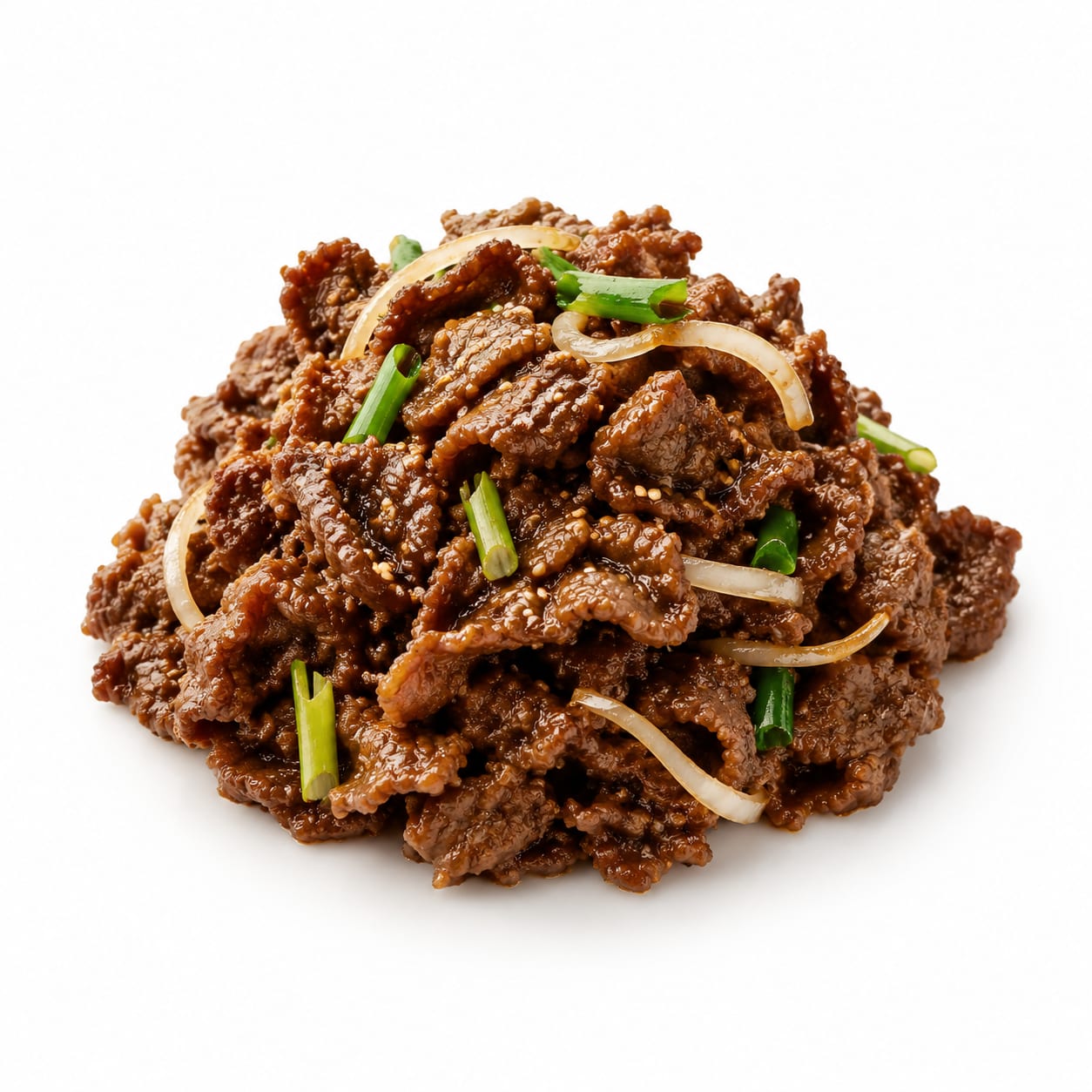
Korean Meat Dish
Bulgogi
Bulgogi is a Korean dish of thinly sliced, marinated grilled beef.
Bulgogi is a traditional Korean dish consisting of thinly sliced, marinated beef that is grilled or stir-fried. The marinade typically includes soy sauce, sugar, sesame oil, garlic, and fruit puree like Asian pear, which tenderizes the meat and adds a sweet-savory flavor profile.
protein-dense marinated meat dish
Typical serving · 150g
Common varieties · Beef Bulgogi, Pork Bulgogi (Dwaeji Bulgogi), Chicken Bulgogi (Dak Bulgogi), Mushroom Bulgogi (Vegan)
Overall context score across nutrition, safety, and diet fit
At a glance
Quick facts
Simple indicators based on nutrition, processing, and diet fit.
The story
What makes it unique
A protein and fat-dominant dish with moderate carbohydrate content derived from the sugar and fruit-based marinade. Digestion is moderately paced due to the protein and fat matrix, but the added sugars can trigger a faster insulin response compared to unmarinated meat. Satiety is high due to the protein content, though energy density is elevated by the marinade and fat content.
Varieties: Beef Bulgogi · Pork Bulgogi (Dwaeji Bulgogi) · Chicken Bulgogi (Dak Bulgogi) · Mushroom Bulgogi (Vegan)
Per 100g
Nutrition breakdown
Macro balance and key metrics at a glance.
Energy
Density 2.21 kcal/g
Protein
Carbs
Fat
Fiber
Sugar
9 g
Sodium
480 mg
Potassium
310 mg
Glycemic index
35
Glycemic load
4
Water content
58%
Standout compounds
Nutrient highlights
Protein
highSupports muscle synthesis and satiety
Iron
highEssential for oxygen transport in the blood
Vitamin B12
highCrucial for nerve function and red blood cell formation
Sodium
highProvides electrolytes but can raise blood pressure in excess
Zinc
moderateSupports immune function and wound healing
Wellness map
Health scores & processing
NOVA processing scale
moderately processed · Whole food
Traditional bulgogi is made by marinating whole-muscle meat with culinary ingredients like soy sauce, sugar, and fruit puree. Commercial pre-packaged versions may contain preservatives and flavor enhancers, pushing them toward NOVA 4.
Diet compatibility
- Weight loss
- Muscle gain
- Diabetes
- Gut health
- Low carb
- High protein
- Heart health
Relative standing
Food rankings
Qualitative ranks compared to similar whole foods.
- Satietygood
- Blood sugarmoderate
- Nutrient densitygood
- Fitness fuelgood
- Processing qualitymoderate
Eat with confidence
Food safety profile
Raw beef carries a moderate risk of bacterial contamination. Proper refrigeration and thorough cooking are essential. Sourcing grass-fed or antibiotic-free beef reduces antibiotic exposure risk.
Evidence confidence 85%
- Pesticideslow
- Antibioticsmoderate
- Heavy metalslow
- Contaminationmoderate
Watch for
- E. coli
- Salmonella
- Listeria
Safer choices
Grass-fed beef bulgogi with reduced-sugar marinade
Prep tips
Do not wash raw beef; ensure internal temperature reaches at least 145°F (63°C) with a 3-minute rest to ensure safety.
Beef sourcing and antibiotic use in livestock; sodium benzoate in some commercial marinades.
Deep dive
Health analysis
How this food may fit different goals and preparation choices.
Weight loss
High energy density and sugar content from the marinade make portion control critical for weight loss.
Blood sugar
The protein and fat slow digestion, but the added sugars in the marinade can cause a moderate glycemic spike.
Fitness & energy
Excellent post-workout option due to high-quality protein for muscle repair, though the fat content may slow immediate absorption.
Gut health
Lacks dietary fiber, which is essential for gut microbiome health; pair with fiber-rich vegetables like lettuce wraps.
Processing quality
Homemade bulgogi uses whole foods and culinary ingredients, but store-bought marinades often contain preservatives and artificial flavorings.
Food safety
Raw beef requires strict temperature control and thorough cooking to mitigate bacterial contamination risks.
Common mistakes
Assuming it is a low-carb or sugar-free dish due to its savory flavor profile.
Best preparation
Grilling over an open flame allows fat to render off, and pairing with raw garlic and leafy greens enhances micronutrient intake.
Practical guide
Best use cases
When and how this food fits real eating patterns.
post-workout dinner
High protein content supports muscle repair and growth after strength training.
high-protein meal prep
Can be batch-cooked and paired with rice or vegetables for balanced macro meals.
social dining
A flavorful centerpiece for Korean BBQ gatherings that naturally encourages vegetable wrapping.
Balance sheet
Pros & cons
Upsides
- High in complete protein for muscle repair
- Rich in bioavailable iron and B vitamins
- Contains enzyme-rich fruit marinade that aids digestion
- Versatile and pairs well with fiber-rich vegetables
Trade-offs
- High added sugar content from the marinade
- Significant sodium levels from soy sauce
- Calorie-dense, making overconsumption easy
- Often served with refined white rice
Fit check
Who is it for?
Great match
- muscle gain diets
- post-workout recovery meals
- high-protein dietary needs
Consider alternatives
- strict low-carb or keto diets
- low-sodium heart-healthy diets
- diabetic blood sugar management
Side by side
How it compares
Open the full head-to-head analysis for nutrition, safety, and practical tradeoffs.
This food
Bulgogi
VS90% alike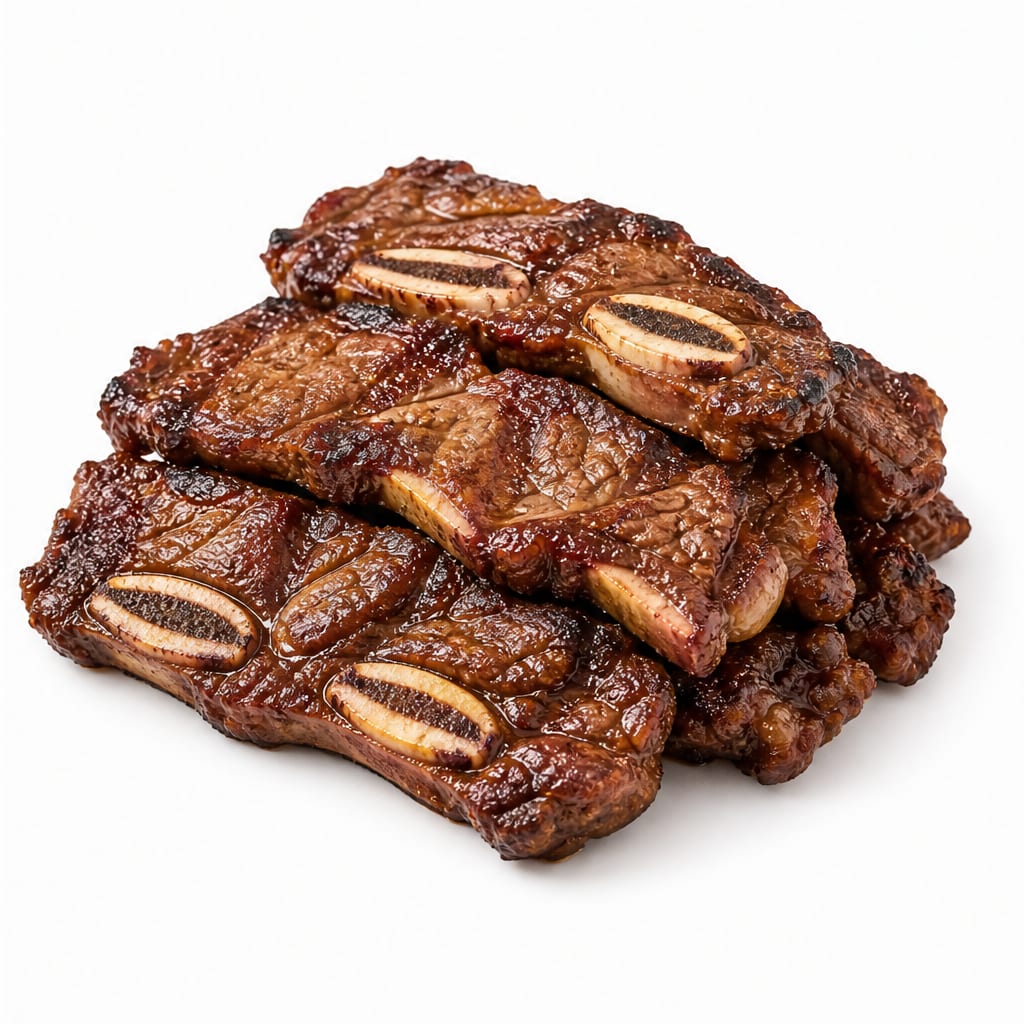
Compare with
Galbi
Galbi is fattier and sweeter due to the short rib cut, while bulgogi is leaner but still high in sugar.
Bulgogi is leaner and slightly better for weight loss, while galbi offers more fat and flavor for satiety.
This food
Bulgogi
VS85% alike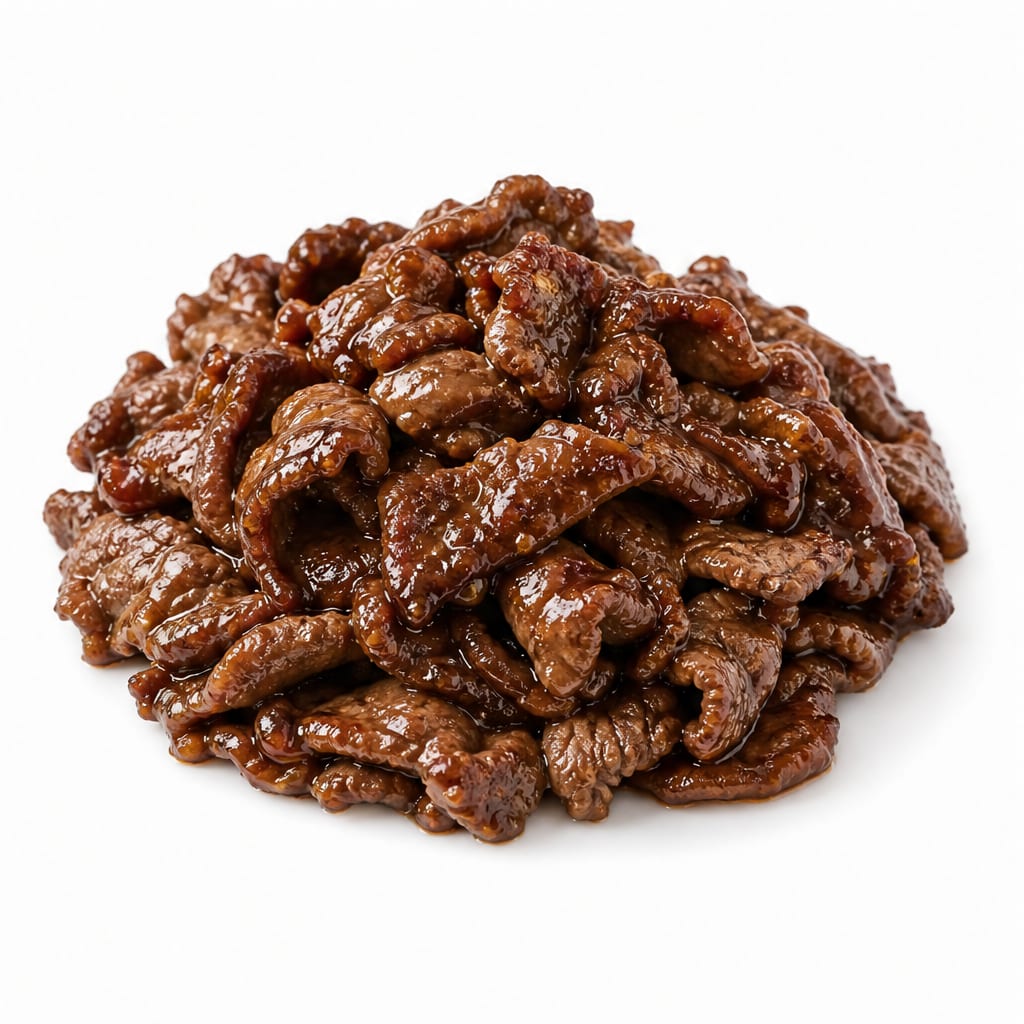
Compare with
Teriyaki Beef
Teriyaki often uses a starch-thickened sauce, while bulgogi uses a fruit-based tenderizer.
Bulgogi relies on fruit for tenderizing, making it slightly less processed than starch-thickened teriyaki beef.
This food
Bulgogi
VS75% alike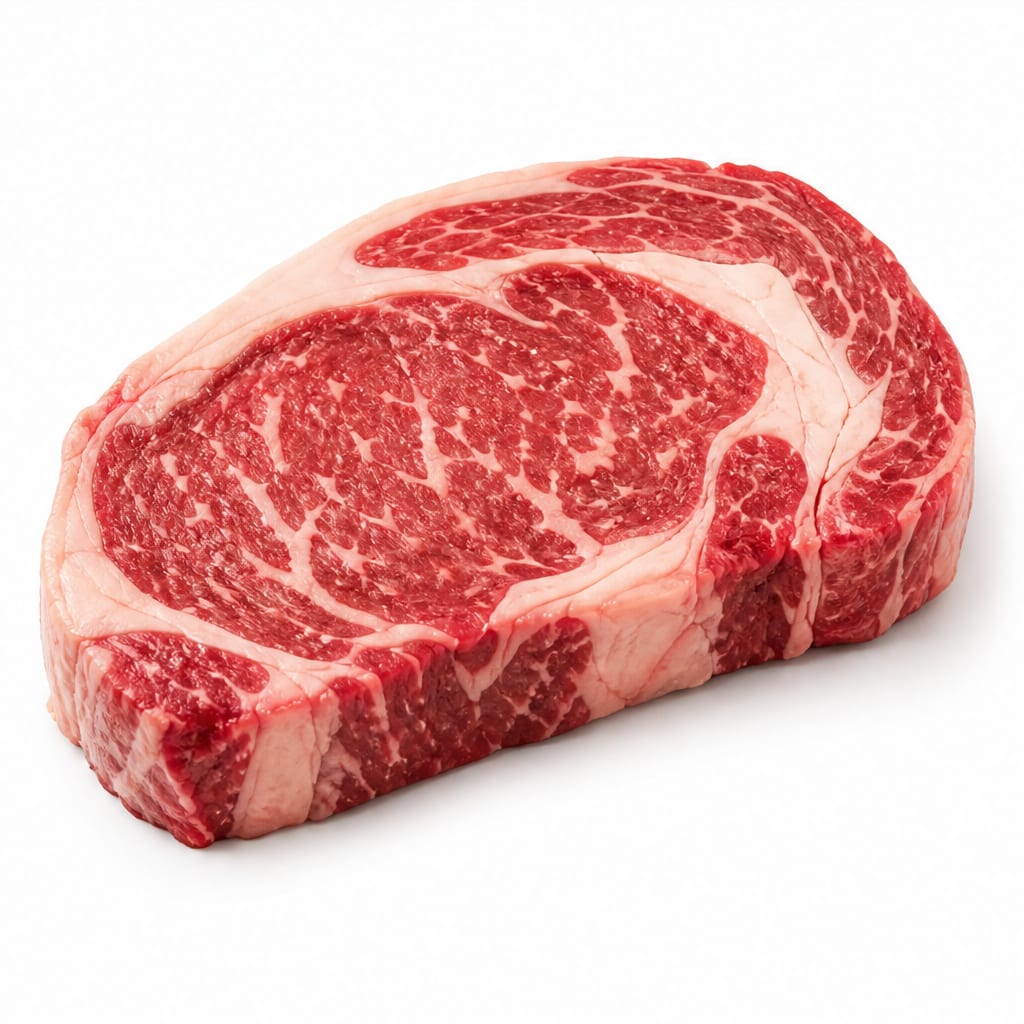
Compare with
Unmarinated Ribeye Steak
Ribeye has zero carbs and higher fat, while bulgogi has added sugars but lower fat content.
Ribeye is better for blood sugar with zero carbs, while bulgogi offers a leaner protein profile for fitness.
This food
Bulgogi
VS70% alike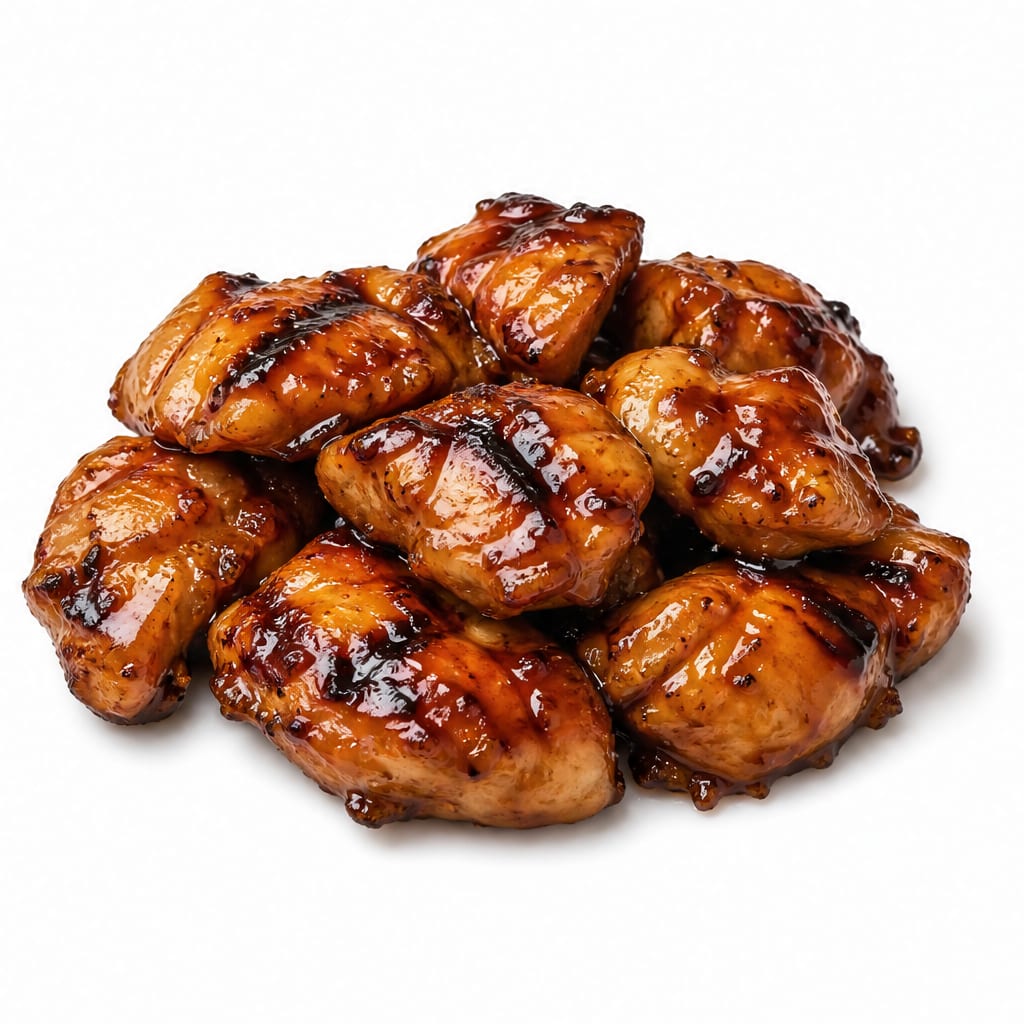
Compare with
Chicken Teriyaki
Chicken teriyaki is lower in fat and iron but similar in sugar; bulgogi provides more iron and B12.
Chicken teriyaki is lower in calories for weight loss, while bulgogi provides more iron for energy metabolism.
This food
Bulgogi
VS65% alike.jpg)
Compare with
Pork Belly (Samgyeopsal)
Pork belly is extremely high in fat with no carbs, whereas bulgogi is lower in fat but contains sugar.
Pork belly is keto-friendly with zero carbs, while bulgogi is leaner and better for muscle building.
This food
Bulgogi
VS60% alike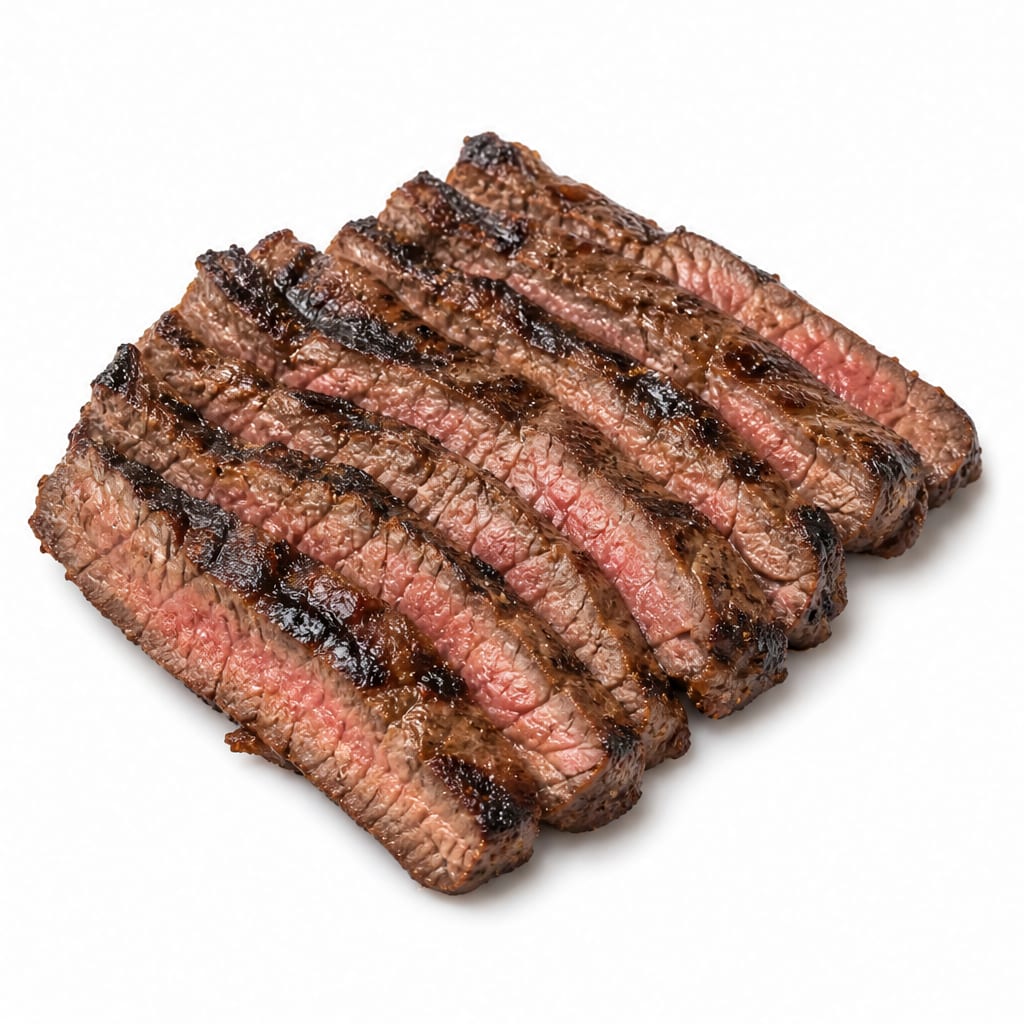
Compare with
Carne Asada
Carne Asada uses citrus and herb marinades with minimal sugar; bulgogi is sweeter and higher in sodium.
Carne Asada is lower in sugar and better for blood sugar, while bulgogi offers a sweeter, tender profile.
This food
Bulgogi
VS55% alike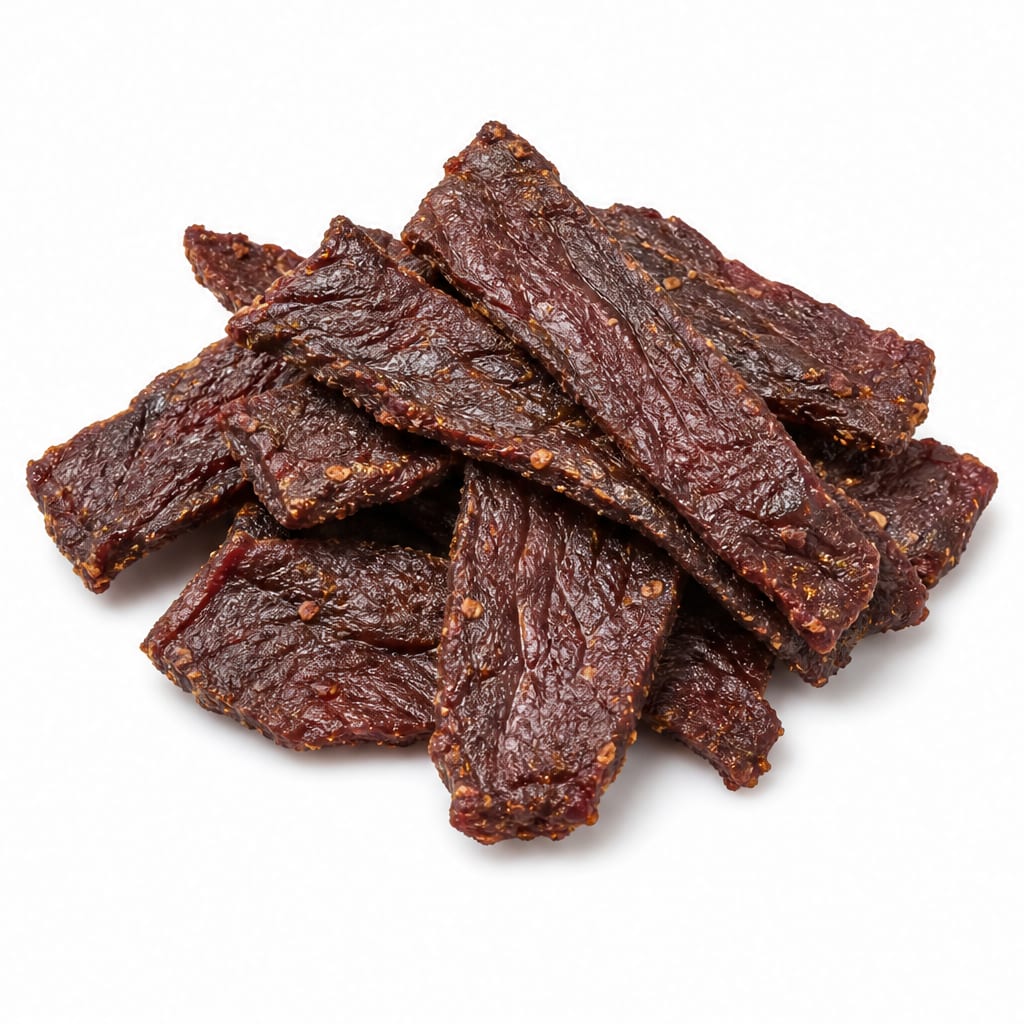
Compare with
Beef Jerky
Jerky is a dried, concentrated protein source with high sodium; bulgogi is fresh, more satiating per calorie, and less processed.
Bulgogi is fresher and more satiating per calorie, while beef jerky is a portable, concentrated protein snack.
This food
Bulgogi
VS50% alike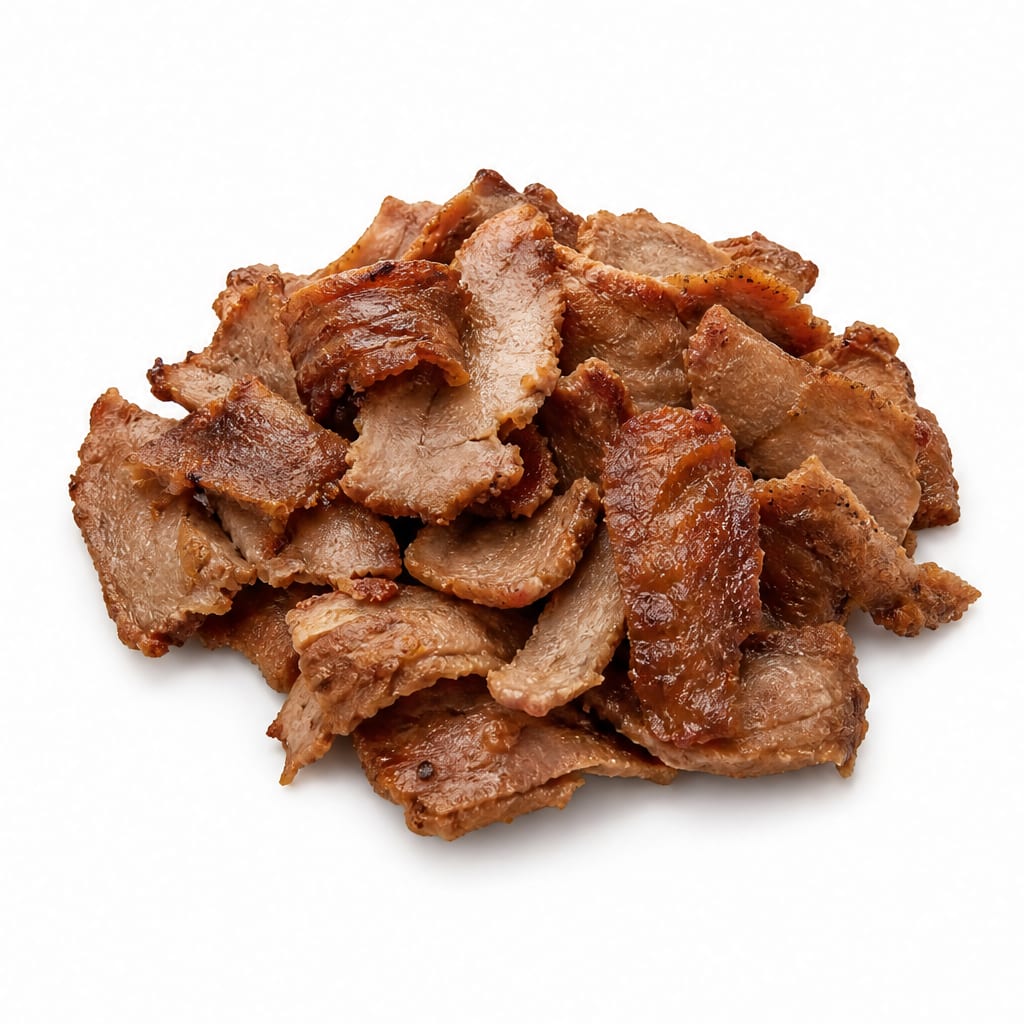
Compare with
Gyros Meat
Gyros is heavily seasoned with salt and spices, lower in sugar but high in fat; bulgogi is sweeter and leaner.
Bulgogi is leaner and better for fitness, while gyros meat is lower in carbs but higher in fat.
This food
Bulgogi
VS45% alike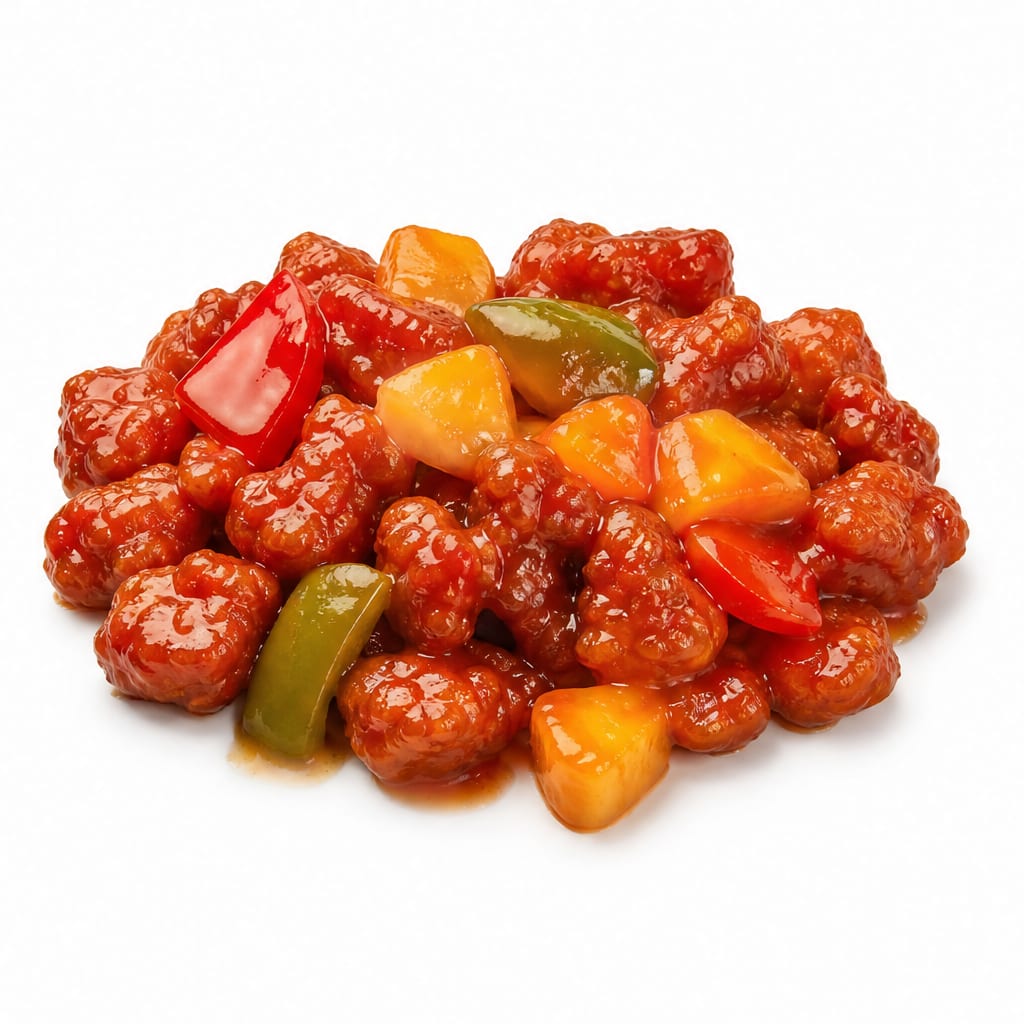
Compare with
Sweet and Sour Pork
Sweet and sour pork is deep-fried and coated in sugary sauce, making it much higher in calories and fat than bulgogi.
Bulgogi is grilled and leaner, making it significantly healthier than deep-fried sweet and sour pork.
This food
Bulgogi
VS40% alike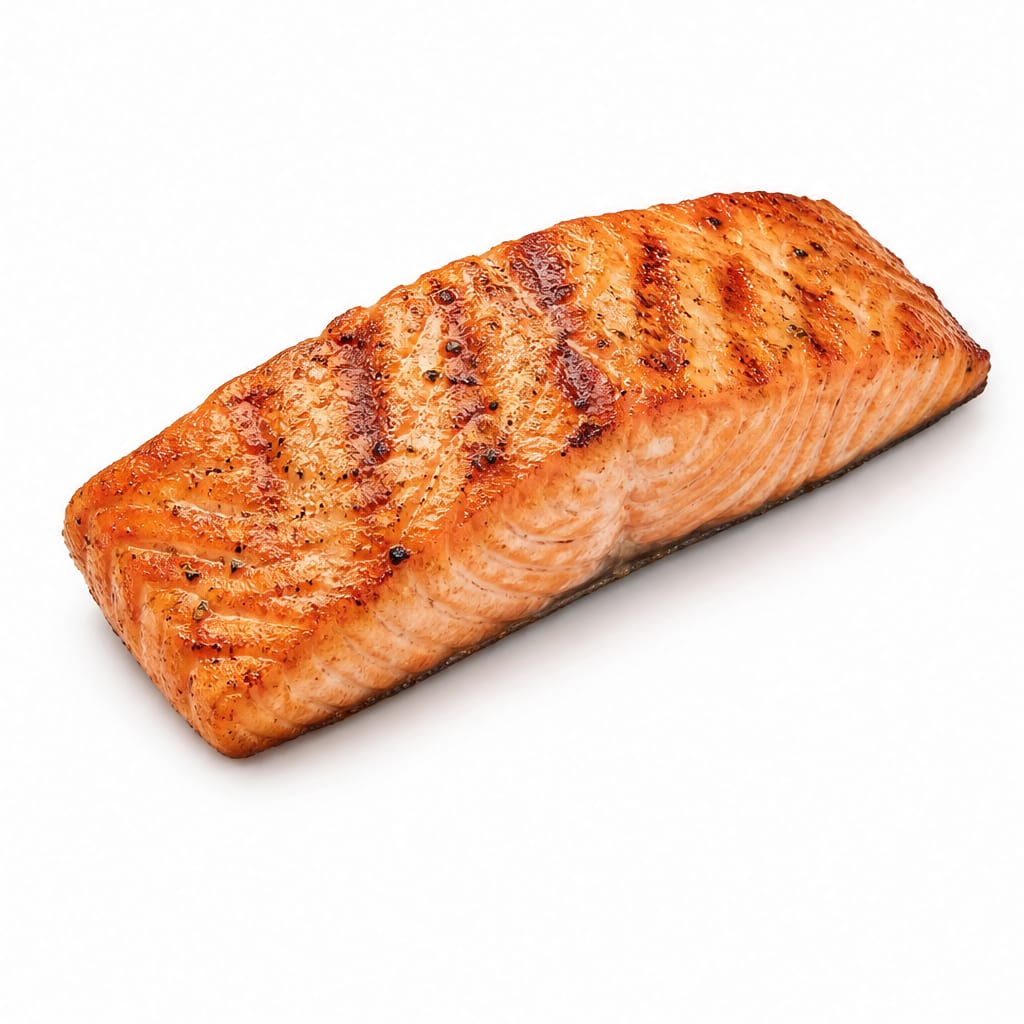
Compare with
Grilled Salmon
Salmon offers omega-3 fatty acids and zero carbs, while bulgogi provides more protein and iron but includes added sugar.
Grilled salmon is better for heart health and blood sugar with zero carbs, while bulgogi offers more iron.
Common questions
FAQ
Answers aligned with how people search for this food.
Is bulgogi good for weight loss?
Bulgogi can be challenging for weight loss due to its high calorie density and sugar content from the marinade. Controlling portions is essential.
How many carbs are in beef bulgogi?
A 100g serving of beef bulgogi contains about 12g of carbohydrates, primarily from the sugar and fruit juice in the marinade.
Is bulgogi high in sugar?
Yes, traditional bulgogi marinade uses sugar, honey, or Asian pear, resulting in a moderately high sugar content for a meat dish.
Can diabetics eat bulgogi?
Diabetics should eat bulgogi cautiously due to the sugar in the marinade, though the protein and fat help moderate the glycemic response.
Is bulgogi a good source of protein?
Yes, bulgogi provides about 18g of protein per 100g, making it a solid choice for muscle maintenance and repair.
What is the healthiest way to eat bulgogi?
Wrap bulgogi in lettuce leaves with garlic and vegetables instead of eating it with rice to reduce carbs and add fiber.
Is bulgogi keto-friendly?
Traditional bulgogi is not keto-friendly due to the sugar in the marinade, but keto versions can be made using erythritol or monk fruit sweeteners.
Why is bulgogi so tender?
Bulgogi is tender because it uses thinly sliced premium cuts like ribeye, and the pear in the marinade contains enzymes that break down meat fibers.
Transparency
Data confidence
Estimated confidence for nutrition data, interpretation, safety notes, and comparisons.
Nutrition data
Health analysis
Food safety
Comparisons