
Nutrition comparison
Bulgogi vs Grilled Salmon: Nutrition, Health & Taste Compared
Comparing Bulgogi and Grilled Salmon? Discover which is better for weight loss, heart health, and daily eating, and learn the real nutritional tradeoffs.
Overall winner · Grilled Salmon
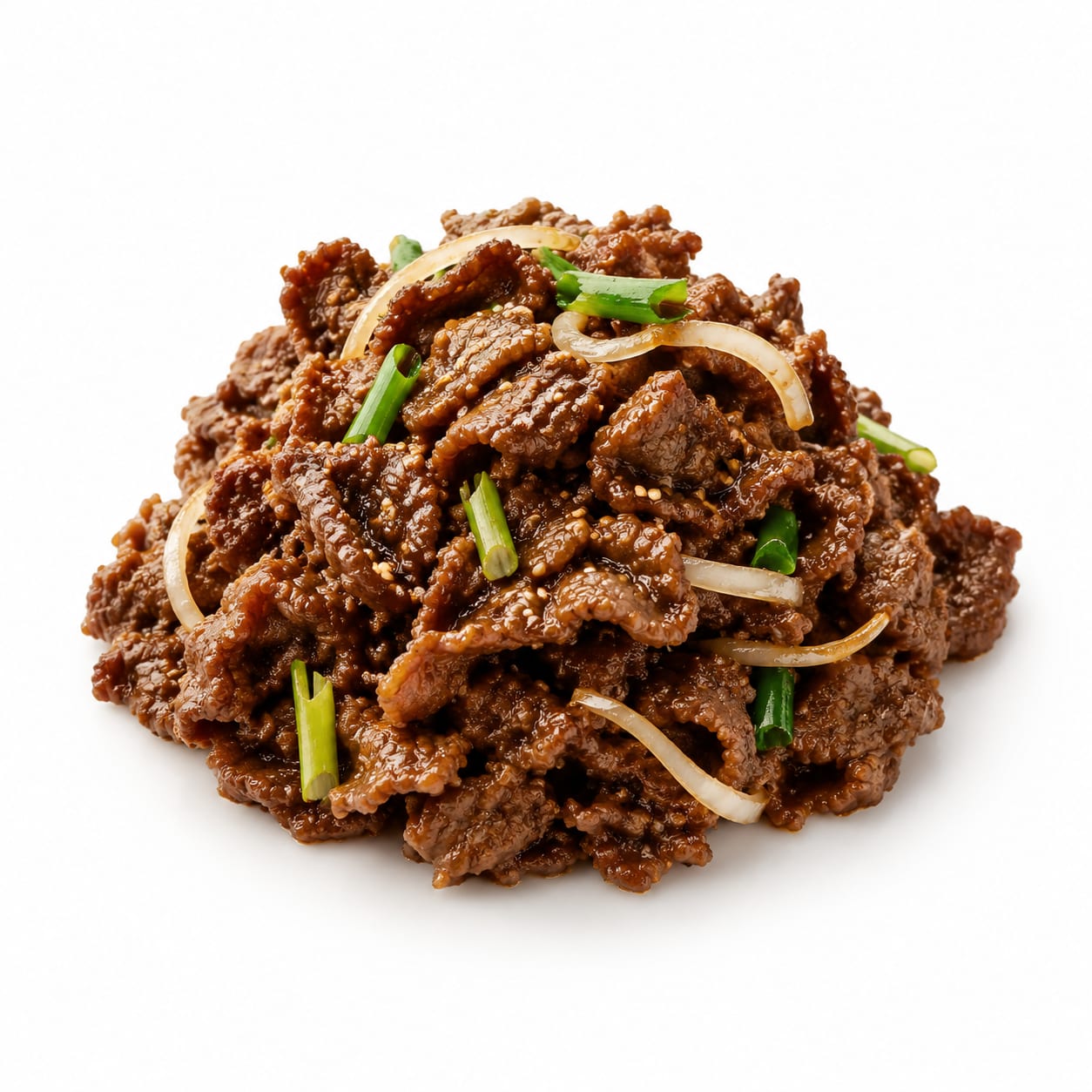
Bulgogi
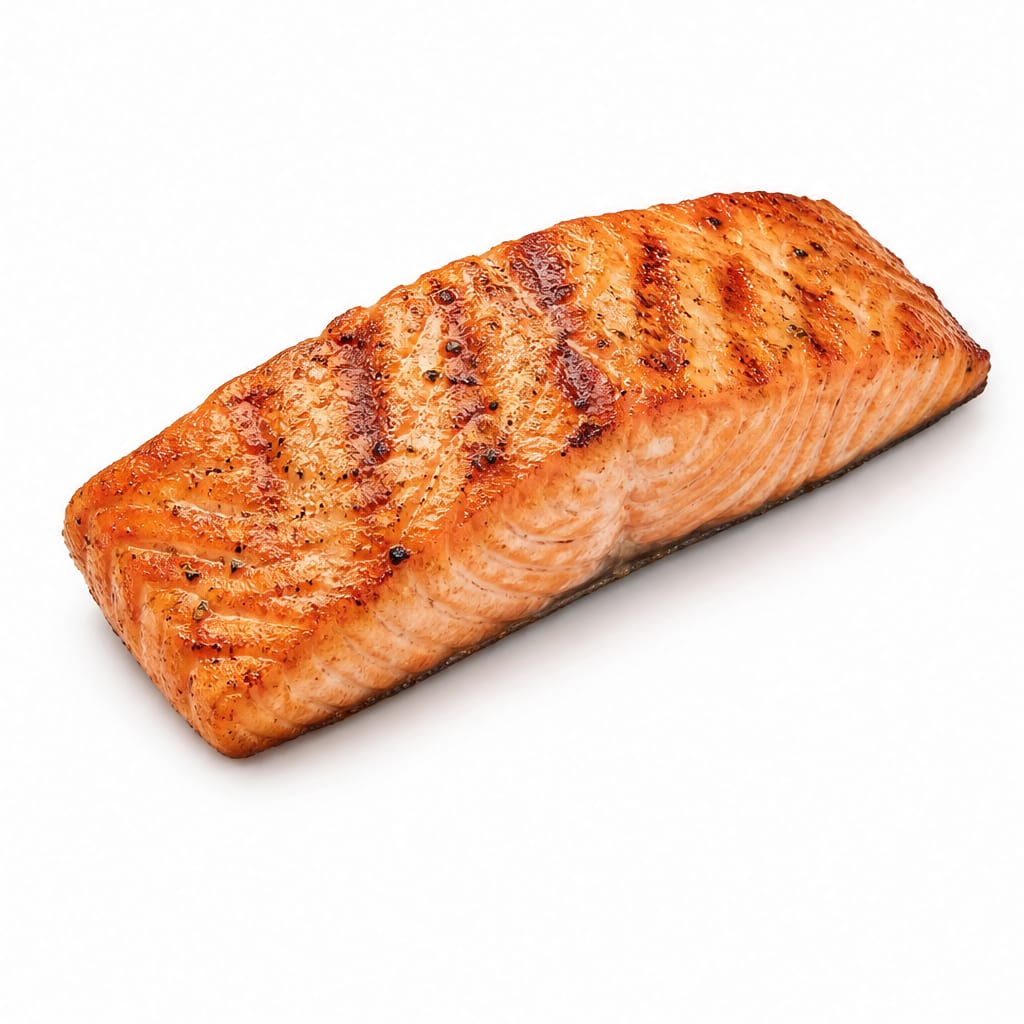
Grilled Salmon
Grilled Salmon wins for daily health thanks to its anti-inflammatory omega-3s and zero sugar, while Bulgogi is a flavorful treat that brings high sodium and sugar to the plate.
Grilled Salmon scores significantly higher due to its superior fat profile, zero sugar, and lower sodium, making it a staple for long-term health. Bulgogi is delicious but held back by its sugary, salty marinade.
You trade heart-healthy fats and clean energy from Grilled Salmon for the sweet, savory comfort of Bulgogi.
At a glance
Executive summary
Overall
Grilled Salmon
Healthier
Grilled Salmon
More practical
It depends
Daily use
Grilled Salmon
Key comparison lenses
Heart health and inflammation
Grilled Salmon provides anti-inflammatory omega-3s, while Bulgogi brings saturated fat and inflammatory sugars.
Sodium and sugar load
Bulgogi's signature marinade is loaded with sodium and added sugars, impacting blood pressure and blood sugar.
Protein quality and satiety
Both are excellent protein sources, but their fat profiles drastically change how they affect fullness and energy.
Food safety and contaminants
Mercury and PCBs in salmon versus high sodium and potential preservatives in Bulgogi present different risk profiles.
Best choice for
Bulgogi
- Craving bold, sweet-and-savory flavors
- Post-workout carb-protein reload
- Sharing a crowd-pleasing meal
Grilled Salmon
- Heart health and lowering inflammation
- Steady energy without sugar crashes
- Low-sodium dietary needs
Least suitable for
Bulgogi
- Low-sodium diets
- Blood sugar management
- Daily consumption
Grilled Salmon
- Strict budget meals
- Those who dislike fish
Deep comparison
Dimension by dimension
Each lens scores both foods and breaks down who each option suits.
- Dimension 1 · Priority 95Grilled Salmon
Heart Health & Inflammation
Bulgogi · 50Grilled Salmon · 95Grilled Salmon is strongly anti-inflammatory, while Bulgogi's saturated fat and sugar can promote inflammation.
Tradeoff
Choosing Bulgogi means accepting more saturated fat and sugar for the sake of flavor.
Why it matters
Chronic inflammation drives heart disease and fatigue. Omega-3s actively fight this.
Real-world impact
Eating Grilled Salmon regularly can improve cholesterol and joint stiffness, whereas daily Bulgogi might leave you feeling sluggish and bloated.
Bulgogi
- Quick comfort food satisfaction
Better for
- Inflammatory conditions
- High cholesterol
Worse for
Grilled Salmon
- Cardiovascular health
- Reducing joint pain
- Lowering triglycerides
Better for
- Mercury exposure if eaten excessively
Worse for
- Dimension 2 · Priority 90Grilled Salmon
Sodium & Sugar Load
Bulgogi · 30Grilled Salmon · 90Bulgogi's marinade packs a heavy punch of sodium and sugar, whereas Grilled Salmon is naturally free of both.
Tradeoff
You sacrifice clean, low-sodium eating when you choose the sweet and savory depth of Bulgogi.
Why it matters
High sodium raises blood pressure; added sugar causes energy crashes and cravings.
Real-world impact
A Bulgogi dinner might leave you thirsty and reaching for a late-night snack, while Grilled Salmon keeps things stable.
Bulgogi
- Satisfying sweet and salty cravings
Better for
- Hypertension
- Diabetes risk
Worse for
Grilled Salmon
- Blood pressure control
- Steady energy levels
- Keto or low-carb diets
Better for
- Those needing extreme sodium restriction who still salt their fish
Worse for
- Dimension 3 · Priority 80It depends
Protein Quality & Satiety
Bulgogi · 85Grilled Salmon · 90Both deliver excellent protein, but Grilled Salmon keeps you full longer with less calorie density.
Tradeoff
Bulgogi offers slightly faster energy from marinade carbs, but Grilled Salmon provides longer-lasting fullness.
Why it matters
Satiety prevents overeating. High-quality protein supports muscle and metabolism.
Real-world impact
Grilled Salmon makes a satisfying dinner that easily holds you till morning. Bulgogi's sugar might trigger a quicker return of hunger.
Bulgogi
- Carb-sensitive athletes needing quick glycogen replenishment with protein
Better for
- Late-night eating due to sugar content
Worse for
Grilled Salmon
- Weight management
- Sustained fullness
- Lean muscle maintenance
Better for
- Immediate post-workout carb refueling
Worse for
Timeline
Health impact over time
Short-term
Hours to days
Bulgogi
- Quick energy from sugar
- Satisfaction from savory umami
- Potential bloating from sodium
Grilled Salmon
- Steady, calm energy
- Feeling light but full
- No sugar crash
Long-term
Months to years
Bulgogi
- Increased blood pressure risk from sodium
- Higher inflammation from sugar and saturated fat
- Potential weight gain if eaten frequently
Grilled Salmon
- Better heart health from omega-3s
- Improved brain function
- Lower inflammatory markers
Risk profile
Safety & processing
Grilled Salmon is a whole food cooked simply. Bulgogi requires a processed marinade with added sweeteners, soy sauce, and potential preservatives.
Bulgogi
High sodium intake
mediumSoy sauce and salt in the marinade can easily push a single meal past healthy sodium limits.
Added sugars
mediumPear juice, sugar, or honey in the marinade add hidden empty calories that spike blood sugar.
Grilled Salmon
Heavy metal accumulation
mediumSalmon can contain mercury and PCBs, though wild-caught varieties are generally safe in moderation.
Heterocyclic amines (HCAs)
lowCharring fish on the grill can create HCAs, which are mitigated by marinating or avoiding heavy charring.
Who wins for whom
Audience fit
Same foods, different winners depending on your goal.
children
It dependsGrilled Salmon is excellent for brain development, but Bulgogi's sweet flavor is often more appealing to picky eaters. Monitor sodium for kids with Bulgogi.
daily consumption
Grilled SalmonGrilled Salmon is a clean, low-sodium, zero-sugar staple. Bulgogi is too high in sodium and sugar for everyday eating.
diabetes
Grilled SalmonGrilled Salmon has zero carbohydrates and will not spike blood sugar, unlike the sugar-marinated Bulgogi.
elderly
Grilled SalmonThe omega-3s in Grilled Salmon protect against cognitive decline and joint stiffness, whereas Bulgogi's sodium can worsen hypertension common in older age.
muscle gain
It dependsBoth provide great protein. Bulgogi offers carbs for post-workout recovery, while Grilled Salmon provides anti-inflammatory omega-3s for joint recovery.
weight loss
Grilled SalmonGrilled Salmon offers high satiety with zero sugar and healthy fats that boost metabolism, making it far easier to stay in a calorie deficit.
Your move
Decision guide
Choose Bulgogi
- You are craving bold, comforting flavors and it is a special occasion
- You need a carb-protein combo after an intense workout
- You are cooking for a crowd that loves Korean BBQ
Choose Grilled Salmon
- You want a clean, heart-healthy dinner
- You are watching your blood pressure or blood sugar
- You need a reliable, low-calorie meal prep option
Either works if
- You simply need a high-protein main course
- You are eating out and both are prepared fresh
Avoid both if
- You are on a strict vegan or plant-based diet
- You have severe gout and need to limit all animal proteins
Final recommendation
Make Grilled Salmon your go-to weekday dinner for health and steady energy, and save Bulgogi for the weekends when you want a flavorful, satisfying treat.
Practical
Consumer tips
- 1
Ask for Bulgogi with less marinade or make it at home using low-sodium soy sauce and a sugar substitute to cut the sodium and sugar in half.
- 2
Choose wild-caught Grilled Salmon when possible to maximize omega-3s and minimize contaminant risks.
- 3
Pair Bulgogi with plenty of fresh vegetables like lettuce wraps to balance the meal and add filling fiber.
- 4
Avoid charring Grilled Salmon too heavily to reduce carcinogenic compounds; a light grill mark is perfect.