
Nutrition comparison
Bulgogi vs Sweet and Sour Pork: Which Is Healthier?
Compare Bulgogi and Sweet and Sour Pork nutrition. Bulgogi wins on calories, sugar, and inflammation. Sweet and Sour Pork is a rare treat. Learn the tradeoffs.
Overall winner · Bulgogi
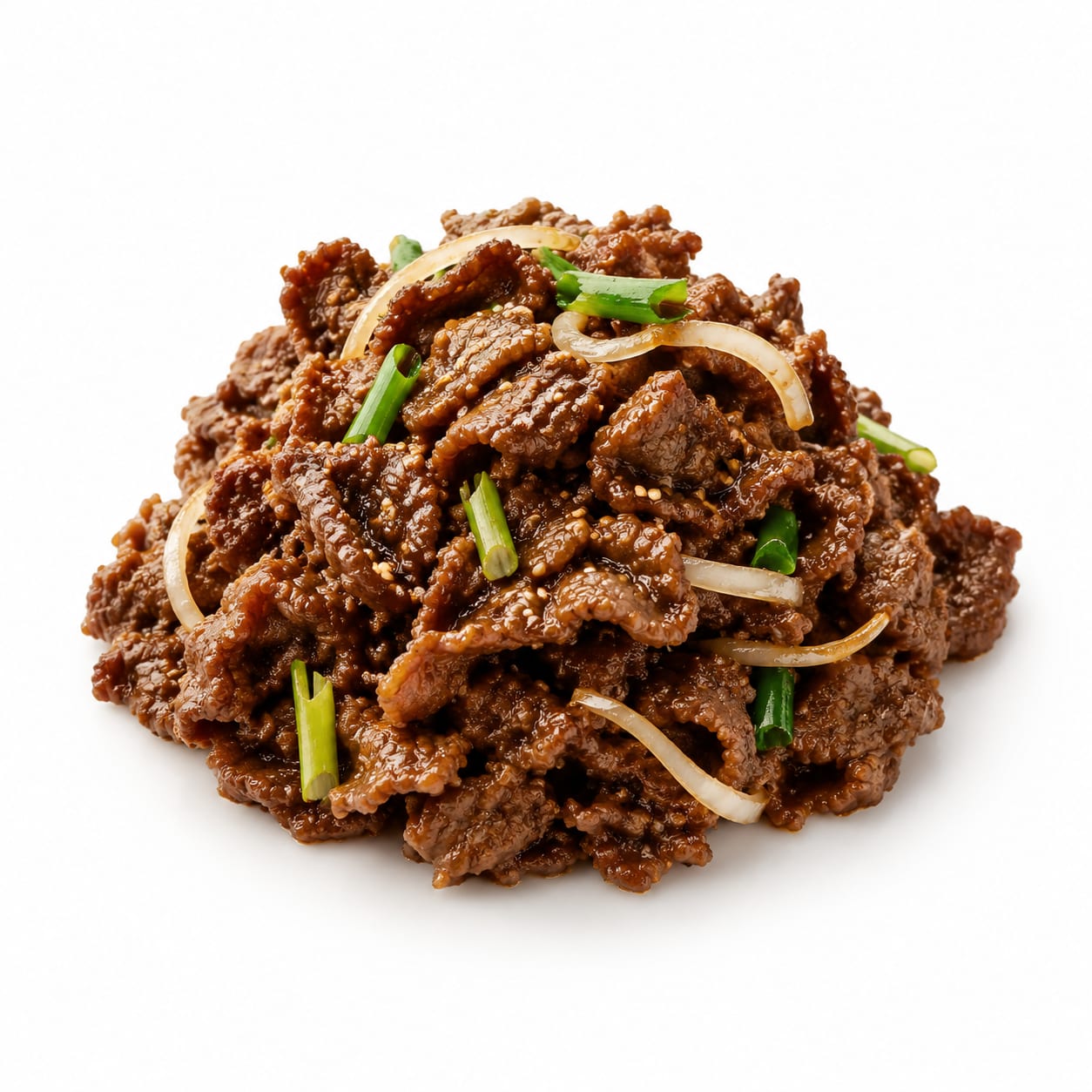
Bulgogi
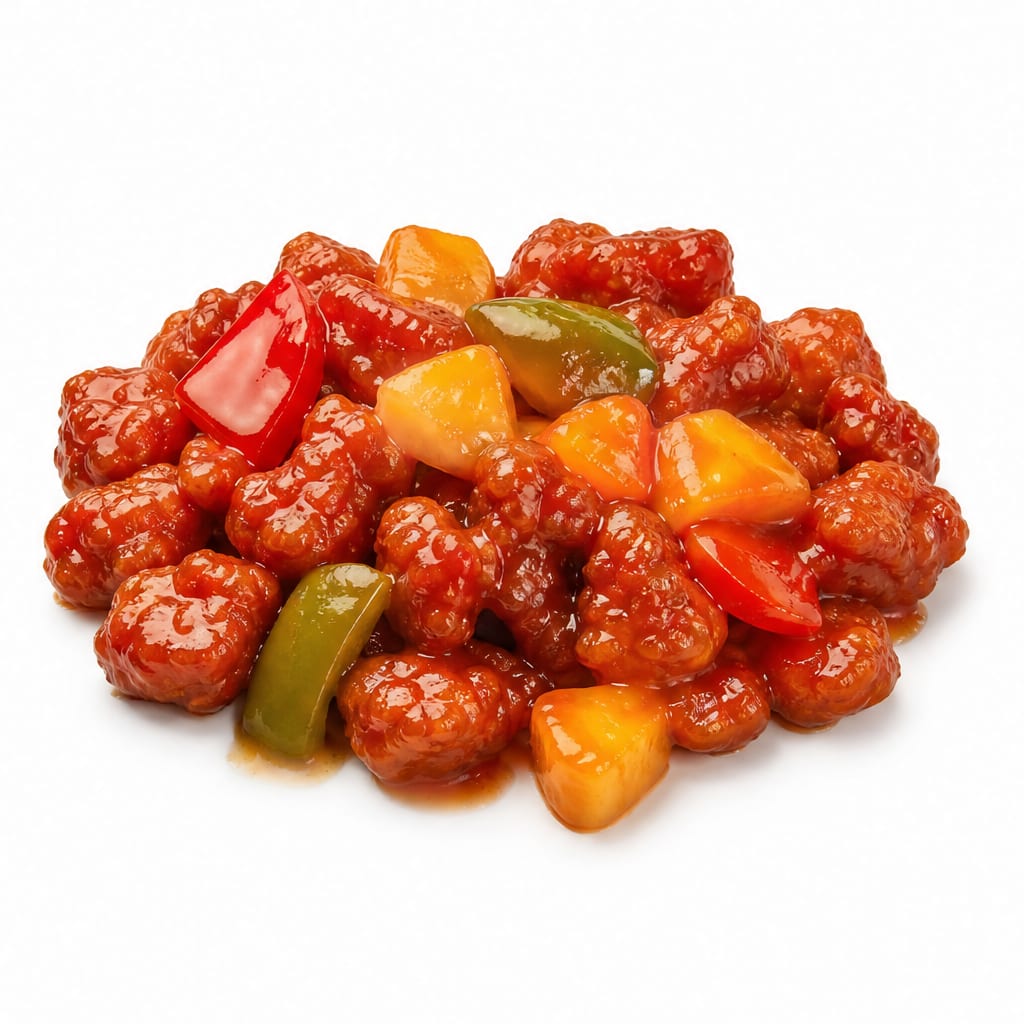
Sweet and Sour Pork
Bulgogi wins comfortably due to grilling over deep-frying, significantly fewer calories, and less sugar. Sweet and Sour Pork is an occasional indulgence, not a regular meal.
Bulgogi scores notably higher because grilling instead of deep-frying eliminates hundreds of calories and inflammatory oils. Sweet and Sour Pork's batter-frying and sugar-laden sauce drag its score down significantly. Neither is a health food, but Bulgogi is far easier to justify regularly.
You trade the crispy, sweet comfort of Sweet and Sour Pork for Bulgogi's leaner protein and lighter feel. The calorie gap is substantial.
At a glance
Executive summary
Overall
Bulgogi
Healthier
Bulgogi
More practical
Bulgogi
Daily use
Bulgogi
Key comparison lenses
healthier restaurant choice between Korean and Chinese takeout
Both are popular Asian restaurant dishes users commonly choose between
calorie and fat comparison for weight management
Deep-fried vs grilled cooking methods create massive calorie differences
sugar and blood sugar impact
Sweet and sour sauce is notoriously sugar-heavy; bulgogi marinade is sweeter than people realize
inflammatory potential and long-term health
Deep-frying creates inflammatory compounds; grilling is gentler
sodium load and heart health
Both dishes are sodium-heavy from soy sauce and seasoning
Best choice for
Bulgogi
- Weight-conscious diners wanting flavorful protein
- People managing blood sugar or diabetes risk
- Regular restaurant-goers who need a sustainable go-to order
- Anyone avoiding deep-fried foods
- Post-workout meals needing quality protein
Sweet and Sour Pork
- Occasional comfort food cravings
- Sharing plates at celebrations
- People who find lean meats unsatisfying and need richer flavors to feel full
Least suitable for
Bulgogi
- Those strictly limiting sodium intake
- People who find beef difficult to digest
Sweet and Sour Pork
- Anyone managing weight or blood sugar
- People with heart concerns or high cholesterol
- Regular weekly dining — too calorie-dense for frequent consumption
Deep comparison
Dimension by dimension
Each lens scores both foods and breaks down who each option suits.
- Dimension 1 · Priority 95Bulgogi
Calorie Density and Weight Impact
Bulgogi · 65Sweet and Sour Pork · 30Bulgogi delivers roughly 300-400 calories per serving while Sweet and Sour Pork easily hits 500-700 calories from deep-frying alone.
Tradeoff
Bulgogi keeps you fuller on fewer calories. Sweet and Sour Pork packs a calorie bomb that barely fills you up due to low satiety from fried batter and sugar.
Why it matters
A single Sweet and Sour Pork meal can consume half your daily calorie budget with minimal nutritional payoff.
Real-world impact
Order Bulgogi and you can pair it with vegetables and rice comfortably. Order Sweet and Sour Pork and you're already over-budget before sides.
Bulgogi
- Weight maintenance without feeling deprived
- Meals where you want room for sides
Better for
- People who need very high calorie intake
Worse for
Sweet and Sour Pork
- Bulking phases where calorie density is actually desired
Better for
- Anyone tracking calories
- People prone to overeating rich foods
Worse for
- Dimension 2 · Priority 88Bulgogi
Sugar and Blood Sugar Stability
Bulgogi · 55Sweet and Sour Pork · 25Bulgogi's marinade has sugar, but Sweet and Sour Sauce is essentially candy coating on fried meat. The glycemic impact is dramatically different.
Tradeoff
Bulgogi gives you a moderate sugar hit with protein to slow absorption. Sweet and Sour Pork delivers a sugar spike on top of refined carbs from batter — a double hit to blood sugar.
Why it matters
The sugar crash after Sweet and Sour Pork leaves you hungry again within two hours. Bulgogi keeps energy steadier.
Real-world impact
After Sweet and Sour Pork, you'll likely crave more food soon. After Bulgogi, you stay satisfied for hours.
Bulgogi
- People with insulin resistance or prediabetes
- Anyone avoiding afternoon energy crashes
- More stable mood and energy after eating
Better for
- Those extremely sensitive to even moderate sugar
Worse for
Sweet and Sour Pork
- Situations where quick energy is actually needed
Better for
- Diabetics or anyone monitoring blood sugar
- People prone to sugar cravings and cycles
Worse for
- Dimension 3 · Priority 82Bulgogi
Protein Quality and Satiety
Bulgogi · 78Sweet and Sour Pork · 50Bulgogi's grilled beef provides high-quality complete protein. Sweet and Sour Pork's protein is buried under batter and frying oil, reducing its satiety value.
Tradeoff
Bulgogi's protein actually fills you up. Sweet and Sour Pork's protein is there, but the fried coating and sauce dilute how satisfying it feels.
Why it matters
Protein quality affects how long you stay full and how well your body uses the amino acids.
Real-world impact
Bulgogi feels like a real meal. Sweet and Sour Pork feels like a treat that leaves you snacking later.
Bulgogi
- Muscle maintenance and recovery
- Staying full between meals
- Active people needing usable protein
Better for
- Those avoiding red meat for health reasons
Worse for
Sweet and Sour Pork
- Situations where protein quantity matters more than quality
Better for
- People who need lean, efficient protein sources
Worse for
- Dimension 4 · Priority 80Bulgogi
Inflammatory Potential
Bulgogi · 58Sweet and Sour Pork · 28Deep-frying generates inflammatory compounds and oxidized fats. Grilling is gentler, though still not perfect.
Tradeoff
Bulgogi has some inflammatory risk from grilling, but Sweet and Sour Pork's deep-frying is in a different league of inflammation promotion.
Why it matters
Chronic inflammation drives joint pain, fatigue, and disease risk. Fried foods are a top contributor.
Real-world impact
Regular Sweet and Sour Pork eaters may notice more bloating, sluggishness, and joint stiffness over time. Bulgogi is less likely to trigger these effects.
Bulgogi
- People with inflammatory conditions
- Those who feel bloated after fried foods
- Long-term joint and heart health
Better for
- People sensitive to grilled meat compounds
Worse for
Sweet and Sour Pork
- Rare occasions when inflammation risk from one meal is acceptable
Better for
- Anyone with arthritis or chronic inflammation
- People who already eat fried foods frequently
Worse for
- Dimension 5 · Priority 75It depends
Sodium and Heart Health
Bulgogi · 38Sweet and Sour Pork · 35Both dishes are sodium bombs. Bulgogi's soy sauce marinade and Sweet and Sour Pork's seasoned batter and sauce both deliver high salt loads.
Tradeoff
Neither wins here. Bulgogi might edge slightly ahead if portions are controlled, but both are problematic for sodium-sensitive people.
Why it matters
Restaurant Asian dishes routinely exceed 1000mg sodium per serving. Both these dishes fit that pattern.
Real-world impact
If you have blood pressure concerns, neither dish is your friend. You'd need to request low-sodium preparation for either.
Bulgogi
- Slightly more control over sauce amount
Better for
- Hypertension patients
- People on sodium-restricted diets
Worse for
Sweet and Sour Pork
- Not meaningfully better — both are high sodium
Better for
- Same concerns — both are high sodium
- Sauce is harder to control as it coats everything
Worse for
- Dimension 6 · Priority 70Bulgogi
Digestive Comfort
Bulgogi · 68Sweet and Sour Pork · 38Grilled meat with vegetables digests more comfortably than deep-fried battered pork in heavy sauce.
Tradeoff
Bulgogi is easier on the stomach for most people. Sweet and Sour Pork's fried batter and acidic-sweet sauce can trigger heartburn and bloating.
Why it matters
Heavy fried meals often cause discomfort that people normalize but don't have to live with.
Real-world impact
Bulgogi leaves you comfortable after eating. Sweet and Sour Pork often leaves you reaching for antacids or loosening your belt.
Bulgogi
- People prone to heartburn or acid reflux
- Those with sensitive digestion
- Eating before physical activity
Better for
- Those who struggle with beef specifically
Worse for
Sweet and Sour Pork
- People with very robust digestion who tolerate rich foods well
Better for
- Acid reflux sufferers
- People with IBS or sensitive stomachs
- Eating late at night
Worse for
Timeline
Health impact over time
Short-term
Hours to days
Bulgogi
- Satisfying protein keeps you full for 3-4 hours
- Moderate energy without a crash
- Some bloating possible from sodium
- Comfortable digestion for most people
Sweet and Sour Pork
- Quick energy spike from sugar and refined carbs followed by a crash
- Heavy fullness that can feel uncomfortable
- Possible heartburn from fried food and acidic sauce
- Thirst from high sodium and sugar
Long-term
Months to years
Bulgogi
- Moderate consumption fits reasonably into a balanced diet
- Sodium intake remains a concern for blood pressure
- Red meat should be limited to a few times per week
- Less inflammatory burden than fried alternatives
Sweet and Sour Pork
- Regular consumption increases cardiovascular risk from fried foods and sugar
- Weight gain likely if eaten frequently
- Higher inflammatory marker exposure over time
- Blood sugar management becomes harder with repeated sugar-heavy meals
Risk profile
Safety & processing
Bulgogi uses whole beef with a marinade of recognizable ingredients like soy sauce, garlic, pear, and sesame oil. Sweet and Sour Pork adds refined flour batter, deep-frying oil, and a sauce often containing ketchup, food coloring, and corn syrup. Both are restaurant-prepared dishes, but Sweet and Sour Pork involves more processing steps and less natural ingredients.
Bulgogi
Sodium overload
mediumA single serving can contain 800-1500mg sodium, which is problematic for blood pressure management over time.
Heterocyclic amines from grilling
lowCharring meat at high temperatures creates compounds linked to cancer risk, though occasional consumption is low concern.
Red meat consumption frequency
lowRegular red meat intake is associated with modest increases in certain health risks; moderation is key.
Sweet and Sour Pork
Acrylamide and oxidized oils from deep-frying
mediumDeep-frying at high temperatures creates potentially carcinogenic compounds and oxidized fats that promote inflammation.
Blood sugar spike from sugar and refined carbs
mediumThe combination of sugar-heavy sauce and refined flour batter creates a significant glycemic load that stresses insulin response.
Reused frying oil in restaurants
mediumMany restaurants reuse frying oil multiple times, increasing exposure to degraded fats and harmful compounds.
Who wins for whom
Audience fit
Same foods, different winners depending on your goal.
children
It dependsKids often prefer the sweet taste of Sweet and Sour Pork, but Bulgogi is nutritionally superior. Occasional Sweet and Sour Pork is fine, but Bulgogi is better as a regular option.
daily consumption
BulgogiNeither should be eaten daily, but Bulgogi is far more sustainable as a regular choice. Sweet and Sour Pork's calorie density and sugar make it unsuitable for frequent consumption.
diabetes
BulgogiBulgogi has significantly less sugar and no refined flour batter, resulting in a much gentler blood sugar response.
elderly
BulgogiBulgogi is easier to digest, less inflammatory, and gentler on aging cardiovascular systems. The softer texture of both dishes suits elderly diners, but Bulgogi's health profile is more appropriate.
muscle gain
BulgogiHigher quality protein from grilled beef supports muscle repair better than fried pork where protein is diluted by batter and oil.
weight loss
BulgogiBulgogi provides satisfying protein with far fewer calories from fat and no deep-fried batter, making portion control much easier.
Your move
Decision guide
Choose Bulgogi
- You want a satisfying meal without the food coma afterward
- You're watching your weight or blood sugar
- You eat Asian cuisine regularly and need a go-to order
- You want protein that actually keeps you full
- Digestive comfort matters to you
Choose Sweet and Sour Pork
- It's a rare treat or celebration meal
- You're specifically craving that sweet, crispy comfort food experience
- You've been eating very clean and want something indulgent
- Calorie density is actually beneficial for your current goals
Either works if
- You're eating out occasionally and either fits your mood
- Sodium is your primary concern — both are equally problematic
- You can control portions and stop when satisfied
Avoid both if
- You're on a strict sodium-restricted diet
- You need low-calorie meals for active weight loss
- You have severe reflux or GERD — both are triggers
- You're avoiding red meat and pork for religious or health reasons
Final recommendation
Make Bulgogi your regular order and save Sweet and Sour Pork for occasional indulgences. The calorie, sugar, and inflammation differences are too large to ignore. If you love Sweet and Sour Pork, enjoy it once a month and pair it with steamed vegetables to balance the meal. Bulgogi pairs naturally with vegetables and rice for a more complete, satisfying plate.
Practical
Consumer tips
- 1
Ask for Bulgogi with extra vegetables to increase fiber and fullness without many extra calories
- 2
Request Sweet and Sour Sauce on the side if you order Sweet and Sour Pork — you'll use half as much
- 3
Choose steamed rice over fried rice with either dish to avoid adding hundreds of calories
- 4
Drink water instead of sugary drinks — both dishes already push your sugar and sodium limits
- 5
If ordering Bulgogi, request light marinade to reduce sugar and sodium by roughly 30%
- 6
Share Sweet and Sour Pork as an appetizer rather than eating it as your main course
- 7
Look for restaurants that pan-fry rather than deep-fry Sweet and Sour Pork — it's not traditional but cuts calories significantly