
Nutrition comparison
Bulgogi vs Chicken Teriyaki: Nutrition, Health & Taste Compared
Comparing Bulgogi and Chicken Teriyaki? Discover which marinated protein is better for weight loss, heart health, and daily eating, and learn the real nutritional tradeoffs.
Overall winner · Chicken Teriyaki
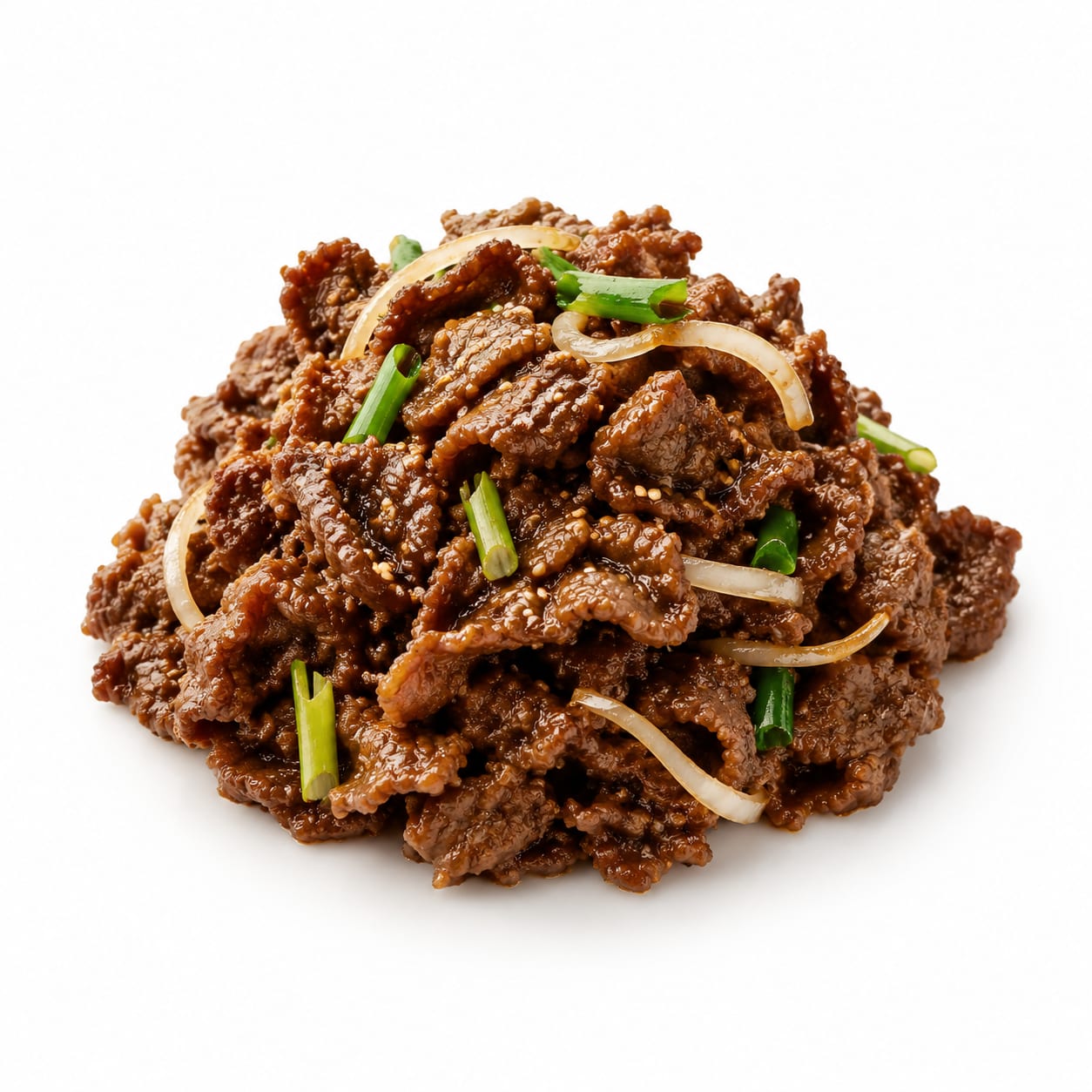
Bulgogi
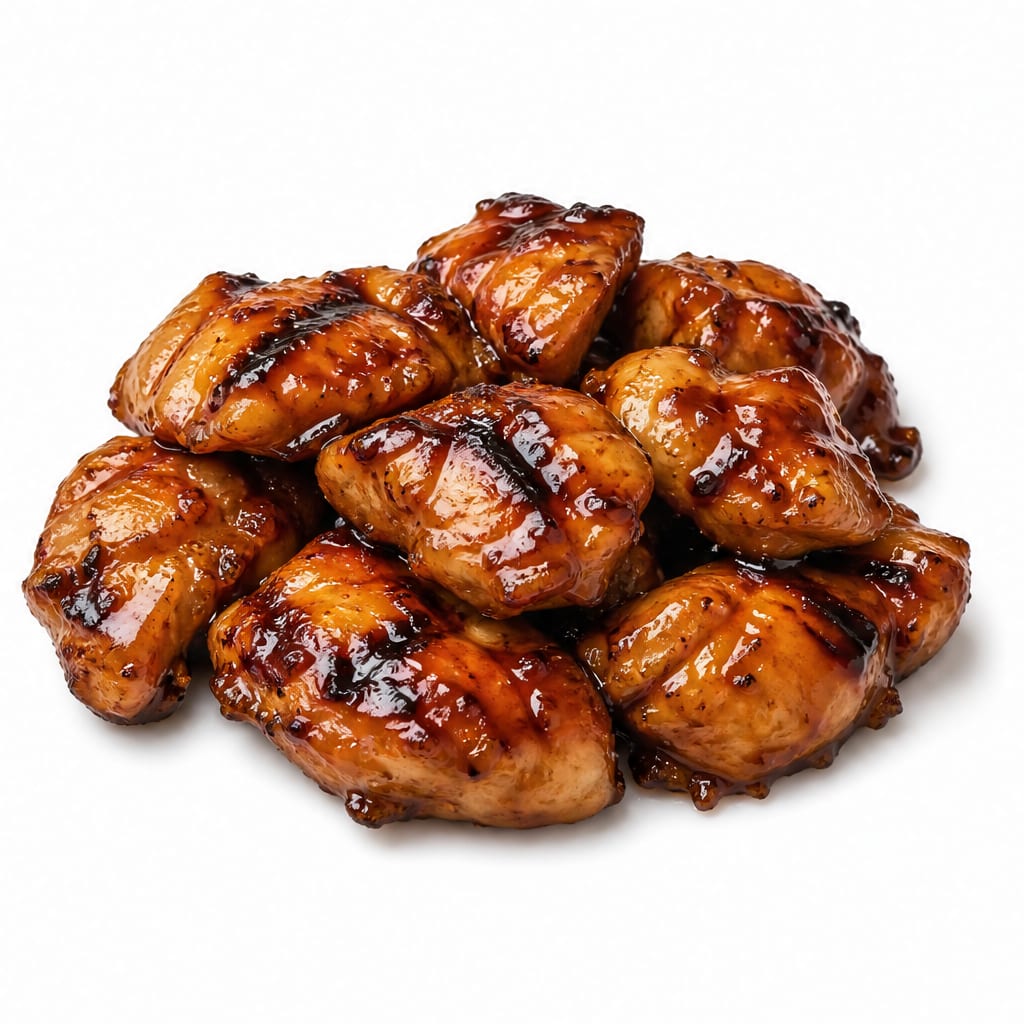
Chicken Teriyaki
Chicken Teriyaki is the leaner, heart-healthier everyday choice, while Bulgogi delivers richer flavor and higher iron at the cost of more saturated fat.
Chicken Teriyaki scores higher due to its favorable fat profile and lower long-term health risks, though Bulgogi's excellent micronutrient density keeps it competitive.
You trade the deep savory satisfaction and iron boost of beef for the lighter, leaner profile of chicken.
At a glance
Executive summary
Overall
Chicken Teriyaki
Healthier
Chicken Teriyaki
More practical
It depends
Daily use
Chicken Teriyaki
Key comparison lenses
Red meat vs poultry health impacts
Beef and chicken have distinctly different fat profiles, cholesterol impacts, and long-term disease associations.
Marinade sugar and sodium load
Both dishes rely heavily on sweet and salty marinades, making hidden sugars and sodium a major shared concern.
Protein quality and satiety
Users choosing between these are often looking for a satisfying protein source that keeps them full.
Best choice for
Bulgogi
- People needing an iron boost, like those with mild anemia
- Heavy lifters seeking highly satiating post-workout meals
- Those craving rich, comforting flavors on a less frequent basis
Chicken Teriyaki
- People managing cholesterol or heart health
- Anyone tracking calories or aiming for weight loss
- Those wanting a high-protein meal without the heaviness of red meat
Least suitable for
Bulgogi
- People with high cholesterol or cardiovascular concerns
- Those on a low-sodium diet who cannot control the marinade
- Individuals trying to limit red meat consumption
Chicken Teriyaki
- People with severe soy allergies
- Those looking for high iron intake from their protein source
- Individuals on strict low-sugar diets who eat pre-made versions
Deep comparison
Dimension by dimension
Each lens scores both foods and breaks down who each option suits.
- Dimension 1 · Priority 95Chicken Teriyaki
Heart Health & Fat Profile
Bulgogi · 55Chicken Teriyaki · 80Chicken Teriyaki is much leaner, with far less saturated fat than the beef used in Bulgogi.
Tradeoff
You lose the rich mouthfeel of beef fat but gain a meal that is much easier on your arteries.
Why it matters
Frequent red meat consumption is linked to higher cardiovascular risk, making chicken a safer default for regular meals.
Real-world impact
Choosing Chicken Teriyaki means less sluggishness after eating and better long-term cholesterol numbers.
Bulgogi
- Keto or low-carb dieters who prioritize fat intake
Better for
- People on statins or managing hypertension
Worse for
Chicken Teriyaki
- Anyone with a family history of heart disease
- People trying to lower LDL cholesterol
Better for
- Those who find lean meats unsatisfying and end up overeating later
Worse for
- Dimension 2 · Priority 80Bulgogi
Micronutrient Density
Bulgogi · 85Chicken Teriyaki · 60Bulgogi is a powerhouse of iron, zinc, and B12, nutrients that chicken contains in much smaller amounts.
Tradeoff
You get a major micronutrient boost with Bulgogi, but it comes packaged with more saturated fat.
Why it matters
Iron and B12 are crucial for energy levels, especially for women and those who avoid red meat most of the time.
Real-world impact
Eating Bulgogi occasionally can help replenish iron stores and fight fatigue, making it a strategic choice rather than a daily habit.
Bulgogi
- Women with heavy menstrual cycles needing iron
- People prone to low-energy slumps from B12 deficiency
Better for
- People with hemochromatosis who must limit iron
Worse for
Chicken Teriyaki
- Those who already take multivitamins or iron supplements
Better for
- Those relying solely on this meal for essential minerals
Worse for
- Dimension 3 · Priority 85It depends
Sugar & Sodium Load
Bulgogi · 45Chicken Teriyaki · 45Both dishes are drowning in sweet and salty marinades, making them a tie for hidden sugars and sodium.
Tradeoff
The delicious glaze that makes both foods appealing is exactly what makes them risky for blood pressure and blood sugar.
Why it matters
Restaurant and pre-packaged versions of both dishes often contain a day's worth of sugar and sodium in a single serving.
Real-world impact
You might experience a quick energy spike followed by a crash, or wake up the next day feeling puffy and bloated from the salt.
Bulgogi
- Home-cooked versions where you control the pear-to-soy ratio
Better for
- Diners eating at traditional restaurants with heavy-handed marinades
Worse for
Chicken Teriyaki
- Home-cooked versions using low-sodium soy and sugar substitutes
Better for
- Those grabbing quick food-court teriyaki, which is often the sugariest
Worse for
- Dimension 4 · Priority 75Bulgogi
Satiety & Satisfaction
Bulgogi · 88Chicken Teriyaki · 72Bulgogi feels heavier and keeps you full longer, while Chicken Teriyaki digests much faster.
Tradeoff
The staying power of beef comes with a heavier feeling in your stomach, whereas chicken feels lighter but may leave you hunting for a snack sooner.
Why it matters
If you need one meal to carry you through a busy afternoon, the richness of beef is more reliable.
Real-world impact
A Bulgogi lunch will likely suppress afternoon cravings, while a Chicken Teriyaki lunch might have you reaching for coffee or a snack by 3 PM.
Bulgogi
- Long shifts where you cannot take snack breaks
- Post-heavy-lifting workout meals
Better for
- Sedentary office lunches where a food coma will ruin productivity
Worse for
Chicken Teriyaki
- Late dinners where you want to sleep comfortably
- Hot days when heavy food sounds unappealing
Better for
- Active individuals with high caloric needs
Worse for
Timeline
Health impact over time
Short-term
Hours to days
Bulgogi
- High satisfaction and fullness from protein and fat
- Potential energy crash from the sugary marinade
- Possible bloating from high sodium intake
Chicken Teriyaki
- Quick, light energy from lean protein
- Similar risk of an energy dip from the sweet teriyaki glaze
- Thirst and water retention from sodium-heavy sauce
Long-term
Months to years
Bulgogi
- Improved iron and B12 status if eaten moderately
- Increased cardiovascular risk if consumed too frequently due to saturated fat
- Potential increased inflammatory markers from regular red meat intake
Chicken Teriyaki
- Better weight management and heart health from lean poultry
- Lower risk of colorectal concerns compared to regular red meat consumption
- Risk of blood pressure issues if sodium from the sauce is not managed
Risk profile
Safety & processing
Both are whole proteins altered by marinades, but Chicken Teriyaki often relies on pre-made teriyaki sauces containing thickeners, preservatives, and artificial colors, whereas traditional Bulgogi uses simpler whole-food tenderizers like Asian pear.
Bulgogi
Heterocyclic amines (HCAs)
mediumCharring beef at high temperatures can create carcinogenic compounds, though the marinade offers some protective effect.
Antibiotic exposure
mediumConventional beef can contain antibiotic residues, making grass-fed or organic a better choice if available.
Chicken Teriyaki
Foodborne illness
mediumChicken carries a higher baseline risk of salmonella, requiring strict cooking and cross-contamination management.
Antibiotic exposure
highPoultry farming often uses more antibiotics than beef farming, so sourcing quality chicken is important.
Who wins for whom
Audience fit
Same foods, different winners depending on your goal.
children
Chicken TeriyakiChicken is easier for kids to chew and digest, and building a preference for poultry over red meat supports long-term heart health.
daily consumption
Chicken TeriyakiDaily red meat intake is discouraged by most health guidelines, whereas lean poultry is a recommended daily protein staple.
diabetes
Chicken TeriyakiLean poultry has a more favorable impact on insulin sensitivity than red meat, though both require caution regarding the sugary sauces.
elderly
Chicken TeriyakiChicken is gentler on the digestive system and aligns better with the cardiovascular needs of older adults.
muscle gain
BulgogiBulgogi provides slightly more protein per calorie along with crucial B12 and iron, which support oxygen delivery and muscle recovery.
weight loss
Chicken TeriyakiChicken Teriyaki is lower in calories and saturated fat, making it easier to fit into a calorie deficit without feeling deprived of flavor.
Your move
Decision guide
Choose Bulgogi
- You are eating out and want a deeply satisfying, comforting meal
- You have been feeling fatigued and could use an iron boost
- You are doing heavy physical labor or intense lifting and need the staying power of beef
Choose Chicken Teriyaki
- You eat Asian-style protein bowls multiple times a week
- You are watching your cholesterol, weight, or heart health
- You want a filling but light meal that will not put you in a food coma
Either works if
- You are cooking at home and can control the amount of sugar and soy sauce in the marinade
- You are simply craving a savory, umami-rich protein after a long day
Avoid both if
- You are on a strict low-sodium diet for kidney or blood pressure issues
- You are following a strict vegan or plant-based lifestyle
- You are highly sensitive to soy or gluten found in the base marinades
Final recommendation
Make Chicken Teriyaki your everyday go-to for a lean, satisfying protein, and treat Bulgogi as your strategic weekly indulgence when you need a rich iron boost and deep comfort food satisfaction.
Practical
Consumer tips
- 1
Ask for the sauce on the side when ordering out to cut sugar and sodium intake by up to half
- 2
Make Bulgogi at home using grated Asian pear and apple to naturally sweeten and tenderize, reducing the need for refined sugar
- 3
Choose chicken breast over thigh for teriyaki to maximize the lean protein advantage
- 4
Pair either dish with a large portion of steamed or stir-fried vegetables to balance the meal and buffer the sugar absorption
- 5
If buying pre-made teriyaki sauce, look for low-sodium options with less than 5 grams of added sugar per serving