
Nutrition comparison
Bulgogi vs Carne Asada: Which Grilled Beef Is Healthier?
Compare Bulgogi and Carne Asada nutrition including sugar, sodium, protein, and health effects. Discover which marinated beef is better for weight loss, diabetes, and daily eating.
Overall winner · Carne Asada
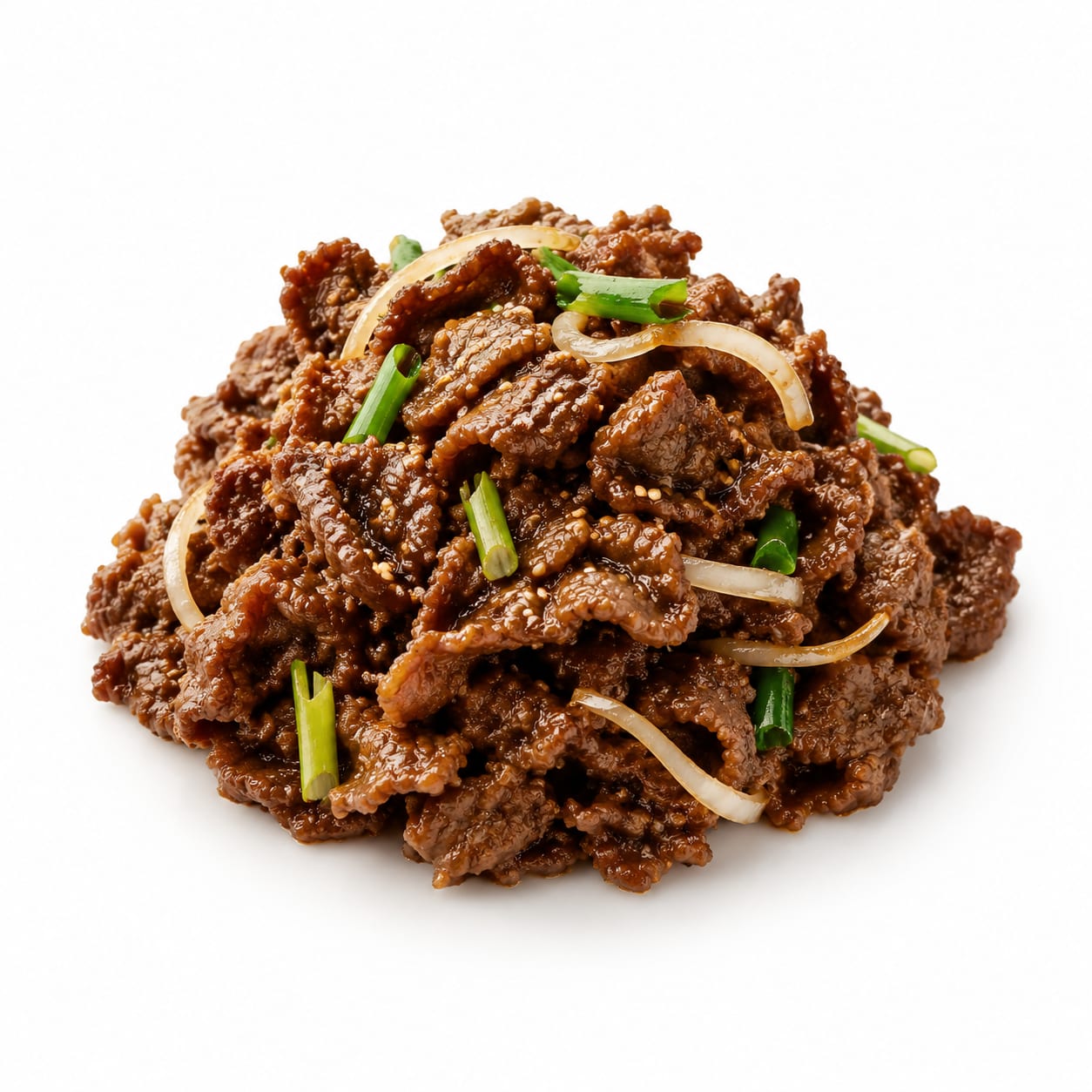
Bulgogi
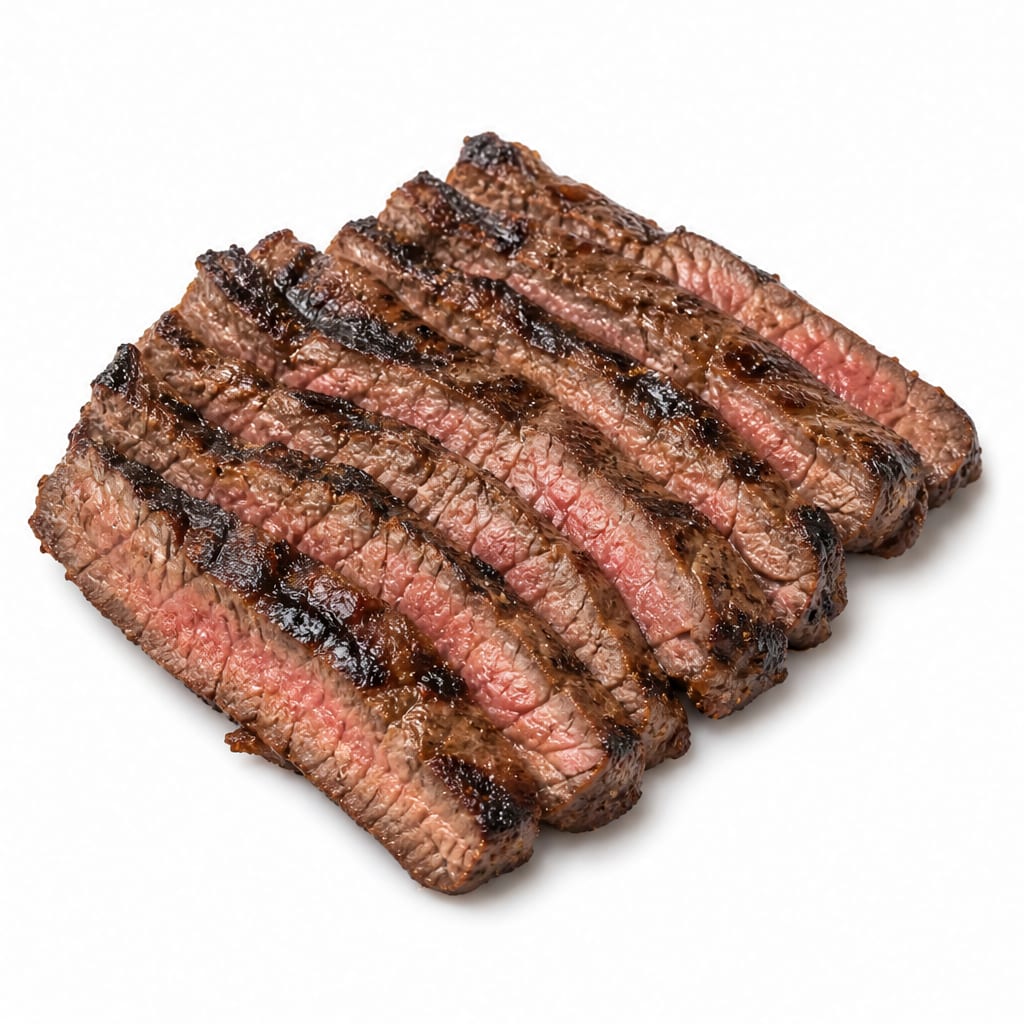
Carne Asada
Carne Asada edges out Bulgogi for regular eating thanks to its leaner citrus marinade and lower sugar, though Bulgogi wins on tenderness and flavor complexity.
Carne Asada scores moderately higher due to its cleaner marinade, lower sugar, and better suitability for frequent consumption. Bulgogi remains excellent for enjoyment but carries meaningful sugar and sodium tradeoffs that limit its everyday health score.
Bulgogi delivers a more indulgent, tender bite with its sweet marinade, but you pay for it with higher sugar and sodium. Carne Asada sacrifices some tenderness for a cleaner nutritional profile.
At a glance
Executive summary
Overall
Carne Asada
Healthier
Carne Asada
More practical
It depends
Daily use
Carne Asada
Key comparison lenses
sugar and marinade health impact
Bulgogi's sweet soy-based marinade adds significant sugar and sodium, while Carne Asada's citrus-herb marinade is leaner and lower in sugar
everyday protein source selection
Both are popular beef dishes used as staple proteins, so daily usability matters greatly
blood sugar and metabolic effect
The sugar difference between marinades directly affects blood sugar response and insulin load
sodium intake concern
Bulgogi relies heavily on soy sauce, making sodium a key differentiator
weight management compatibility
Calorie density and sugar content differ enough to impact weight loss efforts
Best choice for
Bulgogi
- Special occasions and flavor-seeking meals
- Those who prioritize tenderness and melt-in-mouth texture
- Korean cuisine enthusiasts wanting authentic sides like banchan
- People who struggle to eat enough and need calorie appeal
Carne Asada
- Weekly meal prep and high-protein diets
- Anyone watching sugar intake or managing blood sugar
- Those reducing sodium without sacrificing bold flavor
- Taco nights and crowd-pleasing casual gatherings
Least suitable for
Bulgogi
- People managing diabetes or insulin resistance
- Low-sodium diets for hypertension
- Strict sugar-free or keto eating plans
- Daily consumption due to cumulative sugar and sodium load
Carne Asada
- Those who find lean beef too chewy or dry
- Very low-acid diets sensitive to citrus marinades
- People wanting a sweeter, more indulgent flavor profile
Deep comparison
Dimension by dimension
Each lens scores both foods and breaks down who each option suits.
- Dimension 1 · Priority 92Carne Asada
sugar_and_metabolic_load
Bulgogi · 45Carne Asada · 88Bulgogi's marinade packs significant sugar from pear, honey, or brown sugar, while Carne Asada relies on citrus and herbs with minimal to no added sugar.
Tradeoff
You get a caramelized, deeply satisfying sweetness in Bulgogi, but it comes with a blood sugar spike that Carne Asada largely avoids.
Why it matters
Regular sugar intake from savory dishes is easy to overlook. A single Bulgogi serving can contain 10-20g of sugar, which adds up fast if eaten weekly.
Real-world impact
After a Bulgogi meal, you might feel an energy crash an hour later. Carne Asada provides steadier energy without the post-meal dip.
Bulgogi
- Quick energy replenishment after intense exercise
- Situations where calorie density is desirable
Better for
- Blood sugar management
- Sugar-free dietary goals
Worse for
Carne Asada
- Stable afternoon energy without crashes
- Diabetes management and insulin sensitivity
- Keto or low-carb meal plans
Better for
- Post-workout rapid glycogen replenishment
Worse for
- Dimension 2 · Priority 80Carne Asada
sodium_load
Bulgogi · 40Carne Asada · 72Bulgogi's soy sauce base delivers a heavy sodium hit, often 800-1200mg per serving. Carne Asada uses salt more moderately with citrus doing the flavor heavy lifting.
Tradeoff
Bulgogi's umami depth depends on soy sauce, but that comes at a sodium cost. Carne Asada achieves bold flavor with less salt reliance.
Why it matters
If you eat Asian cuisine regularly, Bulgogi's sodium compounds with other soy-based dishes, pushing daily intake well above recommended limits.
Real-world impact
After Bulgogi, you might notice thirst and mild bloating. Carne Asada is less likely to leave you reaching for water all evening.
Bulgogi
- Post-sweat rehydration scenarios where sodium is beneficial
Better for
- Blood pressure control
- Kidney-friendly diets
Worse for
Carne Asada
- Hypertension management
- Heart-healthy eating patterns
- Reducing daily sodium without bland food
Better for
- Heavy sweating scenarios needing electrolyte replenishment
Worse for
- Dimension 3 · Priority 85It depends
protein_quality_and_satiety
Bulgogi · 78Carne Asada · 82Both deliver excellent complete protein from beef. Carne Asada typically uses slightly leaner cuts, giving it a small edge for protein-to-calorie ratio.
Tradeoff
Bulgogi's fattier cuts make it more tender and calorie-dense, while Carne Asada's leaner cuts offer better protein efficiency but can be chewier.
Why it matters
For muscle gain and fullness, both work well. The difference shows up in total calorie intake if you eat them frequently.
Real-world impact
A Carne Asada bowl keeps you full with fewer total calories. Bulgogi feels more indulgent but may not keep you satisfied as long relative to its calorie cost.
Bulgogi
- Hard gainers needing calorie surplus
- Those who find lean meat unappealing and eat less protein as a result
Better for
- Calorie-controlled diets
Worse for
Carne Asada
- Lean bulk or body recomposition phases
- Higher protein intake without excess calories
Better for
- People who struggle with lean meat texture and skip meals
Worse for
- Dimension 4 · Priority 72Carne Asada
marinade_inflammatory_potential
Bulgogi · 52Carne Asada · 80Bulgogi's sugar content has pro-inflammatory potential, while Carne Asada's citrus and garlic offer anti-inflammatory compounds like vitamin C and allicin.
Tradeoff
The sweet caramelization in Bulgogi creates advanced glycation end products during cooking, while Carne Asada's citrus marinade may actually reduce harmful compounds formed during grilling.
Why it matters
Chronic low-grade inflammation drives many health issues. Small choices in marinade ingredients compound over years of eating.
Real-world impact
If you eat marinated beef weekly, Carne Asada's citrus marinade is quietly doing your body more favors than Bulgogi's sugar-heavy approach.
Bulgogi
- Occasional enjoyment where inflammation risk is minimal
Better for
- Chronic inflammation conditions
- Autoimmune management protocols
Worse for
Carne Asada
- Anti-inflammatory eating patterns
- Joint health and recovery-focused diets
- Long-term metabolic health
Better for
- Rare scenarios where citrus interferes with specific medications
Worse for
- Dimension 5 · Priority 70It depends
versatility_and_meal_integration
Bulgogi · 75Carne Asada · 78Bulgogi shines in rice bowls, lettuce wraps, and Korean-style meals. Carne Asada dominates in tacos, burritos, salads, and grain bowls.
Tradeoff
Bulgogi pairs best with specific Korean sides, while Carne Asada integrates more easily into diverse meal formats including lighter salads.
Why it matters
A protein you can use in multiple meals makes healthy eating easier and more sustainable long-term.
Real-world impact
Leftover Carne Asada works on a salad, in a wrap, or over rice. Leftover Bulgogi mostly calls for rice and kimchi to feel right.
Bulgogi
- Korean-inspired meal prep with banchan
- Lettuce wrap presentations for entertaining
Better for
- Diverse weekly meal rotation
Worse for
Carne Asada
- Meal prep across multiple cuisines
- Salad-topping protein
- Quick taco and burrito bowl assembly
Better for
- Traditional Korean meal pairings
Worse for
Timeline
Health impact over time
Short-term
Hours to days
Bulgogi
- Noticeable energy boost followed by a potential sugar crash within 1-2 hours
- Immediate satisfaction from the sweet-savory flavor combination
- Possible thirst and bloating from high sodium content
Carne Asada
- Steady sustained energy without significant blood sugar fluctuation
- Good satiety from lean protein with minimal crash risk
- Mild digestive comfort from citrus marinade aiding breakdown
Long-term
Months to years
Bulgogi
- Regular consumption may contribute to elevated fasting blood sugar if portion control is weak
- Cumulative sodium load could impact blood pressure over time
- Higher calorie density may subtly contribute to weight gain if eaten frequently
Carne Asada
- Better long-term metabolic markers due to lower sugar exposure
- Citrus compounds may support antioxidant status and iron absorption
- Leaner protein profile supports healthier body composition with regular intake
Risk profile
Safety & processing
Both start with whole beef, but Bulgogi's marinade often includes refined sugar, commercial soy sauce with preservatives, and sometimes MSG. Carne Asada typically uses fresh citrus, garlic, cilantro, and basic salt, keeping it closer to whole food preparation.
Bulgogi
Heterocyclic amines from caramelization
mediumBulgogi's sugar content promotes heavier browning and charring, increasing HCAs during high-heat cooking. Marinating with antioxidants like pear partially mitigates this.
Soy sauce additive exposure
lowCommercial soy sauces may contain 4-MEI and sodium benzoate. Choosing naturally brewed soy sauce reduces this concern significantly.
Carne Asada
Citrus-acidulated meat storage
lowExtended marination in citrus can break down meat texture and, if left too long at unsafe temperatures, increase bacterial risk. Proper refrigeration eliminates this issue.
Grilling char compounds
mediumLike any grilled meat, Carne Asada can develop HCAs and PAHs. The citrus marinade actually helps reduce formation compared to unmarinated grilled beef.
Who wins for whom
Audience fit
Same foods, different winners depending on your goal.
children
BulgogiKids gravitate toward Bulgogi's sweeter, more tender profile, making it an easier sell for protein-rich meals in picky eaters.
daily consumption
Carne AsadaLower sugar, lower sodium, and cleaner ingredient list make Carne Asada more sustainable as a daily protein source without cumulative health tradeoffs.
diabetes
Carne AsadaCarne Asada's minimal sugar content avoids the blood glucose spike that Bulgogi's sweet marinade can trigger.
elderly
BulgogiBulgogi's tender texture from the pear-enzyme marinade makes it significantly easier to chew and digest for those with dental or swallowing concerns.
muscle gain
It dependsBoth provide excellent complete protein. Bulgogi's extra calories can help surplus-driven bulking phases, while Carne Asada suits lean bulk approaches better.
weight loss
Carne AsadaCarne Asada's lower sugar and calorie density make it easier to fit into a calorie deficit while keeping protein intake high and hunger managed.
Your move
Decision guide
Choose Bulgogi
- You want a special-occasion meal that feels indulgent and celebratory
- Tenderness and melt-in-your-mouth texture is your top priority
- You are cooking for kids or elderly who need softer meat
- You are actively bulking and welcome extra calories from the marinade
Choose Carne Asada
- You eat marinated beef more than once a week
- Blood sugar management or diabetes prevention matters to you
- You are meal-prepping protein for diverse dishes throughout the week
- You want bold flavor without the sugar crash afterward
Either works if
- You simply want high-quality complete protein and both are available
- You are eating it as an occasional restaurant meal rather than a staple
- Neither dish is a regular part of your weekly rotation
Avoid both if
- You have gout or severe uric acid concerns from red meat
- You are on a strict plant-based or cholesterol-lowering protocol
- Your doctor has advised eliminating red meat entirely for cardiovascular risk
Final recommendation
Make Carne Asada your everyday grilled beef and save Bulgogi for when you want something truly special. The sugar and sodium difference is real and compounds over time, but Bulgogi's tenderness and depth of flavor deserve a place at the table occasionally. If you love Bulgogi weekly, consider reducing the sugar in your marinade by half and using low-sodium soy sauce to close the health gap significantly.
Practical
Consumer tips
- 1
Ask for Bulgogi with less sugar when dining at Korean restaurants, or make it at home where you control the sweetener
- 2
Use low-sodium soy sauce in Bulgogi marinade to cut sodium by 40% without sacrificing much flavor
- 3
Carne Asada benefits from a 2-4 hour marinade, not overnight, as extended citrus exposure can make the texture mushy
- 4
Pair Bulgogi with extra vegetables and kimchi to balance the sugar load with fiber
- 5
Choose grass-fed beef for either dish to improve omega-3 content and reduce inflammatory fat
- 6
If meal-prepping Carne Asada, slice it after grilling rather than before for juicier results
- 7
For Bulgogi at home, substitute half the sugar with grated apple or pear for natural sweetness with added fiber