
Nutrition comparison
Bulgogi vs Pork Belly (Samgyeopsal): Which Korean BBQ Choice Is Healthier?
Bulgogi delivers lean protein with half the calories of pork belly, but samgyeopsal offers richer flavor for keto diets. Compare nutrition, fat, and health tradeoffs.
Overall winner · Bulgogi
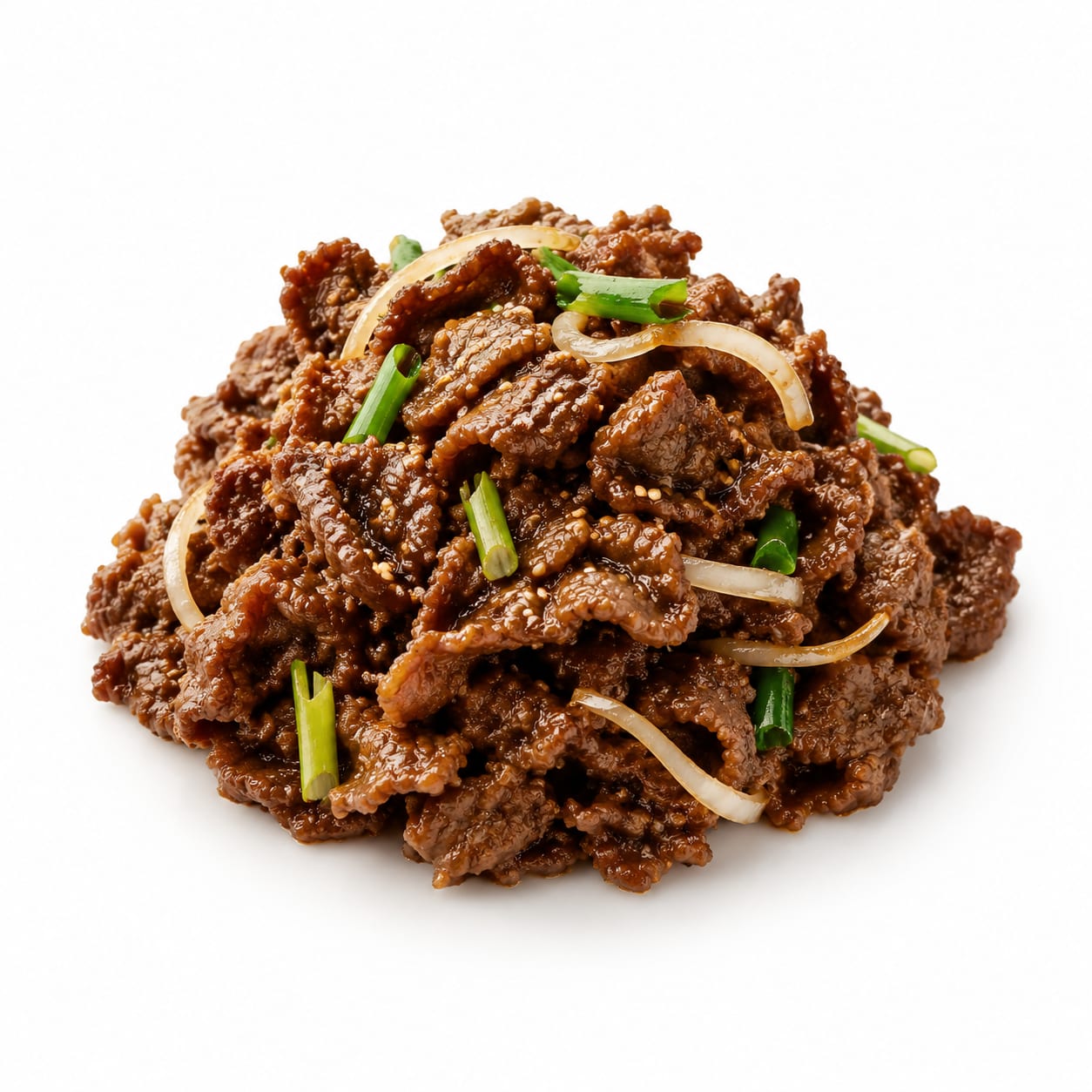
Bulgogi
.jpg)
Pork Belly (Samgyeopsal)
Bulgogi delivers far more protein per calorie and a lighter eating experience, while pork belly is an indulgent fat bomb that tastes incredible but weighs heavily on daily nutrition.
Bulgogi scores significantly higher due to its superior protein-to-calorie ratio, lower saturated fat, and suitability for regular consumption. Pork belly is not without merit — it provides rich flavor and fits keto-style diets — but its extreme fat content and calorie density make it a clear occasional food rather than a staple.
Flavor richness and mouthfeel versus nutritional efficiency — pork belly is satisfying in the moment but calorically expensive, whereas bulgogi gives you lean protein with a sweet-savory marinade at a fraction of the fat.
At a glance
Executive summary
Overall
Bulgogi
Healthier
Bulgogi
More practical
Bulgogi
Daily use
Bulgogi
Key comparison lenses
fat and calorie comparison
Pork belly is one of the fattiest cuts of meat available, while bulgogi uses leaner cuts, making calorie density the most dramatic difference between these two Korean BBQ staples
heart health impact
Saturated fat load differs enormously, directly affecting cardiovascular risk and making this a critical decision factor for health-conscious diners
protein efficiency
Both are protein sources but bulgogi delivers far more protein per calorie, which matters for anyone tracking macros or building muscle
sugar and marinade effects
Bulgogi's sweet marinade adds hidden sugar that pork belly avoids, creating a nuanced tradeoff many people overlook
social dining experience
Both foods are deeply tied to Korean BBQ culture but offer different eating experiences that affect satisfaction and overeating risk
Best choice for
Bulgogi
- Lean protein seekers
- Heart-conscious diners
- Calorie trackers
- Post-workout meals
- Regular weeknight dinners
Pork Belly (Samgyeopsal)
- Celebratory meals
- Keto and low-carb dieters
- Fat-focused eaters
- Special occasion indulgence
- People who find fatty cuts more satiating
Least suitable for
Bulgogi
- Strict low-sugar eaters sensitive to marinade sweetness
- Those seeking maximum calorie density per bite
Pork Belly (Samgyeopsal)
- Anyone watching cholesterol or heart health
- Calorie-restricted diets
- Frequent daily consumption
Deep comparison
Dimension by dimension
Each lens scores both foods and breaks down who each option suits.
- Dimension 1 · Priority 95Bulgogi
Calorie Density and Weight Management
Bulgogi · 78Pork Belly (Samgyeopsal) · 25Bulgogi has roughly half the calories per serving of pork belly, making it far easier to fit into a normal daily intake without overshooting.
Tradeoff
Pork belly's richness means smaller portions feel indulgent, but it is very easy to consume 600+ calories in a single serving without realizing it.
Why it matters
If you eat Korean BBQ regularly, choosing bulgogi over pork belly could save you hundreds of calories per meal with no loss of enjoyment.
Real-world impact
A typical bulgogi serving runs 250-350 calories. A comparable pork belly serving easily hits 500-700 calories. Over weekly Korean BBQ dinners, that difference compounds significantly.
Bulgogi
- Weight maintenance
- Calorie awareness
- Eating larger portions without guilt
Better for
- People who struggle to eat enough calories
Worse for
Pork Belly (Samgyeopsal)
- Bulking diets needing calorie density
- One-meal-a-day eaters needing maximum calories
Better for
- Anyone trying to lose or maintain weight
- People who tend to overeat at BBQ
Worse for
- Dimension 2 · Priority 88Bulgogi
Protein Quality and Efficiency
Bulgogi · 85Pork Belly (Samgyeopsal) · 45Bulgogi delivers substantially more protein per calorie because it uses leaner beef cuts, while pork belly's protein is buried under layers of fat.
Tradeoff
Pork belly still provides complete protein with all essential amino acids, but you pay a massive caloric premium to get it.
Why it matters
For muscle maintenance, recovery, and satiety, protein per calorie matters more than total protein on your plate.
Real-world impact
A 4oz bulgogi serving gives you roughly 25g protein for 280 calories. To get 25g protein from pork belly, you would consume over 600 calories.
Bulgogi
- Muscle gain goals
- High-protein diets
- Athletes and active people
- Older adults preserving muscle mass
Better for
- People avoiding beef for personal or religious reasons
Worse for
Pork Belly (Samgyeopsal)
- Those prioritizing fat over protein for energy
Better for
- Anyone tracking protein macros
- Post-workout recovery meals
Worse for
- Dimension 3 · Priority 90Bulgogi
Heart Health and Saturated Fat
Bulgogi · 70Pork Belly (Samgyeopsal) · 25Pork belly is loaded with saturated fat, which directly raises LDL cholesterol. Bulgogi, while not fat-free, has a much more heart-friendly fat profile.
Tradeoff
Bulgogi still contains some saturated fat from beef, and the marinade adds sodium, so it is not a perfect heart health food either.
Why it matters
Regular consumption of high-saturated-fat meats is one of the most consistent dietary risk factors for cardiovascular disease.
Real-world impact
Eating pork belly weekly versus bulgogi weekly could meaningfully shift your cholesterol numbers over months. This is not theoretical — it is well-documented in research on red and processed meat consumption patterns.
Bulgogi
- People with family history of heart disease
- Cholesterol watchers
- Regular Korean BBQ diners
Better for
- People who also eat high-sodium side dishes with it
Worse for
Pork Belly (Samgyeopsal)
- Those on keto diets who metabolize fat differently
Better for
- Anyone with elevated LDL cholesterol
- People with hypertension risk
- Frequent diners who eat out often
Worse for
- Dimension 4 · Priority 72Pork Belly (Samgyeopsal)
Sugar and Marinade Impact
Bulgogi · 45Pork Belly (Samgyeopsal) · 75Bulgogi's signature sweet marinade adds 8-15g of sugar per serving that pork belly simply does not have since it is typically served unmarinated.
Tradeoff
The sugar makes bulgogi more palatable and kid-friendly but adds empty calories and can spike blood sugar modestly. Pork belly avoids this entirely.
Why it matters
Hidden sugar in savory foods is an overlooked source of excess intake, especially for people managing blood sugar or reducing added sugars.
Real-world impact
If you are strict about added sugar, bulgogi's marinade is a real consideration. A single serving can contain as much sugar as a small dessert.
Bulgogi
- People who prefer sweeter savory flavors
- Children and picky eaters
Better for
- Strict low-sugar lifestyles
- Insulin-resistant individuals
Worse for
Pork Belly (Samgyeopsal)
- Low-sugar and sugar-free diets
- Diabetics monitoring glucose spikes
- Whole30 or clean-eating approaches
Better for
- People who find unseasoned meat bland
Worse for
- Dimension 5 · Priority 78It depends
Satiety and Eating Experience
Bulgogi · 72Pork Belly (Samgyeopsal) · 70Pork belly feels more immediately filling due to its fat content, but bulgogi's protein keeps you satisfied longer after the meal ends.
Tradeoff
Fat provides rapid satiety during eating, while protein delivers sustained fullness hours later. Different mechanisms, different outcomes.
Why it matters
If you tend to snack after Korean BBQ, bulgogi may actually keep you fuller longer despite feeling lighter in the moment.
Real-world impact
After a pork belly meal, you feel stuffed immediately but may feel heavy and sluggish. After bulgogi, you feel satisfied without the food coma, and hunger returns more gradually.
Bulgogi
- Sustained energy after meals
- Avoiding post-meal sluggishness
- Longer-lasting fullness
Better for
- Those who need to feel physically stuffed to stop eating
Worse for
Pork Belly (Samgyeopsal)
- Immediate fullness and satisfaction
- People who eat one large meal and fast
Better for
- People prone to post-meal fatigue
- Those who eat multiple meals per day
Worse for
- Dimension 6 · Priority 68Pork Belly (Samgyeopsal)
Sodium Load
Bulgogi · 40Pork Belly (Samgyeopsal) · 60Bulgogi's soy sauce-based marinade packs a significant sodium punch, while unmarinated pork belly starts with less sodium — though dipping sauces can change this quickly.
Tradeoff
Pork belly only wins on sodium if you go easy on ssamjang and salted condiments. In real-world Korean BBQ dining, both end up high-sodium meals.
Why it matters
Sodium is a silent contributor to hypertension and bloating. The marinade in bulgogi adds sodium before you even sit down.
Real-world impact
A bulgogi serving can contain 800-1200mg sodium from marinade alone. Unmarinated pork belly starts lower, but add ssamjang and you match or exceed that easily.
Bulgogi
- Situations where you control the marinade recipe and can reduce soy sauce
Better for
- Hypertension patients
- People sensitive to salt retention and bloating
Worse for
Pork Belly (Samgyeopsal)
- Diners who skip heavy dipping sauces
- Lower-sodium preparation by default
Better for
- Anyone who loads up on ssamjang and salted side dishes
Worse for
Timeline
Health impact over time
Short-term
Hours to days
Bulgogi
- Moderate blood sugar bump from marinade sugar
- Sodium-related bloating possible
- Comfortable fullness without heaviness
- Steadier post-meal energy
Pork Belly (Samgyeopsal)
- Rapid fullness and potential sluggishness
- Higher digestive load from fat content
- Possible heartburn or indigestion in sensitive people
- Longer digestion time
Long-term
Months to years
Bulgogi
- Better cardiovascular profile with regular consumption
- Easier weight maintenance
- Sustained protein intake supports muscle and bone health
- Marinade sugar is a small but real concern if eaten very frequently
Pork Belly (Samgyeopsal)
- Elevated LDL cholesterol with frequent consumption
- Higher cardiovascular risk if eaten multiple times per week
- Significant calorie surplus risk contributing to weight gain
- Saturated fat load may promote systemic inflammation over time
Risk profile
Safety & processing
Pork belly is closer to its natural state — just sliced raw meat. Bulgogi undergoes marination with soy sauce, sugar, and seasonings that add processing. However, bulgogi's processing is traditional and minimal compared to manufactured foods. Store-bought pre-marinated bulgogi can contain preservatives and MSG, so marinating at home makes a real difference.
Bulgogi
Added sugars from commercial marinades
mediumPre-marinated bulgogi from stores often contains corn syrup, MSG, and preservatives. Homemade marinade avoids most of these concerns.
Sodium overconsumption
mediumSoy sauce-based marinade can push a single serving past 1000mg sodium, which is concerning for salt-sensitive individuals.
Pork Belly (Samgyeopsal)
High saturated fat and cholesterol load
highRegular consumption of fatty pork cuts is strongly linked to elevated LDL cholesterol and increased cardiovascular risk over time.
Trichinosis and pork-borne pathogens
lowModern pork farming has virtually eliminated trichinosis in many countries, but proper cooking to 145°F is still essential.
Nitrates from processed pork belly products
mediumSome pre-sliced or pre-packaged pork belly contains nitrites or preservatives. Fresh cuts from a butcher avoid this entirely.
Who wins for whom
Audience fit
Same foods, different winners depending on your goal.
children
BulgogiBulgogi's sweeter flavor appeals to kids, and its leaner profile supports healthy growth without excessive saturated fat intake.
daily consumption
BulgogiBulgogi can reasonably be eaten multiple times per week without major health concerns. Pork belly should be limited to occasional indulgence.
diabetes
It dependsPork belly avoids the sugar spike from bulgogi's marinade, but bulgogi's lower fat content is better for insulin sensitivity long-term. It depends on which concern is more pressing for the individual.
elderly
BulgogiOlder adults need high-quality protein for muscle preservation and should limit saturated fat for heart health. Bulgogi serves both needs better.
muscle gain
BulgogiSuperior protein-to-calorie ratio supports muscle protein synthesis without excess fat calories that do not contribute to lean mass.
weight loss
BulgogiHalf the calories per serving with double the protein efficiency makes bulgogi the clear choice for anyone in a calorie deficit.
Your move
Decision guide
Choose Bulgogi
- You eat Korean BBQ more than once a week
- You are tracking calories or macros
- Heart health is a priority for you or your family
- You want protein without the fat surplus
- You prefer feeling satisfied but not sluggish after meals
Choose Pork Belly (Samgyeopsal)
- You are on a keto or very low-carb diet
- This is a special occasion and you want maximum indulgence
- You naturally eat small portions and stop when full
- You find fatty meats more satisfying and eat less overall as a result
- You are bulking and need calorie-dense food
Either works if
- You only eat Korean BBQ occasionally and both fit your calorie budget
- You alternate between them for variety
- You share both with a group and eat moderate portions of each
Avoid both if
- You have severe hypertension and cannot handle high-sodium meals
- You are on a strict plant-based diet
- You have gout and need to limit both red meat and pork
- Your doctor has advised reducing all red meat consumption
Final recommendation
Make bulgogi your default Korean BBQ order and treat pork belly as a celebration food. You get the same social experience, the same grill, and the same banchan — but with dramatically better nutrition for everyday life. When you do choose pork belly, enjoy it fully without guilt, just not every week.
Practical
Consumer tips
- 1
Ask for bulgogi marinated in-house rather than pre-packaged to avoid hidden corn syrup and preservatives
- 2
If you choose pork belly, skip the ssamjang and use just a touch of salt to keep sodium manageable
- 3
Wrap both in lettuce leaves with raw garlic and green onion — the fiber helps slow digestion and reduces blood sugar impact
- 4
Share a pork belly order with the table and supplement with bulgogi to get the best of both worlds
- 5
Make bulgogi at home using less sugar and low-sodium soy sauce — you can cut the sugar by half without losing the signature flavor
- 6
Pair either dish with a large portion of banchan vegetables to fill up on fiber before going back for more meat
- 7
If eating pork belly, trim visible fat edges before grilling to reduce some saturated fat without losing the core experience