
Nutrition comparison
Bulgogi vs Unmarinated Ribeye Steak: Nutrition, Sodium, and Health Comparison
Compare Bulgogi and unmarinated ribeye steak on sodium, sugar, fat, protein, and health impact. Learn which fits your diet goals and when each is the better choice.
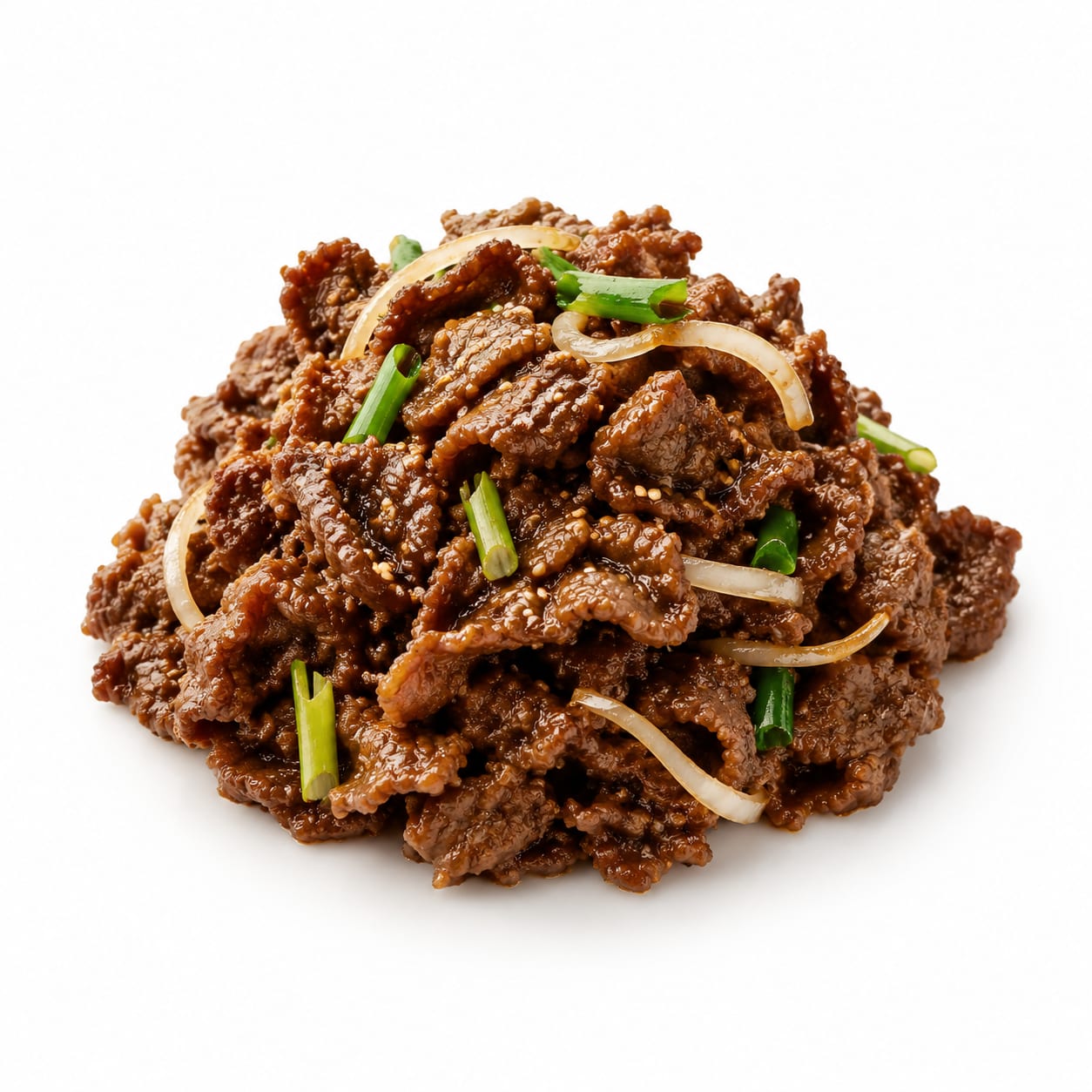
Bulgogi
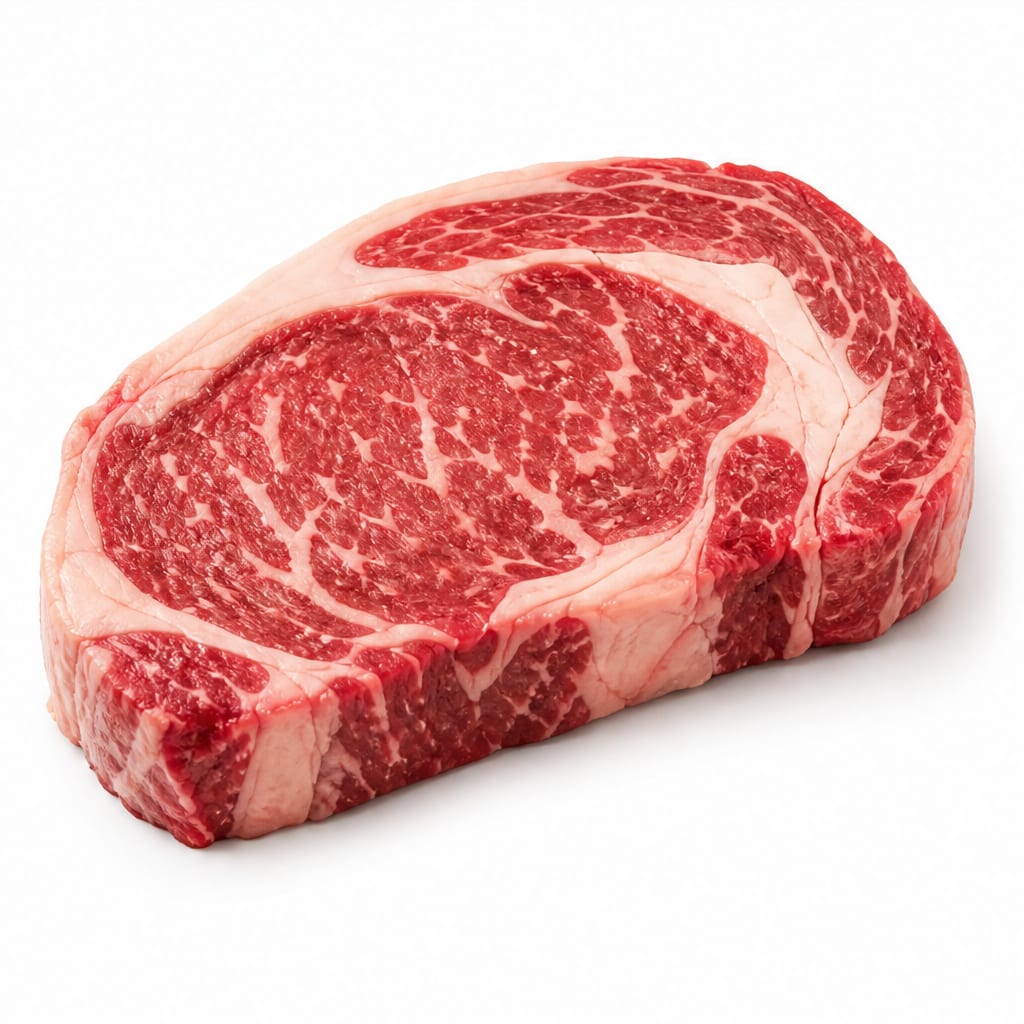
Unmarinated Ribeye Steak
Unmarinated ribeye is cleaner and gives you full control, but Bulgogi offers more exciting flavor with a sodium and sugar tradeoff.
Unmarinated ribeye scores higher due to zero additives, no sugar, and full ingredient control. Bulgogi loses points for sodium load and added sugar, but remains a solid protein source with cultural and enjoyment value.
Flavor convenience and enjoyment versus ingredient purity and sodium control.
At a glance
Executive summary
Overall
It depends
Healthier
Unmarinated Ribeye Steak
More practical
Bulgogi
Daily use
Unmarinated Ribeye Steak
Key comparison lenses
sodium and sugar from marinade
Bulgogi's soy sauce and sugar marinade dramatically changes the nutritional profile compared to plain steak
ingredient control and customization
Unmarinated ribeye gives full control over what goes on your meat, while Bulgogi commits you to a fixed flavor and additive profile
fat content and satiety
Ribeye is one of the fattiest steak cuts, impacting fullness, calories, and heart health considerations differently than leaner Bulgogi cuts
overeating potential
Bulgogi's sweet-savory profile makes it easier to overconsume, while plain ribeye's richness naturally limits portion size
processing and additives
Bulgogi involves marinade ingredients that add processing concerns, whereas unmarinated steak is a single-ingredient whole food
Best choice for
Bulgogi
- People who find plain meat boring and need flavor to stick with protein-heavy meals
- Families wanting a crowd-pleasing dish that everyone will eat
- Those eating Korean cuisine as part of a balanced meal with vegetables
Unmarinated Ribeye Steak
- People monitoring sodium for blood pressure management
- Those avoiding added sugars entirely
- Anyone who wants complete control over every ingredient touching their food
- Keto and carnivore dieters seeking zero-carb protein
Least suitable for
Bulgogi
- People on low-sodium diets
- Those strictly avoiding added sugar
- Anyone sensitive to soy or sesame
Unmarinated Ribeye Steak
- People who dislike rich fatty meat
- Those who find plain steak unappetizing and need flavor to eat enough protein
- Budget-conscious eaters since ribeye is expensive
Deep comparison
Dimension by dimension
Each lens scores both foods and breaks down who each option suits.
- Dimension 1 · Priority 94Unmarinated Ribeye Steak
sodium_load
Bulgogi · 30Unmarinated Ribeye Steak · 90Bulgogi can pack 600-1000mg sodium per serving from soy sauce, while unmarinated ribeye has virtually zero sodium before you season it.
Tradeoff
You get bold umami flavor with Bulgogi but surrender sodium control entirely.
Why it matters
High sodium intake directly raises blood pressure and is one of the most modifiable heart disease risk factors.
Real-world impact
A single Bulgogi meal can deliver half your daily sodium budget before you touch any side dishes.
Bulgogi
- Endurance athletes who lose sodium through heavy sweating
- People who struggle to eat enough and need hyper-palatable food
Better for
- People monitoring blood pressure
- Those with kidney issues requiring sodium restriction
Worse for
Unmarinated Ribeye Steak
- Anyone with hypertension or sodium sensitivity
- People who salt their own food to taste and want control
Better for
- Athletes needing electrolyte replenishment who would under-salt without a marinade
Worse for
- Dimension 2 · Priority 90Unmarinated Ribeye Steak
added_sugar_exposure
Bulgogi · 35Unmarinated Ribeye Steak · 100Bulgogi marinade typically contains sugar, honey, or fruit puree adding 8-15g sugar per serving. Unmarinated ribeye has zero.
Tradeoff
The sugar helps caramelize and tenderize but introduces a blood sugar spike you would not get from plain steak.
Why it matters
Even small amounts of added sugar with savory meals can trigger cravings and disrupt metabolic steadiness.
Real-world impact
That sweet edge makes Bulgogi far easier to overeat than plain steak, especially with rice.
Bulgogi
- Those who find plain meat unappealing and need sweetness to enjoy protein meals
Better for
- Diabetics tracking every gram of sugar
- People prone to sugar cravings triggered by sweet-savory combos
Worse for
Unmarinated Ribeye Steak
- Keto dieters
- People managing insulin resistance
- Anyone cutting hidden sugar sources
Better for
- Nobody really — zero added sugar is universally beneficial here
Worse for
- Dimension 3 · Priority 85Unmarinated Ribeye Steak
protein_quality_and_amount
Bulgogi · 72Unmarinated Ribeye Steak · 88Both deliver excellent complete protein, but ribeye packs more per calorie since Bulgogi uses leaner cuts and marinade adds non-protein calories.
Tradeoff
Bulgogi gives slightly less protein per bite because the marinade adds flavor weight without protein. Ribeye's higher fat also slows digestion for steadier amino acid release.
Why it matters
Protein density matters for muscle maintenance, satiety, and getting enough nutrition without excess calories.
Real-world impact
A 6oz ribeye delivers roughly 40g protein. The same weight of Bulgogi yields closer to 33g once marinade weight is factored in.
Bulgogi
- People who prefer leaner protein sources
Better for
- Bodybuilders tracking precise protein macros
Worse for
Unmarinated Ribeye Steak
- Strength athletes maximizing protein per meal
- Older adults needing efficient protein to prevent muscle loss
Better for
- People avoiding high-fat meats for digestive comfort
Worse for
- Dimension 4 · Priority 88Unmarinated Ribeye Steak
ingredient_purity_and_control
Bulgogi · 40Unmarinated Ribeye Steak · 98Unmarinated ribeye is a single-ingredient whole food. Bulgogi commits you to soy sauce, sugar, sesame oil, and potentially preservatives or MSG.
Tradeoff
Bulgogi's complexity creates deliciousness but removes your ability to adjust or eliminate any single component.
Why it matters
Ingredient control matters enormously for people with allergies, intolerances, or specific dietary protocols.
Real-world impact
With ribeye, you choose the salt, the fat, and the seasoning. With Bulgogi, those decisions were made for you.
Bulgogi
- Home cooks who want a pre-balanced flavor profile without effort
Better for
- Soy-allergic individuals
- Those avoiding hidden ingredients
Worse for
Unmarinated Ribeye Steak
- Anyone with food sensitivities
- Clean-eating advocates
- People following elimination diets
Better for
- Busy cooks who lack time or skill to season meat well
Worse for
- Dimension 5 · Priority 82Unmarinated Ribeye Steak
satiety_and_overeating_risk
Bulgogi · 55Unmarinated Ribeye Steak · 78Ribeye's high fat content creates strong fullness signals. Bulgogi's sweet-savory profile can bypass satiety cues and encourage larger portions.
Tradeoff
Ribeye stops you naturally through richness. Bulgogi keeps you eating through craveability.
Why it matters
Foods that override fullness signals are consistently linked to overconsumption and weight gain over time.
Real-world impact
Most people naturally stop after 8-10oz of ribeye. Bulgogi portions often exceed that because it tastes lighter and more snackable.
Bulgogi
- Underweight individuals who need to eat more
- People with poor appetite who need hyper-palatable food
Better for
- Binge-prone eaters triggered by sweet-savory combinations
Worse for
Unmarinated Ribeye Steak
- Anyone managing portion control
- Emotional eaters who benefit from built-in stopping cues
Better for
- Older adults with naturally low appetite who find rich meat unappealing
Worse for
- Dimension 6 · Priority 78Bulgogi
fat_profile_and_heart_health
Bulgogi · 68Unmarinated Ribeye Steak · 52Bulgogi typically uses leaner cuts with less saturated fat. Ribeye is one of the fattiest steaks, with roughly double the saturated fat per serving.
Tradeoff
Less fat means less heart risk but also less satiety and flavor. Ribeye's richness is both its appeal and its health concern.
Why it matters
Saturated fat from red meat remains a debated but real cardiovascular risk factor when consumed frequently.
Real-world impact
Eating ribeye several times a week adds significant saturated fat to your diet. Bulgogi, using sirloin or lean ribeye, keeps this lower.
Bulgogi
- People watching cholesterol
- Those eating red meat multiple times per week
Better for
- Nobody specifically — less saturated fat is broadly beneficial
Worse for
Unmarinated Ribeye Steak
- Keto dieters seeking high fat intake
- People who eat red meat occasionally and want maximum satisfaction
Better for
- People with existing heart disease
- Those with genetically high cholesterol
Worse for
- Dimension 7 · Priority 70Bulgogi
meal_versatility_and_pairing
Bulgogi · 85Unmarinated Ribeye Steak · 65Bulgogi pairs effortlessly with rice, vegetables, and wraps in a complete meal structure. Ribeye stands alone as a centerpiece that needs thoughtful sides.
Tradeoff
Bulgogi is designed to be part of a balanced plate. Ribeye demands you build the rest of the meal yourself.
Why it matters
Meals that naturally incorporate vegetables and whole grains are consistently healthier than meat-centric plates.
Real-world impact
A Bulgogi dinner almost always includes lettuce wraps, kimchi, and vegetables. A ribeye dinner often means steak and potatoes with minimal greens.
Bulgogi
- Families wanting built-in vegetable pairings
- People who eat better when the meal structure encourages balance
Better for
- Low-carb eaters who find the rice pairing tempting
Worse for
Unmarinated Ribeye Steak
- Steak enthusiasts who deliberately plan nutrient-dense sides
- Those who prefer simple meat-and-salad meals
Better for
- People who default to steak-and-fries when no meal structure guides them
Worse for
Timeline
Health impact over time
Short-term
Hours to days
Bulgogi
- Quick energy from marinade sugar, possible blood sugar spike
- Thirst and bloating from high sodium intake
- More likely to eat larger portions due to craveable flavor
Unmarinated Ribeye Steak
- Strong and lasting fullness from high fat and protein content
- Steady blood sugar with no carbohydrate load
- Possible sluggishness after a large portion due to fat digestion time
Long-term
Months to years
Bulgogi
- Frequent consumption may contribute to elevated blood pressure from sodium
- Added sugar intake adds up if Bulgogi is a regular meal
- Leaner protein choice supports heart health when portions are controlled
Unmarinated Ribeye Steak
- High saturated fat intake may raise LDL cholesterol if eaten frequently
- Zero sugar exposure supports metabolic health long-term
- Complete ingredient control allows adaptation as health needs change
Risk profile
Safety & processing
Bulgogi is processed through marination with soy sauce, sugar, and sometimes MSG or preservatives in store-bought versions. Unmarinated ribeye is as close to unprocessed as animal protein gets — just beef, nothing else.
Bulgogi
Sodium-related health effects
mediumRegular high sodium intake from soy sauce-based marinade contributes to hypertension risk over time, especially if eaten frequently.
Added sugar contribution
lowModerate sugar per serving but becomes significant with frequent consumption or large portions.
Commercial marinade additives
mediumStore-bought Bulgogi marinades may contain MSG, preservatives, or artificial flavor enhancers not present in homemade versions.
Unmarinated Ribeye Steak
High saturated fat intake
mediumRibeye is among the fattiest cuts. Regular consumption may impact cardiovascular health, particularly for those with existing risk factors.
Heme iron excess
lowVery high heme iron intake from frequent red meat consumption is associated with increased oxidative stress and colorectal cancer risk.
Cooking carcinogen formation
lowHigh-heat cooking of fatty meat can produce heterocyclic amines and polycyclic aromatic hydrocarbons, especially with charring.
Who wins for whom
Audience fit
Same foods, different winners depending on your goal.
children
BulgogiBulgogi's sweet and savory flavor is far more appealing to kids, and the leaner protein is appropriate for growing bodies. Most children find plain steak too rich or boring.
daily consumption
Unmarinated Ribeye SteakZero additives and full ingredient control make unmarinated ribeye more sustainable as a regular protein choice, assuming you vary your protein sources overall.
diabetes
Unmarinated Ribeye SteakZero carbohydrates and no added sugar make unmarinated ribeye safer for blood sugar management. Bulgogi's sugar content, while modest, adds unnecessary glucose load.
elderly
BulgogiBulgogi uses more tender meat and the marinade softens texture further, making it easier to chew and digest. Leaner protein is also more appropriate for older cardiovascular systems.
muscle gain
Unmarinated Ribeye SteakMore protein per serving and higher calorie density supports the caloric surplus needed for muscle building, with steady amino acid release from fat content.
weight loss
Unmarinated Ribeye SteakRibeye's high fat and protein create stronger satiety with zero sugar, making it easier to eat less overall despite higher calorie density per ounce.
Your move
Decision guide
Choose Bulgogi
- You want a crowd-pleasing meal that pairs naturally with vegetables and rice
- Plain meat bores you and flavor helps you stick with protein-focused eating
- You are cooking for kids or picky eaters who need appealing flavors
- You are eating Korean food as part of a traditional balanced meal structure
Choose Unmarinated Ribeye Steak
- You are monitoring sodium or blood pressure
- You want zero added sugar and complete control over every ingredient
- You are following keto, carnivore, or a strict whole-food protocol
- You find rich fatty meat satisfying and naturally portion-limiting
Either works if
- You eat red meat only occasionally and both fit your lifestyle
- You are getting adequate protein and neither choice creates a nutritional gap
- You alternate between flavor-driven and purity-driven eating approaches
Avoid both if
- You have gout and need to limit red meat and purine intake
- You are strictly plant-based for health or ethical reasons
- You have been advised to eliminate red meat entirely by your doctor
Final recommendation
If health purity and control matter most, unmarinated ribeye is the cleaner choice. If enjoyment, cultural experience, and meal balance drive your eating, Bulgogi delivers more satisfaction with acceptable tradeoffs — just watch portion sizes and sodium from the rest of your day.
Practical
Consumer tips
- 1
Make Bulgogi at home using low-sodium soy sauce and less sugar to capture most of the flavor with fewer health tradeoffs
- 2
Let unmarinated ribeye rest after cooking for 5-8 minutes to maximize tenderness without needing a marinade
- 3
If buying pre-marinated Bulgogi, check labels for MSG, high-fructose corn syrup, and sodium content — they vary wildly between brands
- 4
Pair Bulgogi with extra vegetables and less rice to balance the sodium and sugar load
- 5
Season ribeye simply with salt, pepper, and garlic rather than compound butters to keep the ingredient profile clean
- 6
Choose grass-fed ribeye when available for a better omega-3 to omega-6 fat ratio
- 7
Freeze Bulgogi in the marinade for 2-3 hours before cooking — the ice crystals tenderize the meat further without extra sodium