
Nutrition comparison
Bulgogi vs Galbi: Which Korean BBQ Is Healthier?
Compare Bulgogi and Galbi nutrition including calories, fat, protein, and sodium. Find out which Korean BBQ dish is better for weight loss, muscle gain, and everyday eating.
Overall winner · Bulgogi
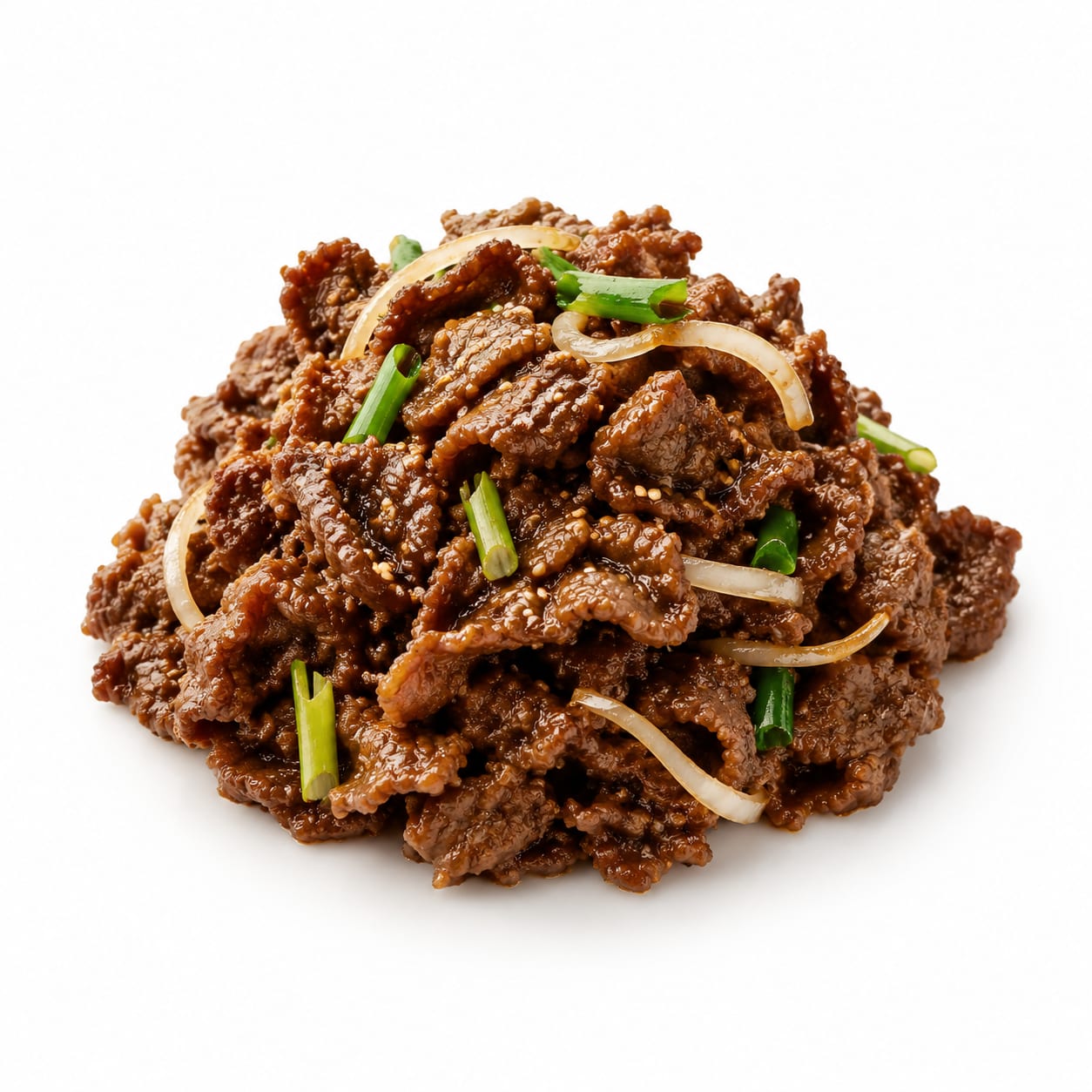
Bulgogi
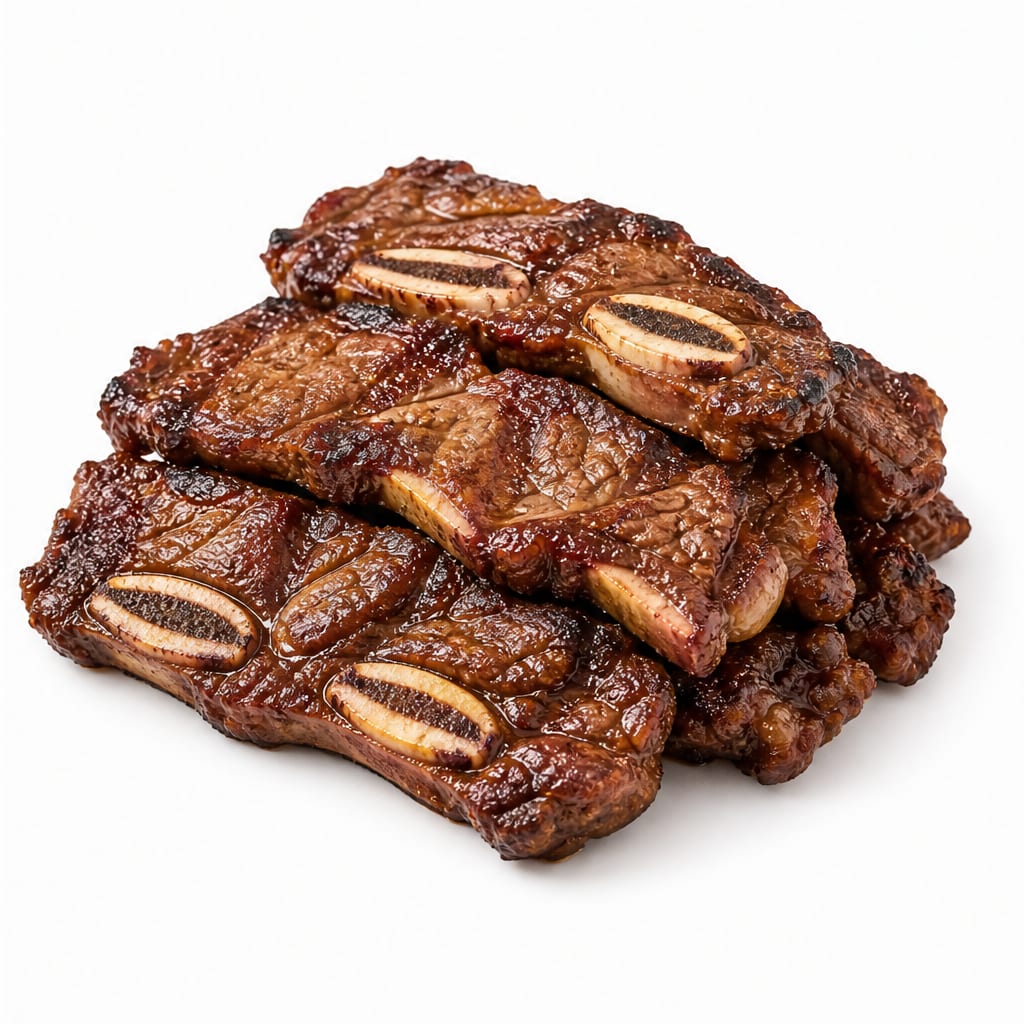
Galbi
Bulgogi delivers similar flavor with far less fat and fewer calories, making it the smarter regular choice. Galbi is richer and more indulgent but comes with a heavier nutritional price tag.
Bulgogi scores notably higher because its leaner cut delivers strong protein with far less saturated fat and fewer calories. Galbi loses ground on fat content and calorie density but remains a satisfying choice for occasional enjoyment.
Galbi offers more satisfying richness from short rib fat, but Bulgogi gives you noticeably more protein per calorie and is easier to fit into a balanced diet.
At a glance
Executive summary
Overall
Bulgogi
Healthier
Bulgogi
More practical
Bulgogi
Daily use
Bulgogi
Key comparison lenses
fat and calorie comparison
Galbi uses short ribs which are dramatically fattier than the leaner cuts used for Bulgogi, making this the single biggest differentiator
protein efficiency
Users choosing between these dishes for fitness goals need to know which delivers more protein per calorie
sodium and sugar load
Both rely on soy sauce and sugar-based marinades, but portion sizes and marinade ratios differ significantly
everyday vs special occasion
Galbi is typically a restaurant or celebration dish while Bulgogi is more weeknight-friendly
heart health impact
Saturated fat difference between lean beef cuts and short ribs matters for cardiovascular risk
Best choice for
Bulgogi
- Lean protein goals and macro tracking
- Weeknight dinners where you want Korean flavor without the calorie hit
- Anyone watching saturated fat or cholesterol
- Meal prep and leftovers
Galbi
- Special occasions and celebrations
- When you want maximum richness and satisfaction from a smaller portion
- Sharing-style dining where everyone eats a few pieces
- Those who find lean meat unsatisfying and end up overeating
Least suitable for
Bulgogi
- Those seeking maximum indulgence and richness
- Very low-carb eaters who rely on fat for satiety
Galbi
- Daily or frequent consumption
- Anyone strictly managing calories or saturated fat
- People with high cholesterol or heart disease risk
Deep comparison
Dimension by dimension
Each lens scores both foods and breaks down who each option suits.
- Dimension 1 · Priority 95Bulgogi
calorie_density
Bulgogi · 75Galbi · 45Bulgogi typically runs 250-350 calories per serving while Galbi can easily hit 450-650 calories for a similar portion due to short rib marbling.
Tradeoff
Galbi's fat makes each bite more satisfying, but you consume significantly more calories before feeling full.
Why it matters
If you eat Korean BBQ regularly, this calorie gap compounds fast. Two Galbi meals per week versus Bulgogi could mean an extra pound per month.
Real-world impact
A typical Galbi dinner can quietly deliver 800+ calories before sides, while a Bulgogi dinner with the same sides stays closer to 500-600.
Bulgogi
- Weight management
- Calorie tracking
- Eating larger portions without overshooting
Better for
- People who find lean meat unsatisfying and snack later
Worse for
Galbi
- Keto or very low-carb approaches
- Those who prefer eating less volume but more richness
Better for
- Consistent calorie surplus without realizing it
Worse for
- Dimension 2 · Priority 88Bulgogi
protein_quality_and_efficiency
Bulgogi · 82Galbi · 65Bulgogi delivers more protein per calorie because the leaner cut has a higher protein-to-fat ratio. Both offer complete high-quality protein from beef.
Tradeoff
Galbi still provides solid protein, but you are paying a high fat calorie toll to get it.
Why it matters
For anyone tracking macros or eating after a workout, Bulgogi gets you closer to your protein target without blowing past your fat budget.
Real-world impact
A 4oz serving of Bulgogi might give you 28g protein with 10g fat. The same Galbi portion could be 24g protein with 28g fat.
Bulgogi
- Post-workout meals
- Lean bulk phases
- High-protein diets with fat limits
Better for
- Very low-carb diets where fat intake is intentional
Worse for
Galbi
- Those who do not track macros and just want to enjoy the meal
Better for
- Anyone trying to hit high protein targets while staying lean
Worse for
- Dimension 3 · Priority 82Bulgogi
saturated_fat_and_heart_health
Bulgogi · 70Galbi · 40Short ribs are one of the fattiest beef cuts, packing significantly more saturated fat than the sirloin or tenderloin typically used for Bulgogi.
Tradeoff
The fat is what makes Galbi taste incredible, but it is also what makes it a tougher sell for heart health.
Why it matters
Regular saturated fat intake above recommended levels raises LDL cholesterol over time. Galbi makes it easy to exceed those limits in a single meal.
Real-world impact
One Galbi meal can deliver 15-25g saturated fat, which is near or above the full daily recommended limit for many adults.
Bulgogi
- Heart-conscious eaters
- People with family history of cardiovascular disease
- Those managing high cholesterol
Better for
- No significant downside here
Worse for
Galbi
- Occasional indulgence where heart health impact is minimal
Better for
- Regular consumption could meaningfully raise cardiovascular risk over time
Worse for
- Dimension 4 · Priority 78It depends
sodium_load
Bulgogi · 55Galbi · 50Both dishes rely heavily on soy sauce marinades, delivering high sodium. Galbi sometimes uses slightly less marinade per ounce of meat, but the difference is small and preparation-dependent.
Tradeoff
Neither dish is low-sodium. The real factor is how much you eat and what sides accompany it.
Why it matters
Korean BBQ meals often include kimchi, soups, and dipping sauces that push total sodium well above daily limits regardless of which meat you choose.
Real-world impact
A full Korean BBQ dinner with either meat can easily deliver 2000-3500mg sodium before you count banchan.
Bulgogi
- Slightly less sodium per typical serving due to leaner meat absorbing marginally less marinade
Better for
- Thin slices soak up more marinade surface area per gram of meat
Worse for
Galbi
- Thicker cuts may retain less marinade per bite compared to thinly sliced Bulgogi
Better for
- Larger portions consumed due to richness can increase total sodium intake
Worse for
- Dimension 5 · Priority 75Galbi
satiety_and_satisfaction
Bulgogi · 65Galbi · 85Galbi's higher fat content makes it more immediately satisfying and longer-lasting in terms of fullness. The richness also means you may naturally stop eating sooner.
Tradeoff
You feel more satisfied with Galbi, but that satisfaction comes with a heavy caloric cost that may not be worth it for everyday meals.
Why it matters
People who feel unsatisfied after lean meat meals often compensate with snacking, which can erase the calorie advantage of choosing Bulgogi.
Real-world impact
After a Bulgogi meal you might want dessert or a snack within two hours. After Galbi, you are more likely to feel content for three to four hours.
Bulgogi
- Those who prefer lighter meals that do not leave them sluggish
Better for
- May not feel like a complete meal without substantial sides
Worse for
Galbi
- People who struggle with between-meal cravings
- Those who find lean meat leaves them hungry
Better for
- Heavy fullness can feel uncomfortable or cause food coma
Worse for
- Dimension 6 · Priority 70Bulgogi
sugar_and_marinade_load
Bulgogi · 58Galbi · 48Both use sweet marinades with sugar, pear, or honey. Galbi marinade is often sweeter to balance the fattier cut, and the thicker pieces can carry more sugary glaze per bite.
Tradeoff
The sugar difference is moderate but real, especially for those monitoring blood sugar or carb intake closely.
Why it matters
Each tablespoon of Korean BBQ marinade can contain 4-8g sugar. Over a full meal, this adds up meaningfully for diabetics or low-carb eaters.
Real-world impact
A Galbi meal might deliver 15-25g sugar from marinade alone, while Bulgogi might be closer to 10-18g.
Bulgogi
- Blood sugar management
- Lower carb approaches
Better for
- Still contains significant sugar from marinade
Worse for
Galbi
- The sweetness enhances the rich fatty flavor in a way that feels more balanced
Better for
- Higher sugar content compounds the already high calorie load
Worse for
- Dimension 7 · Priority 68Bulgogi
practicality_and_cost
Bulgogi · 80Galbi · 50Bulgogi is faster to cook, easier to find pre-marinated at Korean markets, cheaper per pound, and works better for meal prep. Galbi requires bone-in cuts, longer marinating, and costs significantly more.
Tradeoff
Galbi feels more special and impressive, but Bulgogi is the realistic weeknight choice that you can actually make regularly.
Why it matters
The best healthy food choice is the one you can consistently prepare and enjoy. Bulgogi wins on sustainability.
Real-world impact
Short ribs cost 2-3x more per pound than the cuts used for Bulgogi. A family dinner of Galbi can easily cost double.
Bulgogi
- Weeknight cooking
- Meal prep and leftovers
- Budget-conscious households
Better for
- May feel too casual for special occasions
Worse for
Galbi
- Impressive dinner parties
- Weekend or celebration meals
Better for
- Cost and effort make frequent preparation unrealistic
Worse for
Timeline
Health impact over time
Short-term
Hours to days
Bulgogi
- Steadier energy after eating with less food coma
- Moderate sodium may cause mild bloating
- Easier to eat a reasonable portion and stop
Galbi
- Heavier post-meal fullness that can feel sluggish
- Higher fat and sodium may trigger thirst for hours
- Richness can cause mild digestive discomfort if you eat too much
Long-term
Months to years
Bulgogi
- More sustainable for regular consumption without weight gain
- Lower saturated fat intake supports healthier cholesterol over time
- Still high in sodium so blood pressure monitoring matters
Galbi
- Frequent consumption could raise LDL cholesterol and cardiovascular risk
- Higher calorie density makes gradual weight gain more likely if eaten often
- The combination of high fat, sodium, and sugar is tough on metabolic health weekly
Risk profile
Safety & processing
Both are whole muscle meats with natural marinade ingredients like soy sauce, garlic, pear, and sesame oil. The processing concern is minimal and similar for both. Store-bought pre-marinated versions may include preservatives or MSG, but homemade versions are clean. Neither is ultra-processed.
Bulgogi
Heterocyclic amines from high-heat grilling
mediumThin slices cook fast at high heat, which can create HCAs. Marinating beforehand reduces this risk significantly.
Foodborne illness from undercooking
lowThin cuts cook through quickly, making undercooking less likely than with thicker meats.
Galbi
Heterocyclic amines from high-heat grilling
mediumThicker cuts with more fat drippings can create more HCAs and polycyclic aromatic hydrocarbons when fat hits the flame.
Undercooking near the bone
mediumBone-in short ribs need more careful cooking to ensure food safety, especially at Korean BBQ restaurants where diners cook themselves.
Who wins for whom
Audience fit
Same foods, different winners depending on your goal.
children
It dependsBulgogi is easier for kids to chew and portion. Galbi's bone-in format can be fun but poses a choking hazard for very young children.
daily consumption
BulgogiLower calorie density, less saturated fat, and easier preparation make Bulgogi a realistic everyday option. Galbi is better reserved for a few times per month.
diabetes
BulgogiLower sugar marinade absorption and less fat means better blood sugar control, though both require monitoring carb content from marinade and sides.
elderly
BulgogiLeaner meat is gentler on digestion and cardiovascular health, both of which are bigger concerns for older adults.
muscle gain
BulgogiHigher protein per calorie supports lean muscle growth without excess fat that can complicate clean bulking.
weight loss
BulgogiBulgogi provides strong protein satisfaction with significantly fewer calories and less fat, making it far easier to maintain a calorie deficit.
Your move
Decision guide
Choose Bulgogi
- You eat Korean BBQ more than once a week
- You are tracking calories, macros, or trying to lean out
- Heart health or cholesterol is a concern for you
- You want an easy weeknight meal that reheats well
- You are meal prepping protein for the week
Choose Galbi
- It is a special occasion and you want the most satisfying option
- You are eating keto and welcome the extra fat
- You find lean meat unsatisfying and end up overeating anyway
- You are sharing with a group and everyone will have a moderate portion
- You simply love the taste of short ribs and nothing else hits the same
Either works if
- You are eating at a Korean BBQ restaurant and will have small portions of both
- Your main concern is sodium and both are equally problematic
- You are pairing with lots of vegetables and the meat difference becomes smaller
Avoid both if
- You have severe sodium restrictions or uncontrolled hypertension
- You are on a strict low-sugar diet and cannot account for marinade carbs
- You have gout and need to limit red meat entirely
Final recommendation
Make Bulgogi your default and treat Galbi as the special-occasion dish it was traditionally meant to be. You get 80% of the satisfaction with roughly half the fat and calories. When you do choose Galbi, enjoy it mindfully with plenty of vegetable banchan and let the richness speak for itself without overeating.
Practical
Consumer tips
- 1
Ask for less sugar in the marinade when ordering at restaurants — both dishes benefit from this simple request
- 2
Pair either dish with lots of lettuce wraps and grilled vegetables to reduce the effective calorie density of the meal
- 3
If making Bulgogi at home, use pear instead of sugar for natural sweetness with added fiber and enzymes
- 4
Drain excess marinade before grilling to reduce both sugar and sodium intake significantly
- 5
For Galbi, trim visible fat before marinating to cut saturated fat by 20-30% without losing much flavor
- 6
Choose steamed rice over fried rice as a side — the meat already carries enough fat and flavor
- 7
Restaurant Galbi portions are often double what you need — consider sharing one order between two people
- 8
If you meal prep Bulgogi, it stays good for 3-4 days and the flavor actually improves overnight