
Nutrition comparison
Bulgogi vs Gyros Meat: Nutrition, Health & Taste Compared
Is Bulgogi healthier than Gyros Meat? Compare calories, fat, sodium, and processing levels to see which savory protein is right for your diet.
Overall winner · Bulgogi
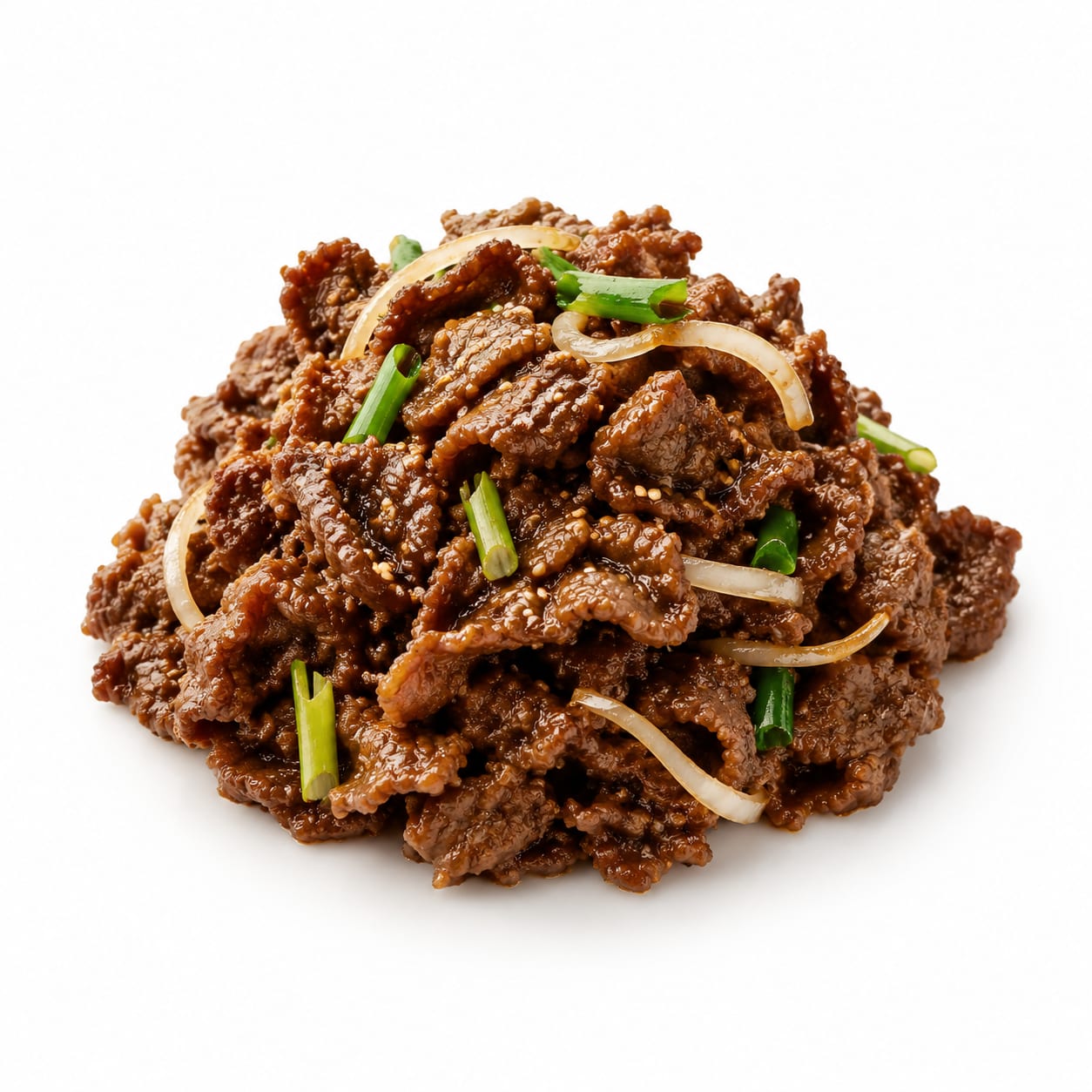
Bulgogi
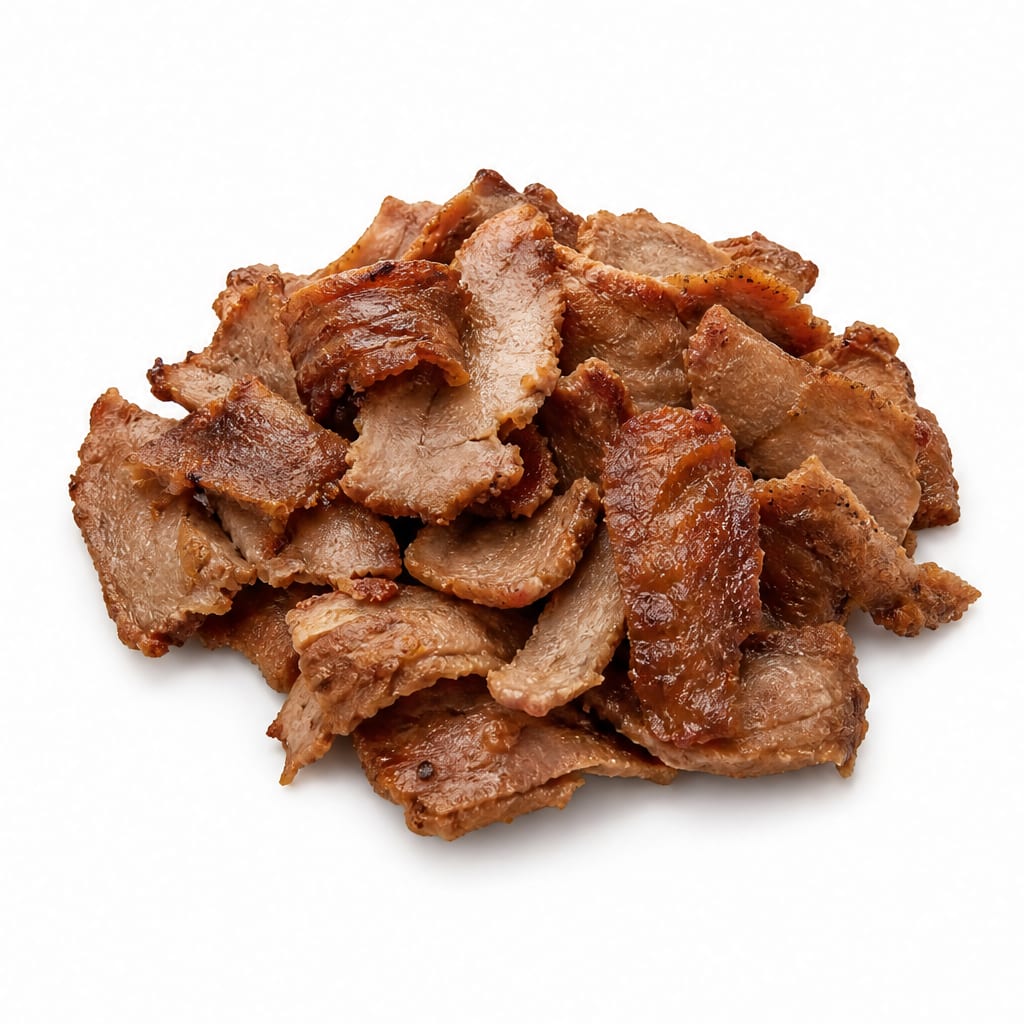
Gyros Meat
Bulgogi is generally leaner and less processed, making it the healthier everyday choice, while Gyros Meat is richer and more indulgent but comes with higher fat and processing concerns.
Bulgogi scores higher due to being a whole food with a better protein-to-fat ratio. Gyros Meat loses significant points for its processed nature and high saturated fat content, though it remains a satisfying option in moderation.
Leaner whole-meat simplicity versus richer, fattier, processed convenience.
At a glance
Executive summary
Overall
Bulgogi
Healthier
Bulgogi
More practical
It depends
Daily use
Bulgogi
Key comparison lenses
processed meat health risks
Gyros Meat is often a processed composite loaf, while Bulgogi is typically whole muscle meat, creating a major health divergence
fat and calorie density
Gyros Meat is significantly fattier and more calorie-dense than the leaner beef cuts used for Bulgogi
sodium load comparison
Both foods are sodium-heavy due to soy sauce and salt curing, impacting blood pressure and hydration
sugar and marinade impact
Bulgogi uses a sweet marinade containing sugar or fruit, whereas Gyros Meat is savory with minimal sugar
Best choice for
Bulgogi
- People prioritizing whole foods over processed meats
- Those managing calorie and fat intake
- Home cooks wanting control over ingredients
- Families looking for a kid-friendly protein
Gyros Meat
- Those following high-fat or keto eating styles
- People craving intense savory satisfaction
- Anyone needing quick, grab-and-go street food
- Those wanting minimal sugar in their meal
Least suitable for
Bulgogi
- People strictly avoiding all added sugars
- Those who need zero-prep convenience food
Gyros Meat
- People with high blood pressure or heart conditions
- Those avoiding processed meats
- Anyone strictly counting calories or watching fat intake
Deep comparison
Dimension by dimension
Each lens scores both foods and breaks down who each option suits.
- Dimension 1 · Priority 90Bulgogi
Fat and Calorie Density
Bulgogi · 75Gyros Meat · 40Bulgogi is notably leaner, while Gyros Meat is calorie-dense and high in fat.
Tradeoff
You trade the rich, satisfying mouthfeel of Gyros Meat for the lighter, cleaner energy profile of Bulgogi.
Why it matters
High-fat meals can lead to sluggishness and easily overshoot daily calorie limits without providing more satiety.
Real-world impact
A standard Gyros Meat portion can pack double the calories of a Bulgogi portion, making you feel heavier afterward.
Bulgogi
- Weight management
- Lighter lunches
- Lean muscle diets
Better for
- Those needing extreme calorie surplus easily
Worse for
Gyros Meat
- Keto and low-carb diets
- Extended outdoor activities needing calorie density
Better for
- Sedentary days
- Heart-healthy diets
Worse for
- Dimension 2 · Priority 88Bulgogi
Processing and Additives
Bulgogi · 82Gyros Meat · 38Bulgogi is typically whole sliced beef, whereas Gyros Meat is often a compressed loaf with binders and preservatives.
Tradeoff
Whole muscle integrity and cleaner labels versus the convenience and specific texture of a formed meat cone.
Why it matters
Processed meats are linked to higher long-term health risks, while whole meats offer more predictable nutrient profiles.
Real-world impact
Choosing Bulgogi means eating real steak strips; choosing Gyros Meat often means consuming a mix of meats with added stabilizers.
Bulgogi
- Clean eating goals
- Minimizing artificial ingredients
- Long-term health prioritization
Better for
- None for health
Worse for
Gyros Meat
- Consistent texture in fast food prep
- Cost-effective bulk serving
Better for
- Avoiding nitrates and binders
- Sensitive digestion
Worse for
- Dimension 3 · Priority 80Bulgogi
Sodium Load
Bulgogi · 48Gyros Meat · 35Both are salty, but Gyros Meat often contains significantly more sodium from curing and seasoning.
Tradeoff
Bulgogi's soy sauce marinade is salty, but Gyros Meat's commercial preparation pushes sodium to extreme levels.
Why it matters
High sodium intake directly impacts blood pressure and can cause bloating or intense thirst.
Real-world impact
Eating Gyros Meat can easily use up half your daily sodium allowance, leaving you reaching for water all afternoon.
Bulgogi
- Moderate sodium diets
- Better blood pressure management
Better for
- Strict low-sodium diets
Worse for
Gyros Meat
- Extremely heavy sweaters needing sodium replacement
Better for
- Heart conditions
- Hypertension management
Worse for
- Dimension 4 · Priority 65Gyros Meat
Sugar and Carbohydrate Impact
Bulgogi · 55Gyros Meat · 80Bulgogi contains added sugar or fruit puree in its marinade, while Gyros Meat is essentially sugar-free.
Tradeoff
The caramelized sweetness of Bulgogi comes with a few grams of sugar, whereas Gyros Meat is purely savory.
Why it matters
Even small amounts of added sugar can affect blood sugar stability and trigger cravings for some people.
Real-world impact
Bulgogi's sweetness might leave you craving dessert, while Gyros Meat keeps your palate grounded in savory flavors.
Bulgogi
- Those not sensitive to small sugar amounts
- Kids who prefer sweeter foods
Better for
- Zero-sugar diets
- Severe insulin resistance
Worse for
Gyros Meat
- Strict keto dieters
- Those managing blood sugar spikes
- Sugar-free lifestyles
Better for
- Those who find purely savory meals unsatisfying
Worse for
- Dimension 5 · Priority 70Gyros Meat
Satiety and Comfort
Bulgogi · 70Gyros Meat · 85Gyros Meat feels heavier and more filling due to its high fat content, while Bulgogi is satisfying but lighter.
Tradeoff
Deep, long-lasting fullness from Gyros Meat versus the comfortable, non-bloated satiety of Bulgogi.
Why it matters
Fat delays stomach emptying, meaning Gyros Meat will keep you full longer, but might also make you feel sluggish.
Real-world impact
Gyros Meat is ideal when you need one meal to hold you for six hours; Bulgogi is better when you want energy after eating.
Bulgogi
- Avoiding food comas
- Pre-workout meals
- Busy afternoons requiring alertness
Better for
- Extreme physical labor days needing maximum calories
Worse for
Gyros Meat
- Long shifts without breaks
- Cold days needing comfort food
Better for
- Post-lunch focus at a desk job
Worse for
Timeline
Health impact over time
Short-term
Hours to days
Bulgogi
- Quick, steady energy from lean protein
- Mild blood sugar bump from marinade sugars
- Less post-meal sluggishness
Gyros Meat
- Heavy fullness that delays hunger
- Potential for bloating or indigestion due to high fat
- Thirst triggered by high sodium
Long-term
Months to years
Bulgogi
- Manageable heart health if lean cuts are chosen
- Sodium can creep up if eaten very frequently
- Moderate red meat consumption is generally low-risk
Gyros Meat
- Increased cardiovascular risk from processed meat and saturated fat
- Higher blood pressure risk from extreme sodium
- Potential increased cancer risk linked to processed meat consumption
Risk profile
Safety & processing
Bulgogi is typically made from whole slices of beef marinated in natural ingredients. Gyros Meat is often a composite of ground meats mixed with binders, preservatives, and sodium phosphates to hold its shape on a rotisserie.
Bulgogi
Heterocyclic amines (HCAs)
mediumCharring Bulgogi on a hot grill can create HCAs, which are linked to cancer. Marinating helps reduce this, but avoid burning.
Sodium overload
mediumSoy sauce brings heavy sodium, which can spike blood pressure if portions are large.
Gyros Meat
Processed meat carcinogens
highCommercial Gyros Meat is classified as processed meat, which the WHO links to increased cancer risk, particularly colorectal cancer.
Foodborne illness from holding temps
mediumRotisserie meat must be carefully managed; the outer cooked layer and inner raw layer can pose bacterial risks if not sliced and cooked properly.
Extreme sodium
highThe combination of salt, curing agents, and seasoning makes Gyros Meat a top-tier sodium bomb.
Who wins for whom
Audience fit
Same foods, different winners depending on your goal.
children
BulgogiBulgogi is a whole food with a sweeter, milder flavor kids enjoy, free from the heavy processing and extreme sodium of Gyros Meat.
daily consumption
BulgogiWhole meats are far safer for daily consumption than processed deli-style meats like Gyros, which should be limited.
diabetes
It dependsGyros Meat has almost no sugar, which is great for blood sugar, but its high saturated fat can worsen insulin resistance. Bulgogi has some sugar but is a whole food. Portion control decides the winner here.
elderly
BulgogiBulgogi is easier to chew and gentler on the cardiovascular system, making it a safer choice for aging hearts and blood pressure.
muscle gain
BulgogiBulgogi offers a superior protein-to-fat ratio, delivering more muscle-building amino acids per calorie consumed.
weight loss
BulgogiBulgogi provides high protein with significantly fewer calories and less fat, making it much easier to fit into a calorie deficit.
Your move
Decision guide
Choose Bulgogi
- You want a cleaner, leaner protein source
- You are cooking at home and want control over sugar and salt
- You are eating for sustained energy without the heavy food coma
Choose Gyros Meat
- You are craving a rich, savory, high-fat comfort meal
- You follow a low-carb or keto diet and want zero sugar
- You need a filling street food meal that will hold you over for hours
Either works if
- You need a high-protein centerpiece for a wrap or bowl
- You are comfortable balancing the rest of your day's sodium and fat intake
Avoid both if
- You are on a strict low-sodium diet for kidney or heart issues
- You are trying to eliminate all red meat from your diet
Final recommendation
Make Bulgogi your go-to for everyday meals and meal prep. Save Gyros Meat for occasional cravings or when you specifically want that rich, indulgent comfort food experience. The processing and fat differences make Bulgogi the clear winner for regular consumption.
Practical
Consumer tips
- 1
Ask for leaner cuts like sirloin when making Bulgogi to keep the fat even lower
- 2
Make Bulgogi at home using low-sodium soy sauce and a sugar substitute to maximize its health profile
- 3
If ordering Gyros, ask for less meat and load up on fresh veggies like tomatoes and onions to balance the plate
- 4
Pat down Gyros Meat with a napkin to remove excess grease and save a few grams of fat
- 5
Pair Bulgogi with a large portion of steamed vegetables instead of rice to keep the meal light and filling