
Nutrition comparison
Bulgogi vs Teriyaki Beef: Which is Healthier?
Compare Bulgogi and Teriyaki Beef on sugar, sodium, and ingredients. Find out which marinated beef is better for weight loss, meal prep, and clean eating.
Overall winner · Bulgogi
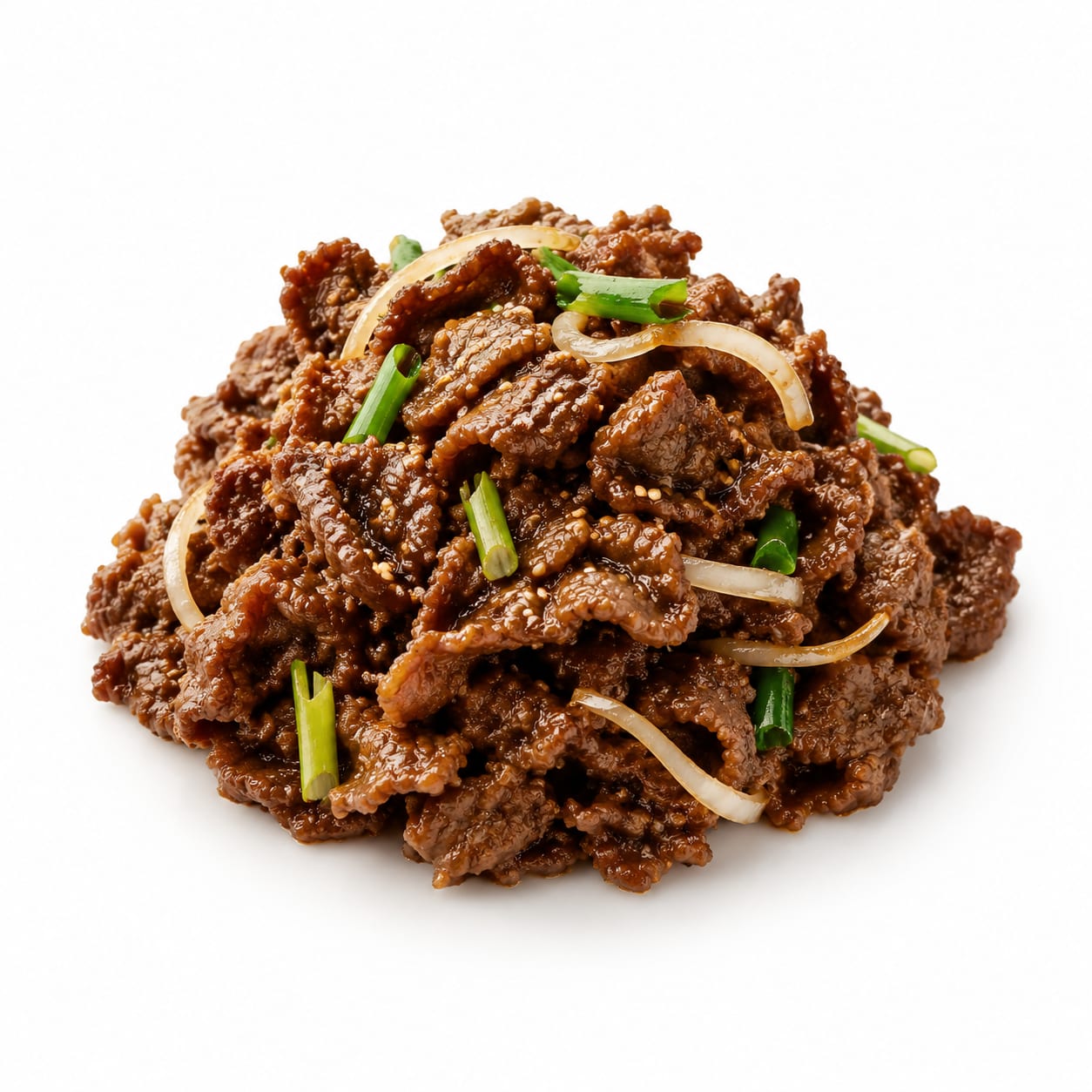
Bulgogi
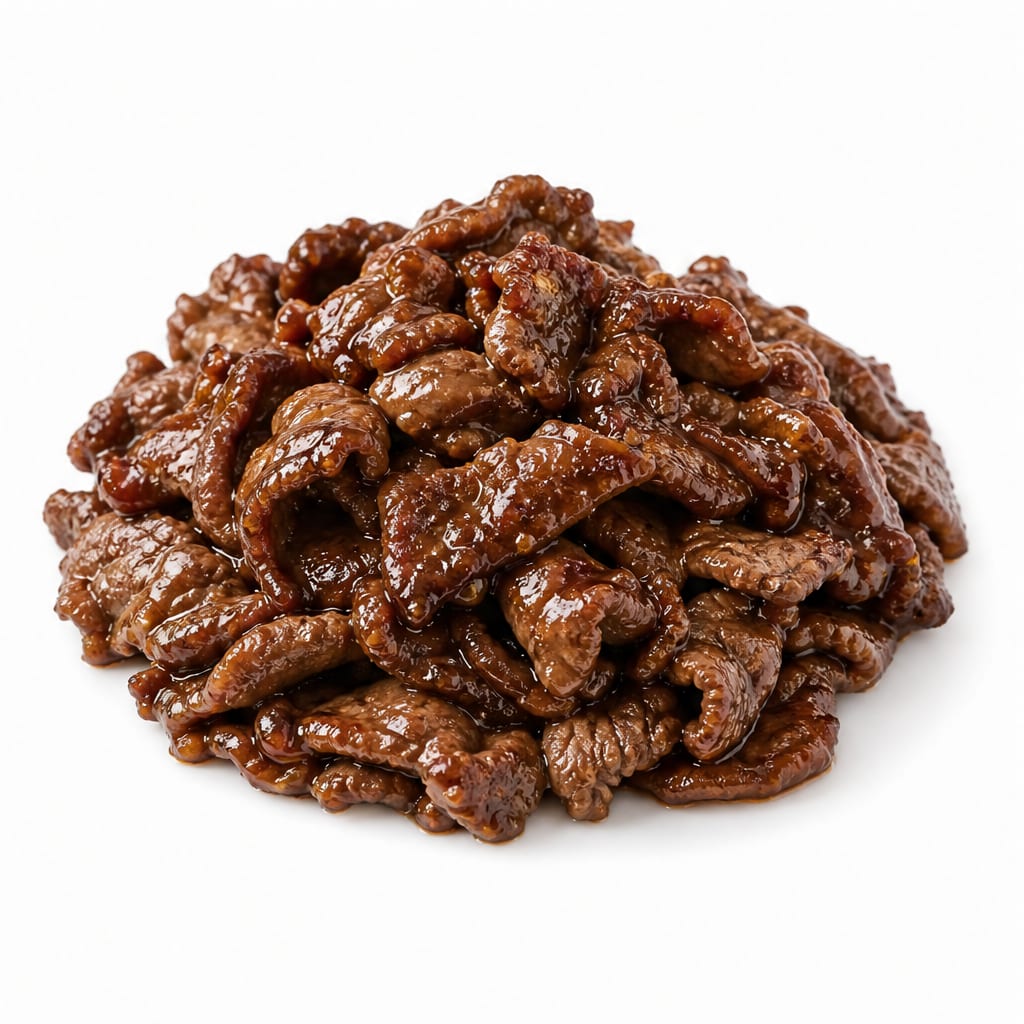
Teriyaki Beef
Bulgogi edges out Teriyaki Beef due to lower refined sugar content and a cleaner, fruit-based marinade, though both are sodium-heavy indulgences.
Bulgogi scores higher because its sweetness comes from whole fruit rather than refined sugar, resulting in a slightly better metabolic profile. Teriyaki loses points for heavier sugar content and common additive thickeners.
You trade the sticky, sweet comfort of a Teriyaki glaze for the more savory, subtly sweet, and less processed profile of Bulgogi.
At a glance
Executive summary
Overall
Bulgogi
Healthier
Bulgogi
More practical
It depends
Daily use
Bulgogi
Key comparison lenses
sugar and sweetener comparison
Teriyaki relies on heavy sugar or corn syrup for its signature glaze, while Bulgogi uses fruit purees like pear or apple for natural sweetness and tenderizing.
sodium intake management
Both dishes use soy sauce as a base, making sodium a major shared concern for heart health and bloating.
clean eating and additives
Store-bought Teriyaki often contains thickeners and modified starches, whereas Bulgogi marinades are typically simpler and more whole-food based.
flavor profile utility
Users often choose between the savory-sesame depth of Bulgogi and the sweet-sticky comfort of Teriyaki for meal prep or dining.
Best choice for
Bulgogi
- People monitoring blood sugar
- Clean eating enthusiasts
- Those who prefer savory over sweet
- Home cooks wanting a whole-food marinade
Teriyaki Beef
- Kids who prefer sweet flavors
- Meal preppers wanting a thick glaze that coats rice
- People craving classic Japanese takeout comfort
Least suitable for
Bulgogi
- Those avoiding sesame allergies
- People wanting a thick, sticky sauce texture
Teriyaki Beef
- Strict low-sugar or keto dieters
- People sensitive to high glycemic loads
- Those avoiding corn syrup or modified food starches
Deep comparison
Dimension by dimension
Each lens scores both foods and breaks down who each option suits.
- Dimension 1 · Priority 95Bulgogi
Sugar & Metabolic Impact
Bulgogi · 72Teriyaki Beef · 45Bulgogi uses grated Asian pear or apple, providing natural sugars alongside fiber and enzymes. Teriyaki relies on refined sugar, honey, or corn syrup for its thick glaze.
Tradeoff
Choosing Teriyaki means consuming significantly more added sugar, which can spike blood glucose and trigger afternoon energy crashes.
Why it matters
High added sugar intake from sauces adds up quickly, increasing fat storage and cravings without providing lasting fullness.
Real-world impact
A Teriyaki lunch will likely leave you hungrier an hour later compared to a Bulgogi meal, simply due to the sugar crash.
Bulgogi
- Steadier afternoon energy
- Lower fasting blood sugar
Better for
- May not satisfy an intense sweet craving
Worse for
Teriyaki Beef
- Quick pre-workout energy if you need fast carbs
Better for
- Higher risk of sugar-induced fatigue
- More likely to trigger overeating
Worse for
- Dimension 2 · Priority 85It depends
Sodium Load
Bulgogi · 55Teriyaki Beef · 55Both marinades are built on a soy sauce foundation, delivering a heavy sodium hit that can easily exceed 800mg per serving.
Tradeoff
Neither is a low-sodium hero. The salt content is virtually a tie, making both risky for blood pressure if eaten frequently.
Why it matters
Heavy sodium intake from saucy meats leads to water retention, bloating, and increased cardiovascular strain.
Real-world impact
Expect similar levels of post-meal thirst and morning bloating whether you choose Korean or Japanese beef.
Bulgogi
- Risk of bloating and high blood pressure
Worse for
Teriyaki Beef
- Risk of bloating and high blood pressure
Worse for
- Dimension 3 · Priority 75Bulgogi
Ingredient Cleanliness
Bulgogi · 78Teriyaki Beef · 55Bulgogi marinades typically use whole ingredients like garlic, sesame oil, and pear. Teriyaki often requires cornstarch or modified starches to achieve its thick, glossy texture.
Tradeoff
Bulgogi offers a more whole-food approach to flavor, while Teriyaki often relies on food science additives for texture.
Why it matters
Ultra-processed thickeners and preservatives in bottled Teriyaki can disrupt gut health and add empty chemicals to your meal.
Real-world impact
Making Bulgogi at home feels like actual cooking; making Teriyaki at home often feels like mixing syrups and starches.
Bulgogi
- Easier to make with 100% recognizable ingredients
- Better for gut-friendly eating
Better for
- Requires fresh fruit for authentic tenderizing
Worse for
Teriyaki Beef
- Shelf-stable convenience in bottled form
Better for
- Often contains hidden MSG or corn syrup
Worse for
- Dimension 4 · Priority 70Bulgogi
Protein Quality & Satiety
Bulgogi · 80Teriyaki Beef · 75Both use similar cuts of beef, but Bulgogi's lower sugar content means a better protein-to-calorie ratio overall.
Tradeoff
You get more usable protein per bite with Bulgogi because fewer calories come from sugary sauce.
Why it matters
When sauce calories overshadow meat calories, you lose the satiating benefit of the protein.
Real-world impact
Bulgogi keeps you full longer because your body processes it more like a steak than a candy-coated meat.
Bulgogi
- Better muscle fuel
- More filling per calorie
Better for
Teriyaki Beef
- Calories from sugar displace satiety signals
Worse for
Timeline
Health impact over time
Short-term
Hours to days
Bulgogi
- Mild bloating from sodium
- Sustained energy from balanced macros
Teriyaki Beef
- Quick energy spike from sugar
- Intense thirst from sodium-sugar combo
- Heavy feeling from thick sauce
Long-term
Months to years
Bulgogi
- Better blood sugar management
- Lower risk of added-sugar-related inflammation
Teriyaki Beef
- Increased risk of insulin resistance from frequent sugar hits
- Higher potential for weight gain if eaten regularly
Risk profile
Safety & processing
While both are processed meat dishes, Bulgogi stays closer to a whole-food marinade. Teriyaki's reliance on refined sweeteners and starch-based thickeners pushes it further into processed territory, especially if using bottled sauce.
Bulgogi
High Sodium
mediumSoy sauce bases can push sodium past 40% of daily value in a single serving, straining cardiovascular health.
Sesame Allergens
mediumSesame oil is critical to Bulgogi's flavor profile, making it unsafe for those with sesame allergies.
Teriyaki Beef
High Sodium
mediumSimilar to Bulgogi, the soy sauce base is a major sodium delivery vehicle.
Added Sugars
highThe thick glaze can contain 15-20 grams of added sugar per serving, heavily impacting metabolic health.
Who wins for whom
Audience fit
Same foods, different winners depending on your goal.
children
Teriyaki BeefKids are naturally drawn to the sweet, sticky, and familiar flavor of Teriyaki glaze.
daily consumption
BulgogiBulgogi is easier to fit into a daily routine without accumulating excessive added sugars, though both should be moderated for sodium.
diabetes
BulgogiFruit-based sweetness and lower refined sugar content result in a gentler blood sugar curve.
elderly
BulgogiLower refined sugar is better for aging metabolisms and managing inflammation, provided sodium is monitored.
muscle gain
It dependsBoth provide excellent beef protein, though Teriyaki's sugar might offer a minor insulin spike useful post-workout.
weight loss
BulgogiFewer calories from sugar means a better protein-to-calorie ratio, keeping you fuller on less.
Your move
Decision guide
Choose Bulgogi
- You want to avoid sugar crashes
- You prefer savory, umami-rich flavors over sweet ones
- You are cooking from scratch with whole ingredients
- You are tracking your added sugar intake
Choose Teriyaki Beef
- You are meal-prepping for kids
- You specifically crave that sticky, sweet glaze over rice
- You need a high-carb post-workout meal
- You are using a high-quality homemade Teriyaki recipe with controlled sugar
Either works if
- You are eating out and sodium is your only major concern
- You want a high-protein centerpiece for a rice bowl
Avoid both if
- You are on a strict low-sodium diet for hypertension
- You have severe soy allergies
- You are trying to eliminate all red meat from your diet
Final recommendation
Go with Bulgogi for a cleaner, more metabolically friendly meal that still delivers rich flavor. Save Teriyaki Beef for occasional sweet cravings or when cooking for picky eaters. For either option, making it at home lets you slash the sodium and control the sugar.
Practical
Consumer tips
- 1
Swap standard soy sauce for low-sodium versions in either marinade to cut salt by 30% or more.
- 2
Make Teriyaki at home using honey or maple syrup instead of corn syrup, and halve the amount for a thinner but healthier glaze.
- 3
Pair either dish with a large portion of steamed or stir-fried vegetables to balance the meal's sodium and density.
- 4
Use cauliflower rice instead of white rice to buffer the blood sugar impact of the Teriyaki glaze.
- 5
If using store-bought Teriyaki, check the label for corn syrup and modified food starch—opt for brands with simpler ingredient lists.