
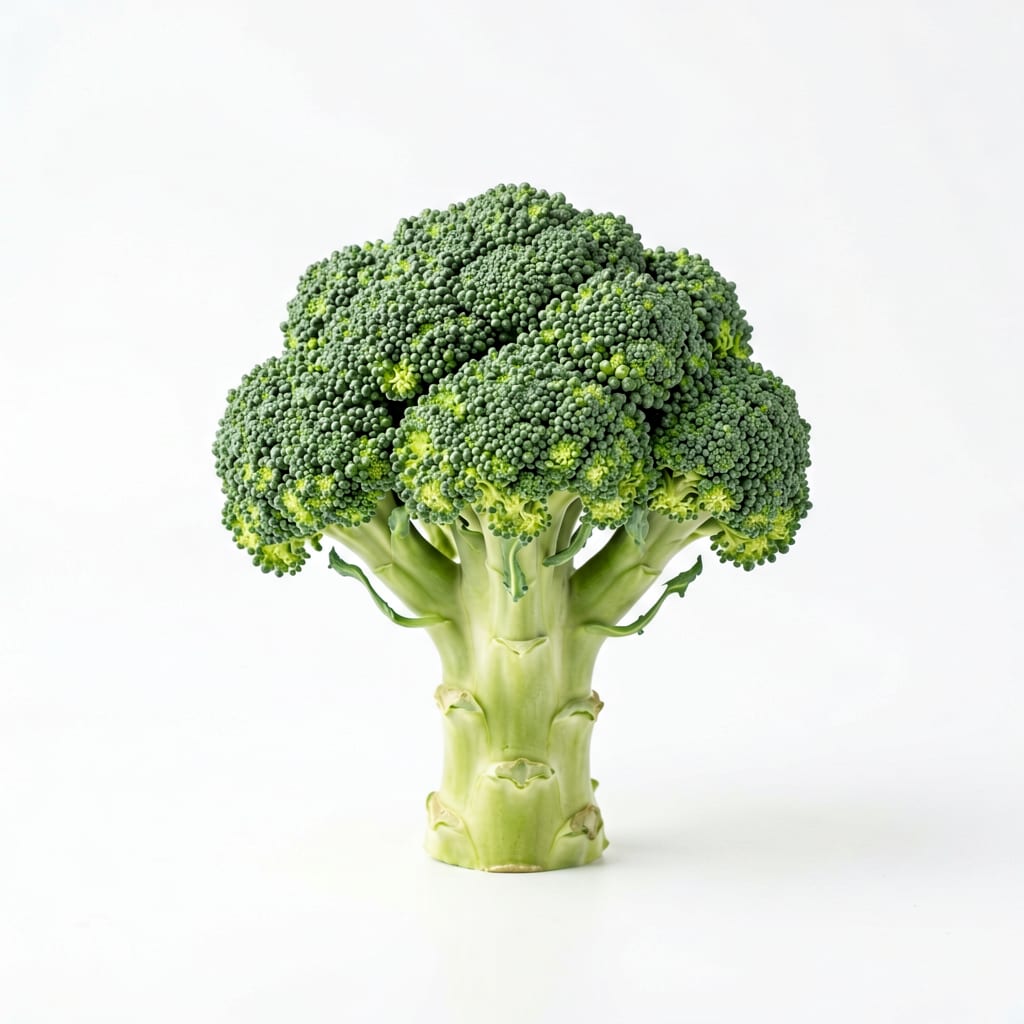
Cruciferous Vegetable
Broccoli
A nutrient-dense cruciferous vegetable loaded with fiber, vitamin C, and cancer-fighting compounds, ideal for low-calorie diets.
A dark green, edible plant of the cabbage family with a dense flowering head, stalk, and leaves, widely recognized for its high nutrient density and health-promoting compounds.
high-volume low-calorie cruciferous vegetable
Typical serving · 91g
Common varieties · calabrese, sprouting, romanesco, broccolini, purple cauliflower
Overall context score across nutrition, safety, and diet fit
At a glance
Quick facts
Simple indicators based on nutrition, processing, and diet fit.
The story
What makes it unique
Raw broccoli digests slowly due to its high fiber content, resulting in prolonged satiety and minimal blood sugar fluctuations. Its macronutrient profile is dominated by complex carbohydrates with very low fat and moderate plant protein. As a minimally processed whole food, it retains heat-sensitive vitamin C and glucosinolates, which convert to sulforaphane upon chewing.
Varieties: calabrese · sprouting · romanesco · broccolini · purple cauliflower
Per 100g
Nutrition breakdown
Macro balance and key metrics at a glance.
Energy
Density 0.34 kcal/g
Protein
Carbs
Fat
Fiber
Sugar
1.7 g
Sodium
33 mg
Potassium
316 mg
Glycemic index
15
Glycemic load
1
Water content
89%
Standout compounds
Nutrient highlights
Vitamin C
highSupports immune function and collagen synthesis
Vitamin K1
highEssential for bone metabolism and blood clotting
Sulforaphane
highPotent cellular defense and detoxification
Fiber
moderatePromotes digestive regularity and satiety
Folate
moderateCrucial for cell division and DNA synthesis
Wellness map
Health scores & processing
NOVA processing scale
Minimally processed · Whole food
Raw or plain frozen broccoli is an unprocessed whole food. Pre-cut or frozen versions remain Group 1 unless salt, sauces, or preservatives are added.
Diet compatibility
- Weight loss
- Muscle gain
- Diabetes
- Gut health
- Low carb
- High protein
- Heart health
Relative standing
Food rankings
Qualitative ranks compared to similar whole foods.
- Satietyexcellent
- Blood sugarexcellent
- Nutrient densityexcellent
- Fitness fuelmoderate
- Processing qualityexcellent
Eat with confidence
Food safety profile
Conventional broccoli often carries pesticide residues, but microbial risks are minimal. Washing thoroughly reduces surface contaminants effectively.
Evidence confidence 90%
- Pesticidesmoderate
- Antibioticslow
- Heavy metalslow
- Contaminationlow
Watch for
- pesticide residues
- soil-borne bacteria
Safer choices
Organic broccoli
Prep tips
Rinse under cold running water and soak for a few minutes to remove debris and residues. Steaming retains nutrients better than boiling.
Conventional broccoli frequently appears on pesticide monitoring lists, though overall microbial contamination risk is low compared to leafy greens.
Deep dive
Health analysis
How this food may fit different goals and preparation choices.
Weight loss
Extremely low energy density allows large portion sizes with minimal calories, promoting fullness without caloric excess.
Blood sugar
High fiber and very low glycemic load prevent blood sugar spikes, making it ideal for glucose control and insulin sensitivity.
Fitness & energy
Provides micronutrient support for metabolic pathways but lacks the dense carbohydrates needed for intense endurance fueling.
Gut health
Fiber and glucosinolates support a diverse gut microbiome and reduce intestinal inflammation, though raw forms may cause bloating in sensitive individuals.
Processing quality
Whole, unprocessed food retaining all natural enzymes, phytochemicals, and structural integrity.
Food safety
Primary concern is pesticide residue on conventional crops; washing thoroughly or choosing organic mitigates this risk.
Common mistakes
Boiling broccoli leaches water-soluble nutrients like vitamin C and sulforaphane precursors into the cooking water, reducing its nutritional value.
Best preparation
Light steaming or microwaving with minimal water to preserve heat-sensitive compounds while enhancing digestibility.
Practical guide
Best use cases
When and how this food fits real eating patterns.
Volume eating for weight loss
Large portions can be consumed with minimal caloric impact, satisfying hunger mechanically.
Low-carb diet side dish
Replaces starchy grains or potatoes while providing texture and fiber to meals.
Gut microbiome support
Provides prebiotic fiber that feeds beneficial gut bacteria and supports digestive health.
Balance sheet
Pros & cons
Upsides
- Very low in calories but high in physical volume
- Rich in cancer-fighting glucosinolates like sulforaphane
- Excellent source of vitamins C and K1
- High fiber supports stable blood sugar and digestion
Trade-offs
- Can cause bloating and gas due to raffinose content
- Overcooking easily destroys heat-sensitive nutrients
- Conventional crops frequently carry pesticide residues
Fit check
Who is it for?
Great match
- volume eaters
- blood sugar management
- low-carb dieters
Consider alternatives
- IBS sufferers sensitive to FODMAPs
- quick pre-workout energy
- high-calorie bulking diets
Side by side
How it compares
Open the full head-to-head analysis for nutrition, safety, and practical tradeoffs.
This food
Broccoli
VS95% alike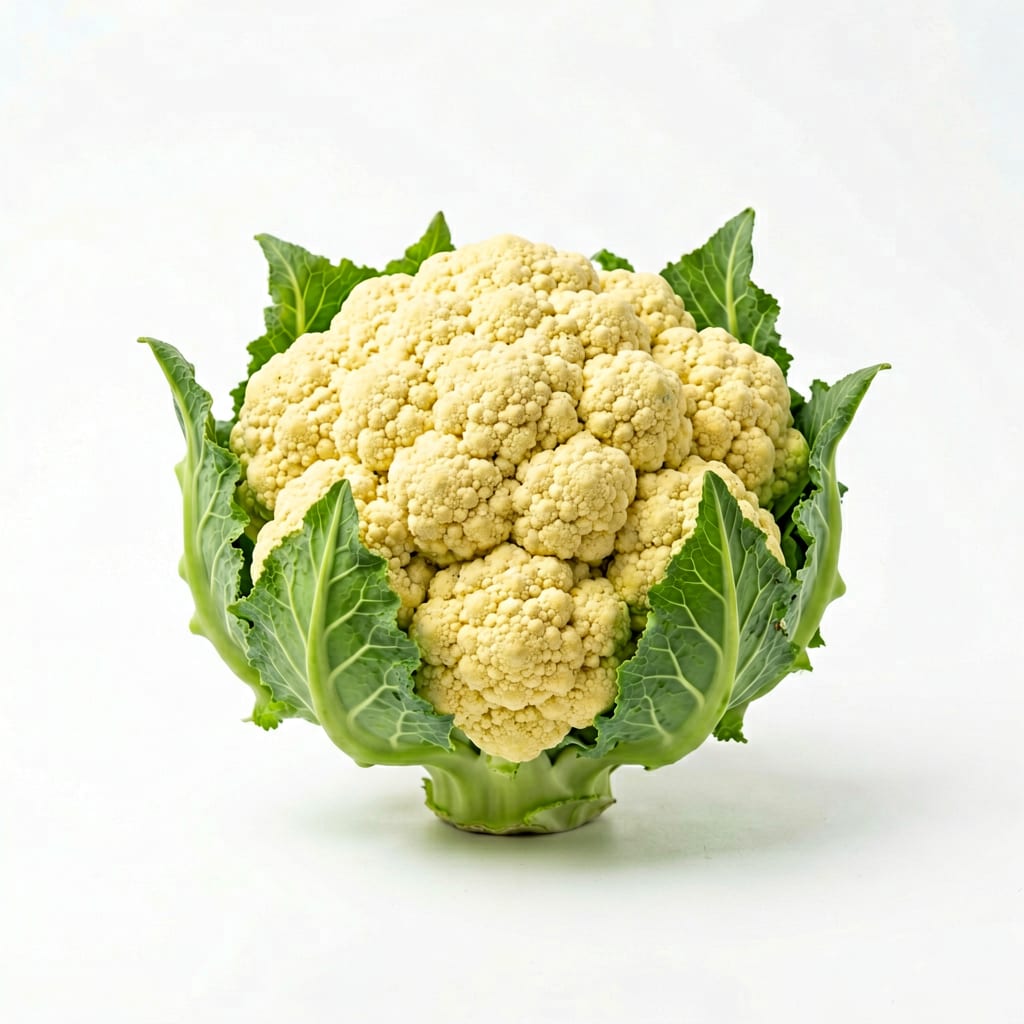
Compare with
Cauliflower
Both are low-carb cruciferous veggies; broccoli has more vitamins C and K, while cauliflower is slightly lower in calories and carbs.
Broccoli provides more vitamin C and fiber, while cauliflower is slightly lower in calories and carbs for strict keto diets.
This food
Broccoli
VS85% alike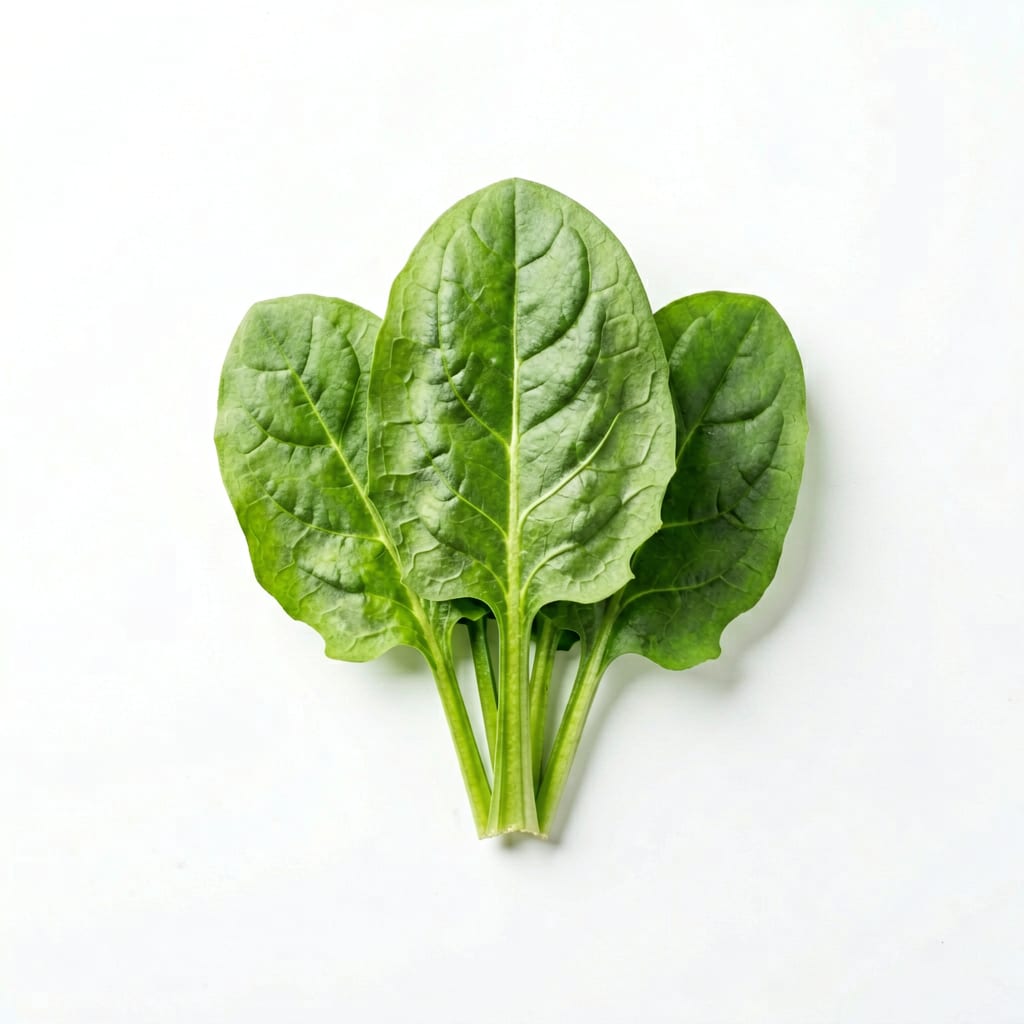
Compare with
Spinach
Spinach is lower in calories and higher in iron, but broccoli provides more vitamin C and fiber per serving.
Spinach is lower in calories and higher in iron, while broccoli offers more fiber and vitamin C for fullness and immunity.
This food
Broccoli
VS85% alike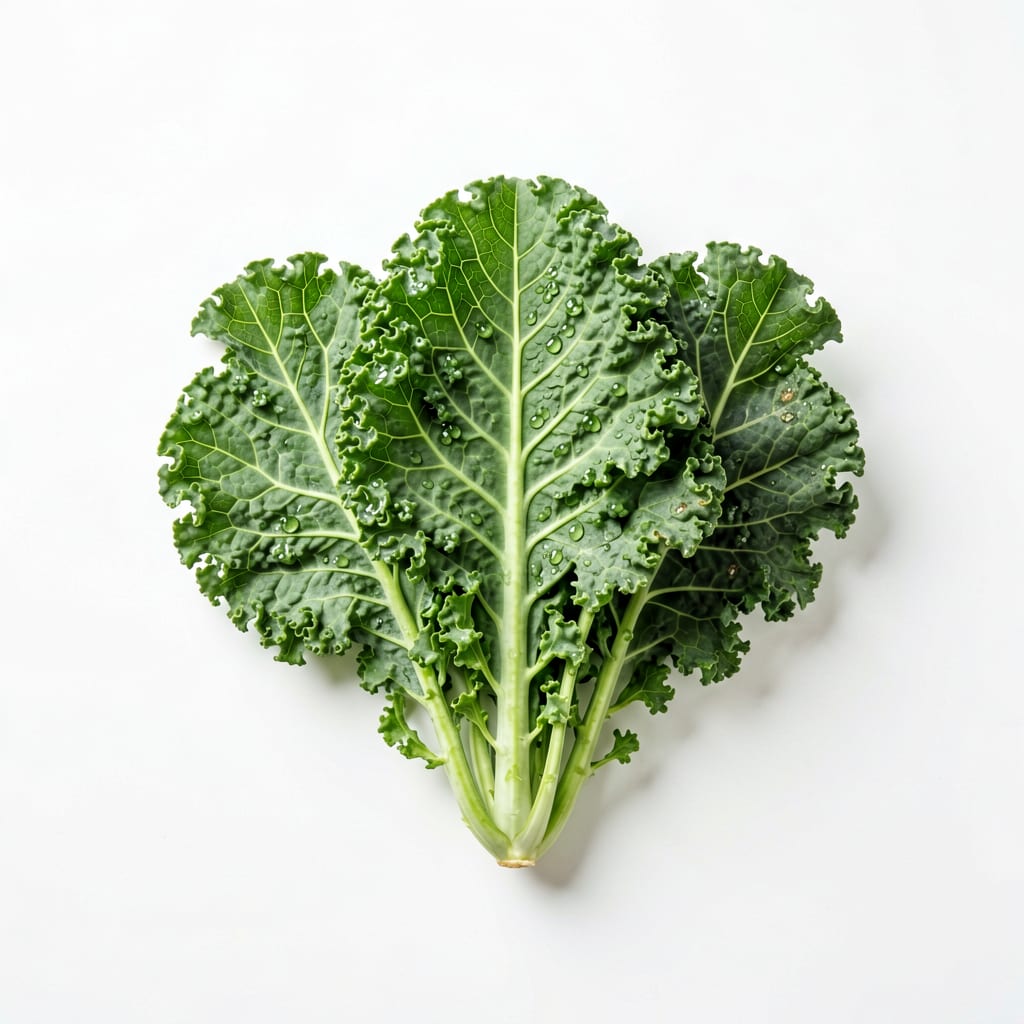
Compare with
Kale
Kale is denser in vitamins A and K, but broccoli offers more protein and is generally easier to digest when steamed.
Kale packs more vitamin A and K, but broccoli is lower in calories and easier to digest for everyday meals.
This food
Broccoli
VS88% alike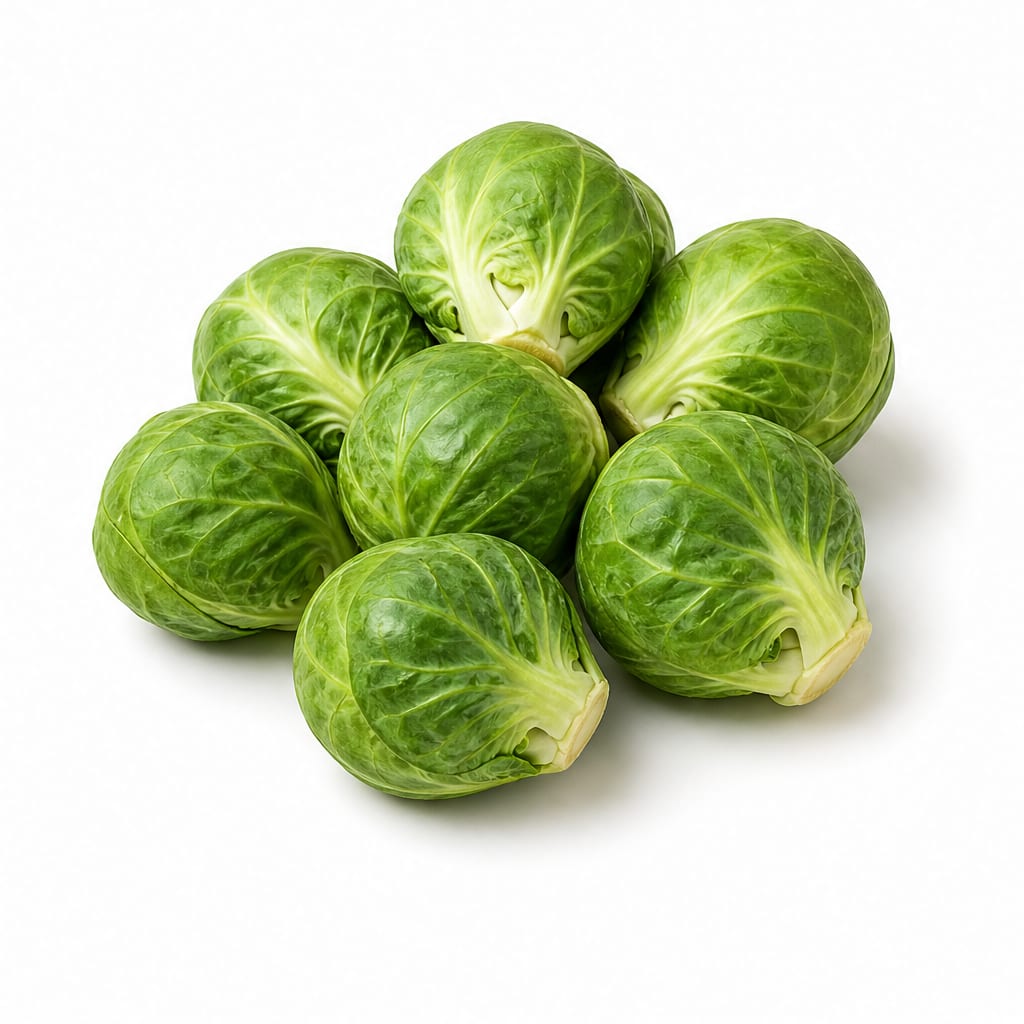
Compare with
Brussels Sprouts
Brussels sprouts have slightly more protein and fiber, but broccoli is lower in calories and less bitter.
Brussels sprouts offer slightly more fiber and protein, but broccoli is lower in calories and more versatile in cooking.
This food
Broccoli
VS80% alike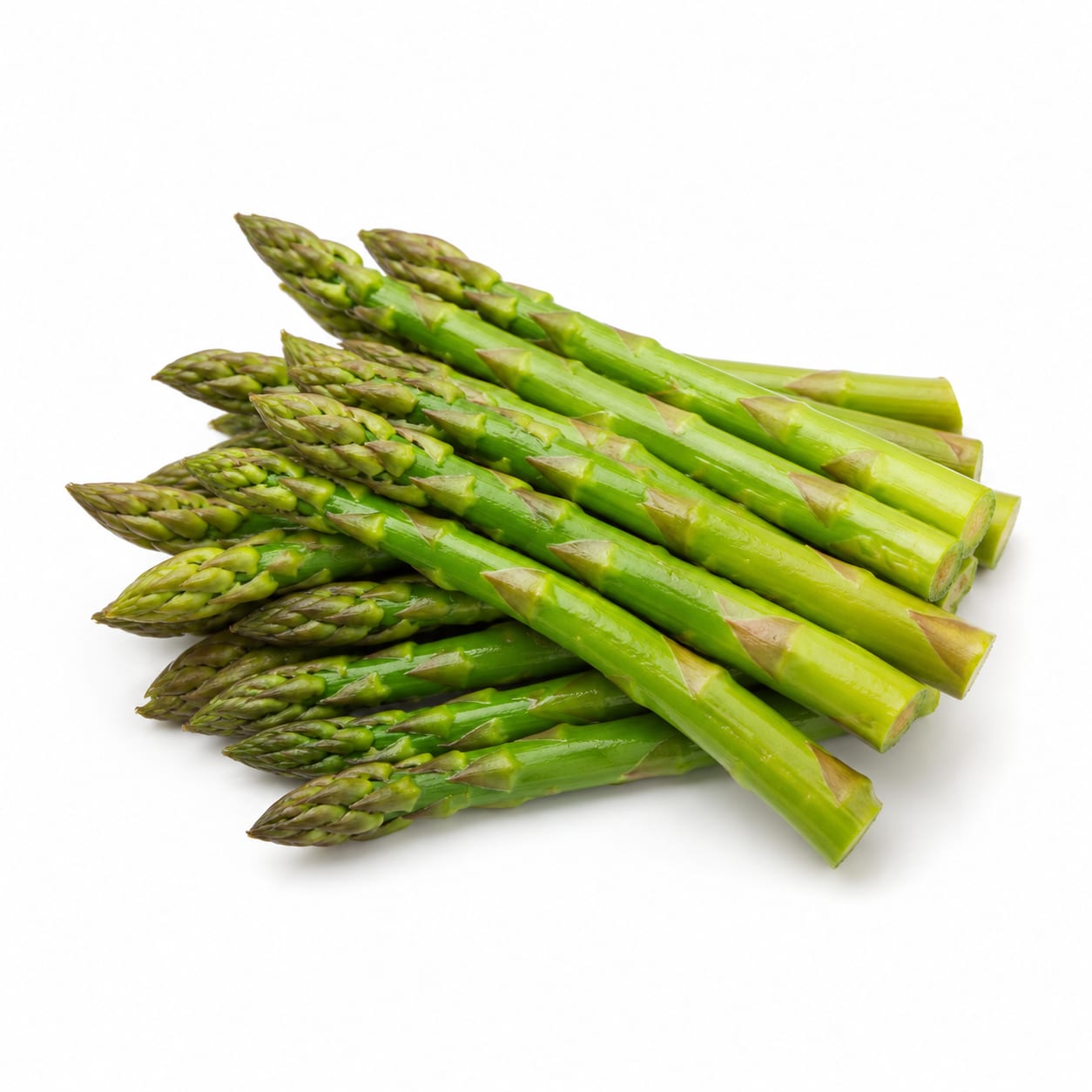
Compare with
Asparagus
Asparagus acts as a natural diuretic and is lower in carbs, while broccoli offers more vitamin C and stronger cellular defense compounds.
Asparagus is lower in carbs and a natural diuretic, while broccoli provides more vitamin C and cancer-fighting sulforaphane.
This food
Broccoli
VS75% alike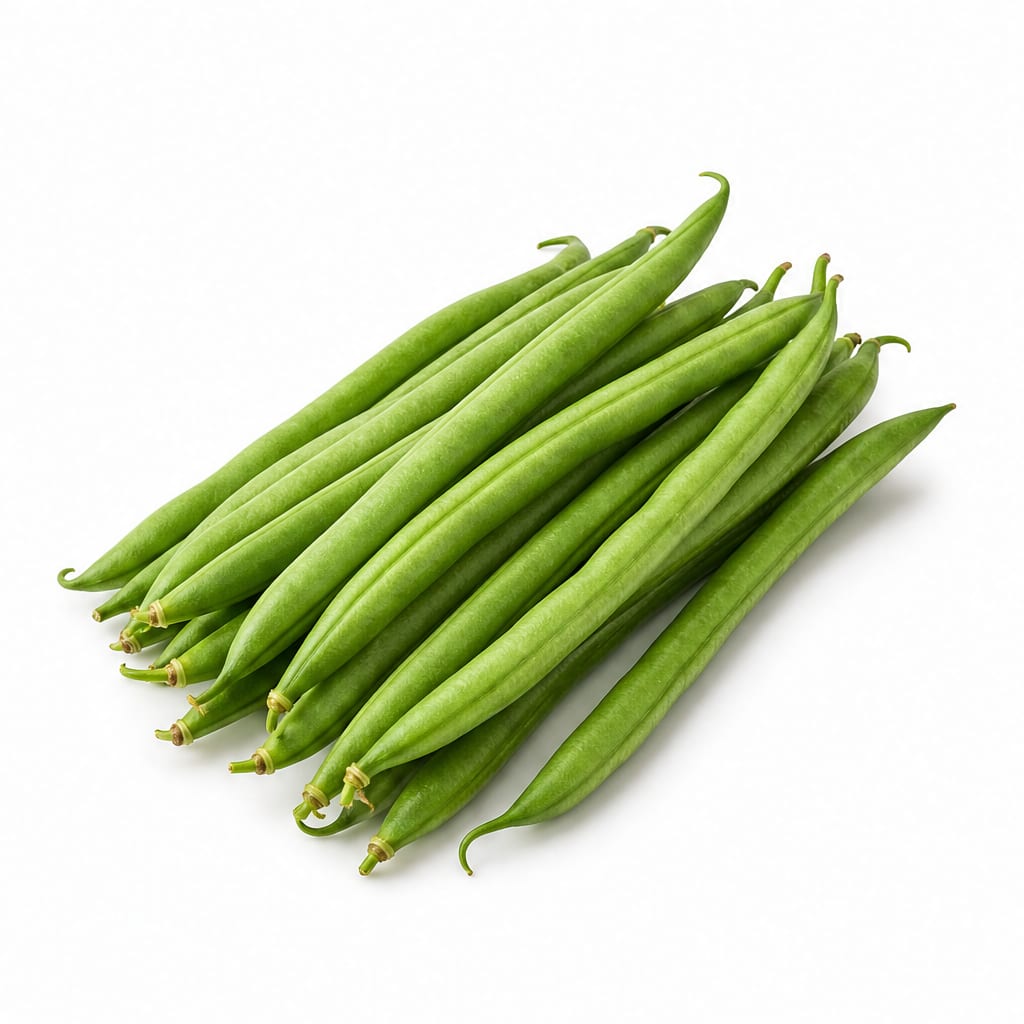
Compare with
Green Beans
Green beans are milder in flavor and lower in FODMAPs, but broccoli has superior nutrient density and vitamin content.
Green beans are easier on digestion for IBS, but broccoli wins for overall nutrient density and blood sugar control.
This food
Broccoli
VS85% alike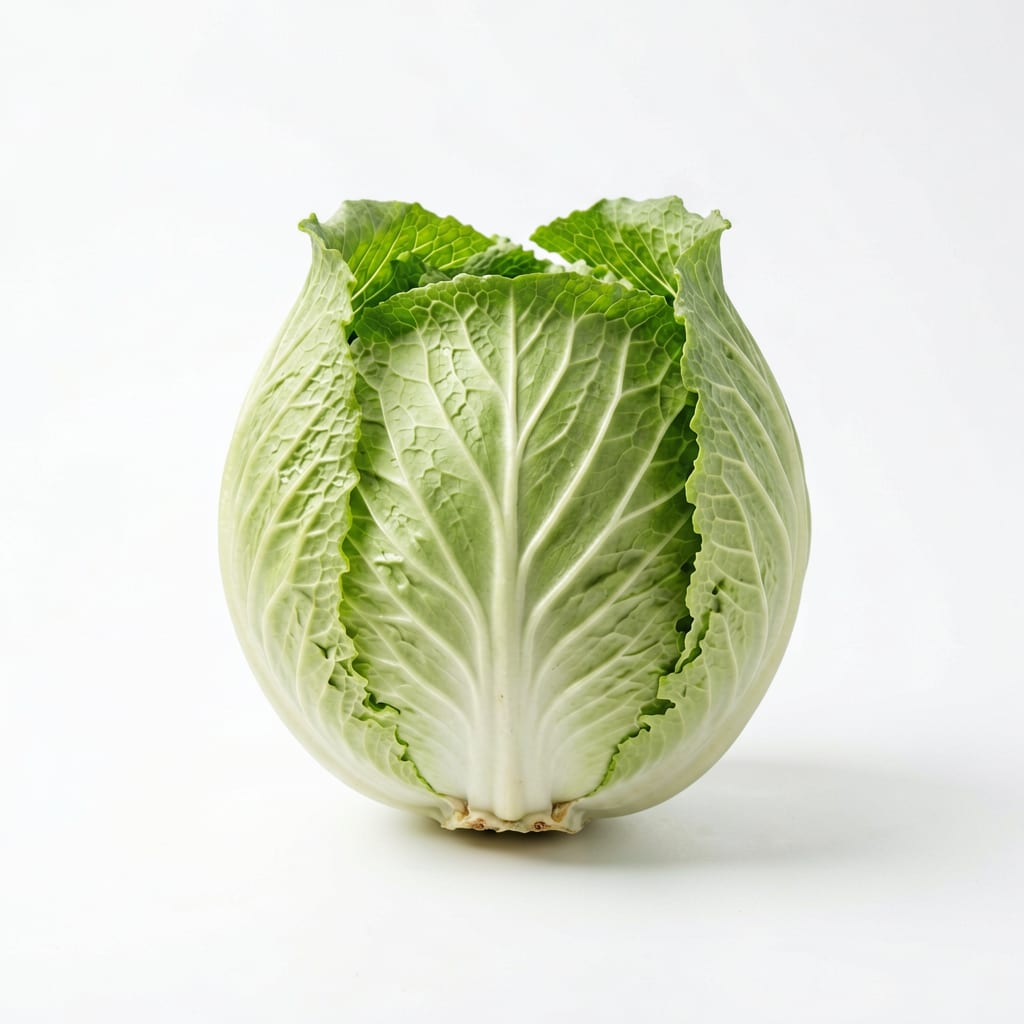
Compare with
Cabbage
Cabbage is cheaper and lower in calories, but broccoli provides significantly more vitamin C and folate.
Cabbage is cheaper and very low in calories, but broccoli delivers much more vitamin C and folate per serving.
This food
Broccoli
VS70% alike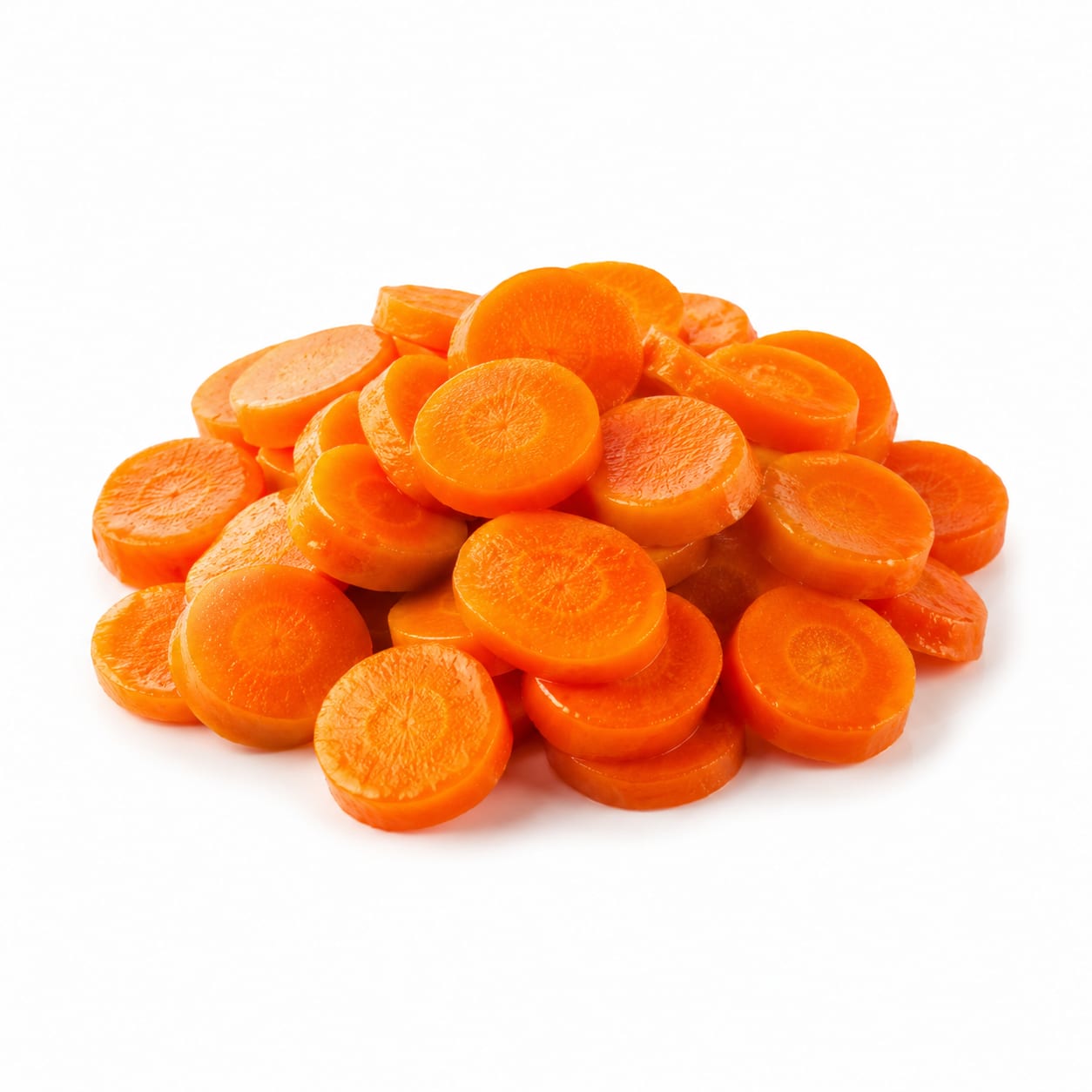
Compare with
Carrots
Carrots are high in beta-carotene for eye health, whereas broccoli excels in vitamin K and cellular defense compounds.
Carrots provide more vitamin A for eye health, while broccoli is lower in sugar and higher in cancer-fighting compounds.
This food
Broccoli
VS75% alike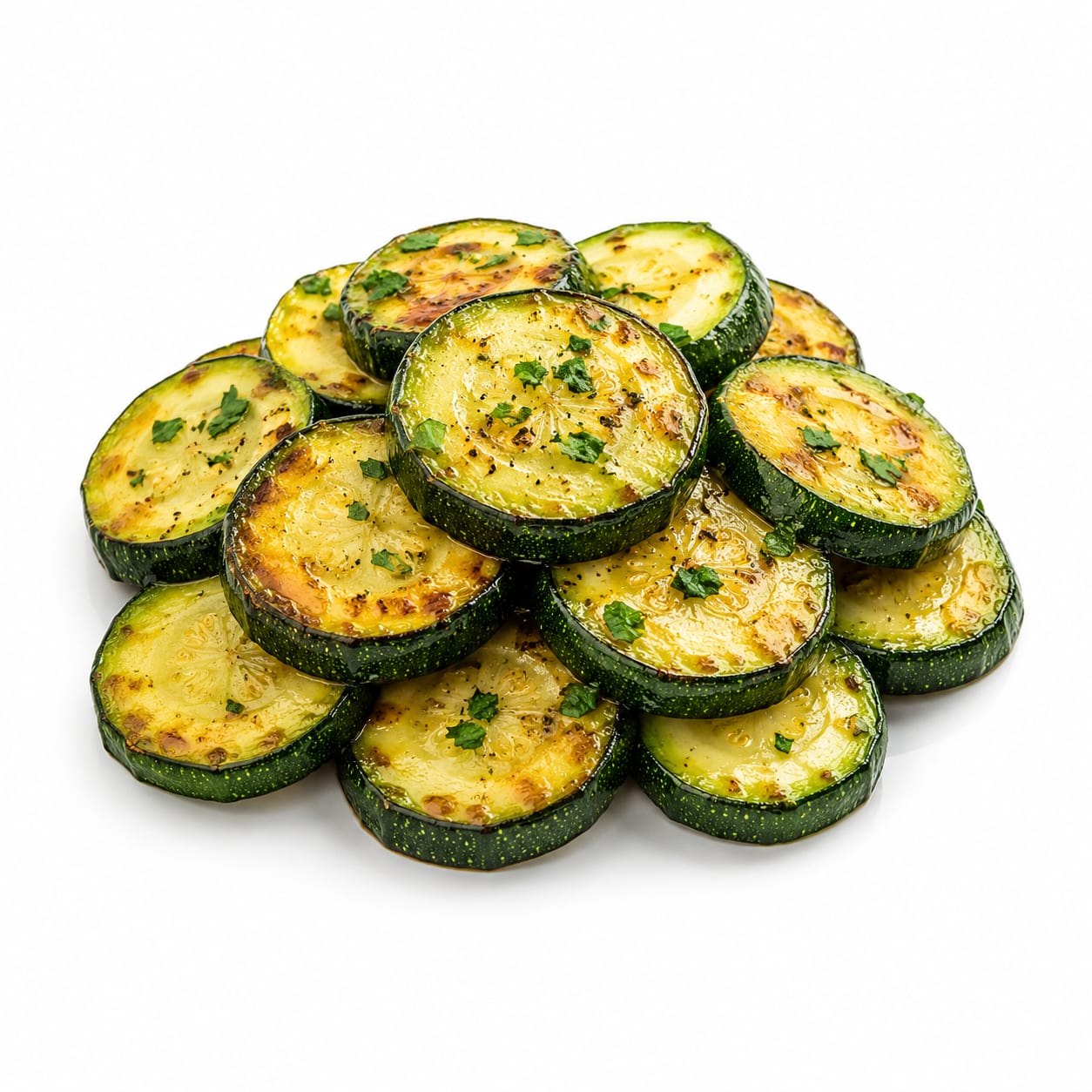
Compare with
Zucchini
Zucchini is lower in calories and carbs, making it great for keto, but broccoli is far richer in vitamins and minerals.
Zucchini is lower in calories and carbs for strict keto, but broccoli is far richer in vitamins and fiber for overall health.
This food
Broccoli
VS70% alike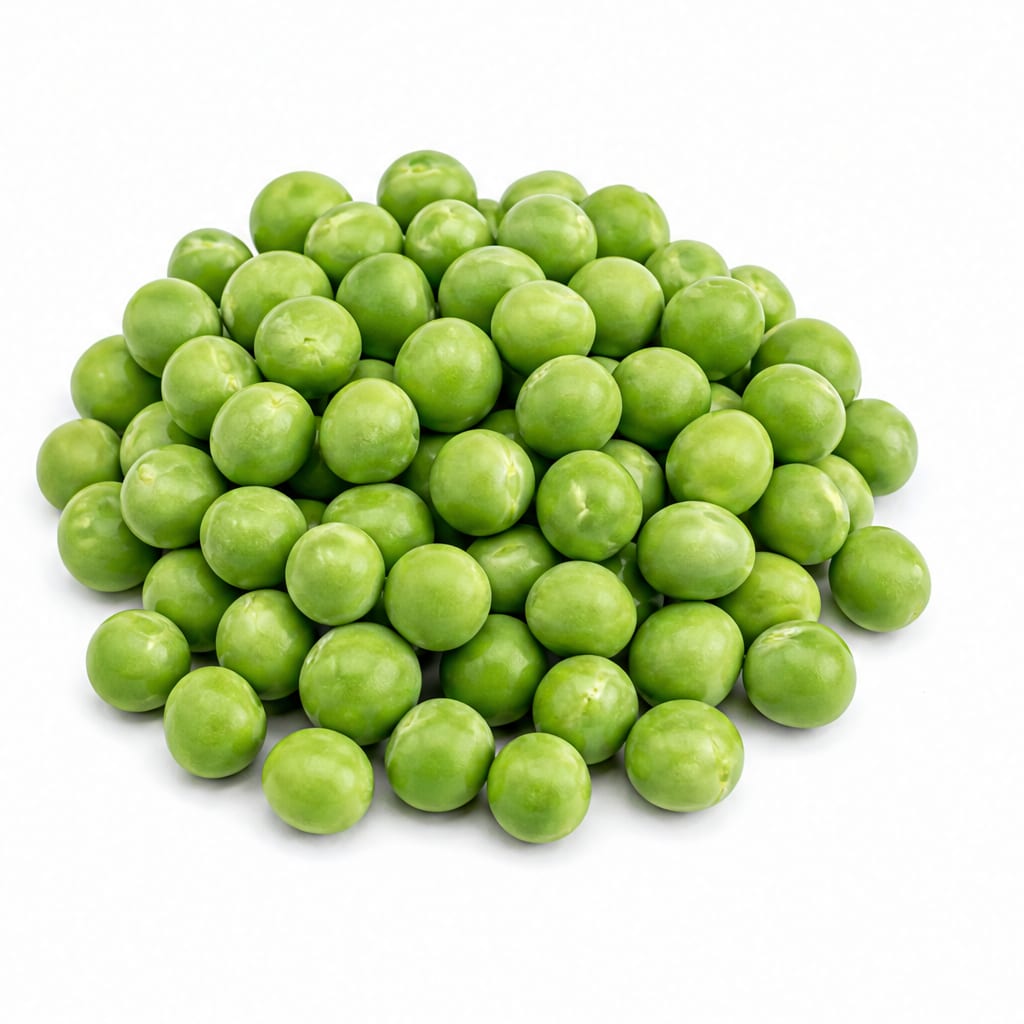
Compare with
Green Peas
Peas are much higher in protein and carbs, serving as better workout fuel, while broccoli is the clear winner for low-calorie weight loss.
Peas provide more protein and carbs for workout fuel, while broccoli is the better choice for low-calorie weight loss and blood sugar control.
Common questions
FAQ
Answers aligned with how people search for this food.
Is broccoli good for weight loss?
Yes, its low calorie and high fiber content increase satiety without excess calories, making it ideal for volume eating.
Can diabetics eat broccoli?
Yes, it has a very low glycemic index and load, helping stabilize blood sugar and improve insulin sensitivity.
Is it better to eat broccoli raw or cooked?
Light steaming is best; it preserves vitamin C while making cancer-fighting compounds like sulforaphane more bioavailable and easier to digest.
Does broccoli have protein?
It contains a moderate amount for a vegetable (2.8g per 100g), but it is not considered a high-protein food for muscle building.
Why does broccoli make me gassy?
It contains raffinose, a complex sugar that human enzymes cannot digest, which is fermented by gut bacteria and produces gas.
Is frozen broccoli as healthy as fresh?
Yes, frozen broccoli is flash-frozen at peak ripeness, often retaining more vitamins than fresh broccoli that has sat on shelves for days.
How many carbs are in broccoli?
There are about 6.6g of total carbs per 100g, with 2.6g of fiber, resulting in only 4g of net carbs.
What are the benefits of sulforaphane in broccoli?
Sulforaphane is a potent antioxidant linked to reduced inflammation, cellular protection, and enhanced detoxification pathways.
Transparency
Data confidence
Estimated confidence for nutrition data, interpretation, safety notes, and comparisons.
Nutrition data
Health analysis
Food safety
Comparisons